ראש הממשלה בנימין נתניהו נפגש עם ראש ממשלת קנדה ג’סטין טרודו בוועידת האקלים של האו”ם. (צילום: youtube.com)
האם רוחות קרות מנשבות מקנדה: ג’סטין טרודו צפוי להנהיג מדיניות יותר מאוזנת כלפי ישראל
ראש ממשלת קנדה החדש מטעם המפלגה הליברלית, ג’סטין טרודו, לא דומה כלל לראש הממשלה היוצא מטעם השמרנים, סטיבן הרפר, שהובס בבחירות הפדרליות האחרונות שהתקיימו בחודש אוקטובר. זאת גם בנוגע לייחס למדינת ישראל. טרודו נחשב עדיין לראש ממשלה “ירוק” כיוון שהוא בתפקיד מספר חודשים ספורים, אך כבר ניתן להבחין שמערכת היחסים ההדוקה ביותר בין ישראל לקנדה שאיפיינה את ממשלת הרפר, לא תחזור על עצמה. הרפר הרגיש מאוד בנוח עם ראש ממשלה של ישראל, בנימין נתניהו. שיאו של הקשר ההדוק הזה בין שני האישים, בא לידי ביטוי בביקור ההיסטורי של הרפר בישראל התקיים בחודש ינואר 2014. המשלחת הגדולה של של הרפר לישראל כללה פעילים בולטים בקהילה היהודית הקנדית. חלק מהם הוטסו במטוס שלו וחלק אחר “רק” התארחו בישראל על חשבון משלם המיסים הקנדי.
טרודו קיבל טלפון מנתניהו מייד עם זכייתו בבחירות בחודש אוקטובר. שני האישים נפגשו לשיחה קצרה ומתוקשרת היטב בסוף חודש נובמבר, במסגרת ועידת האקלים בפריז. הפגישה הייתה אמנם חיובית אך לא הזכירה במאום את חמימות היחסים בין הרפר לנתניהו. טרודו הודה לנתניהו על שהזמין אותו לבקר בישראל באופן רשמי אך הודיע שישמח להגיע “כשזה יתאפשר”?
בתשע וחצי שנות כהונתו של הרפר הוא נחשב לתומך הגדול של ישראל בעולם. וכידוע הוא עמד מאחורי ישראל בכל עניין ועניין. טרודו לעומת זאת כמו אביו, פייר אליוט טרודו ששימש רה”מ קנדה בשנים 1968-1979 ו1980-1984, צפוי להנהיג מערכת יחסים יותר מאוזנת עם ישראל, תוך ניסיון לחזק את הקשרים עם מדינות ערב, שנחלשו בתקופת הרפר. שר החוץ שלו, סטפן דיון, אמר כבר הזדרז והודיע שקנדה מבקשת לחזור לתפקידה המסורתי (לפני עידן הרפר), ולהיות מתווך הוגן בין הצדדים במזרח התיכון, תוך חיזוק הקשרים עם מדינות ערב. להערכת פרשנים ממשלת טרודו לא תתמוך עוד אוטומטית בישראל וכל נושא יבחן לגופו. הממשלה הקנדית צפויה להשמיע גם ביקורת קשה יותר על ההתנחלויות והבנייה בשטחים. טרודו כמו הרפר תומך בפתרון של שתי המדינות פלסטין לצד ישראל והוא בוודאי יזכיר זאת לראשי ישראל בדחיפות רבה יותר, כאפשרות היחידה להשגת שלום באזור. לפני השבעתו לראש הממשלה טרודו התקשר לראשי הקהילה היהודית בקנדה, הבטיח להם להמשיך ולעבוד בשיתוף פעולה מלא עימם והזכיר שוב את תמיכתו החשובה בישראל.
טרודו כמו אביו הודיע כי קנדה בתקופתו תתנגד לחרם על ישראל “שזה סוג חדש של אנטישמיות”. אך מצד שני הוא בחר לא הגיב על ההחלטת האיחוד האירופאי מחודש נובמבר, לסמן מוצרים מיוצרו בההתנחלויות. הרפר בוודאי היה נוהג אחרת. בנושא איראן הגרעינית הרפר עמד בקו אחד עם נתניהו (אך לא לא קיבל את “נאום הקווים האדומים” של נתניהו באומות המאוחדות). לעומתו טרודו מצדד בהסכם בין איראן למעצמות ואירופה. לדבריו: “מדובר בצעד בכיוון הנכון”.
טרודו שלח ברכה ליהודים קראת החנוכה שהייתה הרבה יותר צנועה, לעומת הברכות החמות והארוכות של הרפר. טרודו בוודאי לא ינהג כמו שהרפר שלקראת ראש השנה, היה שולח כרטיסי ברכה אישיים (עם תמונה שלו ומשפחתו) לרבים מבין חברי הקהילה היהודית. הדבר עורר תמיהה כפולה: כיצד משרדו של הרפר ידע מהן הכתובות של היהודים, ומדוע קהילות זרות אחרות לא “זכו” לקבל כרטיסי ברכה ממנו. הרפר ידע להעריך את כוחה הפוליטי של הקהילה היהודית כאן שכיום היא השלישית בגדולה בעולם מחוץ לישראל.
ראש הממשלה, ג’סטין טרודו, מברך פליטים סוריים לקנדה. (צילום: cic.gc.ca)
טרודו לראשת השנה החדשה: יש לתמוך בנזקקים ובמעמד הביניים
ראש הממשלה, ג’סטין טרודו, פירסם אגרת לקראת השנה החדשה והדגיש את הצורך לתמוך בנזקקים, מיעוטי יכולת, פליטים. וכן במעמד הביניים שכה נחלש בתקופת ממשלת השמרנים של הרפר. טרודו הזכיר באגרת את האיומים על קנדה והערכים הקנדיים כמו ביטויי שינאה, ומעשי אלימות שמכוונים נגד קהילות דתיות.
ממשלת טרודו פועלת כידוע להביא כעשרים וחמישה אלף פליטים סוריים לקנדה. עד לסוף 2015 הממשלה הצליחה להביא כמה אלפי פליטים והיא צפויה לעמוד במשימתה עד לסוף 2016. בהקשר זה יצוין כי אחת הסיבות שהביאו לנפילתו של סטיבן הרפר, שכ-71 מהציבור הקנדי ביקש להחליפו, נעוצה בעבודה שלא היה רגיש כלל לנושא הפליטים הסוריים.
אין רוב לפינוי מרצון: עשרה תושבים מונעים את פינוי ליטל ביי איילנדס בשניופאונדלנד ולברדור
תושבי הישוב ליטל ביי איילנדס שבמזרח קנדה לא יודעים אם הם צריכים לצחוק או לבכות. זאת כיוון בגלל התנגדות נחרצת של עשרה מהתושבים שגרים בישוב, הם לא יכולים לקבל את הצעת ממשלת מחוז ניופאונדלנד ולברדור ולעבור למקום אחר.
ליטל ביי איילנדס נחשב לישוב הקטן ביותר בקנדה כיום וגרים בו עתה רק מאה וחמישה תושבים. לפי תקנון המחוז דרוש רוב של תשעים אחוז כדי לקבל החלטות הרות גורל ומשמעותיות כמו פינוי ישובים. בהצבעה שנערכה לאחרונה בסוגיה זו תשעים וחמישה מהתושבים אמרו “כן” לפינויי ועשרה אמרו “לא” לפינוי. ההצעה נפלה כי התומכים השיגו רוב של רק 89.47 אחוז ולא תשעים אחוז.
החיים בישוב המבודד והמוקף בים מכל צדדיו לא קלים והגישה אליו אפשרית רק באמצעות מעבורת או סירות. מרבית התושבים (כארבע במאות במספר) שגרו בו נטשו אותו בשנים האחרונות, וכמעט ואין בו תעסוקה מלבד תיירות. בליטל באיי איילנדס יש בית ספר אחד עם שני תלמידים ומורה, תחנת כיבוי אחת ומלון קטן אחד. וכן כדאי לדעת לא פחות משתי כנסיות. ממשלת ניופאונדלנד ולברדור הציעה לתושבים לעזוב את ליטל ביי איילנדס מרצון ולעבור לישובים אחרים במחוז, שהגישה אליהם נוחה יותר. הממשלה הבטיחה לכל אחד מהמתפנים מאתיים ושבעים אלף דולר כפיצוי. כאמור בשלב זה הפינוי לא יוצא אל הפועל והפרק הראשון של הפינוי מרצון יסתיים. בקרוב יגיע בוודאי הפרק השני.
נפתחה הדלת במערכת המשפט הקנדית: לראשונה מונה שופט טרנסג’נדר לאחד מביתי המשפט
לראשונה מונה בקנדה שופט טרנסג’נדר. בימים אלה קייל מקנזי מתחיל לשמש שופט בית המשפט המחוזי של מחוז מניטובה, שממוקם בויניפג. מקנזי בן הארבעים וארבע הוא טרנסג’נדר מוצהר. הוא נאלץ להתמודד מול חמישה מועמדים נוספים לתפקיד השופט ונבחר על ידי ועדת שיפוטית עצמאית. במערכת המשפט מקצה לקצה ברכו על המינוי החדש וציינו כי מקנזי ראוי לתפקיד השופט המחוזי, קודם כל בגלל ניסיונו הרב כעורך דין וכשרונו המקצועי היוצא דופן. במערכת הוסיפו: “כמובן שמערכת המשפט מחוייבת להיות שוויונית ופתוחה אך תחילה על השופטים להיות איכותיים וטובים”. מקנזי הוא בסך הכל השופט הטרנסג’נדר השלישי בלבד בכל יבשת צפון אמריקה והוא מצטרף לשני עמיתיו המכהנים בארצות הברית.
מקנזי שימש בחמש השנים האחרונים תובע מטעם פרקליטות המדינה בנושאי משפחה, מסחר ומשפט אזרחי. במקביל כיהן גם סגן נשיא של לשכת עורכי הדין של מניטובה. הוא עבר תהליך של שינוי מין מאישה לגבר עוד בתקופת לימודיו בית הספר התיכון.
לפי הערכה בכל העולם יש פחות מעשרים טרנסג’נדרים מוצהרים שנבחרו לתפקידים ציבוריים בכל הרמות השונות של הממשלות.
נפתרה תעלומת החמישים מיליון דולר: פנסיונר המתין עשרים ואחד חודשים כדי לקחת את הזכייה הגדולה בלוטו
נפתרה התעלומה הגדולה ביותר בתולדות הגרלות הלוטו בקנדה. לאחר עשרים ואחד חודשים תמימים נזכר אחד מאזרחי בריטיש קולומביה לבוא ולקחת את אחד הפרסים הגדולים ביותר אי פעם. פנסיונר מהעיר לאנגלי שבמטרו ונקובר בשם פרידריך מאירהופר (67), זכה בחמישים מיליון דולר בהגרלת לוטו ‘מקס’ שנערכה במרץ שנה שעברה. ומדוע אדון מאירהופר המתין קרוב לשנתיים כדי לקחת את הפרס הגדול? לדבריו בגלל החשש לבוא למשרדי בריטיש קולומביה לוטו קורפוריישן ולקחת את הצ’ק, כי הוא “ביישן ואוהב לשמור על פרטיות”, ורצה להישאר בעילום שם “מתוך דאגה שלא יהיה מסוגל להתמודד עם פרס כזה עצום”.
לפי תקנות הלוטו ניתן לדרוש את הזכייה בפרסים עד שנה מתום ההגרלה, ושמם של הזוכים יפורסם. 739 איש לא התביישו וטענו שהם זכו בפרס הגדול וכולם נדחו כאחד. מאירהופר שכר עורך דין והקים נאמנות בכוונה שהזכייה תעבור אליה ושמו לא ייחשף. עורך הדין התייצב במשרדי הלוטו יום לפני תום השנה מהזכייה בהגרלה, ופתח בהתדיינות משפטית עם ההנהלה כדי להעביר הפרס לנאמנות. לאחר חודשים של דיונים הקורפורשיין דחה את בקשתו, בטענה שהפרס ימסר רק למי שיציג תעודה מזהה ושמו יפורסם. מאירהופר הבין שאין לא ברירה אלא לצאת מהארון בלאנגלי, ולקחת את החמישים מיליון דולר מול התקשורת. וכך הוא נעמד מול המצלמות ובקול חלש הסביר את חששו לקחת את הפרס. מאירהופר מתכוון להמשיך ולגור עם אשתו בבית הישן בו הם גרים כבר שלושים ושש שנים, אך אשתו רוצה להחליף את הריהוט. אין להם תוכניות מה לעשות עם הכסף מלבד לעזור לשלושת הילדים ולנכדים. מאירהופר מתכוון להמשיך ולרכוש כרטיסי לוטו גם בעתיד. יועץ פיננסי מציין כי מאירהופר הפסיד כבר כחצי מיליון דולר של ריבית כיוון שלקח את הכסף באיחור כה רב.
לא לכל אחד את יש המזל של מאירהופר. הומלס מוונקובר זכה בעשרים וחמישה אלף דולר בהגרלת בינגו, אך הוא אינו יכול לקבל את הכסף כיוון שאין לו תעודה מזהה ואילו לו כתובת מגורים.
נפתרה תעלומת המאה ושמונים אלף: זוכה בהגרלה נתבשר כי שלא זכה ולאחר מכן התברר שכן זכה
את פרשת זכייתו במאה ושמונים אלף אלף דולר לא ישכח לעולם צ’ארלס רישוט מוויניפג. רישוט השתתף בהגרלה שנערכה בין רוכשי כרטיסי גמר הפוטבול הקנדי “הגריי קאפ”, שנערך בעיר. בסיום המשחק הקריא הכרוז את מספר הכרטיס שזכה בהגרלה, שהופיע גם על המסך הדיגיטלי הגדול באצטדיון. רישוט נדהם שהוא מחזיק בכרטיס היקר ורץ לביתו כדי לבשר לאשתו על שזכו במאה ושמונים אלף דולר. בערב הוא החליט להציץ באתר האינטרנט של מועדון הפוטבול המקומי, ולא האמין למראה עיניו, כיוון שפורסם בו שכרטיס אחר זכה בהגרלה. רישוט התעצב והתעצבן וזרק את הכרטיס שלו הישר לפח הזבל. לאחר שהתעשת החליט להוציא את הכרטיס מהזבל כדי שיוכל להראותו לשלושת נכדיו, ולספר להם איך “כמעט” וזכה במאה ושמונים אלף דולר. בבוקר הוא החליט שוב להסתכל באתר כדי לראות מי הזוכה המאושר ושוב נדהם, כיוון שמספר הכרטיס הזוכה שונה ובמקומו פורסם הכרטיס שלו. רישוט לא ידע נפשו מרוב אושר שבסופו של דבר הוא זה שזכה במאה ושמונים אלף דולר.
רשות ההימורים והאלכוהול של מחוז מניטובה פתחה בחקירה כדי להבין את הפרשה המוזרה הזו, אך את רישוט זה כבר לא מעניין.
Three Vancouver-area teachers who traveled to Israel last summer for an intensive three-week symposium on teaching about the Holocaust now plan to share their knowledge with other educators throughout the region.
The three were chosen to study at Yad Vashem, the Holocaust Martyrs’ and Heroes’ Remembrance Authority, with many of the world’s foremost scholars on the Shoah. The focus was on how to educate students of diverse cultures and faiths about the Holocaust and to leverage that knowledge as a framework for teaching about human values, responsible citizenship and social justice.
Eyal Daniel, former head of school at Vancouver Talmud Torah elementary and high school, the latter of which became King David High School, now teaches at Buckingham elementary in Burnaby. As a Jewish person and a native of Israel, Daniel said his experience was somewhat different from most of the other participants from across Canada, but he tried to go into the process ready to absorb everything presented.
“The symposium was three weeks, from 8:30 to 5:30 every day,” he said. “It included lectures about all the different facets connected to the Holocaust by really top lecturers.”
The group also visited different parts of Israel, including Kibbutz Lohamei Haghetaot, the Ghetto Fighters’ Kibbutz, formed by survivors of the Warsaw Ghetto. In addition to teachers, participants included Christian clergy, researchers and some people from the U.S. Holocaust Memorial Museum in Washington, D.C. The Canadian teachers were sponsored by the Canadian Society for Yad Vashem.
Among the most impactful aspects, said Daniel, was meeting and hearing from people with perspectives on well-known aspects of the Shoah.
“One of them was Anne Frank’s childhood friend, a woman at the age of 94, who knew her personally because she met her before [Frank] died in Bergen-Belsen concentration camp,” he said. “The second one was a couple that was on Schindler’s list, people that worked in Schindler’s factory and knew him personally.” Hearing firsthand accounts leaves a deep impact, he said. “You’re part of this history.”
He was also impressed to see how many non-Jewish people are touched and moved by the Holocaust and how committed they are to teach people from different cultures, he said.
The provincial education ministry curriculum does not require educators at any grade level to teach the Holocaust, although it usually comes up when studying the Second World War. It falls to the individual teacher to determine what to emphasize. Daniel has incorporated the topic into social studies, language arts and art. His students, for example, wrote poems about the Holocaust and Daniel sent the seven best to a competition for young writers by the Poetry Institute of Canada. All seven were published in an anthology.
He also incorporates books like The Boy in the Striped Pyjamas, The Old Brown Suitcase (by Vancouver writer Lillian Boraks-Nemetz) or Anne Frank’s diary, and films like the documentaries Paper Clips and Freedom Writers.
“The Holocaust is a one-time event, but it is also connected to racism and prejudice and stereotypes and genocide,” he said. The multicultural students of Metro Vancouver can often personally relate to the historical or contemporary manifestations of these topics.
“The idea is to show that, first of all, you need to learn about this kind of an event because even though it’s an exceptional event, it can happen – or may not happen – because of you,” he said.
Delta high school teacher Stephanie Henderson participated in the program, as well. She too tries to weave the topic into the curriculum when appropriate. When studying the history of Venice, for example, she will note the history of the Venice ghetto, the original Jewish ghetto but not the last.
“The Holocaust is getting to be far away,” she said. “Slowly, people are forgetting about it. This is giving us the ability to keep talking about it.”
The third local teacher on the program was Surrey high school teacher Mark Figueira. “Having been there, it’s something that I think about every day now, whereas before I had been to Israel, it was a topic that I covered in my class, but now it’s become much more than that,” he said. “When I teach about the Holocaust now, it’s so much more rich. It’s stories about people that we met. Just having been there gave me such a really good context for it now.”
The three have created a presentation they will share with other teachers during professional development days, beginning in Delta next February. They will offer advice and approaches on educating about the Holocaust for teachers at every level of knowledge and experience.
In the last decade, the Canadian Society for Yad Vashem has sent more than 200 teachers to attend the summer seminar, where they acquire pedagogical tools for teaching about the Holocaust to Canada’s multicultural students.
In August, the Jewish Independent connected with Gary Brownstone about a Winnipeg tech incubator he was working on called Eureka. In the short time since then, the entrepreneur has already moved on to his next adventure.
Gary Brownstone (photo from Gary Brownstone)
“Most of my career has been characterized by taking on multiyear projects,” said Brownstone. “In many cases, I’d be involved with or invest in small companies needing help growing to the next level. I’d grow them to the next level and then I would exit. But, generally, the projects I get involved in have a Point A and a Point B, and my mission is to take them from A to B.
“When I went to the Eureka Project, which was an incubator in Winnipeg that a group of individuals together with government and the U of M [University of Manitoba] had tried to launch, for all intents and purposes, [it] had failed. They hadn’t achieved what they’d set out to.”
Brownstone was brought onto the Eureka team to try to save it. They needed answers to three questions. Was there enough world-class talent in Winnipeg to make a venture like this worthwhile? Could the incubator help advance their causes and spin off commercial enterprises? And could Brownstone help make the operation sustainable?
“A big challenge with incubation is that early- stage companies can’t always afford to pay market rates for help, but governments don’t want to pick up the costs forever,” said Brownstone. “When I got to the project, the Manitoba government was covering about 90% of the operating budget.
“The first two [questions] we solved in a relatively short period of time. But, the sustainability issue was longer and … this year, we saw a third of those solved with the signing of a multiyear funding agreement with the province – with them only needing to cover about 30% of our operating budget.”
Seeing that a service like the one he was providing in Manitoba was needed everywhere in Canada, Brownstone move on to create a small practice under the name of LucraTech. He soon had several clients across Canada, the largest one situated in Vancouver, where he now spends about 60% of his time. The other clients are located in Manitoba, Ontario and Nova Scotia.
“I’ve got some associates that I bring into jobs as needed,” said Brownstone. “We are building up our business across Canada and have been for about six months now with some pretty decent success.”
The Vancouver-based company with which Brownstone is working is Canada’s largest technology incubation platform, Istuary Innovation Group. “This is a group of Chinese Canadians who see an opportunity to invest in or acquire Canadian technology for which there could be a market in China,” said Brownstone. “Their expertise is taking Canadian-developed world-class technology into China, where there’s a big market and hunger for this technology … so, these guys are trying to bridge the gap.
“Let’s say that you are an engineer and you have some unique approach to internet security, and they know that, today, in China, on an industrial level, there’s a huge demand for internet security. If they feel that your technology is suitable for that market, they will offer to do a deal with you, and they are very flexible about how they do that. They may offer you employment in one of their innovation labs or, if you had an existing company and were looking for investors, they would invest in you and help you access that market, or they could represent you on an agency basis.”
According to Brownstone, any Canadian technology looking for a home in the Chinese market can likely be aided by Istuary. He believes that Canada is in a unique position and has an advantage over other countries, due to the quality of its schools for engineering, computer programming and related fields, like clean technology and light sciences.
“There is also very strong R&D support in Canada, both federally and provincially,” said Brownstone. “The government will often match every dollar I invest. There is also a very strong tax-credit program, [and] rebates offered will sometimes offset the big costs of R&D.” As well, he added, Canada is an attractive place for developing technology at the moment with the low Canadian dollar compared to that of the United States.
LucraTech aims to take on a series of projects with each client and create a support team to work with that client, beginning by identifying a starting point and an end point.
“Typically, the companies we start working with are small,” said Brownstone. “They have some customers, they have some revenue, but they are trying to grow to the next level. Maybe you have a company that is doing $300,000 a year in revenue and you want to grow that to $3 million in the next couple of years. We create a road map and a plan that will get you from $300,000 to $3 million, and work with you to achieve that.
“By the time you are at $3 million, you’re probably at a size where you can get and manage the support talent in-house and you can now afford more full-time employees, so maybe we aren’t needed anymore at that level of expertise.”
LucraTech offers other services, as well, such as turnaround, wherein they take on medium-sized companies that, for one reason or another, have encountered some trouble and need help. In this scenario, LucraTech goes in and tries to fix the problem and make the company healthy again. Their typical timeline with clients can be anywhere from one to four years.
“If we believe in a company and the entrepreneur and we can add value to the whole equation, we are very flexible on how we work with companies and usually give them two or three choices. We know we will only get paid if the project goes ahead,” said Brownstone.
“Sometimes, we work just for success fees, where we set out to raise money for a company … sort of a finder’s fee. If we are successful, we get paid. If not, we don’t. Sometimes, we will work for a piece of the business or a small number of shares in the business. We’re really flexible. Once we believe in the concept and the entrepreneur, we will find a way to make it work, whether they have a lot or a little money.”
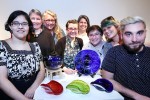
From left to right are artists Larissa Blokhuis, Kirsten Rankel, Maria Keating, Sonya Labrie, Joanne Andrighetti, Hope Forstenzer, Mona Ungar and Scott McDougall. (photo by Denise Relke)
From antiquity, glass has been used for utilitarian and ornamental purposes. The current group show at Zack Gallery, Works in Glass from Terminal City Glass Co-op, demonstrates both functions in the elegant and colorful creations of co-op members. Vases and funky animal sculptures, jewelry and abstract decorative pieces transform the gallery into a celebration of light and flowing forms.
Holly Mira Cruise, one of the co-op founders and its current executive director, told the Independent a little about the group’s history.
“Terminal City Glass Co-op is the first and only nonprofit, cooperative glass arts facility in Canada. It was founded in February of 2012 by Morley Faber, Joanne Andrighetti, Jeff Holmwood and myself. We came together around a mutual desire to see the glass community in Vancouver grow…. We have worked together since then. We started with 30 members, and we now have over 150. It’s a constantly changing community, and we see new members come in every month, and others move on to other opportunities.”
Many co-op members exhibit their glass art often, attracting interest from both customers and professionals. That’s how Linda Lando, director of the Zack, discovered them.
“Linda reached out to me earlier this year,” said Hope Forstenzer, one of the show participants and a member of the local Jewish community. “She had seen some of our co-op’s pieces during Culture Crawl, liked them, and wanted to talk about a show at the Zack.”
Forstenzer herself is in love with glass. “Glass is an amazing medium. It’s elemental,” she said. “There is nothing like it in the whole world. At different stages, it could be liquid and malleable or hard and bullet resistant. It reflects light and allows colors to play inside. It’s created with fire.”
A professional artist, Forstenzer didn’t start her artistic life with glass. “I worked in ceramics and, at one point, I designed several pieces as a combination of glass and ceramics. I couldn’t find the glass I wanted so I started taking classes to make my own glass. I loved it so much, I stopped doing ceramics and concentrated on glass.”
She even moved from New York to Seattle because of her fascination. “Many of the best glass artists in the world live and work in Seattle, and I studied with some of them. There are two glass centres in the world. Venice is one. Seattle is another.”
When her partner took a job in Vancouver a few years ago, Forstenzer moved here. She has been teaching glass-making for about 10 years now. She teaches a class at the co-op, and she also teaches graphic design at Emily Carr University of Art + Design.
Like Forstenzer, Cruise is also passionate about glass. “I tried almost every medium before glass. I painted and drew, I tried clay and metals, I made jewelry. I was an art school dropout. A friend who had been blowing glass since he was a kid told me, ‘Try glass, you’ll like it!’ He was right. I liked it and I never looked back. I became really attracted to the material, to the way it moves and feels and, of course, all the amazing colors. Glass is enthralling in a way that no other material has been for me. I think a lot of people find it has addictive qualities. There have been times over the past 20 years when I have taken a break from glass, but I always seem to go back. It calls me.”
To answer that call, she not only works as a glass artist but also manages the co-op, organizing all its programs and classes, and bringing in visiting instructors from all over the world. “TCGC offers classes in glassblowing, beadmaking, flameworking and sandblasting,” she said. “We make it easy for people to take the first steps. We also offer advanced learning opportunities for people who have practised for awhile. There is no post-secondary glass program in Vancouver, but there is one at Alberta College of Art and Design and at Sheridan College in Ontario. Hopefully, we will catch up with other provinces soon.”
Widely available education in glass-making is a relatively new development for such an ancient craft. Before the 20th century, glass was mostly worked at factories, and each one guarded its secrets.
“In the 1960s, the Studio Glass Movement started,” Cruise explained. “Glass-making moved from factories to independent artist studios. It became a lot easier for people to approach glass and learn it…. Today, there are books on how to set up your own studio and build your own equipment. People are 3-D printing with glass. This year, Emily Carr ran its first class in 3-D Design with Glass through our studio. It was a great success, and seeing the potential of glass as a material to be enhanced and developed with technology was thrilling.”
According to both Cruise and Forstenzer, the students taking classes at the co-op come in all ages and artistic levels.
“Our students are pretty diverse,” said Cruise. “We get all ages, from 17 to 75. Sometimes, it’s retired people who want to pick up a hobby, or younger people who want to become glass artists, or couples looking for something fun to do. We have something for everyone to try here.”
Works in Glass runs until Jan. 10. For more information about the co-op, visit terminalcityglass.com.
Olga Livshinis a Vancouver freelance writer. She can be reached at [email protected].
Canadians have been in an uncharacteristically self-congratulatory mood lately over our national response to the Syrian refugee crisis. The federal government has come through on behalf of thousands of people fleeing the catastrophic violence in Syria, with the prime minister and what appeared to be most of his cabinet showing up personally to greet the first arrivals. Perhaps more impressive still has been the mobilization of ordinary Canadians to sponsor and aid refugees, with synagogues, churches, community groups, neighborhoods and individuals stepping up to help. In contrast with the response from many in the world, including the Gulf states and divisive figures like Donald Trump, Canadians should be rightly proud of our collective response.
Certainly there are concerns among some Canadians about the newcomers. The idea that “radicalized” individuals could slip in under the guise of humanitarian status is frequently mooted. More likely is the potential that some refugees may carry with them ideas about women, Jewish people, gay people or others that are not consistent with this country’s norms. This is not something to gloss over. We should be aware of it and ensure that, along with our clearly demonstrated willingness to offer a heart-felt welcome to the refugees, we also model for them other Canadian ideals, including respect for difference. The fact that the groups sponsoring refugees are themselves representative of Canadian diversity should be a good head start in this regard.
The joyous welcome we have witnessed is an uplifting way to draw 2015 to a close. This has not been a year filled with happy news, yet the last few weeks have brought us several encouraging lights in the midst of the winter’s darkness.
In Paris last weekend, 195 countries made an historic step toward reining in the carbon emissions that are causing climate change. These two issues – refugees and the climate – are not unrelated. Scientists and other warn that if something significant does not change quickly, the world will be awash in populations struggling against each other for arable land, potable water and habitable space. It is a daunting prospect, put mildly, and events in Paris suggest the world may finally be taking the danger seriously. Of course, we have made false promises before. Again, we may have reached a moment of truth where the arc of history is bending toward repairing the damage we have done to the world.
There has been another very significant development in recent days. The rapprochement between the Jewish people and the Catholic Church that began five decades ago took a very major and substantive leap forward with remarks by Pope Francis and the release of a landmark statement by the Vatican.
Catholics, the document states, are obligated to demonstrate their faith in Jesus to all people, including Jews, but the Catholic Church “neither conducts nor supports” missionary initiatives aimed toward Jews. From the perspective of 2,000 years of Christian doctrine that situates the Catholic Church and Christianity as the preemptive successor religion to Judaism, this is a revolution. It is the antithesis of the sort of language and ideas that have caused incalculable strife for Jews in Europe and other primarily Christian lands. It suggests that the leadership of the church, once deemed infallible and all-knowing, admits that some things are unknowable. The Christian dictum that eternal life requires belief in and dedication to Jesus as the messiah is neither negated nor affirmed by this new statement, deeming it “an unfathomable divine mystery” that salvation can come only through Jesus while the church also affirms the biblical covenant between God and the Jewish people, the Vatican says.
“While affirming salvation through an explicit or even implicit faith in Christ,” the Vatican document says, “the church does not question the continued love of God for the chosen people of Israel.”
The Pope has repeatedly made friendly gestures to the Jewish people, rejecting millennia of hostility and continuing a trajectory of reconciliation begun in the 1960s with the Second Vatican Council.
These three developments – the welcoming of refugees to Canada, the recognition that we must care for our planet for its and our survival, and an historic reappraisal of the relationship between Christianity and Judaism – seem like pleasant things to reflect on as we close out a year in which bright lights are a welcome respite.
On a logging road near Smithers, B.C., the Unist’ot’en people occupy their traditional land in order to stop work on the 11 pipeline projects that would run through the area. Located beside Wedjin Kwa (Morice River), the camp is one of the only places left in the world where it is safe to drink directly from a natural body of water. Add to this the rustling trees, abundant huckleberries, countless wildlife and more, and it is clear why it is worth fighting for this land.
The Unist’ot’en maintain a checkpoint where all visitors must answer a series of questions posed by a member of the clan to assess the level of support for the clan’s action before being allowed into the territory. Supporters and allies have been allowed into the camp, as well as loggers with preexisting contracts; however, pipeline workers and helicopter crews arrive often and are reminded that they have not followed the appropriate channels to be permitted to do work on the land.
During my visit, the camp was on high alert after a tip that police planned to raid and demolish the camp, and arrest people living there. Stories around the campfire included many accounts of police misinformation and aggressiveness from veterans of the land defence struggle since the Oka crisis in 1990. There were also accounts of police following members of the camp when they went in to town, and of helicopters and surveillance drones flying overhead more than six times a day.
As those telling stories began to reminisce about siblings and parents in the residential school system, I saw the patterns of trauma visible in my own family and community emerge. The way that pain is passed through generations reveals an eerie overlap. I see remnants of the Holocaust in the way my grandparents raised my parents, my family’s relationship with food and eating, and the way they remember and guard their identity because someone once tried to take it away. With new research into genetics and epigenetics, we now know that trauma during a person’s lifetime can be passed to their children through their genes. This means that both habits and practices built during a lifetime, as well as genetic responses to stress, can be passed on.
An authority that once promised to keep them safe has betrayed both my ancestors and the people at the camp. When one elder spoke about watching as his siblings and childhood friends disappeared at the residential school, it echoed the blank pages that are so many Jewish family trees since the 1930s. I also see similarities between the Holocaust and the genocide of First Nations peoples through the reserves and the residential school system, the devastation caused by smallpox and alcoholism, much of which was propagated by the state. Not to mention continued racism.
I understand that the situations are not identical but there is enough commonality that it warrants a deeper look. I do not understand why peoples who have gone through cultural and physical genocide don’t come together in dialogue and support for each other’s survival. Throughout the last 70 years, we have promised repeatedly to “never forget,” but First Nations peoples still suffer discrimination, and this should command our attention. When there is injustice for some, there is no justice for anyone, and who better to stand in support of equal rights and freedoms, than a people who also has a long history of being oppressed and having to fight for survival.
Ariel Martz-Oberlanderis a theatre artist, activist and poet living in Vancouver, Coast Salish territories. She is grateful every day for the people who work to make the world a more lovely place to be.
The board of Congregation Emanu-El of Victoria has unanimously approved a motion to proceed with sponsorship of a Syrian refugee family. They believe that this is a moment to step forward as Jews and “welcome the stranger.”
Many in Victoria’s Jewish community trace their families’ arrival in Canada from the time they fled brutal pogroms in the Russian empire, and some came as the surviving remnant of European Jews after the Holocaust. Others landed here because they were expelled from their countries throughout the Middle East and North Africa after the creation of the state of Israel in 1948.
“As we cannot forget our oppression and persecution over millennia, we also count our blessings for living in freedom and comfort in Canada. Jewish ethics enjoin us to reach out to others to help end their suffering. The concept of tikkun, or repair, is central to Jewish belief, in that it is our duty to try and fix what is broken in this world,” said Congregation Emanu-El’s Rabbi Harry Brechner.
The synagogue welcomes all who wish to join in the fund-raising efforts. Office hours (1-250-382-0615) are Tuesday to Thursday, 9:30 a.m.-2:30 p.m., to make credit card donations, or cheques can be sent to 1461 Blanshard St., Victoria, B.C., V8W 2J3. Tax receipts will be issued for all donations.
For more information, contact Jean Dragushan, chair of the refugee sponsorship steering committee, at [email protected] or 1-250-818-4132.
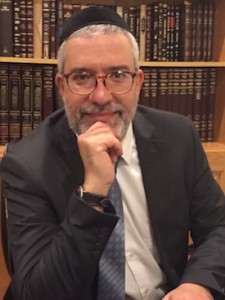
Rabbi Ilan Acoca of Congregation Beth Hamidrash (photo from Beth Hamidrash)
One of the ways to thank God for blessings, says Rabbi Ilan Acoca, is through singing. Shabbat Shira, which takes place Jan. 23, tells of the Israelites breaking into song as a way to thank God for the parting of the sea during the Exodus.
“Traditionally, it’s a special Shabbat,” said Acoca, spiritual leader of Beth Hamidrash, Vancouver’s only Sephardi congregation. “Obviously, there’s a lot of liturgy in our
Judaism, depending on the background that we have, there’s a lot of music. On this particular Shabbat, there is even more music and more liturgy and, therefore, it makes a special Shabbat.”
To mark the occasion, Beth Hamidrash is organizing Shabbaton Shabbat Shira: East Meets West, which will celebrate the different musical approaches among Sephardi and Ashkenazi Jews. Cantor Yaacov Orzech of Schara Tzedeck Synagogue will bring the Ashkenazi flavor. The West Coast Andalusian Ensemble, an ad hoc group of Vancouver and Los Angeles musicians coming together for the first but maybe not the last time, will celebrate the Sephardi traditions.
Cantor Yaacov Orzech of Schara Tzedeck Synagogue (photo from Beth Hamidrash)
“The idea is that often we look at our differences as Jews and our backgrounds,” Acoca said. “Music brings people together, so the idea behind it is definitely to bring the beauty of both Ashkenazi and Sephardi music, but it’s more than that. We unite the community and show them that, yes, we may have our differences in background and our philosophy and so on and so forth, but we are one people. Therefore, we thought that the best way of doing it, rather than to give speeches about unity, which rabbis often do, we thought the best way was to put speeches aside and concentrate on the music.”
Acoca credits Orzech for coming up with the idea, but it is something that used to happen among congregations in Montreal, where Acoca grew up.
***
Shabbaton Shabbat Shira: East Meets West takes place Jan. 22, 4:35 p.m., services followed by Kabbalat Shabbat then dinner, 6 p.m., and a lecture by Rabbi Acoca on Discovering the Richness of Sephardi Liturgy ($18; $10 for kids 6-12, free for 5 and under): reserve by Jan. 20. Jan. 23, 9 a.m., services with Kol Simcha Singers and sermon on The Power of a Song, musaf led by Cantor Orzech, lunch with Sephardi and Ashkenazi delicacies. Jan. 23, 8 p.m., music celebration with Acoca, Orzech and West Coast Andalusian Ensemble, with Sephardi refreshments – suggested donation $10.