Skip to content
  • Home
  • Subscribe / donate
  • Events calendar
  • News
    • Local
    • National
    • Israel
    • World
    • עניין בחדשות
      A roundup of news in Canada and further afield, in Hebrew.
  • Opinion
    • From the JI
    • Op-Ed
  • Arts & Culture
    • Performing Arts
    • Music
    • Books
    • Visual Arts
    • TV & Film
  • Life
    • Celebrating the Holidays
    • Travel
    • The Daily Snooze
      Cartoons by Jacob Samuel
    • Mystery Photo
      Help the JI and JMABC fill in the gaps in our archives.
  • Community Links
    • Organizations, Etc.
    • Other News Sources & Blogs
    • Business Directory
  • FAQ
  • JI Chai Celebration
  • JI@88! video

Recent Posts

  • Eby touts government record
  • Keep lighting candles
  • Facing a complex situation
  • Unique interview show a hit
  • See Annie at Gateway
  • Explorations of light
  • Help with the legal aspects
  • Stories create impact
  • Different faiths gather
  • Advocating for girls’ rights
  • An oral song tradition
  • Genealogy tools and tips
  • Jew-hatred is centuries old
  • Aiding medical research
  • Connecting Jews to Judaism
  • Beacon of light in heart of city
  • Drag & Dreidel: A Queer Jewish Hanukkah Celebration
  • An emotional reunion
  • Post-tumble, lights still shine
  • Visit to cradle of Ashkenaz
  • Unique, memorable travels
  • Family memoir a work of art
  • A little holiday romance
  • The Maccabees, old and new
  • My Hanukkah miracle
  • After the rededication … a Hanukkah cartoon
  • Improving the holiday table
  • Vive la différence!
  • Fresh, healthy comfort foods
  • From the archives … Hanukkah
  • תגובתי לכתבה על ישראלים שרצו להגר לקנדה ולא קיבלו אותם עם שטיח אדום
  • Lessons in Mamdani’s win
  • West Van Story at the York
  • Words hold much power
  • Plenty of hopefulness
  • Lessons from past for today

Archives

Follow @JewishIndie
image - The CJN - Visit Us Banner - 300x600 - 101625

Tag: Stephen Harper

Harper speaks at local event 

Harper speaks at local event 

At the Canadian Shaare Zedek Hospital Foundation (CSZHF) event on Sept. 7, which marked the foundation’s 50th anniversary: left to right, Col. Ilan Or, Israeli defence attaché to Canada; Rafi Yablonsky, CSZHF national director; Dr. Marla Gordon, CSZHF Western region board member; Dr. Arthur Dodek, CSZHF Western region board member; former prime minister Stephen Harper; Dr. Robert Krell, 2025 Western Region recipient of the Kurt and Edith Rothschild Humanitarian Award; Rabbi Andrew Rosenblatt of Schara Tzedeck Synagogue; Ilan Pilo, CSZHF Western Canada director; and Sam Sapera, CSZHF board chair. (photo by Alina Ilyasova)

Former prime minister Stephen Harper was on friendly ground when he addressed a packed sanctuary at Congregation Schara Tzedeck earlier this month. The former Conservative leader, who led the country from 2006 to 2015, is known as a stalwart ally of Israel and the audience of mostly Jewish Vancouverites welcomed him heartily.

The Sept. 7 event was the first fundraising gala for the newly formed Western region of the Canadian Shaare Zedek Hospital Foundation. The event and the surrounding campaign succeeded in funding nine incubators for the hospital’s pediatric department.

The event featured Harper in conversation with former BC premier Gordon Campbell, who told the audience that, of the prime ministers he served with concurrently when he was premier from 2001 to 2011, Harper was his favourite.

Harper said people ask him why he supports Israel so strongly.

“Has it got to do with religion or your view of the Jewish community?” he asked rhetorically. “I mean, there are a million reasons, but, as prime minister of Canada, the reasons were really simple. Here is this one country in the Middle East that shares our values and that is a friend of this country – and the people who are the enemies of that country are enemies of this country.”

Harper told the audience that there are a lot of loud voices condemning Israel and threatening Jewish Canadians, but, he said, they are not unanimous. “There are still a lot of people in this country that understand the value of our Jewish community, that are friends of the state of Israel, and that thank you for everything you do,” he said.

Harper lauded Israel for its actions to set back Iran’s nuclear program, arguing that the brief Israel-Iran conflict has positively realigned the region. People had warned that Israel’s attack on Iran’s nuclear capability was a dangerous escalation that could “lead to World War Three,” he said. 

“We know that not only was [the nuclear program] set back considerably, but the United States and Israel sent a real message that, if we see it again, we’re going to do the same thing again.” 

The results of the Israeli actions were overwhelmingly positive, Harper said. There was a very limited Iranian response – and, notably, no other nations coming to Iran’s aid, he said.

There were broader repercussions around Israel’s action against Iran and in the larger regional conflict, he added. Hezbollah was decapitated and the Lebanese government is now trying to push Hezbollah out. Hezbollah’s allies in Syria lost power. Hamas is massively degraded. 

Campbell expressed dismay at Prime Minister Mark Carney’s statement that Canada would recognize Palestinian statehood at the United Nations if the Palestinians meet a number of conditions. 

“My problem with that … the Palestinian Authority has never done one of the things that the prime minister said,” Campbell said.

“I’m trying to give the new government a chance,” Harper replied, calling the Carney government a “kind of improvement” on the previous administration. “The only interpretation you can put on it is in fact rewarding the events of Oct. 7th.”

Harper said he cannot recall any precedent for Canada, or any other country, recognizing a state that does not exist.

“But, on top of that,” he said, “Who exactly are you? … There is no leadership among the Palestinian populations, including the [Palestinian Authority], that actually unequivocally recognizes the right of a Jewish state to exist. It’s great to say, ‘I favour theoretically a two-state solution,’ but the problem is this other state would be a state that does not support a two-state solution. You’d actually be moving further away from that objective.”

While Israel’s military actions have improved the geopolitical situation in the Middle East, Harper acknowledged there has been a concurrent spike in antisemitism in Canada.

“I really feel a lot of sympathy for ordinary Jewish people who face this in their private [and] professional lives and feel intimidated,” he said. “I guess that the only advice I can give you is to be resolute.… You can’t let those occasions slip. You can’t let them go by.”

Harper said he has been accused of dismissing criticism of Israel as antisemitic, an assertion he rejects.  

“Being opposed to policy of the government of Israel is not antisemitic,” he said. “But being opposed to Israel because it is the only Jewish state in the world is the definition of antisemitism.”

Harper spoke, as he has previously to Jewish audiences, of his father, Joseph, who came of age during the Second World War, when the world was existentially threatened by fascism.

“One of the consequences of that is he grew up just as a very determined opponent of antisemitism in a period – we’re talking the ’40s, ’50s – where some of these things were expressed openly. He was very vocal in opposing that. And, frankly, he is just turning over in his grave watching some of what is happening today.”

Despite almost a decade out of office, the former Conservative prime minister did not shy away from politics, crediting the Liberal party with running an excellent campaign earlier this year and identifying shortcomings in the Conservative party’s approach.

Harper cited Donald Trump’s intervention in the campaign as a factor and anxieties around the Canada-US relationship for upending conventional wisdom, including polls that had predicted a Conservative landslide before former prime minister Justin Trudeau resigned.

“I do think the [Conservative] party has to take a hard look at what went right and what went wrong,” said Harper. “The Liberals displayed incredible tactical flexibility, and we did not show the same level of flexibility.”

Of the Conservatives, he said: “We ran a very principled campaign, but we need to show a lot more adaptability when circumstances change.”

Harper and Campbell also addressed economic issues. The former prime minister said the challenges presented by the current American administration are a chance to diversify Canada’s trade relationships.

“If we have an opportunity to be a genuine globally connected economy, instead of just kind of an economic appendage to the United States, which in some ways we have become, I [see] opportunity,” he said. 

Both Harper and Campbell, in their time, were advocates for the economic benefits of resource extraction.  

“Resources are not the only thing we have, but it’s a big, big comparative advantage,” Harper said. “We’re the country that has an unlimited range of natural resources in a rule-of-law environment, far removed from conflict zones. Do you know how rare that is in the world when it comes to vital resources? And that’s what we have. And we’re not getting them out of the ground, and we’re not getting them around the world.… We’ve got to get our energy to Asia. We’ve got to get our energy to Europe.… It will bring billions of dollars into Canada, create thousands and thousands of jobs in Canada. We are up against the clock, and the clock doesn’t care much about us.”

The Sept. 7 program began with a video showcasing Shaare Zedek Hospital’s achievements in maternal and neonatal care, as well as the range of advanced medical procedures for which the hospital is known. The religious and ethnic diversity of the hospital’s staff and patients is a particular source of pride for the facility’s leadership and their Canadian supporters. 

Harper spoke highly of the hospital, which treats more than a million patients a year.

“The Shaare Zedek Hospital is, to me, emblematic of just so much of what has made Israel a remarkable country,” he said. “[It has] become a world-leading institution that services people beyond politics, race, religion, ethnicity … just a tremendous institution.”

The event was presented by the Canadian Shaare Zedek Hospital Foundation in partnership with the Jewish Federation of Greater Vancouver, Congregation Schara Tzedeck, the Jewish Independent and the Jewish Medical Association of British Columbia. Organizers expressed special thanks to CJPAC, the Canadian Jewish Political Affairs Committee, for their community support.

Ilan Pilo, Western Canada executive for Canadian Shaare Zedek Hospital Foundation, announced the success of the event, which resulted in funding for nine “Giraffe” incubators – each one costing $50,000 – for the hospital where 22,000 Israeli babies are born annually.   

Dr. Robert Krell was awarded the Kurt and Edith Rothschild Humanitarian Award. (See jewishindependent.ca/harper-speaks-at-gala.) The award was presented by Dr. Arthur Dodek, a member of the board of the Jewish Medical Association and of the CSZHF, and Sam Sapera, chair of the board of the CSZHF, which marks its 50th anniversary this year.

The event was co-emceed by the Jewish Medical Association’s Dr. Marla Gordon and Zach Segal, who was a Conservative candidate in this year’s federal election. 
Format ImagePosted on September 26, 2025September 24, 2025Author Pat JohnsonCategories LocalTags Canadian Shaare Zedek Hospital Foundation, fundraising, Gordon Campbell, Ilan Pilo, Iran-Israel war, Israel, Oct. 7, Palestine, philanthropy, politics, Robert Krell, Stephen Harper
Harper speaks at gala

Harper speaks at gala

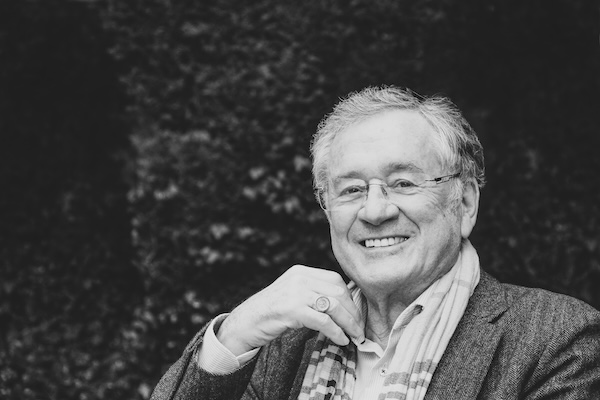
Dr. Robert Krell will be honoured at the Sept. 7 gala of the Canadian Shaare Zedek Hospital Foundation’s Western region. (photo from CSZHF, Western region)

Ilan Pilo had recently arrived in Canada from Israel in 2013 when he attended a Jewish National Fund gala in Toronto honouring Stephen Harper, Canada’s then-prime minister. Pilo thinks it may have been the largest kosher dinner ever on Canadian soil – but what struck him most was the rapturous enthusiasm among attendees for the country’s head of government.

“Harper was, and has been, one of the most genuine and strong allies and voices on behalf of Canadian Jewry and Israel,” said Pilo, now Western Canada executive for the Canadian Shaare Zedek Hospital Foundation.

Pilo will dine again with Harper, when the former prime minister is the keynote speaker at the first-ever gala of the Canadian Shaare Zedek Hospital Foundation’s Western region, which takes place Sept. 7. 

“In these challenging times, we all deserve to get some hope and strength by having a strong ally like him speaking in front of us,” said Pilo. “We all were astonished and so proud to hear his great support, his genuine support for Israel, and just now we need it more than ever.”

The gala, which also marks the 50th anniversary of the Canadian Shaare Zedek Hospital Foundation, will see the Kurt and Edith Rothschild Humanitarian Award bestowed upon Dr. Robert Krell.

The founding president of the Vancouver Holocaust Education Centre, Krell is a child survivor of the Shoah and a renowned Vancouver-based psychiatrist, academic, author and educator, who has devoted his life to supporting survivors, educating on genocide and combating intolerance. In 2020, he was inducted into the Order of Canada.

The Kurt and Edith Rothschild Humanitarian Award is named in memory of the late Kurt Rothschild, a Canadian philanthropist, Jewish community leader and co-founder of the Canadian Shaare Zedek Hospital Foundation. Along with his wife Edith, Rothschild devoted his life to strengthening the Jewish people, the state of Israel and institutions like Shaare Zedek Medical Centre in Jerusalem; he also served as president of the World Mizrachi movement. The award recognizes exceptional individuals whose integrity, leadership and service have left a meaningful impact both locally and globally. 

Krell told the Independent that he has felt a special connection with Shaare Zedek Medical Centre in Jerusalem since he read Dr. Gisella Perl’s 1948 memoir, I Was a Doctor in Auschwitz.

Imprisoned in the death camp, Perl, a gynecologist, was forced to work under the notorious Dr. Josef Mengele in the camp’s women’s infirmary. She performed countless life-saving – but excruciating – procedures without anesthesia, including secretly conducting abortions to save pregnant women from certain execution. Later, while serving in the maternity ward at Shaare Zedek Medical Centre, she would say a silent prayer before every delivery, “God, you owe me a life.”

“So, Shaare Zedek has been on my mind for a long time and, therefore, to be asked to be an honouree of that particular hospital talked to me,” Krell said.

The hospital’s maternity ward delivers 20,000 babies annually – by comparison, that’s three times as many as Vancouver’s BC Women’s Hospital & Health Centre. About 1,000 of those newborns are premature and the Sept. 7 gala is the culmination of a campaign to generate revenue to purchase five new $50,000 incubators for the Jerusalem hospital.

Krell is especially honoured, he said, to receive the award in the presence of Harper.

“It’s a great honour to be with someone who is truly admired for their statesmanship,” he said. “It’s been a long time since we’ve seen a statesman in Canada.”

Pilo noted that Krell’s selection for the award was unanimously supported by the award committee, which was chaired by Rabbi Andrew Rosenblatt, and included Dr. Arthur Dodek, Marie Doduck, Shannon Gorski-Averbach and Dr. Jonathon Leipsic, as well as Pilo.

“We were aiming to find the right person to be awarded for the first time ever with the Kurt and Edith Rothschild Humanitarian Award in the Western region,” Pilo said. “The committee agreed, without any hesitation, that our award recipient should be Rob Krell, since he is renowned for support of Canadian Jewry and Israel. His lifelong efforts at preserving the memory of the Holocaust and his dedication for children, which aligns with our incubator drive, [made it] so natural that he is the right person to receive this award.”

Pilo credited the foundation’s national executive director, Rafi Yablonsky, for securing the former prime minister’s presence at the celebration, which will be emceed by Dr. Marla Gordon. Dinner co-chairs are Yael Segal and Carol Segal. Community partners for the event are the Jewish Federation of Greater Vancouver, the Canadian Jewish Political Affairs Committee, Congregation Schara Tzedeck, the Jewish Medical Association of British Columbia and the Jewish Independent. Tickets are at hospitalwithaheart.ca. 

Format ImagePosted on August 22, 2025August 21, 2025Author Pat JohnsonCategories LocalTags anniversaries, Canadian Shaare Zedek Hospital Foundation, fundraising, Ilan Pilo, milestones, philanthropy, Robert Krell, Stephen Harper
הרפר : לעשות עסקים בישראל

הרפר : לעשות עסקים בישראל

תל אביב (Eurovan)

ראש ממשלת קנדה לשעבר מנסה לעשות עסקים בישראל – חלק ג’

מכל הלקוחות והפעילויות שאני מעורב בהן, אולי אין דבר טוב יותר מאשר שילוב כמה תחומי עניין שהיו לי. קודם כל הקרבה של הממשלה שלנו לישראל בזמן כהונתי, שנית העניין שלנו בטכנולוגיה וחדשנות – השקענו זמן רב בקידום תוכניות קנדיות ובנוסף, בתחום המסחר חלק מהמשימה שלי בתפקיד הייתה להרחיב את רשת המסחר של קנדה. כך מציין ראש ממשלת קנדה לשעבר, סטיבן הרפר, שביקר בישראל לאחרונה. הוא רואיין לעיתון “גלובס”. כשנכנסתי לתפקיד היו לקנדה רק חמישה הסכמי סחר, אחד מהם עם ישראל, וכשעזבתי את התפקיד כבר היו לנו חמישים ואחד הסכמים. אבל גם ההסכם עם ישראל היה מיושן וכלל רק מגוון צר של סחורות, ולכן עדכנו את ההסכם הזה.

אחד הדברים שהטרידו אותי במהלך הכהונה היה שזרם הסחר, השירותים וההשקעות בין קנדה וישראל עדיין קטן. זאת למרות המאפיינים של הכלכלה הישראלית ובפרט ההובלה הטכנולוגית שלה, ולמרות המאפיינים של הכלכלה הקנדית והעובדה ששתיהן מתקדמות ובשתיהן יש קהילה יהודית גדולה והסכמי סחר. לכן עדכנו את ההסכם למודרני יותר כדי לסייע לתקן את זה. אבל כמובן שגם חיפשנו הזדמנויות כדי להגדיל באמת את הסחר והפעילות העסקית בינינו ובמיוחד לנצל את ההתקדמות של ישראל בתחום הטכנולוגי.

אני רוצה לראות טכנולוגיה ישראלית מגיעה לקנדה ואני רוצה שקנדים ינצלו את הזדמנויות הרווח בתחום הזה. גם בישראל רוצים למצוא הזדמנויות לגדול ולהיכנס לשווקים חדשים בצפון אמריקה. דרך אגב אני חייב לציין שבזמן כהונתי עודדתי שיתוף פעולה צבאי מוגבר עם ישראל – מן הסתם מטעמים של מדיניות חוץ – אבל הדבר בנה הרבה מהגשרים הללו. שיתופי הפעולה היו יותר בצד המודיעיני, וכמובן צוותים שהחליפו ביניהם מידע ושיטות עבודה.

התוצאה הכי טובה שיכולה להיות לכל הדברים האלה היא מערכת שווקים גלובלית שבאמת משולבים זה בזה, והפריה הדדית ברחבי העולם. אם נשאיר בצד את הדמויות הספציפיות, את המדיניות ואת הממשלות, המציאות היא שזהו אזור שבו סביר שיקרה תהליך שברמה מסוימת תהיה התפצלות לשניים.

אנחנו מדברים על התחום הביטחוני, שהוא אינטרס של העולם הסיני והעולם האמריקאי, אבל אנחנו חברות חופשיות ודמוקרטיות ואנחנו יודעים עד כמה הציבור מודאג מעניינים של הפרת פרטיות ושימוש לרעה בדאטה. אפילו בהקשר של הטכנולוגיות המסחריות הקיימות – סין היא מדינת מעקב, וזה לא שהיא לא מציעה מוצרים מסחריים – אבל כל מהלך ההצטיידות של מגזר הטכנולוגיה שלה הוא לכיוון מעקב, במסגרת האינטרס של ביטחון המדינה.

לכן יש בעצם שני מודלים. אנחנו לומדים מהצבא ומהמודיעין ומהיכולות של ביטחון לאומי, ומבצעים התאמה למטרות תאגידיות מסחריות. אלה מטרות הגנתיות באופן טהור, יש להדגיש, אף פעם לא התקפיות, לחלוטין במסגרת החוק ובמסגרת מה שאנו מחשיבים הגנה נורמלית של הפרטיות. אלה שני מודלים שונים וקשה מאוד לשלב ביניהם. אנחנו רוצים לוודא שכל דבר שמפותח ייעשה במסגרת של חברה דמוקרטית וחופשית ובמסגרת של שימוש מסחרי. זה האינטרס של חברות דמוקרטיות וחופשיות כמו קנדה וכמו ישראל.

הרפר ושות’ היא חברה קטנה אך בעלת פעילות גלובלית. אנו עושים עסקים בעולם ואנו עושים עסקים גם בסין, אך אנו עושים זאת בזהירות. זה חשוב שיהיו קשרים כלכליים ומסחריים עם סין, זה טוב לעולם בטווח הארוך. אז אמנם מדובר על קשרים עסקיים, אך כאלה שנעשים למטרות שעולות בקנה אחד עם האינטרס הלאומי הרחב.

Format ImagePosted on October 10, 2019July 2, 2020Author Roni RachmaniCategories עניין בחדשותTags business, Israel, Stephen Harper, ישראל, סטיבן הרפר, עסקים
עידן השיבוש

עידן השיבוש

ראש ממשלת קנדה לשעבר סטיבן הרפר, 2011. (flickr.com)

ראש ממשלת קנדה לשעבר מנסה לעשות עסקים בישראל – חלק ב’

ראש ממשלת קנדה לשעבר סטיבן הרפר מציע לתת מענה לזרמים שהעלו את טראמפ לשלטון – חוסר הביטחון התעסוקתי והחשש מהגירה – כך שכדי לזכות בבחירות, המפלגה הרפובליקנית לא תהיה תלויה במועמדותו של כוכב טלוויזיה מגלומן. הרפר שביקר לאחרונה בישראל רואיין לעיתון “גלובס”.

הספר שכתבתי לאחרונה הוא בדיוק על כך. אנו חיים בתקופה שנקראת עידן השיבוש. בין אם זה שיבוש טכנולוגי כפי שאנו עושים כאן בקרן ובין אם זה שיבוש פוליטי רחב יותר או שינוי של ערכים חברתיים, ויש הרבה ממה להיות מודאגים, אבל אני מאמין גדול שאנו חיים בזמנים הכי טובים בהיסטוריה ואנו חיים בקנדה ובישראל שהם שניים מהמקומות שהכי טוב לחיות בהם. ועדיין אני חושב שיש כל סיבה להאמין שלמרות הלחצים, הסכנות והסיכונים לילדים שלנו, להם יהיו הרבה יותר אפשרויות וחיים הרבה יותר טובים מאשר שלנו – שהם כבר חיים טובים למדי.

היכן זה נוגע לטכנולוגיה? הרבה אנשים לא יודעים זאת אך לפני זמן רב מאוד הייתי מתכנת. החינוך הפורמלי שלי היה ככלכלן אבל לימדתי את עצמי תכנות. אחד הנושאים שעולים בשיחות על טכנולוגיה זה כל התחזיות על הדברים הנוראים שעלולים לקרות, כולל מיליונים שיאבדו את מקומות עבודתם. ביליתי זמן רב בלימוד ההיסטוריה של הכלכלה והמחשבה הכלכלית. משחר קיומה של המערכת הקפיטליסטית בסוף המאה השמונה עשרה, בכל דור ודור, כמה מהמוחות הטובים ביותר חזו שהגל הבא של הטכנולוגיה יהרוס את האנושות ויגרום לכולם לאבד את עבודתם. דרך אגב, את אחת התחזיות הללו השמיע ג’ון מיינארד קיינס, שסבר בתחילה שהמיתון הוא תוצאה של שינוי טכנולוגי, ואני יכול להמשיך עם הרשימה הזאת. כולם באיזשהו שלב טענו כך.

ההוכחה האנקדוטלית שלי לכל אותם אנשים שמודאגים מאיבוד מקומות העבודה – הביטו על כל תחומי הכלכלה, על כל המקומות בעולם שבהם החדשנות הטכנולוגית נמצאת בחזית – אלה המקומות שבהם מקומות עבודה חדשים נוצרים, ובאופן כמעט בלתי נמנע בכל המקומות הללו נוצר מחסור עצום בעובדים. היכן שאין חדשנות או שקיימת התנגדות לחדשנות – יש אבטלה עצומה. כל האפשרויות שעומדות בפנינו, גם בתחום העבודה אבל גם בתחום איכות החיים, כולן ניצבות לצד החדשנות הטכנולוגית. שם טמון העתיד – לא רק של המסחר אלא גם של הכוחות הדיפלומטיים והצבאיים.

עם זאת, האם קיים תסריט שבו הטכנולוגיה יכולה לגלוש למקומות לא רצויים? בהחלט. אבל אין סיבה שהדבר יקרה בהכרח. אין סיבה שלא להאמין שאם ננהג אפילו חצי בהגיון, אזי לא רק שהגל הבא של הטכנולוגיה יהפוך את חיינו לטובים יותר – אלא שהוא גם ייצור מיליוני מקומות עבודה חדשים שלא היו קיימים קודם לכן. אגב, וורן באפט אמר שזה שטכנולוגיה מצליחה מסחרית, לא אומר שמישהו מרוויח ממנה הרבה כסף. לכן הסיבה שחברתי לאנשים החכמים הללו מהקרן שהיא לא רק שאנחנו רוצים לרכוב על הטרנד, אלא שמשקיעים גם יוכלו לשים כסף בבנק.

הרפר מסביר איך זה משתלב עם עסקיו האחרים: אחרי שעזבתי את הפרלמנט לפני כשלוש שנים, אני וקבוצה מהסגל שלי ניסינו לחשוב מה יהיה הצעד הבא ואילו דברים נרצה לעשות. הייתי בר מזל שרבים מהבכירים שליוו אותי הצטרפו אליי במיזם הזה. מה שהחלטנו שאנו רוצים לעשות זה לשלב את הניסיון שלנו ואת רשת הקשרים הגלובלית כדי לסייע ללקוחות – לאו דווקא קנדיים – למצוא מיזמים רווחיים.

Format ImagePosted on October 2, 2019September 26, 2019Author Roni RachmaniCategories עניין בחדשותTags business, Israel, Stephen Harper, ישראל, סטיבן הרפר, עסקים
לעשות עסקים בישראל

לעשות עסקים בישראל

סטיבן הרפר (wikimedia)

ראש ממשלת קנדה לשעבר מנסה לעשות עסקים בישראל – חלק א’

יש לנו סינון די פשוט. כל מי שעובד איתי, עבד איתי שנים ארוכות בממשלה בצורה כזו או אחרת. אני חושב שהייתי ידוע גם בקרב תומכיי וגם בקרב מתנגדיי, בתור מי שהייתה לו אג’נדה ברורה וסט מוגדר של ערכים פוליטיים, לטוב ולרע. המבחן הפשוט שבו אנו משתמשים בכל מה שאנו עושים הוא האם זהו סוג העסקים שאני בתור ראש ממשלה הייתי רוצה להיות קשור אליהם ושהייתי מוכן להתייצב ולצאת בהצהרה רשמית לגביו, שהייתי רוצה להיות מקושר אליו ושהייתי רוצה לראות שהוא קורה. אם הוא לא כזה – בלי קשר אם הוא רע או לא חוקי או וואטאבר – אז זה לא סוג העסקים שנחפש.

כך הגדיר ראש ממשלת קנדה לשעבר סטיבן הרפר (בן השישים) את גבולות הגזרה המוסריים שלו בעשיית עסקים, בין היתר עם גופים סיניים, בראיון לעיתון “גלובס” שנערך בעת ביקורו האחרון בישראל.

הרפר כיהן שלוש קדנציות רצופות כראש ממשלה ימני שמרני, מאלפיים ושש ועד שהודח בבחירות האחרונות על ידי ראש הממשלה הליברלי הנוכחי, ג’סטין טרודו. הרפר הוא נוצרי אוונגליסט שנחשב תומך נלהב של ישראל וביקר בה כמה וכמה פעמים. בביקור האחרון כרה”מ נשא נאום במליאת הכנסת שבו אמר בין השאר את המילים הנחרצות: זו מסורת קנדית לעמוד לצד מה שעקרוני וצודק ללא קשר למה נוח או פופולרי. עמידה לצד ישראל היא למעלה מצו המוסר, היא גם בעלת חשיבות אסטרטגית וגם עניין של האינטרסים ארוכי-הטווח שלנו. עבור אומות רבות עדיין קל יותר לראות בישראל שעיר לעזאזל מאשר לחקות את הצלחתה.

לאחר התבוסה בבחירות הקים הרפר את את הרפר ושות’ – חברת ייעוץ שמעמידה לרשות לקוחותיה את רשת הקשרים שלו.

החברה מסייעת לתאגידים שפועלים בסביבה בעלת סיכון פוליטי או גיאו־פוליטי, בנגישות לשווקים ופיתוח קשרי ממשל. עם זאת, כמו ראשי ממשלה ונשיאים אחרים הוא מוסיף להיות מעורב בפוליטקה הבינ”ל. הרפר עומד בראש ארגון “האיחוד הדמוקרטי הבינלאומי” – ארגון גג של מפלגות מרכז-ימין, המקביל לאינטרנציונל הסוציאליסטי, מהצד הימני-שמרני, ומסייע למפלגות שמרניות אחיות להיבחר בארצותיהן. מזה כשנה כולל הארגון גם את מפלגת הליכוד מישראל.

בראיון דיבר על הצורך של יזמים צעירים ביד מכוונת. זה לא הדבר היחיד שאנו בהרפר ושות’ עושים אבל רבים מלקוחותינו הן קרנות השקעה, חלקן בתחום הטכנולוגיה, והסיפור פה בישראל שונה. מבלי להעליב, רוב הזמן אתה פוגש בניעשרים ושלושים חכמים וכו’, אבל אתה יודע – יש להם עוד הרבה מה ללמוד בחיים. זו חלק מהסיבה שהם מעסיקים אותנו. הם זקוקים לפרספקטיבה הרחבה. אך לעומת זאת, במקרה שלנו, כשאנו מתעסקים עם ישראלים מנוסים יוצאי מערכת הביטחון הם בשלים ומקצועיים, ואנחנו עובדים איתם כדי להפיק הזדמנויות עסקיות, אז זה בהחלט תחום מרתק.

עניין שמוסיף הרפר לגלות בפוליטיקה העולמית לאחר פרישתו קיבל ביטוי משמעותי גם עם פרסומו של הספר שכתב בשם “כאן ועכשיו: פוליטיקה ומנהיגות בעידן השיבוש” – משחק מילים באנגלית אותו ניתן לקרוא גם כ”ימין כאן וימין עכשיו”. הספר מנתח את הסיבות לעליית הפופוליזם ובראשן בחירותו של נשיא ארה”ב, דונלד טראמפ והברקזיט בבריטניה. את הספר, שאותו הרפר עצמו מתאר כמדריך למדינאות שמרנית בעידן הפופוליסטי, תיאר השבועון הקנדי “מקלינז” כמעין מתכון לשיפוץ המצע הרפובליקני בארה”ב, שבו הוא מתרה בהנהגה הרפובליקנית למצוא דרכים לשמור את הקולות המתנדנדים שהעלו את טראמפ.

Format ImagePosted on September 18, 2019September 17, 2019Author Roni RachmaniCategories עניין בחדשותTags business, Israel, Stephen Harper, ישראל, סטיבן הרפר, עסקים
יחסים מאוד מאוד טובים

יחסים מאוד מאוד טובים

ראש ממשלת קנדה, ג‘סטין טרודו ,בדאבוס שהתקיים בשבוע שעבר בשוויץ. (צילום: facebook.com/JustinPJTrudeau)

פגישה נוספת בין ג’סטין טרודו לבנימין נתניהו: השניים נפגשו בשבוע שעבר בדאבוס

ראש ממשלת קנדה, ג’סטין טרודו וראש ממשלת ישראל, בנימין נתניהו, נפגשו בפעם השנייה. הפגישה הפעם ארעה במסגרת הפורום הכלכלי העולמי בדאבוס שהתקיים בשבוע שעבר בשוויץ. כנס דאבוס נחשב לאחד האירועים הכלכליים הבינלאומיים החשובים ביותר, ומשתתפים בו גורמים בכירים מכל העולם. בפעם הראשונה מאז טרודו מונה לראש ממשלה בחודש אוקטובר, נפגשו השניים בוועידת האקלים בפריז שנערכה בסוף חודש נובמבר.

נתניהו ציין כי הפגישה הנוכחית בינו ובין טרודו שנערכה בשבוע שעבר הייתה מצויינת “ויש לנו יחסים מאוד מאוד טובים”. כידוע לנתניהו וסטיבן הרפר, ראש הממשלת קנדה הקודם, היו יחסים מצויינים והם נחשבו למנהיגים מקורבים ביותר. עתה נתניהו משתדל לצייר תמונה של עסקים כרגיל וכי גם הוא וטרודו נמצאים במערכת יחסים טובה מאוד. זאת למרות שבממשלת ישראל חששו מאוד מהניצחון של המפלגה הליברלית בחירות הפדרליות האחרונות כאן ותבוסתו של הרפר שעמד בראש מפלגת השמרנים.

עם זאת נתניהו בוודאי לא אהב לשמוע את טרודו מצהיר שוב בנאומו בדאבוס כי הפתרון למשבר הגרעיני עם איראן הוא פוליטי ולא צבאי. וכן על הכרזתו של ראש ממשלת קנדה בתשובות לשאלות שהופנו אליו בכנס, שקנדה אכן מפסיקה להפציץ מטרות של דאע”ש במזרח התיכון.

ג’סטין טרודו צפוי ללכת בדרכו של אביו פייר טרודו ולהנהיג מדיניות מאוזנת במזרח התיכון

ראש ממשלת קנדה הנוכחי, ג’סטין טרודו , כמו אביו, פייר אליוט טרודו ששימש ראש ממשלת קנדה בשנים 1968-1979 ו1980-1984, צפוי להנהיג מערכת יחסים יותר מאוזנת עם ישראל, תוך ניסיון לחזק את הקשרים עם מדינות ערב, שנחלשו מאוד בתקופת ראש הממשלה הקודם, סטיבן הרפר. שר החוץ של טרודו הבן, סטפן דיון, הזדרז מייד אחרי הבחירות והודיע שקנדה מבקשת לחזור לתפקידה המסורתי (לפני עידן הרפר), ולהיות מתווך הוגן בין הצדדים במזרח התיכון. זאת תוך חיזוק הקשרים מחדש עם מדינות ערב השונות. לדעת פרשנים טרודו כמו אביו לא יעמוד מאחורי ישראל באופן אוטומטי (כמו הרפר) ויבדוק כל נושא לגופו. כאביו הוא כבר הודיע כי קנדה תתנגד לכל חרם על ישראל “שזה סוג חדש של אנטישמיות”.

פייר אליוט טרודו היה קשור וקשוב לקהילה היהודית. הוא מינה שר יהודי לממשלתו, החזיק ביועצים יהודים, והיה ראש הממשלה הראשון בקנדה שמינה שופט יהודי לבית המשפט העליון. הוא היה תומך נלהב של ישראל אך הבין שצריך גם לשמור על איזון עם הפלסטינים. האב כעס מאוד ששמע על החרם הערבי נגד חברות שסחרו עם ישראל. הוא גינה את פעולות הטרור נגד ישראל מצד הפלסטינים והבין את הדאגה הטבעית של ישראל לביטחון. במקביל התנגד לפלישת צה”ל ללבנון ב-1982. המלחמה ואירועי סברה ושתילה סימנו את תחילת התהליך התקררות היחסים בין קנדה לישראל, שהתחממו בעידן הרפר. פרופסור לפוליטיקה באוניברסיטת מקגיל שבמונטריאול, גיל טרוי, טוען שלטרודו הבן גם יש יועצים יהודים ורבים מאנשיו מכירים את ישראל. אביו הבין את ישראל ואין שום אינדיקציה שהבן יהיה שונה ממנו. ברני פרבר מבכירי הפעילים בקהילה היהודית אומר שלא יהיה הבדל המהותי בין הרפר לטרודו, אך טון הדברים יהיה שונה. לדבריו שלטונו של הרפר “הזיז” את הקהילה היהודית חזק ימינה, ומעולם לא היה קיטוב כה גדול בתוך הקהילה כמו היום. פרבר מקווה שקנדה של טרודו תחזור למדיניות יותר מאוזנת במזרח התיכון, כך שקולה ישמע שוב בזירה הבינלאומית וזה יהיה גם טוב יותר לישראל.

Format ImagePosted on January 25, 2016January 23, 2016Author Roni RachmaniCategories עניין בחדשותTags antisemitism, Bernie Farber, Binyamin Netanyahu, Davos, Gil Troy, Justin Trudeau, Middle East, Pierre Trudeau, Stephen Harper, אנטישמיות, בנימין נתניהו, ברני פרבר, ג'סטין טרודו, גיל טרוי, דאבוס, מזרח התיכון, סטיבן הרפר, פייר טרודו
יחסים יותר מאוזנת?

יחסים יותר מאוזנת?

ראש הממשלה בנימין נתניהו נפגש עם ראש ממשלת קנדה ג’סטין טרודו בוועידת האקלים של האו”ם. (צילום: youtube.com)

האם רוחות קרות מנשבות מקנדה: ג’סטין טרודו צפוי להנהיג מדיניות יותר מאוזנת כלפי ישראל

ראש ממשלת קנדה החדש מטעם המפלגה הליברלית, ג’סטין טרודו, לא דומה כלל לראש הממשלה היוצא מטעם השמרנים, סטיבן הרפר, שהובס בבחירות הפדרליות האחרונות שהתקיימו בחודש אוקטובר. זאת גם בנוגע לייחס למדינת ישראל. טרודו נחשב עדיין לראש ממשלה “ירוק” כיוון שהוא בתפקיד מספר חודשים ספורים, אך כבר ניתן להבחין שמערכת היחסים ההדוקה ביותר בין ישראל לקנדה שאיפיינה את ממשלת הרפר, לא תחזור על עצמה. הרפר הרגיש מאוד בנוח עם ראש ממשלה של ישראל, בנימין נתניהו. שיאו של הקשר ההדוק הזה בין שני האישים, בא לידי ביטוי בביקור ההיסטורי של הרפר בישראל התקיים בחודש ינואר 2014. המשלחת הגדולה של של הרפר לישראל כללה פעילים בולטים בקהילה היהודית הקנדית. חלק מהם הוטסו במטוס שלו וחלק אחר “רק” התארחו בישראל על חשבון משלם המיסים הקנדי.

טרודו קיבל טלפון מנתניהו מייד עם זכייתו בבחירות בחודש אוקטובר. שני האישים נפגשו לשיחה קצרה ומתוקשרת היטב בסוף חודש נובמבר, במסגרת ועידת האקלים בפריז. הפגישה הייתה אמנם חיובית אך לא הזכירה במאום את חמימות היחסים בין הרפר לנתניהו. טרודו הודה לנתניהו על שהזמין אותו לבקר בישראל באופן רשמי אך הודיע שישמח להגיע “כשזה יתאפשר”?

בתשע וחצי שנות כהונתו של הרפר הוא נחשב לתומך הגדול של ישראל בעולם. וכידוע הוא עמד מאחורי ישראל בכל עניין ועניין. טרודו לעומת זאת כמו אביו, פייר אליוט טרודו ששימש רה”מ קנדה בשנים 1968-1979 ו1980-1984, צפוי להנהיג מערכת יחסים יותר מאוזנת עם ישראל, תוך ניסיון לחזק את הקשרים עם מדינות ערב, שנחלשו בתקופת הרפר. שר החוץ שלו, סטפן דיון, אמר כבר הזדרז והודיע שקנדה מבקשת לחזור לתפקידה המסורתי (לפני עידן הרפר), ולהיות מתווך הוגן בין הצדדים במזרח התיכון, תוך חיזוק הקשרים עם מדינות ערב. להערכת פרשנים ממשלת טרודו לא תתמוך עוד אוטומטית בישראל וכל נושא יבחן לגופו. הממשלה הקנדית צפויה להשמיע גם ביקורת קשה יותר על ההתנחלויות והבנייה בשטחים. טרודו כמו הרפר תומך בפתרון של שתי המדינות פלסטין לצד ישראל והוא בוודאי יזכיר זאת לראשי ישראל בדחיפות רבה יותר, כאפשרות היחידה להשגת שלום באזור. לפני השבעתו לראש הממשלה טרודו התקשר לראשי הקהילה היהודית בקנדה, הבטיח להם להמשיך ולעבוד בשיתוף פעולה מלא עימם והזכיר שוב את תמיכתו החשובה בישראל.

טרודו כמו אביו הודיע כי קנדה בתקופתו תתנגד לחרם על ישראל “שזה סוג חדש של אנטישמיות”. אך מצד שני הוא בחר לא הגיב על ההחלטת האיחוד האירופאי מחודש נובמבר, לסמן מוצרים מיוצרו בההתנחלויות. הרפר בוודאי היה נוהג אחרת. בנושא איראן הגרעינית הרפר עמד בקו אחד עם נתניהו (אך לא לא קיבל את “נאום הקווים האדומים” של נתניהו באומות המאוחדות). לעומתו טרודו מצדד בהסכם בין איראן למעצמות ואירופה. לדבריו: “מדובר בצעד בכיוון הנכון”.

טרודו שלח ברכה ליהודים קראת החנוכה שהייתה הרבה יותר צנועה, לעומת הברכות החמות והארוכות של הרפר. טרודו בוודאי לא ינהג כמו שהרפר שלקראת ראש השנה, היה שולח כרטיסי ברכה אישיים (עם תמונה שלו ומשפחתו) לרבים מבין חברי הקהילה היהודית. הדבר עורר תמיהה כפולה: כיצד משרדו של הרפר ידע מהן הכתובות של היהודים, ומדוע קהילות זרות אחרות לא “זכו” לקבל כרטיסי ברכה ממנו. הרפר ידע להעריך את כוחה הפוליטי של הקהילה היהודית כאן שכיום היא השלישית בגדולה בעולם מחוץ לישראל.

Format ImagePosted on January 13, 2016January 13, 2016Author Roni RachmaniCategories עניין בחדשותTags antisemitism, Binyamin Netanyahu, boycott, Iran, Israel, Justin Trudeau, Stéphane Dion, Stephen Harper, איראן, אנטישמיות, בנימין נתניהו, ג'סטין טרודו, חרם, ישראל, סטיבן הרפר, סטפן דיון, קנדה
הקמפיין החיובי ניצח

הקמפיין החיובי ניצח

ג’סטין טרודו נחבר לראש הממשלה. (צילום: hindustantimes.com)

לתפקיד ראש ממשלת קנדה החדש והעשרים ושלושה במספר, נבחר ג’סטין טרודו, מהמפלגה הליברלית, במקומו של סטיבן הרפר מהמפלגה השמרנית. טרודו יקים ממשלת רוב לאחר שזכה בכארבעים אחוז מהקולות שיקנו לו 184 מושבים (לעומת 36 מושבים בבחירות הקודמות), בפרלמנט שכולל 338 מושבים. הרפר (56) ששימש ראש הממשלה במשך כתשע וחצי שנים, ונחשב למנהיג המקורב ביותר לראש ממשלת ישראל, בנימין נתניהו, קיווה שיצליח שוב להרכיב ממשלה חדשה ונכשל בגדול. הוא קיבל כשלושים ושניים אחוז מהקולות, שיקנו לו 99 מושבים (לעומת 159). הרפר הודיע שלא ישמש ראש האופוזיציה, אך ימשיך לייצג את אזורו בקלגרי. לדעת הפרשנים הוא יפרוש מהר מאוד מהפוליטיקה ויחפש עבודה בתחום העסקי. אין ספק שמרבית תושבי קנדה (שבעים ואחד אחוז לפי הסקרים) רצו בחילופי שלטון, תוך שהם מאסו במדיניות הנגטיבית של הרפר.

המפלגה הדמוקרטית החדשה נחלה מפלה קשה וזכתה לכעשים אחוז בלבד מהקולות, שיקנו לה 44 מושבים (לעומת 95). מפלגת הבלדנים של קוויבק קיבלה כחמישה אחוזים מהקולות, ועלתה ל-10 מושבים (לעומת 3), ואילו מפלגת הירוקים קיבלה כשלושה אחוזים מהקולות, עם מושב אחד (לעומת שניים).

הרפר ניהל מדיניות חוץ ניצית תוך שהוא מגן על ישראל בכל מצב, דבר שפגע ביוקרתה של קנדה בעולם, וביכולתה לשמש מתווכת בין ישראל לפלסטינים. טרודו צפוי לנקוט במדיניות יותר מאוזנת במזרח התיכון. לפני הבחירות הוא אמר: “הסכם הגרעין עם איראן הוא צעד בכיוון הנכון. עם זאת איראן רחוקה עדיין מלהצטרף לקהילה הבינלאומית לאור תמיכתה בטרור. האפשרות היחידה להשיג שלום במזרח התיכון היא באמצעות פתרון שתי המדינות, תוך שמירה על בטיחונה של ישראל”. טרודו ציין כי הקמפיין להחרמת ישראל הוא סוג חדש של אנטישמיות. על מדיניות הרפר הוא אמר: “העובדה שהרפר בחר להפוך את התמיכה בישראל לוויכוח פנימי, היא דבר לא טוב לא לקנדה ולא לקהילה היהודית בקנדה”.

טרודו (43) הוא ראש הממשלה הראשון בקנדה שגם אביו (פייר אליוט טרודו) היה ראש הממשלה. הוא נבחר למועמד לתפקיד לפני שלוש שנים, ומאז פתח בקמפיין בחירות חיובי וארוך, שכלל מפגשים עם מאות אזרחים בכל רחבי קנדה. עם זכייתו בבחירות הוא אמר: “הקנדים הראו שהם רוצים שינוי אמיתי ופוליטיקה חיובית. הם מאמינים שיכול להיות טוב יותר. אנו מייצגים את כל הקנדים על כל הגוונים שבהם, וניישם את מה שלמדנו בשיחות עם הציבור. לאור זאת בנינו את הפלטפורמה הזו, התנועה הזו. אתם רוצים ממשלה שתבטח בכם ואנו רוצים שאתם תבטחו בנו. זו תהיה ממשלה פתוחה שפעילותה שקופה, ותכבד את המוסדות השונים במדינה. אנו חוזרים להיות מה שקנדה הייתה בעבר”.

טרודו מתכוון ליצור גרעון תקציבי של כעשרה מיליארד דולר במשך השלוש השנים הקרובות, כדי שהממשלה תוכל לבצע השקעות גדולות מאוד בתשתית, לעזור למעמד הביניים ולחלשים, וליצור הרבה מאוד מקומות עבודה חדשים. ראש הממשלה החדש הבטיח להביא לקנדה עשרים וחמישה אלף פליטים מהמזרח התיכון עד לסוף השנה. וכן להפוך את עישון המריחואנה לחוקי. הוא גם מתכוון לטפל משמעותית בנושא התחממות כדור הארץ.

הרפר נכשל עם הקמפיין ההפחדה שלו שכלל הוצאת עשרים וחמישה מיליון דולר על מודעות וסרטונים נגטיבים נגד טרודו, אותו תיאר חסר ניסיון ולא מוכן לתפקיד. מרבית הציבור לא אהב את השלטון הכוחני והמרוכז של הרפר, שלא שמר על זכויות האזרח ואיכות הסביבה, ולא דאג לפליטים.

Format ImagePosted on October 28, 2015October 28, 2015Author Roni RachmaniCategories עניין בחדשותTags elections, Israel, Justin Trudeau, Stephen Harper, בחירות, ג'סטין טרודו, ישראל, סטיבן הרפר

Israel and the election

The Conservatives, Liberals and NDP have all expressed strong support for the Jewish state. Is there any difference between them?

Line up the platforms of the three main political parties and, despite the rhetoric, they are all solid allies of Israel.

The federal Conservatives, Liberals and NDP all profess support for Israel’s right to exist, for the nation’s right to defend itself and for a two-state solution. All three leaders have visited Israel, with Prime Minister Stephen Harper being the most recent to visit, in January 2014.

Indeed, Canadian political support for Israel has been consistent since the establishment of the Jewish state in 1948, said McGill sociology professor Morton Weinfeld.

It is rooted in a strong and shared Judeo-Christian tradition but has gotten a boost recently, as Canada and the West confront groups such as the Islamic State and other forms of militant Islam, he said.

The perception, especially among Jewish voters, however, is different.

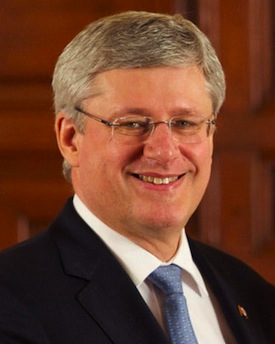
photo - Stephen Harper
Stephen Harper (photo from sv.wikipedia.org)

“I think the perception is that Stephen Harper and the Conservatives are the most committed to Israel’s security,” Weinfeld said. “They [voters] would probably say the NDP would be less committed to Israel, not because of [NDP leader Thomas] Mulcair, but because of elements in the party. I would think the perception that the Liberals under [leader Justin] Trudeau would be in the middle.”

That perception is based in reality, since the Harper government has made clear and forceful statements about support for Israel, Weinfeld said.

However, Liberal MP and foreign affairs critic Marc Garneau pointed out that it is simply because Harper occupies the highest office in the country that his decisions have greater visibility than statements by other parties.

“There are no differences [between the Conservatives and the Liberals] in terms of a lot of the positions [on Israel], and I try to get the message across. I don’t get to do it in the public way that you do when you’re the prime minister and the government of Canada.”

Meanwhile, in what is shaping up to be a close three-way race, foreign policy, once only of interest to wonks and Ottawa insiders, is coming under closer scrutiny by voters.

The amplified attention being paid to foreign policy is being driven by a more sophisticated and diverse electorate that is more globally connected, said Chad Rogers, a partner in public affairs agency Crestview Strategy.

But it would be wrong to assume that the Tories’ especially vocal support of Israel is a ploy to woo Jewish voters. The electoral math, with Jews concentrated in a handful of ridings, doesn’t add up, said Rogers, who has worked on several Conservative campaigns.

Rather, the Tories’ support is part of a consistent worldview that is reflected in its defence of Ukraine and on issues such as opposing the persecution of gays in Iran or protecting Syrian refugees, he said.

“The mistake is to look at this and say it’s a political issue and it’s about Jews and Israel,” he said. “It’s a worldview that says we will side with democracies over countries that are not democracies.”

While Harper is portrayed as being in lock step with Israeli Prime Minister Binyamin Netanyahu, that’s not accurate, Rogers said. Harper “has been very frank” with the Israeli government on its policy on settlements.

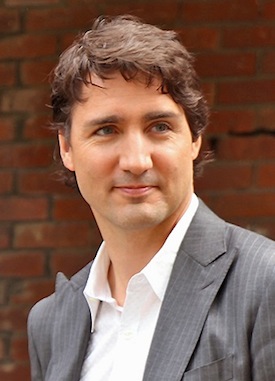
photo - Justin Trudeau
Justin Trudeau (photo from en.wikipedia.org)

For the Liberals, the greatest challenge is a political platform that’s identical to the Tories’ on support for Israel, but is perceived by some voters as weaker.

Trudeau “won’t make the issue of Israel a wedge issue. He believes Canada should support Israel because it is the right thing to do,” said Irwin Cotler, Liberal MP for Mount Royal and a former minister of justice and attorney general, who is not running for reelection.

“I welcome Harper’s support for Israel, but when Harper says if you care about Israel, you must vote Conservative, then he politicizes it,” Cotler said. “When you do that, it undercuts support for Israel.”

In previous elections, brochures were distributed to Jewish voters in his riding and others alleging that Cotler and the Liberals had not been forceful enough in countering antisemitism and terrorism and in supporting Israel. Cotler believes this type of negative campaign cost the Liberals seats in heavily Jewish ridings, partly because the allegations seemed so absurd that the candidates did not mount a strong defence, but he believes it won’t be successful this time around.

In recent weeks, guests invited to a Toronto fundraiser for the Liberals, hosted by pharmaceutical magnate Barry Sherman, received an email from a Jewish Conservative supporter charging that Trudeau was less than the staunch ally of Israel he professes to be.

Sherman countered with another email which, like the original exchange, has been distributed beyond the initial circle of invited guests. Cotler said this is the tack that Liberals need to take.

“What Sherman did was to fight back with the facts and the truth, rather than letting those allegations take hold,” said Cotler.

While elections are usually fought on domestic issues, Cotler believes foreign affairs concerns “have come to the fore” in this election, spurred by the instability in the Middle East.

Many Jews are not single-issue voters, but the threat posed by Iran and the deteriorating situation in Syria “create a heightened concern in general, and among Canadian Jews in particular,” he added.

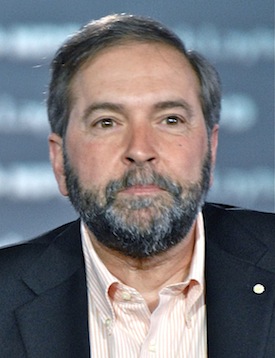
photo - Thomas Mulcair
Thomas Mulcair (photo by Asclepias via commons.wikimedia.org)

The NDP’s support for Israel puts it at odds with other leftist parties in Europe, which have taken a much harsher tone with Israel, but places it alongside other Canadian political parties, said Judy Wasylycia-Leis, a former NDP MP for Winnipeg North.

“The position is unique in social democratic parties because of Canada’s role as a peacekeeper and mediator generally in the world,” she said.

The NDP, especially under Mulcair, has shown unwavering support for Israel, she said.

Voters got a good look at how Mulcair would handle a crisis in the Middle East during the war in Gaza last summer. The NDP leader acknowledged that Hamas was a terrorist group and that Israel had a right to defend itself, while simultaneously lamenting the deaths of innocent civilians and calling for a ceasefire.

The intensified attention to foreign policy has left the parties competing for the title of who is Israel’s best ally.

While the Conservatives have painted themselves as “a strong friend” of Israel, Wasylycia-Leis disagrees. “I don’t think a good friend of Israel would use this as a wedge issue,” she said. The Tories’ uncritical support for Israel has made it a polarizing issue for Canadians instead. “I think the NDP has been criticized for offering a more nuanced, balanced approach.”

Meanwhile, Mulcair’s pro-Israel direction has also generated tension within the party itself. Last summer, a Montreal-area MP quit the party, citing Mulcair’s policy on Israel. A Nova Scotia NDP candidate for this year’s election resigned recently after making critical comments about Israel, while two other NDP candidates are facing close scrutiny for previous remarks.

As foreign policy concerns play a greater role in the election, the question is to what degree this drives voters. In the Jewish community, it certainly plays a pivotal role for many voters, strategists say.

While “bread-and-butter issues,” – the economy, jobs and health care – have traditionally been the chief concerns for voters, Wasylycia-Leis, who’s been through 14 elections, said foreign affairs have taken on a new significance for Canadians because of the Tories’ handling of such issues as Bill C-51, which addresses terrorism, and domestic controversies, such as the legality of wearing the niqab at citizenship ceremonies. But, for Jewish voters, the issue takes on even greater importance, she said.

“Positioning on the Middle East conflict is very important for Jewish voters. I’m not so sure they appreciate the Conservative approach,” she said. “I think they also understand that approach doesn’t bring help in terms of a long-term solution that everyone wants.”

Weinfeld agrees that Jewish voters tend to show special interest in Israeli affairs, but especially in this election, when the Conservatives have positioned themselves as Israel’s strongest ally.

“The community is probably split at this point,” he said. “Those for whom Israel’s security is the Number 1 concern, and think things like the Iran deal are disastrous, would tend to lean toward Harper.” But “many would think that Harper’s position’s is too one-sided or that there are other domestic issues, which might lead them away from support from Harper.”

– For more national Jews news, visit cjnews.com.

Posted on September 11, 2015September 9, 2015Author Lila Sarick CJNCategories NationalTags elections, Israel, Justin Trudeau, Stephen Harper, Thomas Mulcair

Rights and security

When we see online memes saying that a Canadian is more likely to die from an interaction with a moose than a terrorist, we can justifiably relax and even admire the characteristics of a country where a gangly antlered mammal is more to be feared than the kind of ideological threats rampant around the world.

The moose meme is part of a campaign that views the federal government of Prime Minister Stephen Harper as fear-mongering, trying to drive voters back to the Conservative party lest more “soft on terrorism” parties come to power in this fall’s election. The Conservatives’ weapon at hand is Bill C-51, which is seen by critics as a bludgeon against a mosquito.

It may be true that in the history of our country moose have been more deadly than terrorists, but times change. Moose are not mobilizing globally to attack civilians across the West. Vigilance tempered by pragmatism would seem to be in the Canadian tradition.

The difficulty of balancing overreaction with being prepared has been most evident in the mixed reaction to Bill C-51 from Canada’s opposition parties. Thomas Mulcair’s New Democrats voted against the bill; Justin Trudeau’s Liberals voted for it but Trudeau said he would make changes to the law if he forms government.

Canada has blessedly not suffered the magnitude of terrorist or hate-motivated violence seen in Europe recently, including the brutal Charlie Hebdo and Hyper Cache attacks. But we have seen so-called “lone wolf” violence in Saint-Jean-sur-Richelieu, where warrant officer Patrice Vincent was killed and another Canadian Forces personnel was injured, and in Ottawa, where Cpl. Nathan Cirillo was killed while standing guard at the War Memorial.

Barring a stunning reversal in a Conservative-dominated Senate, Bill C-51 will become law in the coming weeks. The legislation will make it easier for government departments to share information about Canadians across jurisdictional silos. It will also give police new powers to “preventatively” detain or restrict individuals who are suspected of plotting a terrorist act. It bans the “promotion of terrorism,” gives the public safety minister the right to add people to the country’s “no-fly list” and increases the powers of the Canadian Security Intelligence Service (CSIS).

CSIS is Canada’s spy agency and until now has had a role limited to observation. C-51 would expand that role to something called “disruptive” powers, allowing agents to act more directly in ways that are not fully spelled out.

Critics also fear a loss of individual privacy as, for example, tax information that is now secluded in the Canada Revenue Agency could be shared with other government departments.

These concerns are justified, particularly those that increase the powers of CSIS, which has been criticized for lacking adequate civilian oversight.

Some Canadian Jews, including the recently deceased Alan Borovoy, have been among Canada’s greatest civil libertarians and bulwarks against government overreach in individual lives. With a history deeply affected by totalitarian governments, some in our community may have a special sensitivity to legislation that threatens to impinge on individual rights. Because this is not an exact science, it will always be a matter for disagreement, with some arguing that security legislation goes too far and others declaring it absolutely necessary.

At the same time, though, terrorist attacks and hate crimes in Europe have been disproportionately directed toward Jewish people and institutions. Statistics on hate crime incidents in Canada also indicate that Jewish people and institutions are vulnerable to acts of hate in numbers disproportionate to population.

Most Canadians may be more vulnerable to a moose than a terrorist, but Jewish Canadians understand that terrorism needs to be taken seriously. Of course, so do civil liberties.

Canadians across the country will rally against Bill C-51 Saturday. Even so, it will almost certainly become law. When it does, concerned Canadians should pressure the government to improve civilian oversight of our spy agency, which is perhaps the most crucial measure needed to ensure the law does not lead to lawlessness by government officials.

We should also strengthen public vigilance by supporting organizations that monitor and measure government intrusions into private spheres, such as the Canadian Civil Liberties Association.

And we should do all we can to ensure that Canada remains a place that is both safe from a collective standpoint – and secure in terms of our individual liberties.

Posted on May 29, 2015May 27, 2015Author The Editorial BoardCategories From the JITags Bill C-51, civil rights, Justin Trudeau, security, Stephen Harper, Thomas Mulcair

Posts pagination

Page 1 Page 2 Page 3 Next page
Proudly powered by WordPress