Skip to content
  • Home
  • Subscribe / donate
  • Events calendar
  • Business Directory
  • FAQ
  • News
    • Local
    • National
    • Israel
    • World
    • עניין בחדשות
      A roundup of news in Canada and further afield, in Hebrew.
  • Opinion
    • From the JI
    • Op-Ed
  • Arts & Culture
    • Performing Arts
    • Music
    • Books
    • Visual Arts
    • TV & Film
  • Life
    • Celebrating the Holidays
    • Travel
    • The Daily Snooze
      Cartoons by Jacob Samuel
    • Mystery Photo
      Help the JI and JMABC fill in the gaps in our archives.
  • Community Links
    • Organizations, Etc.
    • Other News Sources & Blogs
  • JI Chai Celebration
  • JI@88! video

Recent Posts

  • Legal help for students
  • Revisiting myth of Lilith
  • Wrong person rebuked
  • Canada’s mixed messages
  • Questions for museum
  • Symposium on antizionism
  • Making soccer political
  • CJPAC lauds Pulver’s impact
  • City recognizes Vrba’s legacy  
  • Organ donation saves lives
  • Theodore’s March premiere
  • A healing Shabbaton
  • Supplying healthy food
  • A chime of metal tags
  • Yellowknife seder a first
  • Ishai energizes, unifies
  • A Lag b’Omer to remember
  • Expanding the healing
  • Hannah Senesh – a unique hero
  • Community milestones … May 2026
  • Sharing her testimony
  • Fall fight takes leap forward
  • The balancing of rights
  • Multiple Tony n’ Tina roles
  • Stories of trauma, resilience
  • Celebrate our culture
  • A responsibility to help
  • What wellness means at JCC
  • Together in mourning
  • Downhill after Trump?
  • Birth control even easier now
  • Eco-Sisters mentorship
  • Unexpected discoveries
  • Study’s results hopeful
  • Bad behaviour affects us all
  • Thankful for the police

Archives

Follow @JewishIndie
image - The CJN - Visit Us Banner - 300x600 - 101625

Images

מוכרחים להיות שמח

מוכרחים להיות שמח

שון אקור (ted.com/talks, צולם מאי 2011 בTEDxBloomington)

מוכרחים להיות שמח: סדנאות ללמד עובדים לשמוח תופסות תאוצה בקנדה והמעסיקים שמחים

הטרנד להפוך את העובדים לשמחים ופוזיטיביים תופס תאוצה משמעותית בקנדה. מרבית הסדנאות ללמד עובדים וסתם מתעניינים אחרים איך להיות שמחים, מלאות עד אפס מקום ורשימת ההמתנה ארוכה מאוד. מעסיקים רבים מתחילים להבין סוף סוף שעובדים שמחים זה נכס אמיתי למקומות העבודה שלהם. חלק מהמעסיקים אף מפעיל סדנאות מקצועיות במקום העבודה לרכישת כלים, ללמוד להיות שמחים. מעסיקים אחרים שולחים את עובדיהם לסדנאות חוץ. והתוצאות מוכחות באופן חד משמעי: אצל עובדים שמחים התפוקה והמכירות עולים משמעותית.

הפסיכוג האמריקני שון אקור, שמעביר קורסים ללמוד איך להיות שמחים, אומר שלהיות שמח זו בחירה של כל אחד ואחד מאיתנו. אפשר להפוך אדם פסימי לאדם אופטימיסט, על ידי תרגול של שתי דקות ביום בלבד במשך שלושה שבועות. תוך כחודש המוח שלנו יהפוך את את השמחה להרגל קבוע בחיים שלנו.

לדברי אקור שבעים וחמישה אחוז מהעובדים המצליחים הם בני אדם פוזיטיביים, שמחים ובעלי תמיכה חברתית חזקה. הם רואים במתח פשוט אתגר ולא שום איום. כשבודקים מדוע אנשים שמחים או שאינם שמחים, רק עשרה אחוזים תלויים בגורמים חיצוניים, ולעומת זאת תשעים אחוז תלויים באיך שמוחם של בני האדם מתפקד.

אקור מוסיף: “אנו גדלנו בתרבות שמעריצה אנשים שעובדים קשה מאוד, כי אז בוודאי הם יצליחו ולכן יהיו שמחים. אך המציאות מוכיחה שזו טעות יסודית. לאחר שאלו שעבדו קשה השיגו מטרה אחת, הם כבר לא מרוצים מהמצב ומציבים לעצמם מטרה נוספת וכך שוב ושוב. המוח שלנו עובד בדיוק הפוך. כשאדם שמח הוא הרבה יותר יעיל, אנרגטי, קריאטיבי ואף מתברר שהאינטליגנציה שלו גבוהה יותר. המחקרים מוכחים בוודאות שמוח של אדם פוזיטיבי מעלה את תפוקתו של עובדים למשל בשלושים ואחד אחוז, וכן את מכירותיהם של אנשי המכירות בשלושים ושבעה אחוז. ואצל רופאים שמחים גם יש משמעות רבה כיוון, שמהירות ההבחנה שלהם עולה בתשעה עשר אחוז”.

 הבעלים ישלם: עדיין לא נמצא רוכב אופנוע שנהג במרץ בתוך מרכז קניות בסרי ונעלם

המשטרה הפדרלית עדיין מחפשת את רוכב האופנוע שנהג בפרעות ובמהירות, במרכז קניות הומה ‘גילפורד’ בעיר סרי ונעלם. האירוע החמור אירע במרץ וכאמור עדיין לא ברורה זהותו של רוכב האופנוע. השוטרים מצאו את האופנוע הנטוש שלו אך אין להם קצה חוט מי הנהג, מלבד העובדה שהוא בן כ-40.

ממש כמו בסרטים נועזים הרוכב ברח משוטרים לאחר שנהג במהירות גבוהה מאוד וביצע עבירות תנועה חמורות. בין היתר הוא נכנס עם האופנוע למרכז הקניות ‘גילפורד’. הוא ירד עם האופנוע במדרגות הנעות כשאחריו רצים שוטרים ושומרים, אל מול עיניים משתאות של מי שנכחו במקום, שחשבו שאולי מדובר בצילום סרט אקשן. לאחר מכן הרוכב האמיץ יצא בדלת הראשית כהשלקוחות נסים על נפשם. ומשם הוא המשיך בטיסה לכביש הראשי, עלה על גשרי להולכי רגל וחזר אל הכביש. כל אותו זמן ניידות רדפו אחריו, כשבשמיים חג הליקופטר משטרתי. בשלב מסויים הרוכב נטש את האופנוע ונעלם. צוות החקירה השתמש בסרטון שתיעד את המרדף לצורכי לימוד, ובטעות הוא הודלף ליוטיוב, והפך ללהיט מבוקש ברשת.

בינתיים החליטו לפני מספר ימים במשטרה הפדרלית לקנוס את בעלי האופנוע ב-13,500 אלף דולר. מבחינת המשטרה הוא אחראי לאופנוע גם אם לא נהג בו. במשטרה ספרו 58 עברות תנועה מצד הרוכב האלמוני והאחריות כאמור נופלת על הבעלים של כלי הרכב.

Format ImagePosted on June 24, 2015June 24, 2015Author Roni RachmaniCategories עניין בחדשותTags brains, Guildford Mall, happiness, motorcycle, Shawn Achor, Surrey, workplace, אופנוע, במרכז קניות גילפורד, סרי
Rescuing the Rafiach

Rescuing the Rafiach

A screenshot from Gad Aisen’s documentary, which has its Canadian première at the Rothstein Theatre June 28.

After the Holocaust and the Second World War, the British government that controlled Mandate Palestine severely limited Jewish immigration, continuing the restrictive policies from before the war. But the Jewish underground in pre-state Israel was operating a steady movement of illegal transports bringing Jews – mostly Holocaust survivors – from Europe to the Yishuv.

In November 1946, the ship code named Rafiach set off from Yugoslavia with 785 passengers. Twelve days into the voyage, a storm forced the ship to seek refuge in a bay on the tiny Greek island of Syrna but it ran aground and, within an hour, sank. The vast majority of passengers survived, crawling from the water onto the island, which is little more than a craggy rock, or jumping from the ship before it was fully immersed. It is not known exactly how many passengers drowned.

Among those who survived and eventually made it to Palestine were Lili and Solomon Polonsky z”l. Their daughter, Tzipi Mann, lives in Vancouver. She knew that her parents and some of their friends had been on the ship, but she had never delved into details. By the time her curiosity was piqued, her parents had passed away. But her quest to uncover the story of the Rafiach and its passengers has led to a documentary film that will screen here in its Canadian première on June 28.

Code Name: Rafiach is directed by Israeli filmmaker and television personality Gad Aisen, but he credits Mann as being the driving force behind the project.

Aisen is the creator of a TV show on Israel’s Channel 10 called Making Waves, about nautical topics. He served seven years in the Israeli navy before obtaining an MFA in cinema from Tel Aviv University. He had never heard of the Rafiach before he was approached by a student of Mevo’ot Yam Nautical School, who thought it would make a good topic for Aisen’s TV show.

Code Name: Rafiach is a story about Holocaust survivors finding a place in the world and also about the Jewish underground risking their lives to smuggle Jews into Mandate Palestine. There are many narratives of this sort, Aisen acknowledged, but the Rafiach’s tragedy and the rescue make this one especially poignant.

Because it is not possible to produce a story of nearly 800 people, the filmmaker decided to focus on a few individuals. One is Shlomo Reichman. Known to the circle of people around the film as “Shlomo the baby,” Reichman, now a grandfather, was thrown to safety from the ship.

“This man’s story was particularly touching because he was a newborn,” Mann said in a telephone interview. “He was three weeks old and he was tossed onto the rocks, but he wasn’t sure who tossed him. Was it his father, or was it someone else? For Shlomo, this has been sort of the core of his existence – who tossed me onto the rocks?”

The fact that the passengers were Holocaust survivors magnifies the impact of the incident, Mann said.

“If you can imagine Holocaust survivors having to deal with this,” she said. “There were so many personal, emotional issues attached to everything.”

In interviews, Mann and Aisen learned that adults who first made it to shore from the listing ship lay on the rocks to create a softer landing for those coming after.

For Mann, the Rafiach became a sort of obsession.

“In 2010, just one morning I thought, I need to find out more about this,” she said. “My intention was originally to try to write a book and I thought the only way I can do this is by being in Israel.”

She made arrangements to head for Jerusalem and enlisted the help of her cousin, Sara Karpanos, who lives there. They put an ad in an Israeli newspaper and the response was so overwhelming the pair had to rent a hotel space for a reunion of 200 Rafiach survivors and, in some cases, their children and grandchildren.

Unbeknownst to the two women, Aisen was already on the story. After being turned on to the history of the ship, Aisen had connected with an instructor at Israel’s naval high school who had led his students on a dive and recovered a couple of artifacts from the hulk of the Rafiach.

From what had seemed like lost history, Mann saw the story of the Rafiach begin to reveal itself. “A complete mystery was unraveling in front of me,” she said.

For Aisen, the story of the Rafiach “captured my heart, and I feel particularly connected to this story from many aspects, as a sailor, an Israeli and Jewish.”

To tell the history of the Rafiach in a documentary, he decided to use animation, which allowed him to be more creative than merely showing interviews with survivors.

“It enabled me to present the film in the present tense and not as a memory from the past,” he said. “It took me about six years to create the film, five journeys abroad, months in the archives, 300 hours of footage and a year’s work of three animators. But one of the more challenging things was to get to the wreck of the Rafiach and to dive and film inside.”

In a way, Aisen said, making the film let him vicariously live the life of an underground commander of an immigrant ship.

The Vancouver Jewish Film Centre presents Code Name: Rafiach on June 28, 7 p.m., at the Rothstein Theatre. Tickets are $10 and available at vjff.org.

Pat Johnson is a Vancouver writer and principal in PRsuasiveMedia.com.

Format ImagePosted on June 19, 2015June 17, 2015Author Pat JohnsonCategories TV & FilmTags Gad Aisen, Holocaust, Rafiach, Tzipi Mann, Vancouver Jewish Film Centre, VJFC
Choreographers on the edge

Choreographers on the edge

Tara Cheyenne Performance’s how to be, part of Dancing on the Edge. (photo by Wendy D Photography)

This year’s Dancing on the Edge festival, which runs July 2-11, once again features the talents of many Jewish community members. The Jewish Independent asked several of them to describe the work they are presenting in the festival and to explain what makes it “edgy.” Their responses appear in the order in which their work appears in the festival.

photo - Vanessa Goodman
Vanessa Goodman (photo by Jeff Pelletier)

Container, choreographed and performed by Vanessa Goodman, with original sound composition by Loscil, is a new work “that explores heritage, culture and resilience.” (Part of Edge 1, July 3 and 4, 9 p.m., at Firehall Arts Centre.)

“What makes the work ‘edgy’? Well, I am not 100% sure that I would categorize the work as edgy,” said Goodman. “However, I would say that the physicality/embodiment shifts between different extreme states, taking the witness/audience on a journey of my experience within the work.”

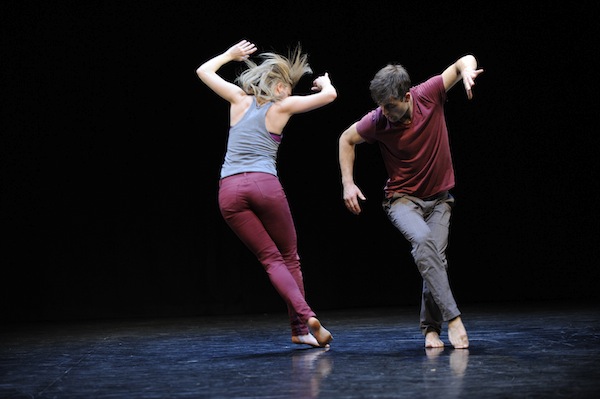
Re:Play: a duet choreographed by Naomi Brand and performed by Hilary Maxwell and Walter Kubanek. (Part of Edge Up, July 5 and 6, 8 p.m., at Firehall Arts Centre.)

“The piece is a playful exploration of the space between two bodies in dialogue,” said Brand. “It looks at what we choose to display and disclose and what gets hidden and smoothed over in conversation. The element of play is a theme that drives the duet as the dancers show and tell, watch and listen, repeat, respond and react to one another. The piece is set to a sound score that brings the process to light, with dancer Walter Kubanek practising Chopin’s Nocturne Op. 9 No. 1 on piano, and sound clips of the dancers in rehearsal. Playing on the edge between cooperation and competition, the dancers engage in a dynamic negotiation of space.”

photo - Hilary Maxwell and Walter Kubanek in Re:Play
Hilary Maxwell and Walter Kubanek in Re:Play. (photo by Chris Randle)

Feasting on Famine: choreographed by Shay Kuebler, Radical System Art. (Part of Edge 5, July 9 and 11, 7 p.m., at Firehall Arts Centre.)

“This performance looks into the extremes of bodybuilding culture and how it references capitalism and the corporatization of the human body – growth edges out all other aspects of self. One man’s physically charged journey into the depths of extreme health and fitness will leave the audience on the edge of their seat.

“The work combines theatre, dance, and martial arts to construct an edgy and modern look at the extremes of society,” said Kuebler.

Duck Dances “promises to be a whimsical exploration of curious imagery, woven together with the color red to reveal a charming tableau of events within the framework of Dusk Dances,” reads the description on Dancing on the Edge’s website. (July 9, 10 and 11, 7 p.m., at Portside Park.)

“I am creating a piece in collaboration with Jennifer Mascall and Susan MacKenzie for Dusk Dances. We’re calling it Duck Dances,” Amber Funk Barton told the Independent. “For me, this work is ‘edgy’ because I have never created a site-specific work and our intention is that our performers will also be all ages and abilities. Using Crab Park as a studio instead of a studio is not only inspiring but challenging me to work outside of my comfort zones and creativity.

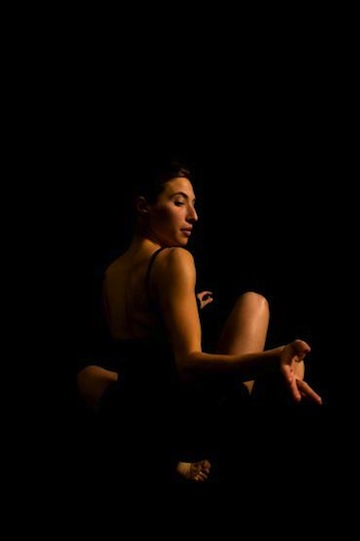
how to be is “the latest ensemble creation to emerge from the strange mind of Tara Cheyenne Friedenberg (Tara Cheyenne Performance). The piece examines how we think we should ‘be,’ how we think others should be and how impossible and futile it all is. Using ideas found in malignant social media, cultural restrictions, and the ceaseless voices in our heads, how to be traces five characters as they navigate how to be.” (Part of Edge 6, July 10, 7 p.m., and July 11, 9 p.m., at Firehall Arts Centre.)

“I consider this piece ‘edgy’ because it plays with text, audience relationship, what is ‘appropriate’ in life and in performance,” said Friedenberg. “This is not a typical dance piece, but it is a piece only highly trained dancers could do. I expect to tiptoe very near the edge of extremely uncomfortable and deliciously funny.”

For the festival’s full schedule, visit dancingontheedge.org.

Format ImagePosted on June 19, 2015June 17, 2015Author Cynthia RamsayCategories Performing ArtsTags Amber Funk Barton, Dancing on the Edge, DOTE, Firehall Arts Centre, Naomi Brand, Radical System Art, Shay Kuebler, Tara Cheyenne, Vanessa Goodman
Hang out, learn or engage

Hang out, learn or engage

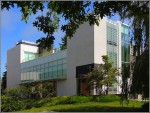
Hillel BC’s home on the University of British Columbia campus, the Diamond Foundation Centre for Jewish Campus Life. (photo by ThosGee via panoramio.com)

It’s been a tumultuous year on the University of British Columbia campus for Hillel BC, one filled with victories, but also with some disappointments. The Jewish Independent interviewed Hillel BC’s executive director, Rabbi Philip Bregman, on the challenges his organization has faced to date and on what is yet to come.

JI: What has the past year been like at Hillel?

PB: We’re seeing a resurgence of antisemitism the likes of which have not been seen for many years, and we’re seeing it right across the board of the 550 Hillels across North America. It has come primarily as a result of the boycott, divestment and sanctions movement against Israel. While incidents in the past would come and go, this one is a much more organized attack against Jews and Israelis on campus. And it’s not about boycotting products. The BDS movement is about three Ds: the demonization of Israel, the delegitimization of Israel, and the double standard that’s used with regard to Israel and the rest of the world. In this regard, the BDS movement has been fairly successful. On campuses in particular it’s created a real angst, a real discomfort for Jews, for Israelis. That’s its purpose.

JI: Can you talk about the recent referendum on campus, wherein the SPHR (Students for Palestinian Human Rights) asked students to vote on whether or not they supported their student union in instituting BDS on campus?

PB: Again, it wasn’t about boycotting products. They didn’t even let the students know what products needed to be boycotted. It was just a blanket statement that was absolutely absurd. When SPHR did mention a couple of products, it became obvious that it was absurd that any of those would go forward. For example, SPHR said they were going to boycott Caterpillar, because its machinery has destroyed Palestinian homes. I pointed out to them that the new Student Union Building at UBC was excavated with Caterpillar machinery. Should that then be boycotted? They didn’t answer. The second product they said they wanted to boycott was Motorola Solutions. I pointed out that this company is responsible for the operating systems of all Androids, and asked, “Are you telling the student body and AMS [Alma Mater Society, the student union] that no one on campus can use anything but iPhones?” The third product was Sabra Hummus. I told them that, in 2000, the Strauss Dipping Co., which owned Sabra Hummus, sold 50% of its shares to Pepsi Cola, and that over 60% of the vending machines in the Student Union Building are Pepsi products. Again, they didn’t answer.

Initially, before it was circulated, we appealed the referendum on the grounds that it was creating toxicity on campus. The AMS ombudsperson agreed with us that it was a terrible resolution, but the AMS board didn’t even comment on her report, which was tremendously disappointing. So, the referendum went out to the student body, and there was a lot of intimidation with regard to signing it. Later, the AMS found a number of signatures on the ballots were illegal….

At the end of the day, the SPHR fell short of the quorum they needed to pass the referendum. They needed 4,100 signatures, which represents eight percent of the eligible voters at UBC. They got about 3,500 votes. However the anti-BDS movement got 2,700 votes, which was more than double the number of votes in the rest of Canada, voting against BDS.

This BDS movement that we’ve had to deal with this past year was all-consuming. I have a magnificent staff and some magnificent student leaders who really were in the trenches day in and day out. I was in constant contact with the UBC administration about this, letting them know that the BDS movement is not an issue of free speech but one of hate speech.

JI: What kind of relationship does Hillel UBC have with Muslims on campus?

PB: When I first introduced myself to the representative from SPHR and suggested we start a dialogue, she told me, “We have a no dialogue policy with you people. If we talk to you, we will be condoning your murderous and genocidal ways.” We have been successful in reaching out to other Muslim groups on campus, however, including the Muslim Students Association and the Pakistani Students Association. We’ve had all sorts of collaborative programs, some light and some heavy. The idea is dialogue, not agreement.

JI: How are Jewish students at UBC responding to the BDS movement?

PB: At Hillels across North America, probably no more than five percent of the Jewish students on any campus really get into this fight. But we have a Jewish student population of about 1,200 and half of those voted against the BDS referendum.

JI: Going forward, who are you most likely to reach out to on campus?

PB: In fighting this resolution, we quickly realized where we should spend our limited time, energy and manpower: with graduate students, science students, law and medicine. Most of the statements in favor of BDS were coming from students in liberal arts backgrounds, and we were not going to win their hearts and minds. We were looking for people who would look at this referendum critically and understand what it was really about – the demonization and elimination of the state of Israel.

In general, the greatest group of students on campuses today tends to be those that are apathetic. I believe in a vote there would absolutely be more people opposed to us than supporting us. But I think that because we were out tabling every day, sharing and distributing information, we got some of those people who thought of voting yes, but voted no. And most of it was respectful dialogue.

JI: What kind of place is Hillel at UBC today?

PB: Hillel is a big tent, a place where individuals come in and just hang out. Some want to learn and engage in other types of conversation, and there’s a vast array of opportunity no matter where you are on the spectrum of Jewish life. It’s also a place of fantastic food, so people come for our Wednesday hot lunches, known to be the best meal on campus. You don’t have to be engaged in any type of politics to be involved at Hillel, although last year that was very much a part of what we were doing. Hillel is also the place of dialogue with other groups, such as the UBC chaplaincy, which holds meetings in our facility every second week for ministers, priests, rabbis, imams and Buddhists. And we encourage other clubs to come and program with us.

JI: What are your fears going into the next academic year?

PB: My fear is that this issue will continue to come back. Birthright is only getting a fraction of the younger Jewish generation in their 20s and 30s to Israel. In various reports that have come out, when they’ve asked Jewish university students if it mattered to them if Israel did not exist, 50% said no, it did not matter. This group is buying into what they see about Israel in the media and what they hear on campuses from fellow students and professors.

So, I wonder, what’s the responsibility we have as parents, teachers, mentors to a younger generation? To allow something like BDS to run its course when you know it’s not in the best interest of student life, because it’s under the rubric of “free speech”? Where is the limit, the line? This is not about trying to shut down criticism of the state of Israel.

Still, I’m hopeful. Our tent at Hillel is big, we have phenomenal student leadership and we’re there to hear all sorts of opinions as long as they don’t endanger individuals on one side, or call for the eradication of the state of Israel. There’s a huge area in between. Our task is to continue to attempt to raise Jewishly proud, courageous, knowledgeable mensches.

Lauren Kramer, an award-winning writer and editor, lives in Richmond, B.C. To read her work online, visit laurenkramer.net.


Format ImagePosted on June 19, 2015June 17, 2015Author Lauren KramerCategories LocalTags antisemitism, BDS, boycott, Hillel BC, Philip Bregman, UBC, University of British Columbia
Reform has new prayer book

Reform has new prayer book

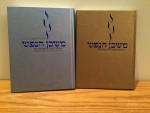
This month, the Reform movement’s new High Holiday prayer book, Mishkan HaNefesh, is being published. It replaces Gates of Repentance, which has served the movement since 1978, and is a companion to the movement’s siddur, Mishkan T’filah, which was published in 2007.

“It was an innovative siddur in a number of ways,” Rabbi Hara Person, publisher and director of CCAR Press, the Central Conference of American Rabbis’ publishing division, told the Independent. “It includes a lot of poetry and other kinds of readings that haven’t historically been in prayer books. It includes both the faithful translation of the text alongside, in some cases, alternative translations.

“The approach is multi-focal. It’s not an approach that says there is only one way to read our tradition or prayer. Instead, it opens up to people different ways of understanding, and struggling and grappling, with the text and tradition … and with theology.”

As an example of the new machzor’s increased accessibility, Person explained that, as does Mishkan T’filah (Sanctuary of Prayer), Mishkan HaNefesh (Sanctuary of the Soul) includes transliteration throughout for all of the prayers. “We wanted it to be open and welcoming to people, no matter what their background or how much or little a Jewish education they have,” she said.

About the diversity of the people sitting in the pews, she added, “Some may not be Jewish at all. They might be there with a Jewish spouse or partner. We don’t want to tell them that there’s nothing there for them. We want them to be able to learn and participate to the extent that they’re comfortable.”

Another significant aspect of the machzor is its inclusivity. “For over 25 years,” said Person, “we’ve been speaking up about inclusion of gay and lesbians in our communities on every level, so this is just another piece of that. That’s true for anybody who walks through our doors.”

This meant that the language of some of the prayers had to be updated.

At the heart of the prayers that talk about a bride and groom, for example, is the love between a couple. “So, we changed the language to reflect that and to not exclude gay and lesbian couples,” said Person. “Also, regarding being called to the Torah, we felt it should reflect the view and acceptance of all people, including those struggling with gender identity … calling people from the ‘house of’ as opposed to referring to them as ‘the son or daughter of.’…”

These most recent changes follow those that have come before regarding the increased participation and recognition of women.

“I think the Reform movement has a long history of egalitarianism, even from the very start,” said Person. “Even before women were rabbis, the Reform movement did away with separate seating in synagogues, so very early on in the history of the Reform movement, men and women were allowed to sit together in synagogues.

“So, these are just further steps in that progression of treating everybody with dignity and with a sense of equality and inclusiveness, and a way of saying we are all created in the image of God … women as well as men. It’s true for gay or straight or trans. Why would we exclude some but not others? It’s part of our value system to be inclusive.”

The new machzor has been in the works for a long time.

“We did a tremendous amount of piloting ahead of time,” said Person. “The book was in development for five or six years. Over those years, we had about 350 congregations across North America who piloted different sections of it.”

Some other interesting features of the new machzor are the poetry – from American and also Israeli writers – and art.

“We worked with an artist in New York named Joel Shapiro,” explained Person. “He created an opening piece of art for each of the services. They are woodblock cuts. He spent a huge amount of time studying the services and prayers and was inspired to create the art for the services.

“For me,” she continued, “it’s really exciting because some people love poetry and that’s going to … be a way into the prayer book and into the experience of worship for them. For others, it will be the commentary, and for others still, it will be the art…. Art may open the door for them and help them walk in. It’s really exciting that we were able to do all these things within the prayer book.”

A large-print version of Mishkan HaNefesh will also be available, as will an e-book version. “There is a percentage of people who actually use machzors before the holidays to do their own spiritual preparation,” said Person. “This book has so much in it for that. For a tablet, maybe they’d use it ahead of time, but not bring it to synagogue. I don’t know.”

For more information about the new machzor, visit ccarpress.org.

Rebeca Kuropatwa is a Winnipeg freelance writer.

Format ImagePosted on June 19, 2015June 17, 2015Author Rebeca KuropatwaCategories Celebrating the HolidaysTags CCAR Press, Hara Person, High Holidays, inclusivity, machzor, Mishkan HaNefesh, Reform Judaism
JNF park named after Baird

JNF park named after Baird

Left to right: Josh Cooper, Frank Sirlin, John Baird, Avi Dickstein and Ilan Pilo. (photo from Jewish National Fund, Pacific Region)

On June 7, the Jewish National Fund, Pacific Region, hosted the 2015 Negev Dinner at the Four Seasons Hotel in honor of Canada’s former minister of foreign affairs, John Baird.

In his speech, Baird summed up Israel and Canada’s friendship, saying, “Canada doesn’t stand behind Israel, but rather, walks shoulder to shoulder with Israel.”

Ilan Pilo, JNF Jerusalem emissary and executive director of JNF-PR, said, “Mr. Baird is a man of integrity and a true friend to Israel. JNF was grateful to honor him for his leadership on the world stage, for years of devoted service to the citizens of Canada, his dedication to the Jews of Canada and to the state of Israel. Thanks to John Baird’s outstanding leadership, Canada has become Israel’s most unwavering ally.”

photo - Left to right: Rafael Barak, John Baird and Josh Cooper
Left to right: Rafael Barak, John Baird and Josh Cooper. (photo from Jewish National Fund, Pacific Region)

Among the 350 guests at the dinner were Minister of Justice Suzanne Anton, representing the province, representatives of major Jewish institutions, as well as many community rabbis. Also in attendance were Rafael Barak, Israel’s ambassador to Canada; Josh Cooper, chief executive officer of JNF of Canada; and Avi Dickstein, executive director of the research and development division of KKL-JNF. All three dignitaries spoke of the uniquely warm relationship between Canada and Israel.

Proceeds from the dinner will support the creation of the Sderot Memorial Park in Israel, which will be named after Baird. This multi-functional urban park will host sports, leisure and recreation activities, as well as community events, and will provide children and their families with playground and fitness facilities. The new park will lift the morale of the residents of the city, which has been the ongoing target of rocket attacks from the Gaza Strip since 2001, as well as provide a venue for community activities and contribute to improving the quality of life for residents.

Format ImagePosted on June 19, 2015June 17, 2015Author Jewish National Fund Pacific RegionCategories LocalTags Ilan Pilo, Israel, Jewish National Fund, JNF, John Baird, Sderot
Celebrating 30 years

Celebrating 30 years

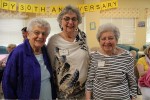
Among those celebrating L’Chaim’s 30th anniversary were original board members, left to right, Sylvia Gurstein, Gloria Hendin and Marion Poliakoff. (photo from L’Chaim)

More than 70 people gathered recently in the L’Chaim Lounge at the Jewish Community Centre of Greater Vancouver to celebrate the 30th anniversary of L’Chaim Adult Day Centre, which provides a “day out” for usually home-bound elderly Jews.

The audience was welcomed by Annica Carlsson, L’Chaim administrator, and Claire Weiss, acting president of L’Chaim, who described its growth. Originally offered at Beth Israel Synagogue, the program had to move to larger quarters at the J in 1995. It now provides programming three days a week, adding up to more than 1,900 client days a year for older adults who can still function with some degree of independence, but are unable to attend other community activities. L’Chaim also initiated a program for Jewish seniors in Richmond, which was taken over five years ago by Chabad of Richmond.

Speaking at the 30th anniversary celebration were three of the program’s founders: Sylvia Gurstein, Gloria Hendin and Marion Poliakoff. Poliakoff described how she represented National Council of Jewish Women in the beginning, enlisting a partnership with the late Irma Zack, who was acting on behalf of the Jewish Family Service Agency. Other present and former board members told anecdotes about their involvement, praising the staff and programming.

At L’Chaim, speakers on timely topics, music and exercise have always been program highlights. Current activities also include the use of iPods and headphones, which were purchased with a donation in memory of Dr. Betty Horodesky. This donation also financed the purchase of new lift chairs and a commercial cooler.

L’Chaim participant Ekatarina Chernyavskaya, 92, gave a heartfelt speech about how the program is her “home away from home” and enables her to stay connected with the Jewish community.

Celebrants also enjoyed “nibbles” provided by L’Chaim’s cook and a birthday cake baked by Nava Creative Kosher Cuisine. Annette Wertman entertained on the piano.

For more about L’Chaim, visit lchaim.ca.

Format ImagePosted on June 19, 2015June 17, 2015Author L’Chaim Adult Day CentreCategories LocalTags Annette Wertman, Annica Carlsson, Claire Weiss, Ekatarina Chernyavskaya, Gloria Hendin, L’Chaim Adult Day Centre, Marion Poliakoff, Nava, Sylvia Gurstein
This week’s cartoon … June 19/15

This week’s cartoon … June 19/15

For more cartoons, visit thedailysnooze.com.

Format ImagePosted on June 19, 2015June 17, 2015Author Jacob SamuelCategories The Daily SnoozeTags father-son relationship, technology, thedailysnooze.com
עשרים שנות פעילות בישראל

עשרים שנות פעילות בישראל

אייר קנדה שבסיסה במונטריאול מפעילה קו יומי בין הערים טורונטו ותל אביב. לאחרונה מופעל בקו זה מטוס הבואינג החדיש (הדרימליינר). (צילום: CNW Group/Air Canada)

 אייר קנדה מציינת עשרים שנות פעילות בישראל

חברת התעופה הלאומית של קנדה אייר קנדה מציינת בימים אלה עשרים שנות פעילות עניפה בישראל. לאור זאת החברה הקנדית קיימה אירוע חגיגי בנמל תל אביב בהשתתפות כמה מאות אורחים. בין האורחים: מנהלת אייר קנדה בישראל, רות בן צור ובכירים של החברה שהגיעו במיוחד מקנדה.

אייר קנדה שבסיסה במונטריאול מפעילה קו יומי בין הערים טורונטו ותל אביב, שנחשב לעמוס במיוחד (ואילו חברת אל על מפעילה שתי טיסות בשבוע בין תל אביב לטורונטו). לאחרונה מופעל בקו זה מטוס הבואינג החדיש 787-9 (הדרימליינר). לישראלים שנוחתים בטורונטו יש אפשרות לבצע טיסות המשך עם אייר קנדה ליעדים נוספים בקנדה, ליותר מחמישים יעדים בארצות הברית וכן למרכז ודרום אמריקה.

קנדה וישראל חתמו בראשית השנה על הסכם תעופה חדש שיביא לגידול במספר הטיסות בין שתי המדינות, במסגרת לידידות המתפתחת ביניהן בשנים האחרונות. בהתאם להסכם אייר קנדה ואל על יוכלו להגדיל את מספר הטיסות (של נוסעים ומטען) לשתיים עשרה בשבוע, ולאפשר לחברות הבנות שלהן גם כן לטוס בין המדינות. ההסכם כולל אף הגברת שיתוף פעולה בנושאי אבטחה.

רשות שדות התעופה של ישראל מציינת כי אשתקד טסו כ-148 אלף נוסעים בין קנדה לישראל. מדובר על גידול של כחמישה אחוזים לעומת שנה קודם לכן.

ועוד חדשות מקבוצת אייר קנדה: חברת הבת לטיסות לאו קוסט רוג’ החלה להפעיל טיסות ישירות, בקו מונטריאול ונציה. מדובר בהפעלת שתי טיסות בשבוע (באמצעות מטוסי בואינג 767) בין שתי הערים, עד אמצע חודש אוקטובר. הטיסות ממונטריאול יוצאות בימים חמישי ושבת בערב (9.30), ונותחות למחרת לפני הצהריים (11.40) בוונציה. ואילו הטיסות מוונציה יוצאות בימים שישי וראשון אחר הצהריים (1.25), ונוחתות במונטריאול גם כן אחר הצהריים (4.25).

צרות של עשירים שזכו בלוטו: זוכה ב-50 מיליון לא רוצה ששמו יתפרסם וזוג שזכה ב-1.6 מיליון לא מפסיק לריב

סוף סוף נמצא הזוכה מבריטיש קולומביה בהגרלת ה-50 מיליון דולר, שהתקיימה לפני שנה. הזוכה המאושר המתין שנה שלמה לאסוף את זכייתו, ועתה לאחר שהגיע למשרדי בריטיש קולומביה לוטו קורפוריישן, הוא דורש ששמו לא יתפרסם. בקורפוריישן מציינים כי בהתאם לתנאי המשחקים שמם של הזוכים יפורסם ברבים, והנושא עבר להתדיינות משפטית.

זוג מהעיר ספרוס גרוב שבאלבטרה הסתבך בצרה איומה. הם זכו בכ-1.6 מיליון דולר בהגרלת הלוטו, ומאז לא מפסיקים לריב. הזוג הסכים להתארח בתוכנית “ד”ר פיל” של הפסיכולוג ד”ר פיל מק’גרו.

אדווין ורקארק זכה עם חברים בעבודה ב-50 מיליון דולר, כשחלקו של כל אחד מהעובדים עומד על כ-1.6 מיליון דולר. מאז החיים שלו ושל אשתו ג’ודי הפכו לסיוט גדול.

ג’ודי טוענת שמאז הזכייה בעלה הפך לאדם כועס וחשאי, והוא שומר מרחק ממנה. אדווין טוען מצידו שהכסף שלו והוא יחליט מה לעשות בו, בו בזמן שהיא רוצה להיות שופתה מלאה בהחלטות. ג’ודי ביקשה שירכשו בית ובעלה העביר לה חצי מיליון דולר לשם כך, אך הפסיק לשלם את החשבונות השוטפים והכל נופל עליה.

אדווין טוען מצידו שאשתו ממשיכה לשמור על מסגרת הנישואים רק בגלל הזכייה בכסף. הוא התחיל לשתות לאחרונה כדי להימנע מהנידנודים של ג’ודי, שיש לה לדבריו “אובססיה לכסף עם סימנים של דולר בעיניים”. הוא העביר לג’ודי חצי מיליון דולר לרכישת הבית, אך הכסף נעלם והיא לא מסוגלת להסביר לאן. אדווין מדגיש שהוא זכה בכסף ויש לו את הזכות הבלעדית להחליט מה לעשות בו.

Format ImagePosted on June 17, 2015Author Roni RachmaniCategories עניין בחדשותTags Air Canada, Edwin Verkerk, Israel, lottery, Ruth Ben-Zur, אדווין ורקארק, אייר קנדה, ישראל, לוטו, רות בן צור
Dunbar makes movie

Dunbar makes movie

Left to right, Susan Skemp, Ken Charko and James E. Taylor are making a movie about Dunbar Theatre’s history. (photo by 5U54N & J4M35 Productions)

To celebrate Dunbar Theatre’s 80th anniversary, the theatre is making a short film about its history to enter into film festivals around the world and for film and music awards in Canada. One of the goals is to raise awareness of the theatre, one of the few independent theatres still around.

“Our short film will showcase all eight decades the theatre has been playing movies for the Dunbar community. With the use of old movie clips, newsreels, actors, models, music and their resident ghost, Delores, we intend on making a very entertaining film,” said Susan Skemp (producer, writer and songwriter) in an email to the Independent.

The production team includes Skemp, Ken Charko (executive producer and owner of the Dunbar Theatre) and James E. Taylor (director, writer, editor). One of the many participants in putting together the film is Jewish community member Adam Abrams, who will voice one of the newsreels.

“I came up with the idea to make the film last December when Ken Charko and I were discussing what to do to celebrate the theatre’s 80th,” Skemp explained. She said she suggested making a movie about a movie theatre and Charko liked the idea; then Taylor joined the production team as director.

“We have assembled a wonderful group of people and I have likened us to Orson Welles and his Mercury Players group,” said Skemp.

“My idea for the script really came from the theatre and the people from the community who have passed through its doors and the films that have played on the screen. Even though the film is a history of the theatre, our goal is to make it as entertaining as possible,” she stressed. “The fact that the theatre has a ghost helps.”

The crowdfunding goal to bring the film to fruition is $20,000. Contributions to the fundraiser at fundrazr.com/campaigns/fxGG2 come with different perks for each donation level: from a DVD and an invitation to a red-carpet screening ($25), to those items plus two tickets to any film at the Dunbar ($100), to a film credit as an associate producer ($500), to listing as a producer ($2,500).

Format ImagePosted on June 12, 2015June 10, 2015Author Cynthia RamsayCategories TV & FilmTags Dunbar theatre, James E. Taylor, Ken Charko, Susan Skemp

Posts pagination

Previous page Page 1 … Page 429 Page 430 Page 431 … Page 494 Next page
Proudly powered by WordPress