Skip to content
  • Home
  • Subscribe / donate
  • Events calendar
  • News
    • Local
    • National
    • Israel
    • World
    • עניין בחדשות
      A roundup of news in Canada and further afield, in Hebrew.
  • Opinion
    • From the JI
    • Op-Ed
  • Arts & Culture
    • Performing Arts
    • Music
    • Books
    • Visual Arts
    • TV & Film
  • Life
    • Celebrating the Holidays
    • Travel
    • The Daily Snooze
      Cartoons by Jacob Samuel
    • Mystery Photo
      Help the JI and JMABC fill in the gaps in our archives.
  • Community Links
    • Organizations, Etc.
    • Other News Sources & Blogs
    • Business Directory
  • FAQ
  • JI Chai Celebration
  • JI@88! video

Recent Posts

  • המלחמות של נתניהו וטראמפ
  • Zionism wins big in Vegas
  • Different but connected
  • Survival not passive
  • Musical celebration of Israel
  • Shoppe celebrates 25 years
  • Human “book” event
  • Reclaiming Jewish stories
  • Bema presents Perseverance
  • CSS honours Bellas z”l
  • Sheba Promise here May 7
  • Reflections from Be’eri
  • New law a desecration
  • Resilient joy in tough times
  • Rescue dog brings joy
  • Art chosen for new museum
  • Reminder of hope, resilience
  • The national food of Israel?
  • Story of Israel’s north
  • Sheltering in train stations
  • Teach critical thinking
  • Learning to bridge divides
  • Supporting Iranian community
  • Art dismantles systems
  • Beth Tikvah celebrates 50th
  • What is Jewish music?
  • Celebrate joy of music
  • Women share experiences 
  • Raising funds for Survivors
  • Call for digital literacy
  • The hidden hand of hate
  • Tarot as spiritual ritual
  • Students create fancy meal
  • Encouraging young voices
  • Rose’s Angels delivers
  • Living life to its fullest

Archives

Follow @JewishIndie
image - The CJN - Visit Us Banner - 300x600 - 101625

Tag: recipes

Her mother’s 100 favorites

Her mother’s 100 favorites

In my collection of cookbooks is The Complete International Jewish Cookbook by Evelyn Rose. For more than 30 years, she was food editor of the London Jewish Chronicle. When I received the press release that 100 Best Jewish Recipes (Interlink Books, 2016) by Rose with Judi Rose was being published, I was sure it would be as lovely as the earlier one and was saddened to learn that Evelyn Rose was no longer living – she died in 2003.

Judi Rose had quite a task when she began working on this book, as she narrowed down the thousands of recipes from her mother’s career into the ones their family loved best. She ultimately decided on 100 of her mother’s best-loved recipes – “some of her personal favorites, as well as those of her fans.”

Judi Rose is a food writer, consultant and culinary expert. She and her mother cooked together for more than 30 years and wrote two cookbooks together. The recipes she has chosen epitomize her mother’s principles of “incorporating thinking on health and nutrition, and using new technology to save time and effort.”

“My mother passionately believed that each dish must have ta’am – that extra something that makes it taste special and worth the effort for busy people to put on their table,” writes Rose.

There are 128 recipes in this new cookbook, enhanced by 38 color photographs. After a foreword, an introduction and an essay on festivals and food, the chapters are listed: small plates (10 recipes), soups (13 recipes), poultry (12 recipes), meat (16 recipes), fish (11 recipes), vegetables and side dishes (23 recipes), bread-bakes and desserts (21 recipes) and basics (22 recipes). A final essay is on adapting recipes for the kosher kitchen.

One thing missing from the recipes is whether they are meat, dairy or pareve. Other than that, each recipe has how many servings, how long it will keep in the refrigerator (a clever inclusion not generally listed with recipes), how long it can be frozen and a little introductory note.

Styles include Middle Eastern and Sephardi, and the places from where the recipes come include Austria, Lithuania, Syria, Russia, France, Hungary, Germany, Spain, Turkey, Persia, Morocco, China, Italy, Greece, Holland, Britain, Israel, Sicily, Egypt, Indonesia, Armenia and Denmark. As the publisher notes, these are traditional and contemporary recipes, for family meals and special occasions, for both novices and experienced cooks.

Here are a few of the traditional, classic recipes.

CHICKEN LIVER PATÉ

3 eggs
1 finely chopped onion
1 crushed garlic clove
4 tbsp soft margarine or rendered chicken fat
5-10 grinds sea salt
12 oz ready-koshered chicken livers
15 grinds of black pepper
1 good pinch of freshly grated nutmeg
warm French bread, crackers or sliced challah

Hard boil eggs for 10 minutes, drain, return to pan, cover with cold water and leave to cool.

Fry the onion and garlic gently in the margarine or fat until very soft and a rich brown. As the onion cooks, sprinkle it with sea salt.

Peel the eggs and cut in half. Put one aside.

Put the onion and garlic with cooking juices into a food processor, process until smooth. Add two eggs, livers, pepper and nutmeg. Process until smooth. Taste and add more seasoning if necessary.

Turn mixture into a terrine or oval gratin dish or divide between individual ramekins. Cover with plastic wrap and chill overnight. Refrigerate extra egg.

One hour before serving, remove paté from refrigerator to return to room temperature. Pass the remaining egg through a food mill or sieve to decorate the top of the paté.

Serves six as an appetizer, eight to 10 as a spread. Keeps five days in the fridge and freezes for one month.

TRADITIONAL CHICKEN SOUP

1 whole or half chicken with wings and giblets
7 1/2 cups water
2 tsp salt
1 pinch white pepper
2 halved, peeled carrots
leaves and top 2 inches of 2 celery ribs
1 sprig parsley
1 very ripe tomato

Put bird and pieces in a large pot with water, salt and pepper. Cover and bring to a boil. Remove foam with a large metal spoon.

Peel and halve onion and carrots, and add to pot with celery, parsley and tomato. Bring to a boil. Reduce heat, cover and continue to simmer three hours until chicken feels very tender when a leg is prodded.

Strain soup, reserving giblets and carrots in a separate container. Cover and refrigerate soup. Next day, remove congealed fat and return soup to the pot.

Cube giblets and carrots. Add to soup. Serve with matzah balls or noodles.

Serves four to six. Keeps three days in the refrigerator and three months in the freezer.

TRADITIONAL KICHELS

1 cup cake flour
1 to 1 1/2 cups all-purpose flour
3 tsp baking powder
2 large eggs
2/3 cup superfine sugar
1/2 cup sunflower or other flavorless oil
zest of 1 orange
1 tsp vanilla extract

Preheat oven to 350˚F and line two baking sheets with parchment paper.

Mix flours and baking powder. In a separate bowl, whisk the eggs until thick then gradually whisk in the sugar, followed by the oil, orange zest and vanilla.

Stir in enough of the flour to make a rollable, nonsticky dough. Knead until smooth then roll onto a floured board until a half-inch thick.

Sprinkle the dough with sugar, roll lightly to press it in. Cut into shapes with cookie cutters and arrange on prepared trays, leaving room for cookies to spread. Bake for 20-25 minutes or until pale gold in color. Leave on wire racks to cool.

Makes about 50. Will stay fresh two weeks in an airtight container and freezes for three months.

Sybil Kaplan is a journalist, foreign correspondent, lecturer, food writer and book reviewer who lives in Jerusalem. She also does the restaurant features for janglo.net and leads walks in English in Jerusalem’s market.

Format ImagePosted on September 23, 2016September 21, 2016Author Sybil KaplanCategories BooksTags cookbook, Jewish food, recipes
An apple-honey cake

An apple-honey cake

Add some apples to your honey cake this year. (photo by Barry A. Kaplan)

In the spirit of trying new things and as the New Year approaches, here is a recipe from my kosher kitchen, a slightly different take on the traditional honey cake. It’s a Rosh Hashanah favorite.

TWO-LAYER APPLE-HONEY CAKE

2 cups flour
2 tsp baking soda
2 tsp ground cinnamon
1/8 tsp ground nutmeg
1/4 tsp ground cloves
3/4 cup sugar or sugar substitute
1 1/2 tsp vanilla extract
2 large eggs
3/4 cup canola oil
1/3 cup non-dairy creamer
1/2 cup honey or honey substitute
3 cups grated apples

Frosting
2 cups tofu cream cheese
1/2 cup unsalted pareve margarine
1 tsp grated orange peel
1 cup confectioners sugar
2 tsp vanilla extract
1/2 cup honey or honey substitute

  1. Preheat oven to 325˚F.
  2. Put vegetable spray on two nine-inch cake pans.
  3. Place flour, baking soda, cinnamon, nutmeg, cloves and sugar or sugar substitute in a large bowl and mix.
  4. Add vanilla, eggs, oil, non-dairy creamer and honey. Mix, then add apples. Place half of the batter in each baking pan. Bake in the oven about 45 minutes or until a toothpick inserted into the centre comes out clean. Cool.
  5. Beat cream cheese and margarine in a bowl until fluffy.
  6. Add orange peel, confectioners sugar and vanilla and blend. Add honey. Chill until firm enough to spread.
  7. Place one cake on a serving dish. Spread with one cup of frosting. Top with the second cake and spread the remaining frosting on the top and sides.

Sybil Kaplan is a journalist, foreign correspondent, lecturer, food writer and book reviewer who lives in Jerusalem. She also does the restaurant features for janglo.net and leads walks in English in Jerusalem’s market.

Format ImagePosted on September 23, 2016September 21, 2016Author Sybil KaplanCategories Celebrating the HolidaysTags apples, kosher, recipes, Rosh Hashanah
The sweets of summer

The sweets of summer

There’s almost nothing better than eating outside in the summer. (photo by Cynthia Ramsay)

Think lazy summer days. Think warm evenings under a star-strewn sky. Think entertaining friends. Think luscious fruits, the chill of ice cream on your tongue, party desserts to tempt your palate. It’s time to be adventurous and try some wonderful summer puddings and desserts.

When the mercury soars, making a fancy dessert can seem like a tall order. The solution is to do most of the work in the cool of the morning or the night before. Finish the preparation at the last minute and present it with a flourish.

Here are a few tips you should keep in mind before trying out the recipes that follow. Egg whites for soufflés and meringues should always be beaten at room temperature, the eggs removed from the refrigerator two hours before beating. They should be fresh and, when you separate the whites, make sure not a speck of yolk gets in. One foolproof method is to break the egg into a saucer, covering the yolk with half an eggshell. Tilt the saucer, pouring off the whites into a clean, dry bowl and use dry beaters. Add a pinch of salt to the whites before beating.

The success of making good cold and frozen puddings often depends on using gelatin (all supermarkets in Israel and many abroad sell a kosher version). Stir it into cold liquid and only afterwards add to the hot mixture. When turning out a frozen pudding, wring out a towel in hot water and hold it over the mold for a few seconds … it will then slide out easily. Egg custards should never be allowed to boil: cook on very low heat or in a double boiler, stirring all the time.

So, let’s get started!

AMBROSIA

6 oranges
2 red apples
1 small tin pineapple rings
3 bananas
a few cherries
1/2 cup sugar
1/2 cup liqueur or sweet sherry
1 cup chilled, whipped cream
other seasonal fruits as desired 

Peel and remove skin from oranges. Slice unpeeled apples into thin rings. Peel and slice bananas. Cover apples and bananas with lemon juice to avoid discoloration. Drain pineapples, remove stones from cherries and halve.

In a glass dish, layer the fruit, sprinkling each layer with a teaspoon of sugar. Reserve cherries for the top. To the pineapple syrup, add liqueur or sherry and pour over the fruit. Cover tightly and chill overnight.

Serve with cream that is passed around in a separate bowl.

MIXED BERRY COBBLERS

6 cups mixed berries (strawberries, blueberries, blackberries, raspberries, fresh or frozen)
1 tsp grated lemon zest
1 tbsp lemon juice
2/3 cup sugar
1/4 cup instant tapioca

biscuit topping:
1 cup flour
2 tbsp wheat germ
1 1/2 tsp baking powder
pinch salt
1/4 cup chilled unsalted butter cut into small pieces
1/2 cup milk
1 egg white lightly beaten
1 tbsp sugar

Pre-heat oven to 375˚F.

Mix berries, lemon zest and juice, sugar and tapioca in large bowl until well combined. Let stand 15 minutes. Spoon one cup of the mixture into each of six one-cup ramekins. Place on a baking sheet. Bake for 20 minutes or until bubbly.

For the topping, stir together flour, wheat germ, baking powder and salt in a medium-size bowl. Cut in the butter with two knives until mixture resembles coarse crumbs. Stir in milk. (The dough will be sticky.)

Remove the baking sheet with ramekins from the oven. Gently stir the filling in each ramekin. Drop 1/4 cup of dough over each ramekin, brushing the dough with egg white. Sprinkle with sugar. Return to the oven, and bake a further 20 minutes until topping is golden. Serve in the ramekins, warm and topped with whipped or ice cream.

APPLE SPONGE PUDDING

4 large cooking apples
2 sticks cinnamon
4 tbsp sugar
300 grams stale cake
1/2 cup thick, whipped cream

Cut up the peeled apples and cook them with the cinnamon and a little water until soft. Grate the cake or crumble to crumbs. In a glass dish, put a thin layer of mashed apple, sprinkle with sugar and cover with a layer of cake crumbs. Continue until all the cake and apples are used up. Spread cream smoothly on top and chill. Serve very cold.

CHOCOLATE MOUSSE

250 grams plain chocolate
4 eggs
4 tbsp sherry or sweet red wine

Cut chocolate into small pieces and melt over hot water.

Separate whites and yolks from the eggs. Beat yolks thickly and stir into chocolate until blended. Add a pinch of salt to the whites and beat till very stiff. Fold into the chocolate mixture with sherry. Spoon into glass dishes, chill and serve.

PINEAPPLE SUPREME

1 large pineapple
1 cup brown sugar
2 tbsp rum
2 tbsp butter
1 cup whipped, sweetened cream

Slice off pineapple top to make a “lid.” Trim base so that the pineapple stands upright. Scoop out flesh and cut into pieces, removing the core. Sweeten with sugar and rum, then put the mixture back into the shell. Dot top with pieces of butter and wrap the pineapple in foil. Wrap the “lid” separately in foil. Stand upright on baking sheet and bake in hot oven (350˚F) for 45 minutes. Remove foil and cover with “lid.” Place pineapple on serving dish and serve with cream or ice cream separately.

GRAPE-PINEAPPLE ICE CREAM

1 cup grape juice
1/2 cup drained, crushed pineapple
1/4 cup lemon juice
1/2 cup sugar
1/2 cup pineapple syrup
1/2 cup water

Heat the water and sugar until the sugar dissolves completely. In a large bowl, combine all the ingredients and stir well. Pour into ice trays and freeze until hard. Remove to a chilled bowl and beat for one minute, until fluffy and light. Return to trays and freeze three hours.

Serve in chilled glasses topped with fresh mint leaves.

Dvora Waysman is the author of 13 books. She can be contacted at [email protected] or through her blog dvorawaysman.com.

Format ImagePosted on July 10, 2015July 8, 2015Author Dvora WaysmanCategories LifeTags ambrosia, cobbler, ice cream, mousse, pudding, recipes

Vegan food from Silk Road

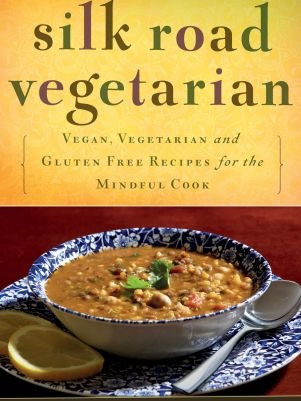
book cover - Silk Road Vegetarian: Vegan, Vegetarian and Gluten Free Recipes from the Mindful Cook by Dahlia Abraham-Klein (Tuttle Publishing Co., 2014)Silk Road Vegetarian: Vegan, Vegetarian and Gluten Free Recipes from the Mindful Cook by Dahlia Abraham-Klein (Tuttle Publishing Co., 2014) contains 121 recipes in eight chapters, several of which would be ideal for Shavuot.

Although Abraham-Klein grew up in New York, her parents trace their ancestry to the Babylonian Exile (now Iraq) and Persian conquest (now Iran) of sixth century BCE. Her ancestors traversed Persia, Afghanistan and Bukhara (capital of Uzbekistan), speaking Farsi and Judeo-Persian. In the early part of the 19th century, they settled in Afghanistan, in the middle of the Silk Road, which was an extensive, interconnected network of trade routes across the Asian continent.

The author’s great-grandfather owned a vineyard in Uzbekistan; her grandmother moved to the United States in the 1950s and grew her own grapes to make wine. The author’s mother and siblings grew up in Kabul, then moved with the family to Israel in 1949. The author’s father, who had grown up in Kabul, lived in India and visited Israel, where he met and married her mother in 1952; they lived in India until 1956.

Abraham-Klein’s family were merchants, absorbing the culture, languages, tastes and cuisines of all the places in which they lived. However, she grew up in New York and, as a teen, became unable to eat wheat, dairy and sugar. She has a master’s degree in education and a degree in naturopathy.

Silk Road Vegetarian contains recipes for bases, condiments and dips such as hummus, tomato paste, za’atar and mango chutney; appetizers including vegan chopped liver, stuffed grape leaves and Italian zucchini fritters; soups like Persian bean and noodle, and pumpkin. Among the salads are minted beet, and Middle Eastern lemon potato. Afghan squash goulash and Bengali potato and zucchini curry are among the main dishes; Bukharan green-herbed and Greek-inspired spanakorizo are among the rice dishes, and sides include sesame noodles and shawarma-spiced potato wedges. The desserts chapter has, for instance, orange blossom date balls and orange zest almond cookies.

The book is enhanced by 174 color photographs. Among these are ones that show how to prepare slivered orange peel, fold stuffed cabbage and remove coconut meat. Because Abraham-Klein has no formal culinary education, she has produced a cookbook that is easy to follow, with interesting cultural and historical notes about each recipe, bold-faced ingredients and numbered instructions. There is also an essay on the spice pantry; others on tofu and legumes; an article on grains; and a feature on food preservation.

COCONUT MILK
Can be used as a substitute base for curries, in lieu of cream, and for dairy in desserts.

2 cups water
2 cups grated fresh or frozen coconut

Bring the water to a boil in a large saucepan. Stir in the coconut and then remove from the heat. Cover and let cool.

Purée with an immersion blender. Line a sieve with cheesecloth and set it over a bowl. Pour the purée into the sieve and squeeze the cloth to extract the liquid. Remove the cheesecloth and use the coconut milk right away or store it in the refrigerator for up to two days (shake before using). Makes two cups.

PERSIAN SPINACH AND YOGURT DIP

1 tbsp olive oil
1 large thinly sliced onion
1 minced clove garlic
small pinch saffron
1 tbsp hot water
3 cups stemmed, washed and chopped fresh spinach
2 cups thick plain yogurt
salt and pepper to taste

Heat the oil in a large skillet and sauté onions for 15 minutes or until they are soft and beginning to color. Stir in garlic and sauté for one minute or until fragrant.

Steep the saffron in a small bowl with hot water. Let sit until water is tinted.

Add spinach to the skillet and sauté for five minutes or until wilted. Add saffron water and stir to combine. Cool completely. Fold in yogurt, season with salt and pepper. Refrigerate for several hours to allow the flavors to meld. Makes six to eight servings.

BAKED LEMON RICE PUDDING

1/2 cup short-grain rice
2 1/2 cups unsweetened coconut milk
2 tbsp packed brown sugar
1/2 tsp pure vanilla extract
grated zest of 1 small lemon
1 tbsp chopped vegan butter
fresh strawberries or any seasonal berries

Wash and soak the rice according to instructions. Combine rice and coconut milk in an ovenproof casserole dish and set aside for 30 minutes.

Preheat the oven to 150˚F. Add sugar, vanilla, lemon zest and butter to rice mixture and whisk gently to combine. Bake uncovered for 2 to 2.5 hours or until top of pudding is lightly browned.

Allow pudding to cool, then gentle peel off skin at the surface and discard. Chill in refrigerator for about an hour or until pudding thickens. Garnish with strawberries or seasonal berries and serve. Makes four servings.

Sybil Kaplan is a journalist, foreign correspondent, lecturer, food writer and book reviewer who lives in Jerusalem. She also does the restaurant features for janglo.net and leads weekly shuk walks in English in Jerusalem’s market.

Posted on May 22, 2015May 21, 2015Author Sybil KaplanCategories Celebrating the HolidaysTags Dahlia Abraham-Klein, recipes, Shavout, vegan
Cooking to fill others’ tables

Cooking to fill others’ tables

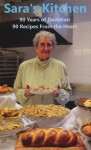
Mere days before heading to Israel for a couple of weeks, Sara Ciacci, 90, called the Jewish Independent to make sure that I had received her new cookbook, Sara’s Kitchen: 90 Years of Devotion, 90 Recipes from the Heart (Gateway Rasmussen, 2015), and that I had all the information I needed about the Jewish Food Bank. For Ciacci, food and tzedaka are inextricably connected with life and community.

“Sara Ciacci is the beating heart of Temple Sholom’s kitchen,” reads the cookbook’s introduction. “From her kiddush lunches to the Sisterhood catering committee, second seders, women’s seders and the annual Yom Kippur break-the-fast, Sara has made a mission of nourishing her congregation since its earliest days. She is queen of all hamantashen, blintzes and latkes, and, every year, she and friend Leonor Etkin produce challot by the dozen for Temple Sholom’s High Holiday celebrations. Sara also makes the Vancouver Jewish Food Bank her priority, and all the hungry in our community will be the beneficiaries of all the money raised from the sale of Sara’s Kitchen.”

The Jewish Food Bank supports close to 400 Jewish individuals each year, according to its 2013-2014 report. Ciacci shared with the Jewish Independent an email she wrote to the Jewish Family Service Agency, which co-funds the food bank with Jewish Women International-B.C. and community donors. In it, she traces her memories of the service agency back 80 years, to the Depression era, when, like many families in the Jewish community, she writes, “my mother, two sisters and I needed help. I also remember Theresa Blumberg, the social worker who came to our home and found a reason to look in the food pantry, to talk with me and ask about school. She also found time to visit me during the 18 months that I was in the children’s preventorium for tuberculosis. It was Miss Blumberg who made sure that I had proper shoes and school supplies. My only possession from childhood is an 11th birthday book inscribed, ‘To my dear Sara, from Theresa Blumberg.’…

“My adult association with the Jewish Food Bank started in 1984 when our president, Jean Cohen, was helping a Jewish senior and found canned cat food in her cupboard. She did not have a cat. Jean brought the idea of a food bank for seniors and immigrants to our board. We then approached the Jewish Family Service Agency (JFSA) and an unofficial partnership was born. B’nai B’rith Women (now JWI-BC) would be responsible for collecting food and JFSA counselors chose the recipients. Hampers were provided based on a list that identified recipients only by a numbered card that specified their specific needs.”

Organized for a number of years by “two wonderful women who are no longer with us,” Renee Lifchus for BBW (now JWI-BC) and Isabel Lever from JFSA, “We packed the first hampers … in Safeway paper bags on the workbench in Carol Fader’s basement…. Hampers contained non-perishable food items that our members donated or collected from friends and family.”

In this tradition of community, several recipes in Sara’s Kitchen are Ciacci’s “by way of being begged, borrowed, copied, changed or invented.” The sources of these recipes are acknowledged, which adds to the community feel of this cookbook.

There are three chapters, starting with most everyone’s favorite meal: dessert. The second chapter comprises Passover recipes, the third, “and everything else.” There is an index for quick finds, a page on which to note your favorite recipes and their page number for easy reference, as well as a couple of pages to write in a few of your own recipes. Each section is headed by a full-color page of some of the treats waiting to be made.

The desserts section starts with a few tips, such as the need to chill cookie dough for at least an hour. Ginger snaps, blueberry drop cookies, and apple and honey cake bread pudding with butterscotch sauce are among the 36 pages of desserts to try after Passover.

In addition to the Passover conversion table – offering substitutes for flour and Graham cracker crumbs, for example – there is a spice guide, and pieces of advice offered throughout, such as how to ripen avocados more quickly and how to make radish roses. Appropriately, on page 90, is “Sara Ciacci’s Recipe for a Rich Full Life,” featuring nine wise ingredients.

Since I’m reviewing this cookbook in the Jewish Independent’s Passover edition, the recipes I tested are all kosher for the holiday: spinach vegetable kugel, red cabbage and almond crisps. Everything turned out according to plan, except the almond crisps, which were golden brown in about half the suggested time. I will remember this next time I make them because they are so good and easy to make, there will be a next time.

SPINACH VEGETABLE KUGEL

3 large carrots
10 oz package frozen spinach, thawed
1 medium onion
2 stalks celery
1 cup chicken [or vegetable] bouillon
3 eggs
3/4 cup matza meal
salt and pepper to taste

Preheat over to 350˚F. Grease an eight-inch square pan.

Cut up and grate carrots. Set aside. Chop spinach, onion and celery. Place in a two-quart saucepan. Add grated carrots and bouillon. Cook over medium heat for 15 to 20 minutes until vegetables are soft.

Place the eggs and matza meal in a mixing bowl. Stir in cooked vegetables. Season with salt and pepper. Spread the mixture evenly in the baking pan. Bake, uncovered, for 45 minutes. Cut into squares before serving.

RED CABBAGE

1 medium onion
1 average-size red cabbage
4 medium apples
1/4 cup canola oil or butter
1/2 cup water
3 tbsp (or more) red wine vinegar
3 tbsp sugar
1 tsp salt
3 or 4 whole cloves
1 tsp caraway seeds (optional)

Slice onion and sauté in oil/butter until translucent. Shred cabbage. Peel, core and slice up apples. Place cabbage in a pot and top with the sliced apples. Add water and remaining ingredients. Place on medium-low heat and simmer one hour (or longer), stirring occasionally until cabbage is tender.

Adjust vinegar/sugar to taste. Some lemon juice can be substituted for the vinegar.

ALMOND CRISPS
Perfect for Passover, these cookies also make a great gluten-free option at any dessert buffet.

3 cups sliced almonds with skins, lightly toasted
1/2 cup sugar
2 egg whites. at room temperature
1/2 tsp vanilla (optional)

Preheat oven to 350˚F. Line cookie sheet with parchment paper.

In a large bowl, mix (do not beat) egg whites with sugar. Add vanilla. Stir in almonds.

Using a tablespoon, make mounds of mixture on cookie sheet and flatten into thin rounds with your fingers dipped in cold water or with the back of a spoon. Bake for 20 minutes or until golden brown.

Turn off the oven and leave cookies in the oven with door open for 10 more minutes.

Makes 20 to 22 cookies.

For copies of Sara’s Kitchen, contact Darcy Billinkoff at [email protected].

Format ImagePosted on March 27, 2015March 26, 2015Author Cynthia RamsayCategories LocalTags cookbook, Passover, recipes, Sara Ciacci, Temple Sholom
Bold, new menus for Pesach

Bold, new menus for Pesach

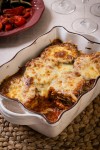
Paula Shoyer’s eggplant parmesan, featured in her latest cookbook, The New Passover Menu. (photo by Michael Bennett Kress)

The New Passover Menu by Paula Shoyer (Sterling, 2014) emboldened me. It was the whole package: the full-color photos, the clear text (blue for tools and ingredients; black for instructions), the organization by menus, the exotic-sounding nature of some of the offerings (gratin dauphinois, anyone?) and Shoyer’s dedication of the book:

“For all the kosher baker fans who asked me to write a cookbook of savory recipes. But, as my friend Suzin Glickman believes, you should still eat dessert first.”

Shoyer, of course, is famous for her baking. Bestselling The New Passover Menu joins her dessert bestsellers The Kosher Baker: Over 160 Dairy-Free Recipes from Traditional to Trendy and The Holiday Kosher Baker. She is a contributing editor to several kosher websites and cookbooks, as well as magazines, and is also a consultant for kosher bakeries and companies. She is no stranger to the Jewish Independent, as an internet search will show, and so it was with excitement that we received her latest cookbook.

In the press material accompanying The New Passover Menu, Shoyer says, “These recipes have been inside my head for years. As a book of 65 recipes, it offers not every possible Passover recipe but rather the best possible versions of food and desserts adapted for the Passover holiday.”

It lays out full menus for the two seders, as well as a Shabbat and Yom Tov menu, and menus for the holiday week, including lunch suggestions. There are several breakfast options and, of course, a lengthy list of dessert choices.

There is a chart of Passover cooking and baking substitutes, and a brief discussion of the holiday and its preparations (removing chametz and kashering the kitchen). Shoyer shares some memories of her seders past, and this leads into a description of the Passover table, the seder plate and its symbolic items, matza, salt water and wine.

Each recipe includes the preparation time, cook time, what items can be prepared in advance (and how long in advance) and all the equipment that will be needed. A brief paragraph accompanies each recipe, either a personal story about it or advice on cooking with some of its ingredients.

It was hard to narrow the selection of which recipes I would try. Since one of my taste testers is vegetarian, I shied away from such tempting creations as Seared Tuna with Olives and Capers with Kale Caesar Salad, and Moroccan Spiced Short Ribs. I opted instead for one main dish – eggplant parmesan – and something unique (and easy to make and transport) that I could bring to my host’s seder – banana charoset.

The New Passover Menu emboldened me in a couple of ways. First, I felt confident to adapt right from the beginning. So, for example, while Shoyer did not call for the eggplant slices to be sprinkled with salt and let sit for awhile to reduce their potential bitterness and bring some of their moisture to the surface (which I dabbed away with paper towel), I did it just in case. The recipe lists tomato sauce but, not wanting to buy or make any – as so many bought brands contain a lot of sodium and to make my own sauce would have been one more thing to do – I used a can of crushed tomatoes and added garlic powder, oregano and pepper to it, ingredients already included in the recipe. Finally, Shoyer offers a frying and a baking method for the eggplant slices, and I picked a middle version: I coated the slices as if for frying but then baked them, drizzling a little olive oil over them once they were laid out in the pan.

As for the banana charoset, I kept to the recipe for the most part, only adding more wine than recommended to brighten it up. I think the banana I selected for the mixture was on the too-ripe side. One thing to note with the charoset is that it tasted even better the next day, so I’d make it in advance if possible. The bold part of this recipe is that I pretty much insisted on bringing it to a seder once I’d tasted it.

The following recipes are reprinted from the cookbook, so the “I” and “my” from here on refers to Shoyer. Enjoy!

EGGPLANT PARMESAN

Serves: 12–15. Prep time: 10 minutes. Cook time: 20 minutes to fry eggplant; 35-40 minutes to bake. Advance prep: may be assembled one day in advance, fully baked three days in advance, or frozen; thaw completely before reheating. Equipment: cutting board, knives, measuring cups and spoons, two shallow bowls, large frying pan, nine-by-13-inch baking pan, silicone spatula.

Eggplant parmesan is one of my favorite Italian dishes. It is best made by my brother Adam Marcus, who has paid his rent for occasionally living with us by lovingly making his master version of this dish with a homemade sauce. Although I try to avoid frying foods (except for doughnuts and chicken once a year), I find that eggplant parmesan tastes better made with breaded and fried eggplant slices. If desired, you can grill the slices in the oven until fork-tender and then layer and bake as described below. If you go the healthier route, sprinkle the oven-roasted slices with some garlic powder, salt and black pepper. Depending on the size of the eggplants, you will end up with two or three layers in the pan.

1/3-1/2 cup oil for frying
3 large eggs, beaten
1 1/2 cups Passover breadcrumbs or matza meal
1/2 tsp garlic powder
1 1/2 tsp dried oregano
salt and black pepper
2 medium eggplants, not peeled, sliced into 3/4-inch-thick rounds
1 1/2–2 cups tomato sauce
2 cups shredded mozzarella cheese, or more as needed
1/3 cup freshly grated parmesan cheese

Preheat oven to 350°F.

Place a large frying pan on the stovetop and add 1/3 cup oil. Pour the beaten eggs into a shallow bowl. In another bowl, stir together the breadcrumbs, garlic powder and oregano and season with salt and pepper to taste. Heat the oil over medium-high heat. When the oil is hot, fry the eggplant slices in batches, browning both sides, until fork-tender, about 10 minutes per batch. Transfer to a plate covered with paper towels. Add more oil to the pan between batches if the pan gets dry.

Using a silicone spatula, spread about 3/4 cup of the tomato sauce in the bottom of a nine-by-13-inch baking pan. Place one layer of eggplant slices on top. Sprinkle with one cup of the shredded cheese. Cover with a second layer of eggplant. Pour another 3/4 cup sauce on top and use the spatula to spread the sauce on top of the eggplant pieces. Sprinkle with one cup of the shredded cheese. If you have more eggplant slices, place them on top, then add some tomato sauce and more shredded cheese. Sprinkle the parmesan all over the top.

Cover the pan tightly with aluminum foil and bake for 35 to 40 minutes, or until the eggplant layers are heated through and the cheese is melted. If you assembled the dish in advance and stored it in the fridge but did not bake it, bake for an extra 20 minutes.

BANANA CHAROSET

Makes three cups (serves 25 for seder). Prep time: 10 minutes. Advance prep: may be made three days in advance. Equipment: cutting board, knives, measuring cups and spoons, food processor, box grater, silicone spatula, small serving bowl.

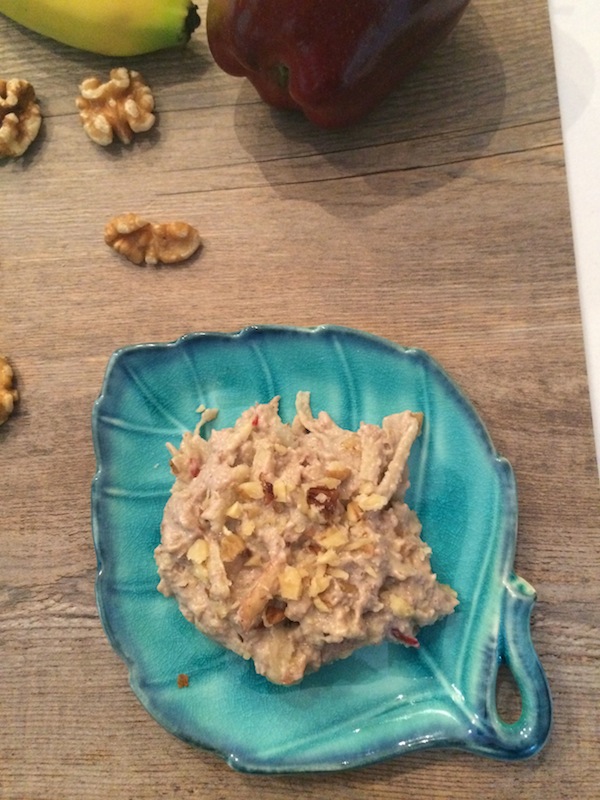
photo - Banana charoset, from Paula Shoyer's The New Passover Menu
Banana charoset, from Paula Shoyer’s The New Passover Menu (photo by Michael Bennett Kress)

Charoset is the element on the seder plate that represents the mortar used by the Israelite slaves to build bricks. Growing up, I had seders almost exclusively at my parents’ house or a handful of other relatives’ homes, and everyone made the same charoset: walnuts, apples and sweet wine all smooshed together. It was only when I began hosting my own seders that I discovered a wide variety of charoset recipes from every corner of the world where Jews have ever resided. This recipe comes from my friend Melissa Arking, who is a fabulous cook. I added chopped walnuts at the end for some texture.

You can buy nuts already ground, with the skin or without. I have a coffee grinder dedicated to grinding nuts. You can also use a food processor, as long as it can reduce the nuts to a fine grind, almost like a powder, when you need almond flour for baking. If you grind nuts for too long, you will end up with nut butter.

3 large ripe bananas
2 cups ground walnuts
2 tbsp sugar
1/2 tsp ground cinnamon
2 tbsp sweet kosher wine
2 apples, shredded on the large holes of a box grater
1 cup walnut halves, chopped into 1/3-inch pieces

In the bowl of a food processor fitted with a metal blade [a hand blender also works], place the bananas, ground walnuts, sugar, cinnamon and wine. Process until the mixture comes together. Transfer to a small bowl, add the apples and chopped walnuts, and stir to combine.

Format ImagePosted on March 27, 2015March 26, 2015Author Cynthia RamsayCategories Celebrating the HolidaysTags charoset, eggplant, Passover, Paula Shoyer, recipes, seder
Charoset’s many variations

Charoset’s many variations

Ashkenazi-style charoset: apples, walnuts, cinnamon and red wine. (photo by Yoninah via commons.wikimedia.org)

What Passover seder symbol is common to all communities but is not mentioned in the biblical passage that enjoins us to eat the paschal offering, matza and bitter herbs? Charoset.

Charoset is loosely defined as a paste of fruit, spices and wine, symbolic of the mortar used by the Hebrews when they were slaves in Egypt.

The word is of unknown origin but may be from the word heres, meaning clay, because of its color. The custom of eating charoset is thought to have come from the time of the Babylonians, who dipped food in relishes or sauces to add flavor.

Some years ago, I surprised all my seder guests by serving both the traditional Ashkenazi version and a Sephardi version of charoset, which everyone loved and wanted in future years.

The New York Times Passover Cookbook, edited by Linda Amster, says that the Iraqi version of charoset is one of the oldest and most time-consuming recipes, dating back to the Babylonian exile of 579 BCE. Made into a jam from dates, grapes, pomegranate and honey, it was a sweetener in the ancient world and is still used by Iraqi, Burmese, Syrian and Indian Jews.

The Talmud says charoset must be sharp in taste and similar to clay in substance and color. Differing geographies is one of the reasons there are differing charoset recipes.

Ashkenazim tend to use apples, chopped almonds, cinnamon, red wine and perhaps even matza meal; sometimes walnuts or other nuts are used. Sephardi and Mizrahi Jews tend to use fruits that grew in Eretz Israel in biblical times, such as grapes, figs, dates, almonds and pomegranates. Israelis often turn charoset into a dessert by adding bananas, dates, orange juice and/or sugar.

Abraham Chill, author of The Minhagim (The Customs), writes that each ingredient symbolizes something different from the Egypt experience. The mixture as a whole stands for the mortar used by the Jews in making bricks, and the cinnamon resembles the color of the bricks they made. Wine represents the blood of the Jewish infants thrown into the Nile. Almonds are used because the Hebrew word for almond, shaked, is also a word that means to accelerate, as G-d accelerated the end of slavery. Apples are used because it was said that Jewish women during that time gave birth to their babies under apple trees in order to avoid detection by the Egyptians.

In her book The Jewish Holiday Kitchen, Joan Nathan states that charoset is “one of the most popular and discussed ritual foods served at the seder.” She says the fruits and nuts refer to verses in the Song of Songs, which mention an apple tree and the garden of nuts; the red wine recalls the Red Sea.

Because the maror or bitter herb is so strong, some say that the real purpose of charoset is to allay the bitterness. As part of the seder, the charoset and maror are placed between matzot to make a sandwich, which is said to have been invented by the first century CE Rabbi Hillel, hence, its name, the “Hillel sandwich.”

There are as many variations on the ingredients of charoset as there are Jewish communities.

Jews from the island of Rhodes use dates, walnuts, ginger and sweet wine. Jews of Salonika, Greece, add raisins. Other Greek Jews use walnuts, almonds, pine nuts, raisins, cinnamon, cloves and red wine and spread it thickly on matza. Turkish Jews include orange.

A Moroccan friend told me she used some of the seven species from the Bible in her charoset: dates, almonds, nuts, pomegranate seeds, figs, wine and cinnamon. Jewish Daily Forward Food Maven columnist Matthew Goodman once wrote in the Forward that Moroccan Jews sometimes make charoset paste and roll it into balls. He says this is a legacy from Jews of medieval Spain, who made the balls of apples, dried fruit, almonds, cooked chestnuts, sugar and cinnamon (but no wine) and then drizzled the balls with white vinegar before serving.

Jews of Venice use chestnut paste, dates, figs, poppy seeds, walnuts, pine nuts, orange peel, dried apricots, raisins, brandy and honey, while Jews of Bukharia use nuts, almonds, dates, raisins, apples and wine. Egyptian charoset contains dates, nuts, banana, apples, wine, cinnamon and pomegranate seeds.

An Iraqi woman told me that instead of a paste type of charoset, they would buy a special date honey and sprinkle chopped nuts on top. Goodman, again in the Forward, explained that its foundation is a syrup, halek, made by boiling dates, straining the liquid and then reducing it over a low flame until thick. Halek is one of the earliest of all sweeteners and may be the source of the reference in “land flowing with milk and honey.” Chopped walnuts or almonds are then added to the syrup. Jews of Calcutta also follow this custom.

A Dutch woman told me that she makes a chunky mixture with more apples and only a few nuts, plus cinnamon, sugar, raisins and sweet wine. Jews from Surinam in Dutch Guiana use seven fruits and coconut.

Following the injunction to have a sharp taste, Persian Jews use dates, pistachios, almonds, raisins, apples, orange, bananas, pomegranate seeds, sweet wine, cloves, cardamom, cinnamon, vinegar and black pepper. Likewise, Yemenite Jews use dates, raisins, almonds, nuts, figs, dates, sesame seeds, apples, pomegranate seeds, grape juice, ginger, cinnamon, cardamom, cloves and black pepper. Jews from Afghanistan pound charoset in a mortar with a pestle and use walnuts, hazelnuts, almonds, apples, sweet wine, pomegranate seeds, dates and black pepper.

One exception I have found to Ashkenazim following the strictly sweet version was a friend whose father’s family came from Galicia. He recalled that their charoset was made from apples, nuts, wine, cinnamon and horseradish.

Here are but a few recipes.

CLASSIC ASHKENAZI CHAROSET

6 chopped apples
1/3 cup chopped nuts
1/4 cup raisins
1 tsp cinnamon
2 tbsp sugar
1/4 cup red sweet wine

Combine apples, nuts and raisins. Add cinnamon, sugar and wine. Depending on your preference, this can also be made in a food processor.

DATE CHAROSET

1/2 cup seeded, finely chopped dates
1/2 apple, grated
1/2 cup chopped almonds
1/8 cup red wine
1/2 tsp cinnamon
1/4 tsp ginger

Combine dates and apple. Add nuts, wine, cinnamon and ginger.

SEPHARDI CHAROSET

1/2 cup chopped dates
1/2 cup chopped raisins
1 cup chopped walnuts
1/4 cup chopped almonds
1/4 cup red wine
2 tbsp lemon juice
1/8 tsp cinnamon

Combine dates and raisins. Add walnuts, almonds, wine, lemon juice and cinnamon. Form into balls.

SPICY CHAROSET

12 figs
1 1/2 cups pitted dates
2/3 cup raisins
2 seeded oranges
2/3 cup almonds
1/2 cup dry red wine
1/4 tsp cayenne pepper
1 tsp cinnamon

In a food processor, coarsely chop figs, dates, raisins, oranges and almonds. Try to keep the fruit chunky unless you prefer it pureéd. Pour into a bowl. Add wine, cayenne, cinnamon and blend.

Sybil Kaplan is a journalist, foreign correspondent, lecturer, food writer and book reviewer who lives in Jerusalem. She also does the restaurant features for janglo.net and leads weekly shuk walks in English in Jerusalem’s Jewish food market.

Format ImagePosted on March 27, 2015March 26, 2015Author Sybil KaplanCategories Celebrating the HolidaysTags Ashkenazi, charoset, Passover, recipes, seder, Sephardi
Chicken for Pesach midweek

Chicken for Pesach midweek

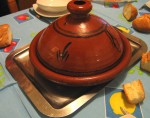
A tagine is a North African, slow-cooked savory stew, named after the earthenware clay pot in which it is cooked. (photo by Iron Bishop via commons.wikimedia.org)

After the sedarim, by midweek, you may be looking for some creative ideas for Passover dinners. Here are three dishes I frequently serve.

A mina is a traditional Sephardi savory layered pie, which is a great way to use up leftover chicken. In Spain and Turkey, it is called mina; in Egypt, maiena or mayena; in Algeria, meguena; and, in Italy, scacchi. The pie is also popular among Jews from the island of Rhodes and Yugoslavia.

A tagine is a North African, slow-cooked savory stew, named after the earthenware clay cooking pot, whose base is flat and circular with low sides. The cover is cone or dome shaped, which traps the steam and returns the condensed liquid to the pot, thus requiring very little liquid when cooking. In a chicken tagine, vegetables or dried fruit, nuts and spices are added.

Finally, leek patties known as kyeftes de prasa in Ladino, kifte in Turkish, keftas or keftes in Greek, are popular among Mediterranean Jews for Passover. I like to add chicken to mine.

CHICKEN MINA
6-8 servings

2 cups cooked, shredded chicken
1/2 cup chopped scallions
1/2 cup chopped Italian parsley
1/4 cup chopped mint
1/4 cup chopped dill
5 eggs
6 matzot
chicken soup
olive oil
1/2 cup tomato sauce
1/4 tsp nutmeg

  1. Preheat oven to 350˚F. Grease a rectangular or oval baking dish.
  2. In a bowl, combine chicken, scallions, parsley, mint and dill. Add two eggs and blend.
  3. In another bowl, combine three eggs, tomato sauce and nutmeg.
  4. Place matzot in bottom of a deep dish. Pour enough chicken soup to soften, about three minutes.
  5. Place two matzot in greased baking dish. Brush with olive oil. Spread half the chicken filling on top. Add two more matzot, brush with oil and spread rest of chicken filling on top. Top with remaining two matzot.
  6. Pour tomato sauce on top. Bake for 45 minutes. Cut into squares to serve.

CHICKEN TAGINE
8 servings

1 cup matza meal
8 pieces of chicken
4 cups chopped onions
2 cups chicken soup
1 1/2 – 3 cups prunes, apricots or other dried fruit
2 tsp cinnamon
1 tsp ginger
1/4 cup lemon juice
2 tsp lemon peel
1 cup slivered almonds
oil

  1. Place matza meal in a shallow dish. Dip chicken pieces in the meal.
  2. Heat oil in a soup pot. Add chicken and brown. Add onions, chicken soup and dried fruit and simmer until chicken is cooked.
  3. Add cinnamon, ginger, lemon juice, lemon peel, and almonds. Simmer another 20 minutes.

CHICKEN-LEEK PATTIES
6-8 servings

3 leeks
1 cup chopped onions
2 cups chopped cooked chicken
2 eggs
1 cup mashed potatoes
1/2 cup matza meal, plus extra
salt and pepper to taste
1 beaten egg
oil

  1. Place cut-up leeks and onions in a saucepan with water, bring to a boil, reduce heat and simmer 30 minutes.
  2. Drain and chop. Add chicken, eggs, 1/2 cup matza meal, mashed potato, salt and pepper and blend.
  3. Place egg in one shallow bowl and additional matza meal in the second bowl. Take chicken mixture and make into patties. Dip into beaten egg then in matza meal for coating.
  4. Refrigerate for awhile at this point if serving later. Before serving, heat oil in a frying pan and fry until patties are brown on both sides. Drain on paper towels.

Sybil Kaplan is a journalist, foreign correspondent, lecturer, food writer and book reviewer who lives in Jerusalem. She also does the restaurant features for janglo.net and leads weekly shuk walks in English in Jerusalem’s Jewish food market.

Format ImagePosted on March 27, 2015March 26, 2015Author Sybil KaplanCategories Celebrating the HolidaysTags chicken, Passover, recipes, seder, tagine
Add culinary flair to Pesach

Add culinary flair to Pesach

Grilled salad with chicken is one of the many tempting dishes in A Taste of Passover.

Every now and then, there’s a new recipe book that blows you away with innovative, easy-to-make dishes combined with tantalizing photographs that render you hungry within a couple minutes of flipping through the glossy pages. A Taste of Pesach (ArtScroll, 2014), a project of Yeshiva Me’on Hatorah (in Roosevelt, N.J.), is one such book. It promises to reinvent your Passover menu and inspire you with creative culinary twists and turns during this hungry time of year.

image - A Taste of Pesach  coverMany schools and communities have tried the same technique of compiling a recipe book and selling it as a fundraiser, and that’s how this one had its genesis seven years ago. But while most of those fundraiser books have a short lifespan before they’re recycled or mislaid, A Taste of Pesach is unlikely to follow the same trajectory. For one, it’s a gorgeous book you can’t wait to page through and one you’d be proud to hand over as a gift to a newlywed child or close friend. For another, it’s chock full of irresistible culinary eye candy, with recipes that are for the most part easy, calling on ingredients that are readily available. Look through the book and you find yourself murmuring, “Hmm…. I can do this.”

The mothers who volunteered the 150-plus recipes for A Taste of Pesach are a diverse group but they all want the same things at the end of the day, write the editors in the book’s introduction. “Food that will get rave reviews, user-friendly, visually attractive recipes with accurate cooking times and yields and recipes that have broad appeal and that work. We’re just like you,” they write.

Most of the recipes don’t require a huge spirit of adventure in the kitchen, but rather call for a minor stretch in their use of different ingredients than you might typically incorporate. The sweet potato crisps salad, for example, is a lettuce-based green salad to which strips of fried sweet potato are added as a garnish just prior to serving. The image of this dish is so tempting, it makes you want to reach in and steal a piece of crisp off the topping. This is true for the majority of the recipes, each one prefaced with a photograph and categorized by chapter into appies, soups, salads, fish, poultry, meat, sides, dessert, cake and cookies, and gebrokts. The recipes are accompanied by handy tips on how to make their preparation easier and faster, or how to plate it most attractively. There are traditional old favorites like gefilte fish, chremslach and kugels, and more modern twists or reinvented dishes like unstuffed cabbage, pastrami and spinach-stuffed chicken and cashew-butter muffins.

Extra eye candy is offered in the chapter headers, which display images of seder plates reflecting different times, styles and tastes. Passover is not a time of year that usually excites Jewish taste buds, but A Taste of Pesach promises to add flair, creativity and innovation to your table – without stretching your culinary skills to their limits.

Lauren Kramer, an award-winning writer and editor, lives in Richmond, B.C. To read her work online, visit laurenkramer.net. This article originally appeared in Canadian Jewish News.

Format ImagePosted on March 27, 2015March 26, 2015Author Lauren KramerCategories Celebrating the HolidaysTags Passover, recipes, seder, Yeshiva Me’on Hatorah

Posts pagination

Previous page Page 1 … Page 6 Page 7
Proudly powered by WordPress