Skip to content
  • Home
  • Subscribe / donate
  • Events calendar
  • Business Directory
  • FAQ
  • News
    • Local
    • National
    • Israel
    • World
    • עניין בחדשות
      A roundup of news in Canada and further afield, in Hebrew.
  • Opinion
    • From the JI
    • Op-Ed
  • Arts & Culture
    • Performing Arts
    • Music
    • Books
    • Visual Arts
    • TV & Film
  • Life
    • Celebrating the Holidays
    • Travel
    • The Daily Snooze
      Cartoons by Jacob Samuel
    • Mystery Photo
      Help the JI and JMABC fill in the gaps in our archives.
  • Community Links
    • Organizations, Etc.
    • Other News Sources & Blogs
  • JI Chai Celebration
  • JI@88! video

Recent Posts

  • Legal help for students
  • Revisiting myth of Lilith
  • Wrong person rebuked
  • Canada’s mixed messages
  • Questions for museum
  • Symposium on antizionism
  • Making soccer political
  • CJPAC lauds Pulver’s impact
  • City recognizes Vrba’s legacy  
  • Organ donation saves lives
  • Theodore’s March premiere
  • A healing Shabbaton
  • Supplying healthy food
  • A chime of metal tags
  • Yellowknife seder a first
  • Ishai energizes, unifies
  • A Lag b’Omer to remember
  • Expanding the healing
  • Hannah Senesh – a unique hero
  • Community milestones … May 2026
  • Sharing her testimony
  • Fall fight takes leap forward
  • The balancing of rights
  • Multiple Tony n’ Tina roles
  • Stories of trauma, resilience
  • Celebrate our culture
  • A responsibility to help
  • What wellness means at JCC
  • Together in mourning
  • Downhill after Trump?
  • Birth control even easier now
  • Eco-Sisters mentorship
  • Unexpected discoveries
  • Study’s results hopeful
  • Bad behaviour affects us all
  • Thankful for the police

Archives

Follow @JewishIndie
image - The CJN - Visit Us Banner - 300x600 - 101625

Tag: Jewish Federation

נגד השנאה והגזענות

נגד השנאה והגזענות

למזל בודדים השתתפו בהפגנת ארגוני הימין הקיצוני נגד ההגירה לקנדה, ביום שבת מול בית עיריית ונקובר. מולם עמדו כארבעת אלפים אזרחים שהגיעו למחות נגדם. (צילום: Cynthia Ramsay)

ראשי הקהילה היהודית בקנדה פרסמו בימים האחרונים הודעות פומביות המגנות נחרצות את השנאה והגזענות בקנדה, ארה”ב וספרד. זאת לאור האירועים האחרונים שהתרחשו בצפון אמריקה ובאירופה.

יו”ר מועצת המנהלים של הפדרציה היהודית של אזור מטרו ונקובר, קרן ג’יימס אמרה בהודעתה: “אנו מקפידים להביע גינוי נגד כל הביטויים של אפליה, שנאה, גזענות, שנאת זרים, הומופוביה ואנטישמיות בחברה שלנו. הם מאיימים על החברה הרב-תרבותית שלנו שהיא מסבירת פנים, אוהבת ומגוונת. ובמיוחד הם מתנגדים למחויבות שלנו לקבל ולהכליל שהם הערכים שהקהילה היהודית תמיד דוגלת בהם. אנו מביעים דאגה עמוקה ביותר מהאירועים שאורגנו על ידי הארגונים התומכים בעליונות הגזע הלבן והמתנגדים להגירה, בונקובר. צריך שיהיה ברור שאנו מגנים בצורה חד משמעית את העצרת הגזענית הזו. הקהילה שלנו יודעת היטב, כי כל ביטויי השינאה המכוונים למיעוטים בסופו של דבר מאיימים על החברה כולה. צריך לגלות אפס סובלנות לכל הביטויים הגזעניים בחברה שלנו. עלינו לזכור שקנדה אינה חסינה מאתגרים של אפליה, שנאה, גזענות, שנאת זרים, הומופוביה ואנטשימיות. בואו נעבוד ביחד כדי להבטיח שכולם ירגישו רצויים בעיר שלנו”.

מנכ”ל הפדרציה היהודית של אזור מטרו ונקובר, עזרא שנקן, אמר בהודעתו: “אני חייב קודם כל לנצל הזדמנות זו כדי לגנות את אירועי האלימות בשרלוטסוויל ובספרד בשבוע שעבר. אני בטוח שאתם מזדעזעים כמוני על השנאה והגזענות, הרצח חסר הטעם של הת”ר הייר בשרלוטסוויל ושל שלושה עשר האנשים בספרד, כאשר עשרות נוספים נפצעו. אפשר להרגיש זאת בקלות גם בקנדה, בזמן שאנו מתגאים כל כך במרקם הרב תרבותי של ארצנו, ואנחנו גם מתחלחלים מעצרות שנאה כמו זו שהייתה בשרלוטסוויל. למרבה הצער אנו לא חסינים לגמרי וכפי שאתם יודעים התקיימה עצרת של הימין הקיצוני ביום שבת האחרון מול בניין עיריית ונקובר. הפדרציה שלנו בשותפות עם המרכז לענייני היהודים וישראל בקנדה פרסמנו הודעה המגנה את עצרת הימין הקיצוני. אנו תמיד נשמיע את קולנו במחאה כאשר אנחנו רואים גזענות ושנאה, ואנו גם שמחים לראות שגם ראש העיר של ונקובר, גרג רוברטסון, היה קולני בהתנגדותו ואמר כי לשנאה ולגזענות אין מקום בעיר הזו”.

למזל בודדים השתתפו בהפגנת ארגוני הימין הקיצוני נגד ההגירה לקנדה, ביום שבת מול בית עיריית ונקובר. מולם עמדו כארבעת אלפים אזרחים שהגיעו למחות נגדם. כוחות מתוגברים של המשטרה נכחו במקום והם תארו את האירועים “כידידותיים”. בסך הכל רק חמישה מפגינים נעצרו על ידי המשטרה ושניים נוספים הובלו אל מחוץ לאזור ההפגנה.

מנכ”ל המרכז לענייני היהודים וישראל בקנדה, שמעון פוגל, אמר בהודעתו בין היתר את הדברים הבאים: “אנו מזועזעים מן הדימויים העולים משרלוטסוויל. תצוגה של נאצים והתומכים בעליונות של הגזע הלבן מזעזעת ומגעילה, את כל בני הרצון הטוב. עבור הקהילה שלנו, ובמיוחד עבור ניצולי השואה זה במיוחד צורם ומזכיר לנו את הרגעים האפלים ביותר בהיסטוריה שלנו. עבור אלה שמחוץ לקהילה היהודית, שרלוטסוויל צריכה לשמש תזכורת נחרצת לכך שהאינטישמיות היא אמיתית, הרסנית וקשורה קשר הדוק עם צורות אחרות של גזענות ושנאה. הקהילה היהודית מכירה היטב את השפעת השנאה הזאת. גם במדינה פלורליסטית כמו קנדה, היהודים נותרו הקהילה הדתית הממוקדת ביותר לפשעי השאה. ברור שאנו לא חסינים, אבל אנחנו לא לבד. קנדה היא בין המקומות הטובים ביותר בעולם להיות בו יהודים. יש לזכור שהמצב הביטחוני שלנו בקנדה לא השתנה גם היום”.

Format ImagePosted on August 23, 2017August 21, 2017Author Roni RachmaniCategories עניין בחדשותTags antisemitism, Canada, Charlottesville, Ezra Shanken, Gregor Robertson, Jewish Federation, Vancouver, אנטישמיות, גרג רוברטסון, הפדרציה היהודית, ונקובר, עזרא שנקן, קנדה, שרלוטסוויל
Shibli: a model Israeli town

Shibli: a model Israeli town

Ruth Wasserman Lande is one of the four speakers at FEDtalks, the kickoff event of the Jewish Federation of Greater Vancouver’s annual campaign, on Sept. 13. (photo from Ruth Wasserman Lande)

In her “day job,” Ruth Wasserman Lande is deputy director-general of the Federation of Local Authorities in Israel, a position in which, among other things, she seeks out the best practices of municipal governments around the world and shares them with cities and towns in Israel. As a “volunteer, extracurricular” side gig, she is involved in a pilot project that could have massive implications for Israel’s cohesion, security, economic and social advancement and the place of minorities within the country.

She and a group of volunteers – many of them, like her, alumni of the Wexner Foundation’s Israel fellowship at Harvard University’s Kennedy School of Government – are turning a disadvantaged Bedouin village in the north of Israel into a model community that can be replicated across the country.

Improving the economic conditions and the integration of non-Jewish citizens into the Zionist project is crucial for Israel’s future, Wasserman Lande said in a telephone interview with the Jewish Independent, and the Bedouin population is critical to this undertaking. She will speak about the project and its potential impacts at FEDtalks, the kickoff event of the Jewish Federation of Greater Vancouver’s annual campaign, next month.

The town of Shibli Um El-Ghanem has a population of 6,700, all of whom are Muslim Bedouins and many of whom serve in the Israel Defence Forces or alternative civil service. Bedouins in the country’s north have a long history as “exemplary citizens,” going back to service in the War of Independence, she said.

“The potential impact of the 180,000 Bedouins in the north is far larger than their absolute number, and the country’s strategic alliance with them since the establishment of the state has been, and remains, key to its national security interests,” Wasserman Lande has written. The pilot project will “serve as a positive example to others in the village who do not serve in the IDF, as well as other minorities, who find themselves in the crossroads between different vectors which threaten to draw them away from moderate integration into Israeli society.”

Wasserman Lande notes that Egypt’s poor treatment of its Bedouin population is to blame for some of the anti-government unrest in Sinai, while Israel’s comparative success in integrating Bedouins has dissuaded many in that community from becoming attracted to extremist movements. Success in this pilot project is integral, she contends, to cementing Bedouin allegiance to Israel and providing an example to other minority communities.

The project is a multi-pronged effort to identify and address challenges and opportunities within the town. It includes the establishment of a centre for scientific excellence, as well as a regional centre of United Hatzalah, the first aid brigade created and run by Charedi Jews, which is often first on the scene at emergencies, providing basic medical care until the arrival of Magen David Adom. It also includes the creation of a Bedouin Heritage Visitors Centre, which will represent northern Bedouin culture and heritage.

A regional industrial park serving Jewish and Arab communities in the Lower Galilee is intended to provide opportunities for employment and growth.

In analyzing the untapped assets of the town, Wasserman Lande and her team identified tourism as a potential source of economic growth. Shibli is located at the base of Mount Tabor, which is home to two important churches – one Catholic and one Orthodox Christian – and is located in a place of immense natural beauty. The churches attract 500,000 pilgrims a year, but the area has done little to maximize the economic potential of these visitors. When the model is replicated in other towns, she said, economic assets unique to each place will be identified.

Shibli was selected to test the model because it ticked many boxes, one of which was the cooperation of the local authorities, including a mayor who is a dual Canadian-Israeli citizen. It is also notable that the town is on Israel’s demographic and geographic periphery and is socioeconomically disadvantaged.

While there are tangible components to the project, there are also capacity-building aspects that target less visible obstacles to the success of communities like Shibli. The central government, through its various ministries, allocates significant financial resources to local communities, but some are better than others at doing the administrative work required to access funding and use it efficiently. While public aid may be available, Wasserman Lande said, obtaining it often depends on “being able to speak to the right people, open the right doors, do the right follow-up.” Successful use of funds also depends on confronting nepotism and a lack of transparency in some communities. Part of the project is to develop skills in local leadership.

Wasserman Lande sees the entire undertaking as a Zionistic one.

“The vision is Zionistic, my drive and incentive is Zionistic,” she said. “I’m thinking, what is good for my country? It is very important for my country strategically that this particular population is aligned with its interests.”

If successful, the project will advance the Zionist project within Israel and abroad, she said.

“That will create, if it’s a success story, a model formulation for other minorities,” said Wasserman Lande. “It will also be a flagship against BDS [the movement to boycott, divest from and sanction Israel] across the world as a beautiful, successful model formulation in a completely Muslim village. In a little bit of a later stage it can even serve as a potential bridge – a people bridge – between Israel and the Saudi Arabian Bedouins, Egyptian Bedouins … but we are not there yet. Furthermore, it will empower and enhance the Bedouins themselves, first and foremost those that live in that particular village.… That is something very, very special.”

Prior to beginning this project and her position as deputy director-general of the municipal authority, Wasserman Lande was an advisor to the late former president of Israel, Shimon Peres. From him, Wasserman Lande learned something that she said has served her well in this undertaking.

“I will say only one thing [about Peres]: he didn’t think that anything was impossible,” she said. “It was an inspiration for me. That’s really the driving force behind this whole project because I can definitely say from the bottom of my heart that it is very challenging.”

Wasserman Lande will be one of four speakers at FEDtalks on Sept. 13 – for tickets, visit jewishvancouver.com/fedtalks2017. The Independent has invited all four speakers to be featured in advance of the event. Next week: Rabbi Joseph Telushkin.

Format ImagePosted on August 18, 2017August 16, 2017Author Pat JohnsonCategories LocalTags annual campaign, FEDtalks, Israel, Jewish Federation, peace, tikkun olam
“Hacking” community

“Hacking” community

Kara Mintzberg, left, and Dana Troster at the Community Hackathon. (photo from Jewish Federation of Greater Vancouver)

On a sunny Sunday, June 25, 40 Jewish young adults gave up a day at the beach and devoted themselves to building a better community. And three teams within this group saw their ideas chosen to be developed and piloted.

Led by Jewish Federation of Greater Vancouver’s young adult program Axis, the goal of the Community Hackathon is a more connected community whose members design the programs and services they wish to see. This is the second phase of the project, which began in January, when a core group of Jewish young adults convened for a pre-Hackathon workshop focused on improving the Jewish experience for young adults and young parents.

“Jewish Federation has demonstrated that they are committed to engaging the next generation of Jewish leaders,” said Bryan Hack, chair of the Axis steering committee. “We’ve seen that in how they’ve included young adult engagement as a key element of their 2020 Strategic Priorities and in creating opportunities like the Community Hackathon, that are platforms for the involvement and leadership of young Jewish adults.”

Jewish Federation is one of only three organizations in North America to host a Community Hackathon. They received a grant from the PresenTense Group and the Covenant Foundation to facilitate the program and to fund the ideas generated through it.

The Community Hackathon was a full-day event at the Museum of Vancouver. Participants used design thinking to generate and prototype project ideas to tackle this challenge: “How to identify what people find meaningful in Jewish connection and then respond with appropriate experiences, infrastructure and communication.” Using this question as a framework, participants worked collaboratively in smaller teams to come up with tangible and sustainable solutions. They were led through the process by a facilitator from UpStart, an organization committed to being an engine for Jewish innovation.

Three of the teams will see their ideas piloted, using seed grants of $2,500 US each plus training and mentorship from UpStart and local coaches over the months to follow. The selected proposals were:

Shabbat Share (Adina Goldberg, Elliot Cheng, Jonathan Polak, Rebecca Denham, Bryan Hack and others), with the idea to create crowdsourced Shabbat dinners;

Shmooz (Rebecca Shaw, Gabby Switzer, Ali De Levie, Courtney Cohen, Kathleen Muir and Tamir Barzelai), which proposes the creation of a personalized interface that represents current events in the community, along with opportunities and a directory in a consolidated format with map and calendar capabilities; and

Treehouse Mentorship (Simone Landa, Lia Hershkovitz, Shayna Goldberg, Genna Cohen, Noah Kass and Dave Elezam), which will connect established Jewish mentors and community leaders with young professionals and newcomers to Vancouver to build a stronger community.

For more about Axis and to become involved, visit axisvancouver.com.

Format ImagePosted on August 18, 2017May 19, 2021Author Jewish Federation of Greater VancouverCategories LocalTags community-building, Hackathon, Jewish Federation, technology
Community achievements, travel & good deeds

Community achievements, travel & good deeds

Jeffrey and Elizabeth Nider, a local couple from Vancouver, were part of more than 200 North American immigrants to move to Israel on July 4. (photo from Nefesh b’Nefesh)

***

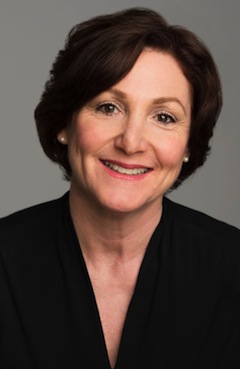
The board of directors of Jewish Federation of Greater Vancouver and the board of governors of the Jewish Community Foundation are pleased to announce the appointment of Marcie Flom to the position of executive director of the foundation. Marcie brings more than 25 years of nonprofit leadership experience to the role.

photo - Marcie Flom
Marcie Flom (photo from Jewish Federation of Greater Vancouver)

Marcie previously served as both director of JCF and vice-president, financial resource development, of Jewish Federation, where she was responsible for the revenue functions of the organization, including the annual campaign, special projects and corporate funding of nearly $15 million annually. Prior to that, she had a consulting practice and held leadership roles at the Vancouver Playhouse Theatre Company and the National Ballet of Canada.

“I am very pleased to welcome Marcie into her new role,” said Ezra Shanken, chief executive officer of Federation. “Marcie has extensive development and planned giving experience, along with a solid record in major gift fundraising, which perfectly positions her to lead the foundation through the next phase of growth.”

“I am thrilled with Marcie’s appointment and look forward to continuing our strong working relationship,” said Judi Korbin, chair of the foundation’s board of governors. “In addition to her decades of experience and stellar track record, Marcie’s work is characterized by her donor-centric approach. On behalf of the board of governors, I would like to say that the Jewish Community Foundation is extremely fortunate to have Marcie as its new executive director.”

This newly created role is one of several outcomes of the strategic planning process recently undertaken by JCF under the leadership of Korbin and with professional guidance from a strategic management and development consultant. It is a central component of the three-year operational plan approved by Jewish Federation’s board of directors and adopted by the foundation’s board of governors. The foundation’s new strategic and operational plans were driven by Jewish Federation’s 2020 Strategic Priorities, and will serve to support the organization’s overall goals of generating the resources required to address the community’s current, emerging and future needs.

“The foundation is investing in resources, including full-time staff for the first time since the economic downturn in 2008. Re-investing in staff resources will enable the Jewish Community Foundation to grow, which is critical to the long-term viability of the Jewish community. The board of governors remains committed to ensuring the philanthropic goals of the foundation’s fund holders are fulfilled, that our community organizations are strengthened and that the continuity of the Jewish community is ensured through legacy planning,” said Korbin.

* * *

At the Jewish Federation of Greater Vancouver’s annual general meeting on June 20, Karen James became the new board chair, while Stephen Gaerber is now immediate past chair. Marcie Flom was appointed executive director of the Jewish Community Foundation and Diane Switzer was appointed an honorary life director of Federation. The Young Leadership Award was presented to Bryan Hack and Mike Sachs, the Elaine Charkow Award to Lisa Pullan for her ongoing leadership role in women’s philanthropy and the inaugural Bob Coleman Award to Risa Levine for her leadership role on the local allocations committee, positively impacting Federation’s partner agencies.

* * *

photo - Rabbi Philip Gibbs
Rabbi Philip Gibbs (photo from Congregation Har El)

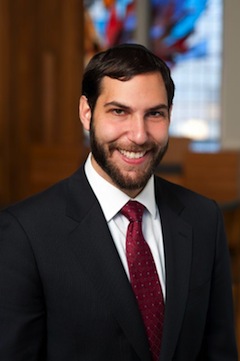
Rabbi Philip Gibbs is the new spiritual leader of Congregation Har El in West Vancouver.

Gibbs grew up in Marietta, Ga. He went to college at Washington University in St. Louis and graduated in 2012 with a double major in Hebrew and humanities. After college, he attended rabbinical school at the Jewish Theological Seminary, receiving a master of arts in Talmud and rabbinic ordination in 2017. During his time at JTS, he had the opportunity to work in different synagogues and appreciated the warmth and mutual support in synagogue communities.

Following his love of the outdoors, Gibbs led the Jewish Outdoor Leadership Institute at Ramah in the Rockies, and is looking forward to hiking and skiing in the Vancouver area. He served as the secretary to the Committee on Jewish Laws and Standards. Playing violin since childhood, he also had the opportunity to join the JTS house band, the Committee on Jewish Music and Standards, for celebratory occasions.

The entire community is invited to come and meet Gibbs at a Shabbat dinner at Har El on July 28.  For more information about the event, click here.

* * *

A true mensch resides in the Vancouver Jewish community, and that person is Aria Smordin. Aria has just returned from a gap year in Israel and, while there, did something that greatly impacted the lives of children with special needs in Jerusalem. Aria participated in the Shalva Ambassadors Program, investing time and energy volunteering at the Shalva National Centre.

At the centre, life-changing services are provided to thousands of flourishing kids every year. As an ambassador, Aria not only volunteered every week, but was responsible for bringing in new volunteers. Many of them ran the Jerusalem Marathon for Shalva, threw parties for the Shalva kids (where they all danced like crazy) and sleepovers, and even got their hands dirty painting the recycling centre and working in the therapeutic garden.

Aria’s choice to be in a position of giving is a true inspiration to us all.

In Aria’s own words, “Volunteering at Shalva was rewarding, uplifting and gratifying. There is a strong feeling of love and homey-ness that permeates the entire (beautiful) building. From the first time I visited Shalva, to all the times I came back to volunteer, these feelings always remained the same. The service Shalva provides and the care they take in doing so is inspiring. I am truly thankful that I was able to assist in carrying out their mission.”

Thank you, Aria. We at the Shalva National Centre are looking forward to seeing what you do next and to writing about next year’s fleet of mensches from Vancouver!

* * *

Jeffrey and Elizabeth Nider, a local couple from Vancouver, were part of more than 200 North American immigrants to move to Israel on July 4, on a chartered Nefesh b’Nefesh flight, the organization responsible for removing or minimizing the financial, professional, logistical and social obstacles of immigration to Israel.

The charter flight took off from JFK Airport in New York City and is in partnership with Israel’s Ministry of Aliyah and Integration, the Jewish Agency for Israel, Keren Kayemeth Le’Israel and Jewish National Fund-USA.

The Niders will be moving to Beit Shemesh with their four children, ages 10, 7, 5 and 2. Both Jeff and Elizabeth will enrol in Hebrew classes and Jeff will be looking for work in pharmaceutical sales or in business development for a medical startup.

* * *

The 35th Annual Jessie Richardson Theatre Awards were held on June 26 at the Commodore Ballroom, saluting excellence in theatre. Among the winners was Itai Erdal for O’wet/Lost Lagoon, presented by Alley Theatre in association with Full Circle: First Nations Performance, in the category of outstanding lighting design, small theatre.

With numerous theatre companies in the small theatre category, eight companies earned a Jessie, with Reelwheels (Rena Cohen, managing artistic director) leading the group with total of three for their production of Creeps, which co-starred David Bloom and David A. Kaye. The winners were Lauchlin Johnston for outstanding set design; the production itself for outstanding production of a play; and, for significant artistic achievement, Paul Beckett, Bloom, Genevieve Fleming, Brett Harris, Kaye, Aaron Roderick and Adam Grant Warren, recognized for outstanding ensemble performance.

Among the nominees for other awards in the small theatre category were Erdal for Walt Whitman’s Secret, the frank theatre company (outstanding lighting design) and Cande Andrade for am a, Mindy Parfitt and Amber Funk Barton Present (significant artistic achievement, outstanding innovation in video design).

In the large theatre category, Ryan Beil was nominated for outstanding performance by an actor in a lead role (Angels in America: Millennium Approaches, Arts Club Theatre Company), Erdal for outstanding lighting design (Moonlodge, Urban Ink) and Amir Ofek for outstanding set design (Pericles, Bard on the Beach).

* * *

In recent decades, many individuals and organizations in Germany have raised awareness of a once-vibrant Jewish history and culture in their communities through educational programs, exhibitions, restoration of synagogues and cemeteries, installation of Holocaust memorials, genealogical research, development of websites, publications, stolpersteine, public programs and other activities. They have forged meaningful relationships with former residents and descendants of those who once lived in their towns. They are teachers and engineers, publishers and judges, artists and bankers, lawyers and business executives, and they come from every corner of the country. These volunteers have devoted countless hours to such projects.

The Obermayer Awards recognize and encourage those who have been devoted to such activities and bring international attention to their work. Five individuals and/or organizations are honoured each year.

The award program was initiated in 2000 by Dr. Arthur S. Obermayer and the awards are co-sponsored by the Berlin Parliament and the Leo Baeck Institute. They will be given in the Parliament’s Plenary Chamber on Jan. 22, 2018, as its principal Holocaust Memorial Day event. They follow in the tradition of recognizing righteous gentiles who protected Jews during the Holocaust.

Many American Jews have been beneficiaries of the work of these dedicated Germans, and the majority of the nominators have been American Jews – Canadians are also eligible to receive the award.

For more information, visit obermayer.us/award. A hard copy of the call for nominations can be requested by sending a letter to the attention of Betty Solbjor, Obermayer Foundation, 15 Grey Stone Path, Dedham, MA, 02026, or by email to [email protected]. The deadline for submission this year is Sept. 12.


Format ImagePosted on July 21, 2017July 19, 2017Author Community members/organizationsCategories LocalTags Har El, Jessie Awards, Jewish Community Foundation, Jewish Federation, Nefesh b’Nefesh, Obermayer Awards, SHALVA
Bringing hope, saving lives

Bringing hope, saving lives

Right to left: Peter Legge interviews Dr. Rick Hodes and Dr. Oheneba Boachie-Adjei. Three of Hodes’ adopted children joined them onstage. (photo by Cynthia Ramsay)

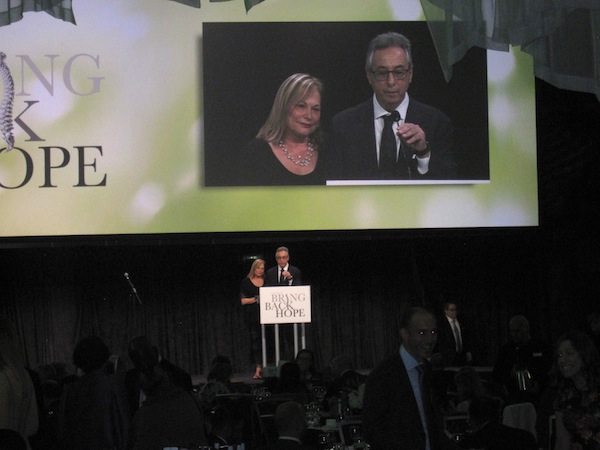
An Evening to Bring Back Hope on June 8 raised almost $2 million for the work of Dr. Rick Hodes, medical director of Ethiopia for the American Jewish Joint Distribution Committee (JDC) and senior consultant at Mother Teresa Mission; spine surgeon Dr. Oheneba Boachie-Adjei, president and founder of FOCOS (Foundation of Orthopedics and Complex Spine) in Ghana; and the University of British Columbia Branch for International Surgical Care.

photo - Bring Back Hope co-chairs Nanci and Gary Segal
Bring Back Hope co-chairs Nanci and Gary Segal. (photo by Cynthia Ramsay)

The evening at Vancouver Convention Centre-East began with remarks from representatives of the three main religious communities in attendance: Jewish, Christian and Muslim. A two-minute video that was introduced by Justin Segal – son of gala co-chairs Gary and Nanci Segal – and Tesfaye Anagaw – who has become a part of the Segal family – showed the many things that had been accomplished with the funds raised at the previous Evening to Bring Back Hope, which took place in 2012.

There were greetings from senior representatives of JDC, Jewish Federation of Greater Vancouver and the UBC Branch, as well as an onstage interview by Peter Legge of Hodes and Boachie-Adjei, with many stories about the courage of their patients.

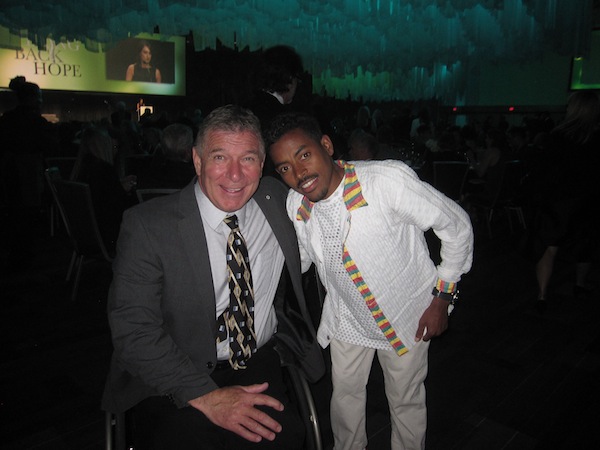
Gary Segal spoke about how he was inspired to help by Anagaw, Hodes and Boachie-Adjei. He met first met Hodes as part of a 2007 Federation/JDC trip to Ethiopia, where he learned that Anagaw’s spine had collapsed from tuberculosis and could not be operated on in Ghana. With the help of the Segals and others, the young man, then 18, arrived here in mid-2009 and received the life-saving surgery he needed at Vancouver General Hospital.

photo - Rick Hansen, left, and Tesfaye Anagaw
Rick Hansen, left, and Tesfaye Anagaw. (photo by Cynthia Ramsay)

The story of Mesfin Yanna, one of Hodes’ heart patients, was told through a video and the reading of an essay he wrote for his high school graduation in Atlanta – these were followed by his appearance onstage, holding his 5-year-old son. “This is a man who would have died twice were it not for Rick but has gone onto a productive life and one of giving back,” said Segal after the event.

Looking back, he said the event achieved his main goals: raising a large sum of money to support Hodes’ work and save as many lives as possible, to “inspire everyone in the room and, for at least that one night, bring a ray of light into an often-dark world filled with unfathomable violence and infuse people with a message of hope for our common humanity.”

Both Hodes (with three of his adopted sons) and Anagaw came to Vancouver from Ethiopia for the event, and stayed for a visit.

Format ImagePosted on June 30, 2017June 29, 2017Author Bring Back HopeCategories LocalTags Bring Back Hope, Ethiopia, FOCOS, Gary Segal, Jewish Federation, Joint Distribution Committee, Oheneba Boachie-Adjei, Rick Hodes
Tackling affordability issues

Tackling affordability issues

The main issues that were brought up at the Affordability Summit. (image by annaleekornelsen.com)

Vancouver is in the throes of an affordability crisis. It’s in the news, provincial politicians are talking about it as they campaign for the upcoming election, the city is implementing new taxes, but does anyone have the solution?

The Jewish Federation of Greater Vancouver decided it would seek some answers. On March 29, the first-ever Federation-sponsored Affordability Summit took place at Temple Sholom. Attended by more than 60 individuals, including New Democratic Party members of the legislature Selina Robinson and George Heyman, the goal was to give direction to Federation’s planning around affordability and being Jewish in Vancouver.

The evening, introduced by Temple Sholom Associate Rabbi Carey Brown, raised the pressing issue about why the Jewish community needs to deal with affordability beyond the basic human issues.

“This evening stemmed from the awareness that we all feel affordability impacting the sustainability our community,” she said. The other reality, she said, is that as Jews become more geographically dispersed, they are no longer near Jewish infrastructure like synagogues, day schools and the Jewish Community Centre of Greater Vancouver, so their participation in the community diminishes.

Participation in Jewish programming and activities is expensive in itself. Jewish community professionals are seeing a rise in requests for assistance for schools, summer camps and JCCGV activities. This also raises issues about the long-term sustainability of the community’s institutions if families cannot afford to live near enough to use them.

The event’s keynote speaker, Richard Fruchter, executive director of the Jewish Family Service Agency, addressed affordable housing, food security and a steep rise in demand for food banks, and raised some suggestions for solutions, including universal childcare, affordable transit and some novel taxation changes.

image - A graphic summary of the speakers’ main points at the summit
A graphic summary of the speakers’ main points at the summit. (image by annaleekornelsen.com)

Eric Fefer, chair of the Tikva Housing Society board, said his organization is in the process of expanding the number of subsidized housing units in its portfolio, with 10 new units called Storeys (Diamond Residences) opening this summer in Richmond.

Starting this fall, applications will be accepted for the Ben and Esther Dayson Residences, a project Tikva Housing is undertaking in conjunction with Vancouver Community Land Trust. The development will include 32 townhomes and apartments of two, three and four bedrooms. These homes, in the River District of south Vancouver, are expected to be available for occupancy in summer 2018.

These new homes will provide families with subsidized housing in the vicinity of Jewish amenities, but Fefer acknowledged this increased supply doesn’t begin to touch demand.

Following the event’s main session, breakout groups convened to discuss topics in greater depth. In addition to issues of food security and housing, affordable childcare advocate Gyda Chud presented solutions for universal childcare. A session on Jewish education was led by Daniel Held, executive director of the Julia and Henry Koschitzky Centre for Jewish Education in Toronto. He shared insights into the efficiencies Toronto is seeking in their Jewish education system to lower the cost of Jewish day school.

The Jewish education session was an example of using the experience of a community like Toronto’s, with greater breadth and depth of experience than ours, to identify ways to be more inclusive and to reduce costs so more Jewish children can access what Held referred to as “high impact Jewish education experiences.”

The Affordability Summit’s results were recorded by each breakout group moderator and then graphically represented by a talented artist who integrated the ideas for the group to see. Each group produced a few suggestions and this information will be used by the Federation’s planning council to help inform the way forward.

For more information on how to become engaged in activities surrounding affordability in Vancouver, contact Shelley Rivkin, vice-president, planning, allocations and community affairs at Jewish Federation at [email protected] or 604-257-5192.

Michelle Dodek is a freelance writer living in Vancouver and the president of the Hebrew Free Loan Association.

Format ImagePosted on April 21, 2017April 20, 2017Author Michelle DodekCategories LocalTags affordability, Jewish Federation
Help celebrate Israel’s 69th

Help celebrate Israel’s 69th

Jane Bordeaux – Amir Zeevi, left, Doron Talmon and Mati Gilad – perform at the Chan Centre on May 1. (photo from Jewish Federation of Greater Vancouver)

What better way to bring folks together in song and celebration of Israel’s 69th birthday than with folk music. And what better band to unite Diaspora Jews than one that writes and performs American-style country-folk songs in Hebrew!

Tel Aviv-based Jane Bordeaux – Doron Talmon, Amir Zeevi and Mati Gilad – will headline this year’s community Yom Ha’atzmaut concert at the Chan Centre on May 1, 7:30 p.m. The trio regularly plays to sell-out crowds.

Their debut album was well-received, with songs such as “Eich Efshar” (“How is it Possible”) and “Whisky” radio favourites, and the video of their song “Ma’agalim” (“Circles”) went viral. A second album is nearing completion and is expected to be released in June.

Talmon and Gilad met in 2012 at Rimon School of Jazz and Contemporary Music in Ramat Hasharon, Israel. It was in a contest of original songs. “The idea was to perform some of my songs, and get some practical experience of a band format – you know, finding musicians, getting a name for the band and that sort of thing,” Talmon told the Jerusalem Post in a 2016 interview.

“We kept on playing after that one,” Talmon recently told the Independent, “and, when we needed a new guitar player, Amir, who’d been serving with Mati in the military band, had just returned from the U.S., and joined the band.”

Though the band has only been together five years ago, they have all been performing for much longer than that.

“I’ve been singing since I was a little child, always had the attraction to writing songs and singing them,” said Talmon. “After I returned from a long trip in South America, I decided to go and study music professionally, so I went to Rimon school for three years, learning music, songwriting and how to form a band, eventually.”

“I’ve been playing since I was 5, piano and then bass guitar,” said Gilad. “When I went to Thelma-Yellin arts high school in the jazz department, I started also playing the double bass. After high school, I served in the military in an army band and simultaneously studied at the Tel Aviv music conservatory. After the army, I started learning in Rimon school and was there for a year learning both classical, jazz and pop music.”

As for Zeevi, he has been playing the guitar for as long as he can remember. “My high school in Holon had a music major, that’s when I started taking the guitar more seriously, meeting great players and teachers,” he said. “In the army, I’ve played in the air force band and, after my release, I decided to go and learn music in the New School university in New York City, learning both jazz and country music.”

Usually, it is Talmon who comes up with the idea for a song, both the lyrics and melody, then the group starts playing with it, sometimes changing its harmony or structure, and building the arrangement. “Since we perform a lot,” they said, “we often try these new songs in shows, to get the feeling of what it is like to perform with them onstage and how does the crowd react, and each time improving and adjusting the song till it feels complete.”

In true country music fashion, many of Jane Bordeaux’s songs have to do with love and loss – ol’ American hurtin’ songs with a modern, Israeli twist.

“American folk-country, the way we see it, is storytelling, about the dark and the bright sides of life, wrapped in beautiful harmonies and joyful rhythm,” the band members agreed. “How can you not get excited from it? Also, we are addicted to the banjo’s sound and it’s going to feature a lot in our new album.”

“The songs are inspired from life, of course, mine and my friends,’” explained Talmon. “Sometimes, a song may be very close to a personal experience or feeling I had and, sometimes, it can be an idea I borrowed from a book I read or a movie I’ve seen, even a sentence I’ve heard.”

“Ma’agalim” is a bittersweet song about life: “It’s not me that’s progressing / It’s just the time that’s moving on.” The video features a wooden doll in a penny arcade. As the cylinder turns, she walks along her track, bundled up in a coat and scarf, passing people in various stages of life, from cradle to grave. Produced by Israeli animators Uri Lotan and Yoav Shtibelman, it really is a must-see (vimeo.com/ 162052542).

“The minute Uri and Yoav, the creators of the clip, showed it to us,” said the band, “we were so amazed by the beauty and sensibility of the video they made, so we can’t really say we were surprised that it went viral – we never had seen such animation before. We feel that there’s a unique connection between the music and the visuals that’s very moving, so people get excited by it, even without understanding the lyrics.”

No doubt a similar connection will be formed between the band and their audience in Vancouver, where they will sing in both Hebrew and English.

“It’s not going to be the same as in Haifa or Tel Aviv,” they said about the Yom Ha’atzmaut concert. “We love adjusting our set to best fit the place we are going to perform. Since the show date is Israel’s Independence Day, and we guess some of the crowd is English-speaking, in addition to our originals, we’re going to play some English covers and Hebrew all-time favourites – and even some special surprises for the Canadian crowd that obviously we can’t tell in here!”

The group starts their tour in Vancouver, then they have a few shows in North America, including one in Toronto.

“We are super-excited about the show in Vancouver,” they told the Independent. “It’s going to be the first show of our first tour outside of Israel and we’ve got a lot of great stuff planned specially for it, so we’re hoping to see you there!”

Tickets for the May 1 community celebration ($18) can be purchased at jewishvancouver.com/yh2017. In addition to this year’s co-sponsors – Canadian Friends of Hebrew University, Consulate General of Israel in Toronto, Georgian Court Hotel, the Jewish Independent and Jewish National Fund – the Jewish Federation of Greater Vancouver event is supported by 46 other community organizations.

Format ImagePosted on April 7, 2017April 4, 2017Author Cynthia RamsayCategories MusicTags Israel, Jane Bordeaux, Jewish Federation, Yom Ha'atzmaut

Record-breaking campaign

The record $8.5 million generated through the Jewish Federation of Greater Vancouver annual campaign will support programs and services on which thousands of Jewish community members rely, and includes $300,000 for community security initiatives. This campaign result is unprecedented and will provide more financial resources to address community needs than ever before.

“I would like to thank everyone who made a gift to the campaign. This record $8.5 million result ensures that our partner agencies can continue to provide critical programs and services, and is already funding important community security initiatives,” said Alex Cristall, campaign chair.

Funds from the campaign support social services, Jewish education, community-building, seniors services, youth services, and arts and cultural programs in the local Jewish community. Funds also support social services and programs for at-risk youth in Federation’s partnership region in northern Israel, and help Jewish communities in need around the world.

“We have a number of challenges ahead of us as a community,” said Stephen Gaerber, board chair, “including the dual issues of affordability and accessibility, engaging young adults and young families, addressing the needs of our growing seniors population and developing programs for the nearly half of our community who now live in underserved regional communities. The record result will help Jewish Federation and our partner agencies address these challenges.”

Over the past year, Federation has become increasingly aware of and concerned about the changing security landscape, and identified community security as one of five areas of opportunity in its 2020 Strategic Priorities.

“We listened to the concerns about community security expressed by our partner agencies, our donors and community members. We responded by making community security a central focus of the campaign and developed a matching gift program funded by a group of generous donors. This helped fuel the record result and enabled us to invest strategically in an issue that is front and centre in our community,” said Cristall.

The $300,000 raised is already at work addressing security needs faced by some high-traffic local Jewish organizations, including security guards and specialized security assessments, as well as additional security for several high-profile community events.

“Jewish Federation has taken the lead on community security for years, and our proactive approach was recently commended by Chief [Constable Adam] Palmer of the Vancouver Police department,” said Gaerber. “Given the threats received recently by our JCC, the fact that we were out in front of this takes on added significance. Every donor to the campaign can be very proud of having played a role in addressing this important issue while supporting the full depth and breadth of community needs at the same time. The record $8.5 million raised is a real testament to how we all care for our community.”

Posted on April 7, 2017April 4, 2017Author Jewish Federation of Greater VancouverCategories LocalTags annual campaign, Jewish Federation
הגבוה ביותר עד כה

הגבוה ביותר עד כה

הפדרציה היהודית של אזור מטרו ונקובר ממשיכה להגדיל את היקף התרומות לקמפיין השנתי שלה, שהוא מקור ההכנסה המרכזי של הארגון ו-35 ארגונים היהודים הקשורים בה. בקמפיין של 2016 היקף התרומות עמד על 8.5 מיליון דולר. אשתקד הפדרציה היהודית גייסה תרומות בהיקף 8.3 מיליון דולר לקמפיין השנתי ואילו בשנת 2014 היקף התרומות עמד על 8 מיליון דולר.

כפי שכבר פורסם מתוך ה-8.5 מיליון דולר 300 אלף דולר יוקצו לטובת אמצעי ביטחון לשמירה על מוסדות ואירועים של הקהילה היהודית באזור ונקובר. זאת כולל השכרת מאבטחים לאירועים מיוחדים וקיום הערכות בטיחוניות בעת הצורך. לאור הגברת האנטישמיות ברחבי העולם והגידול באיומי הטרור, היה סביר להניח שהפדרציה תקצה משאבים אף גדולים יותר לטובת תחום הביטחון. בנושא האבטחה אומר יו”ר הקמפיין השנתי, אלכס קריסטל: “הקשבנו לחששות בנוגע לביטחון הקהילה, כפי שהובאו על ידי הארגונים היהודים השותפים שלנו, התורמים וחברי הקהילה. הפכנו את הביטחון בקהילה לנושא המרכזי של הקמפיין ופיתחנו תוכנית מיוחדת לתורמים נדיבים בתחום זה”.

כספי התרומות מהקמפיין השנתי מיועדים מדי שנה לתמיכה בארגונים היהודים המקומיים, בפעילויות ושירותים שהם מעניקים בתחומים חברה, החינוך, התרבות והאמנות. וכן עזרה לקהלי יעד חלשים יתר בעיקרם קשישים ונוער. חלק מהכספים יוקצו כרגיל ליטפול בפרוייקטים מיוחדים בישראל, במסגרת מתן החסות הקבועה של הפדרציה, שכוללת הענקת משאבים לשירותים חברתיים לאוכלוסיית נוער בסיכון בצפון הארץ.

קריסטל מוסיף כי היקף הכספים שגוייסו הפעם הוא הגבוה ביותר עד כה. יו”ר הקמפיין: “הכספים מבטיחים כי נמשיך לתמוך בארגונים השותפים שלנו שיוכלו להמשיך ולספק מגוון של שירותים ותוכניות שכל כך חיוניים לקהילה היהודית המקומית. ואילו יו”ר מועצת המנהלים של הפדרציה היהודית, סטיבן גרבר אומר: “יש לנו מספר אתגרים כקהילה כולל הנושאים הכפולים של אפשרויות ונגישות, מעורבות צעירים ובני משפחות צעירות, מענה לצרכים של אוכלוסיית הקשישים הגדלה שלנו, ופיתוח תוכניות עבור כמעט ממחצית מהקהילה שלנו אשר חייה כיום באזורים רחוקים בפריפרייה, שלא מטופלים על ידי שום ארגון. התוצאה של הקמפיין תאפשר לפדרציה היהודית ולארגונים השותפים שלנו להתמודד עם אתגרים אלה לטובת הקהילה”.

ללשכת הסטטיסטקה הקנדית אין נתונים מעודכנים לגבי פשעי השינאה במדינה. העידכון האחרון מתייחס לשנת 2014. אז המשטרה קיבלה מידע על 429 מקרים של פשעי שינאה בכול קנדה, בהם 213 הקשורים בקהילה היהודית. בוונקובר התרחשו בסך הכל באותה שנה 47 מקרים של פשעי שינאה.

ריו דה ז’ניירו וונקובר זכו באולימפיאדת ההכנסות ממיסחור

אולימפיאדת הקיץ ה-31 שנערכה בריזו זה ז’ניירו אשתקד ואולימפיאדת החורף ה-21 שנערכה בוונקובר בשנת 2010 הן המכניסות ביותר, מבחינת מכירת מוצרים ממוסחרים. כך עולה מנתוני דוח השיווק של הוועד האולימפי הבינלאומי שפורסמו בימים האחרונים.

על פי דוח השיווק של הוועד ההכנסות של האולימפיאדה בריו זה ז’ניירו ממוצרים ממוסחרים שברו את כל השיאים, והגיעו לכשלוש מאות ועשרים מיליון דולר. תקציב האולימפיאדה בריו זה ז’ניירו נאמד ב-11.9 מיליארד דולר. אולימפיאדת הקיץ בבייג’נג שנערכה בשנת 2008 הכניסה “רק” מאה ושישים מיליון דולר ממסחור. ואילו שאר אולימפיאדות הקיץ נמצאות הרחק מאחור.

האולמפיאדה של ונקובר הכניסה יותר מכל אולימפיאדת חורף בתחום מכירת המוצרים הממוסחרים, ופועל מדובר על סכום של חמישים ואחד מיליון דולר. תקציב האולימפיאדה בוונקובר נאמד בעשרה מיליארד דולר. הרחק מאחוריה אולימפיאדת החורף של סוצ’י שנערכה בשנת 2014 והכניסה שלושים וחמישה מיליון דולר ממוצרי מיסחור.

Format ImagePosted on April 5, 2017April 2, 2017Author Roni RachmaniCategories עניין בחדשותTags annual campaign, Jewish Federation, Olympics, security, אולימפיאדת, ביטחון, הפדרציה היהודית, קמפיין השנתי
Pioneering mutism solutions

Pioneering mutism solutions

The Bayit joined forces with Chabad of Richmond in an emoji-themed Purim celebration held at Richmond’s City Centre Community Centre March 12. Pictured here, left to right, are Chabad of Richmond’s Rabbi Yechiel Baitelman, Bayit president Mike Sachs, Yoav Rokach-Penn and the Bayit’s Rabbi Levi Varnai. (photo by Lauren Kramer)

In every community, and ours is no exception, there are folks who frequently capture the spotlight for their work while others quietly get things done behind the scenes, flying below the media radar. In our new Kibitz & Schmooze profile, we’ll try to highlight members of Greater Vancouver’s Jewish community who are doing outstanding, admirable and mention-worthy work out of view of the general public. If you know of profile subjects who fit this description, please email [email protected].

Kids and anxiety go hand-in-hand, but, when kids’ anxiety gets out of control, many parents turn to Annie Simpson.

The 39-year-old Vancouver Talmud Torah mom boasts a PhD in psychology and 10 years’ experience in pediatric psychology. She founded the Cornerstone Child and Family Psychology Clinic in Vancouver in January, where she works with nine other psychologists. But Simpson’s focus is on young patients with anxiety disorders, including obsessive-compulsive disorder, panic disorder, selective mutism and depression.

photo - Dr. Annie Simpson
Dr. Annie Simpson (photo from Annie Simpson)

Her interest in selective mutism, an impairment defined as an inability to speak in some social situations despite speaking perfectly fine in others, began six years ago. That’s when Simpson started getting referrals of children with the impairment and wanted to gain a better understanding of how to help them. She traveled to New York to confer with world-renowned expert Dr. Steve Kurtz, helped run one of his camps for selectively mute kids and came back enthusiastic about applying his cognitive behavioural therapy methods in Vancouver.

Within two years, Simpson ran the first camp of her own at the Jewish Community Centre of Greater Vancouver and soon started receiving calls from all over North America, from parents who wanted to enrol their children. Just under one percent of kids have selective mutism.

Simpson’s summer clubs are annual now, and in high demand. “I see a wide variety of impairment, from kids who only speak to one parent to kids who cannot speak at school,” she says. “At the camps, we develop a trusting relationship with the children and then expose them gradually to the feared situation, rewarding their success.”

Camp is Simpson’s favourite week of the year because the progress is so rapid. “The children are improving so quickly and they get so excited about their success,” she says. “With the right supports in place back home, the kids continue to thrive after the camp.”

For parents who don’t seek help for selectively mute kids, Simpson warns that the mutism gets more challenging to treat the older a child gets, and is particularly difficult when kids become teens and have had so many years of not talking.

When she’s not counseling patients, you’ll find this enterprising Vancouverite at B.C. Children’s Hospital, where she’s a staff psychologist in the pediatric OCD Program; at Simon Fraser University, where she’s a clinical associate in the department of psychology; or consulting for AnxietyBC.

*** 

photo - Café 41 put on a fabulous Argentine-style Purim dinner that was well-attended by members of the community March 12. Yamila Chikiar and Daniel Presman (pictured) own the café with Menajem Peretz
Café 41 put on a fabulous Argentine-style Purim dinner that was well-attended by members of the community March 12. Yamila Chikiar and Daniel Presman (pictured) own the café with Menajem Peretz. (photo by Lauren Kramer)


photo - Jewish Federation of Greater Vancouver chief executive officer Ezra Shanken with his nine-month-old twin boys at Café 41 for Purim
Jewish Federation of Greater Vancouver chief executive officer Ezra Shanken with his nine-month-old twin boys at Café 41 for Purim. (photo by Lauren Kramer)
Format ImagePosted on March 31, 2017March 31, 2017Author Lauren KramerCategories LocalTags Anne Simpson, Bayit, Café 41, Chabad of Richmond, Jewish Federation, mutism, Purim

Posts pagination

Previous page Page 1 … Page 12 Page 13 Page 14 Next page
Proudly powered by WordPress