Skip to content
  • Home
  • Subscribe / donate
  • Events calendar
  • Business Directory
  • FAQ
  • News
    • Local
    • National
    • Israel
    • World
    • עניין בחדשות
      A roundup of news in Canada and further afield, in Hebrew.
  • Opinion
    • From the JI
    • Op-Ed
  • Arts & Culture
    • Performing Arts
    • Music
    • Books
    • Visual Arts
    • TV & Film
  • Life
    • Celebrating the Holidays
    • Travel
    • The Daily Snooze
      Cartoons by Jacob Samuel
    • Mystery Photo
      Help the JI and JMABC fill in the gaps in our archives.
  • Community Links
    • Organizations, Etc.
    • Other News Sources & Blogs
  • JI Chai Celebration
  • JI@88! video

Recent Posts

  • Legal help for students
  • Revisiting myth of Lilith
  • Wrong person rebuked
  • Canada’s mixed messages
  • Questions for museum
  • Symposium on antizionism
  • Making soccer political
  • CJPAC lauds Pulver’s impact
  • City recognizes Vrba’s legacy  
  • Organ donation saves lives
  • Theodore’s March premiere
  • A healing Shabbaton
  • Supplying healthy food
  • A chime of metal tags
  • Yellowknife seder a first
  • Ishai energizes, unifies
  • A Lag b’Omer to remember
  • Expanding the healing
  • Hannah Senesh – a unique hero
  • Community milestones … May 2026
  • Sharing her testimony
  • Fall fight takes leap forward
  • The balancing of rights
  • Multiple Tony n’ Tina roles
  • Stories of trauma, resilience
  • Celebrate our culture
  • A responsibility to help
  • What wellness means at JCC
  • Together in mourning
  • Downhill after Trump?
  • Birth control even easier now
  • Eco-Sisters mentorship
  • Unexpected discoveries
  • Study’s results hopeful
  • Bad behaviour affects us all
  • Thankful for the police

Archives

Follow @JewishIndie
image - The CJN - Visit Us Banner - 300x600 - 101625

Tag: Chanukah

Sharing Muller’s table

Sharing Muller’s table

Our Table is a beautiful hostess gift for that special occasion or that friend who loves cooking and never tires of inspiring culinary reads.

There are cookbooks you whip out of your kitchen cupboard 45 minutes before dinner in search of something easy, bright and new, and there are cookbooks you take to bed with you for reading pleasure. Our Table (Artscroll, 2016) by Renee Muller falls into the latter category, not because you won’t want to try her recipes, but because there’s a lot of reading involved in many of them.

Muller is a Swiss native who moved to the United States in 2002 and, by winning a recipe contest, landed a regular column in Whisk, a pullout food feature of the national Jewish weekly Ami Magazine. Our Table is a compendium of her favorite kosher recipes, “a cuisine that is heimish yet laced with aromas of my youth,” she writes in the introduction.

The dishes encompass all the usual categories – soups, salads, appetizers, fish and dairy, meat, chicken, snacks, desserts and breads. Many of them are laced with stories about family secrets related to the particular recipe, or how the recipe came into being. For her fragrant standing rib roast recipe, for example, there’s an essay on how and why she created the recipe, as well as tips on how far in advance to make it and how to prevent it from drying out. Her Sugo Della Nonna (Italian-style tomato sauce) contains a half page on the definition of comfort food and the feeling it delivers when she makes it. “I see myself, sitting at Nonna’s table, as a child, feeling nourished and happy,” she writes.

Muller’s insights are written in a conversational style with lots of anecdotes about her family thrown in. By the time you’re finished reading this book, you feel like you know her personally – and you can’t help but like this impassioned chef who adores cooking for her family and friends. That’s because Muller’s enthusiasm is contagious, but also because some of her dishes go way beyond the usual suspects. There is a recipe for onion crisps, a whole page on the art of roasting chestnuts, one on toffee apples, one titled “Really, really good whole wheat challah” and another for brown buttered pear salad. And the pictures? Whoa. They are amazing, mouthwatering bites of full-page color that will leave you salivating as you plan your next dinner party. Most of the recipes are not terribly complex either, they’re just new combinations of ingredients most of us know well and use regularly.

Muller is that friend we all want in our lives – the one whose cooking is fabulous, who isn’t shy about sharing her recipes and whose conversation is full of funny stories, notes from her past and sage bits of wisdom. There are times when the essays feel perhaps a tad too long but, nonetheless, Our Table is a 270-page hardcover recipe book worth having, a beautiful hostess gift for that special occasion (Chanukah?) or that friend who loves cooking and never tires of inspiring culinary reads.

Lauren Kramer, an award-winning writer and editor, lives in Richmond. To read her work online, visit laurenkramer.net.

Format ImagePosted on December 2, 2016December 1, 2016Author Lauren KramerCategories BooksTags Chanukah, cooking, kosher
From cardboard to folktales

From cardboard to folktales

Books can take you to the most captivating places. Not always happy places, but places worth exploring, places where the people, environment, challenges and culture are different. A place you can have adventures, learn from what has happened to others or just escape from your daily routine, all for the relatively low price of a book. Oh, and maybe a cardboard box.
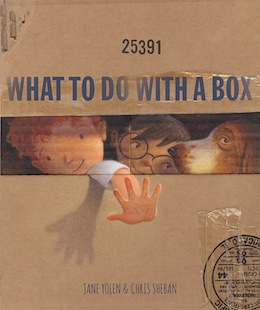
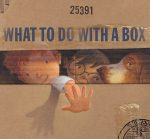
book cover - What to do with a BoxThe beautifully and creatively illustrated What to do with a Box (Creative Editions, 2016) features the rhythmic writing of Jane Yolen and the inspired art of Chris Sheban. The book is a tribute to the power of the imagination – a way to impart to the younger set that fun doesn’t necessarily need batteries. It’s also a reminder to parents that expensive toys aren’t at the root of what makes playtime enjoyable, and they may even be enticed to join their kids in a cardboard box adventure – if they’re invited to come along, that is.

The writing is simple, as it is for most picture books. That box, “can be a library, palace, or nook,” or a place you can “invite your dolls to come in for tea”; it can be a racecar, a ship, and so much more. And the art by Sheban looks as if he took Yolen’s advice: “You can paint a landscape with sun, sand and sky or crayon an egret that’s flying right by.” It is described as cardboardesque and, indeed, it looks as if he drew the illustrations on different types of boxes.
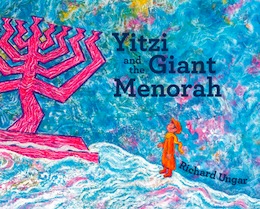
book cover - Yitzi and the Giant Menorah For slightly older readers (or listeners), Richard Unger has written and illustrated a more traditional story with Chagallesque art, Yitzi and the Giant Menorah (Penguin Random House, 2016). It is a picture book, but with a substantive amount of text on each page. It, too, is beautifully and creatively put together, with most of the text printed on a plain page that includes a black-and-white sketch that doesn’t overlap it in any way, making the reading easier. More importantly, it leaves most of the colorful, vibrant and expressive artwork on the opposite page free from writing. At the end of the book is the brief story of Chanukah.

While set on the eve of Chanukah in the shtetl of Chelm, this tale bears a similar message to What to do with a Box: money isn’t everything. It adds to that the lesson of gratitude.

In the story, the mayor of Lublin gives the people of the Chelm “the biggest menorah” Yitzi has ever seen and the villagers are so grateful, they want to thank the mayor in a way that matches the grandeur of his gift. This being Chelm, the solution doesn’t come easily but, after a few failed efforts, they succeed in a heartwarming way.

* * *

For young adult readers, the stories are much more serious in both subject matter and tone.
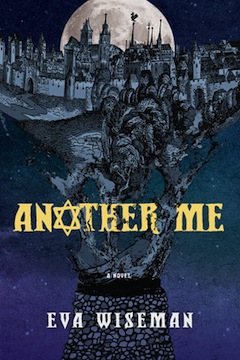
book cover - Another MeEva Wiseman’s Another Me (Tundra Books, 2016) is set in the mid-1300s in Strasbourg, France. It starts with the main character’s death at the hands of the men poisoning the town’s water – an act the Jews were accused of committing not only in Strasbourg, but other cities in Europe, as well. It was thought that poisoned water was causing the plague and, since fewer Jews were dying, the rumors began that they were causing the illness. In reality, Jews were also dying, but in fewer numbers because Jewish law required much more handwashing than was customary in medieval times.

Wiseman also elaborates upon less tangible Jewish beliefs in Another Me. When Natan, 17, dies, his story doesn’t end. He becomes an ibbur – his soul enters the body of another man; in this instance, that of Hans the draper.

Hans works for Wilhelm, with whose daughter, Elena, Natan has fallen in love. Natan has come to know all of these non-Jews from helping his father in the shmatte business. Wilhelm is one of the very few Strasbourgians who is not antisemitic. Hans is also a good person, though he is jealous of Elena’s affection for Natan. When Natan – to whom she’s attracted – becomes Hans – who she finds ugly – Elena struggles to see beyond the exterior.

While mostly told from Natan’s perspective, Wiseman also allows Elena to tell a substantial part of the story. It is sometimes hard as a reader to change gears, but the dual voices offer a deeper understanding of the situation of the Jews in the city (and beyond), and those who would help them. Being historical fiction, while Wiseman can play with magic, there is, sadly, no chance for a happy ending.
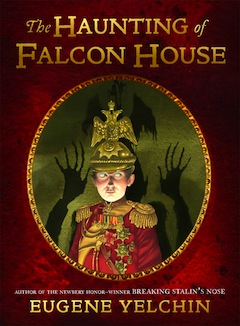
book cover - The Haunting of Falcon HouseMagic – or, at least, ghosts – also informs the storytelling in Eugene Yelchin’s The Haunting of Falcon House (Henry Holt and Co., 2016).

Ostensibly, this book is a translation Yelchin has made from a bundle of decaying pages bound with twine that he came across as a schoolboy in Russia. He brought them with him when he immigrated to the United States, but let them sit for years. Apparently written and illustrated by “a young Russian nobleman, Prince Lev Lvov,” who was born in 1879, there were many pages missing or unreadable.

“I managed to establish a chronological order of the events and then divided them into chapters, matched the drawings to the chapters, and discarded those I could not match,” writes Yelchin in the translator’s note that begins the book. So “inwardly connected to the young prince” did Yelchin become, he writes, “I can’t be certain, but as I typed Prince Lev’s inner thoughts, I felt cool fingers firmly guiding mine across the keys.”

In the story, 12-year-old Lev’s hands are similarly guided by a mysterious force when he is drawing. Arriving at Falcon House from St. Petersburg to take his place as heir to his family’s estate, Lev – who bears a striking resemblance to his grandfather – dreams of being a hero and nobleman like his grandfather and preceding ancestors. But, with some mystical guidance from Falcon House’s resident ghost, Lev begins to understand that being nobility doesn’t necessarily mean being noble, and his family’s secrets, which are slowly revealed, make him rethink his aspirations.

The ghost, a scary aunt and the disturbing illustrations combine to good effect in The Haunting of Falcon House, even though the story takes a little too long to unfold. The detailed notes at the book’s end provide valuable historical context and add greatly to the reading experience.

book cover - Briar Rose: A Novel of the Holocaust Jane Yolen’s Briar Rose: A Novel of the Holocaust (Tor Teen, 2016) is also a retelling – an adaptation of Sleeping Beauty. And, it is a reissue, having originally been published almost 15 years ago in a series created by Terri Windling, which comprised novels by various authors that reinterpreted classic fairy tales.

In Yolen’s reimagining, Briar Rose (aka Sleeping Beauty) is Gemma, Rebecca’s grandmother. Unlike her cynical and competitive older sisters, Rebecca never tires of listening to Gemma’s version of the tale, which doesn’t quite match up with the traditional folktale. When Gemma dies, leaving behind a box containing a few documents and photos that don’t quite match up with what she has told her family about her history, Becca sets off to find the truth.

Her search – done in the days before Google – starts slowly, with the help of her editor, Stan, on whom she has a crush. It takes them from their hometown of Holyoke, Mass., to Oswego, N.Y., where refugees were sheltered at Fort Oswego: “Roosevelt made it a camp and, in August 1944, some 1,000 people were brought over and interned [there]. From Naples, Italy. Mostly Jews and about 100 Christians,” explains the reporter at the Palladium Times to Becca.

What she learns at Oswego leads her on a journey to Poland and to Chelmno. Of the more than 152,000 killed by gas (or shooting) at the Nazi extermination camp that was there, only seven Jewish men are known to have escaped. This allows Yolen to imagine that one woman survived the killing centre, which was established on an old estate in a forest clearing that had a schloss (castle, or manor house).

In Gemma’s cryptic telling of her survival, she is saved from the castle by a “prince,” who we find out was himself saved by partisans after his escape from Sachsenhausen concentration camp and then joined the resistance; in her story, briars take the place of barbed wire, the wicked fairy the Nazis. As Becca discovers the reality of her grandmother’s past and finds her own voice and identity through the journey, we also witness Poles’ difficulties in dealing with what took place during the Holocaust and we meet others – including Gemma’s prince – who are still trying to heal from the destruction the Nazis’ wrought.

Interweaving the “real” story with Gemma’s fairy tale is very effective at building the anticipation and, once Becca arrives in Poland, Briar Rose is a page-turner. One almost doesn’t realize how much they’re learning while they’re reading. Almost.

Format ImagePosted on September 23, 2016September 21, 2016Author Cynthia RamsayCategories BooksTags Chanukah, children's books, fairy tales, fantasy, ghosts, Holocaust, picture books, plague, playtime, science fiction, Sleeping Beauty, young adults
Lighting up Lower Mainland

Lighting up Lower Mainland

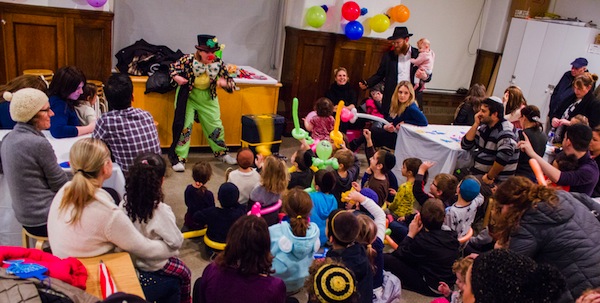
The lighting of the Silber Family Agam Menorah at Vancouver Art Gallery also featured some clowning around. (photos by Glenn S. Berlow)

photo - The lighting of the Silber Family Agam Menorah also featured some clowning around

Among the many community celebrations of Chanukah this year were, from the first to fourth night of the holiday, gatherings in Vancouver, Richmond, Surrey and the North Shore.

More than 300 people gathered at Vancouver Art Gallery on the first night of Chanukah, Dec. 6, for the lighting of the tallest menorah in Canada, the Silber Family Agam Menorah. The children enjoyed crafts and entertainment inside the gallery and then everyone went outside (in the pouring rain!) for doughnuts and cocoa. The annual event, which is sponsored by the Silber family in memory of Fred Silber z”l, featured greetings from the dignitaries and politicians who were present, live Chanukah music by Dr. Anders Nerman and the menorah lighting led by members of the Silber family.

***

photo - Gary Averbach, left, and Richmond Mayor Malcolm Brodie light the menorah in Richmond

photos - Gary Averbach, left, and Richmond Mayor Malcolm Brodie light the menorah in Richmond, where there was also live music
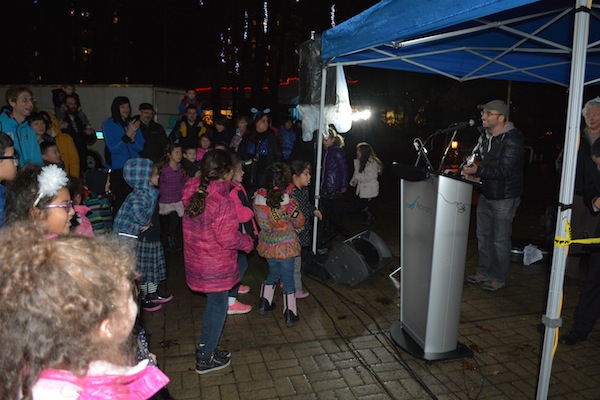
Gary Averbach, left, and Richmond Mayor Malcolm Brodie light the menorah in Richmond, where there was also live music by Anders Nerman. (photos from Richmond Public Library)

Approximately 300 adults and kids celebrated the second night of Chanukah with the lighting of a giant menorah, live music by Nerman, magic by Yeeri the Magician, and traditional potato latkes and sufganiyot at the Richmond Library and Cultural Centre.

“Sharing the Jewish Festival of Light with so many people was an incredible community celebration that really expanded cultural awareness,” said Shelley Civkin, library communications officer. Three generations of the Averbach family joined Richmond Mayor Malcolm Brodie in lighting the menorah.

The event was held in partnership with the City of Richmond, Vancouver Kollel, the Richmond Public Library and the Ebco group of companies. “The evening started off with Yeeri the Magician performing his magic for families, then singer and guitarist Anders Nerman played music while the menorah was being lit,” said Civkin. “It was a lively event and there was even a Chanukah miracle – no rain!”

***

photo - Menorah lighting at Centre for Judaism

photo - After the menorah lighting, the Iron Chef Chanukah competition began in Surrey
After the menorah lighting, the Iron Chef Chanukah competition began in Surrey. (photos from Centre for Judaism)

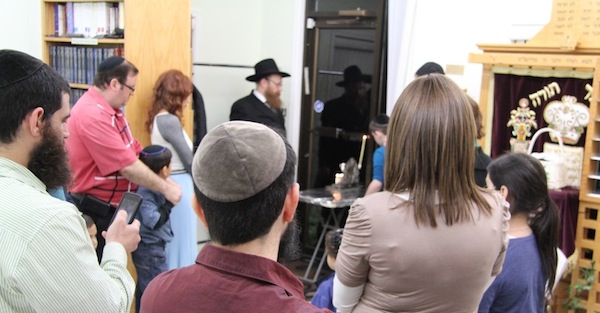
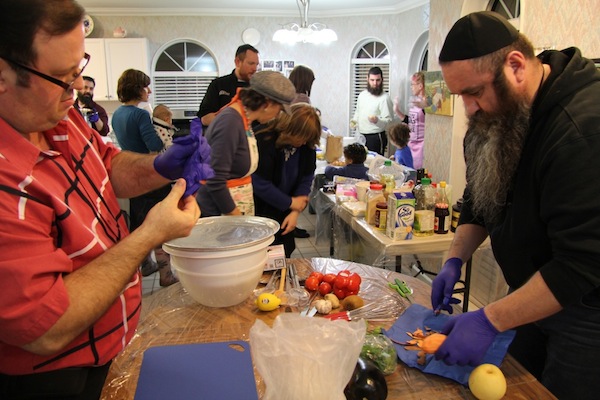
On the third night of Chanukah in Surrey, after the menorah lighting led by Rabbi Falik Schtroks, and a dairy and latke dinner, those who attended the event at the Centre for Judaism, Chabad in White Rock/Surrey, participated in the third Iron Chef Chanukah. Iron chef Marat Dreyshner was helped by sous chefs Ella Dreyshner, Rabbi Nuta Yisroel Shurack and Debbie Cossever. Competing for this year’s title was award-winning pizza chef Aaron Gehrman and culinary expert Rae Friedlander Sank, who worked with sous chefs Nissim Gluck and Avraham Nissan Zabylichinski. Host and director of Iron Chef Chanukah, Rebbetzin Simie Schtroks, said that, although this year was the fiercest competition yet, there was an energetic and fun atmosphere in the Iron Chef kitchen. Many in the audience tried to assist the teams with small tasks or by keeping them entertained with Chanukah songs. Ethan Dreyshner helped the rebbetzin as second emcee and interviewer. Mariasha Schtroks created the rating sheets for the judges. While prizes were earned by all participants, the winning team and their friends will be treated to a five-course gourmet dinner catered by Simie Schtroks. Scores were so close that you will have to attend next year’s Iron Chef to find out which team won.

***

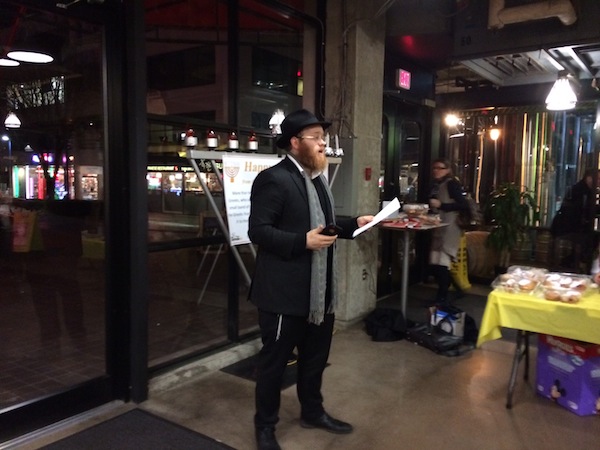
photo - Chabad of North Shore Rabbi Mendy Mochkin speaks at the first-ever menorah lighting at Lonsdale Quay
Chabad of North Shore Rabbi Mendy Mochkin speaks at the first-ever menorah lighting at Lonsdale Quay. (photo by Shula Klinger)

The evening of Dec. 9 saw the first-ever menorah lighting at Lonsdale Quay in North Vancouver. Set against the backdrop of downtown Vancouver, the event was hosted by Chabad of North Shore Rabbi Mendy and Rebbetzin Miki Mochkin and their family.

Rabbi Mochkin opened the occasion with a few words about the meaning of Chanukah. He stressed the importance of standing one’s ground in the face of adversity, and the value of picking oneself up, no matter how hard one has fallen. The menorah was lit by Rabbi Yitzchak Wineberg, executive director of Chabad Lubavitch BC.

Doughnuts were enjoyed by everyone and the kids had a grand time at the impromptu Dreidel Station.

***

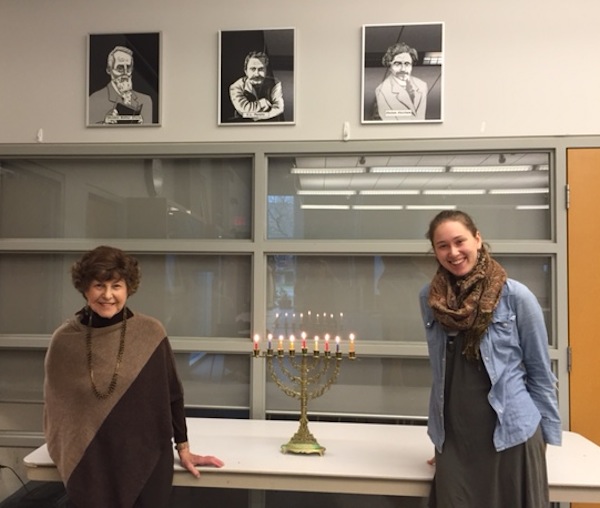
photo - Flora Field, left, and Emily Glass, students learning Yiddish with Haya Newman at the Peretz Centre for Secular Jewish Culture, take time out for Chanukah
Flora Field, left, and Emily Glass, students learning Yiddish with Haya Newman at the Peretz Centre for Secular Jewish Culture, take time out for Chanukah. (photo by Haya Newman)
Format ImagePosted on December 18, 2015December 16, 2015Author Community members/organizationsCategories Celebrating the HolidaysTags Averbach, Centre for Judaism, Chabad of North Shore, Chanukah, Haya Newman, Iron Chef, Mochkin, Peretz Centre, Richmond Public Library, Shula Klinger, Silber, Wineberg, Yiddish

Spreading the lights of Chanukah

The Jewish Renewal synagogue in East Vancouver, Or Shalom, is marking the eight nights of Chanukah by honoring eight “lights” of life on the city’s east side.

“I had this idea that it would be really special to open ourselves out to our community and to really focus on the notion of Chanukah being a celebration of light emitting from darkness, or the notion of Chanukah as being about light that seems unlikely to continue to shine but miraculously does persevere,” explained Rabbi Hannah Dresner, spiritual leader of the shul. “I would really like our community to focus on what it means to be a human being that is a light in the community.”

The synagogue will have a celebration this Saturday night that recognizes the contributions of eight individuals and organizations that add light to the east side community.

Among the honorees are John Jardine of Vancouver’s Native Education College; firefighters from the hall nearest Or Shalom; a group within the Or Shalom congregation devoted to aiding refugees; Kim Leary, executive director of the Homework Club associated with Britannia Secondary School; members of the Habonim-Dror youth movement; Angela Marie MacDougal, the director of Battered Women’s Support Services; Mount Pleasant Neighborhood House; and Rev. Sally McShane of First United Church, which runs programs in the Downtown Eastside.

“Our miracle story is that, when the Temple in Jerusalem was desecrated, they came in afterwards and wanted to relight the candelabra that was kept lit all the time but there wasn’t enough oil, so they lit it anyway and the miracle that’s celebrated is that that oil was sufficient to keep the lamp lit until olives could be harvested and oil could be pressed and brought forward to the Temple,” Dresner said. “So the notion is that if you light the light and tend it, that there is an element of trust and faith that, if we do our work, then the divine energy will join us in uplifting our world.”

Eight Leading Lights takes place Saturday, Dec. 12, at Or Shalom, 710 East 10th Ave., with a potato bar supper at 5:30 p.m. and communal singing and candlelighting at 7 p.m.

Posted on December 11, 2015December 9, 2015Author Pat JohnsonCategories Celebrating the HolidaysTags Chanukah, Hannah Dresner, Or Shalom

The Chanukah lights

The nights were getting longer already, but when we changed the clocks a few weeks ago, it seemed to change very suddenly into a new season. For our cousins in

Israel, the days might be a bit brighter – a video of shirt-sleeved Tel Avivians dancing last week as an antidote to the terrorist mayhem was an inspiring and somewhat envy-inducing scene – but the spectre of violence there is real and immediate.

It was 68 years ago last Sunday that the United Nations voted for an independent Jewish state and an independent Arab state in Palestine. That was a day of jubilation, of momentous light, for Jews worldwide. Yet there is never total victory, never a moment when our enemies have permanently laid down sword, or stone or missile or knife.

In Jewish life, we light candles both to mark times of joy, as well as of grief. In Jewish rituals, the happy moments are tempered by the recollection of not-so happy moments.

At Chanukah, we light candles and curse the darkness. Hatred will not prevail. This is the message of Chanukah.

We see the darkness, but we do not succumb. We dance, as we saw in Tel Aviv. We give thanks for what we have, for the self-determination that is Israel and for the freedoms we enjoy in Canada. We rally ourselves and our neighbors to sponsor refugees and to raise funds for the Joint Distribution Committee to aid those who need it. Because we remember, or our parents do, what it is like to be refugees and to be in need. We advocate against climate change. We teach our children the values of tzedakah. We gather blankets and jackets for those in our own city who need warmth.

We will make our own light. We will celebrate not only our historical and contemporary victories, but life itself. We will love, laugh, dance, eat. L’chaim.

Posted on December 4, 2015December 3, 2015Author The Editorial BoardCategories From the JITags Chanukah, hope, terrorism
How about a meowukiyah?

How about a meowukiyah?

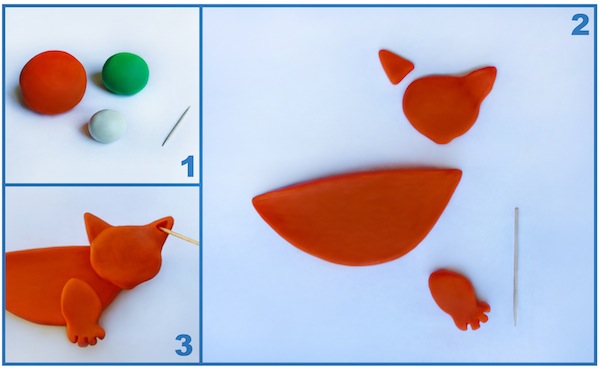
During the Festival of Lights, Chanukah, we light up candles in a special candleholder called a chanukiyah. Chanukiyot come in all kinds of designs, shapes and colors. That is why we will make our own unique version. To be more specific, it is going to be a meowukiyah, since our chanukiyah will take a shape of a cat.

  1. To start, have ready a few basic colors of modeling clay: orange, green, black and white, and a little bit of pink. You will also need a toothpick.
  2. Take the orange modeling clay, make and set aside the body parts of the cat: a head, two ears, the trunk in a shape of a watermelon slice, and four legs.
  3. Attach the ears to the head, the head to the trunk and then attach all four legs to the body. Using the toothpick, carefully trace triangles inside the ears.
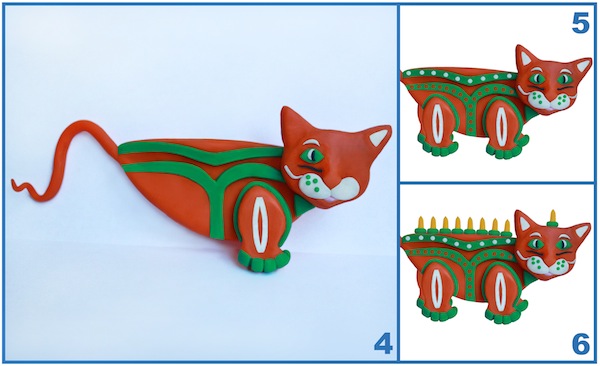
  4. image - meowukiyah steps 1-3Using white, green and black modeling clay, give your cat a face: make the eyes, the eyebrows, cheeks with whiskers – and don’t forget the pink mouth. Make green paw pads and decorate the pads just like the picture shows or the way you like it. After that, make a few green stripes and attach them to the top of the trunk. Give your cat a tail.
  5. Make few little balls from white and orange modeling clay. Using a little force, flatten them into the trunk of your cat. Alternatively, you can try your own design. Don’t be afraid to use your imagination!
  6. The only remaining task is to make the candles. The body of the cat can hold eight yellow candles in green candleholders, and the head can have the shamash, the candle that is used to light up all other candles.

meowukiyah steps 4-6Our meowukiyah is ready! You can play with it, just like you play with your toys, or you can use it to decorate your home. If you take a picture of your creation and print it out, it would make a wonderful Chanukah postcard. Send the pictures of your artwork to [email protected] and win prizes from Curly Orli.

Have a Happy Chanukah, dear Jewish Independent readers!

Lana Lagoonca is a graphic designer, author and illustrator (lunart.ca). At curlyorli.com, there are more free lessons, along with information about Curly Orli merchandise.


Format ImagePosted on December 4, 2015December 3, 2015Author Lana LagooncaCategories Celebrating the HolidaysTags Chanukah, meowukiyah, Plasticine
Cooking for all the seasons

Cooking for all the seasons

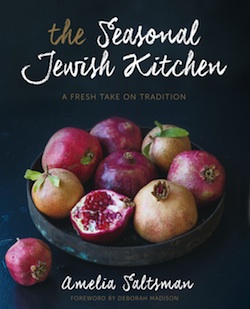
Amelia Saltsman’s background makes for an interesting source for her cookbook The Seasonal Jewish Kitchen (Sterling Epicure, 2015). Her mother is Romanian and her father is Iraqi; they met in the Israeli army and then immigrated to Los Angeles, where Saltsman was born and grew up. She and her family live in Santa Monica.

Saltsman is a regular contributor on food in the media. One day, while cooking and sharing her ideas on various social media and her blog, the responses were so overwhelming, she realized “that a new generation of cooks was looking for a fresh approach to Jewish food.” Thinking about her heritage led her to explore her family’s culinary roots more deeply.

book cover - The Seasonal Kitchen cover

When she divided the year into two-month microseasons, she saw how foods meshed with the holidays occurring during those times. The result is 146 recipes plus 135 beautiful, enticing color photographs. Within each two-month section is the description of a holiday, the background image for which is a piece of Arab embroidery. And each two-month section contains recipes connected to the holiday, from starters, salads and soups, to side dishes, main courses and desserts.

There are essays on what comprises Jewish food, as well as explanations for how to use the cookbook, ingredient essentials, kitchen fundamentals, helpful kitchen tools and seven basic recipes. There are two special indexes – recipes by course and by kosher category – a bibliography, information on the holidays, a resource guide, acknowledgments, more about the author and a regular index.

Saltsman said in an interview with KQED Food, “We often overlook today … the innate seasonality of Jewish food, from the late-summer/early-fall pomegranates, apples and quince of Rosh Hashanah and the etrog (citron fruit) of Sukkot, to the spring lamb and herbs of Passover. That Jewish food can be reframed through the lighter, brighter lens of how we eat today while still being true to its traditional roots.”

This is not a kosher cookbook, but the recipes are labeled as meat, dairy, pareve (neutral) and fish, as well as vegan or gluten-free. “The food philosophy is that you should use well-raised, whole, real foods,” she said. “There are no artificial ingredients used in any recipes.”

Weights are given in imperial and metric measures. One of my favorite aspects of a cookbook is anecdotes on each recipe, which Saltsman includes, and which make for a very warm and personal read. One of my other favorite features is numbering of instructions, which is not used in this cookbook.

Recipes are from Tunisia, Morocco, Germany, Syria, Yemen, Persia, Bulgaria, Hungary, Eastern Europe and, of course, Romania and Israel. Some of the recipes I found particularly interesting include autumn slaw with beets, carrots and kohlrabi; Syrian lemon chicken fricasse; braised beef with semolina dumplings; apples in nightgowns; rustic almond-orange macaroons; rice with almonds and raisins; bulgarian cheese puffs; and whole fish with preserved lemons and herbs.

For Chanukah, here are two of her recipes.

BEST POTATO LATKES
(makes 24; pareve or dairy)

2 pounds peeled starchy potatoes
1 small onion
2 heaping tbsp unbleached all-purpose flour or potato starch
1 tsp kosher salt
1/2 tsp baking powder
freshly ground black pepper
2 lightly beaten eggs
mild oil (grapeseed, sunflower or avocado)
sea salt

Using the large holes of a box grater or a food processor fitted with the grating disk, grate the potatoes (about five cups).

Grate the onion on the large holes of the box grater or use a food processor.

In a large bowl, stir together potatoes, onion, flour, salt, baking powder and a few grinds of pepper. Stir in eggs.

Line two or three sheet pans with paper towels. Place the prepared pans, the latke batter, a large spoon and a spatula near the stove.

Heat one or two large skillets over medium heat. Do not use more than 1/4-inch oil. When the oil is shimmering and a tiny bit of batter sizzles on contact, start spooning in the latke batter, making sure to add both solid and liquids Using the back of the spoon, flatten each spoonful into a circle three to four inches in diameter. Do not crowd the latkes in the pan. You will get four or five latkes in a 12-inch skillet.

Cook the latkes, flipping them once until golden on both sides, five to six minutes total.

Transfer the latkes to the prepared baking sheet. Cook the remaining batter in the same way, stirring the batter before adding more to the pan and adding oil as needed at the edge of the pan.

Arrange the latkes on a warmed platter, sprinkle with sea salt, and serve with applesauce or sour cream.

ROASTED SMASHED APPLES AND PEARS
(3 cups; pareve/vegan)

3 pounds medium-size apples and pears
a few sprigs thyme (optional)
2 to 3 tbsp water, fresh lemon juice, calvados, pear brandy or eau-de-vie, hard cider or dessert wine
ground cinnamon or nutmeg (optional)

Preheat the oven to 375˚F.

Halve the pears and apples through the stem end, then core them and place the halves, cut side down, on one or more sheet pans, spacing them one to two inches apart. If using the thyme, scatter it among the pears and apples. Cover the pan tightly with aluminum foil.

Bake the apples and pears until tender when pierced with a knife tip (30 to 40 minutes). When they are cool enough to handle, slip the fruits from the skins and back into the pan, scraping any pulp from the skins. Discard skins and thyme stems.

Mash the apples and pears with a fork, stirring in enough water or other liquid to help scrape up any brown bits from the pan bottom and lighten the texture of the fruit.

Scrape the mixture into a bowl and serve warm, at room temperature or cover and refrigerate up to a day ahead and serve cold.

This can also be made with all pears or all apples.

Sybil Kaplan is a journalist, foreign correspondent, lecturer, food writer and book reviewer who lives in Jerusalem. She also does the restaurant features for janglo.net and leads weekly walks in English in Jerusalem’s market.

Posted on December 4, 2015December 3, 2015Author Sybil KaplanCategories Celebrating the HolidaysTags Amelia Saltsman, Chanukah, cookbook, Sephardi
Mother influences chef

Mother influences chef

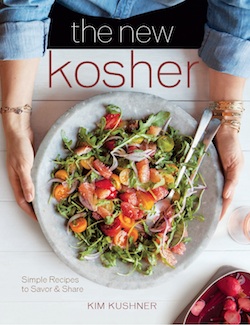
The New Kosher: Simple Recipes to Savor and Share by Kim Kushner is a beautiful cookbook with more than 100 recipes that reflect many cultural traditions. There are full-color photos aplenty (by Kate Sears), easy-to-follow instructions, and each recipe has its own brief introduction.

book cover - The New KosherKushner’s bio notes that she spent “childhood summers in Israel with her extended family,” and there “learned to cook by eating, and by participating in family feasts.” In The New Kosher, she writes: “I was raised in a modern Orthodox home in a vibrant kosher community in Montreal and first learned to cook from my mother, who was born in Morocco and grew up in Israel. My mother’s life revolves around food, and her generosity through her love of feeding other people has been the greatest influence on my cooking.”

Now living in New York with scads of education and experience behind her, including the cookbook The Modern Menu (2013), there can be no doubt that the meals, salads, appetizers and desserts in The New Kosher will make for good eating – and for good sharing with family and friends.

Since it’s almost Chanukah, here are two recipes from the book, one for latkes and one for an applesauce that would go with them quite nicely or, as Kushner recommends: “It’s delicious on its own or served alongside roasted potatoes or even sliced brisket, and both kids and adults love it.”

KIM’S QUICK LATKES
(makes about 24)

5 Yukon gold or red potatoes, about 2 lb (1 kg) total weight, peeled and cut into large chunks
1 large yellow onion, cut into large chunks
2 large eggs
1⁄3 cup (2 oz/60 g) all-purpose flour
1 tsp baking powder
kosher salt and freshly ground pepper
1⁄2 cup (4 fl oz/125 ml) rice bran
oil or canola oil

Preheat the oven to 400°F.

In a food processor, combine the potatoes, onion and eggs, and process with quick on-off pulses until the potatoes and onion are chopped into small pieces, about 30 seconds. Add the flour, baking powder, one teaspoon salt and 1⁄4 teaspoon pepper and process until the ingredients are well combined, a couple of seconds longer.

In a large frying pan, heat the oil over medium-high heat. Using an ice-cream scoop … scoop up the potato mixture, drop into the hot oil, and flatten with a spatula or fork to about 1⁄4–1⁄2 inch thick. Cook only four latkes at a time so you don’t crowd the pan. Once the edges are browned, carefully flip the latkes over and cook until the underside is crisp and golden, about two minutes per side. Transfer the latkes to paper towels to drain. Repeat with the remaining potato mixture. You can serve them right away, but Kushner likes to arrange them in a single layer on a baking sheet and put them in the oven for three to five minutes to give them a final crisping.

To freeze the latkes, let them cool completely, then freeze them in a single layer in large lock-top plastic freezer bags for up to one month. To serve, thaw in the refrigerator overnight and reheat in a 375°F oven until piping hot, eight to 10 minutes.

If you like, sprinkle the latkes with truffle salt just as they come out of the frying pan but, if you plan to do this, reduce the kosher salt to 1⁄2 teaspoon.

VANILLA BEAN APPLESAUCE
(makes 3-4 cups)

10–15 apples (any variety), 3.5–4 lb (1.75–2 kg) total weight, peeled, quartered and cored
1 vanilla bean, split lengthwise

In a large pot, combine the apples, vanilla bean and 1⁄4 cup water and bring to a boil over high heat. Reduce the heat to medium, cover and cook for 35-50 minutes without stirring. (The water will prevent the apples from scorching.) The timing will depend on how many apples you use: the more fruit, the longer the mixture will need to cook. To test for doneness, pierce the apples with a fork. They should be extremely soft and almost falling apart.

Carefully remove the vanilla bean from the pot and let it cool for a few minutes. Then, using the tip of a sharp knife, scrape the seeds into the pot and discard the pod.

Let the apple mixture cool for about five minutes longer. If you prefer a smooth applesauce, transfer the mixture, in batches, to a food processor, and pulse until smooth. If you prefer a chunky sauce, use a potato masher to mash the fruit to your desired consistency. Let cool completely, then transfer to one or more glass jars. The applesauce will keep in the fridge for up to two weeks.

Format ImagePosted on December 4, 2015December 3, 2015Author Cynthia RamsayCategories Celebrating the HolidaysTags applesauce, Chanukah, Kim Kushner, kosher, latkes, Morocco
For the long love of latkes

For the long love of latkes

A Google search for latke recipes reveals 341,000 results, so popular is the Chanukah treat.

My earliest memory of Chanukah catapults me back to Winnipeg’s North End of the 1940s and my grandparents’ cozy, clapboard house on the tree-lined boulevard of Burrows Avenue East. My mother and I lived there then; my father was still away at war. It was the time in a child’s life before words, when smells and sounds and tastes made meaning of the world. Although I couldn’t say latke, much less describe its savory, greasy goodness or its mouth-watering fragrance, I knew what it was with every fibre and neuron of my little being, and could hardly wait for my grandmother to place a warm, tiny morsel into my impatient mouth.

My aproned baba, spatula in hand, bent over the sizzling frying pan in the over-crowded kitchen, flipping the golden discs of shredded potato and onion like a juggler. The tantalizing odor rising from the stove told me that Chanukah was near. My grandmother would make frying pan after frying pan of latkes, stacking them in her large roasting pan, the only container large enough to store the hundreds of latkes she churned out. I knew, once the covered roaster found its way into the old Leonard refrigerator with the compressor on the top, that Chanukah was only a day or two away.

And, joyfully, now Chanukah is almost here again. Though more than 65 years have passed since that first delicious bit of latke found its way into my waiting, toothless mouth, the visions of that kitchen and the image of my beloved grandmother, who has been gone for 31 years now, are as clear as they were then, the taste and the smell just as vivid. And to celebrate, it’s time to pay tribute to the wonderful latke, the traditional Chanukah staple. If we take a look on the internet, we discover the potato latke and its many oily variations listed innumerable times. Even kitchen diva Martha Stewart has her own special recipes posted on her website – 16 at last count. (She also has other sections dedicated to the holiday that are worth checking out.)

When Rabbi Marc Gellman from Toronto appeared on the TV show Good Morning America many years ago to talk about Chanukah, he shared a basic recipe for latkes, with one difference – the addition of nutmeg. He also shared his secret to good apple sauce: “Core but do not peel about eight Mutsu or Rome apples. Cook with one-quarter cup of apple cider and a cinnamon stick.”

If you ever tire of the traditional potato latke, don’t despair. Believe it or not, there is the Jewish Food Experience latke archives to consult. More than 100 varieties can be found there to tempt you, including drunken apple, walnut, cauliflower-cheddar, Sephardi bunuelos, and dozens more, such as chestnut flour, risotto, and Norwegian lox. But I think I’ll pass on the brain latkes!

What to do if you love latkes, but not the fat? The Canadian Cancer Foundation suggests trying a no-oil “lean” latke. Coat a skillet with fat-free cooking spray and smooth the grated potatoes into a large, plate-sized pancake. One serving contains 162 calories and less than one gram of fat. And, if a latke just isn’t a latke without oil, then go ahead and splurge by adding one tablespoon only.

Every year, amateur cook Roger Mummert holds court in his Long Island kitchen for chefs with the tastiest and most extreme latke recipes. Last year, the event was covered by National Public Radio, which archived its report along with recipes for winners, including Larry’s firecracker latke poppers, spana-latke-kopita, and Mexi-latkes with jalapenos and red peppers.

There are many websites that give recipes on how to make a great latke. At the All Recipes site, there are tips about what kind of potatoes to use (russet), how to keep them from turning pinkish-brown (keep them under water) and how to make sure they don’t fall apart when you’re frying them (squeeze the potato mixture in a cheesecloth).

Who would have imagined that there’s also a whole sub-genre of latke humor lurking on the web? In his article “Ritual slaughter of the latke,” Raphael Finkel elucidates the intricate (and phony) Jewish laws that ensure that latkes are kosher. For example, just as kosher meat must be salted, Finkel says we must “remember to salt the potato and leave it to drain for at least 24 hours. We do this in memory of Lot’s wife, Latke, who was turned to salt. Use a lotta salt, in memory of Lot’s daughter, Lotta.” Is that a groaner, or what?

Believe it or not, a scholarly book titled Desperately Seeking Certainty: The Misguided Quest for Constitutional Foundations has a recipe in it for potato latkes. Honest! The authors use that as a starting point to envisage how that recipe might be reinterpreted by leading jurists like retired U.S. Supreme Court justice Antonio Scalia. “Scalia would conclude that latkes were a liberal distortion of the recipe as originally understood, so he would make matzah (unleavened bread ritually eaten at Passover) instead.” Meanwhile, the heavy thinkers at MIT engage in an annual food fight on the same weighty subject.

Speaking of weight, I’ll leave the last word to writer Marjorie Windgall, whose wishes for a modern-day Chanukah miracle are probably shared by latke fans everywhere. She quips, “My hope is that a miracle will occur and the calories of eight days will count as the calories of one.” Me, too!

Sharon Melnicer is a Jewish freelance writer, broadcaster and artist living in Winnipeg.

Format ImagePosted on December 4, 2015December 3, 2015Author Sharon MelnicerCategories Celebrating the HolidaysTags Chanukah, latkes
Happy holidays!

Happy holidays!

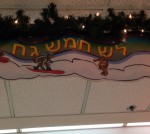
I thought readers would get a kick out of this. The Arbutus Shopping Centre has winter signs that all have the identical scene – basically Christmas gingerbread houses and bears snowboarding – that say things in several different languages, like “Joyeuses Fête,” “Happy Holidays,” in French, as well as something in Chinese and what you see in the photo in Hebrew.

I couldn’t understand one word of the Hebrew sign, so I took the photo and sent it to my daughter and son who decoded it immediately. It seems that the mall, with all good intentions, took the Hebrew words “Chag Sameach Shel” (“Happy Holiday of”) but wrote the Hebrew letters in the English order, left to right. Chag sameach shel Chanukah!

Format ImagePosted on December 4, 2015December 3, 2015Author Sharon IsaacsonCategories Celebrating the HolidaysTags Arbutus Shopping Centre, Chanukah

Posts pagination

Previous page Page 1 … Page 8 Page 9 Page 10 Page 11 Next page
Proudly powered by WordPress