Skip to content
  • Home
  • Subscribe / donate
  • Events calendar
  • News
    • Local
    • National
    • Israel
    • World
    • עניין בחדשות
      A roundup of news in Canada and further afield, in Hebrew.
  • Opinion
    • From the JI
    • Op-Ed
  • Arts & Culture
    • Performing Arts
    • Music
    • Books
    • Visual Arts
    • TV & Film
  • Life
    • Celebrating the Holidays
    • Travel
    • The Daily Snooze
      Cartoons by Jacob Samuel
    • Mystery Photo
      Help the JI and JMABC fill in the gaps in our archives.
  • Community Links
    • Organizations, Etc.
    • Other News Sources & Blogs
    • Business Directory
  • FAQ
  • JI Chai Celebration
  • JI@88! video

Recent Posts

  • Zionism wins big in Vegas
  • Different but connected
  • Survival not passive
  • Musical celebration of Israel
  • Shoppe celebrates 25 years
  • Human “book” event
  • Reclaiming Jewish stories
  • Bema presents Perseverance
  • CSS honours Bellas z”l
  • Sheba Promise here May 7
  • Reflections from Be’eri
  • New law a desecration
  • Resilient joy in tough times
  • Rescue dog brings joy
  • Art chosen for new museum
  • Reminder of hope, resilience
  • The national food of Israel?
  • Story of Israel’s north
  • Sheltering in train stations
  • Teach critical thinking
  • Learning to bridge divides
  • Supporting Iranian community
  • Art dismantles systems
  • Beth Tikvah celebrates 50th
  • What is Jewish music?
  • Celebrate joy of music
  • Women share experiences 
  • Raising funds for Survivors
  • Call for digital literacy
  • The hidden hand of hate
  • Tarot as spiritual ritual
  • Students create fancy meal
  • Encouraging young voices
  • Rose’s Angels delivers
  • Living life to its fullest
  • Drawing on his roots

Archives

Follow @JewishIndie
image - The CJN - Visit Us Banner - 300x600 - 101625

Category: News

MPs reception guests

MPs reception guests

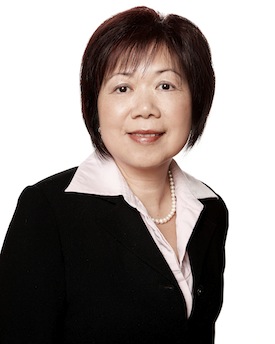
Left to right: The Hon. Alice Wong, Conservative MP; Erinn Broshko Conservative candidate, Vancouver Granville; Bonnie and Allan Belzberg; and the Hon. Jason Kenney, Conservative MP. (photo by L. Broshko)

Conservative Party of Canada MPs Jason Kenney and Alice Wong were special guests at a reception held on Aug. 9 at the home of Allan and Bonnie Belzberg. Erinn Broshko, the Conservative candidate in the Vancouver Granville riding, addressed the gathering and introduced Kenney, Canada’s minister of national defence and multiculturalism. Kenney spoke about the federal government’s support for Israel, foreign policy and other topics of interest to the group. His remarks were candid and well received by the approximately 35 people in attendance.

While Kenney was in Vancouver, he participated in the most recent Canada Decides 2015 townhall organized by Temple Sholom and the Centre for Israel and Jewish Affairs.


Format ImagePosted on August 21, 2015August 19, 2015Author Norman FranksCategories LocalTags Centre for Israel and Jewish Affairs, CIJA, Conservatives, federal election, Jason Kenney, Temple Sholom
Be involved in election

Be involved in election

B.C. Generation students in Ottawa earlier this year. (photo from CJPAC-BC)

This summer, CJPAC, the Canadian Jewish Political Affairs Committee, celebrated the first anniversary of its British Columbia office. The multi-partisan organization, which already had offices in Toronto, Montreal and Edmonton, recently expanded its presence with offices in Vancouver and Winnipeg.

CJPAC’s mandate is to engage Jewish and pro-Israel Canadians in the democratic process and to foster active political participation. It is dedicated to helping community members build relationships within the Canadian political arena.

In the last year, CJPAC’s B.C. office has hosted a number of events, including Vancouver Connect: Meet Your Next Mayor, which was an opportunity for 100 participants to meet with mayoral and city council candidates in advance of the municipal election, and the second annual Women in Politics gathering, at which 45 community members heard about working in politics from five female politicians and political staffers.

In addition, last May, 11 B.C. high school students traveled to Ottawa as part of CJPAC’s Generation program for two days of networking and training sessions. While in Ottawa, the students had a tour of Parliament Hill, observed Question Period and met with elected officials from all parties.

“In a little over a year, CJPAC has had a tremendous impact on the B.C. community,” said Karen James, CJPAC board member. “Its staff has addressed over 700 people at synagogues throughout Vancouver, as well as 200 campers, 90 high school students and 60 seniors. They have also visited community members in Nanaimo, Kamloops, Kelowna and Victoria.”

CJPAC’s ultimate goal is to help the Jewish and pro-Israel community have an impact beyond its numbers by encouraging as many of its members as possible to get engaged in politics, particularly through volunteering.

“Our unique programs are aimed at all age groups and are designed to make people comfortable with volunteering, even if it’s for the very first time,” said Kara Mintzberg, B.C. regional director. “In this federal election year, it is important that our community volunteers in high numbers. It doesn’t have to be a huge time commitment; just a few hours can make a significant difference to a campaign.”

According to recent research, only 10% of Canadians have volunteered in an election. However, in the last federal election, 101 – one-third of ridings – changed parties and 51 ridings had a margin of victory of five percent or less. Volunteers are hugely important, particularly in close ridings, and campaigns need people for all kinds of tasks: envelope stuffing, door knocking, making phone calls, putting up lawn signs and identifying and getting voters to polling stations on election day.

Bill Kaplan, CJPAC board member, noted that “recent polls indicate that the federal election could be very close, particularly in B.C., which means that our community – although small relative to the rest of the Canadian population – has the ability to make a real difference just by volunteering, regardless of the party or candidate individual members choose to support.”

During the last federal election, CJPAC connected more than 900 community members with campaigns.

“We would be happy to help connect you with the candidate or party of your choice in 2015,” said Mintzberg. “If you’re not sure who you would like to volunteer with, we can help with that, too. The important thing is to get involved and ensure our community has a significant impact this election.”

For more information on how to connect with the campaign of your choice, contact Mintzberg at [email protected] or 604-343-4126. To learn more about CJPAC and its programs, visit cjpac.ca.

Format ImagePosted on August 21, 2015August 19, 2015Author Canadian Jewish Political Affairs Committee-BCCategories LocalTags Canadian Jewish Political Affairs Committee, CJPAC, federal election, Kara Mintzberg
Student is CEO of tech firm

Student is CEO of tech firm

Iddo Gino at the 2014 World Hackathon Day in Tel Aviv. (photo from israel21c.org)

There’s something unusual about one of the startups renting co-working space in the newly opened WeWork building in Herzliya: its CEO is still in high school.

Iddo Jonathan Gino, 17, is a senior at the Hebrew Reali School in Haifa and hopes to finish an undergraduate degree in computer science at the Open University next year. When he’s not studying in school and online, he heads RapidPay, a year-old company whose four employees have created a mobile in-store and online payment platform for customers – mainly fellow teenagers – who don’t have a credit card or bank account.

“I try to manage my time as well as possible,” he said.

Having lived with his family in New Zealand for a couple of years before high school, Iddo speaks English fluently and has a working knowledge of Italian, as well as programming languages such as JavaScript, PHP and Python.

“When I was about 11, I went with my dad to his workplace and I sat with one of the programmers and saw all the cool stuff he was doing,” Iddo related. “He showed me a program he made to sort out seating for his son’s bar mitzvah automatically. Then he gave me a book to learn how to program. And, from there, one thing led to another.”

Iddo began with “some cool little projects,” learning how to build online management systems, interactive websites and iOS apps. Last summer, he had an internship at a tech startup in Israel.

“I got to experience how a startup works, and then I opened my own,” he explained.

Last year, Iddo teamed with students from the American Hebrew Academy in Greensboro, N.C., to develop a predictive app, SmartAlarm, which uses traffic data, flight changes and other real-time information to determine the appropriate time for the user’s alarm to ring in order to get to a destination at the right time. They hope to get funding to launch the app.

“Today, many people are referring to the so-called ‘Age of Context,’ where everything will be connected and every product or service will be enhanced using data and technology from elsewhere,” he said. “SmartAlarm is a great concept that utilizes contextual technology and real-time data sources to give users a true benefit.”

This project was part of a long-distance collaboration between the two high schools. Reali, one of Israel’s oldest private schools, boasts many distinguished alumni.

“Reali is a really great school that has allowed me to do college courses and have my own startup, and we have opportunities in school to create stuff, too,” said Iddo, a computer science and physics major.

Last May, he and fellow teen entrepreneur Gil Maman – CEO of HealthBelly and an award-winning veteran of several hackathons – helped organize the Israeli branch of World Hackathon Day, held at the Google Campus in Tel Aviv. This global initiative was the brainchild of Innovation Israel co-founder and wearable technology evangelist Nir Kouris, 32.

With the help of an ROI micro-grant and corporate sponsorships, Kouris and two Netherlands-based co-founders connected Israeli teen techies with peers abroad as they hacked apps for health, finance, music, charity and travel. Hundreds participated in the weekend event last May, leading to some potential partnerships and products.

Behind the scenes, the hackathon also afforded organizational experience to enterprising teens like Iddo and Gil, and their counterparts in Holland, India, Spain, Morocco and Germany.

Iddo said he’s motivated by “all the awesome futuristic stuff out there, like GetTaxi and Waze,” both founded by young Israeli entrepreneurs, though perhaps not quite as young as he is.

“One of my role models is Mark Zuckerberg, the founder of Facebook,” said Iddo. “He went to university but didn’t stay there long. He had one good idea to pursue and went with it.”

Iddo also admires Israeli tech legend Dov Moran, one of the early pioneers of portable data storage. “I like the way he created something nobody believed he could, and now we can’t live without flash memory.”

The Haifa whiz kid muses: “One of the things about the Israeli personality and culture is that it enables you to grow quickly and is very open-minded. I could talk to investors when I was 15, and they took me seriously. I don’t know if that’s something that could happen abroad.”

Israel21C is a nonprofit educational foundation with a mission to focus media and public attention on the 21st-century Israel that exists beyond the conflict. For more, or to donate, visit israel21c.org.

Format ImagePosted on August 21, 2015August 19, 2015Author Abigail Klein Leichman ISRAEL21CCategories IsraelTags high-tech, Iddo Jonathan Gino, RapidPay, Reali School, SmartAlarm, technology

Reading aloud aids learning

An important tip from Israeli experts: children recall information better when they repeat the material aloud. This is the conclusion of a study conducted at Israel’s Ariel University by Prof. Michal Ichet from the department of communication disorders in collaboration with Prof. Yaniv Mama from the department of psychology and behavioral sciences.

They found that when children hear new information and then repeat it loudly and clearly, this significantly improves their ability to remember the words, compared with their memory of words spoken by someone else.

This simple “listen and repeat” method can be used to help even pre-reading students learn and memorize information – including facts, vocabulary and foreign languages – more effectively.

The study was conducted in Hebrew but is applicable to any other language of instruction, say the researchers.

“I personally have always thought that repeating something aloud helps me commit it to memory. Now we’ve found that the research that supports this theory is indisputable,” Ichet said.

The learning is not as effective if the children hear the words spoken by someone else or if they repeat the words to themselves quietly or silently.

Previous studies on the “listen and repeat” technique have focused mostly on adults who have the ability to read and write. The increase in an adult’s capacity to remember information using this method is about 20%. In the 5-year-olds tested by Ichet and Mama, the increase was as high as 35%. They theorize that repeating words aloud creates a pathway in the brain. These words then receive “preferential status” when being set into memory and thus become more familiar.

The researchers suggest that teachers, parents and caregivers take this tip to heart in order to improve young children’s mastery of new information.

Israel21C is a nonprofit educational foundation with a mission to focus media and public attention on the 21st-century Israel that exists beyond the conflict. For more, or to donate, visit israel21c.org.

Posted on August 21, 2015August 19, 2015Author Abigail Klein Leichman ISRAEL21CCategories IsraelTags education, learning, Michal Ichet, Yaniv Mama
סטטיסטיקה של עשירים בעלי מזל

סטטיסטיקה של עשירים בעלי מזל

פיטר מקאסי ודיאנה מילר. (צילום: @AL_Lottery)

סטטיסטיקה של עשירים בעלי מזל : קנדי שניצל ממכה של ברק זכה במכה של הלוטו

כל פעם לפני הגרלת לוטו עם פרס גדול מציינים המומחים לסטטיסטיקה בהרחבה באמצעי התקשורת, שיש סיכוי גדול יותר להיפגע מברק מאשר לזכות בלוטו. לפי הסטטיסטיקה המצויה כידוע זה כמעט בלתי אפשרי גם להיפגע מכת ברק וגם לזכות בהגרלת לוטו. אך הסיפור הבא מוכיח דווקא את ההפך. תושב העיר מונקטון שבמזרח המדינה נפגע מברק כשהיה ילד, ולאחרונה הוא זכה בהגרלת הלוטו המקומית.

כשפיטר מקאסי היה בן 14 הוא שט בסירה ביחד עם משפחתו באגם באחד מימי הקיץ, בזמן שענן אחד גדול נע בשמיים. פתאם נחתה עליהם מכת ברקים חזקה, ברק אחד עבר דרך העצים ופגע בו, ולמזלו הגדול לא קרה לו דבר.

לפני כשבוע מקאסי ודיאנה מילר שעובדת עימו, זכו במשותף בהגרלת הלוטו בפרס בן מיליון דולר. מקאסי ומילר משתפים פעולה ביחד בהגרלת הלוטו מזה שנה. ומה שעוד יותר מעניין הוא שמקאסי ומילר רכשו את הכרטיס הזוכה בחנות של מקאסי, כך שהוא קיבל בנוסף בונוס שמן של עשרת אלפים דולר מאטלנטיק לוטו קורפורשיין.

וכדי להוכיח שכבר הכל אפשרי לפני מספר שנים גם בתו של מקאסי נפגעה ממכת ברק, וגם לה ולא קרה שום דבר. ומי יודע אולי יום אחד גם היא תזכה בהגרלת הלוטו.

פרופסור סופי לג’ר מהמחלקה למתמטיקה באוניברסיטת מונקטון, הופתעה משתי המכות שנחתו על מקאסי במהלך השנים. לדבריה הסיכוי להיפגע מברק ולזכות בלוטו הוא 1 ל-2.6 טריליון.

סטטיסטיקה של עניים חסרי מזל: בשל מצוקת הדיור אנשים גרים באוהלים בחצרות של בתים

תנועת האוהלים חייה וקיימת. לא מדובר בתנועת המחאה של שנות השבעים שפעלה אז בירושלים, אלא בזו של צעירים קנדים שלא יכולים עוד הרשות לעצמם לשלם שכר הדירה, שרק עולה ועולה. גם מטיילים שלא מסוגלים לשלם עבור חדרים בבתי המלון שגם מתייקרים כל העת, מצטרפים אף הם לתנועת האוהלים החדשה. במקביל כך מתברר ישנם בעלי בתים עם חצרות גדולות, שמחפשים לעצמם מקורות הכנסה נוספים. הם מציעים להשכיר את חצרותיהם למי שמוכן להקים בהן אוהל, ולגור ממש בתנאים של קמפינג, לתקופות קצרות או ארוכות. במזרח ונקובר בעל בית מפרסם בימים אלה מודעה באתר של קרייגסליסט, ומציע להשכיר את חצרו תמורת 500 דולר לחודש. ומה יקבל עוד השוכר בתמורה לתשלום: ציוד קמפינג, אפשרות למקלחת חמה בבית, הכנת ארוחות במטבח, שימוש במכונת הכביסה ובמייבש הכביסה וחיבור המחשב הנייד לרשת הווי פיי של הבית.

סטודנט ממונטריאול (בן 24) שלומד לתואר שני בפיזיקה בעיר מנצ’סטר שבאנגליה, לא יכל לשלם שכר דירה בנוסף לשכר הלימוד הגבוה. לפיכך הוא הגיע להסדר עם בעלת בית צעירה שאיפשרה לו להקים אוהל בחצרה. בתמורה הוא עוזר לה בלימודי מתמטיקה ובשאר המקצועות הריאליים. במקרה של הסטודנט הקנדי, הוא יכול להשתמש רק בשירותים שבבית ובמכונת הכביסה והמייבש. אך אין לו כניסה לחדר האמבטיה ואת המקלחות הוא עושה בקמפוס.

ואילו בעמק הסיליקון שבקליפורניה שצעיר (בן 22) שעובד כמפתח תוכנה, פרסם לאחרונה מודעה באתר להשכרת מגורים אייר בי אנד בי, והציע להשכיר את החצר בית הוריו למגורים, תמורת 900 דולר.

אגב לאור האמרת מחירי בתי המלון נמצאה עוד אלטרנטיבה לתיירים שמחפשים מקומות לינה זולים במיוחד. בעלי רכבים גדולים בניו יורק מציעים את רכבם ללינה בחניונים מוסדרים. כמובן שעל השוכרים למצוא בנפרד מקלחות ושירותים.

Format ImagePosted on August 19, 2015Author Roni RachmaniCategories עניין בחדשותTags Diana Miller, housing crisis, lightening, lottery, Peter McCathie, Sophie Leger, tent, אוהל, ברק, דיאנה מילר, לוטו, סופי לג'ר, פיטר מקאסי, צוקת הדיור
תוגברו אמצעי הביטחון

תוגברו אמצעי הביטחון

ג’ון נוטל ואמנדה מרי קורודי, שתכננו לפוצץ את בית המחוקקים של המחוז בוויקטוריה. (צילום: RCMP)

תוגברו אמצעי הביטחון בקהילה היהודית לאור פרשת הזוג נוטל וקורודי שהתאסלמו ותכננו להרוג ילדים יהודים 

זוג קנדי שהתאסלם תכנן להסתנן לאחד מבתי בית כנסת יהודיים באזור ונקובר, כדי להרוג ילדים, כך עולה מחקירת שוטר סמוי במסגרת דיוני בית המשפט העליון של מחוז בריטיש קולומביה. מדובר בפרשת ג’ון נוטל ואמנדה מרי קורודי, שתכננו לפוצץ את בית המחוקקים של המחוז בוויקטוריה, ביום העצמאות הקנדי ב-1 ביולי 2013. השניים שהתאסלמו תכננו לפוצץ את הבניין באמצעות חומרי נפץ תוצרת בית שיוטמנו בסירי לחץ. הם הציבו את הפצצות הביתיות מחוץ לבית המחוקקים, אך השוטרים שעקבו אחריהם דאגו לנטרלן ולא נגרם שום נזק. הזוג הטרוריסטי טכננו לבצע פעולות טרור נוספות ולהרוג מספר אזרחים לא ידוע. השוטר הסמוי אמר עוד בחקירתו המעניינת, שנוטל וקורודי חשבו “שרצח של ילדים יהודים, שלדבריהם מחונכים רק לשנוא ערבים ומוסלמים, דווקא יעשה להם טובה. כי אז הם יגיעו לגן עדן”. לפי תפיסתם המעוותת לעומתם הילדים “יהודים מבוגרים לאחר מותם מגיעים הישר להגיהנום”. הזוג האמין שכיוון שהם לבנים לא התהיה להם בעייה להצטרף לאחד מבתי הכנסת על תקן של חברים, לאחר שיתחזו ליהודים. כך ירכשו את אמון המתפללים האחרים.

נוטל וקורודי נעצרו לפני כשנתיים לאחר חקירה מורכבת וממושכת של משטרה הפדרלית, סוכנות הביון הקנדית וסוכנות הריגול הקנדית. השניים הפכו לג’יהאדים קיצוניים לאחר שהושפעו מהתעמולה של ארגון אל-קעידה. הם רצו להשתתף במלחמת הקודש נגד מדינות המערב, “לאור מה שהן עושות לאיסלאם”. לטענת נוטל וקורודי הם הופללו על ידי שוטרי המשטרה הפדרלית, שאף עודדו אותם והאיצו בהם לבצע את פעולות הטרור. שני הנאשמים הורשעו כבר והדיונים בית המשפט העליון לקביעת עונשם יתחדשו בחודש אוקטובר.

לאור פרשה החמורה של נוטל וקורודי הוחלט בפדרציה היהודית של אזור מטרו ונקובר להגביר את הביטחון בקרב הקהילה היהודית, תוך שיתוף פעולה מלא עם הארגונים היהודים השונים.

מנכ”ל הפדרציה היהודית, עזרא שאנקן, מציין כי הפדרציה לוקחת את האיומים כנגד הקהילה היהודית באופן רציני ביותר. עם זאת הוא מדגיש כי לא ידוע בשלב זה על גידול כלשהו בסכנה לקהילה היהודית. שאנקן אומר עוד שלפדרציה יש כיום פרוטוקולים מסודרים וברורים לנושאי ביטחון, ונעשה בהם שימוש ברגע שיש התראות ביטחוניות. לדבריו לפדרציה יש קשרים טובים מאוד עם סוכנויות המשטרה השונות באזור ונקובר בהן המשטרה הפדרלית, והיא בקשר קבוע וישיר עימם בכל הנוגע לאיומים על הקהילה היהודית.

מנכ”ל הפדרציה היהודית המקומית אומר כי הארגון נקט לאחרונה במספר פעולות מורכבות בתחום הביטחון. בהן: פיקוח, בידוק וביקורות על תחום הביטחון בארגונים היהודים השונים באזור, שידרוג מערך הביטחון של ארגונים אלה תוך הקצאת משאבים כספיים ואחרים על ידי הפדרציה, המשך אספקת מערכי תדרוך, הכשרה, תרגול ותמיכה בארגונים בתחום הביטחון. כן הוחלט לאחרונה על הקמת ועדה מיוחדת בנושא תחום הביטחון בפדרציה היהודית, שתעזור ותייעץ בקביעת מדיניות הביטחון הרחבה, כולל קבלת החלטות ומימון בהמשך הדרך.

עזרא שאנקן אומר כי לאור צורך בפעילות ביטחונית בקרב הקהילה היהודית באופן שוטף ומתמשך, נדרש מימון יציב וקבוע לנושא חשוב זה. ולכן לדבריו יש מקום להשיג את מקורות התקציב, במסגרת הקמפיין השנתי החדש של הפדרציה לשנה זו (ערב הפתיחת הקמפיין של 2015 נקבע ל-17 בחודש ספטמבר). שאנקן אומר עוד כי הקצאת משאבים כספיים מהקמפיין השנתי החדש, היא אחת מהדרכים החדשות בה נוקטת הפדרציה היהודית, שמתאימה עצמה לדרישות המשתנות של הקהילה המקומית.

Format ImagePosted on August 13, 2015August 13, 2015Author Roni RachmaniCategories עניין בחדשותTags Amanda Korody, Ezra Shanken, Jewish Federation of Greater Vancouver, John Nuttall, security, terrorism, אמנדה קורודי, ג'ון נוטל, טרוריסט, עזרא שאנקן, פדרציה היהודית
הצגת היחיד

הצגת היחיד

 הצגת היחיד “מיי פירסט סוני” עם רועי הורוביץ. (צילום: Erez Schwarzbaum)

הצגת היחיד “מיי פירסט סוני” של בני ברבש עם רועי הורוביץ תשתתף בפסטיבל הפרינג’ בוונקובר

הצגת היחיד “מיי פירסט סוני” תשתתף בפסטיבל הפרינג’ של ונקובר בחודש הבא. ההצגה תועלה בשפה האנגלית שש פעמים באולם ‘סטודיו 1398′, שנמצא בגרנוויל איילנד בספטמבר: ביום שישי (11) בשעה 10:15 בערב, למחרת שבת (12) ב-4:45 אחר הצהריים, ביום ראשון (13) שהוא ערב ראש השנה ב-1 אחר הצהריים, ביום שני ראש השנה (14) ב-6:40 בערב, ביום חמישי (17) ב-8.40 בערב, וכן בשבת (19) בשעה 8:15 בערב.

פסטיבל הפרינג’ של ונקובר שקיים מזה שלושים שנה, יערך השנה בין 10-20 בספטמבר. הוא יכלול 800 הצגות במהלך אחד עשר הימים ובהשתתפות 91 אמנים.

לאחר ונקובר תועלה “מיי פירסט סוני” גם בשתי ערים נוספות במרכז קנדה: טורונטו ומונטריאול. במסגרת הסיבוב בצפון אמריקה היא תוצג גם בסיאטל.

“מיי פירסט סוני” על פי ספרו של בני ברבש, מוצגת על ידי רועי הורוביץ, הבימאית היא דפנה וידנפלד-נגלר, ומנהלת ההצגה (והאחראית על סיורים בעולם) היא ערגה נץ.

ההצגה מציגה את התפוררותה של משפחה מתל אביב מנקודת ראות של אחד הילדים (יותם לזר בן האחד עשרה), שהחליט להקליט ברשמקול שלו “מיי פירסט סוני” אותו קיבל מאביו, את כל קורותיה הסבוכים של משפחתו. הילד עוקב באובססיביות מרובה אחר מריבות הקשות בין אביו לאימו, השיחות המעניינות והעסיסיות בין האם לחברותיה הטובות, הבגידות של האב. כן ישנם מעט מאוד רגעים טובים של המשפחה. יותם עוקב ומדווח בדייקנות מרובה אחר הנעשה במשפחתו וכמובן מקליט את הכל, ובעיקר את סיפור הפרידה בין האב לאם שמסתיים באסון.

ספרו של ברבש יצא לאור בשנת 1994 (בהוצאת הספרייה החדשה), ותורגם למספר שפות: אנגלית, צרפתית, איטלקית, גרמנית, יוונית וסינית. ההצגה עלתה לראשונה בפסטיבל תיאטרונטו בשנת 1996, ומאז היא מוצגת במשך תשע עשרה שנים ברציפות בישראל ובקומות שונים בעולם. ובהם: קנדה (היא השתתפה בפסטיבל הפרינג’ של אדמונטון), ארה”ב, גרמניה, הולנד, אוסטרליה, צ’כיה, סלובקיה, דרום אפריקה ומצרים.

הורוביץ שמשמש גם במאי ומרצה לתיאטרון הוא בוגר הסטודיו למשחק בהנהלת ניסן נתיב, מחזיק בתואר ראשון ושני בהצטיינות בחוג לתיאטרון באוניברסיטת תל אביב, וכן סיים לימודי תעודת הוראה בבית הספר לחינוך של אוניברסיטת תל אביב. הוא השתתף מספר גדול של הצגות (בהן: “קומדיה של טעויות” ו”הקפטן”), וכן שימש במאי של הרבה הצגות (בהן: “דוממים” ו”שני חדרים”).

היסטוריה בקוקויטלם: הפצצה יצאה מהארון

שיפוצניק בעיר קוקויטלם נדהם לגלות לפני מספר ימים שפצצה מונחת לה בהחבא באחד הארונות, בדירה בה עבד. הדירה הריקה הייתה שייכת לאדם מבוגר שנפטר וקרוביו הגיעו למסקנה שיש לערוך בה שיפוץ רציני. הקרובים לא ידעו כלל שסב המשפחה החביא לא פחות מאשר פצצה בארון הפרטי שלו. השיפוצניק לאחר שהתעשת הזעיק את המשטרה המקומית, שהזעיקה יחידה צבאית לפירוק פצצות של חיל הים הקנדי.

צוות של היחידה הימית הצליח בזהירות רבה להרחיק מהבית את הפצצה שמשקלה 5.2 ק”ג, ולנטרל אותה בשטח פתוח ללא פגע. לאחר שחקרו ובדקו את חלקיה מצאו שהיא יוצרה בתקופת מלחמת העולם השנייה. בהמשך החקירה בשיתוף המשטרה התברר עוד שהקשיש שגר בבית, נמנה בשעתו על חיל האוויר הקנדי, ומשום מה החליט להחביא בביתו את אחת מהפצצות ששימשו לתרגול.

במשטרת קוקויטלם אומרים כי מעולם לא קיבלו קריאה מאזרחים לחלץ פצצה מבית. השוטרים ציינו לשבח את השיפוצניק שהזעיק אותם ולדבריהם: “עשה בדיוק את הדבר הנכון”.

Format ImagePosted on August 6, 2015August 20, 2015Author Roni RachmaniCategories עניין בחדשותTags Benny Barbash, bomb, Coquitlam, Fringe Festival, Roy Horovitz, בני ברבש, פסטיבל הפרינג', פצצה, קוקויטלם, רועי הורוביץ
Trudeau talks with the JI

Trudeau talks with the JI

Liberal Party of Canada leader Justin Trudeau in an interview with Cynthia Ramsay of the Jewish Independent. (photo by Adam Scotti)

Justin Trudeau said he is cautiously optimistic about the Iran nuclear deal, insisted he is committed to fighting ISIS and reiterated his commitment to the environment and social fairness in an exclusive interview with the Jewish Independent.

The federal Liberal leader, who hopes to be prime minister after the Oct. 19 federal election, acknowledged the implications of Iran’s agreement with Western powers over its nuclear program, which the Tehran regime maintains is for energy purposes only.

“We all start from the same place on this – a nuclear-armed Iran is a threat not just to Israel, not just to the region, but to the entire world, and we have to make sure that Iran doesn’t achieve that,” Trudeau said.

There are only two ways to reach this objective, he said: direct military intervention on the ground against the Iranian regime or a diplomatic agreement. “We don’t have such a great record of military intervention in that part of the world,” he noted, stressing that the agreement is “not based on trust but on verification.”

“We are cautiously optimistic about the deal,” he said. “We’re not saying we should drop the sanctions today. Obviously, there are a lot of milestones to be addressed, but I think anything [is positive] that sets us down the path of both delaying the ability significantly of Iran to get the nuclear bomb and increases the ability of the Iranian people to put pressure on their regime to change – because we all know we can make a tremendous distinction between the Iranian citizens and their government that doesn’t represent them particularly well.”

Trudeau also advocated reopening diplomatic relations with Iran eventually. “I do feel that it would be very nice to hope to reopen that embassy at one point because you don’t have embassies with just your friends, you have your embassies with the people you disagree with,” he said. “However, on top of addressing the nuclear concerns, Iran has to do an awful lot to demonstrate that it’s no longer going to be a state sponsor of terrorism in the region, around the world, and they have to do an awful lot around human rights and repression of their own citizens and dissent within Iran before they can rejoin the community of nations. But I think we’re on a path that should be cause for at least a level of comfort that perhaps we’re in a positive direction now.”

In speaking with the JI after a speech to the Richmond Chamber of Commerce last Friday, Trudeau, in his second exclusive with the paper, clarified his stance around confronting ISIS.

“This is a great opportunity for me to spell out our position on this,” he said. “The Liberal party feels it is extremely important that Canada be a significant part in the effort against ISIS. We are absolutely supportive of being part of that coalition and, indeed, we feel there is a military role for Canada in the fight against ISIS that can make a very big difference. We disagree that bombing is the best way for Canada to do that. That’s why we voted against the mission and voted against the expansion of the mission into Syria, because it has a likely side effect of strengthening Bashar al-Assad’s grip on power and that we don’t necessarily want.”

“We are absolutely supportive of being part of that coalition and, indeed, we feel there is a military role for Canada in the fight against ISIS that can make a very big difference. We disagree that bombing is the best way for Canada to do that.”

What Trudeau would prefer, he said, is for Canada to provide more humanitarian aid, for example, and for this country’s military to provide the kind of role it does in Afghanistan. “We’ve developed tremendous expertise,” he said, “which is training the local troops to be able to take the fight more efficiently to ISIS. That would happen far from the frontlines because we don’t want Canadian troops to be involved [there] but also because we know that it is the local troops that are going to be effective at taking back their homes, their communities, and dropping in Western soldiers doesn’t make the situation better as, unfortunately, the Americans understood in Iraq awhile ago.”

He sees an opportunity for Canada to make an impact without being directly involved in the conflict. “We feel there’s a role for Canada to be a significant resource in training the local military, not in a direct combat role that Mr. Harper is proposing with the bombings,” he said.

Trudeau welcomed the opportunity to explain his support, with caveats, for the federal government’s anti-terrorism bill, C-51. “The Liberal party has always understood that we need to protect Canadian security and uphold our rights and freedoms – and you do them both together,” he said. “To our mind, Bill C-51, even though it has clear elements in it that increase the safety for Canadians – which is why we supported it – it doesn’t go far enough to uphold our rights and freedoms, which is why we’re committed to bringing in oversight, putting in a sunset and review clause onto our anti-terror legislation, and also narrowing and tightening some of the rules around what behavior CSIS [Canadian Security Intelligence Service] can have – warrantless searches and all those sorts of things.”

His political opponents, he said, go too far in each direction. “Mr. Harper thinks, ‘No, no, we don’t have to do anything more around rights and freedoms, we have enough, we’re just giving more power to our police,’” Trudeau said. “I think that’s a problem.

“Mr. Mulcair says, ‘No, we don’t need to do anything more on security. Even those things in C-51, we don’t need them, we’re fine the way it is.’” That is also a problem, according to Trudeau. “We have to do more,” he said. “But we have to do more on both sides.”

On other topics, the Liberal leader expressed support for increased trade with Israel. “We obviously support the latest announcement around Canada-Israel free trade,” he said. “I know it was a lot of agricultural stuff in this round, but it’s a very good thing. This was a deal that was signed by [Liberal prime minister] Jean Chrétien back in ’97 and the Liberal party believes in trade. We believe in free trade, and we’re happy to continue trade with Israel.”

Trudeau took the opportunity to reiterate his opposition to the movement to boycott, divest from and sanction (BDS) Israel.

“You can have all sorts of debates over positions, but when you’re engaged in demonization, delegitimization and double standards, that’s just not what we are as a country.”

“I think the BDS and anti-apartheid movement, as I’ve said many times, runs counter to Canadian values,” he said. “You can have all sorts of debates over positions, but when you’re engaged in demonization, delegitimization and double standards, that’s just not what we are as a country.”

The Independent also asked Trudeau about the Liberals’ approach to climate issues and social equality.

“At a very basic level, we get it, as Canadians, particularly here in B.C., that you cannot separate what’s good for the environment and what’s good for the economy anymore,” Trudeau said. “You have to do them both together, and you can’t get one without the other.

“You still have people saying, ‘Oh no, we have to work on the economy, so let’s forget about environmental oversight,’ or ‘We need to protect the environment, so, no, we can’t create jobs.’ Canadians know we need them both together,” he said. “One of the problems is we’ve had 10 years of such a lack of leadership on the environmental level that it’s hurting our economy. We need to get our resources to market in responsible, sustainable ways. We’re not able to do that right now because nobody trusts Mr. Harper to do it right. Restoring that sense of public trust, [so] that people know, we need jobs, we need economic growth … in a way that understands that it’s not just about governments granting permits, but about communities granting permission, as well.

“One of the things we’ve put forward in our environmental plan is that, in the 10 years of lack of leadership on the federal side, the provinces have moved forward,” Trudeau continued. “B.C. has a very successful carbon tax, Alberta put in a carbon levy-style tax, Ontario and Quebec are doing a cap-and-trade. What that means is that 86% of our economy has already put in a mechanism to put a price on carbon, so the federal government can’t suddenly say, ‘OK, we’re doing cap-and-trade. Sorry, B.C., you’re going to have to change your system,’ which would make no sense; or vice versa, ‘We’re doing a carbon tax.

Sorry, Ontario, you can’t do it.’ What we have to do is recognize that different jurisdictions will have different ways of reducing their emissions – the federal government has to be a partner, a supporter, an investor in our capacity to do that across the country, in order for us to reduce our emissions and be responsible about the environment.”

Trudeau acknowledged the solutions won’t be immediate. “We need to move beyond fossil fuels, but it’s not going to happen tomorrow,” he said. “Right now, a lot of people who are blocking and opposed to pipelines aren’t realizing that the alternative is a lot more oil by rail, which is really problematic – more expensive, more dangerous.” Under the circumstances, he said, people are just saying no: “No to everything, because we don’t trust the government in place.”

He said he hopes to form a government that addresses climate change, invests in clean technology, renewable resources and the kinds of jobs that advance beyond a fossil fuel economy. For now, “we have to make sure that our oil sands are developed going forward in a responsible, efficient way that doesn’t give us the black eye on the world stage and with our trading partners,” he said.

“The Liberal party believes in evidence-based policy and we believe in harm reduction. My own hometown, Montreal, is pushing hard to set up an Insite-type clinic. The Liberal party supports that. The Supreme Court supports that. This government, for ideological reasons, is pushing against it. I think that’s just wrong, and we’re happy to say that. ”

Vancouver has been the testing ground for new ways of dealing with addiction, particularly the Insite supervised drug injection clinic. “The Liberal party believes in evidence-based policy and we believe in harm reduction,” Trudeau said. “My own hometown, Montreal, is pushing hard to set up an Insite-type clinic. The Liberal party supports that. The Supreme Court supports that. This government, for ideological reasons, is pushing against it. I think that’s just wrong, and we’re happy to say that.”

In the same week that Canadian parents were receiving Universal Child Care Benefit [UCCB] cheques in the mail calibrated to the number of children in their home, Trudeau was promoting his party’s “fairness plan.”

“Mr. Harper’s child benefit, for example, goes to every family regardless of how wealthy they might be,” Trudeau said. “We, instead, decided, let’s make it means-tested so that people who need the help the most will get the best help. For a low-income family, it means up to $533 a month, tax-free, and then it grades down until someone making over $200,000 doesn’t get any child-care benefit at all. And the benefits that will go to the nine out of 10 Canadians will be tax-free, so the money you get is actually money you get to spend.”

The plan also proposes to lower the middle-class income bracket from 22 to 20.5, which will result in about $3 billion in lost revenue. “In order to get that $3 billion,” said Trudeau, “we’re bringing in a new tax bracket on the wealthiest Canadians, people who make over $200,000, to even things out. And it’s not just about redistribution, it’s also about growing the economy because we know, when middle-class families and the working poor have money in their pockets to spend, to grow, it stimulates the economy.

“Interestingly enough, the NDP is lined up with the Conservatives on those positions,” he added. “They support the Conservatives’ UCCB that gives big cheques, and they’re opposed to us bringing in a higher tax bracket for the wealthiest Canadians, which I don’t understand. They have their reasons for it but, for me, the NDP is supposed to be a party that stands up for the most vulnerable.”

Format ImagePosted on July 31, 2015July 28, 2015Author Pat Johnson and Cynthia RamsayCategories NationalTags BDS, Bill C-2, Bill C-51, CIFTA, CSIS, fairness plan, federal election, Insite, Iran, ISIS, Israel, Justin Trudeau, Liberal Party of Canada, nuclear deal, terrorism
Working for climate justice

Working for climate justice

Left to right, Talia Martz-Oberlander, Stephanie Glanzmann, Erin Fitz, Mike Houliston and Frances Ramsey wait in Wai Young’s office for a meeting with the MP on July 3, as part of a cross-Canada call for action on climate change. (photo by Sam Harrison)

On July 3, students across Canada visited the offices of seven members of Parliament. “Our asks on that day were twofold,” local participant Talia Martz-Oberlander told the Independent. “Firstly, to have a meeting with our MP and, secondly, to discuss climate policy that would keep Canada’s fossil fuel involvement below seriously harmful levels. To have those two demands met, we were willing to formally sit-in and occupy the offices. Some groups risked arrest, others chose not to.”

Martz-Oberlander was one of the students who waited in Conservative MP Wai Young’s Vancouver South office for a meeting, to no avail. Actions that day also took place in Victoria (Murray Rankin, NDP MP), Toronto (Joe Oliver, minister of finance and MP for Eglington-Lawrence), Montreal (Thomas Mulcair, leader of the opposition and NDP MP for Outrement), Shédiac, N.B. (Dominic LeBlanc, Liberal MP for Beauséjour), Calgary (Prime Minister Stephen Harper, MP for Calgary-Southwest) and Halifax (Megan Leslie, NDP MP).

Mainly organized by 350.org as part of their We Are Greater than the Tar Sands campaign, cities across Canada held rallies on July 4 “in solidarity with climate-related struggles across Canada, such as the poisoning of water from industries like fracking or open-top mining in rural Canada, the fight for a living wage for Canadian workers, or the continued breach of indigenous territory for extractive purposes,” explained Martz-Oberlander. On July 5, she said, “around 10,000 people gathered in Toronto to march for jobs, social and climate justice, headed by indigenous groups, Canadians living on the frontlines of fossil fuel projects like pipelines, students, workers, elders and every other demographic imaginable.”

Martz-Oberlander said, “The weekend was planned to send a clear message that Canadians want strong climate policy. We are asking for policy that will safely transition Canada’s socioeconomic fabric away from the one-track-minded fossil fuel industry with its large government subsidies towards industry that supports long-term economic prosperity and ecological health, both at home in Canada and globally by being less carbon intensive.”

Entering her third year at Quest University, Martz-Oberlander told the Independent that she has been involved in climate-action work since she was 15 years old. “At that age,” she said, “I didn’t understand the ‘justice’ part of climate change. Through more careful examination of human rights and oppressive social hierarchies like race or gender, I started to realize how closely all social issues are tied with climate change. It is this web of injustice that establishes how most carbon emissions are controlled and released by the richest few and the first stages of the effects of climate change hit the poorest few hardest.”

Homeschooled by her mother until Grade 9, Martz-Oberlander then attended Lord Byng Secondary, initially part-time but then full-time, graduating in 2012. Towards the end of high school, knowing that leaving home to live on her own meant “my religious practice would have to be more intentionally sought out on my part,” she started thinking about how to actively maintain a Jewish lifestyle.

“From a gap year in Boston and a summer learning Yiddish in NYC, I made strong connections in different Jewish circles, including some that identify Judaism with strong social activism,” said Martz-Oberlander. This link “tied together two previously disparate values of mine: Jewish life and supporting long-term life on earth as we know it.”

Before starting university, Martz-Oberlander said she knew she wanted to focus on environmental studies. “However, I’ve always been interested in solar energy alternatives to fossil fuels. This, coupled with a newfound love of physics I found in first year, led me to focus my undergrad research on how we can use electromagnetic radiation, or light, in our design of materials on very small scales. So, my passion for climate justice is fairly macro but I’m asking micro-scale academic questions.

“There is a tiny Jewish community at Quest, although we’re quite active. I and a few others make a point of organizing Shabbatons, celebrations of other Jewish holidays and Jewish discussion group sessions with the belief that existing in the world with a Jewish lens can enrich our lives through finding deeper meaning and practising cultural preservation.

“Of course, I can work on making the world more socially just without acting in a Jewish way, and I often do,” she acknowledged. “However, I strongly believe that living Jewishly is a way of experiencing life that no gentile can truly understand. Outside of religious practices that specifically involve community, such as a minyan or simply having people to spend Shabbos with, there truly is a difference to leading a Jewish life that can impact how one conducts business, studies science, or forms social beliefs and values.”

While her academic studies aren’t currently tied to her climate work, Martz-Oberlander believes that “everyone in any field should be advocating for policy to keep fossil fuels in the ground. After all, it doesn’t matter who burns it – if we keep using known and prospective reserves at our current rate, we won’t be able to sustain ourselves. Internationally recognized scientific findings on these changes can be found in the IPCC [Intergovernmental Panel on Climate Change] 2014 report on climate change,” she said, before returning to the topic of justice.

“Climate change follows the same cause and effect that social hierarchies implement, so if you keep the ‘justice’ in climate justice, we can make strides in income gaps, which improves society for people of all demographics. With a Jewish lens, one can clearly see the relationship between texts like Deuteronomy or Mishna Bava Batra, which discuss the need to ensure financial holdings are not contrary to others’ well-being, and that industrial toxins are safely managed. A common theme is acting towards tzedeck, justice, when we know what is right and wrong.

“Within issues of fossil fuel use lie many avenues for positive change,” she continued. “These include policy to move subsidies from the industry towards others, such as renewable energies, tourism industries, etc. Another avenue is to input moratoriums on known harmful practices like natural gas fracturing, like Quebec has. Another is divestment from fossil fuels.

“Divestment is by no means a goal, but only a path towards a climate-just future. Currently, we’re caught in this backwards world where we’re investing with the goal of amassing money for the future but we’re doing so by supporting an industry that inherently undermines life to come as we know it.”

One way in which we are doing this is through our mutual funds, said Martz-Oberlander. “Until a few weeks ago, when Vancity released Canada’s first mutual fund that excludes fossil fuel companies, all investment portfolios depended largely upon Canadian fossil fuel companies for their success. This college [or other] fund may grow for a few years but, first of all, finite resources will always eventually be used up and, more importantly, this bank account created to support a child’s future success is ultimately harming this younger generation’s ability to live in an environmentally, economically and socially stable world.”

For Martz-Oberlander, “The science is clear – current, widely accepted climate models dictate that 85% of the Canadian tar sands have to be left in the ground if we are to keep global warming below two degrees Celsius (the target agreed upon by the UN and other international bodies).”

She added that “the divest fossil fuels movement is not meant to financially harm companies. Its success lies in taking away social licence from the fossil fuel industry by waking the public up to the absurdity of investing in something that undermines future human success.”

Martz-Oberlander is one of 10 youth fellows at Fossil Free Faith Canada, an organization that looks at climate justice work from a religious perspective. She found out about the fellowship from a post on the Young Adult Club of Or Shalom Facebook page, she said.

“The post advertised applications for their new Youth Fellowship program, launching late spring of 2015,” she explained. “After the applications closed, the 10 fellows started our work through a weekend of training…. Our mission is to work with faith communities and institutions to support them in divesting from fossil fuels. In this way, our current project is similar to any divestment work, only that we are specifically targeting faith institutions, predominantly larger national or international groups that have endowments or offer pension plans for their members. Without careful financial planning, these investment portfolios almost always include stocks in fossil fuel companies.

“Working in this interfaith setting is quite inspiring because I get to witness how folks of many religions connect to social justice,” she said. “We have diverse approaches to religion and spirituality, but we all share our love of the role faith plays in our lives, coupled with a dedication to what can be really tough climate activism work.

“From my work with Fossil Free Faith, I got in touch with some folks in the U.S. working on divestment from a specifically Jewish perspective…. We’re currently working on forming a supportive network across North America for Jews looking to ask their community institutions to divest from fossil fuel holdings. A brief on Jewish divestment work has been published by a few religious and climate leaders from the U.S. … and, via the use of Skype, a few folks have started a network to support fellow Jews around North America on helping their communities divest.”

image - The letter left by students, including Talia Martz-Oberlander’s older sister Ariel, in Toronto for Minister of Finance Joe Oliver.
The letter left by students, including Talia Martz-Oberlander’s older sister Ariel, in Toronto for Minister of Finance Joe Oliver.

In the video that encapsulates the highlights of the 350.org July 3-5 weekend of events, one of the clips has a speaker mentioning the need for “just, rational and difficult choices.” Martz-Oberlander explained that the difficult choices aren’t the ones about “the design or engineering of alternatives. We have used and continue to further refine techniques for using energy from renewable sources, such as the sun, wind or water currents, for many generations. What’s difficult with the energy sector is transferring social and political licences from fossil fuel industries – which, at the rate at which we consume them, are highly destructive not to mention finite – towards energy sources that provide long-term, enjoyable work. That is where divestment comes in.

“Transitioning Canada to a renewable energy nation will mean a change in our economy. Right now, we’re still a raw materials economy, much like we were when this area was first colonized by Europeans, which means we inherently get the short end of the stick – economically and socially. Financially, depending on finite resources is always a losing battle, and Canada needs to get out now. Instead of worrying about changes in global oil supply, we can create financially profitable industries around training engineers to design and run high-tech renewable industries. Which would you rather work – on an oilrig or at a wind farm?”

Martz-Oberlander believes that, “by creating an economy that functions on local industries, such as the service industry, we strengthen communities by keeping jobs where people live and emphasize enjoyable work that provides trickle-down opportunities for multi-generational employment and provision of essential services. One tactic towards this is creating livable cities where life essentials, such as groceries and jobs, can be found close by. This decentralized model is known to increase total employment, which is one of the greatest concerns individuals bring up when I address the issue of reducing fossil fuel industry jobs.”

For anyone wanting to become involved in the type of climate action in which Martz-Oberlander is engaged, she suggested visiting the Fossil Free Faith Canada website (fossilfreefaith.org) for more information. “One great place to start,” she added, “is to get in touch with the board of their synagogue to find out the state of finances there, whether there is an endowment, how finances are handled, etc. There is a growing trend of banks offering socially responsible investment options, so divesting from fossil fuels doesn’t mean reducing profit. I also encourage people in the upcoming federal election to vote for the candidate in their riding whose platform will move Canada away from its dependence on fossil fuels.”

The election on Oct. 19 will be the first in which Martz-Oberlander can vote. “Needless to say, I am very excited,” she said. “However, the novelty of this privilege reminds me of the responsibility that comes with having a say. It is my duty as a Canadian to stand up for the country I want to see all the other 364 days of the year, as well.”

Format ImagePosted on July 31, 2015July 28, 2015Author Cynthia RamsayCategories NationalTags 350.org, climate change, climate justice, Fossil Free Faith Canada, fossil fuels, IPCC, Talia Martz-Oberlander
Come on out to Pride festival

Come on out to Pride festival

Last year, Yad b’Yad, Hillel BC and others joined the Pride parade. This year, they will host a booth at Sunset Beach, which will allow them to engage more in discussion with festival-goers. (photo from Hillel BC)

The Jewish contingent in this year’s Vancouver Pride celebration is inviting everyone to participate. Yad b’Yad, the Jewish LGBTQ organization, will have a booth at the festival site on Sunset Beach, from 9 a.m. until 5 p.m. on Sunday, Aug. 2.

The parade runs from noon until 3 p.m., culminating at the Sunset Beach site. Jonathan Lerner, who is coordinating Yad b’Yad’s participation, said the decision was made to participate as a booth rather than to march in the parade, as the community has done beginning in 2010.

“We have messaging we want to get out,” said Lerner. “While it’s great to march in the parade, you only get to pass people by for a few quick seconds and maybe, if you’re lucky, you get to hand them something. For us, we wanted to be able to have conversations with people, meet people, introduce ourselves, tell them where they could come find us, have discussions with members of the queer community and the Jewish community. So, we felt like a booth would better serve that purpose.”

Yad b’Yad will be giving away items, offering face painting, a spinning wheel with prizes and an educational component, he said.

The presence of the group on Pride day has a dual purpose, he added.

photo - Carmel Tanaka and Rotem Tal were among the Hillel BC participants at last year's Pride
Carmel Tanaka and Rotem Tal were among the Hillel BC participants at last year’s Pride. (photo from Hillel BC)

“It’s incredibly important for LGBTQ Jews to see us there and know that resources do exist for them,” Lerner said. “It’s also important to show that the Jewish community supports the queer community. There are a lot of other ethnic and religious groups that participate. It’s important for us to have a presence there and show that we stand in solidarity with other minority communities and support them when they need it.”

Yad b’Yad is Hebrew for hand in hand, which is meant to symbolize the two communities working together and the two identities that many people have, Lerner said. Yad b’Yad is just about a year old and represents a solidification of the community’s approach to LGBTQ issues, which until now was more ad hoc.

The community’s first participation in the Pride parade, in 2010, was spearheaded by Hillel BC, with support from the Jewish Federation of Greater Vancouver and other community groups, including synagogues. Lerner, who is director of operations, administration and finance for Hillel BC, explained Yad b’Yad’s mandate.

“We started out to provide resources to queer members of the Jewish community and to advocate for the Jewish community within the LGBTQ community, because we still see a lot of antisemitism within that community,” he said. “Once we established the group, Yad b’Yad, it was a decision among the organizations that had been involved before – including Federation, CIJA [Centre for Israel and Jewish Affairs], Hillel – that Yad b’Yad as a group should sort of lead the charge” in organizing Pride day events.

“We encourage all the agencies to come out to the booth, be part of the celebration,” Lerner added. “If an organization wants to come and be part of the booth, maybe bring with them a couple of pamphlets about their organization, they are absolutely welcome to do so.”

Potential volunteers, or anyone seeking additional information, can email [email protected].

Format ImagePosted on July 31, 2015July 28, 2015Author Pat JohnsonCategories LocalTags Hillel BC, LGBTQ, Pride, Yad b'Yad

Posts pagination

Previous page Page 1 … Page 281 Page 282 Page 283 … Page 323 Next page
Proudly powered by WordPress