Skip to content
  • Home
  • Subscribe / donate
  • Events calendar
  • News
    • Local
    • National
    • Israel
    • World
    • עניין בחדשות
      A roundup of news in Canada and further afield, in Hebrew.
  • Opinion
    • From the JI
    • Op-Ed
  • Arts & Culture
    • Performing Arts
    • Music
    • Books
    • Visual Arts
    • TV & Film
  • Life
    • Celebrating the Holidays
    • Travel
    • The Daily Snooze
      Cartoons by Jacob Samuel
    • Mystery Photo
      Help the JI and JMABC fill in the gaps in our archives.
  • Community Links
    • Organizations, Etc.
    • Other News Sources & Blogs
    • Business Directory
  • FAQ
  • JI Chai Celebration
  • JI@88! video

Recent Posts

  • Story of Israel’s north
  • Sheltering in train stations
  • Teach critical thinking
  • Learning to bridge divides
  • Supporting Iranian community
  • Art dismantles systems
  • Beth Tikvah celebrates 50th
  • What is Jewish music?
  • Celebrate joy of music
  • Women share experiences 
  • Raising funds for Survivors
  • Call for digital literacy
  • The hidden hand of hate
  • Tarot as spiritual ritual
  • Students create fancy meal
  • Encouraging young voices
  • Rose’s Angels delivers
  • Living life to its fullest
  • Drawing on his roots
  • Panama City welcoming
  • Pesach cleaning
  • On the wings of griffon vultures
  • Vast recipe & story collection
  • A word, please …
  • מארק קרני לא ממתין לטראמפ
  • On war and antisemitism
  • Jews shine in Canucks colours
  • Moment of opportunity
  • Shooting response
  • BC budget fails seniors
  • Ritual is what makes life holy
  • Dogs help war veterans live again
  • Remain vital and outspoken
  • An urgent play to see
  • Pop-up exhibit popular
  • An invite to join JWest

Archives

Follow @JewishIndie
image - The CJN - Visit Us Banner - 300x600 - 101625

Category: News

שינוי כללי המשחק

שינוי כללי המשחק

שינוי כללי המשחק בקרב יצרניות המטוסים: בומברדייה תשתף פעולה עם איירבוס נגד בואינג. (צילום: Laurent Errera)

ההסכם לשיתוף הפעולה אסטרטגי בין יצרנית המטוסים האירופאית איירבוס לבין יצרנית המטוסים הקנדית בומברדייה, שנחתם ביום שני שעבר, משנה לחלוטין את כללי המשחק בענף יצרניות המטוסים הגדולות והמובילות בעולם. מעתה תוכל בומברדייה הנחשבת לשחקנית משנה בענף (בדומה ליצרנית המטוסים הברזילאית אמבראר), להתמודד ביחד עם השחקנית הראשית איירבוס – מול השחקנית הראשית השנייה בואינג האמריקנית. אין ספק שהאמריקנים לא אוהבים בלשון המעטה את ההסכם החדש.

ומה כולל ההסכם: איירבוס תחזיק ב-50% מהבעלות של הסדרה סי (מטוסים חסכוניים בסדר גודל בינוני עם 100-150 מקומות ישיבה, שמיועדים בעיקר לטיסות קצרות ובינוניות) של בומברדייה. חלקה של בומברדייה בסדרה ירד מ-62% ל-31% ואילו חלקה של ממשלת קוויבק ירד מ38% ל-19%. איירבוס לא תשלם עבור האחזקות ובתמורה היא תאפשר לבומברדייה נגישות לקווי הייצור שלה באלבמה ארה”ב, למערך המכירות והשיווק, למערך שירות הלקוחות ולכל מה שידרש כדי לעזור בדחיפת המכירות של הסידרה סי. כאשר ממשלת קוויבק העניקה בשנת 2015 הלוואה של מיליארד דולר קנדי לבומברדייה כדי להצילה מפשיטת רגל, היא קיבלה בתמורה מניות. שוויה של הסדרה סי הוערך בכשני מיליארד דולר קנדי. עתה עם הצטרפותה של איירבוס שווי הסדרה מוערך בלמעלה מארבעה מיליארד דולר.

ההסכם בין הצדדים נחתם בשלב זה ל-7.5 שנים ולאחריו, לא מן הנמנע שאחד הצדדים ירכוש את מלוא הבעלות על הסדרה סי, כאשר ממשלת קוויבק תצא מן התמונה. לאור ההסכם הממשלה הפדרלית הקנדית מקווה לקבל בחזרה את ההלוואה שהיא העניקה לסדרה סי של בומברדייה, בהיקף כ-400 מאות מיליון דולר קנדי.

בהנהלת בומברדייה מדגישים כי המערך הראשי ליצור מטוסי הסדרה סי ישאר בעיירה מיראבל בקוויבק, כמו עם המטה הראשי שלה. לא רק שלא יפוטרו עובדים אלה שיש סיכוי גדול שיועסקו עובדים נוספים, כיוון שהיקף המכירות של הסדרה צפוי לגדול בעקבות תמיכה של איירבוס. ועד העובדים של בומברדייה בירך על העיסקה והביע סיפוק מתוצאותיה החיוביות כלפי העובדים.

בבומברדייה מציינים עוד כי המגעים לשיתוף פעולה אסטרטגי עם איירבוס החלו כבר במהלך שנת 2015, ורק עתה הבשילו להסכם, ללא קשר למאבק עם בואינג והגזרות של הממשלה האמריקנית. בתאיד הקנדי מוספים כי הם ימשיכו במאבק המשפטי מול בואינג, כיוון שלטענתם ההלוואות שהתאגיד קיבל ממשלות קנדה וקוויבק לא סותרות את הסכמי הסחר עם האמריקנים. זאת ועוד: בואינג בכלל לא התחרתה עם בומברדייה על מכירת מטוסים לחברת התעופה דלתא האמריקנית. דלתא כבר הספיקה להודיע כי היא מברכת על השת”פ בין בומברדייה ואיירבוס.

ההסכם דרוש אישור של ממשלת קנדה וכמעט בוודאות היא תאשרו ללא מגבלות.

בואינג מצידה טוענת כי בומברדייה קיבלה סיוע כספי (סובסדיות) ממשלת קנדה וממשלת קוויבק, הנוגד את הסכמי הסחר בין ארה”ב לקנדה. לאור זאת החליטה ממשלת ארה”ב להטיל מיסים בהיקף חסר תקדים של 300% על מכירת סדרה סי של בומברדייה בארה”ב. הדבר יביא כמעט בודאות לחיסול העיסקה בין בומברדייה לדלתא, על מכירת 125 מטוסים מהסידרה סי. לפי בואינג הסובסדיות עזרו לבומברדייה להוריד משמעותית את מחיר המטוסים לדלתא. הממשלה הקנדית החליטה בתגובה בשלב זה שלא לרכוש מבואינג 88 מטוסי קרב, בהיקף של בין 15-19 מיליארד דולר. להערכת מומחים בענף עם בואינג בתמיכת ממשלת ארה”ב תמשיך את המאבק עם בומברדייה, לא מן הנמנע שממשלות אירופה יטילו בתגובה מצידן מכסים על מכירות של המטוסים האמריקניים במדינותיהן.

Format ImagePosted on October 25, 2017October 22, 2017Author Roni RachmaniCategories עניין בחדשותTags Airbus, airlines, Boeing, Bombardier, Canada, Delta, trade, United States, איירבוס, ארה"ב, בואינג, בומברדייה, דלתא, חברת התעופה, סחר, קנדה

Writing Lives begins anew

This academic year marks the second session of Writing Lives, a two-semester project at Langara College, coordinated by instructor Dr. Rachel Mines. Writing Lives is a partnership between Langara, the Vancouver Holocaust Education Centre and the Azrieli Foundation.

This fall, students are learning about the Holocaust by studying literary and historical texts. They are using the resources of the Isaac Waldman Jewish Public Library to help them write detailed research projects on prewar Jewish communities in Europe. In January, students will begin interviewing local Holocaust survivors and then write the survivors’ memoirs on the basis of the interviews. Students are keeping journals of their personal reflections on their experiences as Writing Lives participants. Many students used their first journal entry to reflect on how the course material is changing their perceptions of current events. Here are some excerpts.

I have learned that a racist interaction between a person of colour and a white person is not only between those two specific people. In that interaction is embedded an entire history of racism. A racist society supports white and racist ideology in a way that has historically privileged white people and embeds power in a racist interaction. The social conditions in a racist society psychologically prime the person of colour to strategize in certain ways during interactions they may perceive as dangerous.

Similarly (I realize now), Jews were emotionally and psychologically primed by their history of using appeasement as a successful, non-violent form of survival-as-resistance. This history surely psychologically primed the German oppressors to see the Jews as appropriate targets for their unprecedented scapegoating and the ensuing genocide.

This is one of the few times so far that a concept I have learned as an undergrad is beginning to take hold in my mind, tangibly changing the way I think and interpret information. I am learning to more broadly apply what I have learned about oppression and resistance. My evolving thought process gives me hope that I will in my life have a greater understanding of such dynamics and that I will contribute to the effort to understand, influence and mitigate, or even transform, dynamics between people of power and vulnerable populations.

– April Curry

Learning about the origins of Nazi Germany, the slow and steady rise to power of Hitler and his party, and the various influences that led to the Holocaust has been enlightening, in a troubling way, of course. One of the scariest eye-openers about what I have learned recently is just how human this chain of events was. A hurt and angry nation was ready to find anything and anyone to take their frustrations out on. It’s scary how this chain of events makes sense in retrospect. Yet it’s also disturbing how little thought I gave to this chain of events; they were things that happened, so I left it at that. But there is so much insight to be gained from reading into this history. Learning the history of the Holocaust and the build-up to it has given me a sense of awareness. I feel much more enlightened thanks to learning this history.

– Clayton Dott

There has been much focus on Hitler’s personal pathology (his lack of self-esteem, sense of being an outsider, etc.) to explain his primal role in the Holocaust. Problematically, this view assumes that Hitler’s racist system of values and beliefs arose outside of the environment he lived in. It is clear, however, that antisemitism, a racist ideology, existed long before his time. Furthermore, restricting the discourse to individual pathology denies the connection between Nazi violence and antisemitism, as though “lone wolves,” driven by individual malice, had committed the crimes. For example, the claim that “without Hitler, no Holocaust” denies the incessant influence of historical antisemitism and other dominant ideologies, such as Aryan supremacy and nationalism. Moreover, placing an emphasis on personal characteristics fails to take into account structural oppression. Fascist and authoritarian leaders may be charismatic, but the popular support they garner relies heavily on their ability to create a sociopolitical framework that allows for organized and systematic coercion and manufacture of consent, achieved by subjecting people to and satiating them with dogmatic education and media propaganda.

– Marc Perez

As the class explored the factors that contributed to the prejudice and antisemitism that led to the Holocaust, I was confronted with the reality of the deep and painful cost that the fear of disconnection and abandonment has on our society. Research has shown that the human need for belonging, connection and community is in fact one of the precipitating causes of racism. It is strange and uncomfortable to step away from my generally positive understanding of connection and find that belonging can be built on the loyalty earned by excluding others. In fact, the act of ostracizing and dehumanizing others can help form a shared identity and sense of belonging.

In what ways do I meet my own needs for belonging when I fail to speak up after a racist joke is told or someone is scolded for not speaking English to their own peer group in the line at Starbucks? We have to ask ourselves, what does it mean when people like myself, with so much social privilege, fail to disrupt these sorts of racist attacks? In this way, am I not complicit in the propagation of intolerance and social isolation in my own community?

– L. Ann Thomas

Posted on October 20, 2017October 19, 2017Author Writing Lives studentsCategories LocalTags antisemitism, education, Holocaust, Langara College, racism
Promoting sanitation

Promoting sanitation

A handwashing workshop in the village of Chamba, Himachal Pradesh, India. Sydney Kamen started SOAP in 2012, with the goal of cutting in half the number of children under the age of 5 who die around the world from diarrhea and respiratory infections. (photo from Sydney Kamen)

Every year, 1.8 million children under the age of 5 die from diarrhea and respiratory infections. This number could be cut in half with proper sanitation and handwashing – which is precisely the goal of a 20-year-old Jewish woman from Washington, D.C., Sydney Kamen.

Kamen is working to achieve this target via the nongovernmental organization SOAP (So Others Are Protected), which she established in 2012.

“If you reduce the number of cases and number of deaths, then you reduce the burden on the international public health system … and that funding can go elsewhere to build infrastructure, etc.,” Kamen told the Independent. “It’s inspiring to me to think about the incredible impact one simple solution could have on a global scale.”

Raised in a Reform Jewish home that stressed community service, Kamen is a junior at Dartmouth College, majoring in geography with a minor in global health and ethics.

“When I was in middle school,” she said, “I was in a club and it was about girls’ education. We partnered with this school in Kenya. Once a week, we’d Skype with them and get to know each other. That was my first exposure to the different life experiences of my age group around the world…. It became girls’ and women’s health later, which really segued into this world of global health and wealth disparities … which then led me to the field of development, where I am now.”

In high school, Kamen joined a team of college students in rural Thailand to study marginalized, at-risk youth on the Thailand-Myanmar border.

“What does a white, Jewish girl from Georgetown know about not having access to clean water or not having access to sanitation?” said Kamen. “Nothing at all. So, this was a very eye-opening experience for me.”

Kamen stayed with a host-family in which the mother worked as a nurse clinician at a small rural health clinic. The host-mom explained how frustrating it was to see so many kids coming into the clinic with diarrhea and respiratory infections, but not being equipped to help – there was not enough access to sanitation.

In this remote community, which was, in a sense, an unofficial refugee camp, the people repurposed many things made from plastic and found ways to reuse many items. So, when Kamen came to them with the idea of repurposing unused shards of soap from local hotels, the idea was well-received.

“When I first arrived in Thailand, I was staying at a hotel, getting acclimated,” said Kamen. “I used to always bring home the soap, shampoo and conditioner. And then, I was exposed to this disparity and was told that, no, they don’t have soap. I thought, this is a problem … perhaps with a very simple solution. Simple things are sometimes the hardest things to identify, just because they are so simple.

“It’s something that took some time to come together. It was something I felt strongly about and it was an issue that I saw as a grave injustice. I think access to sanitation is a human right. Of course, this is not something unique to rural Thailand, it’s a global problem – lack of access to sanitation is a huge problem.

“I saw this as something well worth exploring. I came home and started talking to people in Washington about it … and it all came from that. It was definitely a collaborative effort and it’s something that’s very important. You can’t make big changes alone. It’s all about the collaborative group effort.”

Kamen made the link between the hotels and the community and created a win-win situation. The hotel reduced its disposal costs and the community created a business from the repurposed soap. So far, 13 communities and 14 hotels have joined the project and each community has their own way of making it work.

“It’s all about community ownership,” said Kamen. “That’s very important to me. Some communities recycle it one way and do different things with it, and others do other things.”

Once the hotel reaches a sufficient amount of collected soap, the shards are transported to SOAP’s partner communities who then recycle the shards by melting and reshaping them. Ultimately, the product is used to promote sanitation and handwashing in the communities.

Besides providing a platform to support sustainable economic growth and financial independence, this initiative is also helping train women in business, building cooperatives, as well as offering the women some funds to learn about sanitation and how to clean the soap bars. This allows them to become health ambassadors of a sort in the community.

To date, more than 50,000 bars of soap have been distributed.

As for Kamen, while she hopes to one day work full-time on the project, her current goal, she said, is to “learn my place in this field and how to do it to the best of my ability … and to do so humbly and mindfully. Something I’ve become hyper-sensitive to as a student is the ‘white saviour complex’ … and I’m fearful of it becoming a part of my efforts, as I see [it] very prominently in other development initiatives.

“In school,” she added, “my hope is to become aware and knowledgeable of these practices as much as possible. But, my role now is to support the partnerships that have already been made.

“The thing is, it’s a very simple solution to a very large problem. This soap model, if you will, is very mobile. It’s easily tailored to meet community needs, which is very important to me. I want it to be a self-ownership type of thing, where communities support each other and do it themselves. It’s not a hand out. It’s not some white young American going over and teaching people how to wash their hands because there’s this ‘primitive’ divide.”

Interest in Kamen’s idea is growing in general, but most important to her is that one of her partner communities has reached out, saying they want to establish something like this in the community next door.

“It was their own initiative, not something I sought out to implement, which, to me, is the whole point,” said Kamen. “Hopefully, the ownership is assumed by the people who need it and the people who benefit from it. That’s all that matters to me.”

Recently, Kamen was named one of the 15 recipients of the Diller Teen Tikkun Olam Awards.

“I was incredibly honoured and excited,” she said. “The kind of support that award offers is incredible and generous. At the same time, as wonderful as this attention is, I think it’s important you do something good with it. It feels great, but it’s easy to get caught up in the accolades and what other people see and want for you.

“I really wanted to take advantage of this opportunity to share this story, but, also, I want to encourage my peers to learn about some of these global issues and think more deeply about our actions – especially those interested in development or international volunteerism.”

In her international development studies, Kamen found out that the U.S. military is one of the largest humanitarian actors in the world. As a Dartmouth student, she had the opportunity to become a reserve officer training corps cadet, which she opted to take to learn about the army.

“I grew up with the image of the military being a bunch of uneducated white guys who were trigger-happy and oil-hungry … which is not the case,” said Kamen. “This was the image I grew up with culturally.

“I figured it was time to learn the system from the inside and to humanize it. You can read all about the military and army in books, and you can talk to people about it, but why not try and understand it through experience? So, I joined the program with the hope of learning how it works and learning how they train future generations of leaders.

“I’ve been a part of it for just over two years now, and love what I’ve learned. The whole experience has been very humbling. I’ve learned about patriotism and what it means to serve, especially from my peers. But, I haven’t signed my contract yet, and that’s something I’m thinking about.”

For more information about SOAP, visit the NGO’s website, soothersareprotected.org.

Rebeca Kuropatwa is a Winnipeg freelance writer.

Format ImagePosted on October 20, 2017October 19, 2017Author Rebeca KuropatwaCategories WorldTags sanitation, Sydney Kamen, tikkun olam
Blogging about food, farm life

Blogging about food, farm life

While food blogger Molly Yeh loves vegetables, she said she feels she has “more to contribute in the world of cake.” (photo by Chantell Quernemoen)

Blogger Molly Yeh, 28, is the daughter of a Jewish mother and a Chinese father. She grew up in a Chicago suburb in a house with great cooking by her mom and great music by her dad, giving her a lasting love and appreciation for both arts, even though it is food that has become her profession.

An accomplished percussionist, Yeh first pursued her musical passion, enrolling in Juilliard School in New York.

“What I discovered when I got to New York was how amazing the restaurant scene there was,” she told the Independent. “That really inspired me to get into food and tasting new things. I started cooking as well. I’d call my mother and ask her to send recipes … and I started baking a lot.”

When she started her blog, it was somewhat an extension of her diary. “I basically just used it as a scrapbook of adventures around the city and hanging out with friends and stuff,” she explained. “It quickly became clear that I only wanted to blog about food. So, I started doing recipe development and learning about food harvest and such. And then, four years ago, I moved from New York to the border of North Dakota and Minnesota, where my husband grew up. He’s a fifth-generation farmer.

“When we first moved here, I had a lot of time on my hands. I didn’t know that many people, I was working at the bakery in town…. But, other than that, I just worked on my blog a bunch and turned it into something that could become a business.

“It became my full-time job and then I also wrote my book, Molly on the Range, which includes a lot of the recipes from my upbringing in Chicago, to my time spent in New York, and then a lot of the recipes that I learned when I moved to where I live now.”

As a kid, Yeh had a penchant for starchy cuisine like challah and rugelach. At home, they marked both the major Jewish holidays as well as Christmas but, Yeh stressed, “I am Jewish. It’s an important part of my life.”

Her mom cooked Ashkenazi and Chinese food. “When she first married my dad, she took a dumpling- and dim sum-making class,” recalled Yeh. “So, I grew up with a stack of recipes she got from that class. Those sort of became the traditional recipes we’d make. On Christmas, we’d make our own Chinese food, and those were the recipes I grew up with.”

Yeh met her now-husband at Juilliard. He was a trombonist and they shared many of the same school friends. They began dating after they both graduated.

“In school, he was the quiet studious type,” said Yeh. “I was more the loud partier type. But, after we graduated, we started hanging out a bunch and I thought he seemed pretty cool. After a few years of dating and living in the city, we were both kind of ready for a slower pace of life … ready to be closer to family.”

Yeh joked that, when they went to visit the farm on which her husband spent his childhood, she told him, “OK. I’m moving here, whether you’re with me or not. I love it here! Let’s do it.”

Looking back, Yeh said, “It was a pretty easy decision, because we were just kind of ready after five or six years of living in New York City, going out every night, trying new restaurants every night and going to concerts and parties…. I was just ready to cook in a nice, big, sunny kitchen and have a garden, and not have to choose between 100 different pizza places. He grew up on the farm with a good relationship to it, but, because he was also playing trombone, he never saw himself going into farming full-time.

“But, both of us, while we were at Juilliard, separately made the decision that we didn’t want to be in an orchestra full-time,” said Yeh. “When you make that decision, there are still so many options for how you can have music in your life. We both like doing lots of different things, not just music.

“When the opportunity to farm came up, he felt strongly about carrying on the family tradition and keeping the farm in the family. None of his cousins or sister expressed an interest in taking over the family farm, so I think that there was big pull for him to come back and make sure it was carried on through the generations.”

The main crops they grow are sugar beets, wheat, soybeans and navy beans.

Yeh is an avid diary keeper, so when she learned that having a diary online was possible and that it was easy to put photos with it, she jumped at the idea of starting a blog. These days, her blog is primarily about food, but much of it is about travel, too.

“I share a lot of recipes that are influenced by Jewish cuisine, Israeli cuisine, and also cuisine in this area, in the upper midwest,” she said. “I also have recipes influenced by my Chinese heritage. I try to do recipes you wouldn’t really find anywhere else and recipes that tell a story, that are meaningful to me.

“I also just like keeping it in a diary format, so talking about what’s happening on the farm and my life these days.”

Yeh loves baking cakes, mostly because she gets to decorate them and they become edible art. She also likes making food that is celebratory, that people might bring to a party or share with others.

“I don’t think it’s totally a blog for everyday food,” she said. “It’s definitely a blog for recipes you might enjoy on a weekend, at a party, or when you’re splurging. I love making food that’s inspired by food I’ve had in Israel, because it’s so delicious and also healthy. I make a lot of hummus and salads, but I don’t blog that much about salads. I feel like I have more to contribute in the world of cake.”

Most of Yeh’s followers hail from English-speaking countries – from the United States, England, Canada, Australia, Germany and Israel.

“I love keeping the blog,” said Yeh. “Even if it wasn’t my job, I’d still keep it up. I see myself doing the blog forever. But, the landscape is always changing. Right now, people want more video. I can see videos really help people learn recipes, so that’s something I’m starting to get into.

“The book was really a great experience. I’m working on a smaller book right now. As long as it has to do with making food and being creative, then I’ll be excited about it. Who knows what form that will take on in the future?

“I want to give a shout out to the few blog friends in Vancouver. I’ve always wanted to do the cruise that goes from Vancouver up to Alaska. Vancouver just seems like the coolest place ever. One day, I’ll visit.”

To learn more about Yeh and her endeavours, visit mynameisyeh.com.

Rebeca Kuropatwa is a Winnipeg freelance writer.

Format ImagePosted on October 20, 2017October 19, 2017Author Rebeca KuropatwaCategories WorldTags baking, blogs, food, Molly Yeh
Mimicking silkworms

Mimicking silkworms

A silkworm viewed with an infrared camera. The pale elongated cavity is the silk gland. (photo from © 2017 Natural Materials Group)

Scientists have designed microscopic silk capsules that mimic, on a very small scale, the structure of silkworm cocoons. The capsules can serve as a protective environment for the transport of sensitive “cargo” such as natural silk proteins, antibodies or other delicate molecules. The collaborative research – which was performed by an international team of academics from the Weizmann Institute of Science in Israel; the universities of Cambridge, Oxford and Sheffield in the United Kingdom; and the ETH in Switzerland – may lead to a host of applications in the cosmetics, food and pharmaceutical industries, particularly in the delivery of drugs within the body. The findings were reported this summer in Nature Communications.

The use of natural proteins from which silkworms and spiders spin their elastic fibres has been limited, as these proteins have a tendency to clump together once extracted. Until now, researchers have been using chemically processed silk fibres, which have different mechanical properties and are relatively inert compared to the natural ones. Dr. Ulyana Shimanovich – then a postdoctoral fellow supervised by Prof. Tuomas P. J. Knowles at Cambridge and now head of a new lab in Weizmann’s materials and interfaces department – decided to find out what keeps the natural silk proteins from clumping together in the animal prior to the spinning.

The silk proteins are stored in liquid form in the silkworm’s glands before they are spun into the threads used to construct the cocoons. To imitate the natural process of structuring silk protein into protective capsules, the researchers used the principles of microfluidics, a field that deals with the control of fluid flow parameters on the micron-scale level. They placed proteins extracted directly from the glands of silkworms inside microscopic channels on a chip made of a silicon-derived polymer and caused the protein molecules to self-assemble into a gel-like material, exactly as in a silkworm. The gel formed microscopic capsules; within these capsules, the rest of the protein stayed protected as a solution, as it does in the animal’s gland. By controlling the viscosity of the silk protein solution and the forces acting upon it, the researchers have been able to control the capsules’ shape (round or elongated) and size: from 300 nanometres to more than 20 micrometres. Inside these artificial capsules, the natural silk proteins remained intact for an unlimited amount of time without losing their properties or ability to function.

“Making synthetic capsules is normally a complex and energy-intensive process,” explained Shimanovich. “In contrast, silk capsules are easier to produce and require less energy to manufacture. Moreover, silk is biodegradable.”

The tough silk capsules may be used to protect sensitive molecules, such as antibodies and other proteins, preventing them from losing desired qualities. The capsules can be employed, for example, to deliver drugs or vaccines intact to target organs. In particular, said Shimanovich, they may help develop future therapies for neurodegenerative diseases: because the capsules can penetrate the blood-brain barrier, they may enable the development of new treatment for these diseases.

As well, since the capsules are biodegradable, they may have multiple uses. For example, they might be employed in the food industry to incorporate healthful oil particles into bread or other products. Potential applications for natural silk proteins stored inside the new capsules include the development of skin treatments for burns or cosmetic use, and the design of strong elastic fibres for tissue engineering – for example, for the fabrication of improved biological implants.

The research team included Dr. Simone F. Ruggeri, Dr. Erwin De Genst, Dr. Thomas Mueller, Dr. Teresa P. Barros and Prof. Christopher M. Dobson of Cambridge; Dr. Jozef Adamcik and Prof. Raffaele Mezzenga of ETH Zurich; professors David Porter and Fritz Vollrath of Oxford; and Dr. Chris Holland of the University of Sheffield. Shimanovich’s research is supported by the Benoziyo Fund for the Advancement of Science; the Peter and Patricia Gruber Awards; and Georges Lustgarten.


Format ImagePosted on October 20, 2017October 19, 2017Author Weizmann Institute of ScienceCategories IsraelTags Israel, science, silkworms, Ulyana Shimanovich
הקמפיין ששמו “תפס אותך”

הקמפיין ששמו “תפס אותך”

משטרת ההיכרויות: טיפים למי שמחפשים אהבה ברשת כדי להתגונן בפני נוכלים. (צילום: vancouver.ca/police)

תופעת הנוכלים ברשת ידועה. ככל שעולה מספר המשתמשים בשירותי און ליין, בעיקר באתרי היכרויות ובאתרים החברתיים – כדי להכיר מישהו, כן גדל מספר הנוכלים שמנצלים את תמימותם וגונבים מהם מידע אישי וכסף, או מפעילים אלימות. השתכללות הטכנולוגיה מאפשרת לנוכלים להגיע בקלות יתר לקורבנות. לפיכך החליטה משטרת ונקובר בצעד יוצא דופן לצאת בקמפיין בטיחות שכולל טיפים והנחיות לתמימים שמחפשים אהבה ברשת, כדי להגן על עצמם בפני נוכלים מתוחכמים. “אתם יכולים לחשוב שמי שהיכרתם ברשת הוא בן הזוג האידיאלי שלכם, אך עליכם לזכור שהוא עדיין אנונימי עבורכם. קחו את הביטחון בידיכם כאשר אתם ברשת ותורידו משמעותית את הסיכויים להכיר מישהו שחפץ לנצל אתכם”, אומרים במשטרה. הקמפיין ששמו “תפס אותך” כולל אתר ברשת עם סרטון קצר שהופק על ידי מחלקת פשעי מין של המשטרה (שהועלה ביוטוב), וכן סיפורים אישיים של שמי שנפלו קורבנות בידי נוכלים.

המשטרה מציעה לאלה שמחפשים להכיר בן או בת זוג באמצעות אתרים ברשת להיזהר מאוד. להלן מספר צעדים שמומלץ לנקוט בהם כאמצעי ההתגוננות להקטין את האפשרות לפגוש מישהו מאוד שונה ואולי אף מסוכן “ממה שמכירים”: 1). פרסם מידע מינימלי בפרופיל שלך שנמצא באתר בו אתה משתמש. 2). העלה תמונה לפרופיל שאינך מתשמש בה בשום שירות אחר באון ליין, כדי למנוע מהנוכלים לחפש באמצעות אפליקציית תמונות של גוגל אינפורמציה חיוניות עליך, במקומות אחרים ברשת. 3). השתמש בכתובת אימייל יחודית לאתר ההכרויות שבו אתה מפרסם את הפרופיל שלך, שאינה קשורה לאימייל הרגיל שלך. 4). צלם את הפרופיל של מי שמתקשר אליך ועשה עליו חיפוש יסודי בגוגל. 5). השתדל לצלצל למי שיצר עימך קשר כאשר מספר הטלפון שלך חסום. 6). היפגש עם בן הזוג הפוטנציאלי במקום ציבורי ורחוק מאזור מגוריך. 7). ספר לחבר קרוב על המפגש הצפוי עם האלמוני הנ”ל ומסור לו את כל האינפורמציה הידועה לך עליו. 8). בדוק כל אינפורמציה שהדייט שלך מסר לך בפגישה באמצעות גוגל. 9). מומלץ להיפגש את הדייט שלך מספר פעמים נוספות במקומות ציבור בטרם עוברים לשלב הבא. 10). אם הדייט שלך מבקש ממך כסף צריכה להידלק מייד נורה אדומה אצלך ועליך להפסיק מיידית את הקשר עימו. 11). עליך לזכור שלמרות שאתה משלם דמי חבר לאתר זה לא אומר שהוא בטוח.

במשטרה אומרים שאין אפשרות להצביע איזה אתרים ברשת נחשבים לבטוחים יותר או פחות. זה ידוע להם שיש לא מעט נשים תמימות שהופכות להיות קורבנות של נוכלים מתוחכמים שפועלים ברשת, והן נמצאות בסיכון גבוה של פשעי מין, אלימות והונאה. הם מדגישים כי פשעים אלה קורים שלא באשמת הקורבנות. “זה לגיטמי מאוד לנסות ולהכיר בן זוג ברשת באמצעות אתרי הכרויות שונים, וזה מצער שהנוכלים משתמשים בפלטפורמות מצויינות עבורם כדי לבחור חפים מפשע ולפגוע בהם פיזית וכספית”.

במשטרת ונקובר מציינים כי הם בטוחים כי רבים ממקרי האלימות וההונאה ברשת לא מדווחים, וזו הסיבה העיקרית להשקת הקמפיין “תפס אותך” והעלאת הסרטון עם הטיפים והאזהרות כיצד להתגונן מנוכלים. “אנו מעוניינים שהקורבנות יפנו אלינו וידווחו לנו על מה שקרה להם. כך נוכל להקצות את המשאבים המתאימים כדי להגן על אחרים מלהפוך לקורבנות ברשת. איננו יכולים לעזור על מה שלא דווח לנו. זה אף פעם לא מאוחר לעשות זאת. אנא בואו וספרו לנו על מה שקרה לכם”, מוספים עוד במשטרה.

Format ImagePosted on October 18, 2017October 15, 2017Author Roni RachmaniCategories עניין בחדשותTags "תפס אותך", Catch You, dating, online, safety, Vancouver Police, און ליין, בטיחות, היכרויות, משטרת ונקובר
מלחמת דוד בגוליית

מלחמת דוד בגוליית

קנדה נאבקת על עתידה של בומברדייה מול בואינג האמריקנית שמנסה לחסלה. (צילום: Jean Gagnon)

בעידן דונלד טראמפ קנדה נכנסת לכוננות כללית וממשלתה הליבראלית בראשות, ג’סטין טרודו, מנהלת בין היתר מאבק קשה למען עתידו של קונצרן התעופה בומברדייה איירוספייס מקוויבק, שהענקית האמריקנית בואינג מסיאטל מאיימת לחסלו. מאבק האיתנים הזה מתנהל בשולי הדיונים בשינויים בהסכמי הסחר החופשי של צפון אמריקה (נפטה) שהיקפם מוערך בלמעלה מטריליון דולר, המתנהלים בימים אלה בין ממשלות ארה”ב, קנדה ומקסיקו, לאור דרישותיו של הנשיא האמריקני. שלושה סבבים התקיימו כבר בין נציגי המדינות והדרך עוד ארוכה להגיע להסכמות אם בכלל, בזמן שהמשבר הגדול סביב פרשת בואינג-בומברדייה משאיר טעם מר אצל הקנדים, שחוששים מאוד מהתנהלותו המטורפת של טראמפ, המנהל מלחמות עם כול העולם ואשתו, ללא סימפטיה אפילו עם מדובר במדינה הקרובה ביותר לארה”ב בכל המובנים.

ועל מה נסוב המשבר בין שתי יצרניות המטוסים: בואינג טוענת כי בומברדייה קיבלה מענקי סובסידיה מהממשלה הקנדית (373 מיליון דולר) וממשלת קוויבק (מיליארד דולר), שמנוגדים להסכמי הסחר בין המדינות. גם ממשלת בריטניה העניקה סובסידיה לבומברדייה, כיוון שמפעל גדול שלה נמצא בצפון אירלנד ומעסיק כ-4,500 עובדים. כזכור ראש ממשלת בריטניה, תרזה מיי, הצליחה להקים שוב ממשלה, בזכות המפלגה היוניוניסטית הדמוקרטית מצפון אירלנד, והיא רוצה להראות להם שעושה היא הכל למען בומברדייה.

לטענת בואינג הסובסדיות עזרו רבות לבומרדייה להוריד את משמעותית את המחיר בעיסקה עם דלתא (חברת התעופה השנייה בגדולה בארה”ב) שנחתמה ב-2016, לרכישת 125 מטוסים מהסדרה סי שהיא מייצרת. מדובר במטוסים לא גדולים (עד 150 מקומות ישיבה) שמיועדים לטווחי טיסה קצרים ובינוניים בלבד והם נחשבים לחסכוניים בדלק.

בואינג הגישה תביעה כנגד החברה הקנדית למשרד הסחר האמריקני, שפתח בחקירה מואצת ועדיין לא הסתיימה. המשרד החליט עקרונית להטיל מכסים בשיעורים חסרי תקדים של 219% על מכירות מטוסי סדירה סי של בומברדייה, לדלתא ולחברות אמריקניות נוספות, דבר שיהפוך את העיסקות ללא כידאיות. אם באמת יוטל המס הזה יביא הדבר קרוב לוודאי לחיסולה של סדרת הסי, למעט אם בומברדייה תצליח למכור את מטוס הנוסעים החדיש שלה לחברות אירופאיות וסיניות. התאיד הקנדי גם כך מקרטע ולא ברור כלל אם הוא יצליח לשרוד בשנים הבאות, לאור תחרות הולכת וגוברת עם שתי יצרניות המטוסים הענקיות בואינג וארייבוס האירופאית, והיצרנית באותו גודל אמבראר הברזילאית. גם חטיבת הרכבות של התאגיד – בומברדייה טרנספורטיישן (שמספקת רכבות וקטרים לרכבת ישראל) מתקשה לעמוד בתחרות עם יצרניות רכבות שונות, בהן מסין ולאור המיזוג בין סימנס הגרמנית ואלסטום הצרפתית.

הממשלה הקנדית החליטה להשיב מלחמה לכוונות האמריקנים וטרודו לשם שינוי בנאום חריף לתקשורת, הודיע כי ממשלתו לא תדון עם בואינג שתובעת את הממשלה, על עיסקת רכישת שמונים ושמונה מטוסי קרב חדישים לחייל האוויר הקנדי, בהיקפים של בין 15 ל-19 מיליארד דולר. טרודו אף ציין כי ממשלתו נהגה כשורה ובסך הכל היא העניקה הלוואות לבומברדייה. כך טענה גם מיי. הפרמייר של קוויבק, פיליפה קולרד, יצא בחריפות גדולה נגד בואינג על הכוונה לפגוע בבומברדייה, שהמעסיקה אלפי עובדים במחוז. בצרוף כל ראשי האופוזיציה קולרד הודיע כי ינהל מאבק עיקש נגד הגזרות האמריקניות, ושום מטוס או אפילו חלק של בואינג לא יכנס לקנדה כל עוד לא יבוטל המכס הכבד נגד בומברדייה.

בינתיים מתברר כי גם ממשלת ברזיל החליטה לצאת למלחמה נגד בומברדייה באותו נושא שפוגע באמבראר, והיא פנתה כבר לארגון הסחר העולמי.

Format ImagePosted on October 11, 2017Author Roni RachmaniCategories עניין בחדשותTags Boeing, Bombardier, Canada, Donald Trump, Justin Trudeau, NAFTA, trade, United States, ארה"ב, בואינג, בומברדייה, ג'סטין טרודו, דונלד טראמפ, נפטה, סחר, קנדה
A widening community

A widening community

Alex Cristall, general chair of the Jewish Federation of Greater Vancouver’s annual campaign, has pledged $250 for every new donation this year or donation from someone who didn’t donate last year. (photo from JFGV)

The hashtag for this year’s Jewish Federation of Greater Vancouver annual campaign is #WeCan’tAffordToLoseThem. “We want to make everybody feel needed and part of the community. For the health of our community, we need everybody,” explained Alex Cristall, general chair of the campaign.

“Last year, due to the times, we focused on security. This year, it’s about affordability and connectedness,” he said. “If you live in the core, where we have a lot of infrastructure, it is extremely expensive, even people of means struggle. When you add being Jewish on top of that – sending your kids to Jewish day school, going to summer camp – it’s costly. It’s also very expensive for seniors. People are making decisions that it’s too expensive to be Jewish. That’s a big issue. We want to make it easy to live a meaningful Jewish life.”

For this year’s campaign, Cristall has pledged $250 for every new donation or donation from someone who didn’t donate last year, a fact he’s eager to get out to the community. “The last couple of years, we’ve had some real success with the growth of our campaigns, but we’ve also had a number of donors that we’ve lost,” he said. “We want people to know that every donor counts, no matter what the dollar value is, because when people get involved and give, that’s how you grow community.”

Federation has been working to expand its reach to the Jewish communities developing in regions outside of the city. “This is the first time that half of our growing population lives outside of Vancouver,” said Cristall. “We have to figure out a way to get services out to Surrey, Burnaby, Langley, the Tri-Cities, North Vancouver. We’re going to see continued Jewish growth in the suburbs. The big push is to help our partners reach these people and connect them to the community.

“To that end,” he said, “the Federation has had events in Port Moody, [and supported] a camp out in the Tri-Cities, with kids coming in from Langley. We’re increasing our subsidies to schools, camps, the JFSA [Jewish Family Service Agency], so that everyone who wants to participate can find a way to participate. If you live in the city, we want to make it affordable and accessible and, if you live out in the suburbs, to make them feel part of the community and to embrace them.”

This is the second year of Cristall’s time as campaign chair. “I have a great cabinet with me,” he said. “We’re all equals but, for these two years, I’m the voice of the campaign. The core message we’re trying to convey is ‘building community,’ helping people to live meaningful Jewish lives.”

Despite the centrality of fundraising to the Jewish Federation’s activities, giving money is not the only way to help Federation serve the Jewish community.

“Volunteering, reaching out to more donors, canvassing, boards, different agencies, coming to events – our job is to fundraise for these agencies, give up some time. There is a spot for everybody to help,” said Cristall.

Asked how he got involved serving the community, Cristall pointed to his parents, Lorne and Sylvia Cristall, decades-long philanthropists and volunteers in the Jewish and general communities.

“As a kid,” he added, “I also went to Jewish day school, to summer camp. I was always very involved in the community. I’ve benefited from being part of the community and it feels good to give back.”

For more information about the campaign and to donate, visit jewishvancouver.com.

Matthew Gindin is a freelance journalist, writer and lecturer. He writes regularly for the Forward and All That Is Interesting, and has been published in Religion Dispatches, Situate Magazine, Tikkun and elsewhere. He can be found on Medium and Twitter.

Format ImagePosted on October 6, 2017October 5, 2017Author Matthew GindinCategories LocalTags Alex Cristall, annual campaign, Jewish Federation
Three Vets closes this month

Three Vets closes this month

Jerry, left, and Keith Wolfman. (photo by Matthew Gindin)

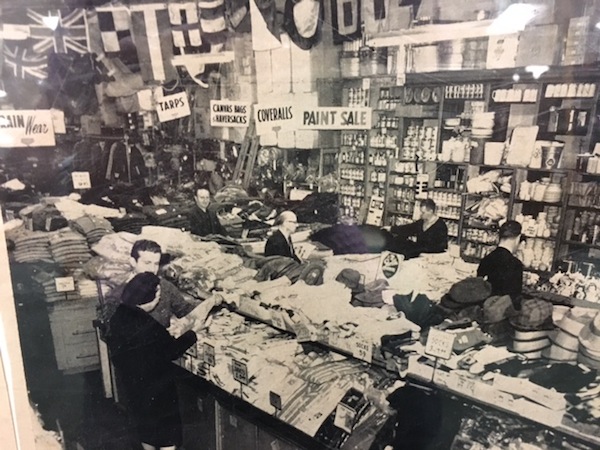
I’m vacillating between anxiety and bliss,” said Jerry Wolfman. After 50 years of working alongside his younger brother Keith in what was once their father’s store, Vancouver’s Three Vets is coming to an end.

“The anxiety comes from thinking about what happens the day after the doors close,” Jerry explained to me from behind one of the two cash registers at the front of the store. “The bliss comes from the freedom that will follow.”

photo - Three Vets has always been bustling
Three Vets has always been bustling. (photo from the Wolfmans)

The camping equipment and military surplus store first opened its doors 70 year ago, at Prior and Main streets. The building of the Georgia Viaduct forced the store’s move to its current location, on Yukon Street at 6th Avenue, which will close Oct. 29. A giant banner over the front door announces, “Closing Out Sale: Up To 70% Off!”

Inside, the shelves are still littered with camping goods, gadgetry, clothing and hunting equipment. Through a small door on a side wall, First Nations masks and decorated wooden paddles can be glimpsed, belonging to Jerry’s other business, selling indigenous arts and crafts, which, he said, he plans to continue.

Keith is a little more sanguine about the future, at least on the surface. “What am I going to do? I’m going to take a chair yoga class and go swimming at the JCC.” He said he might also help members of his family with their business or kibitz around with other side projects.

Both Keith and Jerry grew up helping in the store, which was founded by their father, Bill Wolfman, and two other army veterans. Wolfman senior began the business with the idea of ending a shortage of bedding in logging and mining camps by using military surplus.

Keith and Jerry’s early trajectories seemed to point away from involvement in the business. Jerry went to college to study anthropology but didn’t see a future in it. Keith went traveling, at one point backpacking overland from Istanbul to Kathmandu through Iraq, Iran and Pakistan. Both brothers made their way back to their father’s store in their 20s, however, and haven’t left.

photo - Keith, left, Jerry and their mother Esther in years past
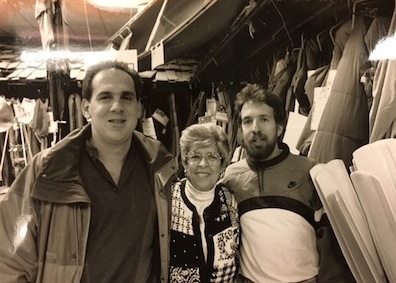
Keith, left, Jerry and their mother Esther in years past. (photo from the Wolfmans)

Jerry said it was their love of camping and the outdoors that resulted in the expansion of the store from a military surplus provider to “the great outdoor store” their sign declares them to be. Eventually, their range of merchandise expanded even further, to include housewares, emergency preparedness supplies, rain gear, travel accessories and other odds and ends that struck the brothers’ fancies. They also offered repairs for lanterns and stoves. The business often served police officers, firemen, ambulance personnel and film crews.

Some years ago, Keith and Jerry were approached by a land developer to sell the store, but they refused. The next offer they received was too good to turn down.

Other factors influencing their decision to close up shop, said Jerry, was the increase in big-box competitors, the growth of the online marketplace and increasing property taxes.

Earlier this year, on April 24, Three Vets announced the closure on its Facebook page. “It has been an absolute pleasure helping all of you with your outdoor needs,” said the statement. “We have enjoyed helping you get ready for camping trips, hiking treks, summer camp and other outdoor activities and we loved hearing about your adventures when you returned home. We can’t thank you enough for all the support you have offered us over the years.”

The Wolfman brothers have not just received support but given it in abundance, supporting a number of causes and organizations in the Jewish and general communities.

Matthew Gindin is a freelance journalist, writer and lecturer. He writes regularly for the Forward and All That Is Interesting, and has been published in Religion Dispatches, Situate Magazine, Tikkun and elsewhere. He can be found on Medium and Twitter.


Format ImagePosted on October 6, 2017October 5, 2017Author Matthew GindinCategories LocalTags business, Jerry Wolfman, Keith Wolfman, Three Vets
Memorial inaugurated

Memorial inaugurated

An artist’s rendering of the newly inaugurated National Holocaust Monument in Ottawa. (photo from holocaustmonument.ca)

On Sept. 27, Prime Minister Justin Trudeau inaugurated the National Holocaust Monument in Ottawa. The monument serves to honour the victims and survivors of the Holocaust, and the important lessons it so painfully taught us.

The Holocaust was the mass extermination of more than six million Jews and millions of other victims, and one of the darkest chapters in human history. The National Holocaust Monument commemorates the millions of people who suffered such atrocities at the hands of the Nazi regime, and pays tribute to those whose stories must never be forgotten.

The monument also stands as a testament to the resilience and courage of Holocaust survivors. Many found a home in Canada, and profoundly shaped our country and society.

In honouring the victims of the Holocaust, we recognize their humanity, which no human act can erase. The National Holocaust Monument reminds us that it is our collective and vital responsibility to stand against antisemitism, racism and hatred, and to bring meaning to the solemn vow, “never again.”

The monument is located at the corner of Wellington and Booth streets in Ottawa, near the Canadian War Museum.

“This monument, so close to our Parliament and Supreme Court, is a reminder of the devastating cost of allowing hatred and tyranny to overcome openness, inclusion and freedom,” said Trudeau. “Today, we reaffirm our unshakeable commitment to fight antisemitism, racism, xenophobia and discrimination in all its forms, and we pay tribute to those who experienced the worst of humanity. We can honour them by fighting hatred with love, and seeking always to see ourselves in each other.”

“This monument is a powerful tribute to the millions of Jewish men, women and children and other victims whose lives were extinguished during one of the darkest chapters in human history,” added the Hon. Mélanie Joly, minister of Canadian Heritage. “As we reflect and honour their memory, we also pay tribute to the courage and strength of the survivors who came to Canada following the Holocaust. Their stories are a powerful reminder of our responsibility to stand against antisemitism and prejudice in all its forms and to never allow intolerance and hate to take root in our communities. We will never forget.”

The design of the monument, entitled “Landscape of Loss, Memory and Survival,” was developed by Team Lord of Toronto and depicts a stylized star, created by the confluence of six triangular shapes, or “volumes,” that are organized around a large gathering space for ceremonies. The design uses architecture, landscaping, art and interpretation to communicate the hardship and suffering of victims, while conveying a powerful message of humanity’s enduring strength and survival. For more information, visit holocaustmonument.ca.

Format ImagePosted on October 6, 2017October 5, 2017Author Prime Minister’s OfficeCategories NationalTags Holocaust, monuments, Ottawa

Posts pagination

Previous page Page 1 … Page 203 Page 204 Page 205 … Page 322 Next page
Proudly powered by WordPress