Skip to content
  • Home
  • Subscribe / donate
  • Events calendar
  • News
    • Local
    • National
    • Israel
    • World
    • עניין בחדשות
      A roundup of news in Canada and further afield, in Hebrew.
  • Opinion
    • From the JI
    • Op-Ed
  • Arts & Culture
    • Performing Arts
    • Music
    • Books
    • Visual Arts
    • TV & Film
  • Life
    • Celebrating the Holidays
    • Travel
    • The Daily Snooze
      Cartoons by Jacob Samuel
    • Mystery Photo
      Help the JI and JMABC fill in the gaps in our archives.
  • Community Links
    • Organizations, Etc.
    • Other News Sources & Blogs
    • Business Directory
  • FAQ
  • JI Chai Celebration
  • JI@88! video

Recent Posts

  • Zionism wins big in Vegas
  • Different but connected
  • Survival not passive
  • Musical celebration of Israel
  • Shoppe celebrates 25 years
  • Human “book” event
  • Reclaiming Jewish stories
  • Bema presents Perseverance
  • CSS honours Bellas z”l
  • Sheba Promise here May 7
  • Reflections from Be’eri
  • New law a desecration
  • Resilient joy in tough times
  • Rescue dog brings joy
  • Art chosen for new museum
  • Reminder of hope, resilience
  • The national food of Israel?
  • Story of Israel’s north
  • Sheltering in train stations
  • Teach critical thinking
  • Learning to bridge divides
  • Supporting Iranian community
  • Art dismantles systems
  • Beth Tikvah celebrates 50th
  • What is Jewish music?
  • Celebrate joy of music
  • Women share experiences 
  • Raising funds for Survivors
  • Call for digital literacy
  • The hidden hand of hate
  • Tarot as spiritual ritual
  • Students create fancy meal
  • Encouraging young voices
  • Rose’s Angels delivers
  • Living life to its fullest
  • Drawing on his roots

Archives

Follow @JewishIndie
image - The CJN - Visit Us Banner - 300x600 - 101625

Category: News

We must focus on justice

We must focus on justice

(photo by Alan Katowitz)

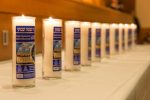
Hundreds of Vancouverites came together Sunday night, driven by the need for community after the news that 11 congregants were murdered during services at a Pittsburgh synagogue a day earlier.

The attack – the deadliest terror act against a Jewish community in North American history – devastated the Pennsylvania Jewish community and elicited grief, alarm and solidarity among Jews across the continent and beyond. As some commentators have said, shock may not have been a foremost response. The very fact that we in Vancouver and Jews almost everywhere else pass by security personnel and infrastructure every time we enter a Jewish facility conditions us to expect that something like this might happen.

The assembly at the Jewish Community Centre of Greater Vancouver, convened by the Rabbinical Association of Vancouver, drew hundreds of people, mostly Jews but also members and clergy of other faith communities, as well as elected officials and other individuals. The words from the speakers – mostly rabbis – were powerful and thoughtful, though perhaps the words were less significant than the simple sense of commonality of emotion among those assembled.

In the hours and days since the incident, so many of us have tried to somehow assimilate the meaning and implications of the violence.

Extremism has been growing worldwide. Antisemitism, racial supremacism, nativism and other dangerous tendencies have infiltrated societies throughout the Western world. We have seen political successes for once-fringe parties in Europe and, most recently, in South America. In the online and general discourses in North America, extremist commentary has become so commonplace that it approaches the mainstream, if that is not an oxymoron. Words have consequences. All actions, good and evil, begin as ideas, move into language and ultimately manifest in behaviours.

This raises the matter of free expression. While some seek to smother the expression of hateful and other repugnant ideas, the events of last weekend present an argument for more, not less, discussion. Open dialogue of all ideas, including appalling ones, is not just a theoretical value. It allows us to monitor antisocial ideas, rather than pushing them under rocks. The perpetrator’s long record of deranged rants about Jews did not prevent this tragedy. But knowledge of such ideas and those who hold them represent our best chance for preventing repetition of such terror acts. (This sort of knowledge is critical to intelligence-gathering services. In Israel, recent reports indicate, 10 potential attacks are thwarted for every one that is successfully executed.)

Americans’ access to guns is also raised as an issue when things like this happen. We have little optimism of seeing this matter resolved in our lifetimes. It is notable, though, that, in what should be a moment of national mourning, the U.S. president has aimed to score political points by advancing the idea that the synagogue should have been, essentially, an armed defensive encampment. This idea is not a solution. It is a capitulation to a dystopic reality. A better president would have had words of national unity and consolation.

While we seek healing as a community, welcome condolences from so many allies, and wish blessings on the murdered and comfort for the survivors, we also now enter unfamiliar realms. In many mass murder incidents, the perpetrator does not survive the attack. In this case, he has. We will watch as the victims’ families confront this terrible act through the justice system, hoping for something approaching closure. Some people are already calling for vengeance, and the death penalty is a possible punishment for the perpetrator, which raises additional quandaries for those among us for whom state-sanctioned killing is an evil unto itself.

The larger issue facing us in the coming weeks is that true justice, in a practical sense, must convey to all people that this is a society that rejects and condemns not only the act that took place Saturday, but the ideas that inspired it and other heinous hate crimes. The mantra of Simon Wiesenthal’s life, which was devoted to as proper a response as possible to the greatest crime perpetrated against the Jewish people, was “justice, not vengeance.” This was in keeping with the ancient obligation of Judaism – justice, justice, you shall pursue.

We grieve, we mourn, we console. But, through these processes and after, we continue what our tradition has demanded for millennia, the ultimate bulwark to this and every other wrong: we seek justice.

Format ImagePosted on November 2, 2018November 1, 2018Author The Editorial BoardCategories WorldTags antisemitism, Judaism, memorial, Pittsburgh shooting
Disagreeing respectfully

Disagreeing respectfully

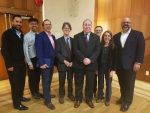
Left to right: Nico Slobinsky (CIJA Pacific Region), Rabbi Adam Stein (Beth Israel), Rabbi Andrew Rosenblatt (Schara Tzedeck), speakers J.J. Goldberg and Jonathan S. Tobin, Cynthia Ramsay (Jewish Independent), Rabbi Hannah Dresner (Or Shalom and RAV) and Rabbi Dan Moskovitz (Temple Sholom). (photo by Glen Bullard)

“We have lost the ability to listen to each other. We have lost the ability to credit each other with good intentions when we disagree…. What we must do is somehow regain a sense of community.”

In his response to the last audience question at Left vs. Right: The Battle for Israel’s Soul, Jonathan S. Tobin, editor-in-chief of JNS.org and a contributing writer for National Review, among other publications, went on to say what he hoped the audience would take away from his 90-minute debate with J.J. Goldberg, editor-at-large and senior commentator at the Jewish Daily Forward.

“You have to open yourself up to both sides,” said Tobin. “You have to relearn the ability to listen, to be open. If you agreed with J.J., maybe you should read some of the things that I write… If you agreed with me, read J.J. at the Forward and his column…. It’s not what we’re used to anymore because we live in these social media silos…. It’s what we have to model for our kids. It’s what we have to model for ourselves because, when we listen, when we open ourselves up to ideas that are different from our own, that don’t just confirm what we already thought, we are reminded of something that is always true but we often forget…. That which unites us is still stronger than that which divides us.”

Ten community organizations united to host the Oct. 23 event in the Wosk Auditorium at the Jewish Community Centre of Greater Vancouver: the Jewish Federation of Greater Vancouver, the Centre for Israel and Jewish Affairs, the JCCGV, the Jewish Independent, Ameinu, Or Shalom, Congregation Schara Tzedeck, Congregation Beth Israel, Temple Sholom and the Rabbinical Association of Vancouver (RAV).

In his response to the last question of the night – on how young people could have similar respectful dialogues on Israel, which the speakers broadened to include all community members – Goldberg stressed the importance of having self-doubt. “If you believe the other side is saying something that could bring about the end of the world, the death of the Jewish people, you’re not going to be tolerant. And, as Jonathan says, if you listen, look for the grain of truth, because then you can allow yourself not to shout and scream when you hear something you don’t like, because it’s not the end of the world.”

Rabbi Hannah Dresner, spiritual leader of Or Shalom and head of the RAV, welcomed the approximately 100 people who came to hear Goldberg and Tobin engage in a formal debate on four prepared questions, and then on a handful of questions from the audience. “Our guests hold differing points of view and speak to one another with respect and we would like all to follow their examples,” she said. While there was some audible discomfort from listeners in a couple of instances, it was a model event, made easier by the fact that it featured two journalists who may disagree on the details, but who both agree that Israel has a right to exist and that Israel has a right to defend itself. As well, neither speaker is an ardent supporter of U.S. President Donald Trump – although Tobin gave the president credit for moving the U.S. embassy to Jerusalem and reinstating sanctions against Iran to delay its attainment of nuclear weapons, he criticized Trump’s relationship with Russia. One has to separate Trump the man and his Twitter account from the policies the administration has implemented, said Tobin. “It’s clear,” he said, “that Israel can count on the United States, certainly it can count on this administration to have its back.”

Tobin made these comments in response to the first question of the night, which was about Trump and whether Israel could rely on an “unstable United States as a shield in an unstable Middle East.” Goldberg was more concerned than Tobin, saying that character counts. “Having a president who is lacking in elementary characteristics of personal ethics and grace is a problem,” he said. “It is a problem that this is a president who has no respect or loyalty for America’s allies; and says he’s in love with the dictator in North Korea, who, by the way, does have nuclear bombs; and who can’t say a bad word about the dictator of Russia…. If Canada can’t rely on the United States, and France and Germany and Sweden can’t rely on the United States, how long can Israel rely on the United States?”

Goldberg and Tobin also had opposing views as to the continued relevance of a two-state Israeli-Palestinian peace agreement and whether the construction of settlements is an obstacle to peace.

Goldberg pointed to the 2002 Arab League declaration, which outlined the terms under which they would recognize Israel and normalize relations with it; the declaration has been renewed since then and, last year, “Iran voted yes.” He said we believed the Arab countries when, in the 1970s, they were talking about “driving Israel into the sea,” and we should believe them now when they say they would accept Israel. He argued that peace negotiations have not failed but been continually interrupted, giving several examples, including the assassination of Yitzhak Rabin and Ehud Olmert’s having to step down as prime minister when he was indicted on corruption charges.

While a two-state solution is the most rational, said Tobin, he argued that Israelis have made several attempts at peace and have shown their willingness to trade land for peace, but they are rightfully not willing to trade land for terror, which is what Israel got after the withdrawal from Gaza.

On the question of how much world opinion should matter to Israel, both Tobin and Goldberg said it does. Tobin gave examples – such as diplomatic trips to Africa by Prime Minister Binyamin Netanyahu – of how Israel is not isolated, despite an increase in the world of antisemitism disguised as anti-Israel sentiment. The boycott, divestment and sanction (BDS) movement, he said, won’t hurt Israel, but us. “Their target is us – Jews, Jews here,” he said. “We are their target. That’s why resistance against BDS, fighting back against it is, I think, the issue that should unite us, if anything could. It’s not a liberal issue, it’s not a conservative issue, it’s a Jewish issue.”

Goldberg said Israel “pretty much controls events on the ground” – noting that cooperation between Israeli and Palestinian security forces has decreased the number of deaths caused by terrorism significantly – but that the Palestinians “have the advantage in international opinion: they’re the underdogs, they’re the Third World, they’re the people of colour” and they use this advantage “as a way of fighting back against Israel.”

That said, Goldberg contended that Islam aspires to rule the world and there are Muslims who believe that to the extent that they will use violence. However, he added, no matter how right Israel is to defend itself, the optics of a tank shooting at a kid throwing rocks can never “look good on television” and “antisemitism increases, in part, because people are mad at Israel.” Since Diaspora Jews are one with Israel, then they become a target: “An Arab who’s willing to blow up a bus full of children in Haifa, who had nothing to do with this, is certainly willing to blow up a Federation building in Seattle.” World opinion is a problem “because there’s a war going on and it hasn’t ended yet,” he said. “If and when Israel enters into negotiations with the Arab League … one of the things Israel can and must demand is that Saudi Arabia stop teaching the hatred of Jews that it teaches in schools and mosques around the world.”

In response to the question about how Jews should position themselves in “this polarized and hyper-partisan political culture,” Goldberg said, “If we are attached to Israel at a time when our traditional allies on the left, in the liberal world, are souring on Israel, we don’t have to accept that. If the right is becoming more extreme … there are reasons we have our social values and we don’t need to give them up to be friends with the pro-Israel forces on the right.”

Goldberg noted that we often consider antisemitism, but overlook the respect the world holds towards Jews – as evidenced by the number of Nobel Prize winners, and three Jews out of nine justices on the U.S. Supreme Court. He said we must use this respect “not only to advance our own particular interests in defending our brothers and sisters in Israel, but in also defending the things that we believe in and the things that we believe make a better world.”

Tobin, on the other hand, said, “As Jews, we have an issue that should unite us – the survival of the Jewish people, the survival of the Jewish state. That should be a priority. We are probably more divided on it than we are on abortion, as my friend [J.J.] likes to say, but that is still our first obligation. And when we put that aside and instead favour partisanship, our partisan loyalties over that, I think we’re doing a disservice to our community….”

By the end of the night, Goldberg and Tobin fielded nine questions, responding to audience members’ concerns about such issues as the health of Israel’s democracy – Tobin thinks it is not declining, while Goldberg observed that the way in which governments are elected means that a democratically elected government does not always reflect the will of the majority population. They also responded to questions about the lack of leadership on the Israeli left, the impact of the ultra-Orthodox on Israeli society in the long-term, Trump’s popularity in Israel and how we can enable young people to have such discussions as took place that night.

Format ImagePosted on November 2, 2018November 1, 2018Author Cynthia RamsayCategories LocalTags antisemitism, BDS, boycott, civil discourse, Israel, J.J. Goldberg, Jonathan S. Tobin, peace, politics, Trump
שוק הקנאביס הרותח

שוק הקנאביס הרותח

(Wikipedia)

שוק מגדלי הקנאביס בקנדה רותח בימים אלה בעקבות החלטת הממשלה הפדרלית, כי מכירת מריחואנה היא חוקית החל השבעה עשר בחודש.

שלוש מגדלות הקנאביס הגדולות בקנדה הן: במקום הראשון – טילריי שמניותיה נסחרות בבורסה בשווי של למעלה משלושה עשר מיליארד דולר קנדי, במקום השני – קנופי שמניותיה נסחרות בבורסה בשווי של כאחד עשר מיליארד דולר קנדי ובמקום השלישי – אורורה קנאביס שמניותיה נסחרות בבורסה בשווי של כעשרה מיליארד דולר קנדי.

אורורה קנאביס רכשה לאחרונה את חברת מדריליף הקנדית תמורת כשניים וחצי מיליארד דולר קנדי. מדובר בעסקת המיזוג הגדולה ביותר בענף שוק הקנאביס עד כה. חברת תיקון עולם הנחשבת לגדולה ביותר בישראל (בבעלות צחי כהן ודורית כהן) החזיקה בעשרה אחוז ממניות מרדיליף, ובעקבות המיזוג היא קיבלה רבע מיליון דולר קנדי. תיקון עולם הייתה שותפה בהקמת מרדיליף (בשנת 2014). זאת כדי שיתאפשר לחברה הישראלית לשווק את זני המריחואנה שלה בשוק הקנדי. בעקבות רכישת מרדיליף תיקון עולם תשווק מעתה את מוצריה בקנדה באמצעות אורורה קנאביס.

בראשית השנה רכשה אורורה קנאביס חברה נוספת בענף – קאנימד – תמורת מיליארד דולר קנדי. עתה מועסקים קרוב לכשש מאות עובדים באורורה קנאביס וכושר הייצור שלה נאמד בקרוב לשש מאות טון קנאביס בשנה.

אורורה קנאביס שהונפקה בשנת 2014 והפכה לאחת ממגדלות המריחואנה הגדולות בעולם, ניהלה לאחרונה מגעים עם חברת קוקה קולה, לייצור משקה קל שמבוסס על מריחואנה.

קנדה נחשבת כיום ליצרנית הקנאביס הגדולה בעולם. במקביל לשיווק המריחואנה לשווק המקומי היא מספקת את צמחי הסם למדינות רבות נוספות. בהן: גרמניה, ברזיל, אוסטרליה, קרואטיה, צ’ילה וצ’כיה. היקף שוק הקנאביס העולמי הוערך בכתשעה מיליארד דולר בשנת 2016. ולפי התחזיות של האו”ם הוא צפוי להגיע לכמאה וחמישים מיליארד דולר בעוד כשבע שנים (בשנת 2025). היקף שוק הקנאביס בקנדה מגיע כיום ללמעלה ממיליארד דולר, ולפי תחזיות האנליסטים המקומיים הוא צפוי להגיע לשישה מיליארד דולר בעוד כשבע שנים (בשנת 2025).

חברת אהלוט מטורונטו מחפשת בימים אלה מבקרים של קנאביס (או בהגדרה המקצועית “אוצרי קנאביס”) שיוכלו להבדיל בין הזנים השונים, ולהסביר זאת ללקוחות במילים פשוטות, בין היתר באמצעות פרסום פוסטים ברשתות החברתיות. במודעות הדרושים שלה מפרטת אהלוט: “דרושים מומחים אניני טעם שחיים יחד עם הקנאביס מספיק זמן, כדי להבין ולבטא את ההבדלים הדקים בין זן למשנהו. בואו להשתכר חמישים דולר לשעה להערכת המיטב שיש למגדלי הקנאביס בקנדה להציע. את העבודה ניתן לבצע מהבית בכל רחבי קנדה”. לדברי מנכ”ל אהלוט, גרג פנטליק, החברה מחפשת “אוצרי קנאביס” כדי להדריך את הלקוחות, כיוון שצפוי שיהיה קשה לבחור בין הזנים השונים והרבים כל כך.

בניאגרה קולג’ שבמחוז אונטריו נפתחה תוכנית ללימוד סטודנטים איך לגדל צמחי המריחואנה באופן מסחרי. וזאת כדי לאפשר לסטודנטים להשתלב בענף שכאמור צובר תאוצה גדולה בקנדה. תוכנית הלימודים כוללת בין היתר את האספקטים הבאים: מסחר, ביולוגיה, תרבות ובריאות של גידול, מכירת ושימוש בקנאביס. הסטודנטים ילמדו למשל איך לתכנן מערך שתילה, איזה תאורה נחוצה לגידול הצמחים בחחמות, איך להשקות את שתילי המריחואנה, תהיליך הדישון הדרוש, הגנה, בטיחות ומעקב אחר הגדילת השתילים, בדיקה פיננסית של עלויות הגידול, מעקב כמה העבודה דרושה עבור הליך הגידול, ניתוח ומחקר היכן עדיף לגדל את הצמחים ועוד. בשלב זה כבר עשרים וארבעה סטודנטים נרשמו לתוכנית הלימודים היחודית ללמוד אך לגדל מריחואנה.

Format ImagePosted on October 31, 2018October 30, 2018Author Roni RachmaniCategories עניין בחדשותTags Canada, cannabis, Israel, marijuana, ישראל, מריחואנה, קנביס, קנדה
Mezuzah at legislature

Mezuzah at legislature

Selina Robinson, B.C. minister of municipal affairs and housing, admires the new mezuzah on her office door, while Rabbi Yechiel Baitelman looks on. (photo from Chabad Richmond)

Born and raised in Montreal before moving to British Columbia, Selina Robinson first lived in Richmond, then relocated to Coquitlam. She was elected as the member of the Legislative Assembly of British Columbia for Coquitlam-Maillardville in 2013 and again in 2017. Robinson is a member of the B.C. NDP.

When I learned that Rabbi Yechiel Baitelman of Chabad Richmond recently helped Robinson affix a mezuzah to her office door at the legislature, I was surprised. I called to ask her how she came to invite Baitelman to help her. “I didn’t,” she replied. “He just showed up with it!”

As it happens, Baitelman was in Victoria to fix a Torah scroll. While there, he reached out to Robinson, a longtime family friend, to see if they could meet briefly. She invited him to her office, where they talked about her portfolio and how they could work together to improve housing in Richmond. Never one to miss an opportunity, Baitelman asked Robinson whether she would like to put up a mezuzah. She loved the idea, but told the rabbi she didn’t have a hammer. Without skipping a beat, he said, “That’s OK, you don’t need one. This mezuzah has adhesive on the back.”

I guess that falls into the category of “I just happen to have a mezuzah on me.” I mean, don’t all rabbis carry them around?

Robinson has known the Baitelman family for decades, through her mother’s work at Chabad Lubavitch in Vancouver years ago. She told me that the Baitelman kids used to call her mother “Bubbe Rhoda.”

While she was a university student in the 1980s, Robinson helped run Camp Gan Israel of British Columbia day camp for two years. Later on, when she was living in Coquitlam, she helped build the Burquest Jewish Community Association. She also used to work at Jewish Family Services.

Robinson’s commitment to the ideals of Jewish life and culture is resolute, and she proudly refers to herself as a “Habonimer.” Yet, her affinity for Chabad is strong, especially their dedication to helping Jews at all levels of observance.

Robinson regularly shows her new mezuzah to colleagues, and takes the time to explain what it means.

Shelley Civkin is a happily retired librarian and communications officer. For 17 years, she wrote a weekly book review column for the Richmond Review, and currently writes a bi-weekly column about retirement for the Richmond News.


Format ImagePosted on October 26, 2018October 25, 2018Author Shelley CivkinCategories LocalTags British Columbia, Chabad Richmond, Judaism, Selina Robinson, Yechiel Baitelman

Call for nominations – Lamplighter Award

The Centre for Judaism of the Lower Fraser Valley is looking for nominations for its annual Lamplighter Award, which honours a child who has performed an outstanding act of community service. Candidates must be between the ages of 6 and 18 and submission of potential recipients must include two references describing the child’s community service.

The chosen Lamplighter will receive the award, as well as a monetary gift, on Dec. 9, 7 p.m., at Semiahmoo Shopping Centre in a ceremony led by Rabbi Falik and Simie Schtroks, directors of the Centre for

Judaism, with various official representatives of the cities of Surrey, White Rock, Langley and Delta in attendance.

Last year, twins Emily and Jessie Miller received the award for spearheading the Live2Give program in their NCSY chapter. They also managed to get many other teenagers to get involved in projects focused on helping others.

To nominate a candidate for the award or to sponsor the gift or event, contact Simie Schtroks as soon as possible at [email protected].

Posted on October 26, 2018October 25, 2018Author Centre for JudaismCategories LocalTags Lamplighter Award, Schtroks, tikkun olam, youth
NCJWC Vancouver’s new board

NCJWC Vancouver’s new board

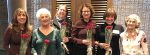
Left to right, National Council of Jewish Women of Canada Vancouver section’s 2018/19 board of directors Catherine Stoller (president), Linda Arato (secretary), Anne Lerner (social action chair), Rochelle Garfinkel (administration) and Debby Altow (past president) were installed by Shelagh Stoller, who gave a brief bio of each member and presented the traditional red rose. The 94th annual general meeting, which took place Oct. 14, confirmed members’ support of NCJWC’s advocacy at the United Nations, on Canada’s citizenship issues and against antisemitism here and abroad. Catherine Stoller reported on the programming for disadvantaged schools in Vancouver, which receives help from the B.C. Gaming Commission.

Format ImagePosted on October 26, 2018October 25, 2018Author NCJW VancouverCategories LocalTags National Council of Jewish Women, NCJW, tikkun olam, women
New centre for excellence

New centre for excellence

Construction on the Centre of Excellence for the Deaf and Hard of Hearing is expected to be complete by fall 2019. (photo from WIDHH)

British Columbians who are deaf and hard of hearing will soon benefit from a state-of-the-art Centre of Excellence for the Deaf and Hard of Hearing that is being built by Vancouver’s Conwest Group of Companies.

The Western Institute for the Deaf and Hard of Hearing (WIDHH), a registered charity established in 1956, together with Conwest, has commenced construction on a new $16 million facility with $1 million in funding from the Ministry of Health. The $1 million in government funding, which was announced Sept. 26, will be applied to an $8 million capital fundraising campaign that WIDHH is aiming to launch to the public early next year.

“From youth to seniors, this new centre will improve people’s quality of life and help prevent those with hearing and communication challenges from feeling isolated,” said David Eby, attorney general and MLA Vancouver-Point Grey.

The centre will provide hearing aids and assistive listening device services, employment counseling, seniors outreach programs and a refurbished hearing aid program for people on limited income. It will also accommodate expansion of WIDHH’s clinical research program within the field of hearing health, telecommunications and accessibility.

“We look forward to using technology in the new facility to reach out and provide unparalleled levels of hearing health care and support to homebound seniors and those living in rural communities across British Columbia,” said Grace Shyng, interim executive director of WIDHH.

Construction on the new centre at 2005 Quebec St., in Vancouver, is expected to be complete by the fall of 2019.


Format ImagePosted on October 26, 2018October 25, 2018Author Western Institute for the Deaf and Hard of HearingCategories LocalTags development, health care
סוף סוף: מריחואנה היא חוקית

סוף סוף: מריחואנה היא חוקית

(WikiProject Cannabis)

החל מיום רביעי שעבר (ה-17 בחודש) מכירת מריחואנה היא הליך חוקי בקנדה. בכך מקיימת הממשלה הליברלית ברשות ג’סטין טרודו, הבטחה מקמפיין הבחירות, להפוך את השימוש במריחואנה לחוקי בקנדה. כמובן שיש מתנגדים, בהם שמרנים שלא יכולים לסבול התקדמות כשלהי וגורמים באופוזיציה מטעם מפלגת השמרנים שתמיד יחפשו לשלול החלטות של ממשלת הליברלים. אצלם הפוליטיקה היא בראש וטובת האזרח לא תמיד נראית באופק. בממשלה הליברלית מציינים כי הלגיליזציה של הקנאביס תצמצם את השימוש במריחואנה על ידי בני נוער ובמקביל תצמצם משמעותית את הפשיעה בתחום.

קנדה היא בסך הכל המדינה השנייה בעולם שהופכת את השימוש במריחואנה לחוקי, אחרי אורוגוואי שעשתה זאת לפני כחמש שנים. באורוגוואי מותר לאזרחים לרכוש עד ארבעים גרם של הסם מדי חודש מבתי המרקחת. לחילופין הם יכולים לגדל את צמחי המריחואנה בעצמם, או להצטרף למועדוני עישון הסם באופן חוקי.

מדינות רבות בעולם וכן ארגון ברית מדיניות הסמים (שפועל מוושינגטון) יעקבו מעתה אחרי מה שקורה בקנדה בתחום המריחואנה, כדי לראות מה ההשפעה לאור האישור לשימוש בה, מעבר לצרכים הרפואיים הידועים.

עשרות חנויות למכירת מריחואנה ממתינות לאישור המיוחל לשיווקה ברבים. אם קבלת האישור כאמור לפני שבוע צפוי שחנויות רבות נוספות יפתחו ברחבי קנדה למכירת הסם. הממשלה הפדרלית תאפשר גם את מכירת הסם באמצעות רשת האינטרנט. במקביל כמאה ועשרים גופים עד כה קיבלו אישור מיוחד לגדל את צמחי המריחואנה בחממות. חלק מגופים אלה נסחרים בבורסות של קנדה וארה”ב כאשר מחירי מניותיהם עולים כל הזמן.

עדיין לא ברור כיצד משטרות התנועה ברחבי קנדה יוכלו לבדוק אם נהגים צרכו מריחואנה, כפי שהם נבדקים אם צרכו אלכוהול. נראה שבתוך מספר חודשים ימצאו המכשירים חדשים לבדיקת כמויות הסם בדמם של הנהגים.

לקנדים שישתמשו בקנאביס באופן חוקי או שיעסקו בתחום גידול ומכירת הסם צפויות בעיות בכניסה לארצות הברית, כך מסתבר. זאת כיוון שבארה”ב הקנאביס אינו חוקי ונחשב לסם מסוכן. אמנם תשע מדינות בארה”ב אישרו את השימוש במריחאונה אך עדיין החוק הפדרלי האמריקני אוסר זאת. לפיכך קנדים שיעברו את הגבול לארה”ב צפויים להיחקר בנושא השימוש בסם, או להישאל האם האם משתייכים לתעשייה ליצור ומחירת המריחואנה. כבר ידוע לפחות על מקרה אחד של קנדי מתעשיית המריחואנה שגורש מארה”ב ונאסר עליו לתמיד לבקר בה שוב. יש כבר מספר קנדים העוסקים בתחום שהודיעו כי לא יבקרו עוד בארה”ב מהחשש שמה אף הם יגורשו ממנה.

כיצד מגיבים הגולשים מישראל לידיעה כי קנדה הפכה את השימוש במריחואנה לחוק? להלן לקט תגובות מעניינות שפורסמו באתר ווינט:

“הסטלנים חושבים שהקנביס יביא להם מיליארדים. שימשיכו בהזיות”.

“קנאביס זה רעל מסוכן הגורם נזק חברתי ואישי. בבתי חולים בארץ יש לא מעט צעירים המגיעים לאישפוז בשל שימוש בקנאביס ואף משימוש חד פעמי. זה מידע בדוק שקיבלתי מאחד ממנהלי בתי החולים לשעבר”.

“הטייקונים מפחדים שאנשים יפסיקו לצרוך אלכוהול, טבק, תרופות בכמויות. וגם אנשים יתחילו לנהוג לאט יותר ואז את מצלמות המהירות יהיה אפשר לזרוק לפח”.

“כולם נהיו פה נרקומנים חולים”.

“זאת בכייה לדורות”.

“עיוולת בדומה לאלכוהול”.

“איך הצביעו לג’סטין טרודו? בקושי מסוגל לנאום, שהוא עומד ליד טראמפ הוא מתחיל לרעוד, הגבות המודבקות שלו הם בכלל בדיחה. ג’סטין טרודו הוא השמאל הכי קיצוני בעולם עכשיו בזמן שכל המדינות עוברות ימינה. אם הוא אישר את מכירת המריחואנה אז זה כנראה לא דבר טוב”.

Format ImagePosted on October 24, 2018Author Roni RachmaniCategories עניין בחדשותTags Canada, cannabis, marijuana, מריחואנה, קנביס, קנדה
Shapiro to give lecture

Shapiro to give lecture

American political commentator Ben Shapiro will give the Faigen Family Lecture on Oct. 30. (photo by Gage Skidmore)

“We live in a world where opinions are formed, far too often, based on preconceived notions and emotion. A hallmark of the critical thinking that we impart in schools today is the ability to hear differing viewpoints and draw informed conclusions. We need to be able to engage, debate and discuss. We may ‘agree to disagree,’ but there needs to be an avenue for dialogue,” Rabbi Don Pacht, Vancouver Hebrew Academy’s head of school, told the Independent about the importance of the Faigen Family Lecture Series.

The series has featured five speakers to date: Israeli journalist Caroline Glick, American activist David Horowitz, American radio talk show host Michael Medved, British journalist Melanie Phillips and American political commentator Daniel Pipes. On Oct. 30, 7:30 p.m., at Congregation Schara Tzedeck, Ben Shapiro will join that list. The next day, he will speak to a sold-out event at the Chan Centre for Performing Arts, hosted by the University of British Columbia Free Speech Club.

Among other things, Shapiro is editor-in-chief of DailyWire.com, host of The Ben Shapiro Show and author of seven books.

“We were in touch with him almost two years ago,” said Pacht. “It took months and months to find a date that worked for him and did not conflict with other events in our community.

“He was certainly a household name when we first approached him, but it is not an exaggeration to say that he has grown considerably in his craft and has become quite the celebrity in recent years. We have already sold more tickets to this event than to any of our past lectures – including a packed house for Caroline Glick [in 2011] – and we anticipate that we will have another sell-out on our hands.”

The Faigen Family Lecture Series “began as a friendship between myself and Dr. Morris Faigen (of blessed memory). We would speak at length about politics and Israel and we often saw eye to eye on issues,” explained Pacht. “Many Jews often feel as though Israel gets a raw deal when Middle East politics are reported in the news. Dr. Faigen wanted to create a vehicle to spread a more balanced – and decidedly more pro-Israel – view.”

The process of selecting speakers was set in place by Faigen, who passed away in 2012. “His daughter, Gina [Faigen], leads a committee who meet to discuss various possibilities,” said Pacht. “The committee has a mandate – based on Dr. Faigen’s wishes and stated goals – and they will shortlist possible speakers based on these criteria.”

Pacht said the selection of Shapiro reflects the values of open debate and respectful dialogue.

“When my board chair, Glenn Bullard, and I spoke with Ben recently, we asked him directly whether he thought he was maintaining Jewish standards of respectful speech. He acknowledged it was a challenge, but he said, ‘If people want to cherry-pick something I’ve said on Twitter, all I can say is, you don’t look to Twitter for meaningful conversation.’ He hoped instead that people concerned about his tone would look at his work on many issues over many years.

“In the past,” said the rabbi, “we have had people who disagree with a point expressed by our speaker. That is your right. Our expectation is that conversations will focus on the corroboration of evidence and, as always, maintain the highest standards of menschlichkeit.”

With regards to the school’s mission, the lecture series gives VHA an opportunity “to step outside of our ‘zone’ and provide a service to the community,” said Pacht. “Obviously, our primary mission is that of Jewish education. This lecture series is a way that we can reach – and benefit – many within our community who will never see the inside of one of our classrooms.

“It fits well with our value of Israel as central to the life of every Jew and as the ancestral homeland of our people,” he added. “While our lectures are not geared towards elementary school children – we are more likely to see parents and grandparents in the audience – the message is one that is supported by the philosophy of the school.”

As for the physical future of the school, Pacht said VHA “has secured an eight-year lease with the Vancouver School Board. That gives us the security that we have been lacking for years. We know that we have room to grow in our current location.”

To support that growth, aging portables will be replaced with one large modular building. “We are currently on schedule for this renovation to be carried out in the summer of 2019,” said Pacht. “We are also thrilled to report that we are over 90% towards our fundraising goal for this project.”

Encouraged by “the generous response of our community,” he said, “We have no doubt that we will be able to make up the difference and reach our goal.”

The campaign will resume after the Jewish Federation of Greater Vancouver’s annual campaign has closed. “Meanwhile,” said Pacht, “we are moving forward with the process itself and our permit application has been submitted to the City of Vancouver.”

For more information on VHA, visit hebrewacademy.com. To purchase tickets ($45) to hear Shapiro, email [email protected] or call 604-266-1245.

Format ImagePosted on October 19, 2018October 18, 2018Author Cynthia RamsayCategories LocalTags Ben Shapiro, civil discourse, Don Pacht, Faigen Family Lecture Series, free speech, Vancouver Hebrew Academy, VHA
Models of civil engagement

Models of civil engagement

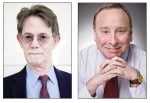
J.J. Goldberg, left, and Jonathan S. Tobin will participate in Left vs. Right: The Battle for Israel’s Soul on Oct. 23, 7:30 p.m., at the Jewish Community Centre of Greater Vancouver. (photos from JFGV)

On Oct. 23 at the Jewish Community Centre of Greater Vancouver, J.J. Goldberg and Jonathan S. Tobin will participate in Left vs. Right: The Battle for Israel’s Soul.

Representing the left is Goldberg, editor-at-large and senior commentator at the Jewish Daily Forward. On the right is Tobin, editor-in-chief of JNS.org and a contributing writer for National Review. The debate is one of a series that the two men are doing to model civil dialogue about contentious issues.

In a Jan. 24, 2018, article on the Goldberg-Tobin event that month at Temple Emanuel in Newton, Mass., which was organized by CJP (Combined Jewish Philanthropy) Strategic Israel Engagement’s CommUNITY Israel Dialogue initiative, Tobin is quoted as saying, “Don’t take away from this our talking points. Take away from this our ability to try to learn, to try to listen to each other. We’re both Zionists, we both love Israel. We interpret facts differently, but we think seriously about each other’s arguments.”

Of the debate they hosted, Hannah Rosenthal, chief executive officer and president of the Milwaukee Jewish Federation, said, “The program drew a large crowd and the debate was substantive and interesting. To us, the value of this program was not only that it helped us learn about the issues but also that we saw J.J. and Jonathan model civil, heartfelt and passionate debate about Israel. That kind of respectful communication over disagreements is rare and was refreshing. After the program, we posted all the audience questions online, urging people to continue the conversation.”

Tobin and Goldberg discuss many critical issues concerning the state of Israel in their two-hour debate. “Is Israel locked in a tragic dispute between two peoples claiming the same land – or a global conflict between Western democracy and Islamist terrorism?” gave Robin Wishnie, executive director of the Jewish Federation of Somerset, Hunterdon and Warren, as an example. “Is partition into two states the only way to ensure Israel’s survival – or is it the surest path to ever-increasing bloodshed and possibly even endangering Israel’s survival?”

Goldberg was the Forward’s editor in chief from 2000 to 2007. He has served as U.S. bureau chief of The Jerusalem Report and managing editor of the New York Jewish Week and his books include Jewish Power: Inside the American Jewish Establishment and Builders and Dreamers, a history of Labour Zionism in America.

Before entering journalism, Goldberg worked as an education specialist with the World Zionist Organization in Jerusalem, was a founding member and secretary-general of Kibbutz Gezer, near Tel Aviv, and was a New York City cabdriver. He has been a sharpshooter with the Israeli Border Police Civil Guard, a member of the central committee of the United Kibbutz Movement and a member of the Pulitzer Prize jury.

In addition to his roles at the Jewish News Syndicate (JNS.org) and National Review, Tobin is also a columnist for the New York Post, The Federalist, Haaretz and the New York Jewish Week. In his writing, he covers on a daily basis the American political scene, foreign policy, the U.S.-Israel relationship, Middle East diplomacy and the Jewish world.

Previously, Tobin was first executive editor and then senior online editor and chief political blogger for Commentary magazine for eight years. Prior to that, he was editor-in-chief of the Jewish Exponent in Philadelphia for 10 years and, before that, the editor of Connecticut’s Jewish Ledger. He appears regularly on television commenting on politics and foreign policy.

The Vancouver event Left vs. Right: The Battle for Israel’s Soul is co-sponsored by the Jewish Federation of Greater Vancouver, Centre for Israel and Jewish Affairs, Jewish Community Centre of Greater Vancouver, Jewish Independent, Ameinu, Or Shalom, Schara Tzedeck, Beth Israel and Temple Sholom. It takes place in the JCC’s Wosk Auditorium and starts at 7:30 p.m. There is no charge to attend but an RSVP is required to jewishvancouver.com/left-vs-right.

Format ImagePosted on October 19, 2018October 18, 2018Author Material courtesy of Jewish FederationCategories LocalTags civil discourse, free speech, Israel, J.J. Goldberg, Jonathan S. Tobin

Posts pagination

Previous page Page 1 … Page 173 Page 174 Page 175 … Page 323 Next page
Proudly powered by WordPress