Skip to content
  • Home
  • Subscribe / donate
  • Events calendar
  • News
    • Local
    • National
    • Israel
    • World
    • עניין בחדשות
      A roundup of news in Canada and further afield, in Hebrew.
  • Opinion
    • From the JI
    • Op-Ed
  • Arts & Culture
    • Performing Arts
    • Music
    • Books
    • Visual Arts
    • TV & Film
  • Life
    • Celebrating the Holidays
    • Travel
    • The Daily Snooze
      Cartoons by Jacob Samuel
    • Mystery Photo
      Help the JI and JMABC fill in the gaps in our archives.
  • Community Links
    • Organizations, Etc.
    • Other News Sources & Blogs
    • Business Directory
  • FAQ
  • JI Chai Celebration
  • JI@88! video

Recent Posts

  • Story of Israel’s north
  • Sheltering in train stations
  • Teach critical thinking
  • Learning to bridge divides
  • Supporting Iranian community
  • Art dismantles systems
  • Beth Tikvah celebrates 50th
  • What is Jewish music?
  • Celebrate joy of music
  • Women share experiences 
  • Raising funds for Survivors
  • Call for digital literacy
  • The hidden hand of hate
  • Tarot as spiritual ritual
  • Students create fancy meal
  • Encouraging young voices
  • Rose’s Angels delivers
  • Living life to its fullest
  • Drawing on his roots
  • Panama City welcoming
  • Pesach cleaning
  • On the wings of griffon vultures
  • Vast recipe & story collection
  • A word, please …
  • מארק קרני לא ממתין לטראמפ
  • On war and antisemitism
  • Jews shine in Canucks colours
  • Moment of opportunity
  • Shooting response
  • BC budget fails seniors
  • Ritual is what makes life holy
  • Dogs help war veterans live again
  • Remain vital and outspoken
  • An urgent play to see
  • Pop-up exhibit popular
  • An invite to join JWest

Archives

Follow @JewishIndie
image - The CJN - Visit Us Banner - 300x600 - 101625

Category: News

Rare transplant

Rare transplant

Prof. Eytan Mor, left, and Dr. Evyatar Nesher with a kidney transplant recipient at Petach Tikvah’s Beilinson Hospital, which is part of the Rabin Medical Centre. Mor is director of the transplant department and Nesher, the department’s deputy head. (photo from Ashernet)

About nine years ago, a 55-year-old woman with a congenital kidney disease underwent a kidney transplant in the Philippines. Last week, she died following a stroke and her brother, who suffered from the same congenital disease and needed a transplant, received his sister’s kidney, which was still viable, though she had died. This was the first time such a surgical procedure had been performed in Israel, and it is thought that this procedure has been performed only five times in the world. This is also the first time that such a transplant has been carried out between family members. It is hoped that this landmark operation will encourage more live donations of kidneys.

Format ImagePosted on June 3, 2016June 1, 2016Author Edgar AsherCategories IsraelTags health care, Israel, kidney, Rabin Medical Centre, transplant
הצטברות חובות

הצטברות חובות

למלון הדירות טראמפ אינטרנשיונל הוטל ומגדל טורונטו. (צילום: Secondarywaltz via commons.wikimedia.org)

קנדה לא תבחר בדונלד טראמפ: המלון דירות בטורונטו שבניהולו מוצע למכירה עקב הצטברות חובות בהיקף 260 מיליון דולר

אין זה סוד שהקנדים לא אוהבים את המועמד של המפלגה הרפובליקנית לנשיאות בארצות הברית, דונלד טראמפ. סגנונו הבוטה והתבטאויותיו החריפות זרות להם והם שמחים לאידם של האמריקנים השכנים מדרום, שנאלצים להתמודד עם התופעה היוצאת דופן הזו מדי יום.

למלון הדירות טראמפ אינטרנשיונל הוטל ומגדל טורונטו בניהול חברתו של טראמפ יצא מונטין רע מאוד, תוך הדגשה על שירות וניהול גרועים, מרגע פתיחתו לפני כארבע שנים. המלון שייך לחברת טאלון אינטרנשיונל דבלופמנט שבבעלות המיליארדר היהודי-רוסי, אלכס שניידר, שגר בטורונטו. שניידר גר בסוויטה המפוארת במלון ששוויה מוערך בעשרים מיליון דולר. חברתו של טראמפ אחראית על מערכי השיווק, ההזמנות והניקיון. חלק לא מבוטל מרוכשי הסוויטות בפרוייקט הגיש תביעה לבית המשפט נגד טראמפ וטאלון, בטענות שונות בהן בנייה באיכות ירודה ועל כך שהתפוסה הנמוכה של החדרים שבבעלותם שמיועדת להשכרה, לעומת מה שהובטח להם עת רכשו את נכסיהם.

מלון דירות טראמפ מתנשא לגובה של 65 קומות והוא כולל: 261 חדרי מלון ו-118 דירות. מרבית הסוויטות במלון והדירות בניין לא נמכרו עד היום, כאמור לאור המוניטין הרע שיצא לפרוייקט. אגב תפוסת המלון עומדת על 55-75 אחוז בלבד.

חברתו של שניידר לא מסוגלת להחזיר במלואה הלוואה בהיקף 310 מיליון דולר שלקחה מבנק אירופאי למימון בניית המלון, שעלותו הגיע לכחצי מיליארד דולר. טאלון יצויין פתחה בהליכים של הגנה בפני נושים בקייץ אשתקד. טאלון חייבת לבנק האוסטרי אר.בי.איי 260 מיליון דולר והבנק מנסה בימים אלה למכור את המלון, כדי להציל לפחות חלק מכספי החוב של שניידר. לפי הערכה הבנק יקבל עבור המכירה לכל היותר בין 180-200 מיליון דולר. בכל מקרה הרוכשים החדשים של הנכס לא מתכוונים להמשיך ולהשאיר את השם טראמפ על הבניין, כיוון שלא ירצו עוד בחברת ניהול הכושלת של טראמפ. הם יאלצו אף להשקיע סכומים נכרים בשיפוץ הפרוייקט. תושבי טורונטו בוודאי ישמחו לדעת שהשם טראמפ ימחק מהמלון דירות, שעד כה לא הסב שום נחת לעיר. אגב חברתו של טראמפ הגישה בעצמה תביעה לבית המשפט נגד חברתו של שיינדר, בטענה שהאחרונה מבקשת לנשלה מניהול הפרוייקט.

חברת הניהול של טראמפ מנהלת ארבעה עשר פרוייקטים דומים ברחבי העולם בהם בטורקיה ובפנמה, ובכל מקום יצא לה שם גרוע מאוד. במהלך הקיץ הקרוב יפתח מלון הדירות טראמפ אינטרנשיונל הוטל ומגדל ונקובר (בבעלות מיליארדר ממלזיה), שממוקם ברחוב ג’ורג’יה שבדאון טאון. יהיה מעניין לדעת אם גם הפעם טראמפ יצור לעצמו שם רע כל כך מהר. לאור ההתבטאויות הקשות בקמפיין הבחירות שלו, ניסו חלק מתושבי ונקובר כולל ראש העיר, גרגור רוברטסון, לפתוח בפעילות להורדת השם טראמפ מהפרוייקט שבניהולו, אך נכשלו לפי שעה.

שניידר (יליד 1968) צבר את הונו מפעילותו בתעשיית הפלדה של אוקראינה, באמצעות קבוצת מידלנד שבבעלותו (ביחד עם אדוארד שיפרין). הוא עלה לישראל כילד קטן עם משפחתו ב-1972 ולאחר כעשר שנים עברה המשפחה לטורונטו. שניידר למד באוניברסיטת יורק בטורונטו וכיום הוא נשוי ואב לשלושה ילדים. בסוף שנת 2007 רכש שניידר 80 אחוז מקבוצת הכדורגל מכבי ת”א תמורת כ-65 מיליון ש”ח. לאחר שנתיים הוא מכר את הבעלות על הקבוצה למיליארדר היהודי שגם כן גר בטורונטו, מיטשל (מיץ’) גולדהאר. שניידר היה בעבר הבעלים של פורמולה 1 ואשתקד הוא רכש כרבע מחברת מישורים הישראלית.

Format ImagePosted on June 1, 2016June 1, 2016Author Roni RachmaniCategories עניין בחדשותTags hotel apartments, Shnaider, Talon, Toronto, Trump, המלון דירות, טאלון, טורונטו, טראמפ, שניידר
Yisrael Beitenu in coalition

Yisrael Beitenu in coalition

Avigdor Lieberman takes his seat in the Knesset on the afternoon of May 30 in his new role as defence minister. (photo from Ashernet)

For some time now Prime Minister Binyamin Netanyahu has been trying to enlarge his right-wing coalition government. Apart from holding several important portfolios, including foreign affairs and economy, it was becoming increasingly difficult for the government to carry out its policies with a majority of only one seat in the 120-seat Knesset. As well, within the coalition there was pressure over issues that were of special interest to particular factions.

A Knesset vote of 55-43 approved Avigdor Lieberman’s Yisrael Beitenu (Israel Our Home) party to join the coalition and gives Netanyahu 66 seats. Lieberman was appointed minister of defence. In the Israel Defence Forces, he attained the rank of corporal.

Lieberman’s predecessor was Moshe Ya’alon, a former IDF chief of staff, who had warned of the rising tide of extremism in the Likud and resigned from the party and the Knesset on May 20.

Format ImagePosted on May 31, 2016Author Edgar AsherCategories IsraelTags coalition, IDF, Israel, Lieberman, Netanyahu
Help for substance abusers

Help for substance abusers

Rebecca Denham, director of services for Jewish Addiction Community Service of Vancouver. (photo by Wendy Oberlander)

The first comprehensive effort to reach Jewish individuals suffering from addictions launched this month in Vancouver when the Jewish Addiction Community Service of Vancouver came into being. Its goal is to approach substance abuse issues – specifically alcohol and drugs – within a Jewish context.

The first two services being offered by JACS Vancouver are a support group for families living with substance abuse and navigational support, to help direct individuals and families to the right channels in the support system, whether they want access to recovery programs, counseling or other resources. But those services will expand rapidly to include community education and awareness building.

“We want to teach people how to identify when someone is in trouble with substance abuse, and to get them to the right services,” said Rebecca Denham, director of services for JACS, who will be providing assistance from an office at JHub in Richmond (8171 Cook Rd., Suite 212).

Denham is planning to do this outreach at schools, synagogues and camps by hosting events that promote awareness. “We want to start conversations” she said, “because that’s where it has to begin: people talking about addiction, where they’re seeing it and how substances are being used and abused.”

Calls for assistance are beginning to come in as Denham reaches out to Lower Mainland addiction service providers, psychologists and counselors to inform them that JACS exists and the kind of support it offers.

“We want to let people in the Jewish community know that there will be services that incorporate their traditions and values, and acknowledge that some of their circumstances may be unique,” she explained. If someone needs to enter a treatment facility, JACS would like to ensure they have access to kosher food and rabbinical support, if they want it. When they’re exiting such facilities, JACS can offer help on moving back to the community safely, and on how to attend Jewish events that may incorporate alcohol, for example.

Denham, an Ottawa native with 15 years’ experience in mental health, addiction and youth at risk, moved to Vancouver in 2010 and worked with Jewish Family Service Agency in its mental health outreach program. She is available to take calls for appointments Monday through Thursday, 9 a.m.-1 p.m.

JACS Vancouver will offer some of the programs provided by JACS Toronto, founded some 15 years ago. There are other JACS programs in cities including Winnipeg, Seattle and Chicago, and Denham is looking forward to partnering with Jewish services across North America and emulating some of their successful programs.

JACS Vancouver’s funders include the Jewish Community Foundation, the Betty Averbach Foundation, the Diamond Foundation, the Kahn Foundation, the Al Roadburg Foundation and the Snider Foundation, as well as private donors. For more information, call 778-882-2994 or email [email protected].

Lauren Kramer, an award-winning writer and editor, lives in Richmond. To read her work online, visit laurenkramer.net.

Alcohol use in Canada – data from Health Canada

The following are excerpts on alcohol use from the Canadian Alcohol and Drug Use Monitoring Survey, which was an annual general population survey of alcohol and illicit drug use among Canadians aged 15 years and older that ran from 2008 through 2012. There is much more information contained in this survey, which can be accessed at hc-sc.gc.ca/hc-ps/drugs-drogues/stat/_2012/summary-sommaire-eng.php. The Independent was referred to it by Rebecca Denham, director of services for Jewish Addiction Community Service of Vancouver.

In 2012, 78.4% of Canadians reported drinking alcohol in the past year. Similar to previous years, in 2012, a higher percentage of males than females reported past-year alcohol use (82.7% versus 74.4%, respectively) while the prevalence of past-year drinking among adults aged 25 years and older (80%) was higher than among youth (70%).

In November 2011, the Canadian federal, provincial and territorial health ministers received Canada’s Low-Risk Alcohol Drinking Guidelines, which consist of five guidelines and a series of tips. Low-risk drinking guideline 1 (chronic) is defined as people who drink “no more than 10 drinks a week for women, with no more than two drinks a day most days and 15 drinks a week for men, with no more than three drinks a day most days. Plan non-drinking days every week to avoid developing a habit.” Low-risk drinking guideline 2 (acute) is defined as those who drink “no more than three drinks (for women) or four drinks (for men) on any single occasion. Plan to drink in a safe environment. Stay within the weekly limits outlined [in guideline 1].”

In 2012, among people who consumed alcohol in the past 12 months, 18.6% (representing 14.4% of the total population) exceeded guideline 1 for chronic effects and 12.8% (9.9% of the total population) exceeded guideline 2 for acute effects. A higher percentage of males than females drank in patterns that exceeded both guidelines.

The guidelines were exceeded by youth aged 15 to 24 years at higher rates than among adults aged 25 years and older. One in four (24.4%) youth drinkers versus 17.6% of adult drinkers exceeded the guideline for chronic risk, while the acute-risk guideline was exceeded by 17.9% of youth drinkers and 11.9% of adult drinkers.

In 2012, for the first time, CADUMS asked about four harms people may have experienced in the past 12 months due to someone else’s alcohol use. Types of harm include being verbally abused, feeling threatened, being emotionally hurt or neglected and being physically hurt. One in seven (14.2%) Canadians aged 15 years and older experienced at least one of these harms as a result of another person’s drinking. Verbal abuse was the harm reported by the largest percentage of Canadians (8.9%), followed by being emotionally hurt or neglected (7.1%) and feeling threatened (6.3%), while being physically hurt was experienced by 2.2%.

Format ImagePosted on May 27, 2016May 27, 2016Author Lauren KramerCategories LocalTags addiction, alcoholism, Denham, drugs, JACS
The stories of nine orphans

The stories of nine orphans

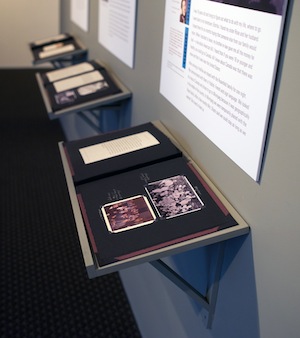
The Open Hearts, Closed Doors exhibit combines placards of mixed visual and textual material. (photo from Vancouver Holocaust Education Centre)

“One out of every 122 people alive currently is displaced. That means 60 million people,” says Phillipa Friedland, education coordinator at the Vancouver Holocaust Education Centre.

Friedland is explaining the idea behind the current exhibit at the VHEC, Open Hearts, Closed Doors: The War Orphans Project, which was originally mounted in 1997. According to the centre’s website, it is “being re-presented to provide opportunities for visitors to engage with Canadian immigration policies from a historical perspective, using case studies of Holocaust survivors from the local community.”

The exhibit – which runs to June 30 – serves as a testament and warning about the vulnerability of children in times of communal violence. It is also a memorial to the incredible resilience of so many of survivors. The words of survivor Regina Feldman are written above one of the displays: “People were saying that we were free. I didn’t know what freedom meant. Where do you go, what do you do, who will take you? I was 13 years old.”

photo - Beautifully done recreations of photo albums tell the stories of the survivors featured
Beautifully done recreations of photo albums tell the stories of the survivors featured. (photo from Vancouver Holocaust Education Centre)

Open Hearts, Closed Doors reports the staggering statistic that of the 1.6 million Jewish children in Europe in 1938, only 100,000 survived. The exhibit combines general education about those who survived as orphans with a presentation of the experiences of nine war orphans – Esther Brandt, Marie Rozen Doduck, David Ehrlich, Regina Feldman, Bill Gluck, Celina Lieberman, Leo Lowy, Leslie Spiro and Robbie Waisman – who were among the 1,123 granted permission to enter Canada in 1947.

Permission for the orphans to come to Canada came through a special Order in Council, which bypassed Canada’s racist immigration policies of the time. These restrictive policies had been developed and enforced by then-director of Canada’s Immigration Branch Frederick Charles Blair. Canada had the worst record among destination countries for Jewish refugees: only 5,000 Jews were accepted as refugees between 1933 and 1939. Between 1945 and 1948, among the 65,000 refugees allowed into Canada, only 8,000 were Jews. Chaim Weizmann, Israel’s first president, remarked in 1938, “The world seemed divided into two parts: those places where the Jews could not live and those where they could not enter.”

The 1,123 orphans of 1947 were allowed into the country on the condition that Canadian Jews take full responsibility for them. Most of the orphans came through the port of Halifax at Pier 21 and boarded trains for 38 communities across the country. The majority of the orphans, more than 790 of them, settled in Montreal and Toronto; 38 settled in British Columbia, four of whom are still alive.

Most foster families were hoping for young children, preferably girls, but the majority of those who had managed to survive were older boys: 70% were adolescent boys and only 37 of the children were under 10 years of age. The orphans came from 15 different European countries, 783 from concentration camps and 229 who survived in hiding. The resettlement project was a massive undertaking practically and psychologically, for both the orphans and their new families. The success of that undertaking can be seen in the amazing lives that so many of the refugees lived.

“This entire exhibit is about resilience,” said Friedland. In the 1950s, psychiatrists who interviewed the surviving orphans offered a bleak prognosis: these were damaged people, their ability to adapt would be limited and they would likely not live long lives. Yet, as they aged, juvenile delinquency was practically nonexistent among them. Multilingual, they quickly picked up English. As the VHEC exhibit states, “Many became not only productive members of the community but its pillars.”

Open Hearts, Closed Doors combines placards of visual and textual material with beautifully done recreations of photo albums telling the stories of the nine survivors featured. A lone glass case contains a single child’s shoe taken from an innocent sent to the gas chambers.

True to its inspiration, the exhibit does not limit its focus to the past but looks to the present and future as well. A map on one wall of the exhibit shows regions throughout the world most at risk of genocide according to the Early Warning Project. These include Myanmar, Nigeria, Sudan and others.

Open Hearts, Closed Doors perfectly fulfils the mandate of a Holocaust exhibit: it remembers the horrors and heroism of the Shoah while pointing us towards the need to protect the vulnerable everywhere.

Matthew Gindin is a Vancouver freelance writer and journalist. He blogs on spirituality and social justice at seeking her voice (hashkata.com) and has been published in the Forward, Tikkun, Elephant Journal and elsewhere.

Format ImagePosted on May 27, 2016May 25, 2016Author Matthew GindinCategories LocalTags Holocaust, Orphans Project, Pier 21, VHEC
Seek Peace initiative

Seek Peace initiative

Steve McDonald, deputy director of communications and public affairs for the Centre for Israel and Jewish Affairs. (photo from of Steve McDonald)

Every day, a handful of the approximately 500 volunteers at Road to Recovery head to one of the crossing points in Israel, pick up Palestinians who have medical permits for appointments or treatments in Israeli hospitals, and escort them there and back. Entirely volunteer-driven, this is the kind of peaceful bridge-building that rarely makes the media headlines, but that the Centre for Israel and Jewish Affairs is hoping to highlight through its recently relaunched program, Seek Peace and Pursue It.

“This program is designed to encourage Canadian individuals and organizations who are concerned about the absence of peace in the Holy Land to rethink the issue by engaging in practical, positive initiatives that help build peace from the ground up,” said Steve McDonald, deputy director of communications and public affairs for CIJA. “Rather than getting distracted by destructive initiatives like the boycott, divestment and sanctions movement, Road to Recovery is exactly the sort of thing that will bolster Israeli initiatives to bring the two sides together and keep activists focused on positive engagement.”

The idea for Seek Peace was hatched by former CIJA executive Len Rudner in 2012, after the United Church of Canada declared it would boycott Israeli settlements. At that time, CIJA reached out to UCC leaders.

“We told them BDS does nothing to advance peace or improve life for average Palestinians, we don’t think it fulfils your own interest in helping Palestinians,” said McDonald.

The efforts were in vain and the UCC continued to advocate a boycott, something McDonald says was a betrayal of average UCC members in Canada, as well as an undermining of longstanding Jewish-Christian ties in this country.

One of McDonald’s tasks is to develop CIJA’s relationship with Christian churches and leaders in Canada, many of whom are interested in Israel and want to get engaged in peace-building activities. At the end of May, he will deliver a presentation at the Toronto School of Theology to Baptist, Anglican and Catholic representatives. His focus will be on one organization: Hand in Hand, a network of Jewish-Arab integrated bilingual schools focused on mutual recognition, inclusion and equality.

“There’s tremendous interest among some of our Christian partners for this sort of work,” explained McDonald. “When they see we’re pro-Israel but not anti-Palestinian, they are somewhat surprised that the organized Jewish community is so interested in peace. We want to show them there are constructive alternatives to BDS, positive ways we can be helping build peace.”

Seek Peace is not directly about fundraising, but rather about providing a catalogue of positive initiatives. The organizations featured include Heart to Heart, where Jewish and Palestinian Israeli youth live together in a camping environment for three weeks and tackle politics, culture and identity through dialogue. There is Project Rozana, which is about delivering medical access for Palestinian-Israeli children who need pediatric intensive care, and there is Tsofen, which promotes the integration of Israel’s Arab citizens into the high-tech industry. These are just a handful of the many constructive, peace-building programs that Seek Peace is trying to bring to the forefront, organizations doing impressive work that often goes unreported.

Within a few years from now, McDonald said he’d love to see churches and synagogues partner to host events that highlight one of these particular or similar causes.

“My goal would be for this to be taken on at a local and national level by our Christian friends,” he said, “but it’s not specifically for Christians – any community can get involved.”

In Vancouver, the CIJA team already has strong interfaith relationships and is well-positioned to pitch this project to its existing contacts, he added. “I think Vancouver is a place where there could be a lot of appetite for this kind of thing,” he said.

For more information on Seek Peace, visit cija.ca/resource/seek-peace-and-pursue-it.

Lauren Kramer, an award-winning writer and editor, lives in Richmond. To read her work online, visit laurenkramer.net.

Format ImagePosted on May 27, 2016May 25, 2016Author Lauren KramerCategories NationalTags CIJA, Israeli-Palestinian conflict, peace, tikkun olam
Learn ballroom, Latin

Learn ballroom, Latin

Dmitry Rusak with Diane MacKenzie win first place silver level at the Grand Ballroom Competition in Richmond on June 23, 2012. (photo from Dmitry Rusak)

Crimea may seem an unlikely place to embark on a journey into the world of competitive dance, but that is exactly where Dmitry Rusak discovered his passion and launched an international career.

Rusak, a local ballroom and Latin dance instructor, was born and raised in the city of Sevastopol. He began ballroom dance lessons at the age of 7 after a well-known (Jewish) dance instructor and his wife had moved into town and opened a dance school. Rusak’s father – a ballroom dancer himself – encouraged the young boy to take lessons. By the age of 10, Rusak was hooked. He decided to forgo other interests, such as soccer and swimming, in order to commit to dance. He hasn’t looked back.

Rusak’s first dance partner was a girl named Helena. She would bus an hour each way to attend lessons at the school. When they were 10 years old, the pair started to travel around the former Soviet Union to compete in both ballroom and Latin dance. They danced together for approximately five years, progressing through the different divisions and often placing first. They also competed in formation dance, a style of ballroom dance that is characterized by eight couples shadow dancing in a formation team. In fact, Rusak’s first international competition was in formation dance, which took him to Germany at the age of 17.

After high school, Rusak served his two years of mandatory military service as a dancer in the Song and Dance Ensemble of the Black Sea Fleet. The troupe focused on national dance so, when traveling abroad to perform, Rusak was given special dispensation to join his former partners from the Sevastopol dance school to compete in ballroom dance.

After completing his army service, Rusak made plans to move to Israel in search of better opportunities than those that existed in Crimea. He made aliyah at 21 and describes it as an easy process. Although he missed his family, the transition was facilitated by his connection to a Jewish Moldovan dance instructor with a studio in Bat Yam.

Rusak settled in Holon, integrated into the dance community and partnered with a dancer named Viktoria, also originally from Crimea – the two were already acquainted from having competed against each other in earlier years. They married three years after becoming dance partners and, by this time, Rusak’s parents and brother had joined him in Israel.

Rusak lived in Israel for 15 years. During that time, he and his dance partners were Israel’s reigning champions in ballroom, Latin and Ten Dance (waltz, foxtrot, quickstep, tango and Viennese waltz, along with rumba, samba, paso doble, cha-cha-cha and jive). He competed internationally for many years, including in Holland, France and Germany, and won prizes and accolades at each turn.

Rusak had a studio in Rishon LeZion, where he taught ballroom dance to approximately 100 students of all ages, from young children to septuagenarians.

In 2010, Rusak and his wife decided to move to Canada. The financial crisis of 2008 had taken a toll on the viability of the dance studio and Rusak was keen to take his skills elsewhere. The couple also was tired of the matzav, or situation, and wanted to raise their children somewhere more peaceful. Laughing, Rusak added that they found Israel’s climate “too hot” and struggled to adapt because “the mentality is so different.”

The couple settled in Burnaby, where they have family. Since their arrival, Rusak has been teaching group and private lessons at dance studios in Burnaby and Vancouver, including at the Jewish Community Centre of Greater Vancouver (JCCGV).

For the past three years, Jewish community members Aron and Neri Tischler have been taking ballroom and Latin dance lessons with Rusak at the JCCGV. The couple, married for almost 34 years, was motivated to take group lessons because they “thought it would be fun to have a regular date night and learn something new together.” When they discovered that they “really enjoyed Dmitry’s lessons, dancing with one another, and wanted to get better,” they decided to take private lessons as well, to “ensure couple time and improve our dancing.”

Neri Tischler said Rusak “breaks down the steps so well that even the clumsiest person can catch on!” Moreover, she added, the women in her class refer to the lesson as “therapy” because it “takes you out of everything that is going on in your life, forces you to focus on the beat of the music, the steps and your partner, and just be in the moment, which is pure joy.”

Rusak’s dance skills are varied. He choreographs wedding dances for couples and teaches ballroom and Latin dance to students of all ages and abilities, including those in wheelchairs. In addition to private and group lessons for adults, his plans for the fall include ballroom dance classes for children as well as for women interested in participating in pro-am (professional-amateur) competitions across Canada. He prides himself on working to meet the different goals and needs of various students, including improving strength, endurance, coordination, posture and sense of rhythm. He believes that “being active and able to perform meaningful dance movements to different musical rhythms is necessary for the harmonious and balanced development of a person and their dance skills.”

Rusak described life in Canada as “great” and reserved special accolades for Vancouver’s Jewish community, who “welcomed us here and helped us to get settled.” He enjoys teaching at the JCCGV for two main reasons, he said. First, he recognizes the influence of his Jewish dance instructors on his career and he is eager to share his skills and passion with members of the Jewish community. Second, he is impressed by the level of commitment of his students at the community centre, many of whom he has taught for several years – their skills will be on display at the Dena Wosk School of Performing Arts year-end show on June 5.

For more information on dance classes with Rusak, call him at 778-928-4086, email him at [email protected] or visit ballroom4u.com.

Alexis Pavlich is a Vancouver-based freelance writer.

Format ImagePosted on May 27, 2016May 25, 2016Author Alexis PavlichCategories LocalTags ballroom dancing, JCC, Latin dancing, Rusak
Sarcophagi returned to Egypt

Sarcophagi returned to Egypt

(photo from Israel Antiquities Authority)

One of two Egyptian sarcophagi covers – one dating to between the 10th and 8th centuries BCE (Iron Age) and the other to between the 16th and 14th centuries BCE (the late Bronze Age) – that were seized by Israel Antiquities Authority (IAA) inspectors four years ago while checking shops in the market of Jerusalem’s Old City. In a short ceremony on May 22, they were returned to Egypt. Egyptian ambassador Hazem Khairat expressed Egypt’s appreciation for all the efforts made by the Israeli authorities to return these smuggled antiquities to their country of origin.


Format ImagePosted on May 27, 2016May 25, 2016Author Edgar AsherCategories IsraelTags Egypt, Israel, Israel Antiquities Authority, Khairat, sarcophagi
Stop negotiating, says Pipes

Stop negotiating, says Pipes

Gina Faigen, daughter of the late Dr. Morris H. Faigen, who founded the annual Faigen Family Lecture Series, with this year’s speaker Daniel Pipes. (photo by Jocelyne Hallé)

Israel should stop trying to find a negotiated solution that provides a mutually agreeable resolution to the conflict with Palestinians, says Daniel Pipes, and instead declare victory and force the Palestinians into the realization that they have been defeated.

Pipes, a commentator and historian who is president of the Philadelphia-based Middle East Forum, made the comments in Vancouver May 9 at the fifth annual Faigen Family Lecture.

The idea of land for peace, in which Israel gives up concrete real estate for the “ephemeral idea” of peace, has failed, he said.

“We can all agree that the Israelis do not have more peace for giving up Gaza and parts of the West Bank,” said Pipes. “It’s not working.” Instead, he said, Palestinians view Israeli concessions as a sign of weakness and this has led not to increased peace, but to increased hostility.

“Rather than mediation and compromise and painful concessions, such has been the case, how about something different?” Pipes asked. “How about Israel wins and the Palestinians lose? How about Israeli victory?

“Victory is not a term you hear much,” he continued. “People talk about a peace process, negotiations, but this is a conflict, this is a war. It’s been a war for a century. And an end comes to a war when one side acknowledges that it’s lost, that the gig is up, that it cannot win.”

Germany lost the First World War, Pipes said, but they didn’t feel defeated. They wanted another round and they got it in 1939. After 1945, the Allies realized they had to demilitarize Germany and Japan, to demonstrate that they had been conclusively defeated.

“Defeat is sanitary,” said Pipes. “Defeat allows you to move on.… I think that’s what the Palestinians need. Not only for Israel’s sake – obviously for Israel’s sake – but also for the Palestinians’ sake. Only by being defeated can the Palestinians stop obsessing over harming Israel and instead start building their own polity, culture, society. It’s good for everyone, Palestinians as well.”

Pipes clarified: “I’m not calling for killing Palestinians.” The idea is to impose on Palestinians the sense that they have lost.

“There’s no point in getting into the details,” he added.

He would like to see Western governments adopt policies that would urge the Israelis to win the conflict.

“We don’t go to the negotiating table. It doesn’t work. We need to win,” he said. “Let’s give up on this failed, decades-old effort to have the Israelis give more and the Palestinians take more and give nothing in return.”

Questioned by an audience member on what victory would look like, Pipes said: “You’ll know that Israel has won when the Jews of Hebron have no more need for security than the Arabs of Nazareth … when an irate Palestinian writes a strongly worded letter to the editor.”

Pressed on how such a victory would be achieved, Pipes at first demurred.

“I did not talk about how to get there because I would encourage you to see things this way,” he said, before giving some examples.

“The other day there was shooting out of Gaza. The Israelis replied with shooting back into Gaza,” he said. “Wouldn’t it be more effective to cut off the water and electricity for a day? The next time two days? Wouldn’t that send a signal? Why don’t the Israelis do that? Because they don’t have a plan for victory.”

Until 1993, Pipes said, Israel strove for victory.

With the Oslo process that began in 1993, and after, Pipes said, Israel adopted a policy of appeasement. When that failed in about 2000, they adopted a policy of unilateral withdrawal from Lebanon and Gaza.

“And, since about 2006, there’s been no policy at all,” he said. “I think we should return – it’s not my idea – return to the old ways.”

Palestinians need to realize that their strategy isn’t working, he said.

“They’re engaging in suicide stabbings and other atrocities because they think this will help the Palestinians win,” he said. “If you can convince them there’s no chance of this working, why would a sane individual – and these are, they’re perfectly normal – why would they give up their lives? They believe that they are on a path to victory. Convince them that they are not on the path to victory and I think they will be less likely to engage in this kind of violence.”

Pipes acknowledged that people say the Palestinians will never accept defeat.

“But I say, the Germans did, the Japanese did,” said Pipes. An audience member noted that the Palestinians have an international support network that the Germans and Japanese did not.

“They do,” Pipes responded. “All those professors of English.… In the end, what really counts is, for example, water and electricity.”

While Israelis and Americans are trying to find creative ideas to hasten peace, “Palestinians aren’t playing around with creative ideas,” he said. “They’re killing.”

If the Palestinians can be convinced to give up the fight against Israel, Pipes believes that the rest of the Arab and Muslim world will similarly give up. He called Palestinians “the tip of the spear,” saying it’s hard to be more anti-Zionist than the Palestinians.

Though Pipes believes Arab and Muslim states may be tiring of losing to Israel, “I don’t see any fatigue at all” among leftists who are rallying against the Jewish state.

About the United States, Pipes said President Barack Obama seems to think that U.S. foreign policy before him has been a force for ill rather than for good in the world. Obama is making overtures to the traditional enemies of the United States, including Cuba and Iran, and paying less attention to allies, such as Egypt and Saudi Arabia, said Pipes.

Were Donald Trump to find himself president of the United States, Pipes worries that the “consummate dealmaker” would, like all his predecessors, fail at facilitating an agreement between the Palestinians and the Israelis.

“He would call them in, he would give them his instructions, they would reject him and he would blame guess who?” Pipes speculated. “I suspect he would turn against Israel.”

The Faigen Family Lecture Series – which is held in partnership with Vancouver Hebrew Academy – was founded by the late Dr. Morris H. Faigen, who passed away in 2012. The evening was introduced by his daughter, Gina, who said her father wanted a forum for conservative perspectives on Israel but also one where people with a more liberal perspective, like her, could engage.


Format ImagePosted on May 20, 2016May 18, 2016Author Pat JohnsonCategories IsraelTags Faigen Lecture, Israel, Palestinians, peace
Making healthy connections

Making healthy connections

High-tech entrepreneur Galya Westler is at TEDxStanleyPark on May 28. (photo from Galya Westler)

The social media available to help us connect with one another are ever-increasing, but they are not always effective. In fact, they often have the opposite effect – when we realize the relations they engender are illusory, we experience feelings of loneliness and inadequacy. So says Galya Westler, a local high-tech entrepreneur, who is creating a simpler, more intimate solution to connect people with their respective communities.

In keeping with the theme of “Ideas to Action,” Westler – along with 14 other local thought leaders – will take the stage at the third annual TEDxStanleyPark on May 28 at the Queen Elizabeth Theatre. She will deliver a talk entitled Social Media Obesity and Loneliness. She will discuss the growing phenomenon of social media addiction, recount her personal experiences in trying to connect with others during a particularly traumatic period in her life and explore how to use technology to overcome a social media addiction.

According to Westler, too many people suffer from what she terms “social media obesity,” or an addiction to social media, and are “pigging out on selfies of attention.” Moreover, in their effort to be noticed, social media addicts often lose appreciation of how they act in the online world – and exaggerations serve only to enhance the gap between online personas and reality. The ultimate consequence: feelings of inadequacy, disappointment, depression and loneliness.

Westler examines the subject from the point of view of a social media developer with a decade of experience in creating or enhancing online communities. This summer, she will launch Plazus Mobile Social App Builder, her most ambitious social media application platform to date.

Born in Montreal, Westler grew up in Ra’anana after her Israeli parents returned home upon her father’s completion of his PhD at the University of Montreal.

She served as a commander of a radar post in the Gaza Strip during her mandatory military service with the Israel Defence Forces. She describes her experience as “amazing” and “life-changing.” Introverted and lacking confidence in high school, she said her army service – carried out in a male-dominated environment – enabled her to blossom into an outgoing and hardworking soldier who rose to challenges. She would carry this learned lesson with her as she pursued higher education.

Despite an affinity for the humanities, Westler enrolled in Shenkar College’s four-year software engineering program. She had been counseled to do so by her father, a senior high-tech professional in Israel, who told her: “If you study software engineering, the doors will open for you.”

The program was challenging and Westler struggled – not only with the material, but also with the pressure from those around her who suggested she give up and drop out. This discouragement only strengthened her resolve and she persevered to finish the program. Of the 40 students who had enrolled with her, only 11 completed their studies. Westler was the only female graduate.

After a year of working in Israel’s high-tech industry, Westler decided to move back to Canada, settling in British Columbia. She worked for a number of tech companies before opting to incorporate her own, giving her the independence she sought. “I did the corporate-ladder thing, but never quite fit in,” she said.

Since incorporating her first company, 2Galvanize Ltd., in 2008, Westler has built close to 100 websites, mobile applications and backend systems for different companies, including the Yellow Pages. She specializes in creating private social “ecosystems,” or networks, that enable people to communicate on an “authentic” level, unlike other social media sites that she describes as too big and overwhelming to navigate and digest. Her mission is to create systems that support efforts that enable people to communicate in a manner emblematic of times past: “more intimate, more humbly and, very importantly, in small groups.” This led to her involvement with Bazinga, an app that connects building residents to their strata councils, and Wag Around, an app that connects dog owners and facilitates interactions offline.

Simplifying genuine communication between people and their respective communities is what motivates Westler to develop new tools. “The reason I do the work I do is because I truly want to connect people, and the best way to do that is to give them an excuse to connect based on common interests,” she explained.

Westler’s newest commercial development, Plazus Mobile Social App Builder, applies the principle of connecting people in the business realm as a means of facilitating dialogue or enhancing brand. The name combines the words “plaza” and “us,” a tongue-in-cheek homage to more traditional ways of communicating.

Set to launch at the end of June, Plazus is a B2B (business to business) social media tool that will provide a company or organization with an easy, structured and relatively inexpensive way to connect with their customers and communities in their own social ecosystems. It seeks to do this functionally, interactively and in an esthetically appealing manner.

Westler is filled with anticipation as her two seed investors, a team of 10 techies and more than 60 early-adopter customers, eagerly await the launch of Plazus Technologies’ beta product.

Westler credits many of her entrepreneurial successes in Canada to her Israeli chutzpah. Although she misses Israel, particularly Tel Aviv’s culture and lifestyle, and acknowledges that research and development thrives in Israel because of wonderful talent, she said that her seven years in Vancouver have been “amazing … it’s paradise.”

Westler’s goal is to continue to grow her business and open offices in both Vancouver and Tel Aviv, which would enable her to travel regularly between the two places in the world she loves most.

She said it is important for her to stay connected to Israel for both personal and professional reasons, and she has spoken in Israel about her work and her entrepreneurial path on more than one occasion, including to a women’s Lean In Circle at Google’s office in Tel Aviv and at StarTAU, Tel Aviv University’s Entrepreneurship Centre.

True to her commitment to connect individuals with like-minded community members, Westler herself is involved in a number of different groups and causes. She serves as president of the Vancouver Entrepreneurs Toastmasters Club and is active in several other local business organizations.

For more information about TEDxStanleyPark, visit tedxstanleypark.com or email [email protected].

Alexis Pavlich is a Vancouver-based freelance writer.

Format ImagePosted on May 20, 2016May 20, 2016Author Alexis PavlichCategories LocalTags app, entrepreneur, high-tech, Plazus, TEDxStanleyPark, Westler

Posts pagination

Previous page Page 1 … Page 252 Page 253 Page 254 … Page 322 Next page
Proudly powered by WordPress