Skip to content
  • Home
  • Subscribe / donate
  • Events calendar
  • Business Directory
  • FAQ
  • News
    • Local
    • National
    • Israel
    • World
    • עניין בחדשות
      A roundup of news in Canada and further afield, in Hebrew.
  • Opinion
    • From the JI
    • Op-Ed
  • Arts & Culture
    • Performing Arts
    • Music
    • Books
    • Visual Arts
    • TV & Film
  • Life
    • Celebrating the Holidays
    • Travel
    • The Daily Snooze
      Cartoons by Jacob Samuel
    • Mystery Photo
      Help the JI and JMABC fill in the gaps in our archives.
  • Community Links
    • Organizations, Etc.
    • Other News Sources & Blogs
  • JI Chai Celebration
  • JI@88! video

Recent Posts

  • SFU honours Gloria Gutman
  • Lifting people’s spirits
  • Wedding a ray of light
  • Indigeneity and Zionism
  • Rule of law broken: councilor
  • Football and its roles
  • The burden of defence
  • Fish Café returns after fire
  • All right in what goes wrong
  • Nuns & mermaids at TUTS
  • Camp offers holiday retreat
  • Students and mentors inspire
  • Once-in-a-lifetime trip
  • 100 dancers, one heart
  • Money for the sciences
  • What “Jewish food” means
  • Have a cookie, schnitzel too
  • Federation now across BC
  • Israel fighting for its existence
  • Deal strengthens Iran
  • Patriotic belonging diminishes
  • A campaign to engage
  • Upstanders’ first live event
  • Responding to Carney
  • Having your own home
  • Music a family tradition
  • Musical to warm heart
  • Community milestones … June 2026
  • Sharing her passion for Israel
  • Or Shalom reopens its doors
  • JFS from past to future
  • Need holistic approach
  • Sharing stories, advice
  • Journalist shares fears
  • Skills to live together
  • Road to independence

Archives

Follow @JewishIndie
image - CJN box ad Rockowers 2026

Byline: Rebeca Kuropatwa

New Loran Scholars

The Loran Scholars Foundation has selected a new class of Loran Scholars. Each of the 30 scholars receives a Loran Award valued at up to $100,000 over four years, including mentorship and a summer program. Loran Scholars may attend one of 25 partner universities.

“I was ecstatic to discover I had been selected,” said Hannah Lank, a Grade 12 International Baccalaureate student at Kelvin High School in Winnipeg, of her Loran Scholarship win.
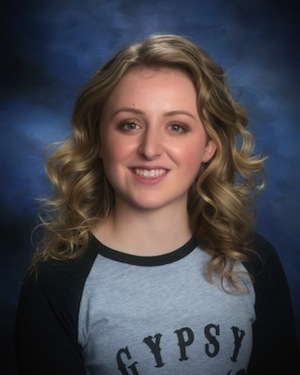
photo - Hannah Lank
Hannah Lank has earned a $100,000 scholarship over four years. (photo from Hannah Lank)

Lank was selected from some 70 students across Canada, chosen to attend the final interviews in Toronto. “We had two days of interviews,” said Lank. “Everyone was so accomplished. It seemed impossible for the judges to choose.”

Loran Scholars are chosen for their character, commitment to service and outstanding overall leadership potential through a three-month selection process. This year, the Loran Scholars Foundation received 3,800 applications from schools across Canada. Approximately 400 semi-finalists were interviewed in 22 cities and 76 finalists advanced to national selections in Toronto.

Lank is known for her work with food-allergy awareness. Being allergic to peanuts and tree nuts, Lank sits on a youth advisory panel for Anaphylaxis Canada. She gives talks to Grade 9 classes at her school about food allergies and how to use Epipens, or auto-injectors. Before the year’s end, she will have educated more than 1,000 students on the topic.

Lank also created and regularly updates a teen blog about food allergies, teenwithfoodallergies.com. “I post tips about living with food allergies and I have held nut-free bake sales at school to raise money for Anaphylaxis Canada,” she said.

Lank fills the rest of her time with community service. She is president of the student council, editor-in-chief of the school newspaper for the last three years, part of the social justice committee, and is on the basketball and cross-country teams. Over and above this, Lank also finds time to serve as a peer tutor for physics, math and chemistry, and be an inner-city mentor at Machray School.

“I have been brought up in a Jewish family,” said Lank of her background. “My parents always emphasized to me the importance of education. I think that being raised as a Jew forces you in some ways to be more acutely aware of the world around you. As Jews, we are often asked to defend our beliefs about Israel, our community and our world and, therefore, we must be prepared to answer these questions responsibly and intelligently.

“My parents have always encouraged in me a love of learning, tolerance and understanding, and the power to stand up for your beliefs and believing in yourself. I don’t think these are Jewish qualities, per se, but I do believe that they were emphasized and perhaps enhanced by our faith.”

Lank has known about the Loran scholarship since entering high school, but became more acutely aware of it when a boy from her school won the scholarship last year.

Many consider the Loran to be Canada’s most prestigious scholarship. It is valued at up to $100,000, which pays for tuition, residence, allows for a living stipend, summer programs, a mentorship program and other opportunities.

In Manitoba, there were approximately 10 students sent to regional interviews, which consisted of a day at the University of Manitoba, where each candidate was interviewed by prominent members of the community. “We were told the very next day if we had been selected to proceed to nationals,” said Lank.

To prepare for the national interviews, Lank spoke to past scholars to learn more about the process, but the interviewers are different each year and the questions asked are based on individual applicants.

“If you’ve altered the truth (on the application) and are asked about it, you won’t look very good in front of the judges,” said Lank. “I practised answering questions based on my application with my history teacher but, other than that, I just read over my answers.

“I knew that whatever I was asked, I would respond honestly. Everything I listed on my application was something I had done. I just had to be me.”

Lank found out she had won the day after the interviews. “It was an unbelievable moment,” she said. “I am still shocked from the overwhelming nature of the weekend. I still don’t think the news has fully sunk in.”

The Loran foundation is highly involved in each scholar’s life for the four years of his/her undergraduate degree to ensure they have the needed support to achieve their full potential.

One of the requirements is that scholars study at a university outside of their home province. Lank is considering studying at the University of Toronto’s Trinity College (where she has been accepted) or at McMaster University’s arts and science program (acceptance still pending). Her parents fully support both options.

Lank said she encourages anyone interested in having their university experience enhanced and exploring their world in a new way to apply for a Loran scholarship. While many scholarships are based on financial aid, the Loran is based on merit and not necessarily on what you have done in the past, but on the potential the judges see in you for the future.

“If you are passionate about living life as a leader, committing yourself to service in the community and working hard but also enjoying life, you should apply,” said Lank. “You do not have to have exceptionally high marks to apply. If you are genuine in everything you do and truly want to make yourself and your community better, you are a worthy applicant.”

If you still have a few years to go before applying, Lank suggested pinpointing an interest you are passionate about and pursuing it. For Lank, that was food allergies, but she is also involved in a wide range of other activities.

“Try whatever you’re interested in,” said Lank. “Don’t be involved in something because you feel it will help you win a scholarship or look good on a resumé. There are lots of meaningful ways to become involved in your local/school community.

“Everyone has a passion. You just have to find it. It may take a few tries and a bit of work, but it’s a rewarding process. And, if you meet some people along the way and discover a few new interests, it’s a worthwhile experience, I think.”

Her final words of advice (for now)? “Don’t be afraid to try new experiences. Step outside your comfort zone and explore your world. You’re never too young to be a leader, an explorer or an innovator. That fearlessness combined with drive and hard work can get you anywhere you want to go. Never be disheartened by failure. If you believe in yourself, you’re destined for great things.”

Rebeca Kuropatwa is a Winnipeg freelance writer.

Posted on May 29, 2015May 27, 2015Author Rebeca KuropatwaCategories NationalTags Hannah Lank, Loran Scholars Foundation
Grant-winning video

Grant-winning video

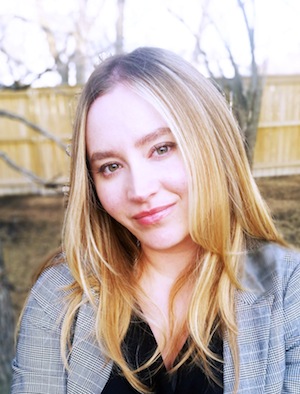
A screenshot from Erin Goldberg’s winning entry to the NSERC competition.

The public has voted, the judges’ scores have been tallied and the results are in. The 15 winners of Natural Sciences and Engineering Research Council of Canada’s Science, Action! video contest have been revealed. Jewish community member and University of Manitoba student Erin Goldberg joined McGill’s Ira Sutherland and University of Guelph’s Morgan Jackson in the top three.

may 29 Health.29.Erin Goldberg-photo by Marc Goldberg
Erin Goldberg (photo by Marc Goldberg)

Goldberg, a survivor of childhood cancer, is now 26. She has always gravitated to the sciences, she said. “I especially love biology and chemistry so, naturally, that was always a part of my education. I was able to take my first nutrition course at the U of W [University of Winnipeg], which solidified my interest in the subject. After switching to the U of M [because of their nutrition program], I fell in love with it.”

Goldberg is an animal lover who enjoys doing yoga in her spare time. She began taking university courses at the age of 15 at the U of W Collegiate, and graduated a year early by doing course work through the summers. She is currently preparing to defend her thesis at U of M.

Goldberg has always been a creative person and enjoys translating her research in a way that is understandable to laypeople, she said, so she was ready for the NSERC competition. She also had participated in the 2013 3MT (Three-Minute Thesis) competition at U of M, which involved explaining her research in basic terms in three minutes. Regardless, she said she was still apprehensive about the NSERC competition; it is open to any student in Canada holding an NSERC grant, which numbers in the thousands. “I didn’t know what to expect,” said Goldberg, who said she was ecstatic when she learned that her video was one of the 32 chosen to move to the second round.

On April 7, she received notification that she was a winner. The email read, “After careful consideration by our panel of judges, your video was selected as one of the top three entries (English submissions). They felt your video told a compelling story and exhibited an exceptional grasp of quality science communication.” Besides the recognition, Goldberg will receive a $3,000 prize.

Goldberg’s 60-second video explains her latest research project, which was funded through NSERC. It involved feeding hempseed and hempseed oil to hens to enrich their eggs with omega-3. “Ironically, humans are allowed to consume hemp, but we can’t feed it to livestock, due to concerns over THC accumulation [the psychoactive compound in marijuana],” said Goldberg about the hempseed feed. “There is actually a very miniscule trace of THC in most hemp products, so there is really little risk, but the Canadian Food Inspection Agency requires several research trials to prove this, which is what our lab group is doing.”

Goldberg’s research proved that these two ingredients are safe and effective, even at the highest possible dose, and that there is no risk in feeding hempseed to chickens. In subsequent research trials, Goldberg designed different vegetable oil blends to boost the levels of DHA in eggs. “We found that feeding a higher ratio of saturated fat, called linoleic acid (an omega-6) and oleic acid (on omega-9), can reduce the competition between omega-3 and -6, leading to greater deposition of these critical fatty acids.”

In her thesis, Goldberg examined the impact designer diets have on the fatty acids and sensory properties of the eggs of laying hens. She was able to create omega-3 eggs using novel ingredient blends (like hemp, canola and flax), and then test the egg yolk for fat profile, aroma and flavor. The egg white remains the same regardless of what you feed the bird, so the changes only occur in the yolk, she explained.

Goldberg’s interdisciplinary research was conducted at U of M’s Fort Garry campus, in the poultry barn in the animal science, food science and human ecology buildings. She completed some of her research at the Saint Boniface Research Centre, as well.

“I love that it is interdisciplinary research,” said Goldberg. “I combine my interest in sensory with analytical work. I’m fully involved from start to finish, and like that I can combine my love of animals (i.e. taking care of my birds) with my analytical work.”

Although the cancer that Goldberg had as a 6-year-old was spontaneous, she said she believes that diet plays a major role in the development of many diseases, including Type-2 diabetes, heart disease and certain cancers, such as colon and breast cancer. “I believe in disease prevention through maintaining a healthy lifestyle, (including a proper diet), which would also ease the burden on our medical system,” said Goldberg. “Because I love educating people, I also teach an undergraduate nutrition course at the U of M, called Food – Facts and Fallacies.”

Goldberg feels is it critical to focus on omega-3s. “Omega-3 fatty acids are essential in our diet,” she said. “We must consume them in our food. They are critical for normal growth and development, and have a large impact in reducing inflammation in the body, which can prevent the development and progression of numerous diseases.

“A lot of research has focused on the health benefits of the longer chain omega-3 fatty acids, EPA and DHA in particular, which play a key role in brain and eye health, as omega-3s contribute to membrane fluidity. These fats are especially critical in a child’s proper development.”

The benefits spread across the lifespan, but in infant/child development, they are mainly related to cognitive/visual function and, in adults, the major benefits are mostly in the progression or prevention of Alzheimer’s, dementia, cancer and cardiovascular disease. Omega-3s can also lower triglycerides.

Research has shown that the best source of available omega-3 comes from fatty fish, like wild salmon; farmed fish have significantly less. Omega-3-enriched eggs are an excellent source for those who cannot or do not consume fish, for example, if someone is allergic to fish or is vegetarian. They are a safe, economically viable alternative.

“You can also get omega-3s from plant foods, like hemp, flax, walnuts, canola oil and chia seed,” said Goldberg, of those who prefers to get their omegas through vegan sources. “But, your body must convert a proportion of ALA into the longer-chain EPA and DHA, and this is inefficient (and possibly insufficient) in most adults.

“In omega-3 eggs, if you choose eggs from hens fed both flax and fish oil, you’re getting a great source of both ALA and EPA/DHA. My dietary blends help to eliminate the need for fish oil in the hen diet (which is expensive), because the laying hen can convert more ALA to EPA/DHA than can humans.”

Goldberg feels it is critical to encourage women to enter the STEM fields – science, technology, engineering and mathematics – and to pursue advanced education. She believes the payoff is well worth the investment. “I’d also encourage people to think critically about the nutrition messages they hear in the media,” she said. “When in doubt, look to the research or consult a dietician for nutrition advice.

“I also recommend people use supplements with caution. Sometimes it’s necessary (like taking Vitamin D3 supplements, because we do not get enough sunshine) but, in general, I recommend people consume whole foods first and use supplements to supplement a healthy diet, not to replace it.

“Functional foods, like omega-3 eggs, are a great way to consume foods that are enhanced with certain nutrients to protect against diseases and maintain a healthy body.”

Rebeca Kuropatwa is a Winnipeg freelance writer.
Format ImagePosted on May 29, 2015May 27, 2015Author Rebeca KuropatwaCategories NationalTags Erin Goldberg, health, NSERC, omega-3
Early detection is key

Early detection is key

Left to right: Dr. Alon Friedman, Jayson Dzikowicz, Dr. Michael Ellis and Benedict Albensi. (photo by Rebeca Kuropatwa)

It has been known for years that there is a connection between brain injuries and diseases like Alzheimer’s, autisms and epilepsy, but early detection and possible prevention still elude us.

This was the message Ben-Gurion University’s Dr. Alon Friedman relayed at a recent brain-injury panel discussion, hosted by the Canadian Associates of Ben-Gurion University in Winnipeg. A professor in the medical faculty at Dalhousie University, Friedman was joined by Dr. Michael Ellis of the Pan Am Clinic Concussion Program; Dr. Benedict Albensi of the University of Manitoba and St. Boniface Hospital; and Jayson Dzikowicz of the Blue Bomber Alumni Association. The discussion was moderated by Charles Laflèche of St. Boniface Hospital Foundation.

Friedman opened with remarks on the work being done in the field of brain injuries at BGU and broke the discussion into two topics: traumatic brain injury and brain deterioration due to age.

“The money that we as a community spend on traumatic brain injury and on the outcome is tremendous,” said Friedman. “Sport injury is only one small part of it. Mostly, it’s road accidents and falls.

“We are getting into the 21st century and the average [life] expectancy in Western countries is around 80-to-90-years-old. Most of us will live at least until 90 or 100. The price is that we will all probably die with a brain disorder.”

According to Friedman, what is clear with all of the diseases is that we lose a lot of brain tissue before we see any symptoms. “The main problem is that we don’t understand how the diseases are generated. [Over] the last decade, we are trying to look differently at the brain.”

Researchers are now starting to look at the brain as a whole entity, including different cells that interact and communicate with one another all the time.

“While the brain gets the most blood to supply it with the elements it needs, blood does not enter into the brain tissue normally,” said Friedman. “The brain has its own environment protected by what researchers call ‘the blood-brain barrier.’ This separation allows the nerve cells in the brain to act in a very accurate and stable condition, regardless of what’s happening in the blood. A brain injury occurs when this barrier is broken.”

BGU learned more about this barrier by studying a group of football players in Be’er Sheva. “The reason we did it with football players is we knew it would attract the media much more than others, unfortunately,” said Friedman.

To help the audience grasp what football players face, Dzikowicz, who is a former player, shared his experiences with the panel. He has had approximately nine concussions. “Usually, one is more than enough to take people out of sports,” he said. “In business, if you’re faulting, it’s a long process to replace you. In sports, your replacement is standing 30 feet away…. You’re heavily motivated to stay on the field despite injury.

“When it became an issue with me … if you ever rub your eyes a lot and you see those circles … when I had those circles permanently, and when I got hit in the head and they’d be pulsing and flashing for weeks on end, that’s when I got the message that maybe I should stop playing.”

In the 1990s, when Dzikowicz played the game, his coaches’ main reaction was to say that he had “had his bell rung.” Dzikowicz went on to explain, “You got two plays off, you got some smelling salts and you got tapped on the butt and sent back on the field.”

Run by Ellis, the Pan Am Clinic Concussion Program treats children who have had concussions – the program focuses on kids with head injuries. “It’s a very unique partnership between Pan Am, the Children’s Hospital and our provincial government – multidisciplinary care for the children of Manitoba with mild, traumatic brain injuries,” he said. “Patients with more severe injuries go to the Children’s Hospital. We see 40-60 children a week.

“Fortunately, the vast majority of children who sustain a concussion will recover within two to three weeks, but we know that there’s a certain proportion, about 30-40%, who will have symptoms that will last longer.”

Some kids will have headaches or visual/reading abnormalities, issues with balance or develop mood disorders. The focus of the Pan Am program is to bring together experts from various fields to meet the needs of each individual patient.

While collaborative research on brain tumors and Alzheimer’s is being conducted, less is known about the connection between concussions and epilepsy. About the connection between brain trauma and epilepsy, however, Albensi said, “There’s certainly very good evidence that head trauma can lead to neurodegenerative disease…. The question is how many patients with TBI [traumatic brain injuries] develop epilepsy?”

At BGU, the focus is on using MRI to get better pictures of brain injuries and comparing them with images of normal brains. At Pan Am, researchers are developing an MRI brain stress test and looking at blood flow within the brain.

All the panelists agreed that treatment would be more effective with early detection. “Unfortunately, if someone has full-blown Alzheimer’s, the chances of reversing and changing the situation is almost impossible,” said Friedman. “The only chance … is early diagnosis.”

One of the biggest hurdles is getting those who are experiencing memory loss to see a doctor early enough and for the doctor to send them to a specialist without dismissing the memory loss as “normal.”

“There is a lack of awareness, because people don’t think that there’s something to do,” said Friedman. “Patients can go to early diagnosis in every large hospital today. There is general advice to be made and practice for detection, for treating.”

“I think that what we agree on is that there is some risk in families,” added Albensi. “It’s basically impossible to predict if a parent had Alzheimer’s whether his/her son or daughter will have it. Early diagnosis is more important.”

Albensi explained, “What we study in my laboratory as far as the inflammatory response are transcription factors, which are specialized proteins involved long term in the inflammatory process. And, it’s getting the brain to turn off this inflammatory process, in my view, that is key to reducing the risk for these neurodegenerative disorders.”

“The brain can change itself any time in our life,” said Friedman. “The fact that we can learn means the brain can change, at any age. In any condition basically after a trauma, whether emotional or physical, I don’t think it’s that important, but it’s possible.

“Inside a person, stress is a very important factor against brain plasticity. If we are motivated to change our brain, we can find ways to do it and help ourselves.”

Rebeca Kuropatwa is a Winnipeg freelance writer.

Format ImagePosted on May 29, 2015May 27, 2015Author Rebeca KuropatwaCategories LifeTags Alon Friedman, Alzheimer's, autism, Benedict Albensi, brain, concussion, dementia, epilepsy, Jayson Dzikowicz, Michael Ellis
ISIS destroys cultures, history

ISIS destroys cultures, history

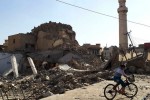
In July 2014, ISIS destroyed the Tomb of Jonah, the biblical prophet revered in Judaism and Islam, which was in the Iraqi city of Mosul. (photo from news-centre.uwinnipeg.ca)

The Islamic State of Iraq and Syria (ISIS) is disconnecting the present population from its past, and they will stop at nothing to achieve this goal, including murdering civilians and destroying cultural, religious and historical sites that interfere with their beliefs.

These were the sentiments shared by Winnipeg-based archeologist Dr. Tina Greenfield, who has worked in the Near East and conducted fieldwork in Turkey and northern Iraq under the threat of ISIS. Her University of Manitoba biography says that she is co-director of the Near Eastern and Biblical Archeology Laboratory (NEBAL) in Winnipeg, and is actively analyzing animal bone collections from Tel es-Safi and Tel Burna in Israel, Ziyaret Tepe and Gol Tepe in Turkey, and several sites in Iraq. Her lecture at the University of Winnipeg – ISIS and the Destruction of Archeological Sites in Iraq – was held on April 23.

photo - Dr. Tina Greenfield is working to document archeological sites
Dr. Tina Greenfield is working to document archeological sites. (photo from umanitoba.ca)

She prefaced her talk by noting that keeping the population safe is, by far, more important than the artifacts on which she has worked. She then outlined the level of destruction that has occurred to some of the world’s oldest cities, and how she narrowly missed the expansion of ISIS in Iraq last year.

“I’m going to try to add some dimensions into this, so you understand how important this region is and why we should care,” said Greenfield. “So, while I will be discussing the Islamic State and a bit of their history and mantra, I twist into it my own experiences working in this region for the last two years, specifically.

“Yes, there are archeological sites being damaged, but it needs to be put into perspective. There are lives being lost in this region on a monumental scale. While I’m an archeologist, I’m trying to give another perspective. The priority is keeping the people safe in this region.”

The area in question is bordered by Turkey in the north, Iran in the east, and Saudi Arabia in the south. Also in the region, once known as Mesopotamia, are Lebanon, Syria, Jordan, Iraq, Israel and parts of Egypt. In the past, said Greenfield, “Mesopotamia refer[red] to the region between the Tigris and the Euphrates rivers. It’s also referred to as ‘the fertile crescent,’ because animals and plants were domesticated in this region. It’s also known as ‘the cradle of civilization.’”

The world’s earliest cities were built in this area, and major empires emerged from here, as well. Additionally, of historical and biblical interest, the first writings of the story of a great flood also originate there, as do the foundations of mathematics, astronomy, literature and poetry.

“Of all the empires, archeological sites from this region, each one has been damaged from Islamic State,” said Greenfield. “I’m giving you a brief introduction, so you can understand when I show you the sites, what is being damaged.”

The Assyrian Empire stretched from 2000 to 611 BCE, she explained, with its height about 3,000 years ago. “This is arguably the earliest empire of the ancient Near East, and Ashur is the capital of this region,” said Greenfield.

“There were some 19th-century gentleman explorers who came from Europe to try and find evidence of the Bible; they ended up in northern Mesopotamia and they dug these magnificent sites. It was a bit of a competition, because one was from Britain and one was from France.

“They each brought these riches back and displayed them in the British Museum and the Louvre. Suffice it to say, there was an awakening [about this historical time period] and the Mesopotamians and Assyrians were ‘rediscovered.’” It is these places that have sustained the most damage by ISIS out of all the Assyrian sites during the last four years, she said.

The motives and tactics of ISIS are many, she suggested. “We’re talking about terrorism, kidnapping, horrific murders, spreading terror throughout the region,” said Greenfield. “It developed from Al Qaida in Iraq. ISIS took precepts of the organization and beliefs, and developed them even further. It views itself as the restorer of early Islamic learnings. It also believes that it will cleanse the region of anything idolatrous or offensive…. There are eight million Iraqis and Syrians living under the control of ISIS right now. They seek to purify and stamp out anything offensive, idolatrous, any religious manifestations that don’t fit into their general ideas.”

In early 2015, museums and archeological sites became targets of the ISIS advance. “They weren’t picky,” said Greenfield. They targeted “everything from mosques, to churches, tombs, literary hero statues and manuscripts. They don’t want to have any part of that in this new caliphate state.

“They’ve publicized over 50 percent of their destructions in print and on social media. This is highly choreographed, highly targeted. There is no surprise that they have specialists in media. They want to break the link of what they consider heretical association with ancient Mesopotamia, destroying cultural heritage from all ethnic beliefs.”

This conquering tactic “isn’t new,” however. “We can look at Egyptian temples with statues, with faces smashed out, conquerors coming in and declaring things are idolatrous and smashing them. But, this is on a level we’ve never seen before. It’s calculated, choreographed and very well managed.

She continued, “There is looting … they are taking artifacts from these sites and selling them. There’s a massive network from South America to Asia to Europe. They’re selling to finance their organization.”

It’s important to bear witness to the destruction, she added. “Several of my Iraqi colleagues are trying to document, taking their lives in their own hands, essentially, to see what actual damage has been done to these sites. They’re also, in association with international organizations, trying to desperately document sites that haven’t been damaged yet, because we never thought these sites would be damaged and look what’s happened.”

Greenfield recounted that she had received an email on the day of her lecture from someone asking her what they can do, saying this must be stopped and asking by what means it is possible. So, what can be done about the damage being done to the region’s – and the globe’s – historical sites?

It’s an “excellent question,” replied Greenfield. “What do you do? How do we counteract the social media frenzy right now? Do we share them with people? How do we not play into their hands? But, how do you keep people aware of what’s going on?

“ISIS wants the link severed. They want the people gone and the history gone. How do we fight all of that at the same time? In my very humble position, the only thing I seem to be able to do is to continue to go out there – like this September and October again – and document this stuff.”

Since 2010, ISIS has been recruiting within the local population by paying more than government positions. “So, if you’re sitting there as a youth who is completely unhappy with the situation that’s occurred already and you’re offered a lot of money, it’s a no-brainer,” said Greenfield. “They are portraying themselves, in a sense, like Robin Hood, stealing and giving out food, giving out houses. They’re saying they’re protecting their own. Absolutely … there’s this ideology that they’re taking care of their people.”

Rebeca Kuropatwa is a Winnipeg freelance writer.
Format ImagePosted on May 22, 2015May 21, 2015Author Rebeca KuropatwaCategories WorldTags archeology, ISIS, Islamic State, terrorism, Tina Greenfield
What’s wrong with gossip?

What’s wrong with gossip?

Rabbi Zvi Hirschfield at Limmud Winnipeg. (photo by Rebeca Kuropatwa)

It was a packed room at the Gray Academy of Jewish Education during Rabbi Zvi Hirschfield’s session on gossip at Winnipeg’s Limmud festival in March. Some 80 attendees listened as Hirschfield steered the dialogue through biblical excerpts, and a discussion of gossip from ancient times to today.

Hirschfield grew up in Chicago. He studied for a number of years at Israel’s Yeshivat Har Etzion. After completing a BA in history at Columbia University, he did graduate work at Harvard University in medieval and modern Jewish thought. He received smicha from Israel’s Chief Rabbinate and has taught adult students of all ages at the Pardes Institute in Jerusalem for 15 years. Hirschfield lives in Gush Etzion with his wife, Dena, and their four children.

Gossip, he told those gathered, is destructive in many ways. Gossip can include inaccurate information, it can ruin reputations, it often lacks context and is especially subject to interpretation by the gossipper.

“The most obvious form of gossip that’s negative is when [the information is] false,” said Hirschfield. “I think we can all agree there is no possible justification that we’re comfortable with about sharing false information about somebody.”

What about sharing information that is true, however? To answer, Hirschfield led the audience on an exploration of a biblical passage from Numbers, 12:1-15. He explained, “We know that Aaron and Miriam are speaking about their brother, not an unusual family dynamic – two siblings speaking about the third sibling, seemingly saying something comparative. But, we know that God gets angry and views this as a sin.”

Even praise can be considered verboten, he said. “Even if I say something outright nice about somebody, the rabbis still seem to be saying that we should be very careful about that,” said Hirschfield.

“Why will [praise] bring about negatives?” asked Hirschfield. He gave an example. “I hear something good about Jim. I suddenly feel an urge [to think] something not so nice about Jim. So, when a name comes up, the rabbis are saying my instinct is well, yeah, Jim might be generous, but he’s also a lousy driver. We want to be helpful, but a little piece of us is taking a certain pleasure in sharing the information and creating a connection. We feel better about our own lives if we hear that somebody else is doing worse. I must be an OK person, because I would never do what Jim and his cousin did.”

He contined, “The rabbis seem to be saying that even when we are saying good things, there is an impulse to want to go to the negative. There is an agenda there whether we are aware of it or not. The rabbis are saying the other agenda is always there – always ready to emerge – when other people and their lives become the topic of our conversation.”

Hirschfield went on to talk about Moses (Moshe), who was referred to in the Torah as an anav [humble person]. He explained that this means Moses “was not in it for himself, not wanting his position for himself…. He felt his [brother Aaron] would be hurt and his only reaction was concern for his brother. It should be that way. An anav is somebody who doesn’t put themselves at the centre.

“I’m going to argue this is also the principle behind what happens with gossip,” he added. “So many of us fall into the trap that our sense of well-being is based on us looking to the left and the right. And, it’s such a deep trap that, even when we are trying to help, there’s a little piece of us that can’t help to cherish that nugget of information and go home and think, ‘I’m not as bad as Jim. I’m doing OK.’

“While sometimes we should share information to protect ourselves and other people, we have to be what we are thinking and make sure we are anavim. Moshe would share information, not to harm, but out of concern, out of love and out of care. If we want to be anavim and we’re not living our lives in comparison or competition, I don’t think there’s a danger.”

However, he clarified, “I’m not anti all competition. We can be motivated by other people’s success. If you learn a lot of Talmud, that motivates me to also learn a lot of Talmud, and I think that’s OK.”

The way Hirschfield sees it, “creating a holy community built on the us as opposed to being me … being about me and you is the way to go. Trying to find that success by bringing down other people takes away from communal holiness … and that’s the challenge.”

God, he continued, “is described as holy, because God doesn’t have to compete with anyone. [However, human beings] will try to win through fair means and sometimes through foul. Sometimes we’ll feel good because of our own accomplishments and sometimes we will feel good because of other people’s failure.” The alternative is to “aspire to create a shared context where we are all building something.”

Self-interest is not inherently bad, however. “We’re never going to be without self-interest,” he said. “We’re never going to lose our egos. We’re never going to lose that sense of … the way I figure out how I’m doing is by looking at other people. We’re human beings, and that’s clear.

“If I find myself constantly seeking out negative information about the people I’m around and I’m constantly supplying negative information, I’d want to use that as a type of mirror and say, ‘Wait a minute. Where am I? What’s going on with me that I am so excited and so interested to hear about other people’s failures? What is it about the fact that when I hear good news about somebody there’s a piece of me that wants to knock that down?’”

The focus, then, can be on the building a “holy community,” he said. “I think, for all of us here, that’s a way we can think about. How engaged am I in creating holy community? How committed am I to trying to build something with other people as opposed to building up my own ego by competing with others and tearing them down?

In closing, he said, “I think gossip, the rabbis are telling us, is one of the chief ways we can check in with ourselves to see where we are – comparing ourselves only to our better selves, finding ways to lift other people without looking to gain personally, using praise only when talking about God, and to act as an anav.”

Rebeca Kuropatwa is a Winnipeg freelance writer.
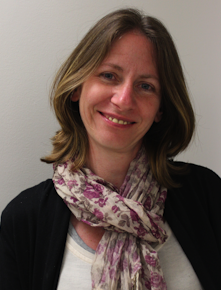
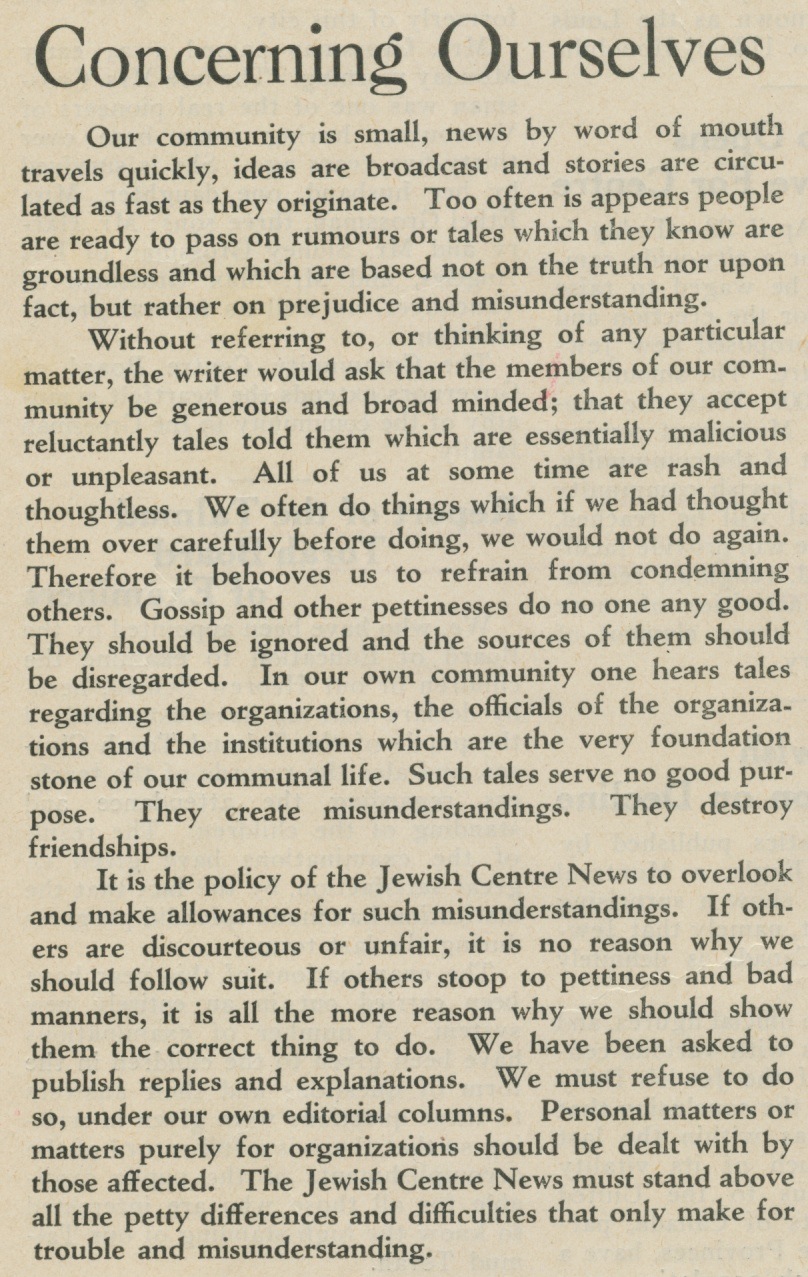
image - scan from paper The effect of gossip has always been a concern in the Jewish community. Reading this story on Limmud Winnipeg’s session on how Judaism views gossip reminds us of an editorial from the very earliest days of the Jewish news here in Vancouver, from May 1, 1930
The effect of gossip has always been a concern in the Jewish community. Reading this story on Limmud Winnipeg’s session on how Judaism views gossip reminds us of an editorial from the very earliest days of the Jewish news here in Vancouver, from May 1, 1930.
Format ImagePosted on May 15, 2015May 14, 2015Author Rebeca KuropatwaCategories NationalTags gossip, Limmud Winnipeg, Zvi Hirschfield
Jewish values in Kenya

Jewish values in Kenya

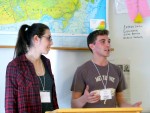
Hannah Fogel and Daniel Kroft. (photo by Rebeca Kuropatwa)

Held earlier this year in March, Limmud Winnipeg featured a couple of young community members sharing their experiences of volunteering in Kenya. Their talk, Walking the Talk of Jewish Values in Kenya, reflected on how their Jewish upbringing was an essential ingredient in being able to give of themselves abroad.

Presenters Hannah Fogel and Daniel Kroft graduated from the Gray Academy of Jewish Education in 2012 and traveled to Kenya for three weeks in June of that year instead of going on their class graduation trip. “This was kind of our alternative grad trip idea and everything worked out,” Fogel said of her choice.

Once in Kenya, the two learned there are many misconceptions when it comes to the day-to-day lives of Africans. “There’s actually quite a big difference in levels of development in the country,” said Fogel.

Kroft reflected, “We spent one night in Nairobi and then we drove out to Mara, [which is] basically a game reserve, a rural area with villagers.”

Fogel said they spent their nights in a military-style tent and their days helping build school classrooms and playing with local children – having a chance to learn a little bit about their lives, challenges, and experiencing the “contagious positive vibe they have … regardless of their difficult existence.”

Describing their personal living conditions, Fogel said, “Due to the lack of running water, we had to use bucket showers that were filled by Kenyan staff that worked at our camp. One of them, his job was basically getting hot water. So, they’d heat up this big tub of water over a fire and you’d ask them to fill the bucket over your shower, two people per bucket.”

Ever since the trip, Kroft said he has continued using the Kenyans’ conservative showering strategy he learned there. “They recommended we take staggered showers – so to turn on the water, get wet, turn off the water, soap up, then turn it on again and try to use very little water.”

Kroft said he learned that the local Maasai boys are sent off to become men – going on a quest and returning as warriors – at the age of 13. They spend time in the wilderness, doing strength training and learning how to use bows and arrows.

While Kenya has begun offering free elementary school education for all, there are not enough teachers, schools or resources to go around. “In a lot of communities like this, the parents came together and built their own classrooms for the kids to go to,” said Fogel. “Finding teachers and resources was still a big problem. They have a limited number of pens and pencils in the room. Kids share one pencil between the three of them.”

Kroft was struck by the similarities between the mission statement philosophies at the Kenyan school and his home school, Gray Academy. “You have things like community, cultural values and leadership,” he said. “You go halfway around the world and you have the same sort of values being promoted.”

Both Fogel and Kroft were happily surprised to be able to connect with the children so easily. “We didn’t know very much Swahili or their tribal language, and they knew very little English,” said Kroft. “Our facilitator basically dropped us off and said, ‘OK, go play!’ It was actually surprisingly easy to find ways [to connect], through hand gestures, hand signals … lots of hugs, and they love soccer.”

There were less light moments, as well. “We listened to a university professor speak who came to our camp to discuss hunger and starvation,” said Fogel. “And we learned some stats. More people have died from starvation in the past five years than all the battles, wars and murders in the entire world in the last 150 years. That’s something we can’t imagine in Canada. To think of that is a whole other level of poverty.”

Seeing how all people have similar struggles and needs particularly impacted Kroft. “Agriculture, food security, health, clean water – these are all issues that aren’t just isolated to Africa,” he said. “These are things that are going on in Manitoba, in Canada, on some of the reserves.”

Kroft and Fogel found that most Jewish values are values held by other religions and cultures throughout the world, as well.

“We are not that different after all,” said Kroft. “Jewish values were definitely in the back of our minds going, just because it was the culmination of graduation from the academy – 13 years surrounded by Judaism and Jewish values. It was something that we thought about.”

Fogel added, “Also, we had no idea what to expect, but there were similarities. At the school, people we met had similar values, regardless of what they had or the communities they grew up in. It was also interesting learning about Maasai culture, a similar coming of age at 13 [in Judaism].”

Kroft interjected, “Actually, when they come back from their journey, the similarity of practice…. The men get circumcised at 13 and it’s a sign of weakness to flinch during the process. So, it’s a really big deal, a shame on the whole family [if they flinch].”

Kroft also felt that education plays a central role in the Maasai community, similar to what we see in the Jewish community. “They don’t really have the means…. They are starting to get it now, but idealistically it’s really important to them,” he said “Family values, togetherness, respect are big things…. To be a teacher, which, again, is like Judaism. There are similarities and differences.”

Returning home, both youth described wanting to remain committed to social justice issues. Kroft said, “I’m chaperoning with a Washington trip this year. One thing, we did a session last week on food security and the lack of food at the concentration camps and things like that. And, in order to give the kids a sense of what that means, we had them tally up their daily intake of calories at the end of the day. We had a big list of foods and the amount of calories they’d eaten that day – you’d have 2,000, 3,000, 4,000 calories a day. Then, you’d tell them how much they were given in concentration camps as a perspective thing. It was something I’d personally seen in Africa, not to the same extent … that’s something that comes to mind.”

An organization Fogel volunteers with in Winnipeg is Osu Children’s Library Fund. “It was started by a woman in Winnipeg and she was living in Ghana for awhile with her family and realized the lack of educational books for the kids there,” she said. “So, she started this fund, collecting books from relatives, and put together a library in an old corrugated metal box car. They’ve built libraries in 10 different countries, mainly in Africa. So, I volunteered with her collecting books and going to her house and packaging them. She’s into photography and has written some children’s books with the pictures she’s taken.”

Rebeca Kuropatwa is a Winnipeg freelance writer.

Format ImagePosted on May 8, 2015May 6, 2015Author Rebeca KuropatwaCategories WorldTags Daniel Kroft, Gray Academy, Hannah Fogel, Jewish values, Limmud
A more realistic future

A more realistic future

Ari Shavit speaks at Winnipeg’s Shaarey Zedek Synagogue. (photo by Rebeca Kuropatwa)

As part of the Jewish Heritage Centre of Western Canada’s Annual Sol and Florence Kanee Distinguished Lecture Speaker Series, leading Israeli columnist and writer Ari Shavit addressed a packed room of 300 people on the topic Is Peace Dead? The talk took place April 19 at Shaarey Zedek Synagogue in Winnipeg.

Shavit, who described himself a “diehard peacenik,” said he is more comfortable referring to what some call “the Arab Awakening” as “the Arab Chaos.”

He explained, “We were hoping for an Arab Spring. It turned into something else and the result is the Arab Chaos. The old order that ruled over the Arab world has collapsed, but it was not replaced by any liberal democracy. It was replaced with more tribalism, more fanaticism and much more violence. We now see a human catastrophe engulfing a large part of the region and the acute situation of instability. I care about my fellow humans and we have to be saddened that we have such a terrible human catastrophe.”

Even worse, in Shavit’s view, “There is no more chance in the upcoming years to have the old kind of peace we hoped for,” he said. “I don’t think we can have the kind of peace agreement like with Egypt or Jordan in the coming years, because those were peace agreements that were signed with tyranny.”

Shavit used Syria as an example, saying that, back in the 1990s and in early 2000, he very much supported a peace agreement with Syria. But, he said, “Now, there is no one to make peace with.

“The good news is the more clear division within the Arab community. Many Arab moderates are now terrified by Iran, by ISIS, by the Islamic Brotherhood, by Al-Qaeda, by extremists, [so] they actually are closer to Israel than they ever were in the past. So, there is a kind of interesting potential within this sad, tragic, acute situation.”

According to Shavit, the road to peace today begins with the understanding that we cannot reach a two-state solution with the Palestinians in the coming months or years.

“We won’t have the comprehensive peace we hoped for,” said Shavit. “But, on the other hand, we should not accept the status quo. And, I think we should launch a two-state dynamic, which would lead to a two-state state to start with, and eventually lead to a two-state solution.”

Regionally, Shavit stressed the need for Israel to work much more closely with Egypt, Saudi Arabia, the Gulf countries and Jordan, as, he said, “They are closer to Israel than they ever were.”

Though Shavit conceded that the likelihood of signing a new formal peace agreement may not currently be in the cards, he encouraged “building a kind of peace based on economic interests, mutual interests and strategic interests.”

What Shavit envisions is “the kind of peace agreement [Israel] had with Jordan before the 1994 peace signing. There were no embassies, there were no Nobel Prizes, no White House ceremonies, but we had a very close, intimate relationship – quite a lot of the time – better than after the formal signing. That should be an example of what can be done in this new chaotic situation.”

Shavit sees potential for “cooperation as opposed to a utopian peace.” Potential partners for this cooperation, Shavit suggested would include “the major Arab Sunni nations led by moderate people…. [People who] are not deeply concerned or interested in human rights or democracy, but they don’t want extremists. Saudi Arabia and the other Gulf States fall into that category. So, the strategic game now is pretty much controlled by two non-Arab countries – Israel and Turkey – and, I would say, Egypt and Saudi Arabia.”

As to whether or not these partners are interested in just cooperation or a more lasting peace, Shavit said, “I think they want to live and they want stability. Therefore, if we promote this new peace concept, I think there’s a chance of having a better relationship. I think many of them see Israel as a partner in that.

“It’s not that they are going to have a religious conversion…. I don’t see a kind of relationship that France and Spain have or Canada and the U.S. do, but, I do see a kind of Middle East-style relationship – the ability to create a structure that can be formed again if we endorse the right ideas.”

Regarding Israel’s recent elections, Shavit feels that the left lost more than the right won. “The lack of a peace plan of action had a lot to do with that. Even the left-wing part[ies] were not very aggressive at promotional peace. The peace talked about in the national community is a kind of peace that is totally detached.”

Shavit is hopeful that Israelis will open their hearts to peace, in the case where “a kind of new peace, a concept that is more realistic, comes around. As long as the community talks about European-style peace, when we have a kind of evil political reality in a large part of the Middle East, Israelis will not buy into that.”

International support is critical to any potential peace progress and, while Shavit loves Canada in many ways, he said, “I appreciate that Canada is supportive of Israel, when there aren’t many that support Israel in such a way. [But] obviously, the real relevant player is the United States.

“I hope that America will endorse a new kind of peace policy and then build a wide coalition – first of all with Canada, then with the European powers and then with the moderate Arabs and Israelis – addressing the issues in a realistic way.”

Shavit believes that the “dysfunctional relationship” of Binyamin Netanyahu and Barack Obama is not advancing the situation. “I hope I can be successful in encouraging an intellectual process to be helpful in bringing some change to that,” he said.

Shavit, like many others in Israel and around the world, is waiting to see what kind of Israeli government will be formed. “If we do have a right-wing government, with [Avigdor] Lieberman being the centre, I worry that we will have unpleasant legislation that will alienate the Arab minority even more and jeopardize the fragile relationship with them. If it will be more moderate in the centre, there is less danger.

“I think the last six months were very troubling, with unprecedented legislation or attempts [to discriminate], though most failed. I hope and pray that our power will not go back to that kind of approach. I think it will endanger Israel’s soul in a serious way.”

Shavit is hopeful that minority rights will not be trampled, as “the tradition of the historic Israeli right always combines nationalism with liberalism, with a deep respect for democracy. I really hope we will not see dark forces in Israel rising to power.”

Rebeca Kuropatwa is a Winnipeg freelance writer.
Format ImagePosted on May 1, 2015April 29, 2015Author Rebeca KuropatwaCategories IsraelTags Ari Shavit, Israel, Middle East, peace, two-state solution

Raising a network of voices

Ari Ne’eman was diagnosed with Asperger’s syndrome at the age of 12. He did not have an easy childhood, being forced to leave his Solomon Schechter day school and, later, being expelled from Camp Ramah.

He is now head of the Autistic Self-advocacy Network (ASAN), and serves as one of President Barack Obama’s appointees on the National Council on Disability. Earlier this year, he received the Ruderman Family Foundation’s $100,000 Morton E. Ruderman Award, which “recognizes an individual who has made an extraordinary contribution to the inclusion of people with disabilities in the Jewish world and the greater public, and is based on past achievements and the potential for future contributions to the field.”

photo - Ari Ne’eman
Ari Ne’eman (photo from rudermanfoundation.org)

In 2006, Ne’eman co-founded ASAN. “Too often in conversations about autism policy or public discussion, researchers and family members are given precedence over autistic voices,” he told the Independent about the need for the organization. “This is due to a tendency not to recognize that a self-advocate perspective is distinct and different from those of family members, providers or researchers.”

The goal of ASAN is to ensure that those on the autism spectrum are represented in the public discourse and have their own collective voice. “People with disabilities are often perceived as incapable of representing themselves or as being unreliable in being the narrators of our own experience,” he said. “Really, both of those perceptions are very inaccurate and unfortunate.

“Unfortunately, society has certain perceptions about people with disabilities – in particular of autistic people and people with developmental disabilities. This often leads them to seek out the voices of our family members or service providers rather than hearing our own voices.”

According to Ne’eman, many people believe autism is a recent epidemic or a tragedy and, as a result, focus on advocacy related to research around causation and cure. ASAN believes the focus should be on services, supports and rights protection throughout their lifespan.

“Many families have been exploited by groups that seek to sell pseudoscientific cures predicated on the idea that autism is somehow connected to vaccination, which has been very thoroughly discredited,” he said. “From our point of view, there’s a need to really debunk those myths and communicate more accurate information to families.”

Ne’eman said that different autism diagnoses can be given to the same person by different doctors, and that these can also differ depending on when in their life a person is diagnosed. “This is partly because, even though there’s tremendous diversity on the autism spectrum, there aren’t clear dividing lines when it comes to different diagnoses,” he said. “We have this idea that there’s this thing called

‘Asperger’s’ and this separate thing called ‘autism.’ But, in fact, there is no clear dividing line between the two. What we have is a single, very diverse autism spectrum.”

ASAN includes people across the spectrum. For example, they have members who need augmentative communication technology to communicate (cannot speak). “We also have members and leaders, like myself, who do [speak],” said Ne’eman. “We have some who can talk in some contexts, but not in others. Some members have intellectual disabilities or various forms of cognitive or behavioral challenges.”

The network has invested largely in leadership development, and is active in lobbying state governments to change the funding of disability services to a more inclusive model. “We are in the process of expanding our work with respect to bringing people to a more integrated form of service provision, and supporting people out of institutions and group homes,” said Ne’eman.

ASAN advocates for students with disabilities, whose treatment varies greatly between districts and schools.

“As a matter of federal law, students with disabilities have the right to receive a free and appropriate education in a least restrictive environment,” said Ne’eman. “There’s a real need for a stronger emphasis on supporting students with disabilities in the general education classroom.

“In adulthood, people with disabilities also have a right to receive services in the most integrated setting under the Americans with Disabilities Act,” he continued. “In the U.S. today, there are 13 states that have eliminated institutionalization for people with developmental disabilities. I’ve seen significant positive outcomes as a result. When you get down to it, people aren’t more disabled in New Jersey, which has a lot of institutions, than they are in Oregon, which has no institutions.”

ASAN also promotes equal wages for people with disabilities. “Right now, approximately 200,000 people with disabilities in the U.S. are paid less than minimum wage under the Fair Labor Standards Act,” said Ne’eman. “If you look at the provision that allows for subminimum wage, it dates back to the 1930s, when there was one set of assumptions about people with disabilities. Today, 25 years after the Americans with Disabilities Act, we have different assumptions.”

Ne’man said that the Ruderman Award “was particularly an honor because of the importance of the foundation’s work in the Jewish community.”

He said, “Growing up, like many Jews with disabilities, I experienced challenges in being accepted in Jewish communal life. Many people with disabilities have to leave Jewish day school and other Jewish communal settings because of an unwillingness to provide accommodations.”

Ne’eman put a significant amount from the award toward a new disability rights-related project that he is not yet prepared to discuss, noting, “Hopefully in the coming year it will become visible.”

Rebeca Kuropatwa is a Winnipeg freelance writer.
Posted on May 1, 2015April 29, 2015Author Rebeca KuropatwaCategories WorldTags Ari Ne’eman, ASAN, autism, Autistic Self-advocacy Network, Ruderman Family Foundation
We Care believes in change

We Care believes in change

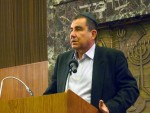
Leah Gazan (photo by Rebeca Kuropatwa)

Human traffickers target those who are most vulnerable – women and children, and people from impoverished and marginalized cultures and communities. Anti-trafficking organizations estimate that between 12 and 30 million people are held in forced labor (including sexual servitude) and that two to four million people are trafficked across borders each year.

On March 12, Manitoba marked its second Human Trafficking Awareness Day. To observe the day, National Council of Jewish Women (NCJW) of Canada, Winnipeg section, held the event United We Care, An Evening in Support of the We Care Campaign for Education about Missing and Murdered Indigenous Women and Girls.

The program took place at Graffiti Art Programming and included an art exhibit, as well as an address from Leah Gazan, an advocate for MMIW issues in Manitoba and the rest of Canada. Indigenous artist Jessica Canard created a painting during the event that was auctioned off at the end of the night.

Gazan introduced herself as a member of the bear clan. “The bear clan has roles and responsibilities,” she said. “One is to be a protector. My mother was a child welfare survivor, a Lakota woman, a street kid. She overcame great obstacles, obtained a master’s degree, and changed legislation.

“My father was a Holocaust survivor from Holland and, like my mother and in spite of historical trauma he experienced, he went on to receive two master’s degrees, a teaching degree, raise a family and spend his life trying for social justice with a special focus on fighting for children.”

Gazan said her parents taught her that change is possible, “with the goal of realizing a good world for all peoples, animal life, plant life, our women and our girls. We are all sacred. We all have to take responsibility for the collective well-being of all creation.”

The We Care campaign came from a conversation between Gazan and artist and singer Raine Hamilton. Upset about what was happening to indigenous women and girls in Canada, Hamilton wanted to do something. Gazan encouraged her, saying, “If you want to do something, Raine, you do something, and I will support you.”

In 2013, James Anaya, former special rapporteur on indigenous issues for the United Nations, called the state of violence and the number of murdered and missing indigenous women in Canada a national crisis. According to the RCMP’s 2014 National Operational Review on Missing and Murdered Aboriginal Women, “Police-recorded incidents of aboriginal female homicides and unresolved missing aboriginal females in this review total 1,181 – 164 missing and 1,017 homicide victims.” There were 225 unsolved cases: 105 missing for more than 30 days as of Nov. 4, 2013, “whose cause of disappearance was categorized at the time as ‘unknown’ or ‘foul play suspected’ and 120 unsolved homicides between 1980 and 2012.”

“We represent 4.3 percent of the Canadian population, yet we represented 16 percent of all reported homicides,” said Gazan. “Indigenous women and girls are not safe in this country and this is related to a number of factors, including high rates of poverty among indigenous women.”

According to the UN and the platform action committee in Manitoba, Gazan said, “The current rate for poverty for indigenous women living off reserve is at 42.7 percent. That is twice the rate for non-indigenous women and exceeds rates of indigenous men, with an average income of $13,300. That’s $6,060 lower than non-indigenous women and approximately $5,000 lower than indigenous men.”

Gazan stressed, “This is not an indigenous issue. This is an issue for all Canadians who want to protect the fundamental rights of all persons. It will take all of us in solidarity to address these issues.

“One cannot begin to understand the complexity of this issue without the focus on the colonization of indigenous women,” she continued. “Prior to colonization, our women and, in particular, our grandmothers were the main decision makers within our nations. Women were seen as powerful. This was very much related to our ability to bring life into the world.

“Through the eyes of colonialists, indigenous women were seen as property of men, much like women in Europe at that time. The exclusion of indigenous women in decision making eventually led to the cultural, social and economical dispossession of indigenous women that was eventually stipulated in policies that were enforced in the Indian Act.

“In 2006, the International Indigenous Women’s Forum noted that the systemic violation of their collective rights as indigenous people is the single greatest risk factor for gender-based violence, including violence perpetrated within their communities.”

The situation can be changed, however, “and that’s exactly what the purpose of the We Care campaign is,” said Gazan. “It’s to educate and engage fellow Canadians so that we can change that story … so we can end what has resulted in unacceptable levels of violence that’s perpetrated against indigenous women and girls in this country.

“It’s a place where we can come together to demonstrate and send a clear message that we will not stop until indigenous women and girls are afforded the same rights and safety as are afforded to other Canadians.”

The group hopes that this campaign will become one of the main issues in the upcoming federal election.

“We need Canadians to join with us in unity, to say that we care,” said Gazan. “It seems so overwhelming that people don’t know what to do because it’s so bad, but I don’t think it’s because people don’t care. I believe people care.

“What if we start to join together to recreate a new story that results in a safer city, province and country for indigenous women and girls as an act of humanity?”

NCJW across Canada and its international body, the International Council of Jewish Women, has established advocacy against human trafficking as a priority issue. All proceeds from the March program’s ticket sales and the auction went to the We Care campaign.

To participate, snap a photo of yourself holding a sign that says #WeCare and #MMIW, then post it on Twitter and Facebook, showing it’s an issue that matters to you. More information is available at facebook.com/wecaremmiw.

Rebeca Kuropatwa is a Winnipeg freelance writer.
Format ImagePosted on April 24, 2015April 23, 2015Author Rebeca KuropatwaCategories NationalTags Leah Gazan, MMIW, National Council of Jewish Women, NCJW, trafficking, WeCare
Israeli-inspired innovations

Israeli-inspired innovations

The Eureka Project, a Winnipeg business incubator is as innovative about its own financing and growth as it teaches future entrepreneurs to be. And, with the leadership of businessman Gary Brownstone, some of its partner companies are seeing returns in the tens of millions.

“The Eureka Project mandate is to help what I like to call ‘passionate creators’ of technology or widgets commercialize their inventions,” Brownstone told the Independent. Clients include scientists, engineers and computer programmers who have developed or are developing some kind of new technology. Typically, clients have little or no business experience, which is where Brownstone and his team come in.

photo - Gary Brownstone
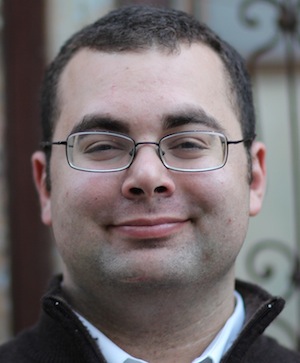
Gary Brownstone (photo from winnipeg.startupweekend.org)

Brownstone gets involved in small, fledgling startups and manages them through the initial growth phase. “Our team has expertise with taking this technology to market: finding customers and helping the founder build companies around technology,” he said.

“There are unique challenges in commercializing technology that make it different from other sectors, involving how to finance an idea, how to finance a company with no fixed assets (no buildings, land or equipment), which Canadian investors or bankers are really used to.”

When Brownstone finished his schooling, he realized he had unique experience in working with companies undergoing rapid growth, growth that could be so extreme that it had the capacity to kill the company. Anticipating the potential in companies on the verge of major growth, Brownstone’s approach was to step in to provide the professional management required to shepherd them through that phase. Once a company had managed to get through that period of growth, Brownstone would exit onto the next one. Brownstone has successfully been doing this for more than 20 years now.

“When I was recruited into this position, I saw the opportunity to do that over and over and over again – to help small companies through that first phase of growth, help get them on some solid footing for the future,” said Brownstone.

About five years ago, he started becoming more aware of how Israelis have successfully built a knowledge-based economy.

Someone gave him the book Start-Up Nation by Dan Senor and Saul Singer, and Brownstone, who had spent a year in Israel after high school some 30 years ago, was confused. “I read the book and I thought, ‘Are you sure it’s Israel they are talking about? Now they are a tech powerhouse?’” he said.

Brownstone has, since that time, made an annual trip to Israel and is still amazed by what he sees. On those trips, Brownstone meets with people in Israel who run incubators like his, those in government, policy makers and academics, as well.

“I definitely have a strong respect for what they have accomplished in Israel,” said Brownstone. “We’ve tried to bring a lot of those practices back here. I’ve gone there with senior government people both from Canada and from Manitoba to sort of open up their eyes to what some of the possibilities are if you take a similar approach.”

Since then, Brownstone has used his understanding and connection to Israel to try and bring what he calls “some best practices and good policy advice” back to Canada.

“Ideas are easy and execution is difficult,” he said. “So, a lot of companies, for a variety of reasons, will not succeed in actually commercializing their technology or not commercializing it to a degree that it’s a viable business.”

When someone comes to the Eureka Project with an idea, Brownstone asks three questions to determine whether or not they would make good clients. First, is the technology real? Second, is the individual (or team) capable? (Do they have enough talent? Are they coachable in terms of their own capabilities/capacity? What are their skill sets and backgrounds?) Third, he assess whether or not there is an identifiable market.

“In our line of work, because of the background of the people coming in the door, that’s the question that they most overlook,” said Brownstone about ensuring that there is an actual market for the product or technology. Many companies “look at the world as ‘technology push’ instead of ‘market pull,’” he explained. “We try to turn that conversation around really early on. If you were to come in the door, we’d go through the three questions and satisfy ourselves that the answers are yes, yes and yes.”

In terms of payment, Brownstone has developed a sliding scale wherein, at the beginning, clients can pay as little as a couple hundred dollars a month. “We really want to remain accessible to those that have the best likelihood of becoming [successful],” he said. “In order to do that, we try to keep our fees as low as possible, so that money isn’t really a barrier for them working with us. So, we offset a lot of the costs of delivering services to our clients, because we build a very strong, broad base of support. We get financial help from the province of Manitoba [and] we get some financial help from the U of M. We’ve built a very broad sponsorship program, so that the corporate community supports us and our clients.”

As the companies gain access to some financing and begin to grow, they hire on staff and gradually start paying more of the real cost as their finances allow. “It kind of puts the pressure on us to deliver what we promise we deliver when they come in the door,” explained Brownstone. “If we are able to help them finance and grow their companies, they should be able to pay us a little bit more for what we do.”

He said, “If someone from Vancouver called me and was looking for space, mentorship and local coaching, I might see if they would like an introduction to someone there who does what

we do, so they could have proximity.” He added, “But the short answer is yes,” to taking on Vancouver clients.

“Success begets success, so as people find out about the things that we do … a company we helped launch five years ago will probably do something in the neighborhood of a hundred million dollars in revenue this year,” said Brownstone. “In Canada, that’s a big deal. People from other regions hear about what we are doing and we find more and more we are getting approached from outside Manitoba. We don’t want to turn anyone away, so we had to find ways to help those people.

“We don’t use Manitoba taxpayer dollars to support other companies, but we do have partners and systems in place where we can deliver those services to other province’s companies.”

He added, “In a couple of instances, we’ve had companies who have relocated to Manitoba in order to work with us. There’s a great ecosystem in Manitoba for these young companies in terms of government grants and tax credits, and organizations like ours that can support them.”

The Eureka Project has developed an extensive network of companies and individuals across the United States, China, Singapore, South America, Mexico and as many as 30 other countries.

Rebeca Kuropatwa is a Winnipeg freelance writer.
Format ImagePosted on April 17, 2015April 16, 2015Author Rebeca KuropatwaCategories NationalTags Eureka Project, Gary Brownstone, high-tech, innovation, Israel

Posts pagination

Previous page Page 1 … Page 25 Page 26 Page 27 … Page 31 Next page
Proudly powered by WordPress