Skip to content
  • Home
  • Subscribe / donate
  • Events calendar
  • News
    • Local
    • National
    • Israel
    • World
    • עניין בחדשות
      A roundup of news in Canada and further afield, in Hebrew.
  • Opinion
    • From the JI
    • Op-Ed
  • Arts & Culture
    • Performing Arts
    • Music
    • Books
    • Visual Arts
    • TV & Film
  • Life
    • Celebrating the Holidays
    • Travel
    • The Daily Snooze
      Cartoons by Jacob Samuel
    • Mystery Photo
      Help the JI and JMABC fill in the gaps in our archives.
  • Community Links
    • Organizations, Etc.
    • Other News Sources & Blogs
    • Business Directory
  • FAQ
  • JI Chai Celebration
  • JI@88! video

Recent Posts

  • המלחמות של נתניהו וטראמפ
  • Zionism wins big in Vegas
  • Different but connected
  • Survival not passive
  • Musical celebration of Israel
  • Shoppe celebrates 25 years
  • Human “book” event
  • Reclaiming Jewish stories
  • Bema presents Perseverance
  • CSS honours Bellas z”l
  • Sheba Promise here May 7
  • Reflections from Be’eri
  • New law a desecration
  • Resilient joy in tough times
  • Rescue dog brings joy
  • Art chosen for new museum
  • Reminder of hope, resilience
  • The national food of Israel?
  • Story of Israel’s north
  • Sheltering in train stations
  • Teach critical thinking
  • Learning to bridge divides
  • Supporting Iranian community
  • Art dismantles systems
  • Beth Tikvah celebrates 50th
  • What is Jewish music?
  • Celebrate joy of music
  • Women share experiences 
  • Raising funds for Survivors
  • Call for digital literacy
  • The hidden hand of hate
  • Tarot as spiritual ritual
  • Students create fancy meal
  • Encouraging young voices
  • Rose’s Angels delivers
  • Living life to its fullest

Archives

Follow @JewishIndie
image - The CJN - Visit Us Banner - 300x600 - 101625

Tag: recipes

Salmon for the holiday

One of the symbols of Rosh Hashanah is the fish head – “God will make you the head, not the tail” is the blessing. Fish is often served at one of the holiday meals and here are a few salmon recipes that would be nice to serve for lunch or brunch.

HOT DOG BUN SALMON SANDWICHES
(This recipe is adapted from Food & Wine. It makes 8 servings.)

1/2 cup plain yogurt
2 finely chopped celery ribs with leaves
1 tbsp chopped chives
2 tbsp chopped flat leaf parsley
1 tbsp fresh lemon juice
salt and pepper to taste
4 loose cups flaked roasted salmon
8 hot dog buns
melted unsalted butter
potato chips

  1. In a bowl, combine yogurt with celery, chives, parsley and lemon juice. Season with salt and pepper. Fold in salmon.
  2. Heat a griddle. Brush the cut sides of the buns with butter and toast.
  3. Fill the buns with salmon salad. Top with potato chips.

SALMON BURGERS
(This recipe comes from Rick Moonen of RM Seafood in Las Vegas with my changes. It makes 6 servings.)

5 coarsely chopped scallions, white and green parts only
3/4 cup coarsely chopped red pepper
3/4 cup coarsely chopped green pepper
1 1/2 pounds skinless, centre-cut salmon, cut into 1-inch cubes and frozen for 30 minutes
1/2 cup dry breadcrumbs
salt and pepper to taste
2 tbsp unsalted butter
1/4 cup olive oil
6 split and toasted brioche buns
harissa-spiced mayonnaise (optional)
cucumber relish, lettuce and tomato slices, for serving

  1. Pulse scallions and peppers in a food processor until finely chopped. Transfer to a bowl. Pulse salmon until finely chopped and with some bigger chunks. Transfer to bowl.
  2. Fold in breadcrumbs, salt and pepper and one-third cup harissa mayonnaise (to make: add two tablespoons of the North African paste to two-thirds cup mayonnaise). Oil hands and shape into six patties. Transfer to a lightly oiled plate and refrigerate 30 minutes.
  3. Light a grill. Melt one tablespoon butter and two tablespoons olive oil in a frying pan. Add three burgers, cook on both sides four to five minutes. Transfer to a plate. Add another one tablespoon butter and two tablespoons olive oil to pan and fry remaining burgers.
  4. Spread harissa mayonnaise on buns. Top with burgers, relish, lettuce and tomato slices.

SMOKED SALMON AND ONION FRITTATA MUFFINS
(This recipe comes from Foods You Want for the Life You Crave by Nealy Fischer. It makes 4 to 5 servings.)

1 1/2 tsp olive oil
1 tbsp unsalted butter
1/2 small finely chopped onion
1 1/2 ounces lox or smoked salmon
4 large beaten eggs
1/4 cup chopped chives

  1. Preheat oven to 400°F. Grease six-cup muffin pan with olive oil or vegetable spray.
  2. Heat olive oil and butter in a frying pan. Add onion and cook eight minutes.
  3. Move onions to one side of frying pan, fry smoked salmon one minute. Break into small pieces.
  4. Transfer onion and salmon to a bowl and allow to cool.
  5. Add eggs, chives, salt and pepper to bowl and combine. Pour into muffin cups. Bake for 20-25 minutes or until eggs are set in the centre. Let cool one minute then remove from pan.

Sybil Kaplan is a journalist, editor of nine kosher cookbooks (working on a 10th) and a food writer living in Jerusalem. She has written the kosher restaurant features for janglo.net since 2014 and leads weekly English-language Shuk Walks in Machane Yehuda.

Posted on August 27, 2021August 25, 2021Author Sybil KaplanCategories Celebrating the HolidaysTags cooking, recipes, Rosh Hashanah, salmon

Try new-ish dish in new year

Quinoa (keen-wah) is a plant whose seed is eaten like a grain, like wheat, originally from the Andean region of South America. However, it is not a true grain. Quinoa contains higher amounts of protein compared to true grains, and it does not contain any gluten.

Eating quinoa might make people feel fuller than wheat or rice and it might also decrease post-meal levels of blood fats called triglycerides compared to eating bread. Here are some recipes you might like to try in the new year, particularly if you are gluten-free or celiac.

BASIC QUINOA
(makes 3 cups)

2 cups water
1 cup quinoa

  1. Place quinoa and water in a saucepan. When all the grains turn white, bring to a boil.
  2. Cover and cook until all the water is absorbed (about 15 minutes).

QUINOA TABBOULEH
(This recipe is from Rancho la Puerta in Tecate, Mex. It makes 4 servings.)

2 tbsp olive oil
2 tbsp fresh lemon juice
2 tbsp chopped Italian parsley
1 minced garlic clove
salt and pepper to taste
1 cup water
1/2 cup rinsed quinoa
1/2 cup chopped cucumber
1/2 cup chopped tomatoes
1/4 cup chopped fresh mint
1/2 cup chopped parsley
8 lettuce leaves

  1. Whisk oil, lemon juice and parsley in a bowl with garlic, salt and pepper.
  2. In a saucepan, bring one cup water to boil. Add quinoa, cover, reduce heat and cook until water is absorbed, about 13 minutes. Transfer to bowl and cool.
  3. Add cucumber, tomato, mint and a half cup of parsley. Pour dressing on and toss to coat.
  4. To serve, arrange two lettuce leaves on each of four plates. Spoon quinoa tabbouleh on top and serve.

LEMONY QUINOA SALAD
(This recipe is from California Chef Jeremy Fox from a Food & Wine article on America’s best vegetarian cooking. It makes 4 servings.)

8 large red radishes
1 small black radish
1 peeled medium carrot
1 cored medium fennel bulb
1 cup quinoa
2 1/2 cups water
finely grated zest of 2 lemons
juice of 1 lemon
2 tbsp vegetable oil
salt and pepper to taste

  1. Using a mandolin grater, thinly slice radishes, carrot and fennel and transfer to a bowl of ice water. Refrigerate about one hour, until crisp.
  2. In a saucepan, bring quinoa and water to a boil. Cover and cook over low heat until water is absorbed, about 20 minutes. Let cool.
  3. Drain and dry vegetables. Combine lemon zest and lemon juice with oil in a bowl. Add quinoa and toss. Season with salt and pepper.
  4. To serve, place quinoa in salad bowls and top with vegetables.

CRISPY QUINOA SLIDERS
(This recipe is from Food & Wine by Chef Kay Chun. It makes 12 sliders.)

2/3 cup quinoa
2/3 cup water
2 1-inch slices whole wheat bread, crusts removed, bread cubed
2 large eggs
1 cup coarsely grated zucchini
1/2 cup grated Parmesan cheese
1/4 cup chopped chives
3 minced garlic cloves
salt and pepper to taste
4 tbsp vegetable oil
mini buns, lettuce, tomatoes, onions, pickles

  1. In a saucepan, cook the quinoa in boiling water until just tender, about 10 minutes. Drain and spread onto a baking sheet to cool.
  2. Pulse bread in a food processor until coarse crumbs (about one cup).
  3. Whisk eggs in a bowl. Squeeze liquid from zucchini and add to eggs. Stir in cheese, chives, garlic, salt and pepper. Add quinoa and breadcrumbs. Let stand 10 minutes.
  4. Scoop 12 mounds of mixture to form half-inch-thick patties. Heat one tablespoon oil in a frying pan. Add six patties and cook about three minutes, until golden on the bottom and crisp. Re-oil the pan and fry the remaining six patties for three minutes.
  5. Serve in mini buns with lettuce, tomatoes, onions and pickles.

Sybil Kaplan is a journalist, editor of nine kosher cookbooks (working on a 10th) and a food writer living in Jerusalem. She has written the kosher restaurant features for janglo.net since 2014 and leads weekly English-language Shuk Walks in Machane Yehuda.

Posted on August 27, 2021August 25, 2021Author Sybil KaplanCategories Celebrating the HolidaysTags cooking, quinoa, recipes, Rosh Hashanah

Add a spinach salad to menu

Spinach may have originated 2,000 years ago in Persia but it is native to central and western Asia. Now widely popular, there are many tasty ways to prepare it. In addition, its health benefits are many, especially if eaten raw, so here are a few recipes for a healthy new year.

MY FAVOURITE SPINACH SALAD
(4 servings)

4 cups fresh, chopped spinach
6-8 halved cherry tomatoes
2 medium, sliced kohlrabi
2 grated hard-boiled eggs

dressing
1/2 tsp minced onion
1 crushed garlic clove
salt and pepper to taste
1/4 tsp sugar
1/8 tsp paprika
dash dry mustard
dash celery seeds
1 tbsp red wine vinegar
1 tbsp + 1 tsp olive oil
1 1/2 tsp water

  1. In a salad bowl, combine spinach, cherry tomatoes, kohlrabi and eggs. Set aside.
  2. In a jar, combine dressing ingredients, close and shake well.
  3. Dress salad just before serving.

CRUNCHY SPINACH SALAD
(4 servings)

4 cups torn spinach
1 cup fresh bean sprouts
1/2 cup sliced and drained water chestnuts
2 chopped hard-boiled eggs

dressing
1/4 cup brown sugar
1/4 cup vegetable oil
2 1/2 tbsp red wine vinegar
2 1/2 tbsp ketchup
1 1/2 tsp Worcestershire sauce

  1. In a salad bowl, combine spinach, bean sprouts, water chestnuts and eggs.
  2. In a bottle or jar, combine dressing ingredients. Cover and shake well to mix.
  3. Before serving, pour dressing over salad and toss.

SPINACH SALAD DRESSING
(This salad dressing recipe is from P.J. Clarke’s in New York, which was founded in 1884. The bar was once a saloon owned by Patrick J. Clarke, an Irish immigrant who was hired in the early 1900s and, after about 10 years working there, bought the bar and changed the name. It has had other owners since then and now has multiple locations.)

1/4 cup fresh lemon juice
1 large egg yolk or 1 tbsp mayonnaise
3/4 tsp salt
1/2 tsp dry mustard
1/4 tsp freshly ground black pepper
1/4 tsp sugar
1 small chopped garlic clove
1 cup olive oil

  1. Blend all ingredients except oil in a food processor until smooth.
  2. With motor running, add oil in a stream and blend. Transfer to a jar, cover and keep chilled until serving.

Sybil Kaplan is a journalist, editor of nine kosher cookbooks (working on a 10th) and a food writer living in Jerusalem. She has written the kosher restaurant features for janglo.net since 2014 and leads weekly English-language Shuk Walks in Machane Yehuda.

Posted on August 27, 2021August 25, 2021Author Sybil KaplanCategories Celebrating the HolidaysTags cooking, recipes, Rosh Hashanah, salads, spinach
Sweet summer dessert treats

Sweet summer dessert treats

(photo from twopeasandtheirpod.com)

They don’t make ’em like they used to. And, almost without exception, recipes from yesteryear are tastier, precisely because they’re reminiscent of gentler times. When I think Rice Krispie squares, I recall sitting on our old brown couch in the den, watching Ed Sullivan with the whole family. And I longingly remember eating Mom’s cheesy broccoli soufflé during Rosh Hashanah. Or, I’m back in 1966, enjoying a mountain of fried onions with my mother’s world-class chicken livers. And those salmon patties! And how about that creamed tuna in patty shells? Does anybody even eat this stuff anymore? If not, it’s a crying shame.

Maybe it’s a longing for those days when you could send your children out into the neighbourhood armed with only roller skates, in the certainty that they would be back, safe and unharmed, for lunch (or dinner, depending). A time when TV dinners were acceptable and ubiquitous. (I especially liked the one with fried chicken, corn, peas and tiny, unnaturally square carrots, mashed potatoes and canned pears/peaches.) I remember when an hourglass figure was desirable, and women actually ate to their fill. Of course, most of them smoked, too, but that’s a whole other column. I’m talking food right now. Uncomplicated, unapologetic, unfussy food. Anybody remember chip steaks? How about fondue? Sloppy Joes? Pineapple upside down cake? Aspic (now that’s one heinous creation)?

What’s old can always be new again. Especially if you’re willing to look the other way when it comes to nutrition, calories and cholesterol. Some of my favourite desserts are classic 1950s and ’60s numbers. In other words, any recipes that call for Jello or Dream Whip. And, preferably, have fewer than five ingredients.

My dad, alav hashalom, loved one particular dessert I made. Not that my repertoire was so enormous back then, but, still, it was always a winner with Dad. He’d take one bite and look at me like I’d just discovered fire. It was an easy (understatement of the millennium) recipe given to me by a woman I used to work with when I was a librarian at West Kildonan Library, in the North End of Winnipeg. Naturally, I just call it Liz Westlake’s Jello Dessert. I don’t make it very often, because I’m afraid of being shamed by my fancy foodie friends. But, occasionally, I break down and splurge. Let it be known, however, that no one – I repeat, no one – ever turns down a second piece of this dessert. It’s quaint, refreshing and … old-fashioned.

LIZ WESTLAKE’S JELLO DESSERT

1 can (398 ml or 14 oz) fruit cocktail (drained)
1 1/3 cup Graham cracker crumbs
1/3 cup melted butter
1/4 cup brown sugar
1 box cherry Jello

Preheat oven to 375°F. Mix the Graham cracker crumbs together with the melted butter and brown sugar and pat it into the bottom of a springform pan. Bake for five to seven minutes.

Make the Jello according to the instructions on the box and, when half congealed, but still smooth enough to stir (approximately 1 1/4 hours), add the drained fruit cocktail to the Jello and mix it together. Pour this on top of the Graham cracker crust and refrigerate until completely firm. (If you want to get really fancy shmancy, you can put whipped cream on top. I don’t – I’m a purist.)

Even the most kitchen-challenged soul can make this dessert. And I guarantee it’s a winner, especially on a hot day. Once again, you’re welcome.

Now to a sturdier sweet – the ubiquitous chocolate chip zucchini brownie. Anyone who grows zucchini knows that it can take over your entire garden. If you let it. This is all hearsay, of course, since I’m known far and wide to have a black thumb. But I read a lot. And I’ve heard of people whose gardens produce so much zucchini that they sneak out in the dead of night and drop bags of zucchini on neighbours’ doorsteps, then flee into the darkness, nary a trace of their identity to be found. Personally, I just buy mine at Safeway. But I’m getting off track. This dessert is easy, healthy (OK, let’s just say it’s in the general vicinity of health) and satisfying for those with a hankering for chocolate.

CHOCOLATE CHIP ZUCCHINI BROWNIES

1 1/2 cup white sugar
1/2 cup canola oil or vegetable oil
2 cups all-purpose flour
1/4 cup unsweetened cocoa powder
2 cups shredded zucchini (but don’t squeeze out the liquid)
2 tsp vanilla extract
1 tsp salt (or a little less)
1 1/2 tsp baking soda
1 1/4 cup semi-sweet chocolate chips

Preheat oven to 350°F. Grease a 9”x13” baking pan and set it aside.

In an electric stand mixer, or using a hand mixer, combine the sugar, oil and flour. It will look dry, but that’s OK. While mixing on low speed, add the cocoa, shredded zucchini, vanilla, salt and baking soda. Mix until well combined. Stir in the chocolate chips.

Pour the batter into the greased pan and bake for 28 to 32 minutes or until a toothpick inserted in the centre comes out clean. The brownies should look set, not mushy. Cool completely on a wire rack. Cut into squares and serve.

Don’t even consider asking me how many calories there are in one square. Think of it as a serving of vegetables. I mean, there is something green in there. Beigey-green? For goodness sake, just enjoy, and stop with the guilt. They’re a nice, moist alternative to regular brownies and you get to feel all high and mighty because they’re [semi] healthy.

If neither of these desserts float your boat, try making your own popsicles. Nothing spells old-school quite like those plastic popsicle molds with the multi-coloured tops. You can over-spend and get the molds at one of those highfalutin, hoity-toity kitchen stores, or you can rock it like it’s 1964 and buy them at your local dollar store. I chose Door #2, and it works just fine. (There’s also the ice-cube tray option, with toothpicks as the popsicle sticks.) There are a gazillion recipes for popsicles on the internet, most of them calling for Greek yogurt, frozen fruit, juice and honey. Check ’em out and keep cool.

Shelley Civkin, aka the Accidental Balabusta, is a happily retired librarian and communications officer. For 17 years, she wrote a weekly book review column for the Richmond Review. She’s currently a freelance writer and volunteer.

Format ImagePosted on July 9, 2021July 7, 2021Author Shelley CivkinCategories LifeTags Accidental Balabusta, baking, brownies, cooking, desserts, Jello, nostalgia, recipes

It’s time to revel in fish

During the nine days before Tisha b’Av, a day of fasting and mourning, it is customary to refrain from eating meat – but not fish. Here are some fish salad options for that week – and the rest of the summer – as well as some sauces that are great for both fish and vegetables. This year, Tisha b’Av starts the night of July 17.

CUCUMBER AND FISH SALAD
(I adapted this recipe from Food & Wine. It makes four to eight servings.)

2 large cucumbers
1 1/4 pounds skinned fresh cod, haddock or sea bass fillet
1 chopped scallion
small bunch chopped dill
salt & pepper to taste
5 tbsp milk
4 tbsp mayonnaise
2 tbsp sour cream or plain yogurt
4 black or green olives & cucumber ribbons

  1. Peel one cucumber and dice in a bowl. With a vegetable peeler, remove six long strips from second cucumber, then dice and add to bowl. Sprinkle with salt then drain on paper towels.
  2. Place fish in a frying pan with scallion, some of the dill, salt and pepper and milk. Poach until fish begins to flake. Remove and let cool.
  3. Wash and drain cucumber and dry. In another bowl, mix mayonnaise with sour cream or yogurt. Stir in cucumber and fish. Garnish with olives and cucumber ribbons.

CLASSIC CEVICHE
(I adapted this recipe from Food & Wine. It makes eight servings.)

1 pound fresh, skinless snapper, bass, halibut or other fish fillet, cut in half-inch pieces
1 1/2 cups fresh lime juice
1 medium white onion, chopped into half-inch pieces
2 medium-large tomatoes chopped into half-inch pieces
1/3 cup chopped cilantro
1/3 cup chopped pitted green olives
1 to 2 tbsp olive oil
salt to taste
3 tbsp fresh orange juice
1 large or 2 small peeled, pitted, diced avocados
tortilla chips for serving

  1. Combine fish, lime juice and onion in a glass or stainless steel bowl. Add more lime juice to cover fish and allow it to float freely. Cover and refrigerate four hours until a piece of fish, when broken open, no longer looks raw.
  2. In a large bowl, mix together tomatoes, cilantro, olives and olive oil. Stir in fish and salt. Add orange juice, cover and refrigerate if not serving immediately. Before serving, stir in avocados. Serve with tortilla chips or crackers.

HORSERADISH WHIPPED CREAM SAUCE

1 tsp prepared mustard
6 tbsp horseradish
1 tsp salt
1/8 tsp pepper
1 cup whipped heavy cream

  1. Combine mustard, horseradish, salt and pepper. Let stand 15 minutes.
  2. Fold in whipped cream.

PIQUANT HERB SAUCE

1/2 cup dry white wine
1/2 cup parsley sprigs
1/4 cup white vinegar
1 small quartered onion
2 large garlic cloves
2 1/2 tsp dried crushed tarragon
1/4 tsp dried crushed chervil
pepper to taste
1 cup mayonnaise

  1. Place white wine, parsley, white vinegar, onion, garlic, tarragon, chervil and pepper in blender cover and blend until uniform.
  2. In a saucepan, stir over medium heat until reduced to 1/3 cup.
  3. Strain, return to saucepan, stir in mayonnaise. Heat until warm. Garnish with chopped parsley.

CHIMICHURRI

1/2 cup olive oil
1/2 cup chopped parsley
2 tbsp chopped cilantro
2 tbsp fresh lemon juice
2 large minced garlic cloves
1 tsp crushed red pepper
1 tsp red wine vinegar
1/2 tsp sweet smoked paprika
1/2 tsp dried oregano
1/4 tsp kosher salt

  1. Mix all ingredients in a blender.

DILL CREAM SAUCE

1/4 cup dry white wine
2 dill sprigs
2 medium minced shallots
1 cup unsalted pareve chicken soup
1 1/4 cups whipping cream
salt & pepper to taste
2 tbsp snipped fresh dill

  1. Combine wine, dill sprigs and shallots in saucepan and bring to a boil.
  2. Add pareve chicken soup and cook to reduce to two tablespoons.
  3. Stir in cream, salt and pepper. Bring to a boil. Cook until thick, about seven minutes. Before dishing out, stir in dill and serve hot.

Sybil Kaplan is a journalist, lecturer, book reviewer and food writer in Jerusalem. She created and leads the weekly English-language Shuk Walks in Machane Yehuda, she has compiled and edited nine kosher cookbooks.

Posted on July 9, 2021July 7, 2021Author Sybil KaplanCategories Celebrating the Holidays, LifeTags cooking, fish, recipes, sauces, Tisha b'Av
Picnic sandwiches and salads

Picnic sandwiches and salads

(photo from vancouversnorthshore.com)

The sandwich as we know it was created in England in 1762 by John Montagu, the fourth Earl of Sandwich, a British statesman and gambler. He asked for a serving of roast beef to be placed between two slices of bread so he could eat with his hands and not have to get up from the table when he was playing cards or gambling. Here are some sandwiches good for your table – or a picnic.

MIDDLE EASTERN PITA SANDWICH
(makes eight sandwiches)

1 15-ounce can chickpeas
1 tbsp lemon juice
1/4 cup chopped onions
1 minced garlic clove
2 tsp vegetable oil
1/4 cup tahini
1/2 cup toasted sesame seeds
8 pieces pita
shredded lettuce
sliced olives
chopped tomatoes
chopped dill pickles

  1. Drain chickpeas and reserve three tablespoons of liquid.
  2. Place chickpeas, liquid and lemon juice in a blender or food processor and blend until pureed.
  3. Heat oil in a frying pan and sauté onion and garlic until tender.
  4. Combine pureed chickpeas, onion-garlic mixture, tahini and sesame seeds in a bowl.
  5. Split pita and fill with chickpea mixture. Add any of the accompaniments: lettuce, olives, tomatoes and/or pickles.

TUNA SANDWICH
(makes two cups)

6 tbsp cream cheese
1 cup sour cream
7/8 cup flaked tuna
2 tbsp finely chopped onions or scallions
2 tsp horseradish
1 tsp Worcestershire sauce

  1. Beat cream cheese and sour cream in a bowl until fluffy.
  2. Add tuna, onion, horseradish and Worcestershire sauce and blend.
  3. Let stand in refrigerator at least two hours. Remove and spread on bread or rolls.

GAZPACHO SANDWICHES
(makes eight servings)

8 round hard rolls
butter or margarine
4 medium or 6 small thinly sliced tomatoes
2 thinly sliced cucumbers
4 tbsp minced green peppers
2 tbsp minced onions
oil-and-vinegar dressing

  1. Cut tops from rolls and remove some bread from the tops and bottoms, leaving a thin shell. Spread sides of rolls with butter or margarine.
  2. Put tops and bottoms together, wrap airtight and refrigerate.
  3. In a bowl, combine tomatoes, cucumber, green peppers and onion. Add enough dressing to moisten well and toss. Cover and refrigerate at least one hour.
  4. Fill roll bottom with gazpacho mixture, replace tops and cut in half. Serve at once.

* * *

Many people think of potato salad as a good accompaniment for summer picnics, but they can also be used as a meat or poultry accompaniment at the dinner table, as well. In Europe, often, potato salad is served warm with vinegar and oil and herbs as a dressing, while Americans add mayonnaise. Here are a few of my favourites.

CREAMY POTATO SALAD WITH LEMON AND FRESH HERBS
(This recipe is adapted from one in Bon Appetit magazine. It makes four servings.)

1 1/2 pounds baby red potatoes
1 1/2 tbsp rice vinegar
salt & pepper
3/8 cup mayonnaise
1 to 2 green onions, thinly sliced
half a celery rib, cut into 1.5-inch slices
1 tsp dry parsley
1 tsp dry basil
1 tbsp chopped fresh dill
3/4 tsp grated lemon peel

  1. Drain cooked potatoes and let stand 20 minutes.
  2. Cut potatoes in small pieces and place in a bowl. Toss with vinegar, salt and pepper.
  3. Add mayonnaise, onion, celery, parsley, basil, dill and lemon peel and toss. Cover and chill until ready to serve.

DIJONNAISE POTATO SALAD
(makes three cups)

1/2 cup light mayonnaise
2 tbsp Dijon mustard
2 tbsp cider vinegar
1 tbsp fresh or 1/2 tsp dry dill or parsley
salt & pepper to taste
1 pound cooked, cubed red potatoes
1/2 cup minced celery
1/4 cup minced green onions

  1. In a bowl, combine mayonnaise, Dijon mustard, vinegar, dill or parsley, salt and pepper.
  2. Add potatoes, celery and onions. Cover and chill until serving.

NIÇOISE POTATO SALAD
(The original Niçoise salad came from Nice, France, in the 19th century; it had tomatoes, anchovies and olive oil. In a 1903 French cookbook, artichokes, red pepper, black olives and a vinaigrette were added. Over the years, tuna, hard-boiled eggs and green beans also have been added. This recipe makes four servings.)

1 1/2 pounds cooked and drained red potatoes
1/4 pound cooked green beans in one-inch pieces
2 ribs cut celery
1 sliced red pepper
1/2 sliced red onion (optional)
1 1/2 tbsp Dijon mustard
1 6.5-ounce drained can tuna packed in olive oil
10 pitted, sliced black olives
8 halved cherry tomatoes
3 cut up hard-boiled eggs
minced tarragon or chives

dressing
1/2 cup olive oil
1/4 cup lemon juice
2 tbsp red wine vinegar
3 rinsed & dried anchovies
3 tbsp minced fresh or 1 1/2 tsp dry tarragon
salt and pepper to taste

  1. Combine olive oil, lemon juice, wine vinegar, anchovies, tarragon, salt and pepper in food processor or blender and mix until smooth.
  2. Place potatoes in bowl, add dressing and toss.
  3. Add green beans, celery, red pepper, red onion, Dijon, tuna, tomatoes, eggs, tarragon and chives. Toss gently and serve!

Sybil Kaplan is a journalist, lecturer, book reviewer and food writer in Jerusalem. She created and leads the weekly English-language Shuk Walks in Machane Yehuda, she has compiled and edited nine kosher cookbooks.

Format ImagePosted on July 9, 2021July 14, 2021Author Sybil KaplanCategories LifeTags cooking, picnics, potato salad, recipes, salads, sandwiches, summer
The home comfort of soup

The home comfort of soup

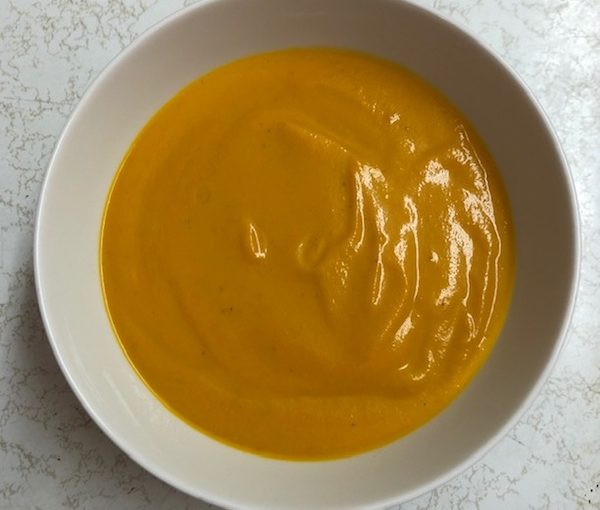
Cookie + Kate’s creamy roasted carrot soup, as made by the Accidental Balabusta. (photo by Shelley Civkin)

Nothing screams for comfort food quite like a COVID-19 pandemic. And nothing spells comfort food quite like soup. So, while the spirit of sharing is upon me, I present to you: roasted carrot soup. I’d love to say I made the recipe up, but you know I’d be lying. Credit where credit is due, and all that. It’s a recipe by blogger Kate, who, along with her canine sidekick, Cookie, make up the duo Cookie + Kate. (Why the dog gets top billing, I don’t know. Maybe he’s the taste-tester?)

I suppose it was one of these endless pandemic days where I was stumped for dinner ideas and thought – soup. It’s filling, especially if you add a nice sourdough or baguette, and you don’t need to make a bunch of other stuff, really. A salad, maybe? Perfect for lazy cooks.

The Cookie + Kate recipe is easy, if time-consuming, but you won’t regret it, I promise. And it’s creamy and dreamy, with no dairy in it at all. Prosaic as it sounds, this soup is like hitting the culinary lottery. Don’t be put off by the multitude of instructions; it’s worth every single one. Being a lover of platitudes, you know what they say – the journey of a thousand miles begins with a single step.

CREAMY ROASTED CARROT SOUP

2 pounds carrots
3 tbsp extra-virgin olive oil, divided
3/4 tsp fine sea salt, divided
1 medium yellow onion, chopped
2 cloves minced garlic
1/2 tsp ground coriander
1/4 tsp ground cumin
4 cups chicken broth or vegetable broth
2 cups water
1 to 2 tbsp unsalted butter
1 to 1 1/2 tsp lemon juice, to taste
freshly ground black pepper, to taste

  1. Preheat oven to 400ºF. Line a large rimmed baking sheet with parchment paper.
  2. Peel carrots then cut them on the diagonal so each piece is about a half-inch thick at the widest part.
  3. Place carrots in a plastic bag with two tablespoons olive oil and half teaspoon salt. Massage them so all carrots are coated in oil. Arrange on the baking sheet in a single layer.
  4. Roast carrots until they’re caramelized on the edges and easily pierced with a fork, 35 to 40 minutes, flipping halfway.
  5. Once the carrots are almost done, warm the remaining one tablespoon olive oil in a soup pot over medium heat until shimmering. Add the onion and quarter teaspoon salt. Cook, stirring occasionally, until the onion is soft and turning translucent, five to seven minutes.
  6. Add the garlic, coriander and cumin. Cook until fragrant while stirring constantly, about 30 seconds to one minute. Pour in the vegetable broth and water, while scraping up any browned bits on the bottom with a wooden spoon.
  7. Add the roasted carrots to the pot once they’re cooked. Add the butter, lemon juice and pepper. Bring the mixture to a boil over high heat, then reduce the heat to maintain a gentle simmer. Cook for 15 minutes.
  8. Once the soup is done cooking, remove the pot from the heat and let it cool for a few minutes. Then, carefully transfer the hot soup to a blender, working in batches if necessary. (Don’t fill past the maximum fill line.)
  9. Blend until completely smooth. Add additional salt and pepper if necessary. It’s ready to serve.
  10. Keeps well in the refrigerator, covered, for about four days, or for several months in the freezer. But, believe me, it won’t make it to the freezer.

APPLE RUM NOODLE KUGEL
(Since it is mere weeks until Pesach, now is the time to get your kugel on. This one is a boozy take on the traditional apple noodle kugel. It’s sweet, slightly alcoholic and scrumptious.)

2 tbsp unsalted butter
3 large apples, peeled, cored and diced into 1/4” to 1/2” pieces
12 oz curly broad egg noodles
4 eggs
1/2 cup brown sugar
1 tsp vanilla extract
2 tbsp rum
1/2 tsp ground cinnamon

  1. Preheat oven to 350ºF. Grease a 9”-by-13” baking dish.
  2. Begin heating a large pot of water.
  3. Melt one tablespoon butter over medium-high heat in a large skillet and add the apples. Cook, tossing in the pan, until they begin to colour and are slightly tender, about five minutes. Remove from heat.
  4. When the water comes to a boil, add the noodles. Cook as per the package instructions, then drain through a colander and add them to the pan with the apples. Add the remaining tablespoon butter and toss together until the butter melts. Set aside to cool.
  5. Beat the eggs in a large bowl. Add the sugar and beat together. Beat in the vanilla, rum and cinnamon.
  6. Add the noodles and apples and fold everything together. Pour into the prepared baking dish.
  7. Bake covered with foil, for approximately 20 minutes, then uncovered for the remaining 20-25 minutes, until the kugel is set and the sides are browned. If you like the noodles crispier on top, remove the foil a bit earlier. Allow to sit for at least 10 minutes before serving.

The rum makes it just a little naughty, and exceedingly rich-tasting. Definitely company-worthy. Not that we can have people over during a pandemic, but still. Like my father Sidney, alav hashalom, used to say: “I’m the most important company in my own home!” That, by the way, was his standard response whenever anyone asked him why he always used a linen napkin (even at breakfast). The fact was, the paper ones slipped off his lap, but never mind. He deserved the best.

When everything you need to know about 2020 (and 2021, so far) can be summed up by Velcro, Spandex, Zoom and facemasks, it’s nice to kick it up a notch just for, well, no good reason at all, except that you can. So, treat yourself to a little mid-week decadence and throw in that kugel rum. You might even want to indulge in a little shot glass of the stuff before dinner, just to round out the meal. Or not.

Shelley Civkin, aka the Accidental Balabusta, is a happily retired librarian and communications officer. For 17 years, she wrote a weekly book review column for the Richmond Review. She’s currently a freelance writer and volunteer.

Format ImagePosted on March 5, 2021March 4, 2021Author Shelley CivkinCategories LifeTags Accidental Balabusta, comfort food, Cookie + Kate, food, kugel, Passover, recipes, soup
Mac ’n’ cheese comfort

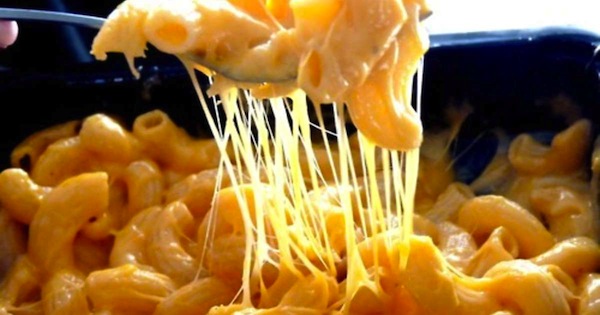
Mac ’n’ cheese comfort

(photo from narcity.com)

While pasta and cheese casseroles are recorded as early as the 14th-century, the first modern recipe appeared in an English cookbook in 1770. The story is also told that President Thomas Jefferson and his chef brought the recipe to the United States from Europe in the 1790s, although it does not appear in a U.S. cookbook until 1824, with the unkosher boxed Kraft version appearing in 1937. British immigrants brought the recipe to Canada in 1845. The quintessential comfort food, here are a few of my favourite versions of mac and cheese.

MY BEST MACARONI AND CHEESE
(I adapted this recipe from The Joy of Cooking, making it without breadcrumbs on top.)

4 cups macaroni
2 eggs
1 cup grated cheddar cheese
2/3 cup milk
1/4 cup margarine
paprika to taste

  1. Preheat oven to 350ºF. Grease a casserole.
  2. Cook macaroni in boiled water for about 10 minutes and drain.
  3. Add eggs, cheese, milk and margarine. Pour into greased casserole.
  4. Sprinkle paprika on top. Bake for 45 minutes.

ITALIAN CREAMY BAKED MACARONI AND CHEESE

2 tbsp margarine
2 tbsp flour
1/2 cup pareve “chicken” soup
1/2 cup low-fat milk
1/8 tsp nutmeg
2 cups cooked macaroni
2 1/2 cups shredded Swiss cheese

  1. Preheat oven to 350ºF. Grease a casserole.
  2. Cook macaroni and drain.
  3. Melt margarine in a saucepan. Stir in flour to make a roux. Add pareve chicken soup, milk and nutmeg. Cook until thick.
  4. Place one-third macaroni in a greased casserole. Sprinkle with one-third of cheese and one-third of sauce.
  5. Make two more layers of macaroni, cheese and sauce. Bake for 20-25 minutes.

STOVETOP MACARONI AND CHEESE
(This recipe is by California chef and restaurant owner Grace Parisi, in Food and Wine.)

1 tbsp unsalted butter
1 finely chopped onion
1 1/2 tsp tomato paste
1/2 tsp thyme
2 cups half-and-half
salt and pepper to taste
3 cups elbow macaroni
1/4 cup shredded kosher Gruyere cheese
1/4 cup shredded kosher white cheddar cheese
1/4 cup shredded kosher Fontina cheese
1/4 cup grated kosher Parmesan cheese
2 tbsp Panko breadcrumbs

  1. Boil water in a pot.
  2. In a stovetop, ovenproof frying pan, melt butter and cook onion five minutes. Add tomato paste and thyme and cook one minute.
  3. Add half-and-half and two cups hot water, reduce heat to a simmer. Add salt and pepper and macaroni and cook eight minutes.
  4. Stir in a quarter cup boiling water, Gruyere, cheddar and Fontina cheeses. Cover and let stand two minutes, until cheeses are melted.
  5. In a bowl, combine Parmesan cheese and Panko. Sprinkle over pasta. Place under broiler and broil two minutes or until golden.

Sybil Kaplan is a journalist, lecturer, book reviewer and food writer in Jerusalem. She created and leads the weekly English-language Shuk Walks in Machane Yehuda, she has compiled and edited nine kosher cookbooks, and is the author of Witness to History: Ten Years as a Woman Journalist in Israel.

Format ImagePosted on March 5, 2021March 4, 2021Author Sybil KaplanCategories LifeTags comfort food, cooking, kosher, macaroni, man and cheese, recipes

Cookin’ old school meatloaf

As if the pandemic weren’t enough, I’m supposed to think of something tantalizing and healthy to cook every night? Right. Roger that. My motto is: go with the tried and true. Or, given the times we’re in: go with the tired and true. Translation: something my mom used to make in the 1960s and ’70s. Something delicious but notoriously unhealthy.

Let’s face it, back then, the general public didn’t know bupkas about heart-healthy diets, Keto or low cholesterol. Not even doctors’ families. Nobody measured their BMI (body mass index) at the gym, because no one went to the gym. No one had their goal weight etched in their brain. It was a kinder, gentler time. Albeit with lots more spontaneous and fatal heart attacks and strokes. But still.

Back to the task at hand. It was a dark and stormy afternoon. I was tired. Really tired. Of cooking. But we have to eat. So, I did what any self-respecting accidental balabusta would do: I pulled out my mother’s old National Council of Jewish Women Cookbook. It’s a miracle that it isn’t falling apart after all these decades doing yeoman service. As I was searching for something simple and doable within 30 minutes, I happened upon a dog-eared page. One my mother had probably marked for good reason. Which is ironic, since the standing joke in my family was this – as soon as my mom cooked anything that my dad loved, she never made it again. We’ve speculated on the rationale for years. Was it intentional? Happenstance? Payback for something? Maybe it had to do with the electric can opener my dad gave mom for her birthday one year; or was it their anniversary?

The dog-eared recipe, thankfully, was – drum roll, please – Meatloaf. Yes, Virginia, you heard correctly, Meatloaf. I capitalize it because, well, it deserves the recognition. There is no problem in this world that can’t be solved by a good meatloaf. (Alright, maybe athlete’s foot and world wars, but, otherwise….)

In sync with the majority of the recipes in that cookbook, it called for an envelope of onion soup mix, undoubtedly a staple in those days. Chip dip – sour cream and onion soup mix. Spinach delight – onion soup mix. Apricot chicken – onion soup mix. Being a culinary rebel (ha!), I decided to go rogue and omit the onion soup mix. I had to draw my own line in the sand. And I swapped Panko for breadcrumbs. This recipe makes a moist, dream-of-a-1960s dinner. Once again, you’re welcome. You may be excused from the table.

MEATLOAF

2 lbs ground beef (extra lean)
1 1/2 cup soft breadcrumbs (or Panko)
2 eggs
1/2 to 3/4 cup water
1/3 cup ketchup (or, as they called it in the ’60s, catsup)

Preheat the oven to 350°F. In a large bowl, combine all the ingredients and place the mix into a greased loaf pan. (I covered the top with more ketchup – I know, very radical). Bake for approximately one hour.

It doesn’t get much easier than this. Seriously. Both Harvey and I kept cutting little pieces off, to even out the end. We were insatiable! We easily ate half of this two-pound loaf in one sitting, and polished off the rest the next day in sandwiches. What can I say? We’re dyed-in-the-wool carnivores.

To switch it up a little, and marry old school to multicultural, I also made Greek lemon potatoes. While I could eat meat and potatoes every night of the week, I don’t. And don’t go getting all judgy on me, either – there was broccoli in attendance.

The Greek lemon potatoes were a new thing for me (the making part), and I only made the Greek kind because I had a bunch of fresh rosemary leftover from baking focaccia the day before. (It was delicious!) Plus, we had a truckload of lemons in the fridge getting overripe from neglect (scurvy in our future?). I have to say, the potatoes were simple and simply delicious. Again, Harvey declared them “guest-worthy.”

GREEK LEMON POTATOES
(from recipetineats.com)

2.5 lbs potatoes (about 4 large russets)
1 1/2 cups chicken broth
1/2 cup olive oil
1/3 cup fresh lemon juice
5 cloves garlic, minced (I used 4)
2 tsp salt (I used 1 tsp)
dash of pepper
1 tbsp dried oregano (I used 2 tbsp fresh rosemary instead)

Preheat oven to 400°F. Peel the potatoes and cut into semi-thick wedges. Place in a roasting pan with all the other ingredients; toss well. Roast covered with foil for 40 minutes. Remove foil and turn the potatoes. Roast for another 25 to 30 minutes until the liquid is mostly absorbed by the potatoes. If you like your potatoes a bit crispy, leave them in for another five minutes or so.

They end up super-moist, soft, lemony and fabulous. Oh yeah, and garlicky. Harvey said they were even better than the ones at Apollonia, our favourite Greek restaurant. It was hard to refrain from eating the whole darn batch, but we showed the teensiest bit of restraint. After all, we wanted some left over for the next day. They’re like potato candy, if you will. Except better.

Sometimes, the most obvious recipes are the best. I often consult that Council cookbook. Who better to advise on such Jewish delicacies as honey-glazed cocktail franks, deviled tongue canapes and fruited rice salad? I rest my case.

There’s no question that the NCJW of Canada does many admirable things to enhance the community through education, social action, furthering human welfare and more. Far be it from me to make it sound like all they did was produce a cookbook. But, thank you, NCJWC for having done so – the meatloaf alone is worth the price of admission. And, of course, kol hakavod for all the great work you do.

Shelley Civkin, aka the Accidental Balabusta, is a happily retired librarian and communications officer. For 17 years, she wrote a weekly book review column for the Richmond Review. She’s currently a freelance writer and volunteer.

Format ImagePosted on January 15, 2021January 13, 2021Author Shelley CivkinCategories LifeTags Accidental Balabusta, comfort food, cooking, coronavirus, COVID-19, health, NCJW, recipes

Fruits for the holiday

The holiday of Chamisha Asar b’Shevat or Tu b’Shevat is not mentioned in the Torah but makes its first appearance in the Talmud, where it is called Rosh Hashanah l’Ilan (New Year of the Tree).

Jewish literature of the sixth to 11th centuries identifies Tu b’Shevat as the day on which the fate of the trees and fruit is decided. The holiday gets its name from when it occurs. “Tu” is an acronym for the Hebrew letter tet, which in the Hebrew system of counting is nine, and the letter vav, which is six, thus adding up to 15, the day on which the holiday falls in the month of Shevat.

The date was chosen when the rabbinic schools of Hillel and Shammai (from the time of the Second Temple) argued about the dates. Hillel said it fell on the 15th of Shevat; Shammai said it began on the first. Hillel’s opinion prevailed because it was thought that, by the later date, the winter rains in Israel were almost over.

Tu b’Shevat links Jews to the land of Eretz Yisrael. In the time of the Second Temple, on the 15th of Shevat, Jewish farmers would estimate their obligatory tithes for tax collectors, as well as other contributions that Jewish law required. In effect, Tu b’Shevat was the beginning of the new fiscal year.

Part of the celebration is a seder with certain foods.

In her book The Jewish Holiday Cookbook, Gloria Kaufer Greene mentions that the drinking of four cups of wine at the seder symbolizes the changing of seasons. She suggests that the first cup is chilled, dry, white wine, to symbolize winter. The second cup of wine is pale, perhaps a rosé, and signifies spring and the early thaw. The third cup of wine is deeply coloured, like a dark rose, and represents the late spring and the blossoming trees. The fourth cup of wine is rich and red and stands for the fertility of summer.

In between drinking, one eats fruit in order of “ascending spirituality.” After the first cup of wine, one eats fruit with inedible coverings, like almonds, avocado, banana or melon, to represent the body covering the soul. After the second cup, one eats fruit with pits, such as plum, prune, date, apricot, olive or carob, to symbolize the heart being protected. After the third cup of wine, one eats fruit that can be eaten in its entirety, such as berry, apple, pear or fig, because they are closest to the pure spiritual creation.

In Encyclopedia of Jewish Food, the late Rabbi Gil Marks lists different ethnic dishes for the holiday, including borleves, Hungarian wine soup; salata latsheen, Moroccan orange salad; dimlama, Bulgarian vegetable and fruit stew; savo, Bukharian baked rice and fruit; gersht un shveml, Ashkenazi barley with mushrooms, fruit strudels and fruit kugels; and schnitzelkloese, German fried dumplings with fruit. Food customs associated with Tu b’Shevat are fruits and nuts connected to Eretz Yisrael, such as the seven species mentioned in Deuteronomy 8:7-8 – barley, wheat, figs, dates, grapes, olives and pomegranates.

Here are a couple of my fruit recipes. The first is one that a friend gave me about 40 years ago.

CREAMY FRUIT SALAD
6-8 servings

2-3 cut up apples
1-2 peeled, cut-up oranges
2-3 cut-up bananas
1/4 cup coconut
1/4 cup chopped nuts
3/8 cup sour cream or 3/4 cup lemon yogurt
1 1/2 tbsp sugar or whipped cream
1/8 cup orange juice
3/8 cup vanilla yogurt
raisins (optional)

Combine apples, orange and bananas in a bowl. Add coconut and nuts. Combine sour cream or lemon yogurt, sugar or whipped cream, orange juice and vanilla yogurt. Pour over fruit and refrigerate.

I have altered this recipe at times and use pareve whipping cream to make it pareve, leaving out the sour cream/yogurt.

HOT SPICED FRUIT
4 servings

6 peaches, pears or apricots, halved
1/2 cup red wine
2 tbsp sugar
dash cloves
1/8 tsp cinnamon
dash cardamom
3/4 tsp grated orange peel

Combine wine, sugar, cloves, cinnamon, cardamom and orange peel in a saucepan. Add fruit and cook 15-20 minutes. Drain and reserve liquid. Chill fruit. Serve with vanilla ice cream. Spoon sauce on top.

Sybil Kaplan is a journalist, lecturer, book reviewer and food writer in Jerusalem. She created and leads the weekly English-language Shuk Walks in Machane Yehuda, she has compiled and edited nine kosher cookbooks, and is the author of Witness to History: Ten Years as a Woman Journalist in Israel.

Posted on January 15, 2021January 13, 2021Author Sybil KaplanCategories Celebrating the HolidaysTags baking, cooking, history, Judaism, recipes, ritual, seder, Tu b'Shevat

Posts pagination

Previous page Page 1 … Page 3 Page 4 Page 5 … Page 7 Next page
Proudly powered by WordPress