Skip to content
  • Home
  • Subscribe / donate
  • Events calendar
  • News
    • Local
    • National
    • Israel
    • World
    • עניין בחדשות
      A roundup of news in Canada and further afield, in Hebrew.
  • Opinion
    • From the JI
    • Op-Ed
  • Arts & Culture
    • Performing Arts
    • Music
    • Books
    • Visual Arts
    • TV & Film
  • Life
    • Celebrating the Holidays
    • Travel
    • The Daily Snooze
      Cartoons by Jacob Samuel
    • Mystery Photo
      Help the JI and JMABC fill in the gaps in our archives.
  • Community Links
    • Organizations, Etc.
    • Other News Sources & Blogs
    • Business Directory
  • FAQ
  • JI Chai Celebration
  • JI@88! video

Recent Posts

  • BGU fosters startup culture
  • Photography and glass
  • Is it the end of an era?
  • Taking life a step at a time
  • Nakba exhibit biased
  • Film festival starts next week
  • Musical with heart and soul
  • Rabbi marks 13 years
  • Keeper of VTT’s history
  • Gala fêtes Infeld’s 20th
  • Building JWest together
  • Challah Mom comes to Vancouver
  • What to do about media bias
  • Education offers hope
  • Remembrance – a moral act
  • What makes us human
  • המלחמות של נתניהו וטראמפ
  • Zionism wins big in Vegas
  • Different but connected
  • Survival not passive
  • Musical celebration of Israel
  • Shoppe celebrates 25 years
  • Human “book” event
  • Reclaiming Jewish stories
  • Bema presents Perseverance
  • CSS honours Bellas z”l
  • Sheba Promise here May 7
  • Reflections from Be’eri
  • New law a desecration
  • Resilient joy in tough times
  • Rescue dog brings joy
  • Art chosen for new museum
  • Reminder of hope, resilience
  • The national food of Israel?
  • Story of Israel’s north
  • Sheltering in train stations

Archives

Follow @JewishIndie
image - The CJN - Visit Us Banner - 300x600 - 101625

Tag: baking

Three fave kosher fruit pies

Three fave kosher fruit pies

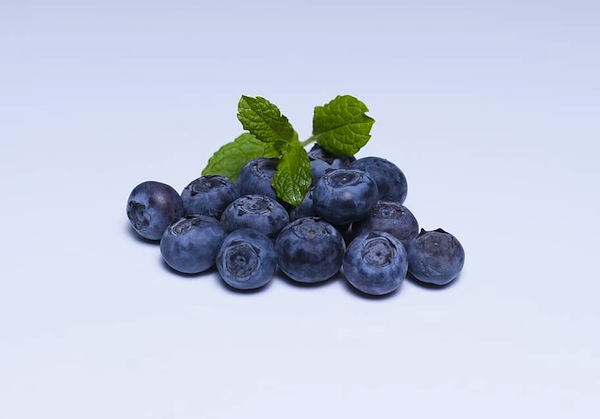
Blueberry Bottom Pie is garnished with blueberries and fresh mint. (photo from pxfuel.com)

When I think of summer, I think of fresh fruit. When I think of fresh fruit, I think of pies. Early pies may have originated with Egyptian cakes and ancient Greek pasties filled with fruit. According to Wikipedia, Medieval England had sweet pies, but they were called tarts, and fruit pies were unsweetened, because sugar was a rare and costly “symbol of wealth.” Also according to Wiki, a pie could have a number of items as its filling, but a pastry would have only a single filling. Fruit pie recipes began appearing in the 15th century. Here are recipes for three of my favourite fruit pies.

PEACH PIE

1 1/2 pounds seeded, sliced peaches
1 cup sugar
2 tbsp unsalted butter or margarine
2 tbsp flour
2 large eggs
pinch nutmeg
nine-inch crust (bought or homemade)

  1. Preheat oven to 350°F. Prepare a nine-inch pie plate with dough.
  2. In a bowl, mix together sugar, butter or margarine, flour, eggs and nutmeg.
  3. Arrange peaches in piecrust. Pour batter over them. Crimp edge of crust.
  4. Bake 50 to 55 minutes or until just set.

BLUEBERRY BOTTOM PIE

2 packages vanilla pudding
1 1/4 cups milk or non-dairy creamer or soymilk
1 1/2 cups pureed blueberries
1/2 tsp cinnamon
2 tsp grated lemon rind
1 baked nine-inch pie shell
3 1/2 cups kosher whipped topping
blueberries and mint leaves for garnishes

  1. Check to make sure which vanilla pudding dissolves with non-dairy creamer or soymilk. Combine one package pudding and a quarter cup milk or non-dairy creamer or soymilk, blueberries and cinnamon. Cook until mixture comes to a full boil. Pour into crust and chill.
  2. Prepare remaining pudding and milk or non-dairy creamer or soymilk. Add one teaspoon lemon rind. Pour into bowl, cover with plastic wrap and chill about one hour.
  3. Fold in one cup whipped topping to refrigerated mixture and spoon over blueberry layer.
  4. Combine remaining whipped topping with remaining lemon rind and spoon over filling. Freeze one hour or refrigerate three hours.
  5. Garnish with blueberries and mint leaves before serving.

FAUX CHERRY COBBLER
(Cobblers generally have a dough-like topping dropped on top of fruit. This cobbler is more like a pie).

2 cups pitted cherries
1 cup sugar
1 cup flour
1 1/2 tbsp baking powder
1 cup milk or soymilk
2 1/2 tbsp melted butter or margarine
brown sugar

  1. Preheat oven to 350°F. Grease a square baking dish.
  2. Combine flour, sugar and baking powder in a bowl. Add milk and melted butter or margarine. Pour into a greased baking dish.
  3. Scatter pitted cherries over batter. Sprinkle the top with brown sugar. Bake for about an hour.

Sybil Kaplan is a journalist, lecturer, book reviewer and food writer in Jerusalem. She created and leads the weekly English-language Shuk Walks in Machane Yehuda, she has compiled and edited nine kosher cookbooks, and is the author of Witness to History: Ten Years as a Woman Journalist in Israel.

Format ImagePosted on July 10, 2020July 9, 2020Author Sybil KaplanCategories LifeTags baking, blueberries, cherries, dessert, food, fruit, kosher, peaches, recipes
Kugel comforts during COVID

Kugel comforts during COVID

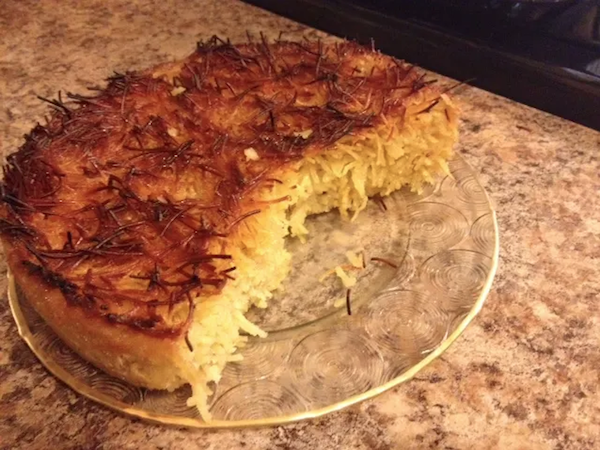
Yerushalmi kugel by Jamie Geller. (photo from jamiegeller.com)

If I’d known the world was going to be locked down because of the COVID-19 pandemic, I would have stocked up on toilet paper, disinfecting wipes and pasta much sooner. Of course, only one of those is edible.

Desperate measures call for desperate times and, when so many restaurants have closed, cooking has become mandatory. As has self-isolation. Sure, we could order takeout, but I’m still slightly paranoid about who cooks my food. After all, you’re only as healthy as the last person you were in contact with. I rest my case.

I’ve tried to be creative in the kitchen, but, when you’re used to eating sushi at least once a week and shopping for fresh food every day, it gets challenging during a lockdown. Now we eat more pasta. Way more pasta. My husband Harvey loves it. Me, not so much.

Harvey does a Costco run every so often to stock up, but I’m loathe to send him out into the dangerous spittle-filled world of COVID coughs right now. And the regular stores are often out of the basics, at least until recently. To be completely frank, I’m sick of cooking. So, what’s an accidental balabusta to do?

I’ll tell you what I did. I handed Harvey my mother’s tattered Jewish Council Cookbook the other day and pronounced: “Make something!” So, what does he choose from all those geshmak recipes? Tuna noodle casserole. You know the one – it’s composed of Campbell’s cream of mushroom soup, Kraft Dinner and a can or two of tuna. If you want to get really fancy shmancy, you can grate some aged cheddar cheese on top. It’s the quintessential comfort food. Minus the sushi. Or, in Harvey’s case, minus the tuna.

My first dip of the fork into the ooey-gooey goodness of the tuna noodle casserole elicited a squeal of surprise. It was actually delicious. Processed deliciousness, but nonetheless yummy in the extreme. The tummy wants what the tummy wants. After a few bites, I expressed my perplexity that I didn’t taste the tuna. Harvey said it had probably sunk to the bottom, so I did a deep dive to the base of the casserole dish, and … bupkis. Harvey had a go at it and, likewise, nada. He humbly walked over to the fridge, opened it, and sheepishly admitted that he’d forgotten to put in the tuna. So, we were eating KD with mushroom soup and a crusty topping of melted cheddar. It was still superb, in a plebian sort of way. Does this count as accidental balabatishness? I didn’t think so. Even if it did, I wasn’t the balabusta who made it.

I’m not proud of what we ate. But I’m sure other people have eaten worse. Much worse. Think fried Spam. Or headcheese (whatever that is). Nobody is going to raise their hand and cop to either of those atrocities, but, trust me, I know where the bodies are buried.

In the end, a casserole that I thought was going to feed us for two nights lasted three. Kind of like a tuna-based Chanukah miracle – the “excess” tuna gave its life for a couple of sandwiches, to boot. The real victory was that I didn’t have to cook for three whole nights.

Don’t think I can’t hear you yelling, “What’s the matter with you people? Haven’t you ever heard of salads?!” Well, yes, as a matter of fact, I have. And, as much as I love salads, it’s not a mutual admiration alliance. Harvey buys pre-bagged salads for himself as a side dish, but rarely do we eat a jacked-up salad for the main course. It could very well land me in the hospital, and I choose not to take that chance. Digestion issues.

By rights, I should probably have scurvy by now, but I have thankfully dodged that bullet. To get some colour in my food, I put steamed or roasted carrots in everything. Sometimes, I even eat broccoli. Is my diet restrictive? Sure. Am I relatively healthy, nonetheless? Yes – the operative word being relatively. My body happens to do well on protein. Lots and lots of protein. Animal protein. I’ll own it: I’m a card-carrying carnivore. Don’t judge me. In case you care, I used to switch things up with more varied restaurant food before COVID-19 came calling. But now that I’m relegated to my own culinary wits, things have gotten kind of serious. And not in a good way.

I am jonesing pretty bad for some agedashi tofu and salmon sashimi, but I don’t dare eat that now. I heard that, if you get takeout food, the first thing you should do is transfer it to your own dishes and reheat it in the microwave to kill off any viruses or bacteria. That’s fine for cooked food, but I believe that eating sashimi during a COVID-19 pandemic is like sticking a hand grenade in your mouth and hoping to have a pleasant day.

Desperate for some variety, I dug through my recipes and came across one for Jerusalem kugel. It still counts as pasta, but I view it as a more cultured, genteel pasta. Usually a side dish, I knew I could convince Harvey that it’s a main (especially if I served him enough of it). I figure I’ll follow it up with a roasted carrot/yam chaser. This particular kugel is satisfyingly savoury and sweet, and the recipe is by Jamie Geller.

SWEET AND PEPPERY JERUSALEM KUGEL

1 (12 ounce) package thin egg noodles
1 cup sugar
1/3 cup oil
4 eggs
1 tsp salt
1/4 tsp to 1 tsp ground pepper

  1. Preheat oven to 350˚F.
  2. Bring a pot of water to a boil. Cook noodles according to package instructions. Strain and set aside.
  3. Add the sugar and oil to a large pot on low heat. Stir until sugar is dissolved and a deep golden caramel colour, but not burnt. This can take 20 minutes or more.
  4. Turn off the heat and add the noodles into the pot of sugar. Immediately stir with a big spoon until the noodles are coated in the caramel. Don’t worry if the sugar hardens into blobs – it will melt in the oven.
  5. Allow the mixture to cool for about 10 minutes. Mix in the eggs, salt and pepper. (Make sure it’s cool so the eggs don’t cook.)
  6. Pour the mixture into a greased springform pan or baking dish. Bake for one hour.

May this COVID-19 pandemic be over with soon. In the meantime, as Dr. Bonnie Henry says: “Be kind. Be Calm. Stay safe.” As for the Accidental Balabusta, figuring out what to cook every night should be my worst problem. Ever.

Shelley Civkin, aka the Accidental Balabusta, is a happily retired librarian and communications officer. For 17 years, she wrote a weekly book review column for the Richmond Review. She’s currently a freelance writer and volunteer.

Format ImagePosted on May 29, 2020May 28, 2020Author Shelley CivkinCategories Op-EdTags Accidental Balabusta, baking, comfort food, cooking, coronavirus, COVID-19, Jamie Geller, kugel
Garden City’s new leadership

Garden City’s new leadership

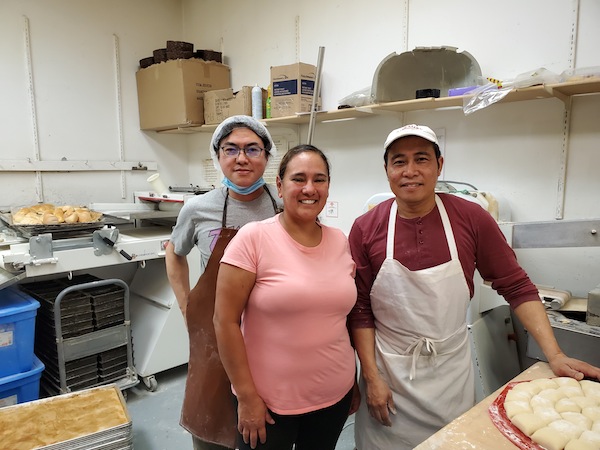
Garden City Bakery owner Steve Uy, right, with store manager Monica Flores and fellow baker Richard Caranto. (photo from Garden City Bakery)

If you’ve not set foot into Garden City Bakery for some time, you’re in for a surprise. The longtime Richmond kosher bakery at Blundell and Garden City roads came under new ownership in December 2019 and Steve Uy has infused the shop with his personal style and charisma. The interior has been updated and the bakery hums with an energy inspired by Uy’s friendliness and business acumen.

A Manila native, Uy moved to Vancouver in 1989 at the age of 20 and studied economics at Simon Fraser University. By 26, he’d returned to the Philippines, first importing Canadian food products and later immersing himself in the kitchen, where he baked steam buns for grocery stores. In 2017, when he returned to Vancouver with his wife and children, he was determined to continue baking for a living. An ingredient supplier introduced Uy to former Garden City Bakery owner Ivan Gerlach and, within two months, the transaction was complete and Uy was at the helm of the business.

“When I took over the shop, the only thing I wanted was an oven to bake things,” he admitted. “I didn’t even know what kosher was!”

Immediately afterwards, though, his kosher education began in earnest, first under Gerlach’s tutelage and then under the instruction of rabbis from BC Kosher. It was a steep learning curve but Uy was fiercely committed to two things: to respect the Jewish traditions of the bakery and to increase the availability of its signature challahs, challah buns, bagels and pita bread.

“Our goal is to be more visible and more available,” he told the Independent.

Expanding the availability of his baked breads wasn’t easy initially and, when Uy first approached Safeway at King Edward Avenue and Oak Street, he wasn’t met with open arms. “I wondered why a Safeway right beside a Jewish school wouldn’t want to carry kosher bread,” he said. It took four months of repeated meetings and encouragement before the grocery store agreed to carry Garden City Bakery challah and buns. But, as soon as they did, the items disappeared fast and the store increased their order. By January 2020, Safeway had invited Uy to set up his own bread rack in the store, where he could sell even more kosher breads, including pita, bagels and rye bread.

Today, Uy’s baked goods are available at Meinhardt Fine Foods, Stong’s Market, two Save-On Foods (Dunbar and Terra Nova), Omnitsky Kosher, Louis Brier Home and Hospital, two Superstore locations (Marine Drive and Richmond) and a FreshCo. And Uy is just getting started on his wholesale journey.

“We intend to expand into more Safeway stores, Superstores and Save-On Foods in the next year or two,” he said. “There’s a gap in the market we can fill here. Grain bread and artisan bread are popular, but I think there’s a market for kosher bread beyond the Jewish community, for anyone who appreciates a good bread. And, personally, I think challah is one of the best, most beautiful breads in the world. The dough itself is just fabulous.”

While expansion plans have been put on hold by the COVID-19 pandemic, Uy’s ambition has not tapered. A hands-on owner, he does much of the mixing and baking himself, “to keep our secret recipes and to ensure consistency of the product.” Uy also handles delivery of the products to the stores.

His baking repertoire remains much the same as it was previous to his leadership, but a couple of new items include a Filipino soft bun called Pandesal, and a sandwich loaf made from the same dough as challah but more suitable as an everyday bread. “The challah and challah buns are our mainstay and we worry that adding too much variety will bog down the bakery in terms of manpower,” he explained.

A great ambassador for the bakery, he emanates positivity and a can-do attitude. “When I bought the business, I could tell that the sales volume was not great, but I’ve always been a risk-taker and I’m confident in my own abilities,” he said. “I’m really enjoying the business, and owning a kosher bakery has exposed me to a new group of people, a different culture and unique traditions I didn’t previously understand.”

He added, “It’s my sales pitch when I go to new stores. I tell them we’re different because we’re kosher. We’re taking one step at a time, but we’re determined to open up more avenues for kosher bread in British Columbia. We know when people start believing in the product, they’ll buy it.”

Lauren Kramer, an award-winning writer and editor, lives in Richmond. To read her work online, visit laurenkramer.net.

Format ImagePosted on May 15, 2020May 14, 2020Author Lauren KramerCategories LocalTags baking, Garden City Bakery, kosher, restaurants, Richmond, Steve Uy
Holiday candy, cookies

Holiday candy, cookies

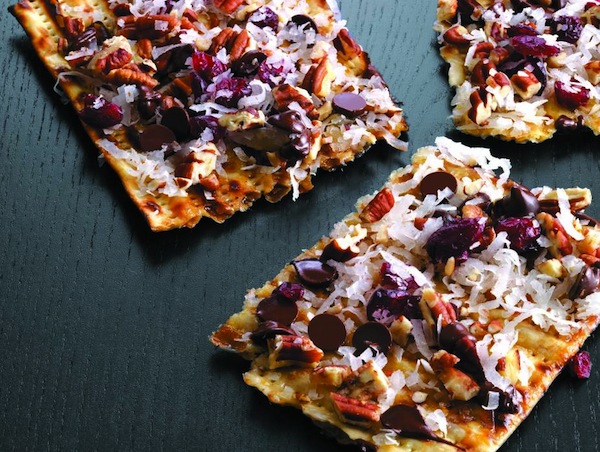
Susie Fishbein’s Butterscotch Matzah Crunch Bars. (photo from kosher.com)

While it is no problem to find candy and cookies that are kosher for Passover, it is also easy to make them yourself. In addition to whatever you may buy at the store, here are some recipes for homemade treats that I enjoy.

MARILYN’S COCONUT MATZAH BALLS
(Marilyn, a former college teacher, now in her 90s, and I were neighbours 40 years ago and are still talk-on-the-phone-daily friends. She came to Israel from Boston in 1949. This recipe makes 20 large balls.)

1/3 cup vegetable oil
1 egg
1/4 cup water or coffee or orange juice
1/2 cup sugar
1/2 cup matzah meal
1/4 cup ground nuts (of your choice)
1/4 cup cocoa
2 tbsp cognac, wine or cherry brandy
1 tbsp coconut

  1. Mix oil, egg, water, coffee or orange juice, sugar, matzah meal, nuts, cocoa and liquor in a bowl. Add more matzah meal if needed to make the dough stick together.
  2. Shape into balls. Place coconut in a bowl and roll each ball in coconut. Refrigerate.

MY FAVOURITE FABULOUS FAUX TOFFEE
(makes three to four dozen two-inch pieces)

6-inch square matzot (enough to cover an 11-by-17-inch cookie sheet)
1 cup butter (I use unsalted pareve margarine)
1 cup brown sugar (I use 2/3 diabetic sugar and 1/3 cup regular)
12 ounces chocolate chips
1 cup chopped nuts

  1. Preheat oven to 350˚F. Generously grease the cookie sheet.
  2. Arrange matzot to cover entire surface.
  3. In a saucepan, combine butter or margarine and brown sugar. Bring to a boil, reduce heat and simmer, stirring continually, for three minutes. Pour over matzot and bake for five minutes.
  4. Remove from oven and cover with chocolate chips, swirling until melted and evenly spread. Sprinkle with nuts. Cool and refrigerate.
  5. Break into pieces when completely cool.

BUTTERSCOTCH CRUNCH BARS
(This is my adaptation from Passover by Design by Susie Fishbein, kosher.com.)

12 tbsp butter or unsalted pareve margarine
1/2 cup brown sugar
4 pieces matzot
1 cup chopped nuts
1 cup shredded coconut
1/2 cup chocolate chips

  1. Preheat oven to 350˚F. Cover a cookie sheet with foil.
  2. Line cookie sheet with matzot, breaking as necessary to fit.
  3. In a saucepan, melt butter or margarine and brown sugar, whisking until the mixture is melted and smooth.
  4. Pour brown sugar mixture over matzot, making sure every surface is covered. Bake for 10 minutes.
  5. In a bowl, toss nuts, coconut and chocolate chips. When matzot are baked enough, remove pan from oven and sprinkle an even layer of coconut mixture on top. Cut into bars while warm.

LIL’S PASSOVER APRICOT SQUARES
(Lil was a friend from our Overland Park, Kan., synagogue. This recipe makes two dozen.)

1 2/3 cups matzah cake meal
1/3 cup sugar
1/3 cup finely ground toasted almonds
1/3 cup oil
2 tbsp lemon juice
1 tbsp grated lemon zest
1 tsp vanilla
2 1/2 to 3 cups apricot preserves

  1. Preheat oven to 350˚F. Grease a rectangular glass baking pan with vegetable cooking spray.
  2. In a mixing bowl, combine matzah cake meal, sugar and almonds and blend.
  3. In another bowl, mix oil, lemon juice, lemon zest and vanilla. Add to dry ingredients and stir with a fork.
  4. Press 2/3 of the mixture on the bottom of the baking pan. Bake for 25 minutes. Remove from oven and cool slightly.
  5. Spread apricot preserves on crust. Sprinkle remaining half of cake meal mixture on top. Return to oven and bake 25 minutes. Cool then cut into squares.

Sybil Kaplan is a journalist, lecturer, book reviewer and food writer in Jerusalem. She created and leads the weekly English-language Shuk Walks in Machane Yehuda, she has compiled and edited nine kosher cookbooks, and is the author of Witness to History: Ten Years as a Woman Journalist in Israel.

Format ImagePosted on April 3, 2020April 2, 2020Author Sybil KaplanCategories Celebrating the HolidaysTags baking, desserts
Baking under quarantine

Baking under quarantine

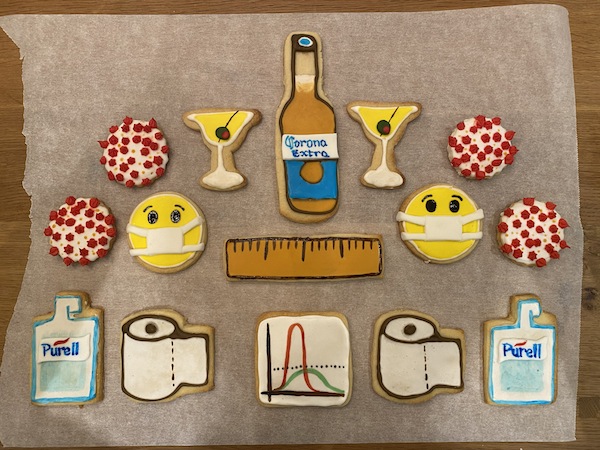
These “quarantini” cookies were baked by Lynne Altow and her aunt, Alexandra Altow. When Queen’s University closed earlier this month, Lynne stayed at her uncle David and aunt Alexandra’s house in Toronto on her way home to Vancouver, where her parents, Lisa and Andrew Altow, and grandparents, Bill and Debby Altow, live. Debby shared this photo with the Independent.

Format ImagePosted on March 27, 2020March 26, 2020Author Debby AltowCategories NationalTags Altow, baking, coronavirus, COVID-19, family life
Scrumptious soup ’n’ cookies

Scrumptious soup ’n’ cookies

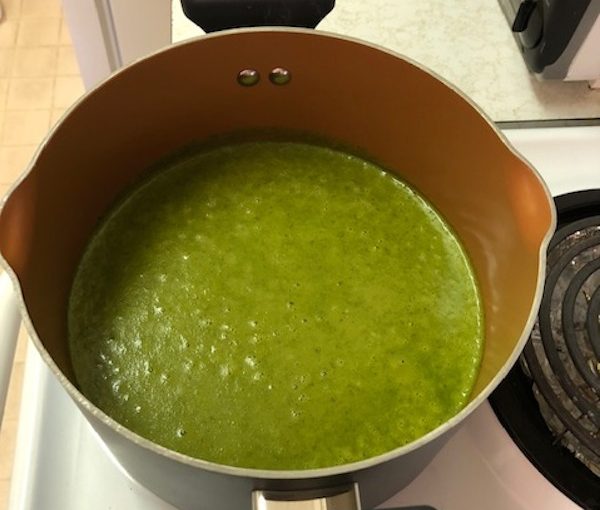
Kermit Soup, ready to serve. (photo by Shelley Civkin)

Treat your friends to one little taste of my Kermit Soup (aka kale-and-potato soup) and I guarantee they’ll be green with envy. Granted, it’s an unholy colour, which could be off-putting to some, but don’t dismiss it out of spoon. Even those who vigorously eschew kale (and aren’t partial to green) will be begging for seconds.

During these seemingly endless, dark days of fall and winter, there’s nothing more comforting than a thick, hearty soup. (Unless of course it’s a healthy serving of 15-year-old Balvenie, but that’s just wasted calories.) To me, soups are the bait-and-switch of mealtimes. If you haven’t been shopping in awhile, and all you’re planning for dinner is tuna sandwiches, then a good, substantial soup can easily step up to the plate and take on the starring role. After all, soup has got so much going for it: it’s filling, scrumptious and everything else pales by comparison. Especially if it’s Kermit Soup (you’ll see what I’m talking about soon enough). Don’t feel you need to apologize for its aberrant tint. I mean, just take a look around at the freakish hair colours you see on the streets. Kermit Soup has absolutely nothing to be embarrassed about. Nor do you.

It does help if you have a really good blender to make this soup. In fact, it’s rather essential. I’ve got a Breville at home and that sucker could crush rocks. (I’m pretty sure my blender has a bigger engine than my car.) Yams? No problem. Acorn squash? A joke. Carrots? In its sleep. Not that my recipe calls for any of those. Just saying. So, without further ado – meet the star of the dinner show.

KERMIT SOUP

2 cloves garlic
3 small/medium Yukon gold potatoes, diced
half a large yellow onion
6 cups baby kale, chopped and lightly packed (the store wouldn’t let me take     it without parental permission, so I used adult kale instead)
4 tbsp unsalted butter
1 quart (4 cups) chicken (or mushroom) broth
Salt and pepper to taste

  1. Mince the garlic.
  2. Peel and chop the onion.
  3. Peel and cube the potatoes.
  4. Rinse kale and drain it well. Remove the thick stems then chop it up.
  5. Melt butter over medium heat in a heavy soup pan.
  6. Add garlic, onion, potatoes, and salt and pepper to taste.
  7. Stir and cook for several minutes over medium heat.
  8. Add the broth and bring it to a boil. Skim off fat from the top.
  9. Gently simmer with the lid on for about 15 minutes or until potatoes are tender.
  10. Add the kale and cook without the lid for about three to five minutes or until tender.
  11. Transfer the soup to a blender a few cups at a time and puree. You might want to remove the little circle part of the blender lid to let some of the steam escape (but not while the blender is running). As each pureed batch is ready, pour it into another saucepan.
  12. Ready to serve! It’s even better reheated the next day, and it’s good cold, too. If you’re not too hungry, have some bread with it and you’ve got yourself a light, yet filling fall meal. You’re welcome.

So, by now you’ve devoured your Kermit Soup and tuna sandwiches. To great acclaim. The soup, that is. An hour-and-a-half goes by and you’re jonesing for something sweet. Now what? You could get in your car and drive to some overpriced, hipster dessert restaurant that charges $12.95 for a two-inch purple yam, all-vegan crème brulée. Or, you could rock it old school. In the comfort of your own home. With Weetabix Chocolate Chip Cookies.

Yes, Virginia, Weetabix is more than just a breakfast cereal. Plus, it adds a nice crunchy texture to your cookies that you won’t soon forget (unless you overdo it with that 15-year-old Balvenie I referenced earlier. But that’s on you, not me). I always keep a box of Weetabix around, just in case of a cookie emergency. Which seems to happen with increasing frequency. And there are always chocolate chips hidden in my freezer (as if I don’t know where they are). So, go ahead, don your apron, pretend you’re Suzie Homemaker or Donna Reed and bake your family some irresistible cookies.

WEETABIX CHOCOLATE CHIP COOKIES

4 Weetabix, crushed
1 cup all-purpose flour
1/2 tsp baking soda
1/2 tsp salt
3/4 cup soft butter or margarine
1/2 cup firmly packed brown sugar
1/4 cup granulated white sugar
1 1/2 tsp vanilla extract
1 egg
1 cup semi-sweet chocolate chips

  1. Mix together crushed Weetabix, flour, baking soda and salt in medium bowl. Set aside.
  2. In a large bowl, using a hand mixer, cream together butter/margarine and sugars. Beat in vanilla and egg.
  3. Add dry ingredients and mix well. Stir in chocolate chips.
  4. Drop dough by tablespoonsful onto an ungreased baking sheet (or line with parchment paper).
  5. Bake at 350°F for 12 minutes (or slightly longer for a crispier cookie).
  6. Eat and repeat. Or eat ’em and weep. I’ll leave that to your discretion. These are so popular that you might want to make two batches at once. Just to be on the safe side. One batch never lasts more than half a day in my home, and there are only two of us. Again, you’re welcome.

These aren’t exactly balabatish recipes. More like nouveau accidental balabusta. But I do stand behind them. You see, I’m channeling my inner balabusta while I make them, and that’s good enough for me. I’ll leave the rugelach, kichele and komish broit to some other ambitious balabusta. On some other day. It just goes to show that food doesn’t need some fancy Yiddish name to taste geshmak. One bite of these Weetabix cookies and one spoonful of this Kermit Soup and you’ll be kvelling all over the place. Just clean up after all that kvelling, OK? Bottom line: it’s all about the heart and soul of the cook.

So, stop kvetching and get thee into the kitchen. Those cookies and soup aren’t going to make themselves. Just promise me one thing – you won’t ask for a refund if you don’t love the Kermit Soup.

Shelley Civkin, aka the Accidental Balabusta, is a happily retired librarian and communications officer. For 17 years, she wrote a weekly book review column for the Richmond Review. She’s currently a freelance writer and volunteer.

Format ImagePosted on December 13, 2019December 12, 2019Author Shelley CivkinCategories LifeTags baking, cookies, cooking, soup
Sweetness of chocolate chips

Sweetness of chocolate chips

(photo by Kimberly Vardeman)

Chocolate chips were created when chocolate chip cookies were invented in 1937 – Ruth Graves Wakefield of the Toll House Inn in Whitman, Mass., added cut-up chunks of a semi-sweet Nestlé chocolate bar to a cookie recipe.

The cookies were a huge success, and Wakefield reached an agreement in 1939 with Nestlé to add her recipe to the chocolate bar’s packaging in exchange for a lifetime supply of chocolate. Initially, Nestlé included a small chopping tool with the chocolate bars. In 1941, Nestlé and at least one of its competitors started selling the chocolate in “chip” (or “morsel”) form.

Originally, chocolate chips were made of semi-sweet chocolate, but today there are many flavours of chips, including bittersweet, peanut butter, butterscotch, mint chocolate, white chocolate, dark chocolate, milk chocolate, and white and dark swirled chips.

Here are some of my favourite recipes.

MOM’S CHOCOLATE CHIP COOKIES
5 dozen small cookies

1/3 cup oil (Mom, z”l, used 1/2 cup shortening)
1/4 cup brown sugar
1/2 cup white sugar
1 egg
1 package chocolate chips
1/2 tsp baking soda
1/2 tsp salt (I eliminate this)
1 1/8 cups flour
1/2 cup chopped nuts
1/2 tsp vanilla

  1. Preheat oven to 375°F. Spray cookie sheets with vegetable spray or cover with parchment paper.
  2. Combine oil, sugars and egg in a mixing bowl or food processor.
  3. Add chocolate chips, baking soda, flour, nuts, vanilla (and salt). Blend well.
  4. Spoon on cookie sheets with a teaspoon or tablespoon. Bake for eight to 10 minutes. Remove from oven and let cool on a rack.

ELISHEVA’S CHOCOLATE CHIP OATMEAL COOKIES
I tasted these at a Hadassah Israel meeting. They were made by one of our members and I had to have the recipe.

1 cup margarine or butter, softened (I use 3/4 cup oil)
1 1/4 cups firmly packed brown sugar
1/2 cup white sugar
2 eggs
2 tbsp milk (I use Rich’s non-dairy creamer or soy milk)
2 tsp vanilla
1 tsp baking soda
1 3/4 cups flour
pinch of salt (which I don’t add)
2 cups uncooked oatmeal
1 package chocolate chips
1 cup coarsely chopped nuts (optional)

  1. Preheat oven to 475°F. Place parchment paper on cookie sheets.
  2. Beat margarine or butter (or oil) and sugars until creamy in a bowl. Add eggs, milk and vanilla. Beat well.
  3. Add flour and baking soda (and salt). Mix well.
  4. Stir in oatmeal, chocolate chips and nuts. Mix well.
  5. Drop by rounded tablespoons onto cookie sheet. Bake for nine or 10 minutes for a chewy cookie, 12 to 13 minutes for a crispy cookie.

DIABETIC (SPLENDA) CHOCOLATE CHIP COOKIES
30 cookies

2 cups flour
1 tsp baking powder
1 tsp baking soda
1/4 tsp salt (I never add salt)
1 cup melted butter (I use 1/4 cup + 2 tbsp vegetable oil)
1 cup Splenda brown sugar blend
2 large eggs
1 tbsp vanilla extract
2 cups semi-sweet chocolate chips

  1. Preheat oven to 375°F. Line cookie sheets with parchment paper.
  2. Combine flour, baking powder and baking soda in a bowl. Set aside.
  3. Mix butter (oil) and Splenda in a large bowl. Stir in eggs. Add vanilla and mix. Stir in flour mixture. Fold in chocolate chips.
  4. Drop dough by tablespoon onto cookie sheets. Bake for 11 to 13 minutes. Allow to cool before moving to racks to cool completely.

Sybil Kaplan is a journalist, lecturer, book reviewer and food writer in Jerusalem. She created and leads the weekly English-language Shuk Walks in Machane Yehuda, she has compiled and edited nine kosher cookbooks.

Format ImagePosted on December 13, 2019December 12, 2019Author Sybil KaplanCategories Celebrating the HolidaysTags baking, cookies, recipes
Enter focaccia, stage right

Enter focaccia, stage right

Focaccia straight from the oven. (photo by Shelley Civkin)

Ladies and gentlemen, start your engines, please. Or, in this case, your yeast. From zero to focaccia in one hour.

My unpremeditated transformation from water-burner to bread-baker is shocking even to me. Or especially to me. When hubby Harvey came home one day with a cast-iron pan, I got über excited, thinking I could now fry like my father used to. Though, when frying became a dirty word in the 1990s, he called it sautéeing. But, somehow, sautéeing seemed too prosaic for the mighty cast iron, so I started investigating what else I could do with the skillet.

Thanks to Google and Pinterest’s cookies, they now know that I like baking bread. I automatically get links to recipes for cast-iron bread-baking. Every. Five. Minutes. Enter focaccia, stage right. Or, if you’re Italian … entra nella scena della focaccia a destra.

I perused the myriad recipes and took a few of them on a test drive. Or test bake, as it were. The following recipe overtook the others by a mile, and won in the finest focaccia category. Here’s a link to the winning One-hour Rosemary Focaccia Bread I’ve come to love: flavorthemoments.com/one-hour-rosemary-focaccia-bread. (It actually takes an hour-and-a-half, if you include the time it takes to preheat your oven.)

It’s my go-to quick bread recipe. It’s truly no-fail. Feel free to ditch the garlic and Parmesan, or add more rosemary. You can’t screw up this bread. After my first try, I was hooked. I let the gorgeously golden focaccia cool, sliced it into small rectangles, like they do in Italian restaurants, and dipped it in EVOO (shorthand for extra virgin olive oil). Which made me wonder what an “extra virgin” is? Something to ponder another time. Never mind. Not relevant. Anyway, I’ve made this focaccia several times. Needless to say, I am not getting thinner. But my Italian is improving.

Now that I’ve pretty much nailed down challah and focaccia, I decided to branch out and try making a no-knead round crusty bread. You know, like sourdough. Minus the sour. The kind that requires you to have a Dutch oven. Google and Pinterest are way ahead of me, so they’ve been sending me nonstop recipes and pix of Dutch oven bread. All I had to do was think about crusty bread and they were on it.

I recently learned that not all Dutch ovens are created equal. They’re mostly made from cast iron covered in enamel, but not all of them can withstand the high heat you need to use. Thing is, for crusty bread, you have to heat the Dutch oven to about 450 degrees – empty. Then you put the dough in it. You don’t want to ruin a fancy shmancy Dutch oven over a loaf of bread. Even though my Dutch oven isn’t one of those $400 Le Creuset ones – it’s a $65 one from Costco, which works perfectly for pot roast, chicken and everything in between – I’m loathe to risk ruining it over bread. Sure, I could go buy one of the fancy Dutch ovens but, seriously, $400 for a crusty loaf? Not in this lifetime. I worked too hard to fritter my money away like that. And, like I always say, just because you can afford to buy something, doesn’t mean you should.

So, I improvised and used an ancient Magnalite aluminum-magnesium alloy Dutch oven that belonged to my friend’s late mother. I’m hoping I don’t get Alzheimer’s, what with the aluminum connection, but it’s not like I’m going to be making every single meal in it. Anyway, the bread was a marginal success. The outside looked gorgeously crusty but, once I cut into it, parts were doughy and uncooked. Bake and learn. I’ll try it a few more times, tweaking the temperature, increasing the rising time, etc., and hope for the best. If at first you don’t succeed, well, suck it up and try again.

I can hear some readers wondering why I would want to waste half a day baking bread from scratch, when I could just go out and buy a loaf. Well, there’s something indescribable about the smell of fresh baked bread wafting through my home. It’s a little like a comestible aphrodisiac. It makes me weak at the knees, thinking about the butter melting slowly over the hot bread, as I sniff it lovingly with anticipation. Wait, this is becoming a little X-rated. I need to get a grip. Sorry. Suffice to say that my husband and I adore fresh bread and appreciate the effort it takes to make it. And, since I’m a notorious multi-tasker, I busy myself with other things while the dough is rising, so there’s no wasted time. Like now, for instance. I’m writing this article while waiting for my rosemary and Kalamata olive bread dough to double in size.

Never having been one to let grass grow under my feet, my next culinary foray will be gravlax. Ever since tasting my friend Roxanne’s heavenly gravlax last Pesach, I’ve been itching to give it a go. Since salmon season is upon us, there’s no time like the present. Harvey’s on board too, but not as a cook as much as a taste-tester. From what I can tell, it’s a ridiculously easy thing to make, as long as you have truckloads of salt, sugar, dill and time. No, not thyme. Once I perfect the recipe, I’ll share it with you. But not until then.

You can try till you’re blue in the face to convince me that store-bought food is just as good as homemade, but I’m not buying it. Literally or figuratively. There’s just something about the laying on of hands, the investment of love and effort, and the satisfaction at the end of it all, that makes homemade food so very worth it.

I suspect I might have made a very dedicated homesteader. As long as I had an electric stove and oven, and a good refrigerator. Oh, and maybe somewhere close by where I could get a good decaf, low-foam, lactose-free latte while I was growing my own food, baking bread and churning butter. Am I country girl at heart? Hell, no! I am about as cityfied as they come. To wit, my idea of camping is a Motel 8. And outhouses? They should be outlawed.

Enough said.

Shelley Civkin, aka the Accidental Balabusta, is a happily retired librarian and communications officer. For 17 years, she wrote a weekly book review column for the Richmond Review, and currently writes a bi-weekly column about retirement for the Richmond News.

Format ImagePosted on August 23, 2019April 2, 2020Author Shelley CivkinCategories LifeTags Accidental Balabusta, baking, bread, challah, cooking, focaccia, lifestyle
Quinoa, bread and date bars

Quinoa, bread and date bars

Food You Want for the Life You Crave by Nealy Fischer (Da Capo Lifelong Books, 2019) is a delight to read. Not only are there at least 128 gluten-free recipes in this kosher cookbook, but there are 107 full-colour photographs, many of the author and her family sampling the recipes and enjoying them.

“These pages are designed to help you obtain a simpler recipe for success, both in and out of the kitchen,” writes Fischer, noting “these pages are infused with craveable global recipes inspired by our life in Asia and Israel.” The author started to adhere to a gluten-free diet more than 10 years ago.

The recipes have two strategies: “nail this,” the most essential elements to master for a dish’s success, and “flip it,” tips to encourage readers to be creative and to adapt the recipe to their preferences and limitations. Fischer gives readers a 10-step guide to becoming a flexible chef; a substitution chart; pantry, fridge and freezer essentials; and useful gadgets. Chapters include all-day breakfast, breads and muffins; soups and small plates; salads and dressings; fish, poultry and meat; veggies; desserts; drinks and nibbles for friends; and condiments and pantry essentials. The book concludes with a conversion cheat sheet.

One nice idea in the formating is a list of what tools to use above the list of ingredients, which is bolded and, where applicable, divided into dry and wet ingredients and toppings. She also has my favourite element in cookbooks – numbered instructions opposite the ingredients so you don’t have to keep looking up and down. My other favourite aspect is a comment about each recipe. Here are a few of the recipes to try.

SAVOURY QUINOA BOWL
4-6 servings

1/2 cup red or white quinoa (makes 2 heaping cups cooked)
2 small Persian or Kirby cucumbers, chopped (1 1/2 cups)
2 chopped tomatoes (about 1 cup)
1 peeled, chopped avocado (about 1 cup)
1 cup arugula
1/2 cup chopped green onion (about 4)
1/2 cup chopped fresh mint
1/4 cup finely chopped shallots
3 tbsp lemon juice
4 tbsp extra-virgin olive oil
salt and freshly ground black pepper to taste
6 large eggs

  1. Start by cooking the quinoa. Mix it with one cup water in a saucepan or pot over medium low heat. Bring to a simmer and cook, covered, for 10 minutes. Check to see if it is done or needs a tad more liquid. Set aside to cool.
  2. Toss the cucumbers, tomatoes, avocado, arugula, green onions, mint and shallots in a large bowl.
  3. Add the cooled quinoa to the veggie bowl then season with lemon juice, olive oil, salt and pepper.
  4. Divide the mixture between six bowls.
  5. Fry the eggs in a lightly oiled pan over medium heat until the whites have set, or to desired doneness. Season with salt and pepper to taste, then carefully slide them on top of the quinoa bowls.

HERBED EVERYDAY BREAD
2 mini loaves or 1 large loaf

1 packet active dry yeast (2 1/4 tsp)
1/4 cup warm water
1 cup all-purpose gluten-free flour
1 cup oat flour
1/4 cup almond flour
1/4 cup flax meal
2 tsp xanthan gum (omit if already in flour)
1 1/2 tsp dried rosemary
1 tsp salt
1/4 cup extra-virgin olive oil
2 large eggs + 1 beaten for brushing
2 tbsp raw honey
1/2 tsp rice vinegar

  1. In a large bowl, mix the yeast with the warm water; let stand until the yeast bubbles, about eight minutes.
  2. In a separate medium bowl, whisk together gluten-free flour, oat flour, flax meal, almond flour, xanthan gum, rosemary and salt.
  3. Stir olive oil, two eggs, honey and rice vinegar into yeast mixture. Stir dry ingredients into bowl. Mix well.
  4. Transfer dough to parchment-lined loaf pans and let stand covered in a warm place until bread rises to double in height (about 45 minutes).
  5. Preheat the oven to 350°F.
  6. Brush the top with the remaining beaten egg.
  7. Bake the bread until it is golden and set in the centre, 30 to 35 minutes for mini loaves or about 45 minutes for a larger loaf. Cool the bread completely before removing from the pans and slicing.

DATE-BAR BITES
32 to 36 squares

1 pound Medjool dates, pitted and chopped
1/4 cup maple syrup
juice and zest of 1 orange
2/3 cup coarsely chopped raw walnuts or pecans
1 tsp ground cinnamon
1 tsp vanilla extract
1 3/4 cups all-purpose gluten-free flour
1 1/2 cups old-fashioned rolled oats
1 cup packed dark brown sugar
3/4 cup coconut oil at room temperature
1/2 tsp baking soda
1/8 tsp salt

  1. In a saucepan over medium heat, combine dates with half-cup water, maple syrup and orange juice and bring to a boil.
  2. Remove the pan from the heat and stir in the orange zest, nuts, cinnamon and vanilla. Set aside.
  3. Preheat the oven to 350°F. Grease a 13-by-9-inch baking pan or line it with parchment paper.
  4. In a food processor, mix together flour, rolled oats, brown sugar, coconut oil, baking soda and salt until combination is crumbly but still holds together.
  5. Press two-thirds of the dough into the baking pan (reserve one-third for the topping).
  6. Spread the filling evenly over the crust. Sprinkle the remaining one-third of the topping over the filling. Bake for 30 minutes or until lightly golden.
  7. Cool completely then refrigerate until cold to make the cutting easier. Cut into one-and-a-half-inch squares.

Sybil Kaplan is a journalist, lecturer, book reviewer and food writer in Jerusalem. She created and leads the weekly English-language Shuk Walks in Machane Yehuda, she has compiled and edited nine kosher cookbooks, and is the author of Witness to History: Ten Years as a Woman Journalist in Israel.

Format ImagePosted on July 12, 2019July 10, 2019Author Sybil KaplanCategories BooksTags baking, bread, cookbook, dates, gluten-free, Nealy Fischer, quinoa, recipes
Chocolate babka debacle

Chocolate babka debacle

Babka gone bad: The Accidental Balabusta’s first attempt at this Jewish treat was less than a stellar success. (photo by Shelley Civkin)

After I conquered challah and cholent, I felt it was time to tiptoe into the forbidden realm of babka. I say the word with a great deal of reverence, because, well, if you’ve ever eaten a spectacular babka, you know it’s something awe-inspiring. There are limitless variations of babka: chocolate, Nutella, boozy, apricot and cinnamon, pumpkin, butterscotch and more. I even found a recipe for babka ice cream sandwiches and babka bread pudding. This is not diet food. Never was. Never will be.

Babka is comprised of a basic challah dough or a butter challah dough. Every recipe is different and, sometimes, to achieve the perfect babka (which I am far from accomplishing) you need to do a bit of mixing and matching of recipes.

My first attempt at making chocolate babka was an unmitigated disaster. Not only was my dough so velvety soft that I couldn’t even roll it, but the filling was so thin that it smooshed out all over the place. Part of the problem was math. I have always been math challenged. In fact, I have a pair of socks that say: “The three things I hate most are math.” My brain shuts down when faced with mathematical conversions (yes, I know there are apps for that). Long story short, I mistakenly used a half-pound of butter instead of a half-cup of butter for my babka dough. Hence, the flaccid, unresponsive dough. Nobody likes flaccid dough. Most people don’t even like the word flaccid. Except sex therapists. Anyway….

My other challenge was not realizing that you have to refrigerate the dough for a bit before rolling it out and filling it. There are tons of YouTubes on how to make babka – I recommend viewing several of them before attempting this at home. Also, check out lots of Jewish cookbooks, too. I stress “Jewish” because we Jews know how to accentuate the caloric value of our food so that it tastes impossibly rich and irresistible. Jewish baking is famous for a reason. If a recipe calls for eight ounces of dark chocolate, what the hell, 12 ounces must be better. Half a cup of butter – why not half a pound? Don’t bother pointing it out. I see the error of my ways.

If my first attempt at babka was less than a stellar success, it’s not just because of the aforementioned infractions. My main excuse is my miniscule galley kitchen. I lay the blame squarely where it belongs: on the almost-nonexistent counter. Things are so squished in my kitchen that there’s very little room for food. Or utensils. Take, for example, my long, articulated spatula. It’s the perfect implement for shmearing the chocolate onto the dough before rolling it up. I digress.

Back to the babka. I started shmearing the chocolate and, part way though, I had to sneeze. So, I put the long spatula into the bowl with the melted chocolate sitting on my teeny, tiny counter. The sheer force of my sternutation – it was probably a 7.8 on the Richter scale – caused the chocolate-covered spatula to fly out of the bowl and splatter chocolate everywhere, and I mean everywhere. It ended up on the walls, the floor, me, the counter, the carpet and Harvey, who looked on in mute husbandly horror. It was like something out of a slasher movie. Except the splatter was 85% bittersweet cacao chocolate instead of blood. I could have been arrested for assault with a confectionery weapon. All that was missing was the yellow police tape.

As if that wasn’t enough, the excitement of it all caused me to knock the recipe into the sink, which was filled with dirty bowls and brown water. At that point, I almost cried. But I didn’t. Instead, I casually looked at my chocolate-covered hubby and said: “OK, no one died. I’m going to try again.” I was determined not to let this babka get the better of me. I was going to show it who was the boss.

After wiping chocolate off my face, the walls and the counter (I may have licked the counter), I rolled up the flaccid babka, shoved it into the fridge and poured myself a teeny, tiny single malt Scotch. Just to shore up my nerves. Once I’d consumed the liquid fortification, I took out the babka, sliced it down the middle lengthwise, which is kind of difficult when it’s not really a shape, and proceeded to twist it so that that the layers of dough and chocolate showed on the outside. Then, I carefully laid it to rest in a parchment-lined coffin. I mean loaf pan. Said Kaddish.

photo - Babka gone better: Subsequent babka attempts were more successful
Babka gone better: Subsequent babka attempts were more successful. (photo by Shelley Civkin)

Since I’d made enough dough for about 15 babkas (by mistake, of course … remember my math impairment?), I now had to figure out what to do with the rest of it. I was tempted to sell it on Craigslist, but how would I even describe it? “Blob of velvety soft dough for sale. Nearly house-trained. Enough to make several loaves of bread or a small border wall. If frozen. Pick-up only. $10 obo.” In all honesty, I would have paid someone to take it off my hands at that point.

Stuck with all that dough, I shmeared and shaped the rest of it into circles, rectangles and free-form sculptures, jammed them into every available pan I had, and shoved them into the oven to bake. The entire procedure took about 11 hours. My bone graft and tooth implant took less time. I think I started the whole process at around 9 a.m. and didn’t remove the final “babka” (I use that word loosely) until around 8 p.m. Of course, I’m also factoring in the time it took the restoration team to steam clean our entire apartment. Should have just moved.

By that time, there was no way I was making dinner. So, we ate three-quarters of one chocolate babka for dinner. Slathered in even more butter. I think I may have sent both of us into a slight sugar coma. Not sure. No paramedics were called, so it couldn’t have been that traumatic.

I put the rest of the evidence into the freezer, for when I want to scare some unsuspecting dinner guests. I promise, here and now, that my next foray into babka-making will start with single malt Scotch.

If I’m lucky, it may end there, too.

Shelley Civkin, aka the Accidental Balabusta, is a happily retired librarian and communications officer. For 17 years, she wrote a weekly book review column for the Richmond Review, and currently writes a bi-weekly column about retirement for the Richmond News.

Format ImagePosted on June 14, 2019April 2, 2020Author Shelley CivkinCategories LifeTags babka, baking, lifestyle

Posts pagination

Previous page Page 1 … Page 3 Page 4 Page 5 Page 6 Next page
Proudly powered by WordPress