Skip to content
  • Home
  • Subscribe / donate
  • Events calendar
  • News
    • Local
    • National
    • Israel
    • World
    • עניין בחדשות
      A roundup of news in Canada and further afield, in Hebrew.
  • Opinion
    • From the JI
    • Op-Ed
  • Arts & Culture
    • Performing Arts
    • Music
    • Books
    • Visual Arts
    • TV & Film
  • Life
    • Celebrating the Holidays
    • Travel
    • The Daily Snooze
      Cartoons by Jacob Samuel
    • Mystery Photo
      Help the JI and JMABC fill in the gaps in our archives.
  • Community Links
    • Organizations, Etc.
    • Other News Sources & Blogs
    • Business Directory
  • FAQ
  • JI Chai Celebration
  • JI@88! video

Recent Posts

  • המלחמות של נתניהו וטראמפ
  • Zionism wins big in Vegas
  • Different but connected
  • Survival not passive
  • Musical celebration of Israel
  • Shoppe celebrates 25 years
  • Human “book” event
  • Reclaiming Jewish stories
  • Bema presents Perseverance
  • CSS honours Bellas z”l
  • Sheba Promise here May 7
  • Reflections from Be’eri
  • New law a desecration
  • Resilient joy in tough times
  • Rescue dog brings joy
  • Art chosen for new museum
  • Reminder of hope, resilience
  • The national food of Israel?
  • Story of Israel’s north
  • Sheltering in train stations
  • Teach critical thinking
  • Learning to bridge divides
  • Supporting Iranian community
  • Art dismantles systems
  • Beth Tikvah celebrates 50th
  • What is Jewish music?
  • Celebrate joy of music
  • Women share experiences 
  • Raising funds for Survivors
  • Call for digital literacy
  • The hidden hand of hate
  • Tarot as spiritual ritual
  • Students create fancy meal
  • Encouraging young voices
  • Rose’s Angels delivers
  • Living life to its fullest

Archives

Follow @JewishIndie
image - The CJN - Visit Us Banner - 300x600 - 101625

Tag: baking

Blogging about food, farm life

Blogging about food, farm life

While food blogger Molly Yeh loves vegetables, she said she feels she has “more to contribute in the world of cake.” (photo by Chantell Quernemoen)

Blogger Molly Yeh, 28, is the daughter of a Jewish mother and a Chinese father. She grew up in a Chicago suburb in a house with great cooking by her mom and great music by her dad, giving her a lasting love and appreciation for both arts, even though it is food that has become her profession.

An accomplished percussionist, Yeh first pursued her musical passion, enrolling in Juilliard School in New York.

“What I discovered when I got to New York was how amazing the restaurant scene there was,” she told the Independent. “That really inspired me to get into food and tasting new things. I started cooking as well. I’d call my mother and ask her to send recipes … and I started baking a lot.”

When she started her blog, it was somewhat an extension of her diary. “I basically just used it as a scrapbook of adventures around the city and hanging out with friends and stuff,” she explained. “It quickly became clear that I only wanted to blog about food. So, I started doing recipe development and learning about food harvest and such. And then, four years ago, I moved from New York to the border of North Dakota and Minnesota, where my husband grew up. He’s a fifth-generation farmer.

“When we first moved here, I had a lot of time on my hands. I didn’t know that many people, I was working at the bakery in town…. But, other than that, I just worked on my blog a bunch and turned it into something that could become a business.

“It became my full-time job and then I also wrote my book, Molly on the Range, which includes a lot of the recipes from my upbringing in Chicago, to my time spent in New York, and then a lot of the recipes that I learned when I moved to where I live now.”

As a kid, Yeh had a penchant for starchy cuisine like challah and rugelach. At home, they marked both the major Jewish holidays as well as Christmas but, Yeh stressed, “I am Jewish. It’s an important part of my life.”

Her mom cooked Ashkenazi and Chinese food. “When she first married my dad, she took a dumpling- and dim sum-making class,” recalled Yeh. “So, I grew up with a stack of recipes she got from that class. Those sort of became the traditional recipes we’d make. On Christmas, we’d make our own Chinese food, and those were the recipes I grew up with.”

Yeh met her now-husband at Juilliard. He was a trombonist and they shared many of the same school friends. They began dating after they both graduated.

“In school, he was the quiet studious type,” said Yeh. “I was more the loud partier type. But, after we graduated, we started hanging out a bunch and I thought he seemed pretty cool. After a few years of dating and living in the city, we were both kind of ready for a slower pace of life … ready to be closer to family.”

Yeh joked that, when they went to visit the farm on which her husband spent his childhood, she told him, “OK. I’m moving here, whether you’re with me or not. I love it here! Let’s do it.”

Looking back, Yeh said, “It was a pretty easy decision, because we were just kind of ready after five or six years of living in New York City, going out every night, trying new restaurants every night and going to concerts and parties…. I was just ready to cook in a nice, big, sunny kitchen and have a garden, and not have to choose between 100 different pizza places. He grew up on the farm with a good relationship to it, but, because he was also playing trombone, he never saw himself going into farming full-time.

“But, both of us, while we were at Juilliard, separately made the decision that we didn’t want to be in an orchestra full-time,” said Yeh. “When you make that decision, there are still so many options for how you can have music in your life. We both like doing lots of different things, not just music.

“When the opportunity to farm came up, he felt strongly about carrying on the family tradition and keeping the farm in the family. None of his cousins or sister expressed an interest in taking over the family farm, so I think that there was big pull for him to come back and make sure it was carried on through the generations.”

The main crops they grow are sugar beets, wheat, soybeans and navy beans.

Yeh is an avid diary keeper, so when she learned that having a diary online was possible and that it was easy to put photos with it, she jumped at the idea of starting a blog. These days, her blog is primarily about food, but much of it is about travel, too.

“I share a lot of recipes that are influenced by Jewish cuisine, Israeli cuisine, and also cuisine in this area, in the upper midwest,” she said. “I also have recipes influenced by my Chinese heritage. I try to do recipes you wouldn’t really find anywhere else and recipes that tell a story, that are meaningful to me.

“I also just like keeping it in a diary format, so talking about what’s happening on the farm and my life these days.”

Yeh loves baking cakes, mostly because she gets to decorate them and they become edible art. She also likes making food that is celebratory, that people might bring to a party or share with others.

“I don’t think it’s totally a blog for everyday food,” she said. “It’s definitely a blog for recipes you might enjoy on a weekend, at a party, or when you’re splurging. I love making food that’s inspired by food I’ve had in Israel, because it’s so delicious and also healthy. I make a lot of hummus and salads, but I don’t blog that much about salads. I feel like I have more to contribute in the world of cake.”

Most of Yeh’s followers hail from English-speaking countries – from the United States, England, Canada, Australia, Germany and Israel.

“I love keeping the blog,” said Yeh. “Even if it wasn’t my job, I’d still keep it up. I see myself doing the blog forever. But, the landscape is always changing. Right now, people want more video. I can see videos really help people learn recipes, so that’s something I’m starting to get into.

“The book was really a great experience. I’m working on a smaller book right now. As long as it has to do with making food and being creative, then I’ll be excited about it. Who knows what form that will take on in the future?

“I want to give a shout out to the few blog friends in Vancouver. I’ve always wanted to do the cruise that goes from Vancouver up to Alaska. Vancouver just seems like the coolest place ever. One day, I’ll visit.”

To learn more about Yeh and her endeavours, visit mynameisyeh.com.

Rebeca Kuropatwa is a Winnipeg freelance writer.

Format ImagePosted on October 20, 2017October 19, 2017Author Rebeca KuropatwaCategories WorldTags baking, blogs, food, Molly Yeh
Delicious and new recipes

Delicious and new recipes

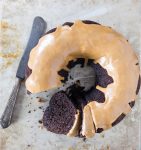
Naomi Nachman’s Fudgy Chocolate Bundt Cake with Coffee Glaze is gluten-free. (photo by Miriam Pascal)

What? Another cookbook for Pesach? Yes. And a welcome one – Perfect for Pesach: Passover Recipes You’ll Want to Make All Year by Naomi Nachman (Artscroll/Shaar Press, 2017).

“As a chef specializing in Passover, I wanted to provide home cooks with delicious recipes that bring something new to the table,” Nachman explains in the press material. “Some of the recipes in this book reflect my years of catering Pesach dinners and others are brand new to reflect today’s kosher cooking styles. All my recipes use fresh, simple and delicious combinations of ingredients that you can get all year long and create interesting meal choices.”

Nachman, who lives with her family on Long Island, N.Y., grew up in Australia. She served Long Island’s Five Towns through her personal chef business, the Aussie Gourmet. She led a culinary arts program at a Poconos camp for seven summers and, currently, she is director of the Culinary Arts Recreational Program for VIP Ram Destinations’ Pesach holiday in Florida. She also hosts a weekly show on the Nachum Segal Network and writes a monthly column for Mishpacha magazine.

She certainly has the credentials! And what variety in this book.

book cover - Perfect for Pesach: Passover Recipes You’ll Want to Make All Year by Naomi NachmanPerfect for Pesach features more than 125 recipes, with mouth-watering photography by kosher blogger and cookbook author Miriam Pascal.
There are appetizers, such as Hush Puppy Potato Knishes and Southwestern Chicken Egg Rolls; dips and salads, including Chimichurri Coleslaw and Kale and Roasted Butternut Squash Salad; soups such as Kitchen Sink Vegetable Soup and Kale, Apple and Sausage Soup; fish dishes like Red Snapper en Papillote and Sweet and Sour Tilapia; poultry choices like White Wine and Herb Roasted Turkey Roll and Hawaiian Pargiyot; meat recipes such as Coffee Infused Chili and Maple Glazed Rack of Ribs; dairy recipes such as Quinoa Granola Parfait and Oozy Fried Mozzarella; side dishes like Cauliflower Fried “Rice” and Broccoli Kishka Kugel; and desserts including Pomegranate Pistachio Semifreddo and Mini Lemon Curd Trifles.

In her introduction, Nachman writes that her intention is to present “recipes that are easy to make with ingredients that are generally easily accessible from your local supermarket or online.” She highly recommends using fresh lemons and limes, fresh herbs, fresh spices, and a variety of oils.

Each recipe includes cook’s tip, ideas for year-round serving, an author’s comment and, my favourite, method steps that are numbered. The press release says all the recipes are gluten-free.

Don’t bother to look around for a house gift if you are going to a seder at a friend or relative’s home. Perfect for Passover is the perfect gift – all year round.

Here are just two of Nachman’s recipes.

ZUCCHINI KUGEL
pareve, 8-10 servings

6 medium zucchini, grated with peel
1 grated onion
4 beaten eggs
1 1/2 cups matzah meal
1 tbsp baking powder
3/4 cup oil
1 tbsp kosher salt
1/4 tsp ground black pepper

  1. Preheat oven to 350°F. Prepare a nine-by-13-inch baking pan.
  2. Add all ingredients to a large bowl; stir well to combine.
  3. Pour into prepared pan. Bake, uncovered, for 90 minutes, until lightly browned and centre is firm.

FUDGY CHOCOLATE BUNDT CAKE WITH COFFEE GLAZE
pareve, freezer-friendly

2 1/2 cups almond flour
1 cup cocoa powder
1/2 cup potato starch
1 tbsp instant coffee granules
1 1/2 tsp baking powder
1/2 tsp kosher salt
1 1/2 cups sugar
1/2 cup oil
1 tbsp imitation vanilla extract
6 eggs

  1. Preheat oven to 350°F. Grease a Bundt pan well; set aside.
  2. In a small bowl, whisk together almond flour, cocoa powder, potato starch, coffee, baking powder and salt. Set aside.
  3. In a separate bowl, whisk together sugar, oil, vanilla and eggs. Add dry ingredients; stir to combine.
  4. Pour batter into Bundt pan; bake 40-45 minutes, until toothpick inserted into the centre comes out clean. Set aside to cool completely in the pan. Remove from pan; glaze with coffee glaze, below.

Coffee glaze:
1 cup powdered sugar
1 tbsp brewed coffee
1 tsp oil

  1. In a small bowl, whisk together all ingredients to form a glaze. If the glaze is too thick to pour, add water, a half teaspoon at a time, until desired texture is reached.
  2. Pour glaze over cooled cake.

Sybil Kaplan is a journalist, lecturer, book reviewer and food writer in Jerusalem. She created and leads the weekly English-language Shuk Walks in Machaneh Yehudah, she has compiled and edited nine kosher cookbooks, and is the author of Witness to History: Ten Years as a Woman Journalist in Israel.

Format ImagePosted on March 31, 2017March 31, 2017Author Sybil KaplanCategories Celebrating the HolidaysTags baking, cakes, cookbooks, food, Naomi Nachman, Passover
Sponge cake a Pesach must

Sponge cake a Pesach must

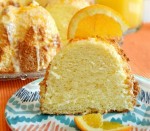
Another version of orange-glazed sponge cake, minus the Sabra. (photo from littlemisscelebration.com)

Sponge cake. It’s an integral part of Pesach for many people, even though there is no special plate for it, and no bracha said over it. Sponge cake comes in two types – angel food and true sponge.

Angel food cake has cream of tartar, an acid ingredient, which used to be combined with baking soda and salt to make a form of baking powder before baking powder was produced commercially. Cream of tartar is what gives an angel food cake its white color, and it also creates an acid reaction in the batter.

Sponge cake has a more delicate cousin referred to as sunshine cake. Most people, however, refer to the Passover version as sponge cake. Sponge cake is usually baked without shortening or butter or baking powder but with lots of eggs. Its lightness and texture come from careful handling and the air beaten into the eggs. Recipes with nine to 12 eggs are not uncommon.

The aim of making a sponge cake is to beat the maximum amount of air into the yolks and whites while handling them as little as possible. An electric or rotary beater gives better results than whipping by hand. Since there is no baking powder, the main rising factor is the air plus steam.

In making a sponge cake, it is important that the yolks are beaten until light and thick, and the whites must be beaten until they are stiff and glossy. Essences such as vanilla lemon or orange rind add special flavor to a sponge cake.

The best pan for a sponge cake is a tube pan with a removable rim, thus the central tube gives support to the batter.

In Israel, many old-timers use a wonder pot (in Hebrew, sir pella) about which I wrote a cookbook in the 1970s for people without an oven (see jewishindependent.ca/cookbook-resurfaces). A wonder pot is basically a sponge cake pan that sits on a coned base and then has a lid with strategic holes around its top to let out the steam. It is placed atop a stove burner for baking. Last year, in the weeks leading up to Passover, one of the large supermarkets in Jerusalem carried three different sizes of wonder pots (dairy, meat and parve) so you didn’t have to kasher your oven before the holiday.

A regular sponge cake pan should be ungreased. A preheated 350˚F oven is the best heat for baking a sponge cake. When the cake is done, the pan should be inverted to cool for about an hour and a half. Before removing the cake from the pan, the sides should be loosened with a knife. It is best not to try to cut a fresh sponge cake with a knife; rather, use a divider with prongs instead, and slide it back and forth gently.

In Let My People Eat, Zell Schulman offers these additional tips to keep your sponge cake from falling: have the eggs at room temperature and use only large eggs; don’t add sugar until the egg whites begin to hold small, soft peaks; beat the egg whites until stiff but not dry; and never make a sponge cake on a wet day.

Here are three different kinds of sponge cake.

ORANGE-GLAZED SABRA SPONGE CAKE

1/2 cup unsalted parve margarine or 1/4 cup plus 2 tbsp oil
2/3 cup sugar
1 tsp orange rind
5 tbsp Sabra liqueur
3 separated eggs
2 tbsp sugar
1/2 cup potato starch
4 tsp orange rind

  1. Preheat oven to 325˚F. In a bowl, cream margarine or oil and sugar. Add one teaspoon orange rind, two tablespoons of the Sabra liqueur and the egg yolks and blend.
  2. In another bowl, beat egg whites until stiff, gradually adding two tablespoons sugar. Add to creamed mixture gently, then stir in potato starch.
  3. Pour into a greased tube pan. Bake for 45 minutes to one hour. Let cool for at least an hour then gently remove to a plate.
  4. Meantime, in a bowl, combine orange juice, the other three tablespoons of liqueur and the orange rind. While cake is still hot, punch holes around it with a toothpick and pour the glaze over it.

MIRIAM’S BANANA CAKE
This is from one of my close friends in Overland Park, Kan., who, at 88, is still a really creative cook. 

7 eggs, separated
1/4 tsp salt
1 cup mashed bananas
3/4 cup potato starch
1 cup sugar
1 cup chopped walnuts

  1. Preheat oven to 350˚F. In a bowl, beat egg whites until stiff but not dry, then refrigerate.
  2. In another bowl, beat egg yolks until thick and lemon-colored. Gradually add sugar and salt, beating continually. Fold in bananas and potato starch. Fold in egg whites then nuts.
  3. Turn into an ungreased tube pan and bake for 45-50 minutes. Invert pan to cool.

PAN DI SPAGNA
This recipe comes from The Classic Cuisine of the Italian Jews by Edda Servi Machlin. Pan di Spagna (bread of Spain) is also called pasta reale and was made in the matzah bakery with the same flour that was used for the matzot.

6 eggs, separated
1/8 tsp salt
1 cup sugar
1/4 cup fresh orange juice
1/2 cup Passover cake meal
1/4 cup potato starch
freshly grated rind of 1 large lemon

  1. Preheat oven to 350˚F. In a small bowl, beat egg whites with salt until soft peaks form.
  2. In a larger bowl, place egg yolks, sugar and orange juice and beat until frothy and lemon-colored.
  3. Combine the cake meal with potato starch and gradually add to the egg yolk mixture, beating until the batter is smooth. Add the lemon rind and fold in the egg whites.
  4. Pour into an ungreased sponge cake pan with removable bottom and bake for one hour. Remove from oven and invert over a wire rack to cool before unmolding.

Sybil Kaplan is a journalist, foreign correspondent, lecturer, food writer and book reviewer who lives in Jerusalem. She also does the restaurant features for janglo.net and leads weekly walks in English in Jerusalem’s market.

Format ImagePosted on April 15, 2016April 13, 2016Author Sybil KaplanCategories Celebrating the HolidaysTags baking, Passover, sponge cake
Baking from the soul

Baking from the soul

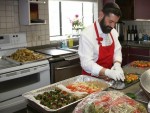
Marat Dreyshner in action. (photos from Ella Dreyshner)

I can tell it’s going to be delicious even before I’ve taken a bite. I’m sitting in the Richmond home of Marat and Ella Dreyshner, owners of iKosherbake. I’m holding a slice of their chocolate chip banana bread. This golden cake is dense and moist; the semi-sweet chocolate is the perfect complement to the fruity sweetness of the bananas.

It all started with bagels. “We love bread in this house,” said Ella. It’s hard to find a good, kosher bagel, but iKosherbake has crafted its own variety. “It all comes down to time,” said Marat. “How long you boil the dough…. It’s a science!”

Over the last year, iKosherbake has gone from making bagels to cakes, to granola and catering birthday parties and personalized cakes.

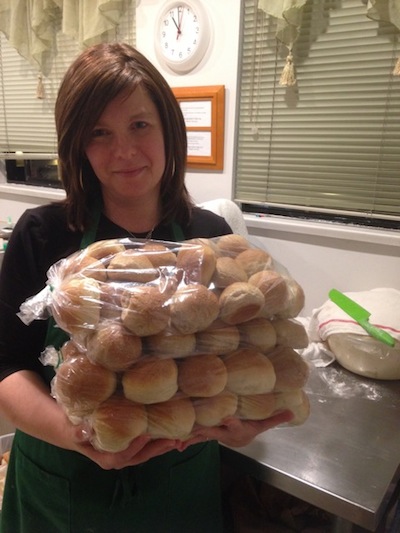
photo - Ella Dreyshner with bags of iKosherbake buns.
Ella Dreyshner

It’s not always easy for a husband and wife to share a kitchen, but the Dreyshners have found their groove. Marat’s specialty is their line of savory products, while Ella leads with desserts. While Marat has trained professionally, Ella’s talents have flourished at home.

Marat explained, “She’s gotten to a level that would make a professional chef happy to work with her.”

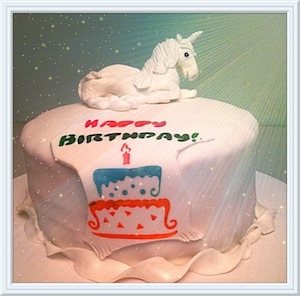
It’s hard to find a kosher fondant, so Ella makes her own – “I like to paint on the actual fondant.” She has even molded a unicorn by hand. Her other specialties include kosher ice cream sandwiches: chocolate chip cookies filled with pineapple ice cream.

Their granola tells a story of its own. While working with students at Vancouver Talmud Torah, they were challenged to create a dish that included the seven flavors of Israel. The result was a granola bar containing ingredients like honey, olive oil, pomegranate juice and raisins. It was such a hit that they took the recipe home and developed a bagged granola.

The Dreyshners describe the flavor as “the perfect ratio of sweet and salty,” which is borne out when I opened the package at home. Slightly tangy, with a smoky hint of cocoa, the texture is a satisfying blend of chewy fruit and crunchy seeds. And that salty tang really does make the taste buds tingle!

Now that their product line is growing, the Dreyshners are serving the North Shore market, as well. Queensdale Market and City Market on Lonsdale have both snapped up bagels from iKosherbake.

Organic markets are a good fit. iKosherbake uses no additives or preservatives in their cooking and, whenever possible, they purchase ingredients from local, organic growers.

For the Dreyshners, kosher cooking isn’t just about finding ingredients with the right labels. The process of making food is a spiritual experience.

photo - A unicorn custom cake. iKosherbake also makes varieties of bagels, now carried at Queensdale Market and City Market on the North Shore
A unicorn custom cake. iKosherbake also makes varieties of bagels, now carried at Queensdale Market and City Market on the North Shore.

“Cooking is an art form that wakens your soul. It’s more than just filling your stomach – it’s digested on a spiritual level, as well,” Marat suggested. He added, “There’s a pleasure in the Torah aspect of the food, but also in the traditional aspect, as well – when you have the opportunity and the good luck to share with friends, family and community, the food becomes something real.”

Ella agreed. For her, kosher baking “symbolizes peace and unity,” by following a strict, methodical process with every recipe. Separating eggs, checking flour, keeping the wet and dry ingredients apart until the right moment: “These steps create a sense of calm and unity, when you finally combine all of these things together.”

For a sneak peek into the Dreyshners’ kitchen, you can watch Marat at work on YouTube with Rabbi Yisrael Shurack in their series of witty videos. In The Rabbi and the Chef, Marat talks about how the food is made, and the rabbi picks up on the symbolic, spiritual significance of dishes. These are lessons in Judaism served at high speed with delicious menus and a side dish of kooky humor.

Shula Klinger is an author, illustrator and journalist living in North Vancouver.

Format ImagePosted on May 22, 2015May 21, 2015Author Shula KlingerCategories LocalTags baking, Dreyshner, iKosherbake

Posts pagination

Previous page Page 1 … Page 5 Page 6
Proudly powered by WordPress