
Skip to content
  • Home
  • Subscribe / donate
  • Events calendar
  • News
    • Local
    • National
    • Israel
    • World
    • עניין בחדשות
      A roundup of news in Canada and further afield, in Hebrew.
  • Opinion
    • From the JI
    • Op-Ed
  • Arts & Culture
    • Performing Arts
    • Music
    • Books
    • Visual Arts
    • TV & Film
  • Life
    • Celebrating the Holidays
    • Travel
    • The Daily Snooze
      Cartoons by Jacob Samuel
    • Mystery Photo
      Help the JI and JMABC fill in the gaps in our archives.
  • Community Links
    • Organizations, Etc.
    • Other News Sources & Blogs
    • Business Directory
  • FAQ
  • JI Chai Celebration
  • JI@88! video

Recent Posts

  • BGU fosters startup culture
  • Photography and glass
  • Is it the end of an era?
  • Taking life a step at a time
  • Nakba exhibit biased
  • Film festival starts next week
  • Musical with heart and soul
  • Rabbi marks 13 years
  • Keeper of VTT’s history
  • Gala fêtes Infeld’s 20th
  • Building JWest together
  • Challah Mom comes to Vancouver
  • What to do about media bias
  • Education offers hope
  • Remembrance – a moral act
  • What makes us human
  • המלחמות של נתניהו וטראמפ
  • Zionism wins big in Vegas
  • Different but connected
  • Survival not passive
  • Musical celebration of Israel
  • Shoppe celebrates 25 years
  • Human “book” event
  • Reclaiming Jewish stories
  • Bema presents Perseverance
  • CSS honours Bellas z”l
  • Sheba Promise here May 7
  • Reflections from Be’eri
  • New law a desecration
  • Resilient joy in tough times
  • Rescue dog brings joy
  • Art chosen for new museum
  • Reminder of hope, resilience
  • The national food of Israel?
  • Story of Israel’s north
  • Sheltering in train stations

Archives

Follow @JewishIndie
image - The CJN - Visit Us Banner - 300x600 - 101625

Tag: settlements

עדיין נחשב לידיד קרוב של ישראל

עדיין נחשב לידיד קרוב של ישראל

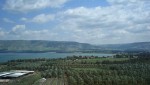
תצפית אל דרום הכנרת מהכביש היורד מיבניאל. (צילום: אלה פאוסט)

ג’סטין טרודו: מברך את העם היהודי לחג הפורים, מתקומם על החרם נגד ישראל, אך מתנגד להתנחלויות בשטחים

ראש ממשלת קנדה מטעם המפלגה הליברלית, ג’סטין טרודו, מביע לאחרונה את דעתו בפומבי בנושאים שקשורים ליהודים ולישראל. שלא כמו קודמו בתפקיד, סטיבן הרפר, טרודו לא עומד אוטומטית מאוחרי ישראל בכל עניין ועניין והוא אינו חבר של ראש ממשלת ישראל, בנימין נתניהו, אבל עדיין נחשב לידיד קרוב של ישראל.

טרודו פרסם בשבוע שעבר אגרת ברכה לאזרחים היהודים בקנדה לקראת חג הפורים. בברכה נאמר: “חג הפורים מציין את סיפורה של אסתר המלכה והדוד שלה מרדכי, אשר הצילו את העם היהודי בתקופת פרס העתיקה. אירוע זה מזכיר לנו שוב את כוחו ועוצמתו של העם היהודי, אשר שרד וגבר על הרדיפה הבלתי הנתפסת הזו. בזמן שאנו קוראים את מגילת אסתר אנו מאשרים מחדש את המחויבות הקיימת שלנו לנקוט פעולה ולעמוד נגד האנטישמיות, נגד ביטויים אחרים של שנאה ואפליה בקנדה ומחוצה לה”.

רק לפני כחודש חזר טרודו על הבטחתו מקמפיין הבחירות שלו להתנגד לכל חרם על ישראל. טרודו ומרבית חברי המפלגה הליברלית שבראשותו תמכו ב-22 בפרואר בהצעת המפלגה הקונסרבטיבית מהאופוזיציה, לגנות את כל מי שמחרים את ישראל. הפרלמנט הקנדי אישר את ההחלטה הזו ברוב גדול של 229 מול 51 מתנגדים. לפי הצעת הקונסרבטיבים על הממשלה הקנדית לגנות כל ניסיון לקדם את תנועת החרם והסנקציות נגד ישראל בקנדה ומחוצה לה. עוד נאמר בהחלטה כי תנועת החרם הבינלאומית של ‘הבי.די.אס’ פועלת לעשות דה-לגיטימציה ודמוניזציה של מדינת ישראל. שר החוץ הקנדי, סטפן דיון, אמר מספר ימים קודם לכן בצורה ברורה כי העולם לא ירוויח דבר מהחרמת ישראל ויש להילחם באינטישמיות על כל צורותיה השונות.

לעומת כל זאת טרודו לא מהסס להעביר ביקורת פומבית של מדיניותה של ישראל בשטחים. הוא אמר לאחרונה כי ישראל עושה דברים מזיקים כמו למשל ההתנחלויות הבלתי חוקיות. טרודו: “יש זמנים שאנחנו לא מסכימים עם בעלי הברית שלנו, ואנחנו לא נהסס לומרת זאת בקול רם. זהו עניין שחברים צריכים לדעת לעשות. כמו למשל ההתנחלויות שהן בלתי חוקיות”. שר החוץ דיון אמר באותו נושא קודם לכן את הדברים הבאים: “ההתנחלויות פוגעות ביכולת להגיע לפתרון צודק באזור”.

בנושא טרודו והרפר כתב ניצן הורביץ בעיתון ‘הארץ’ בין היתר: “ראש הממשלה החדש הוא איש פתוח, מתקדם ובעל חוש הומור. תשע השנים הרפר היו די והותר לקנדים. הם הבינו שהמדיניות התקציבית המרסנת שלו וההסתמכות העיוורת על חברות אנרגיה הביאו אותם אל עברי פי פחת. לעומת זאת טרודו נמצא בצד הנכון של ההיסטוריה. הוא כבר הציג ממשלה שווה של נשים וגברים”.

האם פיצה גנובה טעימה יותר: שישה שליחי פיצה נשדדו בססקטון לאחרונה

שישה נהגים שמובילים פיצות בריכבם נשדדו החל מסוף פברואר ובמהלך מרץ בעיר ססקטון. באחד מסופי השבוע נשדדו ארבעה שליחים ולאחר מכן נשדדו עוד שניים. המשטרה המקומית מאמינה שיש קשר בין כל ששת המקרים בהם משתתפים שני שודדים. המשטרה קוראת לנהגים להגביר את הזהירות ואמצעי האבטחה. עדיין לא ידועה זהות השודדים שכנראה גם מכורים למגשי פיצות חמות וטריות.

השודדים כנראה ממוצא אינדיאני (בגילאי 18-20) לבושים בשחור ופניהם מכוסות במסכות, פועלים בשעות הבוקר המוקדמות וחמושים בשלל של כלים מאיימים: צמידים מברזל, מפתח צינורות, מוטות מברזל וסכינים. צמד השודדים מאיים על הנהגים המופתעים וגונב את הכסף שבידם עם חלק מהפיצות שברכבם.
Format ImagePosted on March 30, 2016March 30, 2016Author Roni RachmaniCategories עניין בחדשותTags antisemitism, BDS, boycott, Israel, Netanyahu, pizza, Purim, robbers, Saskatoon, settlements, Trudeau, אינטישמיות, התנחלויות, חרם, טרודו, ישראל, נתניהו, ססקטון, פורים, פיצה, שודדים
Word choice matters

Word choice matters

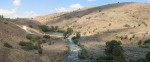
The Jordan River is “the only river on planet earth that on its good days is a few feet wide, and people claim that it has a bank 40 miles wide.” (photo from Beivushtang via Wikimedia Commons)

Settlements or Jewish communities? West Bank or Judea and Samaria? East Jerusalem or eastern Jerusalem? Those are some of the language choices that journalists covering the Israeli-Palestinian conflict are faced with each day – and those choices should not be taken lightly, experts say.

“It’s the terminology that actually defines the conflict and defines what you think about the conflict,” said Ari Briggs, director of Regavim, an Israeli nongovernmental organization that works on legal land-use issues. “Whereas journalists’ job, I believe, is to present the news, as soon as you use certain terminology, you’re presenting an opinion and not the news anymore.”

“Accuracy requires precision; ideology employs euphemism,” said Eric Rozenman, Washington director of the Committee for Accuracy in Middle East Reporting in America (CAMERA).

At the conclusion of his essay, “Politics and the English Language,” George Orwell argues that writers have the power to “send some worn-out and useless phrase … into the dustbin, where it belongs.” Many Jewish leaders, organizations and analysts wish to do just that with the following terms, which are commonly used by the mainstream media in coverage of Israel.

West Bank: Dani Dayan believes the “funniest” term of all that is used in mainstream coverage of Israel is West Bank. Dayan is the chief foreign envoy of the Yesha Council, an umbrella organization representing the municipal councils of Jewish communities in an area that the Israeli government calls Judea and Samaria, in line with the region’s biblical roots. Yet, media most often use West Bank to describe the area in reference to the bank of the river situated on its eastern border.

“[The Jordan River] is the only river on planet earth that on its good days is a few feet wide, and people claim that it has a bank 40 miles wide [spanning across Judea and Samaria],” Dayan told this reporter. “There is no other example of such a thing in the geography of planet earth. That proves that West Bank is the politicized terminology, and not Judea and Samaria, as people claim.”

Member of Knesset Danny Danon (Likud) has said it’s “ridiculous” that West Bank – a geographic term that once described half of the Mandate of Palestine – has “taken on a political meaning that attempts to supersede thousands of years of Jewish tradition.”

“The correct name of the heartland of the Land of Israel is obviously Judea and Samaria,” he said.

Rozenman, the former editor of the Washington Jewish Week and B’nai B’rith Magazine, draws a distinction between the context of Palestinian and Jewish communities in the area. “If I’m referring to Palestinian Arab usage or demands, I use West Bank,” he said. “If I’m referring to Israeli usage or Jewish history and religion, etc., I use Judea and Samaria. Israeli prime ministers from 1967 on, if not before, used and [now] use Yehuda and Shomron, the Hebrew from which the Romans latinized Judea and Samaria.”

West Bank is fair to use, “so long as it’s noted that Jordan adopted that usage in the early 1950s to try to legitimate its illegal occupation, as the result of aggression, of what was commonly known as Judea and Samaria by British Mandatory authorities,” added Rozenman.

Dayan, meanwhile, prefers to call Palestinian communities in Judea and Samaria exactly that. “The area is Judea and Samaria and, in Judea and Samaria, there are indeed Palestinian population centres, and that’s perfectly OK,” he said. “We cannot neglect that fact, that yes, we [Jews] are living together with Palestinians. And, in Judea and Samaria, there is ample room for many Jews, for many Palestinians, and for peaceful coexistence between them if the will exists.”

Settlements: Judea and Samaria’s Jewish communities are often called settlements, a term that can depict modern-day residents of the area as primitive.

Settlements “once referred in a positive manner to all communities in the Land of Israel, but at some point was misappropriated as a negative term specifically against those Jews who settled in Judea and Samaria,” Danon said. “I prefer to use ‘Jewish communities in Judea and Samaria’ when discussing the brave modern-day Zionistic pioneers.”

Dayan said that “settlements” is not pejorative, but still inaccurate. “It’s a politically driven labeling in order to target those [Israeli] communities,” he said. “Most communities in Judea and Samaria are not different from any suburban or even urban community in Europe, in the United States, in Israel itself, or elsewhere.”

Read more at jns.org.

Format ImagePosted on December 5, 2014December 3, 2014Author Jacob Kamaras JNS.ORGCategories IsraelTags Green Line, Haram al-Sharif, Israel, Jerusalem, Palestine, Palestinians, settlements, West Bank

The state of impermanence

As a harvest festival, Sukkot is infused with thanksgiving for the bounty that Jews in Canada and, mercifully, in most of the world today, enjoy. The holiday is also an earthy affair, as we move out into our backyards (or, in some cases caused by this hot housing market, our sliver of a balcony) and into temporary shelters inspired by those used by the Israelites during the 40 years of exodus in the desert. The emphasis of the sukkah is on impermanence and inhabiting one, even if just for a meal, inspires reflection on the impermanence in our lives, including life itself.

Sukkot is immediately followed by Shemini Atzeret and Simchat Torah – and the juxtaposition is striking. On Simchat Torah, we celebrate the most permanent thing the Jewish people have experienced. On this day, we complete the annual reading of the Torah and immediately begin again, missing not a beat between the end of Devarim, Deuteronomy, and the beginning of Bereisheet, Genesis.

For a people who have known – who, indeed, have just finished a week of reenacting – historical impermanence, Simchat Torah is a reassurance that, in the face of all historical, social and technological change, at least one thing remains constant: the book that binds us in spirit and practice.

The Torah is a constant in times of change, and it is easy to take for granted that, in the long history of the Jewish people, we are living out one of the most dramatic epochs our people has ever known. For millennia, our forebears yearned for Zion, longing to celebrate next year in Jerusalem and to be a free people in our land. In our generation, this dream has come to pass.

The creation of the state of Israel has changed Jews, Judaism and Jewish practices in small and large ways. One of the most significant ways is the sense of permanence provided by a Jewish homeland. Yet, there have been times of war and terror when the dream has turned nightmarish. And there remain many in the world who would like Israel to be an impermanent way station, merely another sukkah, for the Jewish people.

Jews – in Israel and around the world – are determined that Israel should remain as permanent and enduring as the Torah. Yet, unlike the Torah, which has a definitive beginning and end, Israel’s borders are not recognized by the international community, nor is there a consensus in Israel about where precisely they should be in the event of a final status agreement for a two-state solution.

While Jews worldwide were contemplating construction of their sukkot, the United States and others were condemning Israel’s recent announcement of additional housing construction in East Jerusalem.

Such settlements do nothing to convince the world that Israel is acting in good faith vis-à-vis a two-state outcome. On the other hand, condemning construction as the primary obstacle to peace in the region is a difficult pill to swallow: there are more pressing impediments to peace on both sides of the conflict.

However, while settlements may not be the main impediment to peace, they are an attempt to build something relatively permanent in a region without clear borders. It seems a considerable waste of resources – human labor, building materials, money, time, even Israeli and Palestinian PR efforts and goodwill – to keep building, especially knowing that the area is disputed and, therefore, impermanent.

Such construction also raises the hopes and dreams of those who ultimately will live there – what happens if they are forced to move? Israel has demonstrated its willingness to uproot Jewish residents in Sinai and Gaza in exchange for the faint hope of peace.

Through history and ritual, Jews understand that most things are temporary, like settlements that eventually give way to compromise. We also understand that some things are meant to last, like Torah and like the irreversible redemption of the Jewish people to the land of Israel.

Posted on October 10, 2014October 9, 2014Author The Editorial BoardCategories From the JITags Gaza, Israel, settlements, Shemini Atzeret, Simchat Torah, Sinai, sukkah, Sukkot, Torah

Posts pagination

Previous page Page 1 Page 2
Proudly powered by WordPress