Skip to content
  • Home
  • Subscribe / donate
  • Events calendar
  • News
    • Local
    • National
    • Israel
    • World
    • עניין בחדשות
      A roundup of news in Canada and further afield, in Hebrew.
  • Opinion
    • From the JI
    • Op-Ed
  • Arts & Culture
    • Performing Arts
    • Music
    • Books
    • Visual Arts
    • TV & Film
  • Life
    • Celebrating the Holidays
    • Travel
    • The Daily Snooze
      Cartoons by Jacob Samuel
    • Mystery Photo
      Help the JI and JMABC fill in the gaps in our archives.
  • Community Links
    • Organizations, Etc.
    • Other News Sources & Blogs
    • Business Directory
  • FAQ
  • JI Chai Celebration
  • JI@88! video

Recent Posts

  • האלימות בישראל מורגשת בהרבה מגזרים
  • טראמפ עוזר דווקא לנושא הפלסטיני
  • New rabbi settles into post
  • A light for the nations
  • Killed for being Jewish 
  • The complexities of identity
  • Jews in time of trauma
  • What should governments do?
  • Annie will warm your heart
  • Best of the film fest online
  • Guitar Night at Massey
  • Partners in the telling of stories
  • Four Peretz pillars honoured
  • History as a foundation
  • Music can comfort us
  • New chapter for JFS
  • The value(s) of Jewish camp
  • Chance led to great decision
  • From the JI archives … camp
  • עשרים ואחת שנים להגעתי לונקובר
  • Eby touts government record
  • Keep lighting candles
  • Facing a complex situation
  • Unique interview show a hit
  • See Annie at Gateway
  • Explorations of light
  • Help with the legal aspects
  • Stories create impact
  • Different faiths gather
  • Advocating for girls’ rights
  • An oral song tradition
  • Genealogy tools and tips
  • Jew-hatred is centuries old
  • Aiding medical research
  • Connecting Jews to Judaism
  • Beacon of light in heart of city

Archives

Follow @JewishIndie
image - The CJN - Visit Us Banner - 300x600 - 101625

Tag: CIJA

Case for a positive rethink

When speaking to Jewish audiences about advocacy, I often refer to my own background as a Jewish convert in making the point that we sometimes have to apply a fresh perspective – and have a collective “out-of-body” experience – to understand the reality of our own circumstances. Sometimes, we are too close to the situation to evaluate it with clear eyes and objectivity.

Among the many things that make me proud of my father is the fact that, early in his career, he chose to serve the public as a police officer. I have heard it said that police disproportionately interact with the most challenging and marginal elements of society, perhaps just five percent of the public, on a regular basis. Just as one in such a role knows their daily encounters are not representative of broader society, we as Jews – who understandably take notice of antisemitism and anti-Zionism – must be cautious not to attribute these toxic manifestations to the majority of Canadians.

I could write an entire series of columns on how we as a community have far more allies in the non-Jewish world than we often appreciate. Instead, I’ll offer two factors internal to the Jewish world that suggest pro-Israel advocates should be optimistic.

1. There is far greater unity of purpose – and welcoming of diversity – in the Jewish world these days. In the past, there was significant disagreement between Jews on the best means to secure the future of the Jewish people in an often hostile world. The community was split along various lines: between Zionists and non-Zionists, assimilationists and Orthodox Jews, socialists and capitalists.

Today, post-Shoah and post-1948, the overwhelming majority of Jews are Zionists in that they believe the state of Israel should exist and thrive as a democratic Jewish homeland. Among Zionists, there is extraordinary diversity: we are Labor and Likud, religious and secular, social activist and academic alike.

There is ceaseless debate over how Israeli policies can best secure the ideals of Zionism and how Diaspora Jews can engage Israel in a meaningful way. This is all healthy. We wouldn’t be Jews if we didn’t subject these issues to serious thought and debate.

But this occurs within a strong consensus that Israel’s existence is fundamentally just, a blessing to the Jewish people and the entire world, and, ultimately, the centrepiece of our collective future just as it is our ancestral homeland. These aren’t just clichés; they are ideals brought to life every time a young Jewish Canadian boards a plane for Birthright, challenges anti-Zionism on Facebook, downloads the latest Israeli music, or volunteers for the Israel Defence Forces.

2. Despite facing serious challenges, Israelis are far more successful, happy and optimistic than we might think.

While Israelis have suffered in every generation from war and terrorism, none of this detracts from the fact that the IDF has proven its capacity to provide Israelis with secure borders and an astonishingly high level of public safety. This is no mean feat in the Middle East, let alone for a country smaller than Vancouver Island.

At the same time, Israel has seen remarkable economic and technological success. From 1992 to 2013, Israel-China trade skyrocketed from $50 million to $10 billion annually. Israeli exports to Europe have nearly doubled since the boycott-divestment-sanctions movement was launched in 2005. Trade with emerging markets like India has likewise increased. Outside Silicon Valley, Israel now has the highest concentration of high-tech firms on the planet.

Success at a macroeconomic level doesn’t mean there aren’t serious challenges. The cost-of-living, for example, continues to be a burden for many Israelis. But, with each passing generation, Israel grows stronger economically and Israelis are afforded greater opportunities to learn, work and engage the world.

Israelis also enjoy a remarkably high quality of life. Israelis have the same life expectancy as Canadians (81) and Israel boasts a universal health-care system that typically beats Canada in international performance rankings. According to the OECD’s 2015 Better Life Index, which measures various social and life factors, Israel is the fifth happiest country in the world – ahead of Canada, the United States and most of Europe.

What would early Zionist thinkers like Theodor Herzl and his contemporaries say if they could read these statistics and walk the streets of Jerusalem or Tel Aviv today? How often do we forget how far we have come as a people?

I had the honor this February of leading a group of Canadian master’s-level students on a public policy study trip to Israel, one of many fact-finding missions we organize. (CIJA annually takes some 200 Canadians to Israel.) The students, all of whom are non-Jewish, were amazed at the innovation, diversity and vitality shown by Israelis despite living in the world’s most unstable neighborhood. They saw what we should never lose sight of: a country and a people from whom we can learn so much.

Indeed, Israel embodies so much of what’s right in the world today – and it is on this basis that we should share all that Israel has to offer with the world around us.

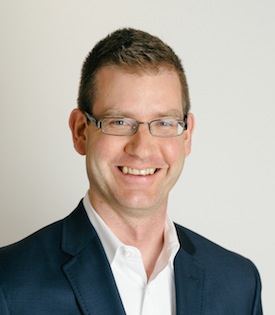
Steve McDonald is the deputy director of communications and public affairs, Centre for Israel and Jewish Affairs.

Posted on April 15, 2016April 13, 2016Author Steve McDonaldCategories Op-EdTags advocacy, CIJA, Israel
A fresh look at Israel

A fresh look at Israel

David Decolongon participated in the first-ever mission organized by the Centre for Israel and Jewish Affairs designed exclusively for young people who originate, or whose families came from, East Asia. (photo from David Decolongon)

A Vancouver student who recently returned from Israel says he has a better understanding of the nuances of the Israeli-Palestinian conflict – and other realities of life in the region – after participating in a mission for young leaders of East Asian descent.

David Decolongon is a student at Regent College, on the University of British Columbia campus. He graduated from UBC last year in political science with a minor in philosophy, and is considering whether to pursue a full master’s degree or complete a graduate diploma in Christian studies.

He was chosen to participate in the first-ever mission organized by the Centre for Israel and Jewish

Affairs designed exclusively for young people who originate, or whose families came from, East Asia. Decolongon, who was born in Vancouver, is of Filipino heritage.

“I connected with this trip in three major ways,” he said. “Number one, religiously. I’m a practising Christian and so being able to go to a place where a lot of this history took place was big enough for me. But also, over the summer, I was involved in a startup and so being able to connect with Israel through a startup team was big with me. But also to connect with it politically was big for me because I’m involved in politics, I work and volunteer for a political party right now.”

Though he said it is a “cop-out” to say the entire trip was a highlight in itself, he does identify a number of instances that stand out when he recalls the trip, which took place in February.

“Being able to go over to Ramallah and meet the Canadian attaché to the Palestinian Authority and to be able to go up north to see the Lebanese border and to learn the history of that area and to go to a lot of those places that you hear about a lot in the news is probably the significant highlight for me in this trip,” said Decolongon.

Though he had been to Israel before, on a church-organized trip, the variety of perspectives he witnessed on this occasion, combined with the diversity of fellow participants from across Canada, opened his eyes and mind, he said.

“When it comes to thinking about a hot topic such as Israel, people tend to use a lot of political rhetoric and they tend to take very pro- and anti-, very extreme, stances. I think when you’re on the ground and you see how these things affect people on a daily basis, whether they be Jewish-Israeli, Arab-Israeli, Palestinian, it becomes more real and, once you’re on the ground, the solutions that you bring to the table tend to be a lot more common sense, a lot more feasible and a lot more geared toward achieving peace for all groups,” he said.

Being pro-Israel, he added, does not mean being anti-Palestinian.

“You can take a pro-Israeli stance while at the same time wanting to push the well-being of Palestinians. People think it’s an either-or answer but when you’re on the ground and you get to see what really happens, you’re more interested in pushing forth the betterment of life for both groups,” he said.

People everywhere have the same desires for their children, said Decolongon.

“They want to make sure that their children can grow up in safety, that their young people have jobs coming out of college and university,” he said. “We come at it recognizing that both sides have common interest and it’s going to be messy and it’s going to be complex, but I think the solutions are attainable once you realize that both sides are human and that both sides can come to the table and either side may not get 100% of what they want but we can certainly make it livable for both sides.”

Decolongon was the only British Columbian among the eight participants, though the mission was led by Sarina Rehal, an employee in CIJA’s Toronto office who is from here and who graduated from UBC. The group met with a wide range of people, including an Arab-Israeli journalist, a leader in the region’s vibrant startup sector who thinks economic opportunity is the antidote to Islamic extremism, as well as political, military and academic experts.

The newly established East Asian Student Leaders program was created by CIJA as an experiential learning initiative for students of East Asian heritage or origin who demonstrate leadership in the areas of politics, journalism or campus activism.

Nico Slobinsky, director for the Pacific region of CIJA, said it is important to engage young leaders.

“It’s an ongoing dialogue and opportunity we are forging with these young leaders as they continue to engage in their communities, with our community, with civil society in Canada, in the years ahead,” said Slobinsky. “As they progress in their leadership, in their careers, into their life, they will continue to engage and that’s why we do this.

“In the case of this mission in particular, we were looking at emerging leaders in the pan-Asian communities,” he said.

Format ImagePosted on April 8, 2016April 6, 2016Author Pat JohnsonCategories LocalTags advocacy, Centre for Israel and Jewish Affairs, CIJA, Decolongon, East Asian, Israel, mission
Expanding outreach to Island

Expanding outreach to Island

Left to right: Members of the Legislative Assembly of British Columbia Dr. Moira Stilwell (Liberal), George Heyman (NDP) and Selina Robinson (NDP). (photo from Canadian Jewish Political Affairs Committee)

Israeli wines met Canadian cheese on March 8, when more than 100 people came together for a CJPAC (Canadian Jewish Political Affairs Committee), CIJA (Centre for Israel and Jewish Affairs) and Jewish Federation of Victoria and Vancouver Island reception in Victoria.

Attendance included four provincial government ministers – the Hon. Norm Letnick (agriculture), the Hon. Steve Thomson (forests, lands and natural resource operations), the Hon. Naomi Yamamoto (minister of state for emergency preparedness) and the Hon. Amrik Virk (technology, innovation and citizens’ services) – 28 members of the Legislative Assembly of British Columbia, 39 staffers and many community members, some of whom came to the event from Vancouver. John Horgan, leader of the Official Opposition, attended as well.

Also present were Jason Murray (chair, Local Partner Council, CIJA Pacific Region), Gabe Garfinkel (CIJA Local Partner Council member and CJPAC Fellowship alumnus), Ed Fitch (CIJA national board member), Ezra Shanken (chief executive officer of Jewish Federation of Greater Vancouver), Stephen Gaerber (JFGV board chair) and Chabad of Vancouver Island Rabbi Meir Kaplan.

While an annual wine and cheese event is held at the federal level in Ottawa, this is the first year that CJPAC and CIJA have held the joint reception in British Columbia.

“It is critical that our community get involved in the Canadian political process, and events such as these help facilitate that engagement,” said Kara Mintzberg, CJPAC’s B.C. regional director.

CJPAC’s mandate is focused on getting the Jewish and pro-Israel community involved in the democratic process. As the advocacy agent of the Jewish Federations of Canada, CIJA’s mandate is to build and nurture relationships with leaders across the country, including in government, civil society and other faith and ethnic communities, in order to advance issues of common cause for the benefit of all Canadians.

“Events like the wine and cheese in Victoria allow us to bring members of our community together with provincial officials in order to deepen the excellent relationships our community has with our elected representatives,” said Nico Slobinsky, director of CIJA Pacific Region.

Guests at the reception sampled a range of Israeli wines and many B.C.-produced cheeses.

“I was delighted that a number of members of the board of the Jewish Federation of Victoria and Vancouver Island were able to be there,” said JFVVI president Dr. Aaron Devor. “Both CIJA and CJPAC do tremendous work and it’s exciting to see them focus their outreach on communities on the Island.”

Mintzberg said that B.C. community members can expect more CIJA/CJPAC events in the future.

“Although our organizations have different mandates, we are both working toward a common goal and we think these joint events are a great way to show the community what we have to offer,” she said.

For more information about CIJA or CJPAC in the province, contact Slobinsky ([email protected] or 604-340-2437) or Mintzberg ([email protected] or 604-343-4126), respectively.

Format ImagePosted on April 8, 2016April 6, 2016Author CJPACCategories LocalTags advocacy, CIJA, CJPAC, Devor, Mintzberg, Slobinsky

In the UN, on campus

Canada’s foreign minister has called on the United Nations Human Rights Council to review the appointment of Canadian law professor Michael Lynk as its special rapporteur on human rights in Palestine.

Last week, Stéphane Dion tweeted (because that is how diplomacy happens these days): “We call on @UN_HRC President to review this appointment & ensure Special Rapporteur has track record that can advance peace in region #HRC.”

The Centre for Israel and Jewish Affairs has denounced the appointment of the University of Western Ontario academic, who has been associated with anti-Israel activities in Canada. Lynk has said that Israel should be prosecuted for “war crimes,” he accused Israel of “ethnic cleansing,” has spoken at conferences that reject a two-state solution and serves as a leader in a group that promotes Israel Apartheid Week.

While Dion questioned the wisdom of appointing Lynk, CIJA went further, arguing that the position itself is illegitimate.

“It is ludicrous that this is the UN’s only special rapporteur focused on the human rights of a particular community,” said Shimon Koffler Fogel, CIJA’s chief executive officer. “It is likewise shameful that the special rapporteur refuses to investigate the abuse of Palestinian rights by the Palestinian leadership, particularly Hamas in Gaza. In so doing, the special rapporteur obscures genuine human rights violations in the Middle East and the underlying obstacles to Israeli-Palestinian peace.”

A related conflict blew up in academia last week. Just as the appointment of an avowed anti-Zionist as UN rapporteur surely will not advance peace between Israelis and Palestinians, the complete disavowal of the existence of antisemitism on campuses will not promote intellectual discourse or peace.

In the wake of ongoing efforts by the BDS movement to boycott Israeli academics and force universities to divest from Israeli holdings, while occasionally nastily intimidating Jewish students on campuses across North America, the University of California board of regents recently passed a statement condemning antisemitism, along with 10 principles against intolerance as a whole. It is the result of several months’ research and consultation.

The statement that introduces the principles is an amended version of an earlier expression that would have condemned anti-Zionism. Instead, it condemns “antisemitic forms of anti-Zionism.” If the only state in the world targeted for elimination is the only Jewish one, it should be an uphill battle to continue the charade that anti-Zionism is not equivalent to antisemitism, or at least driven by it to a large degree. Nevertheless, the regents’ statement is a starting point for increased civility on campuses that have seen, they note, “an increase in incidents reflecting antisemitism…. These reported incidents included vandalism targeting property associated with Jewish people or Judaism; challenges to the candidacies of Jewish students seeking to assume representative positions within student government; political, intellectual and social dialogue that is antisemitic; and social exclusion and stereotyping.”

Some critics say the statement is designed to stifle opposition to Israeli policies. Others say it could harm free speech. Yet others say it didn’t go far enough, in that it didn’t condemn bigotry against other specific groups.

None of these objections holds water. While the working group’s report might have been initiated by concerns over antisemitism, the document speaks to many other forms of intolerance: “University policy prohibits discrimination based on race, color, national origin, religion, sex, gender, gender expression, gender identity, pregnancy, physical or mental disability, medical condition (cancer-related or genetic characteristics), genetic information (including family medical history), ancestry, marital status, age, sexual orientation, citizenship, service in the uniformed services, or the intersection of any of these factors.”

As for free speech, including, presumably, that about Israel, the document stresses the importance of freedom of expression and of inquiry: “The university will vigorously defend the principles of the First Amendment and academic freedom against any efforts to subvert or abridge them.” And, it notes: “Each member of the university community is entitled to speak, to be heard and to be engaged based on the merits of their views, and unburdened by historical biases, stereotypes and prejudices.”

But: “Regardless of whether one has a legal right to speak in a manner that reflects bias, stereotypes, prejudice and intolerance, each member of the university community is expected to consider his or her responsibilities as well as his or her rights … mutual respect and civility within debate and dialogue advance the mission of the university, advance each of us as learners and teachers, and advance a democratic society.”

The UN – and many others – could learn a thing or two from UC’s regents.

Posted on April 1, 2016March 31, 2016Author The Editorial BoardCategories From the JITags antisemitism, BDS, boycott, CIJA, free speech, Israel, Koffler, racism, United Nations
מתהדק הקשר בין קנדה לאיראן

מתהדק הקשר בין קנדה לאיראן

שר החוץ, סטפן דיון. (צילום: Facebook)

מתהדק הקשר בין קנדה לאיראן: הוסרו מספר סנקציות כלכליות נגד המדינה האיסלאמית

קנדה ואיראן פותחות בדיאלוג לאחר כשלוש וחצי שנים של נתק טוטאלי בין שתי המדינות. במסגרת זו הממשלה הקנדית החליטה להסיר כבר מספר סנקציות כלכליות נגד איראן, בהן הקשורות בשירותים פיננסיים, יצוא ויבוא. כך הכריז שר החוץ, סטפן דיון, בסוף השבוע האחרון. סנקציות נוספות יוסרו בהמשך הדרך בשלבים כולל חידוש היחסים הדיפלומטיים, תוך שקנדה בוחנת את הפיקוח של האו”ם על תוכנית הגרעין של איראן, כדי למנוע מאיראן להמשיך ולפתח אותה, כמו למנוע ממנה את הפיתוח של טילים בליסטיים ארוכי טווח. דיון ציין כי קנדה תמשיך לבדוק מה קורה באיראן ותפעיל מדיניות בשלבים להסרת הסנקציות, לאור החששות מתפקידה של איראן במזרח התיכון כולל מול בני הברית כמו ישראל, ולאור “הרקורד” של איראן בתחום נושא זכויות האדם. דיון הוסיף עוד: “אני חושב שזה טוב לישראל שקנדה תוכל לדבר עם איראן. זו הייתה טעות לחשוב כי הבידוד עדיף על קשר וקשר אינו מהווה הסכמה”.

לדברי דיון תחומים רבים של הכלכלה הקנדית ירוויחו ממערכת היחסים המחודשת עם איראן. זה לא רק תעשיית התעופה והחלל, אלה גם תחבורה, חקלאות, התעשייה הפטרוכימית, תעשיית הכרייה ותעשיות הנפט והגז. לקנדה יש עדיין חששות כבדים בנוגע לשאיפותיה הגרעיניות של איראן, ולכן ימשכו המגבלות החמורות של יצוא מוצרים רגישים שלא ישלחו לאיראן וכל היתר יצוא ישקל בכל מקרה לגופו. קנדה תמשיך אפוא לקיים הגבלות חמורות על היצוא לאיראן של מוצרים, שירותים וטכנולוגיה שנחשבים לרגישים מהבחינה הביטחונית, לרבות מוצרים שיכולים לעזור לאיראן לייצר טילים גרעיניים או בליסטיים.

בתגובה להחלטת הממשלה להסיר את הסנקציות הצרכז לענייני ישראל והיהודים בקנדה פרסם את תגובתו בנידון. המרכז מציין כי איראן ממשיכה להיות איום ממשי עבור ישראל והיהודים ברחבי העולם. הסרת הסקנציות הבינלאומיות בעקבות ההסכם על תוכנית הגרעין של איראן, תנוצל על ידי המשטר האיראני וזה מקור חרדה רציני למרכז לענייני ישראל והיהודים בקנדה ושותפיו ברחבי העולם. קיימת סכנה ממשית שהקהילה הבינלאומית, מתוך נאיביות לאור הסכם הגרעין עם איראן, תקבל את איראן כחברה לגיטמית בקהילה הלאומית, למרות שהיא ממשיכה לתת חסות לטרור, מתעללת בזכויות אדם, מחוללת כאוס באזור וקוראת להשמדת ישראל.

עמדת המרכז לענייני ישראל והיהודים בקנדה לגבי החלטת הממשלה הקנדית החדשה ברורה. איראן מהווה איום רב לשלום העולמי והביטחון העולמי, וקנדה צריכה להתעמת עימה באמצעות כלים דיפלומטיים וכלכליים.

המרכז יודע כי המפלגה הליברלית של קנדה למרות תמיכתה בעמדתה תקיפה נגד איראן, מזה זמן רב מעדיפה גישה המאופיינת במעורבות קונסטרוקטיבית בניגוד לממשלה השמרנית הקודמת שתמכה חד-משמעית בבידודה של איראן. המרכז ישאר מאוד מודאג מהמאמץ של הקהילה הבינלאומית לחידוש הקשרים אם איראן, “ואנו נמשיך להראות שדיפולמטיה ללא לחץ כלכלי לא הייתה מביאה שינוי בהתנהגותה של איראן. תפקידנו להבטיח לבחון את הציוד והסחורות שיועברו לאיראן מקנדה, כדי לבחון שחברות קנדיות לא יעזרו לתוכנית הגרעין שלה ולבניית מערך הטילים הבליסטיים שלה”.

המרכז אומר עוד: “עכשיו יותר מתמיד הקהילה היהודית בקנדה צריכה לקחת חלק במדיניות הציבורית המקומית. אנו זקוקים לחברי הקהילה באשר הם כדי שישמיעו את קולם. בימים הקרובים המרכז לענייני ישראל והיהודים בקנדה, ישיק קמפיין חדש לגיוס אזרחי קנדה שמודאגים לקרוא לשר החוץ דיון, להמשיך ולהפעיל לחץ על איראן. יש באפשרותה של הקהילה היהודית להשפיע על הטיפול הכושל של הממשלה בתיק איראן, כשנעים קדימה”.

Format ImagePosted on February 9, 2016February 9, 2016Author Roni RachmaniCategories עניין בחדשותTags Canada, CIJA, economy, Iran, nuclear deal, Stéphane Dion, איראן, הסכם הגרעין, כלכלה, מרכז לענייני ישראל והיהודים, סטפן דיון, קנדה

A commitment to dialogue

In commemoration of the 50th anniversary of the Nostra Aetate, the Canadian Conference of Catholic Bishops (CCCB) and the Canadian Rabbinic Caucus (CRC) committed last year to engage in “shared and sincere dialogue.”

Passed at the Second Vatican Council in 1965, the Nostra Aetate covers the Catholic Church’s relationship with non-Christians. Among other points, the fourth section affirms Christianity’s Jewish roots, states that Jews should not be blamed for Jesus’ death and decries antisemitism. The joint declaration of CCCB and CRC, issued on Nov. 25, referred specifically to that fourth section, “which profoundly changed Catholic-Jewish relations.”

The first national, bilateral dialogue between Catholics and Jews in Canada also took place on Nov. 25, in Ottawa. The joint initiative was launched the next day. It has several goals, including the strengthening of ties and increased understanding between the Catholic and Jewish communities; opposing “antisemitism and all forms of hatred”; advancing common interests in public policy, in areas such as social justice and religious freedom; and promoting civic engagement among Canadian Jews and Catholics.

photo - Rabbi Robert Daum is a delegate to the Catholic-Jewish dialogue initiative
Rabbi Robert Daum is a delegate to the Catholic-Jewish dialogue initiative. (photo from Robert Daum)

The Jewish delegation to the dialogue comprises Dr. Robert Daum, Rabbi Baruch Frydman-Kohl, Dr. Victor Goldbloom, Rabbi Reuben Poupko, Dr. Adele Reinhartz and Dr. Norman Tobias, while the Catholic delegation is Bishop John A. Boissonneau, Archbishop Paul-André Durocher, Sister Anne Anderson, Father Martin Moser, Sister Eileen Schuller and Father Hervé Tremblay.

“Jews must recognize that contemporary Catholicism was profoundly changed by Vatican II and that the historic denigration and demonization of Jews has been eliminated from Catholic teaching,” said Frydman-Kohl, co-chair of the CRC – with Rabbi Jonathan Infeld and Rabbi Reuben Poupko – in a Nov. 26 statement about the dialogue. “Catholics must comprehend that contemporary Jews and Judaism can only be understood through the twin experiences of the horrors of the Holocaust and the creative existence of the state of Israel. While differences between our two faith communities still exist, we have moved from disputation to dialogue, persecution to partnership, and confrontation to cooperation.”

“The initiative represents a very serious commitment on the part of the CCCB and of the CRC, and of the individual delegates who will be meeting twice a year for the next few years,” said Daum, a fellow, diversity and innovation, Simon Fraser University’s Centre for Dialogue, and an honorary associate professor, department of classical, Near Eastern and religious studies, University of British Columbia. “I am sure that none of us would have agreed to undertake this work without an expectation that the process would make a contribution to Canadian society.”

CRC is an affiliate of the Centre for Israel and Jewish Affairs. “As faith communities active in public policy and public discourse, we have a responsibility to speak out against manifestations of hatred in society,” said Nico Slobinsky, director of CIJA Pacific Region. “Our voice is stronger when we speak out together.”
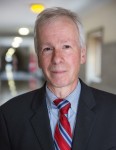
photo - Nico Slobinsky, director of CIJA Pacific Region
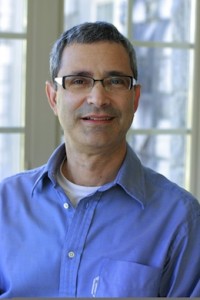
Nico Slobinsky, director of CIJA Pacific Region. (photo from Nico Slobinksy)

Slobinsky noted that CRC and CCCB wrote a letter, dated Dec. 15, to Minister of Foreign Affairs Stéphane Dion, highlighting that “Christians experience religious persecution more than any other faith group on a global scale and in absolute numbers” and requesting that the “Government of Canada make a priority of advocating for at-risk Christian communities throughout the Middle East and Africa.”

He said CIJA has been “adamant in speaking for the right of religious minorities when threatened.” He described the “range of policies CIJA advocates on, from affordable housing to government support for health care and public services run by Jewish social service agencies,” and said he can see “natural areas of cooperation with faith communities like the Catholic community.”

“In the case of antisemitism,” he added, “given the sad history of Catholic discrimination and persecution of Jews, it is particularly poignant that Catholics condemn and actively counter antisemitism today, as evidenced in the pope’s recent remarks,” which continue the path of reconciliation that started at the Second Vatican Council.

Slobinsky said the Nostra Aetate “has had a profound impact within the Church leadership and clergy, though it is largely unknown by average Catholics and Jews.”

Daum described it as “a very important document. Because of that document, for example, I worked for the American Jewish Committee and the Roman Catholic Diocese of San Francisco for three years when I was working on my PhD at Berkeley. I was a guest lecturer on the topic of Judaism in five Roman Catholic high schools, so that the students could have the opportunity to learn about Judaism from a Jewish scholar.

“Like any historic document, the impact will vary from place to place, and from decade to decade, but one has to bear in mind that this relationship goes back many centuries. And there have been some very important statements issued by Jewish and Roman Catholic scholars over the past several years, including in recent months. These are related developments, which is very encouraging and very interesting.”

As for the dialogue initiative, Daum said, “We are bringing ourselves to this initiative as Jews and as Canadians, and our dialogue partners are bringing themselves as Catholics and as Canadians – in our diversity and in our unity, we will get to know each other and each other’s community better with each meeting.”

Zach Sagorin is a Vancouver freelance writer.

Posted on February 5, 2016February 7, 2016Author Zach Sagorin and Cynthia RamsayCategories NationalTags Catholic-Jewish relations, CCCB, CIJA, CRC, Nico Slobinsky, Nostra Aetate, Robert Daum
Take Action campaign

Take Action campaign

A screenshot of the CIJA video What Would We Do?

The continuing terrorist attacks in Israel against Jewish Israelis are becoming more frequent and more deadly. Palestinian political leaders, religious officials and media have applauded the attackers as “martyrs,” spread anti-Jewish conspiracy theories and called for more attacks against Jews. In response, the Centre for Israel and Jewish Affairs (CIJA) has launched a campaign to mobilize community members to take action.

The objective of the campaign is to raise awareness among Canadians about the ongoing threat of Palestinian terrorism and the incitement that fuels it. CIJA is asking the community to take a number of actions, including sharing content in social media, signing a petition that will be presented to Canada’s leaders when Parliament returns and writing Foreign Affairs Minister Stéphane Dion asking him to speak out against Palestinian terrorism.

“Like many around the world, we are extremely concerned about the rising tide of violence against Jews in Israel, perpetrated by terrorists who are incited to violence by the Palestinian leadership,” said Shimon Koffler Fogel, CIJA chief executive officer. “We want to provide our community with a meaningful way to stand up for our extended Jewish family in Israel who are living under constant threat.

“The Take Action campaign is designed to raise awareness about the violence and what drives it,” continued Fogel. “Questions we are asking Canadians to consider include ‘What would we do if this were happening in Canada?’ and ‘What would we expect our allies to do if Canadians were being run down, stabbed and shot in the streets?”

Campaign components include the video at youtube.com/watch?v=cMYS1qSKQTs called What Would We Do? The video is a series of news clips that take real events that have happened in Israel, such as stabbings and car bombs, and put them into a Canadian context, as having happened in Montreal, Toronto and Winnipeg.

At takeactionisrael.ca, there is the petition to sign, which condemns Palestinian terrorism and incitement. As well, there is a link to a template email that can be personalized and sent to Dion that reflects the person’s concerns and asks Dion to speak out against Palestinian terrorism.

As well, people can donate to help spread the word: 100% of donations will be used to educate Canadians about the reality of the situation in Israel, the dangers posed by Palestinian terrorism and incitement, and the real obstacles to peace.

The fourth component of the campaign is a request that people forward the call to action to a friend, share it on Facebook, Twitter or other social media, and encourage friends and family to visit the website takeactionisrael.ca, as well as to learn more about the situation in Israel at learnmoreisrael.ca.

The campaign will run as long as the current wave of terror continues.

Format ImagePosted on November 27, 2015November 24, 2015Author CIJACategories NationalTags CIJA, Israel, Palestinians, Shimon Fogel, terrorism
Ready for the election

Ready for the election

SUCCESS chief executive officer Queenie Choo, left, with federal election candidates, left to right, Jody Wilson-Raybould, Erinn Broshko, Wes Regan and Mira Oreck. (photo by Jocelyne Hallé)

More than 100 people filled Choi Hall on Sunday to hear local candidates in the Oct. 19 federal election talk on immigration, economics, security, employment and health care. Co-sponsored by the Centre for Israel and Jewish Affairs and SUCCESS Canada, as well as various media outlets, including the Jewish Independent, the panelists, in order of initial three-minute presentations, were Vancouver-Granville candidates Erinn Broshko (Conservative), Mira Oreck (NDP) and Jody Wilson-Raybould (Liberal) and Vancouver East candidate Wes Regan (Green). The candidates each had two minutes to respond to questions submitted in advance by the public and, at the end of the Q&A, they each gave summary statements.

Charlie Smith, editor of the Georgia Straight, served as moderator, while Doug Purdie, chair of the board of SUCCESS, welcomed the audience and Jason Murray, chair of CIJA, closed the proceedings.

Format ImagePosted on September 25, 2015September 24, 2015Author Cynthia RamsayCategories LocalTags Centre for Israel and Jewish Affairs, CIJA, elections, Erinn Broshko, Jody Wilson-Raybould, Mira Oreck, SUCCESS, Wes Regan

Send in your questions

On Sept. 20, the Centre for Israel and Jewish Affairs and SUCCESS are co-hosting Election 2015 Townhall. The Conservative, Liberal, New Democrat and Green parties have been invited to have a representative answer community members’ questions.

“Although the parties are well aware of the broad topics to be covered at the forum, neither the parties nor their candidates will be told the questions beforehand,” Jason Murray, chair of CIJA Pacific Region Local Partners Council, told the Independent. “It’s important to note that the townhall is not a debate, but an important opportunity to hear candidates address issues important to the communities served by SUCCESS and CIJA. The event will be open to the press.”

photo - Jason Murray, chair of CIJA Pacific Region Local Partners Council
Jason Murray, chair of CIJA Pacific Region Local Partners Council. (photo from CIJA-PR)

The selection of the representatives has been left up to the parties, said Murray, “with the only requirement being that the candidate is nominated in a Metro Vancouver riding.”

The broad topics – immigration, employment, seniors’ care, security and the economy – are just some of the issues in which CIJA and SUCCESS share an interest, said Murray. The partnership in organizing the townhall, he said, “allows us to gain strength with greater numbers, bringing together our communities to advocate with candidates seeking office. Working together allows us opportunities to view these issues from each other’s perspectives.”

This is not the first time that SUCCESS has worked with the Jewish community.

“SUCCESS and CIJA’s predecessor, the Canadian Jewish Congress, have a long history of collaborating on civic engagement programs, including townhall-style events around municipal, provincial and federal elections,” said Murray. “Professional and volunteer leaders from SUCCESS and CIJA have continued to collaborate between elections, particularly in helping each other nurture advocacy efforts. We hope to continue to build on what we see as a solid foundation and to continue to bring together SUCCESS and our Federation and Federation’s partner agencies.”

“Both CIJA and SUCCESS are nonprofit and non-partisan organizations that are dedicated to improving the quality of life of newcomers in Canada by advancing the public policy interests of Canada’s communities,” Queenie Choo, chief executive officer of SUCCESS, told the Independent. “We have commonalities and strong values in these areas. Hence, it is a perfect fit as partners in this event.”

photo - Queenie Choo, chief executive officer of SUCCESS
Queenie Choo, chief executive officer of SUCCESS. (photo from SUCCESS)

SUCCESS has sponsored other townhalls and information sessions, said Choo. “We have done it in the past for provincial and municipal pre-election forums. At this point, we are focusing on this townhall opportunity to ensure people are informed of the party positions on our topics, such as immigrants, seniors, housing, employment and security. It is also part of our mandates on promoting civil education and responsibility.”

Choo explained, “SUCCESS is one of the largest nonprofit social service agencies in B.C. that provide services for immigrants, seniors and people who need affordable housing. The topics of focus at this townhall really support our mission – one that builds bridges, harvests diversity and fosters integration through service and advocacy. Through this event, we hope to gain a better understanding of each party’s position on these subject matters, advancing our mission in these three key areas going forward.”

She added, “It is important that people are well informed of the positions and platform represented by each party in order to vote for what they believe in. People are encouraged to vote and be able to elect the party that can best represent them and their community.”

“In advocacy,” said Murray, “there is no substitute for in-person engagement. The Jewish community is a relatively small community in Canada and, particularly, in British Columbia. Through more intensive involvement in the political world – whether volunteering, serving as party activists, or running for office – Canadian Jews can make a disproportionate impact beyond the ballot box.

Community members must send their questions in advance to [email protected]. The Election 2015 Townhall takes place Sept. 20, 2:30 p.m., at Choi Hall (SUCCESS main offices), 28 Pender St.

Posted on September 4, 2015September 2, 2015Author Cynthia RamsayCategories LocalTags Centre for Israel and Jewish Affairs, CIJA, federal election, Jason Murray, Queenie Choo, SUCCESS
סירה של דייג יפני נסחפה עד לקנדה

סירה של דייג יפני נסחפה עד לקנדה

קו סאסאקי שמח מאוד לשמוע שלפחות סירתו ניצלה מהצונמי, והיא נמצאת כיום בידים טובות ומטופלת היטב. (צילום: Spirit Bear Adventures)  

המרכז לענייני ישראל והיהודים מגביר את שיתוף הפעולה עם הסטודנטים היהודים במאבקם בפעילות האנטי ישראלית

המרכז לענייני ישראל והיהודים בקנדה שם לו למטרה ראשית לעזור לתא הסטודנטים היהודים הלל, במאבקים נגד הפעילות העניפה בקמפוסים השונים להחרמת ישראל. בשותפות עם הלל המרכז מספק לסטודנטים היהודים הדרכה אסטרטגית, תמיכה מסיבית בשטח ומשאבים כספיים, כדי שיוכלו להתמודד מול הקמפיינים האנטי ישראליים, בזמן אמת. המרכז והלל הכינו תוכניות ואסטרטגיות שונות בעת הצורך, כדי להתמודד ולהפריך את המיתוסים השונים שהומצאו על ישראל.

במקביל המרכז והלל עובדים מול הנהלות האוניברסיטאות השונות וסגל המרצים, להצגת ישראל האמיתית והעובדות הנכונות עליה. במסגרת זו המרכז לוקח נציגים מהאוניברסיטאות לביקורים בישראל, כדי שיראו מה קורה באמת בשטח. במרכז מציינים כי לאור הפעילות העניפה שלו מול האוניברסיטאות ונציגיה השונים, במקרים רבים הקמפיינים נגד ישראל הפכו לפחות פחות אפקטיביים.

נציגים של המרכז בשיתוף הפדרציות היהודיות בקנדה, עובדים ישירות מול הארגונים היהודים השונים לצורך הגברת הביטחון. הפעילות כוללת הדרכת ותדרוך העובדים במוסדות היהודים. נציגים של המרכז מבצעים בקביעות ביקורות אבטחה במוסדות היהודים, בהם הג’ואיש קומיוניטי סנטרס, בתי ספר, גני ילדים, מחנות קיץ ובתי הכנסת. בנוסף המרכז מסייע לארגונים בהגשת תוכניות אבטחה לתוכנית של הממשלה הפדרלית לאבטחת מוסדות בקנדה, שיפור התשתיות והקצאת משאבים כספיים ועוד.

האחראי על תחום הביטחון בהקהילה היהודית במרכז לענייני ישראל והיהודים בקנדה, אדם כהן, נמצא בקשר שוטף עם גורמי הביטחון הקנדיים, ובהם המשטרה הפדרלית, יחידות המשטרה המקומיות ועוד. הקשר הזה מאפשר למרכז לקבל מידע ביטחוני בזמן אמת ולהיערך בהתאם, כדי להגן על הקהילה היהודית בעת הצורך.

שוטי ספינתי: סירה של דייג יפני נסחפה עד לקנדה

דייג יפני שאיבד את משפחתו באסון רעידת האדמה והצונמי שפקדו את יפאן לפני כארבע שנים, יכול להתנחם בכך שסירתו שניסחפה והגיע עד לחופי קנדה, ממתינה כאן עבורו. קו סאסאקי איבד את כל עולמו באסון הטבע הגדול ביותר בהיסטוריה של יפאן, שהתרחש במרץ 2011. ברעידת האדמה והצונמי נגבה מחיר כבד מאוד של כתשעה עשר אלף איש שנהרגו (חלקם נחשבים לנערים עה היום). ובין ההרוגים גם אשתו ובנו היקרים של הדייג המסכן. סאסאקי נשאר מחוסר כל ואפילו סירת הדייג האהובה שלו נעלמה.

אך מתברר שהסירה הלבנה מהפיברגלס לא הלכה לאיבוד או נהרסה, אלא כמו מאות ואולי אלפי חפצים רבים אחרים, נסחפה במים העמוקים של האוקיאנוס השקט, והגיעה אחרי מסע אחרוך עד לחוף המערבי של קנדה. לפני כשנה תושבים אינדיאנים מקומיים שגרים באזור החוף של בריטיש קולומביה, מצאו את הסירה האבודה. התברר להפתעת הכל שלמרות הדרך הארוכה ואסון הטבע הנוראי, כלי השייט של הדייג לא ניזוק כלל. בעזרת זוג אמיד (הבעל קנדי והאישה ממוצא יפני) שהגיעו לבקר בכפר האינדיאנים שתושביו הם אלו שמצאו את הסירה, תורגמה הכתובת המוטבעת עליה. האישה היפנית הפעילה את הקשרים הענפים שיש לה ביפאן, והצליחה לאחרונה לאתר את בעלי הסירה המדוברת. סאסאקי שמח מאוד לשמוע שלפחות סירתו ניצלה מהצונמי, והיא נמצאת כיום בידים טובות ומטופלת היטב. הזוג הקנדי-יפני החליט לעזור לסאסאקי הדייג ולממן אף את ביקורו כאן. בימים אלה הוא אמור להגיע לקנדה כדי התאחד מחדש עם סירתו, לאחר ארבע שנים. ככל הנראה סאסאקי ישאיר את הסירה כאן כיוון שהעלויות להעברתה בחזרה ליפאן גבוהות מאוד. בינתיים מתברר שהדייג התחיל לשקם את חייו ואף רכש לו כבר סירת דייג חדשה.

Format ImagePosted on September 2, 2015October 14, 2015Author Roni RachmaniCategories עניין בחדשותTags Adam Cohen, anti-Israel, Centre for Israel and Jewish Affairs, CIJA, Hillel, Japanese fishing boat, Jewish Federations of Canada, Kou Sasaki, tsunami, אדם כהן, האנטי ישראלית, הלל, מרכז לענייני ישראל והיהודים, סירה של דייג יפני, פדרציות היהודיות בקנדה, צונמי, קו סאסאקי

Posts pagination

Previous page Page 1 … Page 8 Page 9 Page 10 Next page
Proudly powered by WordPress