Skip to content
  • Home
  • Subscribe / donate
  • Events calendar
  • News
    • Local
    • National
    • Israel
    • World
    • עניין בחדשות
      A roundup of news in Canada and further afield, in Hebrew.
  • Opinion
    • From the JI
    • Op-Ed
  • Arts & Culture
    • Performing Arts
    • Music
    • Books
    • Visual Arts
    • TV & Film
  • Life
    • Celebrating the Holidays
    • Travel
    • The Daily Snooze
      Cartoons by Jacob Samuel
    • Mystery Photo
      Help the JI and JMABC fill in the gaps in our archives.
  • Community Links
    • Organizations, Etc.
    • Other News Sources & Blogs
    • Business Directory
  • FAQ
  • JI Chai Celebration
  • JI@88! video

Recent Posts

  • Zionism wins big in Vegas
  • Different but connected
  • Survival not passive
  • Musical celebration of Israel
  • Shoppe celebrates 25 years
  • Human “book” event
  • Reclaiming Jewish stories
  • Bema presents Perseverance
  • CSS honours Bellas z”l
  • Sheba Promise here May 7
  • Reflections from Be’eri
  • New law a desecration
  • Resilient joy in tough times
  • Rescue dog brings joy
  • Art chosen for new museum
  • Reminder of hope, resilience
  • The national food of Israel?
  • Story of Israel’s north
  • Sheltering in train stations
  • Teach critical thinking
  • Learning to bridge divides
  • Supporting Iranian community
  • Art dismantles systems
  • Beth Tikvah celebrates 50th
  • What is Jewish music?
  • Celebrate joy of music
  • Women share experiences 
  • Raising funds for Survivors
  • Call for digital literacy
  • The hidden hand of hate
  • Tarot as spiritual ritual
  • Students create fancy meal
  • Encouraging young voices
  • Rose’s Angels delivers
  • Living life to its fullest
  • Drawing on his roots

Archives

Follow @JewishIndie
image - The CJN - Visit Us Banner - 300x600 - 101625

Category: News

ראיון עם טימה כורדי חלק ב

ראיון עם טימה כורדי חלק ב

טימה כורדי (צילום: Facebook)

בראיון הטלוויזיה מול ביתך בראשית החודש האשמת את עצמך בטביעה של האחיינים שלך וגיסתך כיוון שאת נתת להם כסף שישלמו למבריחים, שהעבירו אותם מטורקיה ליוון דרך הים. “זה נכון. אני נתתי לאחי עבדאללה חמשת אלפים דולר עבור המבריחים. לא יכולתי לתת לו חסות שיעבור לקנדה, כיוון שהתחלתי עם האח הבכור מוחמד, ואין לי את היכולת הכספית לעזור ליותר מאח אחד כל פעם. עבדאללה צריך השתלת שיניים דחופה כיוון שאין לו שיניים בפה, וזה עולה כסף רב, אך החלטנו שקודם כל הוא יעבור עם המשפחה למערב אירופה. ואחר כך נמשיך. לצערי לא יהיה המשך”. כורדי נחנקת מדמעות ובוכה על מר גורלם של שלושת בני המשפחה שניספו. “הוא סיפר לי איך החזיק את שני הקטנים בידיו בניסיון להציל אותם, מאיימת הים. מי האמין שזה יהיה סופו של המסע. כמה עבדאללה מסכן עכשיו. הוא רוצה להישאר ליד קברם של ילדיו ואשתו. אני לא יודעת כמה זמן יקח לו להתאושש, אם יתאושש בכלל. ואם אביא את כל המשפחה לכאן וגם אביא אותו, כיצד הוא ירגיש כשהוא לבד, וכל האחים מלווים בילדיהם. גם אני שבורה לגמרי ולא מסוגלת לתפקד. אני לא יכולה לאחזור לעבודה כרגע. אני גם אני לא יודעת כמה זמן זה יקח לי לחזור לעצמי. קרה לנו אסון גדול שאני לא מאחלת לאף משפחה, לאף הורים”.

טימה אני שואל בקושי רב, כיצד הרגשת כששמעת שהילדים ואימם ניספו בים? “התחלתי לצרוח כמו משוגעת ולא ידעתי מה קורה עימי. איבדתי את השליטה על עצמי. השכנים שמעו אותי ורצו בבהלה לראות מה קרה לי. ונדמה לי שאף הזעיקו את המשטרה. ביום רביעי בערב הלכתי לישון והיה לי חלום מאוז מוזר. חלמתי על אימי שיושבת מול המחשב ומקבלת הודעות מוזרות ומתחילה לצעוק, שכולם דואגים וכולם בוכים. כולם במשפחה ובין החברים ידעו שעבדאללה היה הילד החביב ביותר עליה. היא כמובן אהבה את כולנו מאוד, אך הוא היה הילד המיוחד שלה, ותראה מה קרה לו. כהתעוררתי בחמישי בבוקר ראיתי המון המון הודעות בטלפון, והבנתי שמשהו לא בסדר. עבדאללה יצא עם משפחה למסע בן חצי שעה ואף אחד לא שומע ממנו יומיים? התקשרתי מיד לאחותי בדמשק וקו הטלפון היה גרוע מאוד. אך הבנתי שמהו רע מאוד קרה לעבדאללה, והתחלתי לצרוח בטרוף. בעלי והבן שלי (בן ה-22) שגר למטה, התעוררו מייד ובאו אלי בבהלה. לא הייתי מסוגלת להתקשר שוב לאחותי וידי לא נענו לי. ביקשתי מבני שיחייג אליה. היא בכתה ושאלתי מה קרה. תגידי לי מה קרה עם עבדאללה צעקתי. לבסוף היא אמרה לי את האמת המרה מכל, שהוא איבד את אשתו ובניו בים. איזה אסון גדול קרה לנו. אני יודעת שבהתחלה הוא האשים את כל העולם במה שקרה לו. אחר כך הוא נרגע ונסגר תוך עצמו. אני מנסה לדבר איתו וזה נורא קשה. כשהוא הגיע לבית החולים לשם הובאו גופות אשתו והילדים, הוא ישב בחוץ והחזיק את בגדי הילדים ולא הפסיק להריח אותם. זה הזכרון האחרון שיש לו מגאליפ ואיילאן. איזה מסכן”. (היא שוב בוכה).

טימה: האם את בטוחה שהתמונה הקשה של גופתו של איילאן שנמצאה על החוף תשנה משהו, תעיר מישהו, הרי מאות ילדים נהרגו כבר בסוריה ולאף אחד כנראה זה לא איכפת? “כן. אני מאמינה שזה מסר מאלוהים. הוא לקח את שני הילדים ואימם לגן עדן. הם בטוחים עכשיו שם ויש להם חיים טובים יותר. והמסר הוא שיש לעצור את האלימות ולהפסיק את המלחמה הנוראית הזו. אני מקווה ובטוחה בעצם שכל העולם יתעורר ויתעשת, ויפסיק את המלחמה. זו השליחות של איילאן לעולם וזה המסר שהוא הביא עימו בטרם נלקח על ידי אלוהים”.

כשדברתי עם בעלך יום קודם לכן, הוא הסביר לי שהיה חשוב שתסבירי לעולם באנגלית, מה המשמעות של התמונה הקשה של אלייאן שוכב שם על החול. כורדי: “כן היה לי חשוב ביום הקשה הזה בחיי לנצל את ההזדמנות שניתנה בידי, ולהסביר לעולם כולו איזה סבל נוראי קורה שם בסוריה, וצריך למנוע את ההרג ושהורים נוספים יאבדו את ילדיהם. אנו בטוחה שכולם יתתעוררו עכשיו ויסיימו סוף למלחמה הקשה הזו. מותו של אלייאן הוא מחיר כבד מאוד למשפחה, אך אולי הוא יביא למשהו טוב. אולי יצא מזה משהו חיובי”.

לסיום אני שואל את כורדי האם יש לה מה להגיד על הצעתו של יו”ר האופוזיצה יצחק (בוזי) הרצוג, לאור משבר הפליטים באירופה, שגם על ישראל לסייע במאמץ לקלוט פליטים מסוריה. “אני גרה כאן עם בעלי האיטלקי והחשיבה שלי היא כיום מערבית. זה ידוע שישראל וסוריה נמצאים ביחסי עויינות ולא ברור לי אם אפשרי בכלל, לקלוט פליטים סורים בישראל. אך אם זה אפשרי בכך ניתן לעזור לפליטים, אין סיבה שזה לא יקרה. אגב אני שמעתי כבר לא פעם שישראל מטפלת בפצועים מסוריה”.

Format ImagePosted on September 24, 2015October 14, 2015Author Roni RachmaniCategories עניין בחדשותTags refugees, Syria, Tima Kurdi, טימה כורדי, סוריה, פליטים
Kenney discusses priorities

Kenney discusses priorities

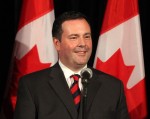
Jason Kenney, Canada’s minister of national defence and minister for multiculturalism. (photo from forces.gc.ca)

Jason Kenney, Canada’s minister of national defence and minister for multiculturalism, says this country should prioritize Christian refugees and other minorities who constitute the most imperiled of the millions fleeing Syria and Iraq.

“Some people are in an understandable wave of emotion … telling me that we should just send C-17 aircraft over there to refugee camps and load them up and bring them to Canada,” Kenney told the Independent. But the refugees and internally displaced persons (IDPs) that Kenney sees as most vulnerable are not even in the United Nations refugee camps, he said.

“I know these issues extremely well and I can tell you that there are certain vulnerable Syrian and Iraqi minorities who cannot and do not even go to the UN camps,” said Kenney. “Why? Because they are the persecuted minorities. Ismaili Muslims, Druze, Chaldeans, Assyrians, Syrians, Armenians – e.g. the Christians – do not go to the refugee camps in Lebanon, Jordan and Turkey because they’re afraid of their minority [status], the implications of that. These are the people who are living in urban slums in Amman, Jordan, in Beirut, Lebanon, and some in Ankara, Turkey, who we have said we will focus our refugee resettlement programs on.”

These minorities are less likely, Kenney said, to harbor individuals who could pose a threat to Canada.

“These are the victims of the doctrine of armed jihad,” he said. “I can tell you that these people, when they come to Canada, they want to keep us safe from what drove them out of their homes. This is why I think we need to be intelligent about refugee resettlement.”

Kenney emphasized that he wishes peace and protection to all of the refugees and IDPs regardless of their faith or political views. But, he added, “I’ve been to the camps, alright? When I go into people’s tents and I see there’s very few young men, I’ve asked in Turkey and Lebanon and in Jordan: where is your father, where is your husband, where’s your son? I see the pictures in the tents.”

The response he has received often, he said, is that the men are off fighting with the al-Nusra Front or other Islamist militias.

“This is a vicious stew of violence and we must ensure that that cult of violence doesn’t inadvertently come to Canada,” said the minister, who is running for reelection in Calgary. “So that’s why we need to be careful and prudent about security screening and, I think, ensure that to the greatest extent possible the refugees who we welcome to Canada are those who are amongst the most vulnerable.… I don’t apologize for saying we should focus on the most vulnerable and on Canada’s security at the same time.”

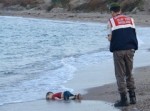
Kenney, who has been the Conservative government’s point person for ethnic communities, spoke with the paper as the image of Alan Kurdi, the Syrian-Kurdish refugee child whose body washed ashore on the Turkish coast, was animating the world to act on the refugee crisis.

“The image of that boy represents thousands of others who die in human smuggling operations and the tens of thousands who have – excuse me, the hundreds of thousands – who have died in the Syrian civil war and as victims of the so-called Islamic State in Iraq and Syria,” said Kenney. “It galvanizes collective attention on the total humanitarian catastrophe in Iraq and Syria.”

Canada is the largest per capita resettler of refugees worldwide, Kenney said, welcoming one in every 10 resettled refugees in the world. (CBC and Global News have both analyzed this claim and note that it refers to refugees resettled from an asylum country like Lebanon or Jordan to a country that has agreed to take them as refugees. Because most refugees flee to an adjacent country – or, as seen in recent months, trek to European countries – the news outlets assert that Canada is not first, but 41st, in the world. Canada accepts one in 10 resettled refugees, but most refugees remain unsettled, they claim, making Canada’s acceptance rate of total refugees about one percent, not 10%, of the world’s refugees.)

In any event, the enormity of the problem, Kenney said, means “resettlement is not a solution.”

This is where Kenney differentiates the Conservative government’s position from those of the opposition parties. The United Nations High Commissioner for Refugees cites 15 million Iraqi and Syrian refugees and IDPs, he said.

“It’s a cruel myth if we think we can solve a humanitarian crisis with 15 million IDPs and refugees and here’s the key thing – new refugees are being created every single day,” he said. The world needs to address the root cause of the massive refugee problem, he said, which is the genocidal terror of ISIS (also called ISIL or the Islamic State).

“We have a moral obligation to play a role in degrading and ultimately defeating ISIL in its campaign of terror,” he said. “And, we also need to provide humanitarian support to the IDPs and refugees, which we are doing…. We’ve contributed between the two countries over $810 million in emergency humanitarian assistance. We will do more.”

The defence minister took a shot at New Democratic party leader Thomas Mulcair and Liberal leader Justin Trudeau, both of whom oppose Canadian ground troops in the fight against ISIS.

“What we’re doing is important,” Kenney said. “The military contributions that we are making through our airstrikes and the training of the Kurdish Peshmerga in northern Iraq are making a meaningful difference but, in the grand scheme of things, are relatively modest contributions. So, for the Liberals and NDP to suggest that we should completely withdraw even from the air campaign or, in the case of the NDP, from training, is, I think, morally irresponsible and reprehensible. If the world is moved by the images of the Kurdi family on the Turkish beach, we must recall that these were people who fled the violence of ISIL and there will be more Kurdi families unless and until the world stops this genocidal terrorist organization. That’s why we believe there is a moral obligation and a security imperative for us to participate in the international coalition degrading and, hopefully, ultimately defeating ISIL.”

On the issue of domestic security, Kenney also lashed back at critics of Bill C-51.

“If you look at the additional security powers included in Bill C-51, they are modest compared to most of our liberal democratic peer countries,” he said. “Most of the new powers included in Bill C-51 are actually invested in the courts, the judiciary, not in the police or intelligence agencies and certainly not in the hands of politicians. And many of those additional powers themselves are very modest.”

Kenney said RCMP were keeping an eye on Martin Couture-Rouleau, the “lone wolf” terrorist who killed Warrant Officer Patrice Vincent in Quebec last year.

“The RCMP went to the prosecutors and said we want to apply for a preventative detention order or peace bond to restrict this guy’s movements because we think he’s going to do something crazy and violent,” said Kenney. “The prosecutor said, sorry, but we just do not have the legislative, the statutory, tools to do this. We would have to prove to a court that he will commit a terrorist offence and there’s no way to do that.”

Under the new law, said Kenney, police can go to the prosecutor, who in turn can go to the court, and the court determines whether an order for preventive detention can be issued.

“And, by the way, the maximum order for that can be seven days,” he said. “In Britain, it’s 28 days. It’s why I say the powers here are relatively modest.”

Another example of what Bill C-51 does, he said, is to allow the Canadian Security Intelligence Service to interrupt a possible terrorist event.

“What does this mean practically? If CSIS is observing that a 15-year-old kid’s spending hours every day on terrorist websites, instead of just waiting for him to blow up metaphorically, they can go to his parents now and say, ‘Are you aware that your son appears to be in the process of radicalization?’” Kenney said. “Is this a violation of civil liberties? No. As the prime minister says, the most important civil liberty is the right to live safely and securely.”

Kenney described the idea that C-51 could be used to infiltrate or disrupt civil society protests against things such as oil pipelines as “rubbish.”

“I think the criticisms of Bill C-51 have been massively overblown,” he said. “If they advocate going and blowing up pipelines, yes, possibly. But protesting the construction of pipelines? Absolutely rubbish. No police officer would be interested in that, no prosecutor would bring a charge on that, no court would accept it. It is ridiculous.”

The Conservative government has often been alone on the international stage in defending Israel’s right to defend itself, a position that has been criticized on several fronts, including accusations that the Tories have turned Israel into a partisan political issue. The Independent asked if the government’s vocal position is driven by theology, politics or ideology.

“What drives that is principle,” Kenney said. “Israel is not a normal state. Israel is a moral cause. Israel is the refuge of the survivors of the Shoah and, therefore, the world has a moral obligation to ensure the protection of that refuge, that one and only Jewish homeland in the world.”

He dismissed political expediency as a factor, noting that fewer than one percent of Canadians are Jewish – and that not all of them are committed Zionists – and Canada has little of the Christian Zionist movement that exists in the United States.

“So, it’s not political,” he said, adding that it is also not based on “some kooky Christian reconstructionist millennial theology.”

“I have never heard a Conservative political actor in Canada make reference to Christian Zionist theology in articulating our support for Israel,” he said. “That’s a phantom for some paranoid minds on the left. The truth is this … we see Israel as an emblem, a symbol, a surrogate for Western civilization in the Middle East, by which we mean that Israel is predicated on the belief in human dignity, which is manifest in a liberal democratic political system, protection for human rights, religious freedom and pluralism.”

He said Israel’s enemies are motivated by what they view as “an unacceptable presence of those Western civilizational values in the Middle East, but secondly because the enemies of Israel are motivated by a deep and irredeemable antisemitism.”

“Most of Israel’s enemies do not seek a conventional peace – negotiations toward a two-state solution or a conventional political solution to the conflict there. They seek one thing, which is the elimination of the so-called ‘Zionist entity’ and the driving of the Jews into the sea. A second Holocaust.”

In addition to foreign affairs, Kenney said he wanted to remind Jewish Canadians of programs the government has undertaken domestically.

“We’ve taken a zero-tolerance attitude to antisemitism here domestically and that’s not just rhetorical,” he said. “We’ve paid a price for it. I’ve defunded organizations that were receiving grants – perversely – to provide integration services to newcomers, like the Canadian Arab Federation and Palestine House, whose leadership were openly antisemitic. I’ve been sued for it, our government’s been sued for these decisions, but we did the right thing.”

The government, he said, has also funded security infrastructure projects to upgrade security at synagogues, Hebrew schools and Jewish community centres.

On the issue of whether Canada is in a recession, Kenney said there was a sectoral contraction in oil that’s affected Alberta.

“No doubt about it, Alberta is in a recession due to the crash in oil prices,” he said. “But the rest of the country and the other industry sectors are growing. Employment remains strong. This is hardly a recession by any broadly understood definition and, according to the June StatsCan report, we’re back into a growth phase of two percent annualized growth. The dumbest thing we could do would be to act as though there is a serious, deep recession by going out and borrowing tens of billions of dollars as the other parties [would] do, which constitute deferred taxes. We think fiscal discipline, low taxes [and] expanded trade markets continue to be the right recipe for growth.”

The Independent has interviewed Liberal leader Justin Trudeau and has invitations out to NDP leader Thomas Mulcair and Green party leader Elizabeth May. The federal election is on Oct. 19.


Format ImagePosted on September 18, 2015September 17, 2015Author Pat JohnsonCategories NationalTags Bill C-51, Conservatives, elections, ISIS, Israel, Jason Kenney, recession, refugees, terrorism
Israelis connect with locals

Israelis connect with locals

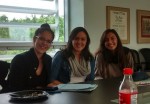
Left to right, shinshiniot Ophir Golumbek, Tomer Tetro and Lian Swissa are volunteering with various organizations in the Greater Vancouver Jewish community. (photo from Jewish Federation of Greater Vancouver)

For the first time, Vancouver is participating in the Shinshin program through the Jewish Federation of Greater Vancouver (JFGV) in conjunction with the Jewish Agency for Israel.

Shinshin is an acronym for shnat sherut, meaning year of service, which is exactly what the three 18-year-olds who arrived on Aug. 31 are here to provide the Vancouver Jewish community.

The project, which is co-funded by JFGV and the beneficiary agencies, is an outreach program created by the Jewish Agency to give exceptional Israeli youth a meaningful gap-year experience that furthers the objectives of the Jewish Agency for promoting goodwill and education about Israel. According to Vancouver’s shinshin coordinator, Lissa Weinberger, the program has been wildly successful and popular among the Jewish communities that have had the chance to host Israeli teens in the past. JFGV had planned to begin hosting Shinshinim in 2016 but because of the enthusiasm of participating agencies, they fast-tracked the program and made it happen this year.

Shinshin has been embraced by communities in England, the Netherlands, South Africa, North America and South America, growing from 54 participants last year to 100 this year. The Israeli youths volunteer with young people in schools, synagogues, Jewish community centres and other Jewish organizations to build awareness and give access to a teen perspective on Israel. According to Weinberger, the program has been so effective at building relationships between Israeli and Diaspora Jewish youth that there is a plan to grow it to 300 Shinshinim within five years.

Weinberger said that the young women in Vancouver – Ophir Golumbek, Tomer Tetro and Lian Swissa – will be working six days a week for the next nine months, with a few weeks off spread over that time.

“When we were discussing their schedule, we were told to keep them busy. They were coming to give back, not sit around,” Weinberger said.

The Shinshiniot (feminine plural) will be hosted by local families during their stay, a different family every three months. The host family experience is crucial to the program as it gives the youths a soft landing here in Vancouver, in a family environment.

Jennifer Shecter-Balin will be hosting one of the Shinshiniot for the first term. She spoke for her family when she said, “We are excited for the experience. I have been communicating with Ophir via email and I have been thoroughly impressed by her maturity, enthusiasm and introspection.”

In an interview with the Jewish Independent the day after their arrival, the three young women were indeed bubbling with energy and enthusiasm. Golumbek will be working primarily with students at Vancouver Talmud Torah (VTT), with the Temple Sholom Sunday school as her Sunday job. Tetro will divide her time between the Jewish Community Centre of Greater Vancouver and Congregation Beth Tikvah. Swissa will be working with King David High School, Congregation Beth Israel and Richmond Jewish Day School.

Each one of the Israelis comes with a history of volunteerism and leadership, as well as an impressive command of English. None of them comes from an English-speaking home in Israel but all are eloquent and clear in their goals for their year of service in Vancouver.

Golumbek explained why she applied to the Shinshin program. “I have family in the U.S., third cousins, and they all went on Birthright and I saw how it made them [connected to] Israel. Some came back to study and one made aliya. Each one of my cousins told me about a person who influenced them to love Israel and I wanted to build that connection for people here.”

Swissa echoed Golumbek’s interest in building connections with local Jews and added, “I believe that Jewish people have a shared history and we should create a shared present and future. We are here to learn about Vancouver and Judaism outside of Israel, as much as we are here to share our love of being Jewish in Israel.”

It’s not surprising that 18-year-olds who can express these types of ideas when jet-lagged were selected from the 1,700 applicants to the Shinshin program. Swissa and Tetro have leadership experience and a strong basis in working with other Jewish teens from a two-year program they did in high school called the Diller Teen Fellowship, which brought them to Chicago and Baltimore, respectively, when they were in grades 10 and 11. Their experience working within a pluralistic Jewish environment has prepared them for their work in Vancouver. Golumbek participated in a special program of her Scouts called Seeds of Peace in Maine, which brought together Israeli, American, British, Palestinian and Egyptian teens to work on building relationships and tackling issues of conflict.

When asked how they feel about being away from their families, they all teared up slightly. Swissa is the youngest of seven children, so it’s a shock for her to be without family here, while Tetro will miss her 5-year-old sister. Golumbek has a brother who is finishing his army service this year and, while she said she will miss her family, she looks at this year as an opportunity to get ready for being away when she goes into the army, while making an impact and making new connections. She said, “Our host families will be like a new family … we are grateful for the chance to come here, to make a mark. Thank you is a small word for what everyone has done for us so we could be here.”

Tetro spoke for all three volunteers when she explained what they hope for the year to come. She said, “We are so excited because this is a brand new program and nobody knows what to expect, but we are also stressed because we want to make the best impression. We want to build a really good base for next year so all of the kids will be eagerly waiting for the next Shinshinim to come.”

Michelle Dodek is a freelance writer living in Vancouver.

Format ImagePosted on September 18, 2015June 27, 2016Author Michelle DodekCategories LocalTags Jennifer Shecter-Balin, Jewish Agency, Jewish Federation of Greater Vancouver, JFGV, Lian Swissa, Lissa Weinberger, Ophir Golumbek, shinshin, Tomer Tetro
Building relationships

Building relationships

East Side Jews observes Shabbat at Trout Lake. (photo from Carey Brown)

When Rabbi Carey Brown and her family moved to Vancouver in 2011, they made their home in East Vancouver.

“We settled down in East Van and really loved the neighborhood,” Brown told the Independent. “Slowly, as I became familiar with more people, I realized there was a growing need for additional places for people to meet and connect with their roots.”

photo - Rabbi Carey Brown
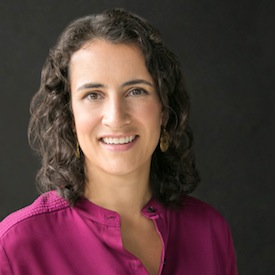
Rabbi Carey Brown (photo from Carey Brown)

This realization was the inspiration for East Side Jews, a group that Brown founded about a year ago, and which she co-directs with Lisa Pozin. Brown is associate rabbi at Temple Sholom, and Pozin is the synagogue’s program director.

“We started with Rosh Hashana on Main Street, we invited people to join us and taste honey cake and hear a story at Solly’s, learn about honey at the Honey Shoppe, and sing songs and hear the shofar at a local park. We didn’t know how to reach people, so we posted notes in coffee shops and community centres around the area. To our surprise, the turnout was amazing. We decided to create one event every month. We hosted a tikkun olam event at the PriceSmart food store [now a Save-On] on King Edward Avenue and Knight Street, we did a Havdala under the stars at Trout Lake, and shared Shabbat dinners in local community centres. People really liked our events, a group was formed. We were really happy and excited.”

Elaborating on the tikkun olam event, Brown said it was a “scavenger hunt we called Project Feed. We gave the families a list of specific food items that JFSA [Jewish Family Services Agency] told us were needed by the Jewish Food Bank and PriceSmart told us would be on sale. The families made a donation to participate and then used their lists to fill their carts. After finishing the shopping, we met at Or Shalom to sort the food and hear a short presentation from JFSA about the food bank. People learned a lot about the food bank and realities of hunger in our community. The kids were very into the experience and the parents really appreciated having a hands-on opportunity to engage with their kids in tikkun olam.”

Brown grew up in Minneapolis, went to Northwestern University, which is near Chicago, and then studied at Hebrew Union College in Jerusalem and in New York City. After her ordination, she was a rabbi at Temple Isaiah in Lexington, Mass., for six years. That community’s approach to community outreach influenced her and, when she and her husband – Dr. Gregg Gardiner, assistant professor and Diamond Chair in Jewish Law and Ethics at the University of British Columbia – brought their family (they now have two children) to Vancouver, she incorporated it into her own approach.

“The federation in Boston (CJP, Combined Jewish Philanthropy) invested a lot of time and effort in reaching out to interfaith couples. Every event, every meeting, every holiday, they always emphasize the fact that the invitation is open to interfaith couples, that they are welcome to join in, that it will be in a nonjudgmental atmosphere, that everyone will accept them and encourage them to connect to the Jewish community. I saw how meaningful that was to families and that it really impacted their participation in Jewish life. I wanted to make sure that families in Vancouver were hearing this supportive message as well.”

And it seems that the message is indeed being heard – and appreciated. East Side Jews now has some 200 names on its mailing list, it receives support from the Jewish Federation of Greater Vancouver and has recently been honored by the Union for Reform Judaism. The East Side Jews initiative garnered Temple Sholom one of URJ’s 2015 Belin Outreach and Membership Awards, which recognizes congregations from across North America “that have developed programs to actively welcome and integrate those new to Judaism, created relationship-based membership engagement models, or developed new, innovative ways to engage and retain members.”

“We really try to use the events to establish personal relationships with our new friends, to go for a coffee, to meet in smaller groups, to build a connection following the public events,” explained Brown about what makes East Side Jews unique. “We learned that there are many people out there who are eager to live a meaningful Jewish life, but they are having a hard time finding the right place for them. We create a Jewish experience that is very approachable, very friendly and accepting. There are many Jews who grow up here and they have a very small connection to the community. They would love to have more, but they don’t know where or when or how. We help these kinds of people get engaged and involved and find their own path to design their own Jewish life…. It’s working very well so far and our group is growing at a surprising pace.”

Next on East Side Jews’ calendar is a field trip to Fraser Common Farm/Glorious Organics in Aldergrove on the morning of Sept. 27 with Temple Sholom congregants, religious school kids and others. If you would like to catch the 9:10 a.m. bus from Temple Sholom, register at [email protected] or 604-266-7190. For more information, visit templesholom.ca/sukkot-on-the-farm.

For anyone wanting to know more about East Side Jews, visit eastsidejews.ca.

Shahar Ben Halevi is a writer and filmmaker living in Vancouver.

Format ImagePosted on September 18, 2015September 17, 2015Author Shahar Ben Halevi and Cynthia RamsayCategories LocalTags East Side Jews, Judaism, Rabbi Carey Brown, Temple Sholom
ראיון עם טימה כורדי חלק א

ראיון עם טימה כורדי חלק א

(צילום: Facebook)

רציתי לדבר עם טימה כורדי ולשמוע קצת על תחושותיה הקשות, לאחר שאיבדה בראשית החודש את שני האחיינים שלה וגיסתה, עת ניסו לחצות עם אביהם עבדאללה כורדי את הים התיכון, בסירה עמוסה בת 16 פליטים של מבריחים, מטורקיה לאי היווני קוס. המסע הפשוט כיביכול שהיה אמור לקחת כחצי שעה, הפך לאחד האירועים המשמעותיים ביותר בתקשורת העולמית בתקופה האחרונה. וזאת לאור תוצאותיו ההרות אסון. האם ריהאם ושני בניה הקטנים גאליפ בן החמש ואיילאן בן השלוש טבעו למוות, ביחד עם עוד כ-12 פליטים סורים, לאחר שהסירה התהפכה בים הגועש. לאחר מכן, גופתו של איילאן נמצאה שרועה על החול בחופה של עיר הנמל הטורקית בודרום, והתמונה הזאת שתיזכר לעד, מסמלת יותר מכל את הטרגדיה האנושית עצומת הממדים של מלחמת האזרחים, שמתרחשת כל יום בארבע וחצי השנים האחרונות בסוריה, וגבתה כבר מחיר נוראי של למעלה ממאתיים אלף הרוגים, בהם ילדים רבים. גם הים התיכון עשה את שלו ולפי הערכה למעלה מאלפיים פליטים סורים טבעו בו.

שלא מרצונה הפכה טימה כורדי לדמות מבוקשת על ידי כל אמצעי התקשורת בעולם. זאת לאחר שחשפה את זהותה מול מצלמות הטלוויזיה, בראשית החודש, עת הזדהתה ואמרה כי היא הדודה של גאליפ ואיילאן הקטנים, ויש לה מה להגיד לעולם.

כורדי בת הארבעים וארבע עברה לקנדה ב-1992. היא נשואה כיום לקנדי ממוצא איטלקי בשם רוקו לוגוזו, ומחזיקה בסלון ליופי בעיר מגוריה קוקוויטלאם.

התקשרתי לביתה של כורדי ולוגוזו ענה. ביקשתי לדבר עימה ולאחר שהוא בדק איתה, ענה לי בנימוס, כי כורדי עייפה מאוד וכבר אין לה כוח לדבר עם התקשורת, לאחר שעיתונאים מכל העולם פונים אליה. הוא סיפר לי בקצרה מה קורה עם משפחתה הקרובה של כורדי, שיש לה שלוש אחיות ושני אחים ואב. אמה נפטרה לפני למעלה מעשר שנים. האב ואחת האחיות גרים בדמשק, ושאר האחים והאחיות שגרו בעיירה הכורדית קובאני שבצפון סוריה (הסמוכה לטורקיה), נמלטו עם המשכם של הקרבות הקשים וההרס הרב, ועברו לטורקיה. האח המבוגר במשפחה מוחמד (48) נמצא כרגע בגרמניה (בזמן שאשתו וחמשת ילדיו שוהים עדיין באיסטנבול). כורדי ניסתה להשיג אשרת הגירה לקנדה במעמד של פליטים למוחמד ומשפחתו, וזו נדחתה על ידי מחלקת ההגירה והאזרחות של הממשלה הפדרלית. בניגוד לפרסומים בתקשורת, היא לא הגישה בקשת הגירה לאחיה השני עבדאללה, שאיבד את משפחתו בים האכזר.

עם סיום השיחה, לוגוזו ואני סיכמנו שאנסה להתקשר שוב למחרת, ואולי אז כורדי תהיה במצב קל יותר ותוכל לשוחח עימי.
ואכן זה מה שקרה. התקשרתי למחרת ולוגוזו שוב ענה. הוא אמר לי שבדיוק הגיעו עכשיו אורחים לביתם. פלטתי שאולי אנסה להתקשר מאוחר יותר, אך הוא הספיק במהירות להתייעץ קצרות עם כורדי והעביר לה הטלפון. הרגשתי לא פשוט אחרי כל מה עבר עליה. כורדי כבר ידעה שאני עיתונאי ישראלי כך שלא היה צריך לפתוח בהסברים מי אני ואפשר היה לגשת מייד לשיחה. ביקשתי ממנה לספר לי על תחושותיה לאחר שאיבדה את שני אחיינה הקטנים וגיסתה. כורדי: “בדיוק אמרתי עכשיו לחברתי שהגיעה לביתנו, שאני לא יכולה לתאר לעצמי איך עבדאללה מרגיש עכשיו, לאחר שאיבד את כל משפחתו. הלוואי והייתי יכולה להיות איתו עכשיו בשעה הקשה הזו שלו. כואב לי מאוד מאוד כשאני חושבת עליו. הוא נורא שקט עכשיו ונמצא לבד בקובאני, היכן שילדיו ואשתו נקברו לפני מספר ימים. אני רוצה להוציא אותו משם ולהביא אותו אלינו בקנדה. אני רוצה לעזור לו. אבל מאוד קשה לדובב אותו. הוא נסגר בתוך עצמו”.

שאלתי את כורדי מתי היא ניפגשה לאחרונה עם האחיינים הקטנים גאליפ ואיילאן, והיא ציינה כי אף פעם לא ניפגשה עימם. “אבל כמעט כל יום הצלחתי לדבר עימם בטלפון, ולנחם אותם. הייתי מעורבת בחיים שלהם”. לפני קצת יותר משנה כורדי הגיעה לטורקיה כדי לפגוש את עבדאללה שהיה שם לבד, כיוון אשתו והילדים גרו אז בקובאני. עבדאללה הוא עבד בטורקיה והיה מבקר את משפחתו בקובאני בערך כל חצי שנה. מדוע הוא עבר בכלל לטורקיה אני שואל? “היו לו קצת קשרים שם והוא הצליח למצוא עבודה ולשלוח כסף למשפחתו. בקובאני המצב הלך ונהיה רע מיום ליום. המלחמה פגעה קשה מאוד בעיר והיה זה כמעט בלתי אפשרי עוד לשרוד בה. בדיוק בספטמבר אשתקד כאשר חזרתי מהביקור לקנדה, אשתו והילדים עזבו את קובאני ועברו אף הם לטורקיה, לגור עם אחי, ממש כאשר דאע”ש נכנסו לעיר והרסו את כולה”.

ומדוע עבדאללה רצה פתאם לעבור למערב אירופה, לגרמניה או למדינה אחרת קרובה? “מוחמד שהה כבר בגרמניה ואז עבדאללה חשב שאולי עדיף לעבור לשם, או נדמה לי שהוא תכנן לעבור לשוויץ, או אולי לאיטליה. זה לא היה ברור לי בדיוק. הוא האמין שבאחת המדינות האלה יהיה קל יותר להשיג עבודה, ולגדל את הילדים יותר בקלות. לגאליפ הייתה מחלת עור שלא מצאנו לה פתרון, והוא כל הזמן התגרד. לא יכלתי להביא אותם לכאן, ועבדאללה חשב שהמעבר לגרמניה או למדינה דומה יקל על הילדים הקטנים ויהיו להם חיים טובים יותר, לאחר שכל הזמן הם היו חולים וחלשים. וכן ימצא ריפוי למחלה של גאליפ”.

Posted on September 16, 2015October 14, 2015Author Roni RachmaniCategories עניין בחדשותTags refugees, Syria, Tima Kurdi, טימה כורדי, סוריה, פליטים
Blessings in our lives

Blessings in our lives

Rabbi David Wolpe joins FEDtalks on Sept. 17 at Queen E. Theatre. (photo from Facebook)

When the man Newsweek calls the most influential rabbi in America gets up to speak in Vancouver this month, he may be as surprised as the audience by what he has to say.

“I really never know exactly until I get up to speak,” said Rabbi David Wolpe, who will be here Sept. 17 as one of four speakers at FEDtalks, the annual campaign launch of the Jewish Federation of Greater Vancouver. “I do this somewhat spontaneously and it will depend somewhat on what I hear the other people say because I don’t want to repeat what they would say.”

His talk, Inspiring Jewish Life, will address “something about the way in which our efforts have surprising and unanticipated consequences both in our community and in the world,” he told the Independent in a telephone interview.

Wolpe has also been dubbed one of the 50 most influential Jews in the world by the Jerusalem Post. He is the author of eight books, including the bestseller Making Loss Matter: Creating Meaning in Difficult Times. His most recent book, David, the Divided Heart, was a finalist for the National Jewish Book Awards. He has taught at the Jewish Theological Seminary of America in New York, the American Jewish University in Los Angeles, Hunter College and UCLA. He is a prolific writer and commentator.

Wolpe is the rabbi of Sinai Temple in Los Angeles, of which about half of the congregation are Jews of Iranian origin, which gives him an acute perspective on the nuclear deal between Iran and the P5+1 world powers.

“I would say in the Iranian Jewish community in L.A., the consensus is fairly strong against the deal,” he said. “It’s not unanimous, but it’s fairly strong.”

Wolpe sees a glimmer of hope but overall fears the deal is a bad one.

“The biggest reason for optimism long term is that the Iranian population is so young … and that many of those young people don’t support the theological or political views of their leaders,” said the rabbi. “That’s the reason long term for optimism and, of course, Iran and the United States have had an alliance in the past. Maybe one day that could be renewed.

“There is plenty of reason for worry, however,” he continued. “I, myself, oppose the deal. I think most of my Iranian congregants do as well. But whoever is correct about this deal, or no deal, I think that the prospect that Iran will get a nuclear bomb is both frighteningly real and just plain frightening.”

Wolpe is the son of a rabbi and has been taken aback by the persistence of global antisemitism across generations.

“When I started out in the rabbinate, I really did believe that, unlike my father’s rabbinate … antisemitism wasn’t going to be the theme of Jewish life anymore,” he said. “I really thought that. I thought it was on the wane. So, the resurgence through Europe is disheartening and pretty scary.”

Wolpe traveled in Europe this summer and sees little reason for optimism. “I wish I did,” he said. “The mood in Europe is very pessimistic.”

He believes that the United States is relatively well inoculated against antisemitism.

“Unlike the countries of Europe, the United States did not have an identifiable majority and minority,” he said. “Most antisemitism arose when there were the French and the Jews, the Germans and the Jews, the Russians and the Jews. The Jews were the clear, identifiable minority in most of these countries. That’s not true in America. We are a patchwork of minorities and, as a result … to be a Jew is not to be the one who stands out as being different.… America has historically not been a place that is hostile to Jews. Are there antisemitic acts? Yes. But I don’t see any serious signs that [tolerance toward Jews is] changing or threatens to change.”

Wolpe will be speaking at the event during the Days of Awe and said it is a good time to reflect on the positive.

“Rosh Hashana is really about our sense of gratitude, about the gift of everything that we have because we are showered with blessings,” he said. “Even though we focus on all the dangers and difficulties of our lives, we are just bursting with wonderful and extraordinary and often unprecedented blessings in our lives.”

For more information about and tickets to FEDtalks, visit jewishvancouver.com. Interviews with the three other speakers appeared in previous issues of the Independent: Irwin Cotler, Dafna Lifshitz and Eli Winkelman.

Format ImagePosted on September 11, 2015September 9, 2015Author Pat JohnsonCategories LocalTags David Wolpe, FEDtalks, Jewish Federation of Greater Vancouver, JFGV
Responding to emergencies

Responding to emergencies

Israeli field hospital personnel look after those injured in the earthquake in Nepal. (photo by Sam Amiel)

Cardiac surgeon Lt.-Col. (res.) Dr. Ofer Merin is deputy director general of Shaare Zedek Medical Centre and lectures at the Hebrew University in Jerusalem. He heads the Israel Defence Forces Home Front Command’s field hospital, and was part of the IDF’s relief efforts in Haiti after the 2010 earthquake, in Japan after the 2011 tsunami, in the Philippines after the 2013 typhoon and in Nepal after the earthquake in April this year. With various colleagues, he has written about these experiences, as well as about the provision of trauma care at Shaare Zedek.

From the New England Journal of Medicine, March 2010: Within two days of the earthquake in Haiti in January 2010, Israel had sent “a military task force consisting of 230 people” who “landed in Port-au-Prince 15 hours after leaving Tel Aviv and began to deploy immediately…. In its 10 days of operation, the field hospital treated more than 1,100 patients.”

From the Journal of the American Medical Association, July 2015: After the earthquake in Nepal in April 2015, the IDF sent a medical team of 126, and the field hospital was “deployed as a stand-alone facility 82 hours after the earthquake.” Over 11 days, “we treated 1,668 patients, performed 85 operations and delivered eight babies.”

From the Lancet, April 2015: “There were 11 terror attacks in Jerusalem, Israel, between October–December 2014 alone. Two of the injured terrorists arrived at our institution and, following standing triage protocol, we prioritized one terrorist to undergo surgery first since his medical condition was more critical than that of the victims.”

photo - Temple Sholom Rabbi Dan Moskovitz with Dr. Ofer Merin when Merin was in Vancouver in August
Temple Sholom Rabbi Dan Moskovitz with Dr. Ofer Merin when Merin was in Vancouver in August. (photo by Karen James)

These are but a few examples of the work Merin and his colleagues do, and the challenges they face. When Merin was in Vancouver recently, he shared some of his experiences and discussed the ethical issues surrounding trauma care. He spoke to the Jewish community on Aug. 20 and to physicians in the trauma unit at Vancouver General Hospital the day prior.

Dr. Rick Schreiber – professor of pediatrics at the University of British Columbia, director of the B.C. Pediatric Liver Transplant Program and president-elect of the Canadian Association for the Study of the Liver – was the catalyst for Merin’s visit. Yet his connection to Merin was not, as it first might appear, through his work as a fellow medical professional, but through Merin’s wife, Ora.

Schreiber was on an adult March of the Living mission earlier this year that was organized by the Montreal Jewish community.

“I’m originally from Montreal. I’ve been out here about 20 years,” said Schreiber, who is very involved with Jewish causes in Israel, overseas and elsewhere, including here with the Jewish Federation of Greater Vancouver. On this recent mission, he explained in a phone interview with the Independent, all of the tours and activities in Israel were organized by Ora Merin and her company,

Giant Leaps. “I was very impressed with how the program was laid out for the Israel aspects of the mission and the level of the people [we met] and the things that we did. We got to places that most people wouldn’t get to….”

Ofer Merin attended the mission’s closing dinner with his wife. With medicine in common, he and Schreiber started talking, and Merin’s involvement with the Israel Defences Forces disaster response team came up.

The next day, as Schreiber was leaving Israel, he saw Ora Merin again. She told Schreiber that her husband had left for Nepal, which had just experienced an earthquake. “I got to tell you,” said Schreiber, “within six hours, they had up and going a launch – and they bring everything.… It’s amazing what the Israelis do to be first responders, and they are recognized around the world as being the best. They get there very quickly and they set up all the units, like an intensive care and operating tents and all this kind of stuff, and triage, and get rescue things going long before other countries are even getting their finances together.”

“It’s amazing what the Israelis do to be first responders, and they are recognized around the world as being the best. They get there very quickly and they set up all the units, like an intensive care and operating tents … long before other countries are even getting their finances together.”

During that conversation, Ora mentioned that their family (she and Ofer have four adult children) was going to be in the United States – Ofer has a brother in Seattle – in the summer, and Schreiber suggested they think about coming up to Vancouver on that trip. He said that it would be good for her, because of her travel agency, to meet with Federation, which runs missions to Israel, and maybe her husband could give a talk on his work. “So, that’s how that all started, back in Israel, back last May,” he said.

In addition to the community meetings and talk, Schreiber also organized for Ofer Merin to speak at VGH. “There is a big group of trauma people at VGH, and they jumped on this because they had heard of him and they knew of him, and we organized for him to give rounds…. There was very good attendance at that rounds, and he talked about what he does. But he didn’t talk about all the people they deal with and how they set up, he talked about a lot of ethical things, like how do you decide to save this person versus that person – you only have limited space to save people.”

Merin spoke at VGH about treating such large numbers of injured after a natural disaster, and about handling the stress of that, said Schreiber. “The next thing he talked about, the ethics. You’re not able to provide the same level of care as you’re accustomed to, like we supply for trauma people in Vancouver, we can’t give the same level of care … you’ve got to treat people and turn them over quickly, so you can treat the next person.”

Merin also discussed how, at Shaare Zedek Hospital in Jerusalem, they have to treat victims of terror attacks, including, at times, the terrorist. Of the victims and the perpetrator(s), who do you take care of first? At Shaare Zedek, Merin said, such decisions are made on the basis of triage, who is the most badly injured.

The Independent caught up with Merin by email after his Vancouver visit.

JI: What interested you in cardiac medicine/surgery versus other specialties? Did you always want to be in medicine?

OM: My decision to go into medicine was relatively late, in my early 20s, not something I was born with. My decision to go into cardiac surgery, I guess, was based first on my “nature” to choose something surgical – more adrenalin, very quick results. Cardiac surgery in specific is a great combination of both surgery and the need of good clinical and physiology understanding.

JI: The burnout rate for doctors in general is quite high. It must be higher for trauma physicians. How do you (and/or your colleagues) manage the stress?

OM: I would divide [my response]. There are things done on the group level – discussions, sharing, etc. Especially these days in Jerusalem, there is an extra challenge – dealing with treatment of terror victims, and many times treatment of the terrorists themselves…. We have a psychologist who is doing some group work especially with the ER people and the intensive care unit. And, on the personal level, everyone has to find his ways to vent. I jog almost every day. For me, it’s a good way to relax. In missions abroad, I write every day. Also a great way to vent.

JI: The enormity of being part of a disaster-response team is almost beyond comprehension for anyone who has not had the experience. If it’s possible to outline a general order of events, from the time a natural disaster hits to when the Israeli unit is on the ground in another country providing care, could you please share the main points?

OM: One of the important things is to work in parallel. We bring in the team way before there is a full understanding of the scale of the disaster, so we are prepared before there is a governmental decision to send a team. Once a decision is taken, we are prepared to leave. We send immediately a small forward team, which can report back, and prepare whatever is needed for deployment. We drill every year, so we maintain a high level of preparedness.

JI: In a couple of articles, you mention collaboration/integration with local facilities in a disaster-response situation. What types of factors enter the decision of where the Israeli unit fits into the overall aid effort?

OM: To be honest, in the last natural disasters around the globe, Israel is almost always the largest and first to be on ground. Therefore, we communicate with the local health providers and make a mutual decision where it is best to deploy.

The decision if to deploy as a self-sufficient unit or to operate (like in the Philippines) as an integrated unit is based mainly on the question if the local services are still functional. If they are, it is many times better to assist them and not “compete” with them, as we are arriving for a short term.

Format ImagePosted on September 11, 2015September 9, 2015Author Cynthia RamsayCategories WorldTags disaster relief, IDF, Israel Defence Forces, Ofer Merin, Rick Schreiber, Shaare Zedek

Israel and the election

The Conservatives, Liberals and NDP have all expressed strong support for the Jewish state. Is there any difference between them?

Line up the platforms of the three main political parties and, despite the rhetoric, they are all solid allies of Israel.

The federal Conservatives, Liberals and NDP all profess support for Israel’s right to exist, for the nation’s right to defend itself and for a two-state solution. All three leaders have visited Israel, with Prime Minister Stephen Harper being the most recent to visit, in January 2014.

Indeed, Canadian political support for Israel has been consistent since the establishment of the Jewish state in 1948, said McGill sociology professor Morton Weinfeld.

It is rooted in a strong and shared Judeo-Christian tradition but has gotten a boost recently, as Canada and the West confront groups such as the Islamic State and other forms of militant Islam, he said.

The perception, especially among Jewish voters, however, is different.

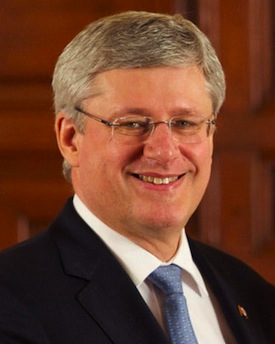
photo - Stephen Harper
Stephen Harper (photo from sv.wikipedia.org)

“I think the perception is that Stephen Harper and the Conservatives are the most committed to Israel’s security,” Weinfeld said. “They [voters] would probably say the NDP would be less committed to Israel, not because of [NDP leader Thomas] Mulcair, but because of elements in the party. I would think the perception that the Liberals under [leader Justin] Trudeau would be in the middle.”

That perception is based in reality, since the Harper government has made clear and forceful statements about support for Israel, Weinfeld said.

However, Liberal MP and foreign affairs critic Marc Garneau pointed out that it is simply because Harper occupies the highest office in the country that his decisions have greater visibility than statements by other parties.

“There are no differences [between the Conservatives and the Liberals] in terms of a lot of the positions [on Israel], and I try to get the message across. I don’t get to do it in the public way that you do when you’re the prime minister and the government of Canada.”

Meanwhile, in what is shaping up to be a close three-way race, foreign policy, once only of interest to wonks and Ottawa insiders, is coming under closer scrutiny by voters.

The amplified attention being paid to foreign policy is being driven by a more sophisticated and diverse electorate that is more globally connected, said Chad Rogers, a partner in public affairs agency Crestview Strategy.

But it would be wrong to assume that the Tories’ especially vocal support of Israel is a ploy to woo Jewish voters. The electoral math, with Jews concentrated in a handful of ridings, doesn’t add up, said Rogers, who has worked on several Conservative campaigns.

Rather, the Tories’ support is part of a consistent worldview that is reflected in its defence of Ukraine and on issues such as opposing the persecution of gays in Iran or protecting Syrian refugees, he said.

“The mistake is to look at this and say it’s a political issue and it’s about Jews and Israel,” he said. “It’s a worldview that says we will side with democracies over countries that are not democracies.”

While Harper is portrayed as being in lock step with Israeli Prime Minister Binyamin Netanyahu, that’s not accurate, Rogers said. Harper “has been very frank” with the Israeli government on its policy on settlements.

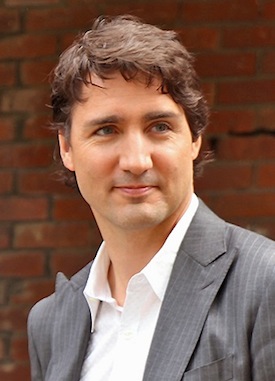
photo - Justin Trudeau
Justin Trudeau (photo from en.wikipedia.org)

For the Liberals, the greatest challenge is a political platform that’s identical to the Tories’ on support for Israel, but is perceived by some voters as weaker.

Trudeau “won’t make the issue of Israel a wedge issue. He believes Canada should support Israel because it is the right thing to do,” said Irwin Cotler, Liberal MP for Mount Royal and a former minister of justice and attorney general, who is not running for reelection.

“I welcome Harper’s support for Israel, but when Harper says if you care about Israel, you must vote Conservative, then he politicizes it,” Cotler said. “When you do that, it undercuts support for Israel.”

In previous elections, brochures were distributed to Jewish voters in his riding and others alleging that Cotler and the Liberals had not been forceful enough in countering antisemitism and terrorism and in supporting Israel. Cotler believes this type of negative campaign cost the Liberals seats in heavily Jewish ridings, partly because the allegations seemed so absurd that the candidates did not mount a strong defence, but he believes it won’t be successful this time around.

In recent weeks, guests invited to a Toronto fundraiser for the Liberals, hosted by pharmaceutical magnate Barry Sherman, received an email from a Jewish Conservative supporter charging that Trudeau was less than the staunch ally of Israel he professes to be.

Sherman countered with another email which, like the original exchange, has been distributed beyond the initial circle of invited guests. Cotler said this is the tack that Liberals need to take.

“What Sherman did was to fight back with the facts and the truth, rather than letting those allegations take hold,” said Cotler.

While elections are usually fought on domestic issues, Cotler believes foreign affairs concerns “have come to the fore” in this election, spurred by the instability in the Middle East.

Many Jews are not single-issue voters, but the threat posed by Iran and the deteriorating situation in Syria “create a heightened concern in general, and among Canadian Jews in particular,” he added.

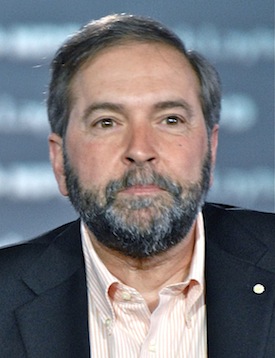
photo - Thomas Mulcair
Thomas Mulcair (photo by Asclepias via commons.wikimedia.org)

The NDP’s support for Israel puts it at odds with other leftist parties in Europe, which have taken a much harsher tone with Israel, but places it alongside other Canadian political parties, said Judy Wasylycia-Leis, a former NDP MP for Winnipeg North.

“The position is unique in social democratic parties because of Canada’s role as a peacekeeper and mediator generally in the world,” she said.

The NDP, especially under Mulcair, has shown unwavering support for Israel, she said.

Voters got a good look at how Mulcair would handle a crisis in the Middle East during the war in Gaza last summer. The NDP leader acknowledged that Hamas was a terrorist group and that Israel had a right to defend itself, while simultaneously lamenting the deaths of innocent civilians and calling for a ceasefire.

The intensified attention to foreign policy has left the parties competing for the title of who is Israel’s best ally.

While the Conservatives have painted themselves as “a strong friend” of Israel, Wasylycia-Leis disagrees. “I don’t think a good friend of Israel would use this as a wedge issue,” she said. The Tories’ uncritical support for Israel has made it a polarizing issue for Canadians instead. “I think the NDP has been criticized for offering a more nuanced, balanced approach.”

Meanwhile, Mulcair’s pro-Israel direction has also generated tension within the party itself. Last summer, a Montreal-area MP quit the party, citing Mulcair’s policy on Israel. A Nova Scotia NDP candidate for this year’s election resigned recently after making critical comments about Israel, while two other NDP candidates are facing close scrutiny for previous remarks.

As foreign policy concerns play a greater role in the election, the question is to what degree this drives voters. In the Jewish community, it certainly plays a pivotal role for many voters, strategists say.

While “bread-and-butter issues,” – the economy, jobs and health care – have traditionally been the chief concerns for voters, Wasylycia-Leis, who’s been through 14 elections, said foreign affairs have taken on a new significance for Canadians because of the Tories’ handling of such issues as Bill C-51, which addresses terrorism, and domestic controversies, such as the legality of wearing the niqab at citizenship ceremonies. But, for Jewish voters, the issue takes on even greater importance, she said.

“Positioning on the Middle East conflict is very important for Jewish voters. I’m not so sure they appreciate the Conservative approach,” she said. “I think they also understand that approach doesn’t bring help in terms of a long-term solution that everyone wants.”

Weinfeld agrees that Jewish voters tend to show special interest in Israeli affairs, but especially in this election, when the Conservatives have positioned themselves as Israel’s strongest ally.

“The community is probably split at this point,” he said. “Those for whom Israel’s security is the Number 1 concern, and think things like the Iran deal are disastrous, would tend to lean toward Harper.” But “many would think that Harper’s position’s is too one-sided or that there are other domestic issues, which might lead them away from support from Harper.”

– For more national Jews news, visit cjnews.com.

Posted on September 11, 2015September 9, 2015Author Lila Sarick CJNCategories NationalTags elections, Israel, Justin Trudeau, Stephen Harper, Thomas Mulcair
Seeking repatriation

Seeking repatriation

From left to right, are Naomi, Michelle and Max Dodek with Gil Lewinsky in Abbotsford. Michelle is holding a one-day-old Jacob sheep. (photo by Jenna Lewinsky)

A couple living in Abbotsford is gaining international attention for their unusual quest. They want to return their flock of Jacob sheep to the breed’s ancestral home – Israel.

After visiting Gil and Jenna Lewinsky at the farm where they rent a barn and outdoor space for their sheep, there is no doubt that these modern Jewish shepherds are committed to taking their flock to Israel. Once there, the couple intends to set up a heritage park for visitors to connect with this aspect of ancient biblical history.

These sheep, according to the Lewinskys, are the descendants of Jacob’s original flock. Sheep are discussed in Genesis 30:32, when Jacob negotiates with Laban to keep the speckled and spotted offspring of Laban’s sheep in payment for his 14 years of service to Laban. As Laban has managed to trick Jacob before, most famously by switching brides and having him marry Leah instead of Rachel, he thinks he’s getting the better deal here, as well. However, the Torah explains the special techniques Jacob employs to grow a strong, large speckled flock, leaving the weaker, solid-colored sheep for Laban. It is the first recorded case of selective breeding and, apparently, it worked.

“People know that Jacob fathered the Jewish people but they don’t know that he also ‘fathered’ a breed of sheep,” said Gil. He also explained that these sheep followed Jacob’s family into Canaan and eventually Egypt. While the Children of Israel returned to Canaan after centuries of slavery, it seems that these sheep did not accompany them. They went west and ended up, many centuries later, in England, where they were bred extensively. A few of the “heirloom breed,” those unaltered from their original ancient Syrian physiology, have made it to hobby farmers in Canada. Not one lives in Israel.

The Lewinskys feel this is a problem that needs to be solved. “God put it into our hearts to bring the Jacob sheep back to Israel,” said Jenna in an interview. In response, she and her husband have formed a nonprofit organization called Friends of the Jacob Sheep with a stated mission to bring the animals back to Israel.

Friends of the Jacob Sheep plans to repatriate the sheep from Abbotsford to the Golan Heights, where the Lewinskys hope to open up a heritage park so that the biblical sheep can be seen in Israel and be put to their original purposes for the Jewish people.

According to Gil, Jacob sheep in ancient times were used in every aspect of life, including using the wool for religious clothing such as tallitot, the skin for leather for tefillin or parchment to make Torahs and mezzuzot, as well as for food and Temple sacrifices. Of course, the horns were also used to make shofars. This breed of sheep has an advantage in the area of shofar making because both male and female Jacob sheep are commonly found with four horns and can grow up to six at one time.

While the Lewinskys are very dedicated to their mission, there are a number of stumbling blocks in the way of their plan. In order to export animals to another country, many policies have to be followed. Ever determined, they have lobbied both the Israeli and Canadian governments to find a way to fast track a trade agreement that would enable the sheep to return to Israel. Federal Trade Minister Ed Fast visited the Lewinskys’ flock in early August this year. The Lewinskys describe Fast as a strong supporter of the state of Israel and they hope to use this contact to further their plans.

“We have around 50 sheep now and, when we reach 80, we will be ready to take them to Israel,” said Jenna. Since my visit to the farm, the flock has increased to about 70.

photo - The Lewinskys’ flock of Jacob sheep now stands at about 70
The Lewinskys’ flock of Jacob sheep now stands at about 70. (photo from facebook.com/friendsofthejacobsheep)

“Our new flock are from the Okanagan and from Cabri, Sask.,” said Gil in an email to the Independent. “The flock from Saskatchewan trace back to the first four Jacobs that were imported from the U.K. to Canada at the Assiniboine Zoo in Winnipeg. They retain their primitive confirmation.”

The increase in numbers is due in part to the Lewinskys’ continuing efforts to acquire heirloom Jacob sheep from farmers in Canada and the United States, and in part to a good spring, with many of their ewes birthing adorable lambs. Jenna and Gil have investigated and negotiated with an airline that specializes in transportation of livestock to transport the flock as soon as they can wade through the red tape currently preventing the exportation of the animals and, of course, once they have raised the money to do so.

By chance, one sheep made it onto Abbotsford Mayor Henry Braun’s Facebook page, and Gil has used his experience as a journalist to get the word out about these sheep all around the world, with the story being picked up in news outlets from Israel Vision TV to Scotland’s Jewish Telegraph. The couple said they are applying for grants from a number of agencies and making connections with both Jewish and non-Jewish communities for support.

For more information on Friends of the Jacob Sheep, visit their website (friendsofthejacobsheep.weebly.com) or like them on Facebook to keep abreast of the latest developments.

Michelle Dodek is a freelance writer living in Vancouver.

Format ImagePosted on September 11, 2015September 9, 2015Author Michelle DodekCategories LocalTags Gil Lewinsky, Jacob sheep, Jenna Lewinsky
Local athletes have lots of fun

Local athletes have lots of fun

The silver-medal-winning volleyball team at the JCC Maccabi Games in Fort Lauderdale, Fla. (photo by Kyle Berger)

They weren’t the largest delegation at the JCC Maccabi Games in Fort Lauderdale this past August, but Team Vancouver’s 13 athletes certainly made their presence felt.

photo - Jada Wilson, left, and Sydney Cristall at the opening ceremonies of the games in Fort Lauderdale, Aug 7
Jada Wilson, left, and Sydney Cristall at the opening ceremonies of the games in Fort Lauderdale, Aug 7. (photo by Kyle Berger)

No moment stood out greater than when the six local girls joined with four others from around North America – meeting for the first time at the games – to make up a volleyball team. They ended up taking the silver medal, beating out more experienced teams from New York, Massachusetts and California. Leah Serlin, Leah Schwartz, Jada Wilson, Julia Tregobov, Sydney Cristall and Simone Killas, aged 13-16, formed the core of the team coached by Jack Serlin. Despite not practising as a full squad until arriving at the games, the group came together and lost only to the host city’s team of all 16-year-old club players in the finals.

“For a new team facing several challenges, to be able to beat out teams who train and play together all season, such as Bensonhurst (Brooklyn) and Orange County, is quite an achievement,” said Jack Serlin. “It was such an overall feeling of pride and satisfaction seeing the girls come together as a unit, genuinely grow to like and play for each other, and perform so well on the court and have so much fun off of it.”

Serlin said he is already considering plans to battle for the gold medal next summer. “The fact that all the eligible girls can’t wait to come back next year is truly a testament to how successful we were and what an incredible experience the JCC Maccabi Games are regardless of your background or from where you come,” he said.

photo - Rachel Bugis, left, and Magalee Blumenkrans celebrate after a big soccer victory
Rachel Bugis, left, and Magalee Blumenkrans celebrate after a big soccer victory. (photo by Kyle Berger)

The Team Vancouver delegation was also made up of soccer players Josh Bugis, Rachel Bugis, Magalee Blumenkrans and Saul Kalvari. Zach Moldowan joined a baseball team from North Miami Beach while Jackson March won a couple of bronze medals in table tennis and Sydney Swick from Winnipeg joined the Vancouver delegation and took home a couple of medals herself.

“The JCC Maccabi Games is awesome every time I go,” said Kalvari, who attended his second set of games this summer. “The people you meet are amazing, from all over the world, and everyone is there for the same reasons. It’s great to be surrounded by so many Jewish teens just there to have fun.”

The JCC Maccabi Games are an annual multi-sport event hosted in different North American cities each summer. Jewish teens from around the globe compete in the Olympic-style event. The JCC Maccabi Arts Fest runs parallel to the games, engaging teen artists, who participate in workshops with a final performance or show at the end of the week. The games and arts fest attracts more than 3,000 Jewish teens each summer.

For more information on the JCC Maccabi Games and next year’s events, contact me at [email protected].

Kyle Berger is Jewish Community Centre of Greater Vancouver sports coordinator, and a freelance writer living in Richmond.

Format ImagePosted on September 11, 2015September 9, 2015Author Kyle BergerCategories LocalTags Jack Sirlin, JCC Maccabi Games, Saul Kalvari, sports

Posts pagination

Previous page Page 1 … Page 278 Page 279 Page 280 … Page 323 Next page
Proudly powered by WordPress