Tikva campaign to start

The most vulnerable members of the Jewish community are struggling. The lack of affordable housing and a persistent high inflation rate are causing individuals and families to exhaust their income, which can lead to homelessness. The reality poses a major crisis that affects more than 350 people in the Jewish community who need a safe, secure and affordable home. 

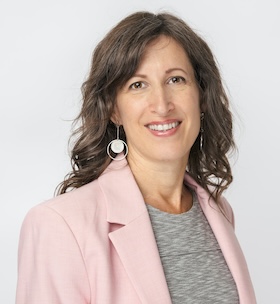
photo - Anat Gogo, executive director at Tikva Housing
Anat Gogo, executive director at Tikva Housing. (photo from Tikva Housing)

The Jewish community witnessed Tikva Housing’s significant growth in 2023, as the organization’s portfolio grew from 98 to 168 units. Also, in keeping with its mission, it increased the monthly maximum rent subsidies available for families, couples and individuals in an effort to reduce the effects of market rental increases. But such hopeful news is overshadowed by growing demand. Vancouver’s vacancy rate is below 0.9%, and, as an example, two-bedroom rents grew by 8.6% on average. Substantial increases in rents of units at turnover drove this growth, and the outlook is not encouraging. The Canada Mortgage and Housing Corporation reported: “Affordability worsened for low-income households: vacancy rates for the most affordable units were lower than average, and these households already spend a greater share of their income on rent.”

“In the last three years, we saw an increase of 458% in people registered with the Jewish Housing Registry,” said Anat Gogo, executive director at Tikva Housing.

The Jewish Housing Registry (JHR) was launched in 2020 to provide affordable-housing seekers with a convenient point of application. It also serves housing providers with demographic information, therefore, a studied approach to future housing developments and partnerships.

“Today, we know that, among those over 350 individuals and families waitlisted, 84 are families with children, 72 are applicants with disabilities, and 129 are seniors over 65 years old,” said Gogo.

Housing is a human right, and we all have a role in ensuring that more people have the dignity and safety of an affordable home. From Feb. 26 to March 11, support Tikva Housing’s annual fundraising campaign. Visit tikvahousing.org. 

– Courtesy Tikva Housing

More aid sent to Israel

The Jewish Federation of Greater Vancouver has made a new transfer of more than $1 million from its Israel Emergency Campaign (IEC). This is its fourth transfer of funds and brings the total transferred to Israel to approximately $7.5 million.  

It has been 125 days since Oct. 7 and Israel is facing challenges that continue to evolve and deepen as time goes by and the war continues. The IEC allocations committee, chaired by Stephen Gaerber, has reviewed funding proposals with great care to ensure that this latest round of allocations addresses the developing needs on the ground.

To give local community members a sense of what Israelis are facing at this stage, Federation asked Rachel Sachs, director of its Israel office, to provide this summary: 

“As the army continues to fight in Gaza, the loss of soldiers’ lives and the ongoing state of captivity of 136 Israelis in Gaza is a growing and unbearable burden that is taking its toll on Israelis across the country. In the last few weeks, many reservists have been released from duty, with the understanding that they may get called up again. Their return home, after months in the battlefield, has sparked a new set of challenges in their families, their professional paths, academic journeys, and more. 

“The evacuation of approximately 130,000 Israelis from the north and the south continues. Some remain housed in hotel rooms across the country, often miles away from home. Some residents of these frontline communities remain determined to return home the minute they will be allowed to, some remain determined that they will never go back, and others are trying to determine what it will take for them to return, both in terms of their sense of security, and actual security itself.  

“Many of the devastated communities of the Gaza Envelope have either found, or are seeking, sites to which they can relocate together. Until their home kibbutzim are rebuilt, that is. They have been taken in by communities across the country, where they are, hopefully, experiencing a small sense of home for the first time since they fled their real homes months ago. 

“The mental and emotional toll of this extended situation is growing, as the need for ongoing care and therapy for survivors, bereaved families and evacuated communities continues in multiple locations across Israel. 

“In our partnership region of the Upper Galilee, the state of emergency continues.

“There is great uncertainty and concern over when the ‘day after’ will be and what will it look like. There is ongoing outreach to evacuated residents, with the understanding that community resilience is a critical factor in bringing people back home and offering them a hopeful future, together, in the north.”

Funding for this round of allocations is focused in four areas: emergency and humanitarian needs, respite for evacuees, economic support, and targeted populations. The following organizations are recipients of this round of IEC allocations:

Adler Institute: support programs for returning reservists and their families to address the specific needs related to returning from service, as defined by the reservists themselves.

Haruv Institute: a leader in training professionals who treat children suffering from trauma, abuse, and neglect, the institute is providing training for Eshkol Region healthcare professionals who are treating children.

Yeelim Centre at Ein Yael: nature therapy for survivors of the Nova festival, families of soldiers, evacuees, and more.

Ziv Medical Centre: funding to expand the centre’s emergency mental health work, so the hospital – itself in the line of fire and operating in emergency mode – can respond to the evolving needs and growing numbers of patients.

Kiryat Shmona Psychiatric Unit: currently operating from a temporary location in Tiberias, funding is to build a safe room at the Kiryat Shmona facility to ensure they can keep up treatment with patients when they return home.

Upper Galilee Hospice: support for terminally ill evacuated patients and their caregivers.

Yozmot Atid: support for the growing number of businesswomen who have been evacuated, some of whom also have spouses who have been serving as reservists for the past three months.

Israel Diving Federation: therapeutics diving excursions for survivors and evacuees from both northern and southern Israel.

Taglit-Birthright Israel: week-long respites for residents of the Eastern Galilee.

Road to Recovery: transportation for evacuees from across the country to reach their treatment sessions in their home regions, which are now often miles away.

Hannaton Education Centre: support for Kibbutz Hannaton to continue to house families of asylum seekers from Sderot, who were evacuated and have nowhere else to go.

Beit Issie Shapiro: rehabilitation and therapy programs for displaced families of individuals with disabilities.

To donate to the Israel Emergency Campaign and for a full summary of the support given to date, visit jewishvancouver.com. 

– Courtesy Jewish Federation of Greater Vancouver

Games help ALUMA counseling centre

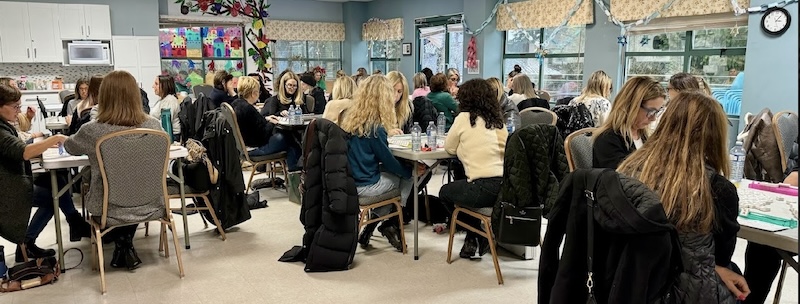
Some 130 women came out to play mahjong, bridge or canasta at National Council of Jewish Women Canada, Vancouver section’s Games Day on Feb. 15, raising almost $8,000 for the Israeli nonprofit ALUMA Counseling Centre. (photo by Adele Lewin Photography)

Last month, 130 women gathered for a Games Day Fundraiser for Israel, hosted by National Council of Jewish Women Canada, Vancouver section. Almost $8,000 was raised for the Israeli nonprofit ALUMA Counseling Centre.

The afternoon event on Jan. 21 was held at the Jewish Community Centre of Greater Vancouver and featured mahjong, bridge and canasta, offering participants a chance to connect with one another, while raising funds for ALUMA, so that help can be provided to the many families who need to start the healing process from the Oct. 7 terror attacks.

ALUMA, also known as IFCA, Israel Family Counselling Association, was established in Tel Aviv in 1954 and joined forces with NCJWC in 1973, said NCJWC national president Linda Steinberg.

“Golda Meir had the idea of twinning Israeli organizations needing financial assistance with women’s organizations abroad,” explained Steinberg. Dorothy Reitman, as president of NCJWC at the time, was contacted and this twinning was arranged through Carol Slater, who then lived in Israel. Slater was the chair of NCJWC’s Israel project ALUMA for 15 years.

ALUMA is a centre for counseling and treatment of couples, families and individuals, regardless of their place of residence, origin, religion or economic circumstances. It was a pioneer institution, the first such centre in Israel, said Steinberg. Most people receiving therapy pay what they can, if anything, and the professional therapists are volunteers, receiving little if any remuneration.

Steinberg noted that ALUMA is dependent on donations and NCJWC is the only Canadian organization providing financial support for the nonprofit. National members have supported ALUMA through fundraising teas, brunches and other events, and by yearly contributions as NCJWC members.

Oct. 7 has increased the need for trauma support in Israel and ALUMA has developed several models to meet this growing need, said Steinberg. “Most recently, their therapists have been training and mentoring new volunteers to help.”

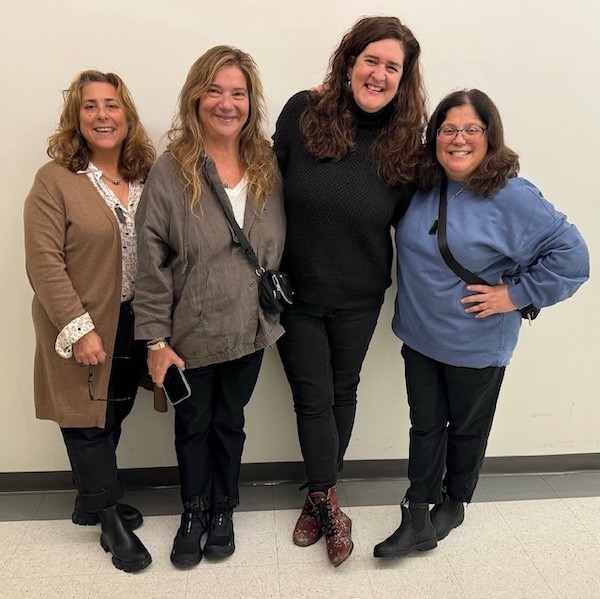
photo - Left to right are event co-chairs Lisa Boroditsky, Juleen Axler, Jordana Corenblum (NCJW Vancouver president) and Sandy Hazan. (Co-chair Jane Stoller is missing from photo)
Left to right are event co-chairs Lisa Boroditsky, Juleen Axler, Jordana Corenblum (NCJW Vancouver president) and Sandy Hazan. (Co-chair Jane Stoller is missing from photo.) (photo by Adele Lewin Photography)

Gadi Lifshitz, NCJWC’s contact and spokesperson for the staff at ALUMA, wrote a letter to Lisa Boroditsky, who was one of the chairs of the local games day event, along with Juleen Axler, Sandy Hazan, Lola Pawer and Jane Stoller. NCJWC Vancouver’s president is Jordana Corenblum.

“Dr. Orly Rubin, the director of the institute, and, on my own behalf, I want to thank your wonderful community for the continued contribution and support of ALUMA,” wrote Lifshitz. “First, I will tell you about a treatment process in which Dr. Rubin and I provided a group therapy to five friends in their 30s who, on that cursed Sabbath, simply decided to go to the kibbutzim that were under attack and help as much as they could,” wrote Lifshitz. “Without weapons and without orders from any official authority, they decided that they are going to help. During those hours, they witnessed terrible sights, helped evacuate the wounded and dead, and all this while helping each other and supporting each other.

“About two weeks after the events, they contacted us for help. We quickly developed for them a trauma intervention model for a group therapy. We accompanied them through several group and personal meetings until we felt that their emotional state had stabilized and that they could return to their day-to-day ‘life.’

“It was a very powerful process, which required a lot of commitment, sensitivity and thought from all of us,” wrote Lifshitz. “This is just one of the many examples of the effort we invest in ALUMA in supporting all the many trauma victims who contact us.

“We need your continued support in our journey to expand our services to those, the many, who need them and us today.”

To donate to the ALUMA Counseling Centre or other NCJWC projects, go to give-can.keela.co/NCJWCVAN. 

– Courtesy NCJWC Vancouver

הגנה על סטודנטים יהודים באוניברסיטאות קנדיות ועוד חדשות

חמישה חברי פרלמנט ליברלים בקנדה שלחו מכתב לראשי עשרים וחמש אוניברסיטאות במדינה, בו ביקשו מהם להצהיר האם קריאה לרצח עם נגד יהודים או חיסול ישראל מפרה את מדיניות האוניברסיטאות שלהם

שאלה דומה שהופנתה כלפי ראשי שלוש האוניברסיטאות היוקרתיות בארה”ב נתקלה בתשובה מזעזעת של יתכן, תלוי בהקשר, מה שהוביל לזעם וביקורת ציבוריים רחבים ואף התפטרות של נשיאת אוניברסיטת פנסילבניה

חברי הפרלמנט הקנדי גם דרשו במכתב ששלחו לראשי האוניברסיטאות להגן על הסטודנטים היהודיים בקמפוסים בעקבות העלייה הדרמטית באנטישמיות גם בקנדה

מה שקורה ליהודים ברחבי קנדה, ובמיוחד בקמפוסים של אוניברסיטאות ברחבי המדינה, הוא בלתי מקובל לחלוטין. ראינו יריות שנורו לעבר בתי ספר יהודיים, פיגועי ירי לעבר מוסדות יהודיים, איומים בחרם על עסקים בבעלות יהודית ודיווחים ברחבי הארץ על סטודנטים יהודים שחשים לא בטוחים בקמפוסים שלהם. זה מלווה בחוסר פעולה מצד הנהגת האוניברסיטאות כדי להגן על סטודנטים יהודי. כך כתבו חברי הפרלמנט בקנדה: אנתוני האוספאט’ר, דיוויד למטי, בן קאר, מרקו מנדיסינו ואנה גייני

המכתב גם פורסם על ידם באופן פומבי ברשתות החברתיות. חמשת חברי הפרלמנט הקנדי ציינו עוד במכתבם כי שמענ על סטודנטים יהודיים שהוטרדו ונתונים לסביבה עוינת בקמפוסים, וכן על עיתוני סטודנטים המסרבים לפרסם מאמרים של תומכי ישראל מאז פרוץ המלחמה בין ישראל לחמאס בשבעה באוקטובר

חברי הפרלמנט מבקשים מראשי האוניברסיטאות להעביר להם תשובה עד סוף החודש (ינואר), לרבות פירוט הצעדים שנקטו ראשי האוניברסיטאות על מנת להגן על הסטודנטים היהודיים בקמפוסים שלהם

שיחה בן טרודו לגנץ

השר בני גנץ שוחח לאחרונה עם ראש ממשלת קנדה ג’סטין טרודו. בהודעה מטעם גנץ נמסר כי הוא הביע בפני טרודו הערכה על תרומתה ומחויבותה של קנדה לביטחון ישראל ולשחרור החטופים משבי ארגון הטרור חמאס

עוד נמסר כי גנץ עדכן את טרודו בהתפתחות המלחמה בעזה ובגבול הצפון. הוא הביע את חשיבות התמיכה הבינלאומית בשלילת יכולותיו הצבאיות והשלטוניות של חמאס, בכדי להביא ליציבות האזור כולו. השניים שוחחו גם, כך נמסר, על הצורך לחזק את הארכיטקטורה האזורית, בדגש על הכוח הימי

בכדי להתמודד עם האיום של החות’ים, שליחי איראן, המאיימים על הכלכלה העולמית במעשי הטרור שלהם בים האדום. לפי ההודעה, גנץ וטרודו סיכמו להמשיך ולעמוד בקשר בהמשך

הפדרציות היהודיות בקנדה גייסו שמונים מיליון דולר לטובת ישראל

עד כה גייסו יהודי קנדה באמצאות הפדרציות ברחבי המדינה סכום של שמונים מיליון דולר קנדי שינותבו כסיוע לעיר שדרות, תושבי העוטף והמדינה. מדובר בגיוס הגדול ביותר של הפדרציות היהודיות בקנדה עבור ישראל מאז מלחמת לבנון השנייה, אז גויסו כארבעים ושישה מיליון דולר קנדי

היעד של ארגון הפדרציות היהודיות של צפון אמריקה הוא להגיע לתרומות של כחצי מיליארד דולר עבור ישראל, לאור המלחמה עם החמאס. התרומות יוקדשו לסיוע כספי עבור נפגעי הטרור, שיקום היישובים שנפגעו ונהרסו ומימון ציוד חירום רפואי, מזון ואספקה על מנת לסייע למפונים והפצועים בשיתוף פעולה עם הסוכנות היהודית והג’וינט. סכום גדול יעבור לשיקומה של העיר שדרות, שמקיימת קשר ארוך שנים עם יהדות קנדה ופדרציית טורונטו בפרט, שתרמה לעיר כחמישה עשר מיליון דולר קנדי לאורך השנים. הגיוס הנוכחי התאפיין בהתגייסות רחבה של חברי הקהילה היהודית מכלל שכבות החברה, כאשר משפחות רבות התעקשו לקחת חלק בתרומה. במגבית קנדה ישראל אומרים: ישראל היא הבית של העם היהודי. אנחנו רוצים להרגיש בטוח בבית שלנו

More funds to Israel

The Jewish Federation of Greater Vancouver has made its third transfer of funds – just under $1.6 million – to Israel since the Oct. 7 Hamas attack.
The latest transfer brings the total transferred from Federation’s Israel Emergency Campaign to just under $6.5 million. To date, Jewish Federation has raised more than $17.3 million through the campaign.

Israel and its citizens are transitioning from emergency mode to emergency routine. To meet the current circumstances and provide impactful assistance, the Israel Emergency Campaign allocations committee has developed a framework for allocations and includes support in the following areas:

• Addressing the basic needs of survivors, evacuees and all Israelis during the war, including emergency assistance to those directly impacted by the Oct. 7 attack.

• Addressing the immediate needs of people from evacuated communities who have been displaced for an unknown duration of time, so they can regain a semblance of normalcy and build resilience, through educational programs, respite and related supports.

• Providing emergency care to survivors and evacuees who have experienced traumatic events and require immediate support. Supporting medical centres on the frontline to increase their ability to address emergency situations along the country’s borders.

 • Supporting strategic approaches to minimizing the drastic negative effect of societal challenges such as divisions between groups of the population, destruction of community life, loss of livelihood and a significantly decreased sense of resilience and security, all of which are sources of concern and anxiety for many Israelis.

 • Supporting vulnerable groups with unique, disadvantaged circumstances.

The recent $1.6 million has been allocated as follows:

Sha’ar HaNegev: young adult retreat for a second group of attack survivors.

Pitachon Lev: emergency humanitarian aid.

Shahaf Foundation with Kiryat Shmona Community Centre: capacity-building for evacuated municipalities.

Summer Camps Israel, Morris and Rosalind Goodman Family Foundation: winter camps for evacuated children.

Yozmot Atid: mentorship for women small business owners.

Elem: safe spaces for at-risk youth.

Kishorit: support community of adults with disabilities on the northern frontline.

Beit Halochem: therapeutic services for veterans and newly wounded.

Leket Israel: supporting food distribution from farms in the south to vulnerable populations.

Israeli Hostages Advocacy Fund: supporting frontline work and international advocacy to release the hostages.

Shalva: emergency housing for evacuees.

Magen David Adom: ambulance purchase.

Dror Israel: youth programs and respite.

To donate to the Israel Emergency Campaign, go to jewishvancouver.com. 

– Courtesy Jewish Federation of Greater Vancouver
Second round of funds to Israel

Jewish Federation of Greater Vancouver has raised $16.3 million to address the crisis in Israel and is currently distributing $2.8 million to support the needs of survivors and evacuees. This distribution is in addition to the $2.1 million already hard at work on the ground in Israel.
As Israel transitions from “emergency mode” to “emergency routine,” citizens nationwide are bracing for what is likely to be a long and challenging period. More than 300,000 Israelis have been displaced from their homes and communities, their lives turned upside down, physically and emotionally. Their needs range from mental health support to temporary burial service (in unbearable numbers) to educational activities to daily necessities and more.

This second release of funds has gone to the following organizations in Israel.

  • Bring Them Back Home: psychological support for the families of those missing and held hostage.
  • Beit Issie Shapiro: treatment and respite for evacuees and survivors with disabilities.
  • Ramat Negev Regional Council: kitchen centres for evacuated communities and mobile shelters for Bedouin schools.
  • Shaar Hanegev Regional Council: respite and treatment for young adults and terror attack survivors.
  • Tel-Hai College: supporting students and alumni through stress and trauma teams and art centres.
  • Mashabim Community Stress Prevention Centre: mental health care for the northern communities.
  • Galila: medical kits for communities of the Eastern Galilee Cluster.

Federation thanks everyone who has contributed to the Israel Emergency Campaign for making these vital and urgent supports possible. If you have not yet had an opportunity to donate, visit jewishvancouver.com/israel-fund.

– Courtesy Jewish Federation of Greater Vancouver

Funds to help Israel pour in

Jewish Federation of Greater Vancouver chief executive officer Ezra Shanken on Victoria Rumble Room Oct. 14. Shanken has very much been the face of the Jewish community in recent days. (screenshot)
An emergency fundraising campaign in response to the devastation in Israel raised more than $15 million in Metro Vancouver in less than two weeks.

The Jewish Federation of Greater Vancouver is spearheading the Israel Emergency Campaign. In his weekly email last Friday, Oct. 20, Federation chief executive officer Ezra Shanken announced the record total that had been raised to that point. By comparison, last year’s entire annual campaign raised $10.2 million.

Shanken told the Independent that, within the $15 million-plus total, is another new record for the local community: nine gifts of $1 million and a gift of $2 million.

Despite the great success, Shanken said the money will barely begin to approach the needs created by the human and material destruction caused by the Hamas terror attacks and the ongoing aftermath.

“As excited as I want to be,” he said, “I felt like $20 million, which is where we would like to get to, is not even going to be enough. The destruction, both in human life and in physical property, is so immense in the south, the risk is so high in the north, the mental health needs are so huge over there, that those alone are multi-, multi-million-dollar needs.… The damage is so deep that it’s going to take a lot for us to be able to make an impact.”

The Jewish Federations of North America set a goal of $500 million for the combined campaign and was already well past the two-thirds mark at the end of last week. Other Israel-based and Israel-supporting charities are also raising money and delivering support through funds and on-the-ground projects.

The speed and magnitude of the local emergency fundraising effort, Shanken said, may be a consequence of the community campaign already underway for the redevelopment of the Jewish Community Centre of Greater Vancouver. He calls it the “JWest effect,” referring to the name of the redevelopment project. Sensitizing philanthropists to community needs may have sowed the field for the extraordinary generosity shown when this unanticipated catastrophe occurred. The feeling that this is an unprecedented historical moment is also a factor.

For media in British Columbia and at public events, Shanken has very much been the face of the Jewish community in recent days. Speaking personally, he described the flood of contradictory emotions he has experienced.

“This time has been a mix of incredible pride and incredible pain,” he said. “They come in different waves. I have incredible moments of pride and incredible moments of resolve and strength and incredible moments of weakness and pain and depression.”

Shanken continued: “It’s a tough time for all of us, it’s a tough time for me.… But I believe more than ever that these are the moments where we are really forged in these fires and we will be a stronger community because of what we’re going through in this moment.”

The inhumanity witnessed not only in Israel but closer to home, with protests and statements effectively supporting and celebrating the mass murders, has stiffened his resolve, he said.

“I feel a need to stand up against those who are really trying to push us down in this moment,” he said. “I feel strong, I feel determined, I feel righteous in this moment in pushing back against those who are going to minimize the deaths of these folks, that are going to make us feel that we don’t have a right to grieve, we don’t have a right to defend ourselves, we don’t have a right to care for each other. I have no stomach for that anymore and we’re not going to keep our mouths shut on this.”

Funds raised will be allocated through several different projects working directly in Israel (click here for story). While most of the devastation from the Oct. 7 attacks is in the country’s south, the Vancouver Jewish community’s partnership region, Etzba HaGalil, the Galilee Panhandle, and other parts of northern Israel, have experienced attacks from the terror group Hezbollah, from their bases in southern Lebanon. Kibbutzim, villages and towns within a several-kilometre range of the Lebanon border have been largely evacuated. In all, about 200,000 Israelis from the north and south have so far been displaced by the crisis.

“The north is a major, major concern for Israel, it’s a major concern for us,” said Shanken. “So, we are trying to get them prepped up and ready, get emergency war rooms together in community centres, those kinds of things. We’re looking at some other kind of resiliency-building pieces in subsequent tranches of money that will be sent.”

Donations to the Israel Emergency Campaign can be made at jewishvancouver.com/israel-fund.

First allocation of funds

In the Vancouver Jewish community’s Upper Galilee Partnership Region, thousands of residents have been evacuated. Funds raised here will provide emergency preparedness funding, which will be directed to strengthening preparedness with emergency war rooms for community centres. A week’s worth of food and other necessities will be delivered to vulnerable families in Kiryat Shmona in the event of an attack.

The initial transfer of $2.1 million from the $15 million raised by the Jewish Federation of Greater Vancouver’s Israel Emergency Campaign has gone to the following programs:

  • Jewish Agency for Israel Victims of Terror Fund provides immediate grants to assist victims within 48 hours of their homes being damaged by rocket fire, as well as long-term rehabilitation grants to allow those impacted by terrorism to receive the post-trauma care they require.
  • Respite for Olim Living in the South provides a five-day respite period for 2,000 olim, newcomers to Israel, from absorption centres in southern Israel, so they can sleep through the night without fear of running to shelters. Olim who do not want to leave their homes can benefit from respite activities within the absorption centres, including entertainment and educational programming for children and teens to take their minds off the current situation temporarily and allow parents a few moments to themselves to address their own needs.
  • Joint Distribution Committee Support for Disabled Populations of the South delivers services for people with disabilities, including a designated hotline staffed by psychologists and social workers.
  • Israel Trauma Coalition Direct Mental Health Care provides immediate, direct care to minimize the number of people who suffer from post-traumatic stress disorder. In addition to providing their usual crisis care, ITC is supporting bereaved families, families of the missing and abducted, and injured individuals and their families.
  • Israel Association of Community Centres Emergency Financial Aid funds community centres in two southern communities to help them meet needs such as buses to evacuate residents, day outings to amusement parks and nature excursions, overnight retreats, purchasing of emergency and medical equipment and provisions, electricity generators, recreational equipment for children, food parcels, diapers, toiletries, and more.
  • Dror Israel Evacuated and Hospitalized Teens and Youngsters offers therapeutic and educational programs for children and families in Rehovot, Ashdod, Kiryat Gat and Ashkelon, with more locations opening as soon as it is deemed safe. Daycare for children of hospital workers, day camp activities at hospitals for kids ages 3-12, as well as in-person and online programming are offered. Dror Israel is working with communities in which it is already embedded and with whom the counselors already have established trusting relationships.
  • Kedma Southern Student Communities works with mental health professionals to provide on-the-ground support to the shattered communities of the south and brings students there together as a community. This includes support and informal programming to fortify community resilience and minimize risk of post-traumatic stress disorder. Funds will support 10 communities over three months.
  • United Hatzalah Protective Gear for Volunteers and Helpers will receive funding for 40 protective gear units for 40 first responders.
  • Shalva – Supporting Disabled Residents of Southern Israel is assisting more than 1,000 evacuees with disabilities from southern Israel, who are expected to arrive at the Shalva National Crisis Response Centre over the coming days. Funding will ensure they have the clothing, medications and supplies they need, while providing them with the social services support they require to process the recent trauma.
  • Beit HaLochem – Supporting Veterans from Southern Israel supports senior veterans suffering from post-traumatic stress disorder as well as newly injured veterans.

Federation will continue to monitor the evolving situation and needs in Israel to prioritize the next round of grants.

To donate, visit jewishvancouver.com.

– Courtesy Jewish Federation of Greater Vancouver

The fun in fundraising

Music and pop culture journalist Eve Barlow will speak at Choices on Nov. 5. (PR photo)

Two large-scale philanthropic events are slated for the coming weeks as part of the Jewish Federation of Greater Vancouver’s annual campaign. On Oct. 22, men’s philanthropy will host the inaugural Texas Hold’em Poker Night, which will take place in the Jewish Community Centre of Greater Vancouver’s Wosk Auditorium. And, on Nov. 5, women’s philanthropy will host the 19th annual Choices event, which will be held this year at Congregation Beth Israel.

Know when to hold ’em

“We wanted to create a new event that brought people together to strengthen their commitment to the community through tzedakah,” said Michael Nemirow, men’s philanthropy chair. “Knowing our community, and the men’s division in particular, our campaign chair, Shay (Shy) Keil, organized a poker tournament … as a way to increase participation through a fun event that people will look forward to attending. We have already received a tremendous response from the community, as well as requests for when the next one will be. If you haven’t yet reserved your spot, please register now at jewishvancouver.com to be part of this special event.”

One of the more popular forms of poker, Texas Hold’em can consist of between two and 10 players. Each player is dealt two private cards (known as “hole cards”) that belong to them alone. Five community cards are dealt face-up, to form “the board.” All players in the game use these shared community cards in conjunction with their own hole cards to each make their best possible five-card poker hand.

Pollock Clinics, which specializes in men’s sexual health, among other things, is presenting the poker event along with Federation. Dr. Neil Pollock and his wife Michelle have a long-standing history of supporting a diverse range of philanthropic causes. Michelle Pollock currently serves as co-chair, with David Fox, of Federation’s Israel and global engagement committee.

Other poker night sponsors include InstaFund, Glotman-Simpson Consulting Engineers and ZLC; beer will be provided in-kind by Mark James of Red Truck Beer Co. There will be three cash prizes – $750, $500 and $250, respectively – for the top three finishers.

Registration for the Texas Hold’em event and a deli dinner begin at 5 p.m., with the tournament starting at 6 p.m. The cost for a poker seat, which includes dinner and drinks, is $180.

Strength of Jewish women

Two weeks following the Texas Hold’em Poker Night, Choices takes place, starting at 11 a.m.

“We are honoured to have the opportunity as co-chairs and friends to bring women from our across our community together to celebrate the strength of women’s philanthropy,” said Choices co-chairs Lisa Averbach and Jaclyn Dayson. “As we are always looking for new ways to engage our community, we have a fresh new format this year. We invite everyone to join us for brunch and to hear from the incredibly impactful speaker, Eve Barlow. Eve will be joining us to speak on the important conversation of antisemitism and how important the ‘Power of Together’ is in our community, families and greater society.”

“Power of Together” is the theme of this year’s annual campaign, and tickets for Choices are $85 plus a minimum donation of $154 to the campaign – or a $36 minimum donation for first-time attendees. In addition to purchasing tickets for themselves, donors can buy an angel ticket (or tickets) to ensure that any Jewish woman who wants to can attend Choices, regardless of their income.

This will be the first time that Choices is held as a brunch, rather than as a dinner event. The main speaker, Barlow, is a music and pop culture journalist. Based in Los Angeles, she is a powerful advocate on social media in the fight against antisemitism and anti-Zionism online.

Originally from Glasgow, Barlow lives in Los Angeles. She has served as deputy editor of New Musical Express, or NME, an entertainment periodical in Britain, and she is a regular contributor to New York Magazine, the Guardian, Billboard, the Los Angeles Times and GQ, among other publications.

In 2020 and 2021, Barlow was selected by The Algemeiner as one of the top 100 people positively impacting Jewish life. For that distinction, the journal cited a quote from a 2020 article Barlow posted on medium.com, which read, “My Zionism is what makes me pro-Palestinian because how could I deny someone’s right to self-determination? I am a Zionist and I am pro-Palestinian.”

The goal of Choices is to engage women in the community “towards the fulfilling work of making the world a better place,” notes the press material. Speakers at previous Choices have included Ellen Schwartz, the founder of Project Give Back; philanthropist and entrepreneur Jill Zarin; and Michelle Hirsch, a Cleveland businesswoman who spearheaded fundraising efforts to help the Jewish community in Houston following Hurricane Harvey in 2017.

Funds raised from Federation’s annual campaign support numerous organizations and causes both locally and internationally, and help seniors, vulnerable families and low-income individuals, among other things. To register for Texas Hold’em Poker Night and Choices, go to jewishvancouver.com.

Sam Margolis has written for the Globe and Mail, the National Post, UPI and MSNBC.

Love and relationships

Hosted by Chabad Richmond, Aleeza Ben Shalom, star of the Netflix series Jewish Matchmaking, will take centre stage in-person for a one-night-only event on Nov. 27 at the River Rock Show Theatre. (photo from Chabad Richmond)

Remember the famous song from Fiddler on the Roof: “Matchmaker, matchmaker, make me a match, find me a find, catch me a catch”?  Well, fast forward a century, and things haven’t really changed that much. Jewish singles are still searching for their bashert, except they’re getting tired of swiping right or left to find their soulmate, so they’re turning to the ages-old tradition of matchmaking. Enter the world’s most famous Jewish matchmaker – Aleeza Ben Shalom.

Hosted by Chabad Richmond, Ben Shalom, star of the Netflix series Jewish Matchmaking, will take centre stage in-person for a one-night-only event on Nov. 27 at the River Rock Show Theatre.

Attendees will get an exclusive behind-the-scenes look at this hit TV reality show (signed for another year), discover secrets to successful relationships, and explore the intricate art of finding the perfect match. Ben Shalom – a self-described “marriage-minded mentor,” matchmaker and dating coach – will share her passion and insights into love, relationships and the basic Jewish values that inspire her to transform Jewish singles into Jewish couples.

“The time-honoured tradition of matchmaking, going back to the beginning of our people, has been central to bringing together Jewish couples and building Jewish homes. Focusing on core values that guide Jewish life, matchmaking ensures the continuity of our people for generations to come,” said Rabbi Yechiel Baitelman, director of Chabad Richmond. “In a world where everyone has spent the last three years getting very comfortable in isolation, the hurdles and opportunities for people to connect have been challenging. Never have I had so many people of all ages reach out to me asking me to make a match!”

Baitelman joked that matchmaking wasn’t covered in rabbinical school, but he views matchmaking as an emerging growth area in our community.

Ben Shalom, who has ushered at least 200 couples to the chuppah (wedding canopy) during her 15 years as a matchmaker, guides individuals of all ages on their quest for love and companionship. With her unique blend of warmth, humour and wisdom, she is committed to the matchmaking process. She adapts the model of formal Orthodox matchmaking (known as “shidduch dating”) to Jewish singles from all religious backgrounds, including secular, Reform, Conservative and Orthodox, from across Israel, Australia, the United Kingdom, the United States and Canada. She’s out to show the world that Jewish matchmaking is not some antiquated practice, but rather a relevant and successful process for lots of singles. She admits that it’s no easy task, but believes it’s worth the effort.

Born and raised in suburban Philadelphia in a secular Jewish home, Ben Shalom has been happily living in an Orthodox Jewish marriage for more than 20 years. She and her husband, Gershon, moved to Israel in 2021. They have five children and Ben Shalom entered the world of matchmaking in her 20s, when she was looking for a job that would give her a flexible schedule around childcare.

Tickets to hear Ben Shalom are $54 for general seating and $90 for preferred seating. Also, consider a VIP sponsorship opportunity at chai ($1,800), double chai ($3,600), triple chai ($5,400), $10,000 or $18,000. This inNludes a personal meet and greet with Ben Shalom over cocktails, forshpeis (appetizers) and conversation.

For more information, call 604-277-6427. Register for this exclusive event at chabadrichmond.com/matchmaker.

– Courtesy Chabad Richmond