New KDHS head of school 

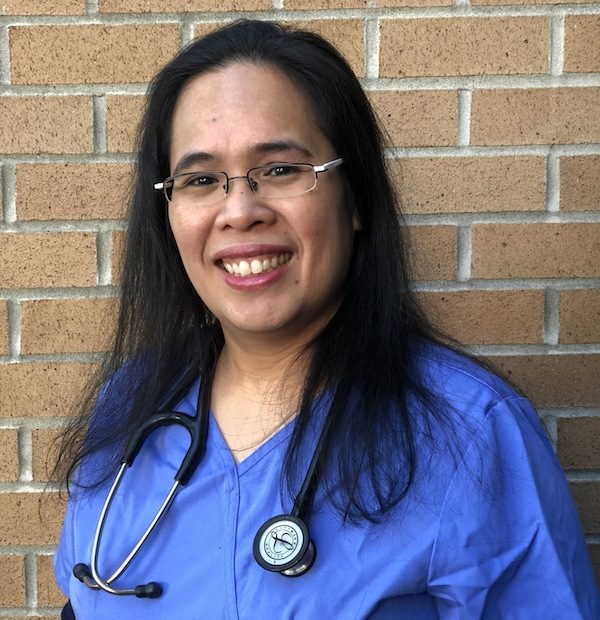
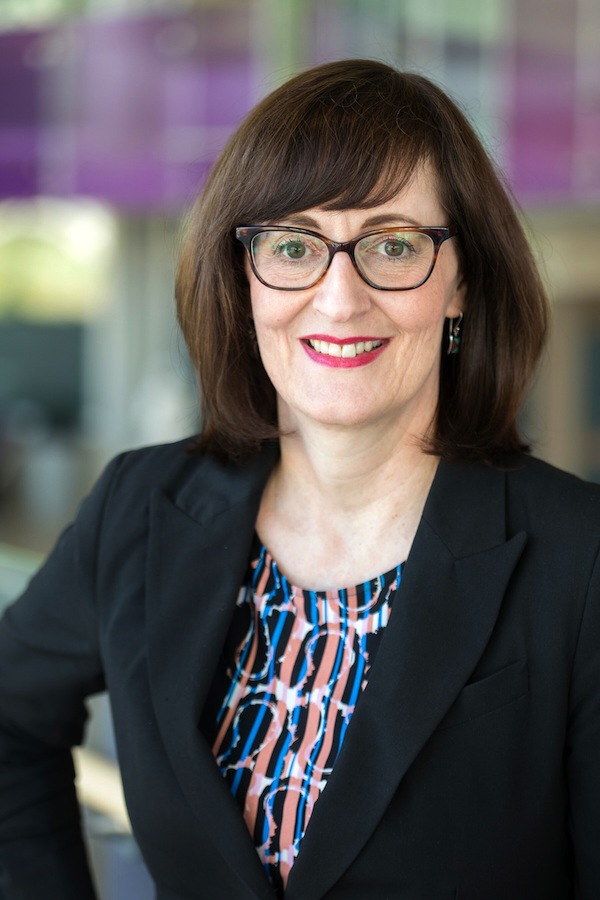
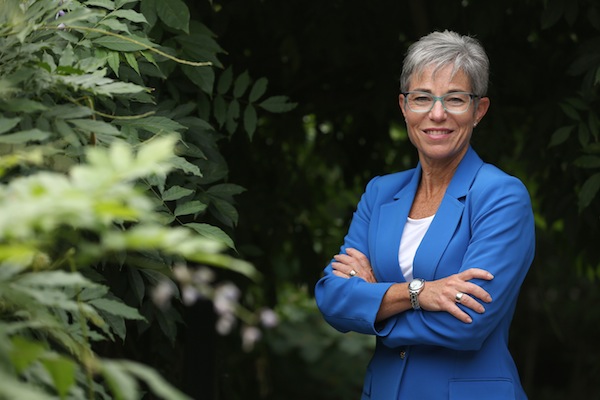
Dr. Seth Goldsweig (photo from KDHS)

The start of the school year is always a time of fresh beginnings. This is especially true at King David High School this year. On Sept. 3, Dr. Seth Goldsweig will welcome new and returning students as the school’s top administrator. It is the first time in 16 years – a lifetime in student years – since KDHS has had a new principal.

Goldsweig arrived this summer from an extensive period as a teacher and administrator in Toronto, replacing Russ Klein, who retired as King David’s head of school. (For more on Klein’s career and retirement, see jewishindependent.ca/king-david-head-retires-soon.) In a conversation with the Independent, the new head of school raved about the Vancouver community and the embracing welcome he has received. 

“The transition has been amazing because of the people here,” said Goldsweig. “People have gone out of their way to make me feel good and to feel supported. I have Shabbat dinner plans for as long into the future as I can want.… You get a sense that it’s a very warm Jewish community here just by how warm and kind everyone has been to me.”

Goldsweig taught in Jewish day schools before becoming vice-principal at Toronto’s Robbins Hebrew Academy and then vice-principal at the Leo Baeck Day School, where he spent the past 11 years.

“I’ve always wanted to be head of school,” he said. “On top of my PhD, I’ve done additional programs to train educators to be leaders of Jewish day schools and so this has always been something that I’ve aspired to do. When this job came up, it certainly sounded appealing being in a place with beautiful mountains and amazing people, but also the timing worked out because my kids, Danielle and Josh, are graduating from the Jewish high school in Toronto, called TanenbaumCHAT, and they’re going on to university, so the timing worked out.”

His route to Vancouver was circuitous. He was born in smalltown Vermont to parents who left New York City for a rural life. (Were they hippies? “They would say no. I would say yes,” Goldsweig replied.)

“I grew up on a dirt road in a town with just a few thousand people and two or three Jewish families,” he said.

At 18, he left to do environmental studies at Binghamton University in upstate New York, then lived in Israel for five years, doing a semester at Ben-Gurion University in Beersheva and another semester at the Arava Institute for Environmental Studies on Kibbutz Ketura, which is located in the Arava Valley.

He then returned to the Arava Institute the next year as a staff member, followed by three years at the Pardes Institute of Jewish Studies in Jerusalem. In the Pardes educators’ program, he studied Judaic texts coupled with a focus on Jewish education toward a master’s degree from Hebrew University of Jerusalem. His PhD, in educational leadership and administration, is from Lesley University, and he has a related certificate from Hebrew College and studied education at Harvard as well. His PhD dissertation was on Jewish day school financial sustainability.

In Israel, Goldsweig met his wife, Amy, who is from Toronto. The pair taught in Boston for a time before moving to Ontario to be close to family when they learned they were having twins.

Goldsweig became bar mitzvah at a Reform synagogue in South Burlington, Vt., and belonged to a Conservative congregation in Toronto. His educational career included stints at schools affiliated with both movements and he is excited by King David’s pluralistic approach.

“I’m a big believer in Jewish pluralism,” he said. “I think there’s a great importance in leading and connecting with Jews that are like you and not like you.”

This year, he plans to visit all the synagogues in town “just to get to know the entire Jewish community in Vancouver.”

In Toronto, Goldsweig said, there are many different schools to choose from.

“You are not trying to be everything for everyone, you’re trying to do what you do really well,” he said. “Here – and I really love this – everyone’s in one building. So, the goal is to find ways to make everyone feel welcome and heard and connected and I really think that’s a beautiful thing.”

Goldsweig lauded his predecessor.

“Russ was an incredible head of school and is still an important member of our community,” said Goldsweig. “He’s done amazing things with the school.”

This year’s enrolment of about 270 students is on par with last year’s and Goldsweig does not foresee any dramatic changes in the near future. 

“My job for this year is really to spend a lot of time learning from everyone in the community and getting a sense of what the Jewish community in Vancouver is all about and what King David High School is all about so we can make sure we’re meeting the needs for the community now and well into the future,” he said. 

Education a main focus

Syd Belzberg, left, founder of Stable Harvest Farm in Langley, and farm manager Kristjan Johannson. (photo by Cynthia Ramsay)

The Jewish Independent visited Syd Belzberg at Stable Harvest Farm in Langley last week, taking a tour of the 65-acre property with Belzberg and farm manager Kristjan Johannson. Much has happened since the JI last visited, in 2021, just a year after the reimagined farm opened.

The land had laid empty for many years, having previously been a horse farm. An organic produce farm for the past four years, its focus is education. (See jewishindependent.ca/hands-on-learning-at-farm.)

About 100 students a day visit from late April to the end of June, then again from the first week of September to the end of October. 

“We’ve got it down to a science,” said Johannson. “About an hour-and-a-half a session, two hours. They come in, they get a welcome speech. We have picnic tables up in the main season. We do a 12-station immersive tour, partnered with BC Agriculture in the Classroom [Foundation], so it’s all specific to the curriculum of the province.”

There are elementary and intermediate student groups who do the sessions. Participants receive workbooks and, every six or seven minutes, a cowbell rings and they move to the next station, where another agriculturalist meets them. University students lead the programs.

The farm also runs harvest projects for the kids. “Radishes were a big hit this year,” said Johannson. There were six beds of radishes planted and harvested.

Over the summer, it’s camp, church and other groups that come to the farm, said Belzberg, and they have different reasons for doing so: perhaps to see the bees, or the butterflies. “This summer, we kept the amount of guests down because we are developing and changing so many things,” he said.

The growing process begins indoors. “We’re able to push the season in that way,” said Johannson. “We start all our plants indoors in the nursery tunnel and that way we get a 30- to 60-day head start, and then it allows us, in a short season, to get two crops of most produce.”

photo - Rows of produce are planted alongside rows of flowers, so that the flowers take the brunt of the bug activity
Rows of produce are planted alongside rows of flowers, so that the flowers take the brunt of the bug activity. (photo by Cynthia Ramsay)

In addition to the planting beds, there are gardens. Belzberg’s friend David Bogoch, another member of the Jewish community, started the Biblical Garden, as well as a couple of other flower beds, which Bogoch maintains with the Stable Harvest Farm team.

“Rabbis normally spend 20 to 30 minutes in here,” said Belzberg of the Biblical Garden, which features four of the seven plants the Hebrew Bible uses to describe the land of Israel – wheat, barley, figs and grapes. “We can’t grow dates, pomegranates or olives, but we’re working on pomegranates and olives!” said Johannson, referring to a greenhouse that’s under construction. 

Johannson also noted that there was a “very happy, healthy ‘Tree of Knowledge,’” an apple tree, but though the “Fujis are looking very good,” the fruit is not quite ready for harvesting. 

Vancouver Talmud Torah probably brings the most kids to the farm, said Belzberg. Grade 3 students, for example, may come in and plant vegetables in spring and then they come back in the fall, as Grade 4s, to harvest what they planted.

When students participate in an education tour, they leave with something the farm produces. That might be honey from one of the 30 hives on the farm (1,500 pounds of honey was extracted a few weeks ago by 40 to 50 volunteers) or bee-forage bookmarks with seeds embedded in them.

“You take the bee off [the bookmark] and plant it in the ground and they [still] have our bookmark with all our information on it,” explained Johannson. “Basically, you have a bunch of kids guerrilla gardening, chucking paper and pouring water on it and having plants that turn into bee forage. Then, they also get popcorn from us or they get sunflower seeds, so, if you’ve got a garden at home, you can plant the corn and plant the sunflowers. If you don’t, you can eat the sunflower seeds and pop the corn.”

Johannson and Belzberg have been working together since the retrofit in 2020, when the farm was converted from housing horses to growing produce.

“We do lots of cover crops and set-asides,” said Johannson, standing next to a field (block) that is lying fallow for a year. “That’s how we build fertility here organically. There are three different types of clover … and all this clover fixes nitrogen from the atmosphere in the ground and then all of this down here will be our organic matter for the next season. We’ll do that on rotation. There are five blocks, so this block here was a cover crop last year.”

Farm heritage chickens and Nigerian Dwarf goats, as well as other animals that pass through or unofficially make their home somewhere on the farm, help keep the soil healthy. “They’ll end up eating all this down and then pooping it [around],” explained Johannson.

We drove past some wheat, which is grown especially for Lubavitch BC’s Model Matzah Bakery.

“Originally, we would just supply the wheat and they would do their thing,” said Belzberg. “In the last year, we changed it…. Everything here was planted by the kids in May. They’re coming back Sept. 8 to harvest it. Then we will store it for them and, at Pesach time, they’ll use it … [in] making the matzah with the bakery, so they’ve got the full cycle.”

For the Lubavitch BC program, some of the wheat harvested by the kids in September won’t be put through a thresher, but rather, in the weeks before Pesach, at the Matzah Bakery, the kids will learn how to remove the grain from the chaff by hand. They’ll put the grain in a stone mill and grind it into flour. “For the sake of expedience, we already have the dough ready,” noted Johannson. “And the kids grab it, it goes onto some sheets and then goes into a pizza oven. They are so good, very efficient,” he said of Lubavitch BC. “They’re the same as our [education] project out here, you’re in and out in an hour and 15.”

photo - Stable Harvest Farm has Jewish and non-Jewish community partners
Stable Harvest Farm has Jewish and non-Jewish community partners. (photo by Cynthia Ramsay)

Stopping at several “tunnels,” in which there are rows of flowers alternating with produce – melons, tomatoes, cucumbers, etc. – Johannson picked some treats for the Jewish Independent while talking about the layout.

The flowers are good for pollinators, but also attract the aphids and other bugs, he said. “We come through when they’re all pest-affected, we bag [the flowers] up and remove the pests out of the game.”

There have been challenges over the years – notably, in 2021, both the heat dome and the atmospheric river – and there have been some less successful crops. Johannson pointed to a field of Phacelia. “It’s still going to flower, but … it was too hot when they went in. A lot of the time, with vegetables, with life, with people, if you don’t have a good start to things, things don’t end up well.” The area will become a different cover crop next year, he said.

And there have been other learning opportunities. “This we called the Coyote Area,” said Belzberg as we passed another part of the property. “But we had to change it about a month ago because we had a group of kids out and they were afraid to come [see it]. Now it’s called Beaver Park.”

Belzberg would like to see even more school groups come to the farm, and he’d like to see multiple events happening at one time. In progress are many significant initiatives, from planting more trees (for birds and shade), to grooming an area of the farm for scavenger hunts and orienteering, to building a nature-based playground, to creating an overnight camping section, to adding a picnic area, and to converting what used to be a riding arena into a place where kids can come and do educational projects when it’s raining.

The education aspect of the farm gives Belzberg the greatest satisfaction and enjoyment, he said. “That’s my passion.”

While all the activities at the farm are at no cost to visiting groups, busing kids out to Langley can be expensive, so the farm takes some of their programs to the schools themselves. Belzberg gave Talmud Torah as an example: a program held at the school can reach 500 kids in one or two days, he said.

As well, Belzberg and his team are trying to get funding for a program that would help schools with the cost of busing. “We’re looking to be able to subsidize some or all of that cost,” he said.

As to what Belzberg gets from all these efforts?

“It’s a work of love,” he said. “It’s coming out here, developing it and seeing it grow and become more beautiful [and], mostly, when you get the kids out here.” 

Creating adjoining schools

Left to right: Anne Yu, school board president, Pythagoras Academy; Michael Bouchard, head of school, Pythagoras Academy; Sabrina Bhojani, head of school, Richmond Jewish Day School; and Michael Lipton, school board president, Richmond Jewish Day School. (photo by Briana Bolt)

As the 2023/24 school year ended, Pythagoras Academy (PA) and Richmond Jewish Day School (RJDS) announced a collaboration aimed at enhancing educational opportunities for students in the upcoming school year. The new partnership will see the two institutions merge their efforts to form adjoining schools.

“We are excited to cultivate this unique and transformative journey with Richmond Jewish Day School,” said Michael Bouchard, head of school at Pythagoras Academy. “This partnership represents a bold step forward in education, where collaboration and shared values pave the way for enhanced teaching and learning opportunities.”

The schools will integrate elements from both institutions’ educational philosophies, promoting a harmonious environment where students can thrive academically, socially and emotionally. By leveraging the strengths of each school, the partnership aims to set a new standard for educational excellence in Richmond.

As part of the announcement, school leaders from both Pythagoras Academy and Richmond Jewish Day School participated in a ceremonial handshake, symbolizing their commitment to this partnership. Members of the board and key stakeholders were also present to mark this milestone.

“This collaboration is not just about combining physical resources, but creating a beautiful synergy,” said Sabrina Bhojani, head of school at Richmond Jewish Day School. “Together, we can better support nurturing environments where students can learn, grow and succeed.”

This move is based on successful precedents set by joint schools like those in Ontario, where similar partnerships have demonstrated increased student engagement and academic achievement. The integration of diverse perspectives and educational methodologies will enrich the learning experience at the new adjoining schools.

For more information and to arrange interviews or school tours, contact RJDS at 604-275-3393 and Pythagoras Academy at 604-370-0199. 

– Courtesy Pythagoras Academy

New year for Israel Connect

If you’re asking, “What can I do for Israel?” consider joining Israel Connect, a program where local adult volunteers connect, one-on-one, via Zoom, with Israeli high school students who want to improve their English conversation and reading skills. The program starts up again this fall, organized by Chabad Richmond in partnership with the Israeli Ministry of Education.

There are currently 47 Metro Vancouver-area volunteers participating in the Israel Connect program as tutors/mentors, and Chabad Richmond is looking to increase that number, since the need in Israel continues to grow.

“We’re looking for volunteer retirees, seniors or any adults who have some free time to join the Israel Connect program. No previous tutoring or teaching experience is necessary and the curriculum is provided,” said Shelley Civkin, the local Israel Connect coordinator. “If you’re an adult fluent English-speaker, you have basic computer skills and you own a computer with a camera, that’s all you need,” she said.

Volunteers do not need to speak Hebrew and can tutor from home. Basic training and technical support are available. Time preferences of volunteer tutors/mentors will be coordinated beforehand and Zoom sessions take place in the morning between 7 and 10 a.m. Vancouver time, any day between Sunday to Thursday.

“Israel Connect asks for a minimum commitment of one school year, in order to ensure consistency for the students,” said Civkin. Sessions are once a week for 45-60 minutes, at the same time each week. 

“It’s a very practical and impactful way for community members to support Israel and build bridges between diaspora Jews and Israelis,” said Rabbi Yechiel Baitelman, director of Chabad Richmond. “You’ll be doing a mitzvah, while investing in the future of Israel and its people. Plus, proficiency in English will give them an advantage in accessing post-secondary education and getting better jobs. Helping students improve their English inspires them to learn and grow, while empowering them to reach new heights.”  

Israel Connect is now the largest external provider of services to Israel’s Ministry of Education, slowly removing the most significant barrier to social and economic mobility, focusing on teens from less advantaged neighbourhoods.

The curriculum consists mainly of a tour of Israel, focusing on the wealth of historical, cultural and biblically significant cities and sites. It’s not uncommon for both the students and the tutors to learn something new about Israel at each lesson.

“Most volunteers really enjoy helping their Israeli students and develop a lasting bond with them. It often goes beyond simply tutoring the curriculum, and turns into friendship and mentorship,” said Civkin. “This kind of one-on-one tutoring makes a huge difference in their lives, both educationally and personally. It gives them a feeling of confidence that they can converse in English without being judged or marked. It’s incredibly satisfying to know that you’re doing something tangible to help Israeli students better their lives.” 

Civkin said several tutors have visited their students on trips to Israel and keep in touch beyond the school year. 

To volunteer, or for more information, contact Civkin at 604-789-5806 or civie1956@gmail.com.

For anyone who can’t participate as a tutor, Chabad Richmond welcomes financial support for the Israel Connect program, which covers overhead costs like technical support, staffing and other administrative costs. To support the program, call Chabad Richmond at 604-277-6427 or email admin@chabadrichmond.com. 

– Courtesy Chabad Richmond

A new way to teach reading 

Lisa Gelberman (photo courtesy)

Over the years, Toronto-based educator Lisa Gelberman saw a consistent problem with the education system: it did not address the fact that a third of students in North America have various reading difficulties. 

“When kids struggle academically, they struggle behaviourally, they struggle socially, and long-term success becomes more unlikely. It’s a huge spiral,” said Gelberman, principal at Kayla’s Children Centre (KCC). 

In her view, the need was so great to help those falling through the literacy cracks, that she took matters into her own hands to find a way to solve the problem. Over time, she developed an online reading program called Literacy Decoded, which launched in 2022. Its aim is to train teachers to support students with learning disabilities, dyslexia and other developmental delays. Several Toronto Jewish schools (including Bais Yaakov High School and Eitz Chaim Schools) have purchased the course and adopted its curricula. She has sold it to hundreds of educators across North America. 

Comprising mostly Jewish students, KCC is a school, therapy clinic, recreational centre and camp for children with special needs, and some students, including those who have extreme delays, have learned to read because of the program.

“The Jewish community sees the importance of supporting children with learning disabilities and dyslexia,” Gelberman said. “There are going to be fewer kids leaving the Jewish school systems for secular schools, because now their own schools have the training and resources needed. Now their needs are being met and [the program is] changing their educational outcome,” she contends. 

The mother of five began her career as a teacher at a public school, teaching first grade for three years, then, having taken various course qualifications, she began teaching special education. Later, she led a class for students with learning disabilities, dyslexia or severe ADHD. Afterwards, she taught children with autism. 

“I was always very passionate about teaching children to read,” she said. “Developing curricula and exploring different paths to teaching kids to read is my purpose.” 

Up until about five years ago, Gelberman said, most schools across North America used a methodology called the “whole language approach.” But a full third of children do not pick up reading from this method, she argues. “So, kids struggle, and I just knew there’s something I had to do about it.

“Every year,” she continued, “I got so close to teaching this one child to read [but] he came back after the summer and it was like everything I taught him was lost. I didn’t understand why. That’s when I started to look for other programs to help.”

She discovered the Orton-Gillingham approach, and, on her own dime and with a year-and-a-half of study, she became certified to teach it.

After being hired by Kayla’s, Gelberman applied the Orton-Gillingham methods with the institution’s kids and found success in teaching children who previously had found it incredibly difficult to read.

Building upon the program, she videoed her own son, who showed signs of dyslexia and was having trouble reading, learning with the approach and used it to show teachers and parents how to implement it.

“He’s jumped three grade levels in six months. And even his teacher at the time couldn’t believe it,” she said.

“And that’s how I actually was able to improve upon the program…. I was training the teachers, and other schools were asking me to come in [to do] staff training, but I simply didn’t have the time. So, I decided to develop a course of my own.” 

image - Lisa Gelberman has created an online teaching program, Literacy Decoded, based on the Orton-Gillingham method. (image from Lisa Gelberman)
Lisa Gelberman has created an online teaching program, Literacy Decoded, based on the Orton-Gillingham method. (image from Lisa Gelberman)

It was important for Gelberman to gear her own program towards Jewish day schools, which she claims have fewer resources, in general, to divert to kids who are lagging. Particularly for the Jewish community, she’s made a special effort to ensure the content – words and images – is appropriate. 

According to Gelberman, the two years of remote learning during COVID made the program more relevant and needed, given how so many children who require in-person interaction to absorb materials were denied this interaction during a critical time in their learning.

“I’m just so happy that the children who would have fallen through the cracks are now able to read,” she said, adding that KCC children are being mainstreamed, when they ordinarily would not be.

Four years in development, “huge pieces” of Gelberman’s program do not involve memorizing words, nor looking at pictures, tools she said have been relied upon heavily as teaching aids. Instead, in her course, what seems to work is the sounding out of words, learning different sound combinations, and learning syllable types.

The program is asynchronous, that is, it proceeds at the teacher’s pace, and each lesson is through video, so the lessons feel “live.” In addition, Gelberman offers monthly coaching sessions with teachers, where they share with each other their struggles and problem-solving methods.

“I truly feel the right training from the right teachers can and will teach kids to read,” she said. 

Dave Gordon is a Toronto-based freelance writer whose work has appeared in more than 100 publications around the world. His website is davegordonwrites.com.

Community milestones … Segal appointed to OBC

Gary Segal was one of 12 people appointed to the Order of British Columbia this year. The province’s highest honour celebrates people who have distinguished themselves and excelled in their field of endeavour. Segal was recognized in the category of Community Leadership for his philanthropic contributions to health care. A special investiture ceremony will be held at Government House in Victoria on Sept. 4.

photo - Gary Segal
Gary Segal (photo from Order of BC)

Born and raised in Vancouver, Segal is known for his philanthropic endeavours that transcend geographical and cultural boundaries. Described as a catalyst for change, Segal’s commitment to humanitarian causes has left an indelible mark on communities near and far. Notably, as capital campaign chair for Ronald McDonald House BC and Yukon, he played a pivotal role in raising $32 million to establish a new, state-of-the-art facility at BC Children’s Hospital, vastly expanding support for more than 2,000 families annually across BC and Yukon. His dedication extends globally through the Bring Back Hope initiative he founded following a transformative experience in Ethiopia, where he champions accessibility to life-saving surgeries for severely disadvantaged children in dire medical need. 

Segal’s efforts have garnered prestigious recognitions, including the Order of Canada, Queen Elizabeth II Diamond Jubilee Medal and appointments to boards such as the American Jewish Joint Distribution Committee.

At the University of British Columbia, Segal’s impact is profound, particularly through his support for the faculty of medicine’s branch for global surgical care, where his contributions have funded groundbreaking initiatives and the development of a master of global surgical care program. As chair of the VGH & UBC Hospital Foundation, Segal continued to drive innovation in health care, ensuring sustainable and exemplary care.

Fringe Fest coming soon

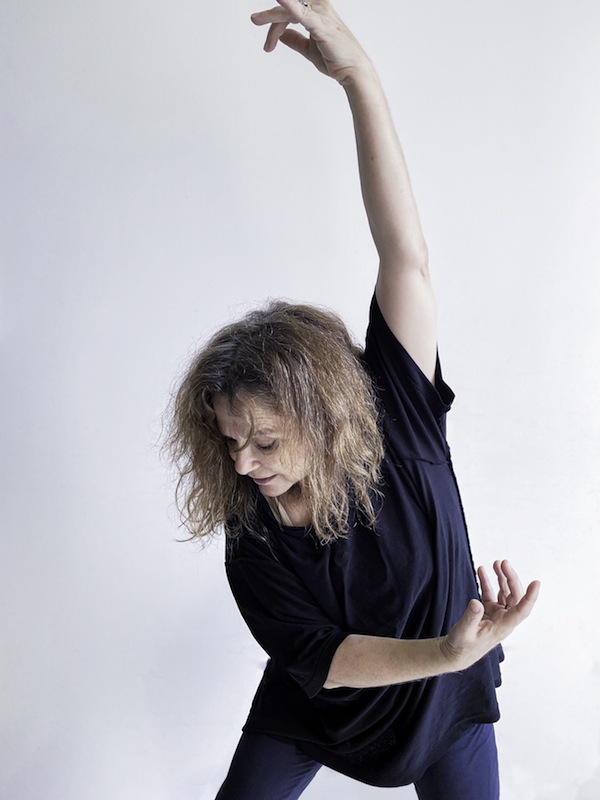
Jem Rolls’ The Kid Was a Spy is part of this year’s Vancouver Fringe Festival, which runs Sept 5-15. Other Jewish community members with shows include Rita Sheena, with Everybody Knows: Leonard Cohen Dance Theatre, and Theatre Terrific artistic director Laen Hershler and Susan Bertoia co-direct Proximity: The Space Between Us, which was co-created by an all-abilities cast. For the full festival lineup and tickets, visit vancouverfringe.com.

ישראלים מגיעים לקנדה בעקבות השבעה באוקטובר

קנדה מעניקה לישראלים ויזה הומנטרית בעקבות השבעה באוקטובר והמלחמה המתמשכת. לפי הערכות מאות ישראלים ניצלו אופציה זו והם מהגרים בחודשים האחרונים לקנדה. מיכל הראל שהקימה אתר לישראלים הרוצים להגר לקנדה אומרת כי קנדה מציעה חיים נוחים בחברה פלורליסטית וקוסמופוליטית, עם מערכות חינוך ובריאות טובות. כך שיש אופק כלכלי לישראלים ולדורות הבאים שלהם כאן. כמובן יש לציין שלקנדה יש גם טבע מרהיב הכולל יערות ואגמים. ויש לזכור שגם לנושא איכות הסביבה יש כאן חשיבות גדולה

לכל הטוב הזה בקנדה יש אפילו הכרה עולמית: אשתקד דורגה קנדה במקום השני והמכובגברשימה של המדינות הטובות בעולם לחיות בהן. וזאת מתחת לשווייץ שבמקום הראשון, ומעל שבדיה שבמקום השלישי. קנדה מדורגת שמינית בעולם מבחינת גובה ההכנסה ליחיד. מדובר במדינה ענקית, השניה בגודלה בעולם אחרי רוסיה ששטחה גדול הרבה מזה של ארה”ב, אבל מספר תושביה רק קצת יותר מעשירית ממספר תושבי ארה”ב. לקנדה מסתבר יש מקום לקלוט הרבה מאוד בני אדם שיחזקו את אוכלוסייתה, והיא מעודדת הגירה אליה. ועכשיו כאמור מדובר בתוכנית הגירה חדשה ומיוחדת לישראלים. התוכנית שהוכרזה בתחילת השנה הוארכה בימים האחרונים בשנה נוספת. יש שהטוענים שהארכה נובעת בשל ההסלמה בצפון והחשש למלחמה בין ישראל לחיזבאלה.
הראל עשתה רילוקיישן לקנדה לפני חמש שנים. זאת כדי להקים את הסניף של החברה שלה ושל בן זוגה בצפון אמריקה. בעקבות השבעה באוקטובר פנו אל הזוג חברים רבים שלהם מישראל והחלו לשאול אותם איך הם עברו לקנדה. החברים ביקשו שהראל ובן זוגה יעזרו גם להם להגיע לקנדה. אחרי שבועיים של שיחות טלפוניות עם אנשים מישראל הראל ביקשתה מבן זוגה שיעזור לה להקים אתר עם כל המידע שהם נתנו לאנשים בארץ בטלפון. וזאת כדי שהם יוכלו לקרוא על ההגירה לקנדה ובמה היא כרוכה. וכן שהם יעבירו את הלינק של האתר שלהם לחברים ומשפחה שלהם בישראל. במקרה, אחרי זמן קצר שהאתר היה באוויר נפתח המסלול לישראלים שנותן ויזת עבודה לשלוש שנים בקנדה, במהלכן ניתן להגיש בקשה לתושבות של קבע או אזרחות מלאה. הזוג החליט לעזור בהתנדבות לכל מי שירצה להגיע לקנדה בעקבות המלחמה

מה עם הפטריוטיות הישראלית ומה האומרים לאלה שטוענים שאנשים איכותיים עוזבים ובסיוע ממשלת קנדה וגורמים ישראלים כמו האתר של עוברים לקנדה, יורדים מהארץ, ועוד במהלך מלחמה. לדברי הראל ישנם מקרים בודדים של תגובות פחות נעימות ברשתות, אבל רובם מאוד שמחים על הפרויקט ועל ישראלים שעוזרים לישראלים. מי שלא מסוגל יותר וחייב הפסקה מגיע לו לנוח מהטירוף ונהדר שממשלת קנדה מאפשרת את זה. הציונות לא מסתיימת רק בגלל שכמה משפחות רוצות לנוח.
יהודים זכו בקנדה בדרך כלל לחיים נוחים ושלווים, נטולי גילויים אנטישמיים ברמות שחוו ברחבי העולם. כמו בכל מקום, הכל השתנה מאז השבעה באוקטובר, כידוע. אבל, המדינה הייתה מאז ומעולם יעד הגירה מועדף של יהודים מרחבי התפוצות ומאז קום המדינה גם של ישראלים.
לפי הערכות, בקנדה חיים למעלה מארבע מאות אלף יהודים. לפי מפקד אוכלוסין מרבית הישראלים ומדובר בכחמישים אלף איש, חיים ברובם בטורונטו. על פי הערכה מדי שנה מגיעים כשלושת אלפים ישראלים נוספים לקנדה ומספרם הולך וגדל לאור המצב הקשה בו נמצאת ישראל בימים אלה

יצויין שתוכנית ההגירה לישראלים כוללת רישון עבודה התקף לשלוש שנים ומאפשר לעבוד כמעט בכל עבודה. התוכנית לישראלים הוארכה והיא תפוג ביולי שנה הבאה

אייר קנדה תחזור לטוס לישראל וקנדה הטילה סנקציות חדשות על מתנחלים

חברת התעופה הקנדית, אייר קנדה, שחידשה את טיסותיה לישראל בשמונה באפריל לתקופה קצרה, והפסיקה את טיסותיה בעקבות המתקפה האיראנית, והודיעה כי היא צפויה לחדש את טיסותיה בשישה באוגוסט. חברת התעופה הקנדית חזרה בה מהודעתה הקודמת והחליטה להמשיך עוד את השעיית טיסותיה לתל אביב. החברה הודיעה כי עקב אי הוודאות הנמשכת במזרח התיכון, אייר קנדה מפסיקה את פעילותה מתל אביב ואליה עד אמצע אוקטובר. הטיסה הקרובה, על פי הודעת החברה, תצא מטורונטו לתל אביב ביום שלישי החמישה עשר באוקטובר, ואילו הקו ממונטריאול לתל אביב יחל לפעול רק בלוח טיסות הקיץ של השנה הבאה. אייר קנדה הודיעה עוד החברה בקשר עם ממשלת קנדה והיא תמשיך לבדוק מקרוב את המצב ותנהל את תכניותיה בהתאם

קנדה הטילה סנקציות חדשות על מתנחלים

שרת החוץ של קנדה מלאני ג’ולי הודיעה כי קנדה מטילה סנקציות חדשות בנושא אלימות מתנחלים קיצוניים. סבב הסנקציות הזה מפרט שבעה אנשים וחמש ישויות על תפקידם בהקלה, תמיכה או תרומה כספית למעשי אלימות של מתנחלים קיצוניים נגד אזרחים פלשתינים ורכושם. הגוף המשמעותי ביותר נגדו מוטלות סנקציות היא חברת אמנה, שבונה רבים מהפרויקטים בשטחים, ובראשה עומד זאב חבר המקורב לראש הממשלה בנימין נתניהו. בנוסף, יוטלו עיצומים על נוער הגבעות אם כי לא ברור למה הכוונה כי אין יישות משפטית כזו. וכן על ארגון להב”ה המזוהה עם כך וכן החווה של משה והחווה של צבי. בנוסף קנדה הטילה עיצומים על הפעילים המוכרים בנצי גופשטיין, דניאלה וייס הנמנית על מייסדות ההתיישבות בשטחים, אלישע ירד, אלי פדרמן, מאיר אטינגר, שלום זיכרמן עינן בן-ניר ועמרם תנג’יל

הקנדים אומרים כי אלימות מתיישבין קיצוניים הביאה לאובדן חיים ולנזק לרכוש פלשתיני ולאדמות חקלאות. התקפות אלו הביאו גם לעקירה בכפייה של קהילות פלשתיניות, ותרמו לחוסר ביטחון של פלשתינים וישראלים בגדה המערבית כאחד. התקפות של מתיישסים ישראלים קיצוניים הם מקור ותיק למתיחות וסכסוכים באזור, מערערות את זכויות האדם של הפלשתינים, את הסיכויים לפתרון שתי המדינות ומהוות סיכונים משמעותיים לביטחון האזורי. קנדה ממשיכה להתנגד להרחבת ההתנחלויות הבלתי חוקיות בגדה המערבית ובמזרח ירושלים והיא מחויבת לשלום מקיף, צודק ומתמשך במזרח התיכון

בארגון שלום עכשיו שבירכו על ההחלטה אמרו כי הארגון מברכים את ממשלת קנדה, ידידת אמת של ישראל, על עמדה נחושה ובלתי מתפשרת כלפי אלימות מתנחלים. הגיע הזמן שכל מתנחל אלים ישלם על מעשיו, לרבות ההנהגה המתנחלית הקיצונית. בשבוע שעבר חשפנו איך מקדם השר סמוטריץ סיפוח דה יורה של הגדה המערבית, ומתגאה בפרויקט החוות החקלאיות שהפכו לגולת הכותרת של פרויקט הנישול האלימות והגזל. זו העת לעצור את הטירוף ולשים סוף לאלימות ולמאחזים הבלתי חוקיים, אותם הממשלה מתדלקת בשם האג’נדה המשיחית של סמוריץ ובן גביר. חייבים להפיל את הממשלה

ראש המועצה האזורית בנימין ויו״ר מועצת יש״ע, ישראל גנץ אמר בתגובה להודעת משרד החוץ הקנדי כי מדובר בהחלטה שערורייתית. קנדה בוחרת לתת רוח גבית לטרור ולחמאס שמבקש להמשיך לטבוח ביהודים ולחסל את ישראל. מי שמטיל עיצומים לא מוסריים ולא חוקיים נגד גורמים יהודים שותף מלא לחזון של סינוואר ודוחף את ישראל לסכנה קיומית. קנדה בהחלטתה מעודדת מחבלים ואנרכיסטים להמשיך לתקוף יישובים ברחבי יו”ש ובכל ישראל. ממשלת ישראל והעומד בראשה חייבים להגיב למהלך הזה בתגובות בשטח ולהפוך את המשוואה. כל החלטה כזו צריכה לבסס עוד יותר את נכוחותה של מדינת ישראל ביהודה ושומרון

Queer Jews are feeling isolated

Aviva Rathbone, chair of JQT Vancouver, finds hope in the fact that “[t]here are lots of people in the community coming together right now and finding connections to heal what they can in what is a very broken world and what is a very broken situation.” (photo from JQT)

Probably all Jews have experienced emotional and mental impacts from the events of Oct. 7 and since. For LGBTQ+ Jews, these effects are often magnified by the climates in their multiple communities.

JQT Vancouver (pronounced J-Cutie), a volunteer-run Jewish queer and trans nonprofit group whose mission is “‘queering’ Jewish spaces and ‘Jew-ifying’ queer spaces,” has released the results of a survey that indicates LGBTQ+ Jews are experiencing profound pain – regardless of where they stand on an apparently vastly diverse spectrum of opinions about the conflict in the Middle East.

Titled 2024 JQT Temperature Check Report, the document collates responses from 91 individuals, including narratives of their experiences, and the overview it paints is bleak.

“There are a lot of really sad commentaries,” Aviva Rathbone, chair of JQT, told the Independent. “A lot of the folks who responded to the survey are people who are really struggling right now.” 

She cautioned that the survey may not include the perspectives of others who may be having more positive experiences. 

“Some people are feeling really accepted into community right now, they are feeling like they found a place,” said Rathbone. “We didn’t hear from those folks, but that’s not to say that they don’t exist.”

The results are not surprising, she said.

“We knew people were struggling,” she said. “It was a surprise, I think, the depth of anger and sadness that was there.”

Fewer than half of survey respondents indicated that they felt safe and accepted in Jewish spaces and only about a quarter said they felt safe and accepted in queer spaces. Fewer still, 14%, said they felt comfortable in both.

Since Oct. 7, approximately half of respondents indicated that actions and/or statements of queer (57%) and Jewish organizations (51%) have had a negative impact on their mental health.

A majority (57%) of respondents indicated that their safety and security felt threatened since Oct. 7 because of their Jewish identity. More than two-thirds of respondents (68%) said they experienced antisemitism online or in-person since Oct. 7.

Much of the discomfort centres on divergent attitudes toward Israel and the war against Hamas, as well as opinions around the definitions of antisemitism and what some respondents describe as exclusivist attitudes in the Jewish community, often described as overwhelmingly pro-Israel, and in the LGBTQ+ community, described by many as unwelcoming to pro-Israel Jews.

One respondent said the Jewish community should “acknowledge that anti-Zionist Jews are still Jews and should be welcome in Jewish spaces” and that “queer Zionist Jews are still queer and should be welcome in queer spaces.”

JQT serves members who self-identify as Zionist and those who self-identify as anti-Zionist.

“When the mainstream Jewish community dismisses Jews who criticize Israeli actions, it makes me feel alienated from that community, more than before,” wrote one respondent.

Two among scores of examples illustrate the chasm between the narratives shared in the report. One respondent accuses “queers for Palestine” of trying “to turn Zionism into a dirty word” and making them feel “unwelcome as a Jewish Israeli in queer spaces when not hiding myself.” Another writer says, “It makes me unsafe when Jewish organizations […] make wildly racist statements about Palestine. Conflating Judaism with Israel makes it seem like I am complicit in this genocide.”

Said another respondent: “None of the synagogues or even [Jewish queer groups] have made any statements that humanize the struggle of non-Zionist Jews and how we’ve been systematically shut out of spiritual, social and cultural Jewish spaces for far too long. In fact, the current climate within these spaces promotes a pro-war and anti-Palestinian rhetoric that pushes me and my friends away from feeling security and belonging in our identities.”

The divergence in attitudes is typified by another survey response.

“People wearing an End the Occupation T-shirt or other such slogans signal to me that the wearers believe Hamas to be righteous rather than terrorist, that all lives are not equal, makes me uncomfortable, as does the aggressivity of protesters, including [queer groups that support] Palestine. Standing in solidarity with Israel and its absolute right to defend itself, while not recognizing the numbers of non-Hamas Palestinians killed and the living conditions in Gaza during the war is also not comfortable for me,” wrote a respondent.

If there is a clear takeaway from the study, Rathbone said, it can be summed up in one word.

“Empathy,” she said. “We have the ability to hold space for our own pain and anger and for other people’s pain and anger. I fully believe that humans are expansive and the Jewish community for sure is expansive and we have done this many times. We have been able to hold space for ourselves and for other people who are suffering, even when we don’t agree with them.”

Disagreements over politics, no matter how intensely and personally held, should not erase the empathy Jewish people have for one another, she said.

It is possible to have conversations across that divide, as JQT did recently in a “listen and be heard” event, facilitated by two professionals. 

That event was part of a major mental health initiative in collaboration with Jewish Family Services, with funding from the Jewish Community Foundation of Greater Vancouver, that was in the works even before Oct. 7. Among numerous projects rolled out in recent months addressing the challenges facing LGBTQ+ Jews is a 10-page resource issued last week, titled JQT Affirming Care: A Toolkit for Mental Health Providers. It was developed by care providers Hannah Zalmanowitz and Anat Kerelstein.

Carmel Tanaka, executive director of JQT, said the toolkit, which Jewish trans or queer people can give to healthcare providers, as well as friends or anyone else who might benefit from a deeper understanding of their experiences, is a direct response to expressed needs in the community. 

photo - JQT Vancouver executive director Carmel Tanaka talks about Twice Blessed 2.0 at a recent event. The 2022 needs assessment includes 13 calls for action, including mental health support and being open to those who have a spectrum of opinion on Israel/Palestine
JQT Vancouver executive director Carmel Tanaka talks about Twice Blessed 2.0 at a recent event. The 2022 needs assessment includes 13 calls for action, including mental health support and being open to those who have a spectrum of opinion on Israel/Palestine. (photo by Kathryn Nickford Photography)

“We kept hearing that one of the barriers to receiving mental health support was linked directly to the lack of provider knowledge, training and competence around working with Jewish queer and trans people,” Tanaka said. “So, we created this educational toolkit aimed at reducing the burden on JQTs of having to educate their mental health providers on their lived experiences and mental health needs.”

Along with the Temperature Check report, Tanaka said, the toolkit provides tangible evidence of both the challenges and steps to improving the isolation and difficulties faced by affected individuals.

“I just really hope that leaders in the Jewish community, as well as leaders in the queer community, do take a moment to seriously read this so that they can better understand why we are doing this and why there is a need to support our community,” Tanaka said, adding that JQT continues to remain open to those who are on a spectrum of opinion on Israel and Palestine. “It really hurts to not be included in Pride events or in queer spaces, to not feel included in Jewish spaces. It’s an impossible situation to feel like you don’t belong.”

Even amid a plethora of discouraging responses, Rathbone said there is reason for hope.

“I don’t want folks to read it and to become really depressed and hopeless, because there are lots of ways to find hope,” she said. “There are lots of people in the community coming together right now and finding connections to heal what they can in what is a very broken world and what is a very broken situation. That also gives me hope, to watch people recognize that they can come together in community and do their part to heal something.”