Men’s club is booming

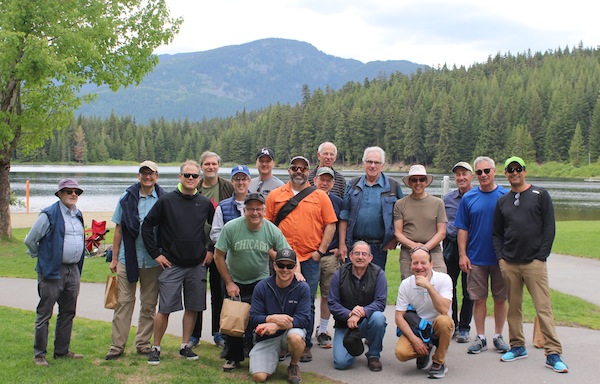
Members of Temple Sholom Men’s Club at last year’s Whistler retreat. This year’s event, scheduled for May but canceled due to the pandemic, was to focus on indigenous issues. (photo from templesholom.ca)

Temple Sholom Men’s Club, which hosted the Michael Geller talk May 25 (click here for story), is catching the attention of the larger Reform movement for bucking the trend of declining vibrancy among synagogue men’s groups. In the process, say its leaders, they are also taking a stab at reducing the sociological phenomenon of men experiencing a dwindling social circle.

The synagogue has seen its men’s club grow from defunct to 260 members since being revived in 2016.

President Larry Bloom and vice-president David Schwartz credit the success to individual members stepping up to organize programming. But they also think one of the keys to success is identifying a particular need for men of all ages in the shul community.

Traditionally, they say, sisterhoods have had clear objectives, including fundraising and specific projects. Men’s groups have tended to be more amorphous in terms of their mission.

“Men’s clubs are traditionally, I think, a ‘what have you done for me lately’-type of deal,” said Bloom. “Typically, men’s club programming is maybe a softball team, a dozen guys in the summer, may be a bagel and bite before services, maybe a poker game at somebody’s house once a month or once a season.”

The Temple Sholom Men’s Club reinvigorated itself through a range of programs with what they call “added value.”

A trip to the Vancouver Symphony Orchestra – one of the club’s “co-ed” events – featured a pre-event talk by Gordon Cherry, a former trombonist for the orchestra, as well as from a current VSO member. Movie nights feature guest speakers. When they screened Above and Beyond, the Nancy Spielberg film about the Israel Air Force, Temple member Mark Elster, who served in the Israel Defence Forces, spoke.

Other activities include a regular Mix-and-Mingle before services, family outings to Vancouver Canadians baseball games, beer and wine tastings, educational events, a Men’s Café with Rabbi Dan Moskovitz, the shul’s senior rabbi, Jewish walking tours, and seminars and workshops on topics such as How to Make Your Seder Fun and Meaningful, and Sexual Harassment in the Workplace. Their annual fundraiser – a latke sale that this year fried and sold 1,000 of the Chanukah treats – donates revenue to the Temple Sholom school.

A popular annual retreat in Whistler, scheduled for May but canceled due to the pandemic, was to focus on indigenous issues, including First Nations speakers and a blanket ceremony.

Another popular recurring event is Pastrami and Poker, in which a professional poker facilitator comes in with casino-calibre tables and the mood is distinctly high-stakes. The price of admission includes pastrami sandwiches and $5,000 in chips.

“We play a little Sinatra Spotify in the background and you feel like you’ve gone to Vegas,” said Schwartz. A retired lawyer, Schwartz assures that everything is in line with provincial gaming regulations. At the end of the night, winnings are prorated and paid out in raffle tickets, which are drawn for some swanky donated prizes like high-end Scotch.

Bloom is especially proud that the club attracts men from every age group, something that is not always the case in such forums, he said.

“That was always important to us, that we didn’t narrow our range and just go after the boomers and older,” he said.

The success is a counterweight to the known phenomenon that men’s close friendships tend to dwindle as life progresses.

“I don’t think guys go out of their way to say, ‘Gee, I wish I had more friends,’” said Bloom. “But I think most guys, if they were honest, would probably say, ‘I wish I had more buddies.’… That was very important to us right from the start. Let’s bring guys together, give them a venue, give them an opportunity to come together, socialize and then maybe some bonding will happen after that.”

Bloom, who stresses that his title of president is mostly for administrative purposes and the club functions cohesively as a non-hierarchical group, also credits the success to the support of the synagogue.

“We get a lot of support from the shul, a lot of support from our president of the board, from the board itself, from Rabbi Dan for sure,” he said. “I’m not sure every synagogue gives their men’s club the kind of support we get.”
Rabbinic planting advice

My family plants a garden every summer. We live in a city and don’t have lots of room. Since our house is more than 100 years old, we created small raised beds, filled with compost and soil, to avoid growing veggies in what is potentially contaminated soil.

Although my husband and I have gardened together for years, when our twins were younger, we developed a haphazard technique. Before twins, we might have studied companion plants, figuring out what would grow best and where, but all that disappeared after two babies came on scene. Since then, every year, right around their birthday on June 1, we’d throw a planting party with some friends. First, we had the birthday ice cream cake and, then, we’d dig together. Within an hour, the entire garden was planted.

Sometimes, a retired history professor was in charge of bean planting. Our actor friend, who also worked as a mother’s helper for us when the kids were small, was in charge of squash. It was sometimes a surprise to see what the garden produced. We left it all to chance – what grows and what fails would be a surprise.

This year, no parties, of course. With two kids home from elementary school in mid-March, we started seeding. We planted lettuce, radish and spinach outdoors. We followed the advice of Winnipeg’s mayor, who suggested people “plant an extra row” for the food bank, as so many are out of work. We planted sprouting potato peelings as one of our home-school science projects, and filled every extra pot with potato plants.

In the Babylonian Talmud, in Tractate Shabbat, starting page 84b, the rabbis discuss how to plant a garden. What is an acceptable plan for a garden bed, which avoids the prohibition of sowing diverse kinds of seeds together, they ask? The rabbis engage in a level of landscaping planning that my gardens have never seen. In the Vilna edition, there are even illustrations and sketches provided.

This year in our garden, for the first time in awhile, we know where everything is and who planted what. I don’t have to call any of our friends to find out which variety of squash seeds they used and if they will be close enough to the others to pollinate properly!

What struck me though was that, unlike past years, we had time to spread out and enjoy the gardening experience. Yes, we’ve had virtual meetings for school and work, but the summer unfurls before us with practically nothing on the calendar – no traveling, no festivals, no big obligations. We’re still waiting to hear, but suspect there will be no summer camp or swim lessons at the lake either. Staying home is where it’s at.

Long, unplanned stretches of weekend time and summer evenings spool out ahead. We can stream services or watch a Jewish music concert from home, play on the porch or water the garden. True, we may not be able to travel to see grandparents or have big Shabbat dinners. We do miss our friends and family. However, we’ll have leisurely morning dog walks to explore new places and greet neighbours, long afternoons to help our kids learn to bike, fly kites, or just scooter up and down the block.

This scary coronavirus is stressful, don’t get me wrong. We’ve already felt its serious effects on relatives in New York and New Jersey. It continues to affect us in many ways and, even if summer’s a reprieve, the danger hasn’t passed. Yet, in the virus’s shadow, we’ve been offered a moment to adjust and experience an entirely different pace, and it’s a surprising gift on its own.

Yes, our garden is more orderly this year than it has been in at least 10 years, but it’s nothing as tidy or thoughtful as the rabbis’ landscaping guides. I suspect, if the rabbis were to see our garden beds, they would be upset. We squish way too many varieties of tomatoes, beans, peas, lettuces, cucumbers, herbs and more into these small spaces.

At the same time, our pandemic-enforced break may offer us the chance for longer conversations, more time off to enjoy family and Shabbat, and more learning, too. I can’t pretend the rabbis’ advice made us plant more tidy rows of beans, carrots or nasturtiums, but the pandemic likely gave me the time and space to read their advice, and actually think about it.

We’ve eaten two salads full of microgreens and herbs, straight from the garden, and I got to share with you what I’ve learned about 1,500-year-old planting advice. That’s not a bad start to the season. It’s also a reminder: get out in the sunshine! (With sunscreen and social distancing, of course.) Summer lies ahead – with newfound time to enjoy it.

Joanne Seiff has written regularly for CBC Manitoba and various Jewish publications. She is the author of three books, including From the Outside In: Jewish Post Columns 2015-2016, a collection of essays available for digital download or as a paperback from Amazon. Check her out on Instagram @yrnspinner or at joanneseiff.blogspot.com.


Providing meals, warmth

Several years ago, Chabad Richmond launched the Light of Shabbat program with the purpose of helping Richmond Jewish seniors celebrate Shabbat and feel connected. At first, the program involved making and delivering a free, homemade, kosher kugel and challah to six or seven Jewish seniors in the community every other week. As the program has grown, more people are receiving Shabbat meals, which now include soup, salad, a main dish, vegetables, dessert, Shabbat candles and grape juice.

Because of the COVID-19 crisis, the Light of Shabbat has expanded, and now approximately 140 meals are delivered every week to people in Richmond and beyond – an increase of more than 80%. And that number continues to grow. Now, not only seniors, but younger individuals, families and those in need can receive a Light of Shabbat meal weekly. Chabad Richmond hopes to expand the program even more.

A program like this doesn’t happen in a vacuum. More than 44 Light of Shabbat volunteers do everything from shopping, to food preparation, cooking, baking, packing and delivering the meals. Every volunteer plays an integral role.

Reaching out to help those in need is a core Jewish value. As we all know, the pandemic has resulted in people self-isolating, and many have little or no access to stores. Some have difficulty cooking, and others are simply feeling the desperation of social disconnection.

Supported through individual donations and foundation funding, Chabad Richmond’s year-round partner for the Light of Shabbat program is the Kehila Society. During the COVID-19 crisis, the Jewish Federation of Greater Vancouver has stepped forward and been supportive. In addition, Chabad Richmond has received donations of goods from Urist Cosmetics (hand sanitizer) and Real Canadian Superstore, Dan-D-Pak (food items), and a donor who wishes to remain anonymous provided facemasks.

Several of the Light of Shabbat volunteers were recently interviewed. When asked about their personal experiences volunteering, many said they deliver the Shabbat meals. The volunteers deliver not only to seniors (some of whom have mobility issues), but also to people who have lost their jobs, people struggling with physical and mental health issues, and those who are grieving alone. As one volunteer said: “You just don’t know what people are going through right now.”

Several volunteers have gotten to know Light of Shabbat recipients quite well, have become part of their lives and have forged strong connections with them. A number of volunteers say they feel like a lifeline for the people they deliver to.

One volunteer started doing deliveries with his son before his son’s bar mitzvah a few years ago. Acknowledging that his own family is fortunate, he said: “It’s a way to show my son the importance of helping others, and expose him to a wide range of experiences.”

Every volunteer’s experience is different, but they all have one thing in common: they all enjoy volunteering and feel that they benefit as much if not more than those receiving the meals. “The socially distanced shmoozing and forming of new friendships is important to the people we deliver to,” said volunteer Jill Topp. “And to me, too.”

While the Light of Shabbat program is primarily for the Jewish community, volunteer Topp said that she delivers a weekly meal to a local Muslim family. The head of the family told her: “I don’t know what we would do without you.”

As for what motivates the volunteers, giving back to the community is key. One volunteer, who chose to remain anonymous, said she treasures celebrating Shabbat with her own family, and wants others to have that experience too, even if it’s only to eat a Shabbat meal.

Volunteer Michelle Zychlinski said, “Not only do the recipients appreciate the meal, but they really appreciate the social interaction,” even if it’s from a safe distance of two metres. “So, if I can help in some way, I’m happy to.”

Volunteer Yael Segal said, “I feel it’s my responsibility, as a part of this Jewish community, to help others. It’s my honour and privilege to do it.”

Yet another volunteer, Shannon Gorski, said she gets back tenfold what she puts into it and volunteer John Samuel said, “It’s so important that people have community support. They deserve to have a kosher meal on Shabbat and to feel connected.” Another volunteer said that this opportunity has “enlarged my life,” and she wants to do more.

The connections made between volunteers and recipients will likely last beyond the COVID-19 crisis, with quite a few volunteers saying that they definitely plan to visit with their newfound friends after it’s all over.

Segal said she rekindled an old friendship when she delivered the Shabbat meal to someone she hadn’t seen in years. “One of the Russian families I deliver to recognized me from when I first immigrated to Canada as a small child. I built a rapport with them and have a little visit each week. They really look forward to the visit and the Shabbat meal. Some of the people feel very isolated.”

In the end, it’s all about building relationships with members of the community. As one interviewee put it, “It’s so important for people in the community to know that they are not forgotten about. And it’s good to know that I’m making a difference. The Light of Shabbat program is a great means to connect with secular members of the community, too, and demonstrate that Chabad cares about them.”

Topp added, “I encourage anybody to volunteer – it’s a great thing for everyone involved.”

If you know someone who could benefit from the Light of Shabbat program, contact Chabad Richmond at 604-277-6427. If you would like to get involved as a volunteer with the program, go to chabadrichmond.com/lightofshabbat.

Summer vacation … safely

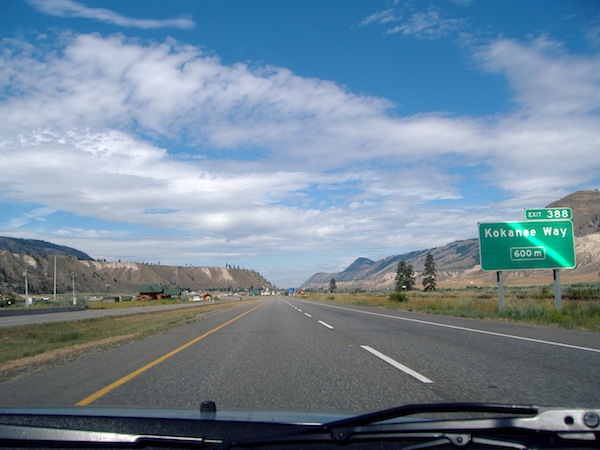
While B.C. residents have been given the go-ahead for local travel, there are still safety restrictions in place, so plan accordingly. (photo by Colin Keigher/en.wikipedia)

What a year so far. For many of us, a driving tour of the Fraser Valley or a trip to a Gulf Island would seem exotic compared to the last months of confinement at home. Which is good, because, while many restrictions are still in place to limit the spread of coronavirus, or COVID-19, provincial parks are now open for day and overnight use and residents have been given the go-ahead for local travel. The B.C. government is expected to further expand travel options this month, when it launches Phase 3 of its province-wide Restart Plan.

For now, health experts are urging the public to pick vacation destinations that are close to home. There are limitations to cross-border travel, including to Alberta, and travelers might need to self-isolate for 14 days upon returning to the province. As well, people are strongly urged at this time not to travel outside of the country, even if it is a day trip to the United States.

When planning your vacation, be aware that some of the businesses that closed when the economic shutdown was announced may not reopen this summer. Also, B.C. destinations outside of Metro Vancouver won’t have kosher restaurants nearby, so those who rely on kosher restaurants when traveling will want to factor that into their planning. Many travelers who keep kosher get around this problem by stocking ahead and preparing meals in the hotel room, campsite or RV.

Travel restrictions may be easing, but social distancing – staying at least two metres or 6.5 feet apart from others – is still in force and probably will remain a standard for the rest of the summer. A limit of 50 people per gathering is required and travelers are being encouraged to continue to “stay within their bubble” of close family or friends at this time.

Automobile and RV travel provide the greatest opportunities for maintaining a social distance. Air and rail travel have additional restrictions attached – passengers not only are expected to maintain the appropriate distance, but to carry a mask for each person on board, and you may be expected to wear it for the duration of the trip.

Cruise ships are not expected to be back in service until Oct. 31, but B.C. Ferries are running limited sailings and at 50% capacity, so book ahead when possible and arrive early.

Air travel in particular comes with an added risk of exposure, since airplanes aren’t generally designed to accommodate social distancing. However, all public carriers have implemented additional cleaning procedures to reduce the risk of passengers’ exposure to the virus.

There are a number of steps that travelers can take to reduce their risks of getting COVID-19 and to make this year’s vacation all the more comfortable.

  • Determine your risk before you go. Seniors and individuals with underlying health issues have a higher risk of complications if exposed to COVID-19. If you, your traveling companions or the people you regularly live with would be considered high risk, consult your doctor first, or consider staying home this summer.
  • Don’t leave home without reservations in place. Pre-plan your trip and find out ahead of time what destinations are open and which aren’t.s
  • If you plan to stay in a hotel or motel, pick accommodations that can allow for proper social distancing. Popular destinations and attractions that are known to be crowded or sold out during the summer months may be a better choice for next year.
  • If you’re camping or staying in an RV, choose parks that have the spacing to allow for social distancing. Don’t be afraid to call the park and ask about its amenities, including the distance between campsites. Some parks are already staggering their reservations to allow for more spacing. B.C. Parks, which began opening its campgrounds last week, announced that it will open campsites with social distancing in mind. That means, as well, that reservations are highly recommended.
  • Plan your meals and stock up. This will reduce your dependence on stores and restaurants, which may be crowded this summer, especially in smaller towns or at roadside stops.
  • Bring cleaning supplies. We’ve spent months sanitizing and polishing our own counter tops to stay COVID-19-free. Don’t forget to carry on the practice while you are traveling.
  • Carry a generous amount of patience with you. It’s been a tough spring for everyone and summer is finally upon us. Be kind and enjoy your trip!

Jan Lee’s articles and blog posts have been published in B’nai B’rith Magazine, Voices of Conservative and Masorti Judaism, Times of Israel, as well as a number of business, environmental and travel publications. Her blog can be found at multiculturaljew.polestarpassages.com.


For more information

  • Destination B.C.: destinationbc.ca
  • B.C. Ferries: bcferries.com/about/projects/covid-19.html
  • Inland ferries: gov.bc.ca/gov/content/transportation/passenger-travel/water-travel/inland-ferries
  • Travel advisories: travel.gc.ca/travelling/advisories
  • B.C. Parks: bcparks.ca and bcparks.ca/covid-19/parks-affected

Boy makes historical find

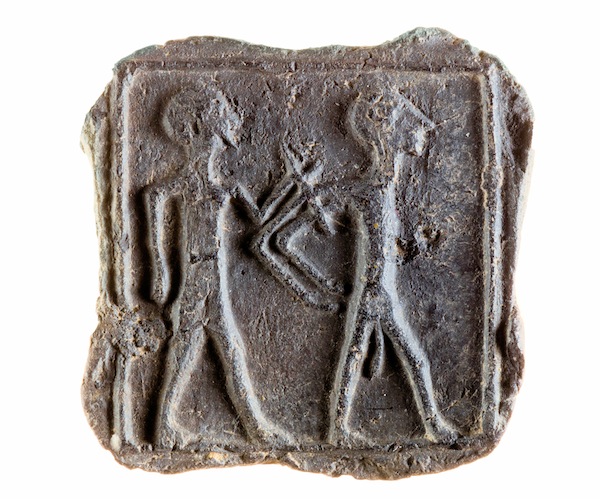
The tablet found by Imri Elya. (photo by IAA via Ashernet)

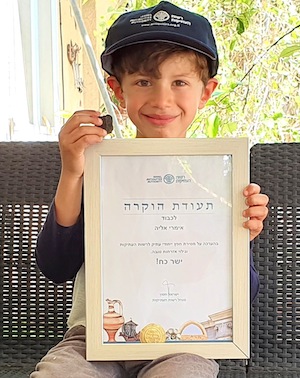
Imri Elya was on an outing with his parents at Tel Jemmeh archeological site near Kibbutz Re’im when he picked up the square clay object. His parents contacted the Israel Antiquities Authority (IAA) and they handed over the item to the authority’s National Treasures Department.

photo - Imri Elya, 6, from Kibbutz Nirim, near the Gaza Strip, holds his certificate of good citizenship and the tablet he found
Imri Elya, 6, from Kibbutz Nirim, near the Gaza Strip, holds his certificate of good citizenship and the tablet he found. (photo by IAA via Ashernet)

According to archeologists Saar Ganor, Itamar Weissbein and Oren Shmueli of the IAA, the artifact was imprinted in a carved pattern, and the artist’s fingerprints even survived on the back. The tablet depicts the scene of a man leading a captive. According to the researchers, “The artist who created this tablet appeared to have been influenced by similar representations known in Ancient Near East art. The way in which the captive is bound has been seen previously in reliefs and artifacts found in Egypt and northern Sinai.”

They date the artifact to the Late Bronze Age (between the 12th and 15th centuries BCE) and believe that the scene depicted symbolically describes the power struggles between the city of Yurza – with which Tel Jemmeh is identified – and one of the cities close to the Tel, possibly Gaza, Ashkelon or Lachish, or the struggle of a nomadic population residing in the Negev. The researchers believe that the scene is taken from descriptions of victory parades; hence, the tablet should be identified as a story depicting the ruler’s power over his enemies. This opens a visual window to understanding the struggle for dominance in the south of the country during the Canaanite period.

About the Summer 2020 cover

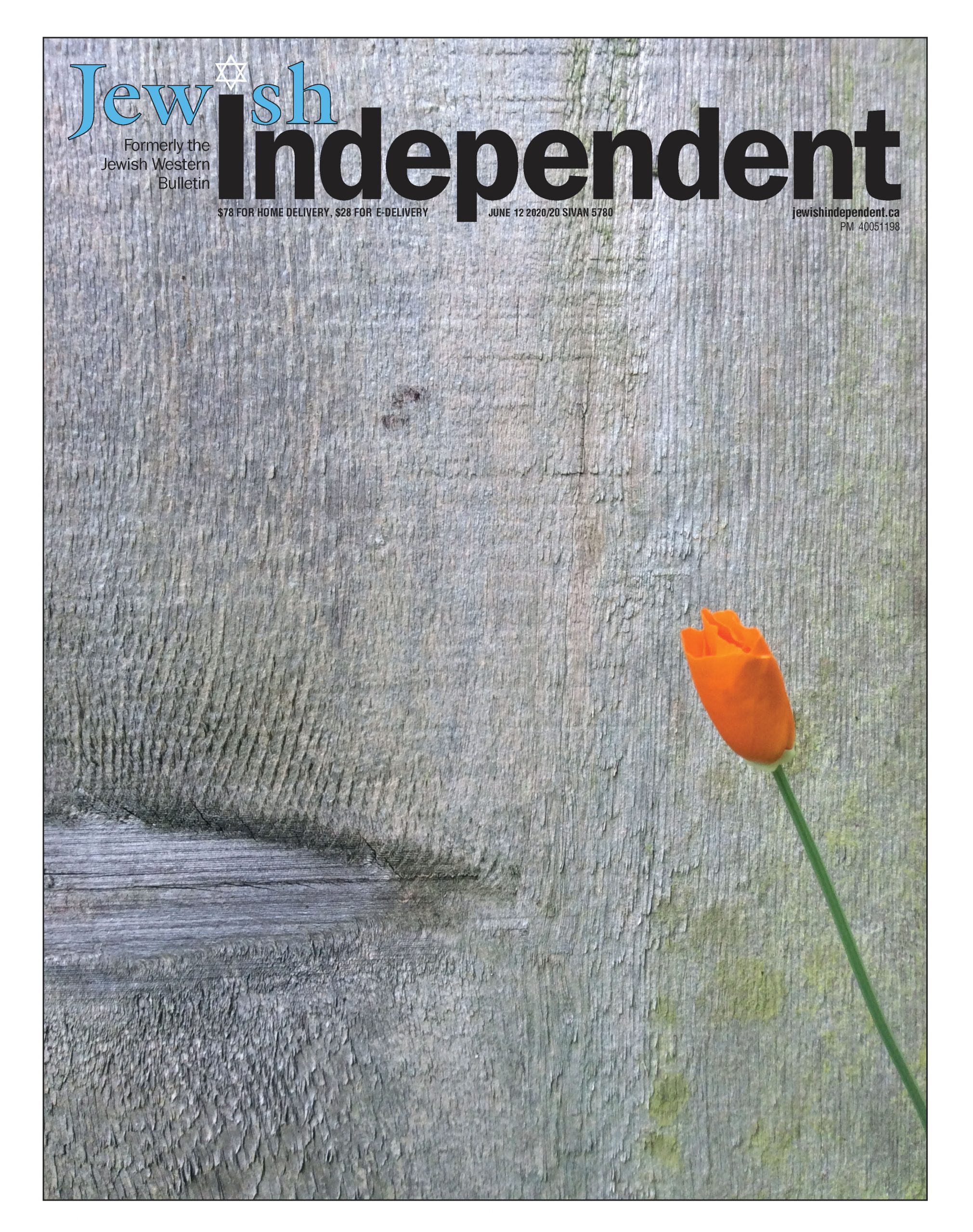
photo - Summer issue cover, 2020(photo by Cynthia Ramsay)

Normally, this special issue would be called Summer Celebration and have a multi-page pullout calendar of events. This summer, however, is unique and more sobering. The photograph is meant to reflect our current reality. We have no idea what lies ahead but remain hopeful for a brighter future.

הרבה הלוויות וחתונה אחת

ראש הממשלה בנימין נתניהו
(U.S. Department of State)

המראות הקשים מהחדשות האחרונות העיבו על רוחי. המגפה הנוראית הזו גבתה את חייהם של רבים בקנדה ובעולם כולו.

מה עושים שאלתי את עצמי מספר פעמים עד שעלה במוחי רעיון מעולה. דבר שישמח את כולם. קודם כל את בת זוגתי אהובתי שתחיה, וכן השכנים, תושבי ונקובר ואולי המדינה כולה. רעיון מבריק, רעיון נפלא – התחלתי לדקלם לעצמי.

כתבתי מספר מילים על פתק קטן כדי שבטעות לא אשכח מה להגיד ברגע המתאים. רצתי בעליזות מרובה למטבח והצלחתי איכשהו לעלות על השולחן הרעוע ולעמוד עליו ביציבות לא יציבה. הוצאתי את הפתק מכיס חולצתי והתחלתי להקריא בקול חזק ורם כיאה לאיש חזק ודומיננטי כמוני. הרמתי את ידי למעלה ממש כמנהיג המטבח בדקות חשובות אלה. וכך אמרתי בהתרגשות רבתי תוך דמעות חונקות את גרוני: “אהובתי, יקירתי, אהבת חיי לנצח נצחים. אני מכריז בזאת כי לאחר שימצא החיסון למגפה שנפלה עלינו משמיים, אציע לך באופן רשמי נישואין. לאחר מכן נצא לירח דבש באחד המקומות האהובים עלינו בטבע. רק את ואני, יד ביד, לחי ללחי. אני בטוח אהובתי שהצעתי תשמח אותך, ואולי אף תרים את המורל השפוף של רבים רבים הסובלים עתה ממראות המגפה”.

לאחר סיום הנאום הצלחתי בכוחות אחרונים לרדת מהשולחן וכמעט התהפכנו שנינו. לאחר שנעמדתי על הרצפה היציבה מזיע ונושף ארוכות, הבחנתי לצערי שאהובתי כלל לא מגיבה בשמחה נוכח הצעתי הנדיבה. היא המשיכה לבהות מול מסך הטלוויזיה. באותו זמן הוקרנה סדרת טלוויזיה באנימציה שנוצרה לאחרונה בישראל. הספקתי להציץ במסך ולראות תמונה הזויה לחלוטין. ראש ממשלה מקומי שמחזיק בקרנות השלטון כעשרים שנה הצליח שוב להקים ממשלה והפעם כיאה לו היא רחבה וגדולה מאוד. האופוזיצה כך מתברר במקום להתנגד לו התחברה אליו. כך שהוא ימשיך לשבת על כיסא המלך למרות כתב אישום חמור נגדו. יקירתי נאותה סוף סוף להוריד את העיניים מהמסך ולהסתכל אלי ישירות. וכך אמרה לי בכעס רב: “נו באמת האם אתה חושב שאני טיפשה מטופשת. מחר ימצא חיסון וניתחתן? הרי זה ייקח שנים על גבי שנים. וחוץ מזה אתה חושב שאני יכולה להאמין לישראלים שכמוך. תראה על המסך איך אתם עובדים אחד על השני. וראש הממשלה שלכם עובד על כולם שוב ושוב”.

ולסיום דבר מה שכתבתי לאחרונה על ישראל:

ביבי גרם לנו אנחה ארוכה ארוכה.
ואולי בעצם הרבה אנחות או שמוטב אפילו להגיד אין ספור אנחות.
זהו שיר שלי למחות על מה שעושה ראש הממשלה הנצחי של ישראל לנצח ישראל.
כפי שאמר היוצר שלום חינוך בשירו המעולה והרלונטי היום יותר מאי פעם: “הציבור מטומטם ולכן הציבור משלם” – מה עוד צריך לקרות שבישראל יתעוררו ויבינו שראש הממשלה הוא בעצם ראש כת (משפחת נתניהו המלכותית) שמהלכת אימים על רבים ובעיקר על חלשים ועניים.
מה עוד צריך לקרות שהאזרחים יקראו את הכתובת על הקיר ויבינו שהממשלה הרחבה הנוכחית היא יריקה בפרצופם של משלמי המיסים.
לא נשכח שמתנהל משפט על חלק מחטאי ראש הממשלה והגיע הזמן שהוא ישלם מחיר על מה שעשה כי אחרת – הוא ימשיך לעשות עוד ועוד לכיסו המנופח.
אפשר להגיד את זה באנגלית או בעברית: הראש מושחת והשחיתות משתלטת על כל חלקה טובה מרחוב בלפור והלאה.

למי שגר כאן בקנדה הבעיות בישראל נראות רחוקות ואולי אף הזויות

לכן אנו גרים כאן ולא שם ולכן אנו רחוקים.