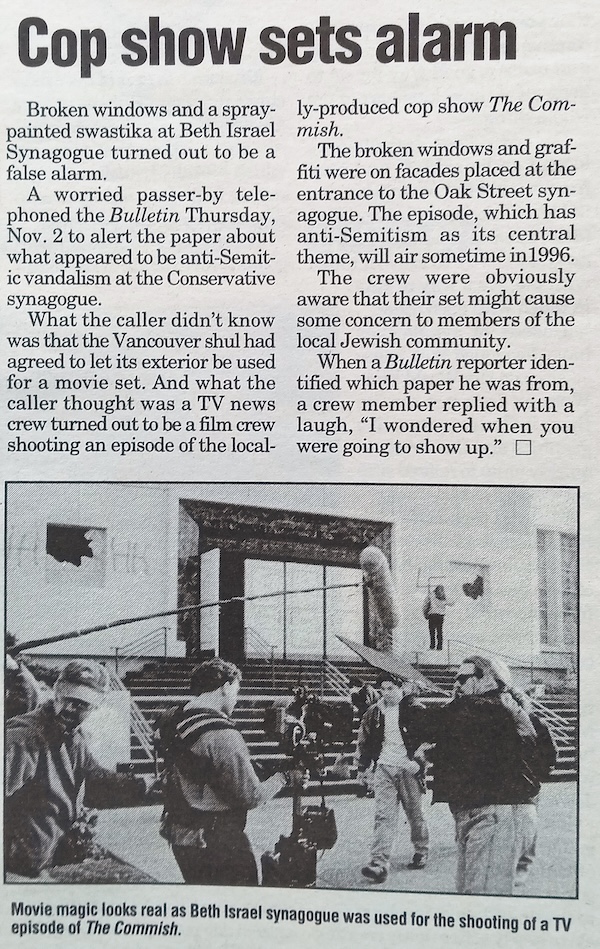
My latest trip down a rabbit hole was inspired by this issue’s theme of Finance & Law. One of the first news items that caught my eye was “Model for U.S. Coin Revealed as a Jewess at Marriage.” The two-paragraph story appeared in the July 24, 1930, copy of one of the Jewish Independent’s predecessors, the Jewish Centre News.
“Through her marriage it was revealed that Miss Doris Doscher, whose face adorns the new twenty-five cent pieces issued by the National Treasury, is a Jewess. She was married yesterday to Dr. H. William Baum at the Jewish Institute of Religion,” reads the article.
“Miss Doscher was selected several years ago by the government representatives as the model for the new twenty-five cent pieces because she characterized ‘the highest type of American Womanhood.’”
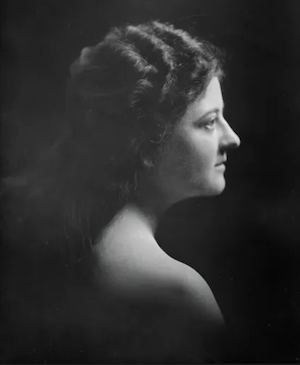
Doscher, who lived from 1882 to 1970, was an actress (in silent films!) and model. Her main claim to fame movie-wise seems to have been the role of Eve in 1918’s The Birth of a Race. Her most famous modeling ventures were for the Standing Liberty Quarter (in circulation 1916-1930), designed by Hermon Atkins MacNeil, and for the Pulitzer Fountain of Abundance by Karl Bitter (and Thomas Hastings, according to nycgovparks.org), which was dedicated in 2016, having been completed by Isidore Konti and Karl Gruppe after Bitter died in 1915. The fountain is located at Grand Army Plaza in Manhattan.
From the late 1920s, Doscher worked as a newspaper columnist and radio broadcaster, even having her own health and beauty column for a time; she also lectured on the topic. But, back to the Standing Liberty Quarter, which was controversial for a couple of reasons.
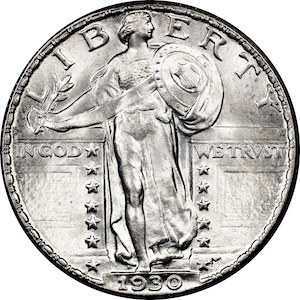
The first iteration of Liberty was quite risqué, with her right breast exposed, which apparently appalled the women’s movement of the day, as well as clergy and others. According to edmontoncoinclub.com, “The initial production run of 52,000 pieces had made their way through the Treasury system by January 1917; by then, the production of the ‘Type 1’ 1917 issue was already in full-swing … but by early 1917 clearly something had to be done. Hermon MacNeil was obliged to modify his design, which he strenuously objected to [an article on uscoinnews.com asserts that MacNeil never authorized the design change], and the reasons that were given to him by the mint were everything from poor striking characteristics, relief problems, die wear, coin wear, anything else but that exposed breast. The dies were modified in time for the 1918 strike (known as ‘Type 2’), and it featured a now ‘clad-to-the-neck’ in chain-mail Liberty.” Other changes were made for that casting and there were later revisions.
“The last run of the Standing Liberty Quarter took place in 1930, with only Philadelphia and San Francisco minting them. None were made in 1931 or 1932, possibly reflecting an oversupply because of the Great Depression, which had decimated the world economy in 1929,” notes the article on edmontoncoinclub.com.
The second controversy – which is still unresolved – arose after Doscher died. In 1972, another actress and model, Irene MacDowell, claimed to have been MacNeil’s model. According to various reports, her husband was friends with MacNeil and would not have approved of her modeling for the sculptor, hence, the secrecy. Another rumour is that MacNeil’s wife considered MacDowell a threat to her marriage, and so the sculptor kept her identity hidden.
It may never be known whether MacDowell or Doscher was the real model for the Standing Liberty Quarter, but Doscher was publicly credited, becoming known as known as “the girl on the Quarter.” And the moniker stuck. As noted on a memorial site for MacNeil (hermonatkinsmacneil.com), “100 years after the birth of Hermon MacNeil and fifty years after the Standing Liberty Quarter was minted, Doris Doscher Baum appeared on the TV quiz show I’ve Got a Secret on April 4, 1966.” The video is on YouTube.
There’s even more on this whole topic – including the reason the Standing Liberty coin was made. According to a blog on greatamericancoincompany.com, “When Robert W. Woolley took office as Mint director in April 1915, he asked [Philadelphia Mint superintendent Adam] Joyce to have [Mint chief engraver Charles] Barber submit some new designs for the dime, quarter and half dollar. It seems Woolley misinterpreted a memo from the assistant treasury secretary stating that coin designs could be changed after 25 years. Woolley took it to mean they must be changed and set the redesign wheels in motion.”
Barber’s suggested designs did not impress, and so a few sculptors were asked to make a submission, and MacNeil’s won. In the end, the blog notes, more than 214 million MacNeil quarters were made.
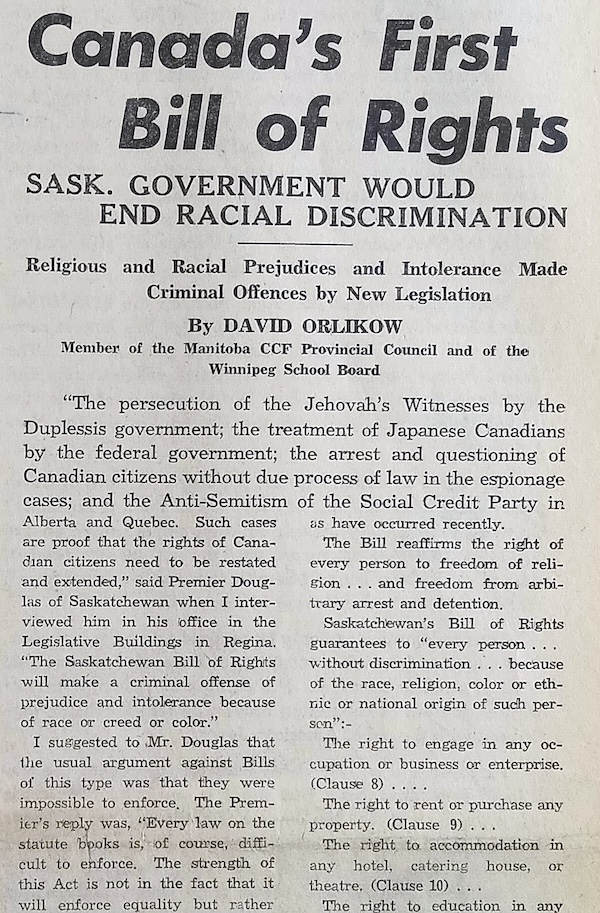
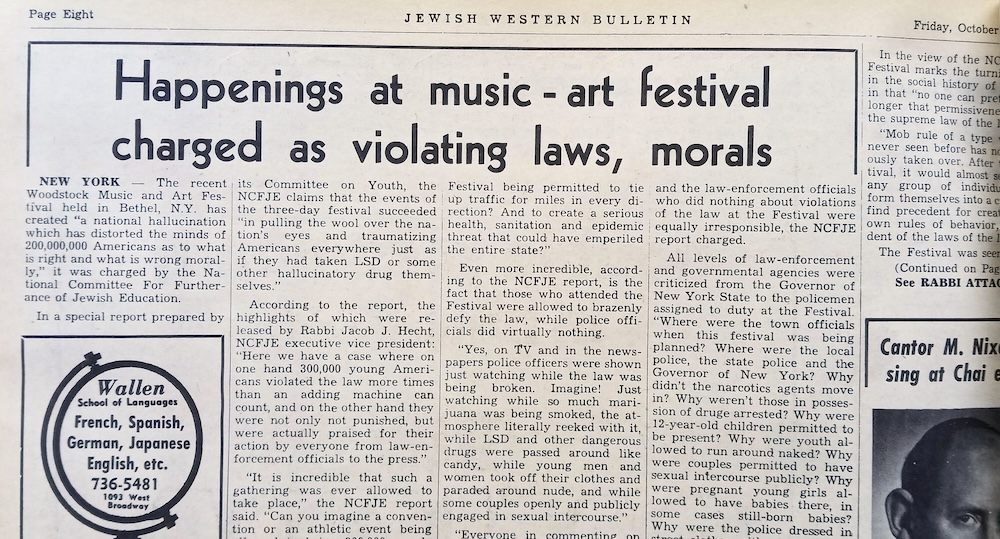
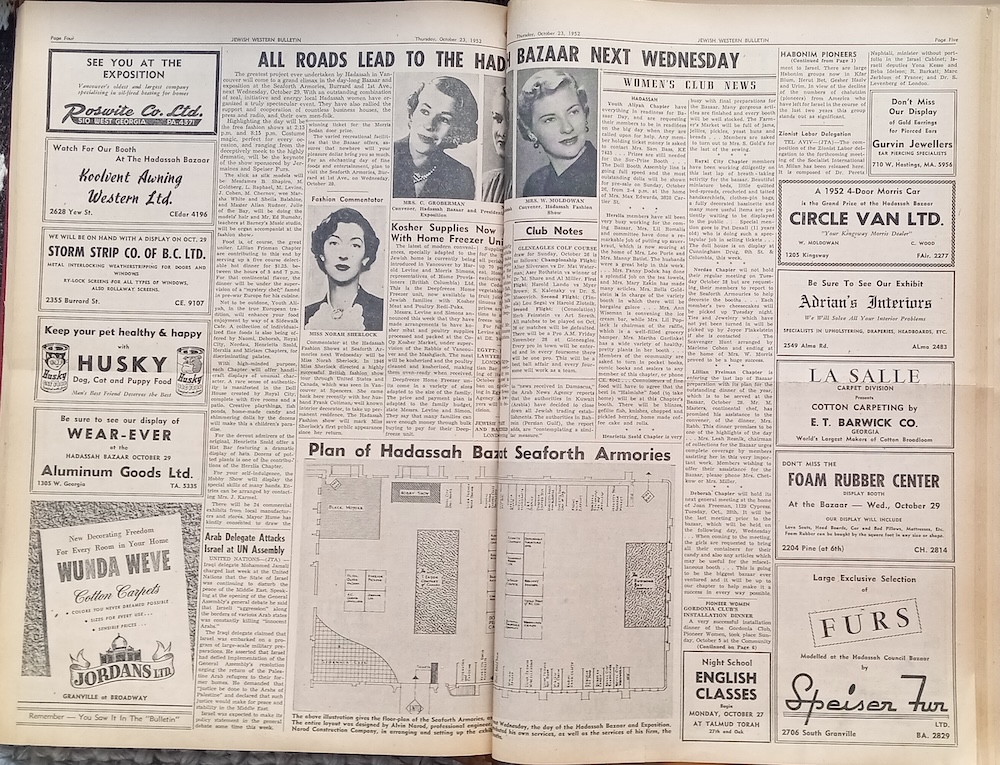
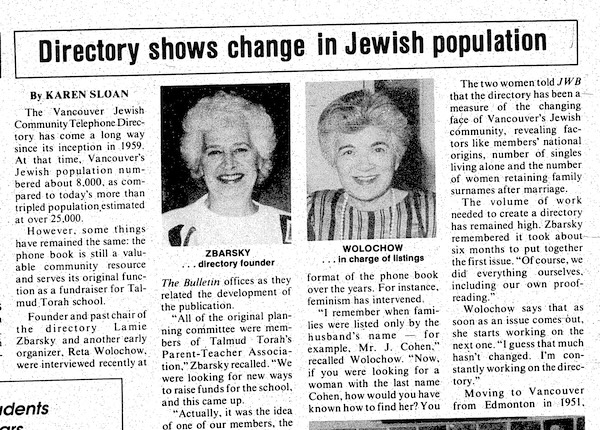
I could have spent as many hours exploring the other clippings I picked for this issue’s theme. I settled on a group that, to me, shows the paper’s diversity, as well as how technology and societal attitudes change over the years.