
Spinach’s versatility, power

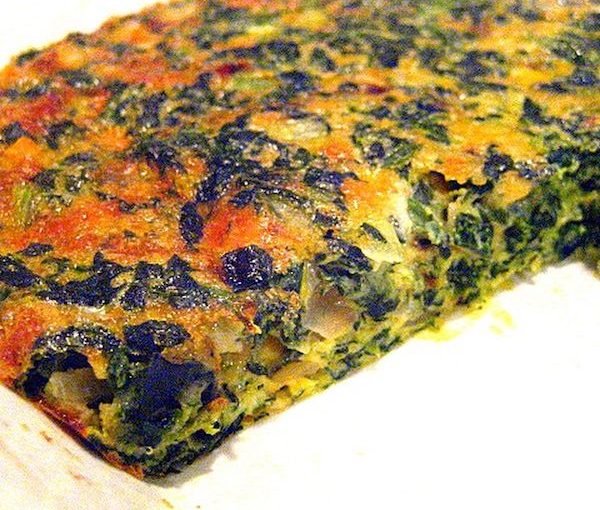
With spinach cheese pie, there likely won’t be leftovers. (photo from Shelley Civkin)

What’s chock-a-block full of healthy vitamins and minerals, packed with fibre and gives you humongous muscles, if Popeye, the muscle-bound, pipe-smoking sailor is to be believed? You got it – spinach! According to the internet (and who doesn’t believe everything there), the comic strip hero Popeye helped increase American consumption of the once-much-maligned spinach by around 30%. All because of his eating habits. Popeye’s famous line – “I’m strong to the finish ’cause I eats me spinach” – while grammatically heinous, does have a whiff of truth to it. Apparently, spinach, which contains lots of iron, can boost muscle strength. So, listen to pumped-up Popeye and eat your spinach! You might even want to try it with a little Olive Oyl.

Personally, I don’t see what all the fuss and resistance is about. It’s such a versatile vegetable – you can sauté it, make a salad out of it, use it in lasagna, mix it together with orzo, feta and sundried tomatoes. The sky’s the limit. Spinach is the quintessential blank canvas, but adds the health factor and colour element that every bona fide foodie seeks.

One of my favourite ways to use spinach is in a dish that can serve as a main or a side. Even spinach haters adore my famous spinach cheese pie. The recipe is straightforward, relatively healthy (unless you’re lactose intolerant or fat-phobic) and never fails to elicit endless oohs and aahs. For those people who can’t tolerate milk products, you can always substitute soy cheese and lactose-free milk. You can barely tell the difference. You can thank me later.

SPINACH CHEESE PIE

2 tbsp butter
3 eggs
3/4 cup flour
1 cup milk
2 10-ounce packages frozen spinach (cooked)
1 tsp salt
1 tsp baking powder
1 lb Monterrey Jack cheese, grated

Preheat oven to 325ºF. Melt butter in a 9-by-13-inch glass pan. Make sure the melted butter coats the bottom and sides of the pan.

Cook and drain spinach. Be sure to squeeze out all the water, then chop it finely in a food processor.

In a large bowl, beat the eggs. Add dry ingredients (flour, salt, baking powder) and milk, alternately. Mix well by hand.

Add grated cheese and spinach, and mix well by hand. Pour into the prepared pan.

Bake for 35 to 40 minutes, until slightly brown on top. Cool at least 30 minutes, then cut into squares and serve. I’m usually too hungry and skip this last step of waiting. Cooling it down, however, does make it easier to cut. And, well, patience is a virtue.

This spinach pie freezes really well and reheats perfectly in the microwave, but, believe me, there usually isn’t anything left to freeze or reheat. On one or two occasions, I’ve been known to eat it cold, right out of the fridge. Late at night. With a certain clandestine aura about me. Right … busted.

While your family – or, in non-COVID times, your guests … remember what those are? – relaxes before dinner, waiting with bated breath for your spinach cheese pie, you can serve them my popular olive dip. Caveat: I don’t have a particular recipe for it and I don’t use specific measurements – I just taste it as I go along. For someone who’s a hardcore Type A personality, this is highly unusual behaviour. But, somehow, I’m able to operate on simple faith when it comes to this. Truth to tell, it’s pretty hard to screw up.

Another caveat: even in non-COVID times, or inside your COVID bubble, be sure not to breathe on strangers or prospective love interests after eating this dip, because the garlic is flavour-forward. Depending on your love/tolerance for garlic, add as little or as much as you want. I start with one clove, but I’ve been known to up the ante for a large batch. This olive dip is decidedly non-dietetic, unfriendly for hypertensives and verboten for those watching their cholesterol. Otherwise, it’s the perfect pre-dinner dip. It makes a great tapas dish, and plays well with other Middle Eastern appies like hummus and baba ghanoush.

In the spirit of full disclosure, I never met an olive I didn’t like. My recipe calls for the plebian green olives stuffed with pimento, but, if you’re a risk-taker, you could try using other kinds. Just be sure not to use ones with an overpowering flavour. The mayonnaise in my recipe tends to smooth out the flavour and make it less sharp, so consider that when choosing your olives.

I never get sick of this recipe and it’s one of those dips you just can’t get enough of. It’s cheap and easy. Pre-COVID, I used to serve this a lot to friends, who would stuff themselves on the dip, then wonder why they were too full to eat dinner. Of course, the pita I serve with it makes it a much more filling appie. People will think you went to all sorts of trouble making it, so, if you want to maintain your kitchen cred, pretend that it’s an old family recipe and politely decline when they ask you to share it. Or … be a sport and let the world know what a lazy cook you really are.

OLIVE DIP

green olives with pimento (also called Manzanilla olives)
mayonnaise
fresh garlic
a squeeze of lemon juice (optional)

Throw all the ingredients into a food processor and blend away! It’s a dish best served cold (as is revenge), but really any temperature will do.

Pita or pita chips are a filling way to stretch this appetizer, but it also works nicely with crackers or thick potato chips. If you want to zhuzh it up a notch, add a couple of black Moroccan olives to it. And make lots of it because, mark my words, it’ll go fast. I’ve been caught dipping my toast into it for breakfast more than once. And, yes, I’m aware that garlic breakfast breath is not overly appealing, but I always floss and brush extra exuberantly after doing this. And, I usually do it when no one’s around. But be sure to turn off the nanny cam first.

Shelley Civkin, aka the Accidental Balabusta, is a happily retired librarian and communications officer. For 17 years, she wrote a weekly book review column for the Richmond Review. She’s currently a freelance writer and volunteer.
The home comfort of soup

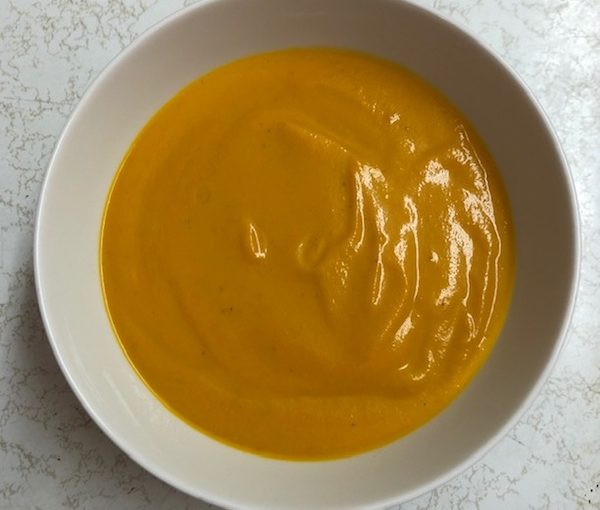
Cookie + Kate’s creamy roasted carrot soup, as made by the Accidental Balabusta. (photo by Shelley Civkin)

Nothing screams for comfort food quite like a COVID-19 pandemic. And nothing spells comfort food quite like soup. So, while the spirit of sharing is upon me, I present to you: roasted carrot soup. I’d love to say I made the recipe up, but you know I’d be lying. Credit where credit is due, and all that. It’s a recipe by blogger Kate, who, along with her canine sidekick, Cookie, make up the duo Cookie + Kate. (Why the dog gets top billing, I don’t know. Maybe he’s the taste-tester?)

I suppose it was one of these endless pandemic days where I was stumped for dinner ideas and thought – soup. It’s filling, especially if you add a nice sourdough or baguette, and you don’t need to make a bunch of other stuff, really. A salad, maybe? Perfect for lazy cooks.

The Cookie + Kate recipe is easy, if time-consuming, but you won’t regret it, I promise. And it’s creamy and dreamy, with no dairy in it at all. Prosaic as it sounds, this soup is like hitting the culinary lottery. Don’t be put off by the multitude of instructions; it’s worth every single one. Being a lover of platitudes, you know what they say – the journey of a thousand miles begins with a single step.

CREAMY ROASTED CARROT SOUP

2 pounds carrots
3 tbsp extra-virgin olive oil, divided
3/4 tsp fine sea salt, divided
1 medium yellow onion, chopped
2 cloves minced garlic
1/2 tsp ground coriander
1/4 tsp ground cumin
4 cups chicken broth or vegetable broth
2 cups water
1 to 2 tbsp unsalted butter
1 to 1 1/2 tsp lemon juice, to taste
freshly ground black pepper, to taste

  1. Preheat oven to 400ºF. Line a large rimmed baking sheet with parchment paper.
  2. Peel carrots then cut them on the diagonal so each piece is about a half-inch thick at the widest part.
  3. Place carrots in a plastic bag with two tablespoons olive oil and half teaspoon salt. Massage them so all carrots are coated in oil. Arrange on the baking sheet in a single layer.
  4. Roast carrots until they’re caramelized on the edges and easily pierced with a fork, 35 to 40 minutes, flipping halfway.
  5. Once the carrots are almost done, warm the remaining one tablespoon olive oil in a soup pot over medium heat until shimmering. Add the onion and quarter teaspoon salt. Cook, stirring occasionally, until the onion is soft and turning translucent, five to seven minutes.
  6. Add the garlic, coriander and cumin. Cook until fragrant while stirring constantly, about 30 seconds to one minute. Pour in the vegetable broth and water, while scraping up any browned bits on the bottom with a wooden spoon.
  7. Add the roasted carrots to the pot once they’re cooked. Add the butter, lemon juice and pepper. Bring the mixture to a boil over high heat, then reduce the heat to maintain a gentle simmer. Cook for 15 minutes.
  8. Once the soup is done cooking, remove the pot from the heat and let it cool for a few minutes. Then, carefully transfer the hot soup to a blender, working in batches if necessary. (Don’t fill past the maximum fill line.)
  9. Blend until completely smooth. Add additional salt and pepper if necessary. It’s ready to serve.
  10. Keeps well in the refrigerator, covered, for about four days, or for several months in the freezer. But, believe me, it won’t make it to the freezer.

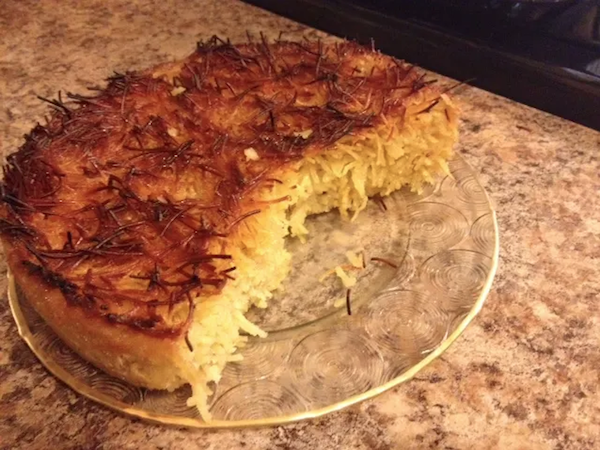
APPLE RUM NOODLE KUGEL
(Since it is mere weeks until Pesach, now is the time to get your kugel on. This one is a boozy take on the traditional apple noodle kugel. It’s sweet, slightly alcoholic and scrumptious.)

2 tbsp unsalted butter
3 large apples, peeled, cored and diced into 1/4” to 1/2” pieces
12 oz curly broad egg noodles
4 eggs
1/2 cup brown sugar
1 tsp vanilla extract
2 tbsp rum
1/2 tsp ground cinnamon

  1. Preheat oven to 350ºF. Grease a 9”-by-13” baking dish.
  2. Begin heating a large pot of water.
  3. Melt one tablespoon butter over medium-high heat in a large skillet and add the apples. Cook, tossing in the pan, until they begin to colour and are slightly tender, about five minutes. Remove from heat.
  4. When the water comes to a boil, add the noodles. Cook as per the package instructions, then drain through a colander and add them to the pan with the apples. Add the remaining tablespoon butter and toss together until the butter melts. Set aside to cool.
  5. Beat the eggs in a large bowl. Add the sugar and beat together. Beat in the vanilla, rum and cinnamon.
  6. Add the noodles and apples and fold everything together. Pour into the prepared baking dish.
  7. Bake covered with foil, for approximately 20 minutes, then uncovered for the remaining 20-25 minutes, until the kugel is set and the sides are browned. If you like the noodles crispier on top, remove the foil a bit earlier. Allow to sit for at least 10 minutes before serving.

The rum makes it just a little naughty, and exceedingly rich-tasting. Definitely company-worthy. Not that we can have people over during a pandemic, but still. Like my father Sidney, alav hashalom, used to say: “I’m the most important company in my own home!” That, by the way, was his standard response whenever anyone asked him why he always used a linen napkin (even at breakfast). The fact was, the paper ones slipped off his lap, but never mind. He deserved the best.

When everything you need to know about 2020 (and 2021, so far) can be summed up by Velcro, Spandex, Zoom and facemasks, it’s nice to kick it up a notch just for, well, no good reason at all, except that you can. So, treat yourself to a little mid-week decadence and throw in that kugel rum. You might even want to indulge in a little shot glass of the stuff before dinner, just to round out the meal. Or not.

Shelley Civkin, aka the Accidental Balabusta, is a happily retired librarian and communications officer. For 17 years, she wrote a weekly book review column for the Richmond Review. She’s currently a freelance writer and volunteer.
Cookin’ old school meatloaf

As if the pandemic weren’t enough, I’m supposed to think of something tantalizing and healthy to cook every night? Right. Roger that. My motto is: go with the tried and true. Or, given the times we’re in: go with the tired and true. Translation: something my mom used to make in the 1960s and ’70s. Something delicious but notoriously unhealthy.

Let’s face it, back then, the general public didn’t know bupkas about heart-healthy diets, Keto or low cholesterol. Not even doctors’ families. Nobody measured their BMI (body mass index) at the gym, because no one went to the gym. No one had their goal weight etched in their brain. It was a kinder, gentler time. Albeit with lots more spontaneous and fatal heart attacks and strokes. But still.

Back to the task at hand. It was a dark and stormy afternoon. I was tired. Really tired. Of cooking. But we have to eat. So, I did what any self-respecting accidental balabusta would do: I pulled out my mother’s old National Council of Jewish Women Cookbook. It’s a miracle that it isn’t falling apart after all these decades doing yeoman service. As I was searching for something simple and doable within 30 minutes, I happened upon a dog-eared page. One my mother had probably marked for good reason. Which is ironic, since the standing joke in my family was this – as soon as my mom cooked anything that my dad loved, she never made it again. We’ve speculated on the rationale for years. Was it intentional? Happenstance? Payback for something? Maybe it had to do with the electric can opener my dad gave mom for her birthday one year; or was it their anniversary?

The dog-eared recipe, thankfully, was – drum roll, please – Meatloaf. Yes, Virginia, you heard correctly, Meatloaf. I capitalize it because, well, it deserves the recognition. There is no problem in this world that can’t be solved by a good meatloaf. (Alright, maybe athlete’s foot and world wars, but, otherwise….)

In sync with the majority of the recipes in that cookbook, it called for an envelope of onion soup mix, undoubtedly a staple in those days. Chip dip – sour cream and onion soup mix. Spinach delight – onion soup mix. Apricot chicken – onion soup mix. Being a culinary rebel (ha!), I decided to go rogue and omit the onion soup mix. I had to draw my own line in the sand. And I swapped Panko for breadcrumbs. This recipe makes a moist, dream-of-a-1960s dinner. Once again, you’re welcome. You may be excused from the table.

MEATLOAF

2 lbs ground beef (extra lean)
1 1/2 cup soft breadcrumbs (or Panko)
2 eggs
1/2 to 3/4 cup water
1/3 cup ketchup (or, as they called it in the ’60s, catsup)

Preheat the oven to 350°F. In a large bowl, combine all the ingredients and place the mix into a greased loaf pan. (I covered the top with more ketchup – I know, very radical). Bake for approximately one hour.

It doesn’t get much easier than this. Seriously. Both Harvey and I kept cutting little pieces off, to even out the end. We were insatiable! We easily ate half of this two-pound loaf in one sitting, and polished off the rest the next day in sandwiches. What can I say? We’re dyed-in-the-wool carnivores.

To switch it up a little, and marry old school to multicultural, I also made Greek lemon potatoes. While I could eat meat and potatoes every night of the week, I don’t. And don’t go getting all judgy on me, either – there was broccoli in attendance.

The Greek lemon potatoes were a new thing for me (the making part), and I only made the Greek kind because I had a bunch of fresh rosemary leftover from baking focaccia the day before. (It was delicious!) Plus, we had a truckload of lemons in the fridge getting overripe from neglect (scurvy in our future?). I have to say, the potatoes were simple and simply delicious. Again, Harvey declared them “guest-worthy.”

GREEK LEMON POTATOES
(from recipetineats.com)

2.5 lbs potatoes (about 4 large russets)
1 1/2 cups chicken broth
1/2 cup olive oil
1/3 cup fresh lemon juice
5 cloves garlic, minced (I used 4)
2 tsp salt (I used 1 tsp)
dash of pepper
1 tbsp dried oregano (I used 2 tbsp fresh rosemary instead)

Preheat oven to 400°F. Peel the potatoes and cut into semi-thick wedges. Place in a roasting pan with all the other ingredients; toss well. Roast covered with foil for 40 minutes. Remove foil and turn the potatoes. Roast for another 25 to 30 minutes until the liquid is mostly absorbed by the potatoes. If you like your potatoes a bit crispy, leave them in for another five minutes or so.

They end up super-moist, soft, lemony and fabulous. Oh yeah, and garlicky. Harvey said they were even better than the ones at Apollonia, our favourite Greek restaurant. It was hard to refrain from eating the whole darn batch, but we showed the teensiest bit of restraint. After all, we wanted some left over for the next day. They’re like potato candy, if you will. Except better.

Sometimes, the most obvious recipes are the best. I often consult that Council cookbook. Who better to advise on such Jewish delicacies as honey-glazed cocktail franks, deviled tongue canapes and fruited rice salad? I rest my case.

There’s no question that the NCJW of Canada does many admirable things to enhance the community through education, social action, furthering human welfare and more. Far be it from me to make it sound like all they did was produce a cookbook. But, thank you, NCJWC for having done so – the meatloaf alone is worth the price of admission. And, of course, kol hakavod for all the great work you do.

Shelley Civkin, aka the Accidental Balabusta, is a happily retired librarian and communications officer. For 17 years, she wrote a weekly book review column for the Richmond Review. She’s currently a freelance writer and volunteer.
Daring to make tofu, quinoa

It started out as a culinary experiment. A desire to try something completely out of my wheelhouse. Something I knew my husband Harvey would not eat. It involved tofu. And peanut sauce. I was sure he’d like the second part. As for eating tofu, he’d rather have his wisdom teeth pulled out through his ears. But I like tofu, so the dish was for me. And, lest you think I’m a selfish cook, let me be clear: this was a lunch experiment. And I knew that Harvey was already taken care of for lunch.

Since I know that online cooks (and their reviewers) never lie (ha!) I took the word of someone who claimed to have the easiest, tastiest recipe for crispy baked tofu with peanut sauce. Optimum word being “easiest.” I have a rule: if a recipe has more than seven ingredients or more than 10 steps, fuggedaboudit. It’s not like I have a day job and a pack of children vying for my attention. But I’ve always questioned the sanity of preparing and cooking for several hours only to have the eating of the meal take 12 minutes. Just doesn’t seem right. So it’s easy or it’s takeout. 

PEANUT SAUCE
(six servings)

1/2 cup creamy peanut butter
1 cup full fat coconut milk
2 tbsp low-sodium soy sauce
2 tbsp maple syrup
2 tsp fresh grated ginger
2 cloves garlic, minced
2 tbsp fresh lime juice (about 1 large lime)
chopped cilantro and chopped peanuts (optional, for serving)

Add all the ingredients to a medium saucepan, turn the heat to medium and stir constantly until smooth and creamy, about five to 10 minutes.

It doesn’t get much simpler than that. You’ll notice I’m not giving you the recipe for the crispy baked tofu. Why? Because it sucked. The recipe I tried called for extra firm tofu and, according to reviews, it was supposed to come out “crispy on the outside and pillowy soft on the inside.” More like tough, rubbery and tasteless. It could have been my bad. I may have cubed it too small and overcooked it. But I’ll never know. Because tofu is not going to be making an appearance in my home again any time soon. Which is not a problem because, as it turns out, the peanut sauce is spectacular on steak, chicken, broccoli and pretty much every other foodstuff. One sauce fits all, so to speak. A sauce for all seasons. Stop me anytime.

On a happier note, I discovered a different Asian recipe that was a big hit with hubby – Asian Quinoa Meatballs. Like tofu, Harvey would rather stick a fork through his hand than eat quinoa, so I had to improvise and use rice instead. But the result was proclaimed “guest-worthy.” I did break my own rule of no more than seven ingredients, but it was worth it.

ASIAN QUINOA MEATBALLS 

1 lb ground turkey (we like dark meat since white is too lean)
3/4 cup cooked quinoa (or rice)
3 cloves garlic, minced
2 green onions, thinly sliced
1 large egg
1 tbsp soy sauce
2 tsp sesame oil
1 tsp Sriracha, or more, to taste (optional)
kosher salt and freshly ground pepper
1/2 tsp sesame seeds

sauce
1/4 cup soy sauce
2 tbsp rice vinegar
1 tbsp freshly grated ginger
1 tbsp brown sugar, packed
1 tsp sesame oil
1 tsp Sriracha, or more, to taste (optional)
1/2 cup water, plus 1 tbsp
2 tsp cornstarch

  1. Preheat oven to 400°F. Line a cookie sheet with parchment paper.
  2. In a large bowl, combine ground turkey, quinoa (or rice), garlic, onions, egg, soy sauce, sesame oil, Sriracha (optional), salt and pepper. Using a wooden spoon, stir until well combined. Roll the mixture into 1.25” to 1.5” meatballs, forming about 18-20 meatballs.
  3. Place meatballs onto the lined cookie sheet and bake for 18-20 minutes, or until all sides are browned and meatballs are cooked through. Turn once during baking.
  4. To make the sauce, whisk together soy sauce, rice vinegar, ginger, sugar, sesame oil, Sriracha (optional) and the half cup of water in a small saucepan over medium high heat.
  5. In a small bowl, whisk together cornstarch and one tablespoon water. Stir into soy sauce mixture until thickened, about two minutes.
  6. Serve meatballs immediately with sauce, garnished with green onion and sesame seeds.

The taste is very gingery, so consider yourself forewarned. And, if you have hypertension, know that this recipe probably contains your week’s allotment of sodium. That said, it makes a great dinner over rice. Or even rice vermicelli noodles. Actually, it would be perfect for appetizers – when we get to hold dinner parties again, post-COVID. Plus, it’s just as good the next day. Keep in mind ground turkey is very lean, so be careful not to overcook the meatballs. I always buy dark meat to ensure more moistness. The recipe is a bit more patchkerai (fiddly and complicated) than I normally go for, but when I get a reaction like I did from my husband, that tells me all I need to know.

If all this pandemic stuff is making you a little stir-crazy, put your spare energy to good use and try out some new recipes. Your loved ones will thank you. Or not. Depending on whether there’s tofu or quinoa involved. I once tried to sneak a little quinoa into a salad and Harvey sniffed it out like a bloodhound. That was the last time I tried to deceive him culinarily. Clearly, his “just-put-it-in-my-bowl-and-I’ll-eat-it” claim is a touch weak. But I can’t blame him. Quinoa is an acquired taste (and smell). Maybe if I put some peanut sauce on it?

Shelley Civkin, aka the Accidental Balabusta, is a happily retired librarian and communications officer. For 17 years, she wrote a weekly book review column for the Richmond Review. She’s currently a freelance writer and volunteer.
COVID’s impact on new year

(photo by Shelley Civkin)

Not only did I never imagine that I wouldn’t be able to hug and kiss my family during Rosh Hashanah dinner; I didn’t even get to see them this year. Everyone is still hunkering down, keeping out of COVID’s way and staying close to home. At least most people are.

In case you’re one of those people waiting for things to “get back to normal,” I hate to be the one to deliver the bad news, but there is no going back. Normal is a setting on a dryer. Once the world claws its way out of this pandemic, we will be forever changed. Like grief and loss over time, we may not feel worse, but I guarantee we’ll feel different.

What will come out of this topsy-turvy pandemic is something much better. I’m hopeful that everything we’ve lost and sacrificed will be not only rectified, but made even more hopeful, soul-sustaining and life-affirming. I struggle to say these words, because it sounds downright arrogant, considering the losses people have suffered in the last many months, physically, financially and emotionally. But, if I choose to take the other fork in the road, it’s a dark and scary path, and I just don’t want to go there.

This Rosh Hashanah, like every Rosh Hashanah, we celebrated. Just differently. There was no fanfare. There was no cooking. There were no guests. Not even family. Being cautious by nature has stood me in good stead so far this year, and there was no way I was risking it all after such a long haul. So, we scaled down the physical celebration and revved up the spiritual one. We read more about the High Holiday rituals and their significance this year than ever before; we recited the blessings more powerfully than in the past; and, from our very core, my husband and I sincerely wished each other a healthy, sweet and good new year. And we meant it like never before.

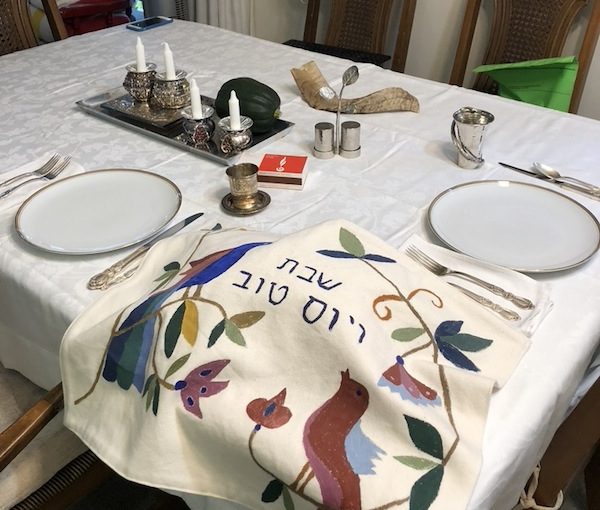
In past years, I would fuss and bother and cook and bake. This year, I didn’t have the emotional or physical koach (strength) for it all. Preoccupied with health challenges, I decided to take the easy way out and have our meals catered from Chef Menajem. Not only was the food spectacular, but it made things (read: pandemic isolation) a bit easier to accept. I set an elegant (if empty) table, got out my silver candlesticks, draped the sweet challah with my homemade Yom Tov challah cover, and we proceeded to eat Rosh Hashanah dinner alone. Just the two of us. It was slightly eerie, but, at the same time, absolutely perfect. And, yes, that’s an acorn squash adorning the table. I didn’t even have the wherewithal to track down a pomegranate. And, while an acorn squash isn’t a first fruit, it was my first squash of the year. I’m sure G-d will understand.

A feeling of tremendous blessing came over me as I realized just how lucky we are to have each other, my husband Harvey and I. Thinking of our single, divorced and widowed friends, and the loneliness and isolation they’re feeling right now, my heart breaks. How I would have loved to invite those friends to our home to join our modest New Year’s celebration. A little wine, a lot of food, some brachot, some honey cake. But COVID-19 was having none of it.

Turns out, COVID-19 is a big, huge bully. It doesn’t care one iota about anyone’s feelings; it doesn’t want to know from suffering or depression or desperation. But, we know, and we’re fighting back. With joy. As many of you know, lots of local Jews took to the parks and beaches to hear the shofar on Rosh Hashanah this year and I, for one, infused much more meaning into the holiday than I can ever remember. Because I could. And it was a very conscious choice. Not only is Rosh Hashanah part of our heritage, it’s our right. And we sure as heck weren’t going to let COVID take that away from us, too. Everything just seemed to magnify this year – the holiness, the urgency, the depth of feeling. And, while it may have seemed a bit lonely from the long view, it was nothing short of superb close up.

Stepping in to fill the spiritual void so many of us are experiencing this year, there are dozens (if not hundreds) of rabbis and synagogues around the world offering online Jewish learning. I want to say a personal thank you to all of you. You are a lifeline, literally. Because of you, I am studying and learning more about my Judaism, and participating in its mitzvot to an extent that’s surprising even me. Never before has finding meaning and purpose taken on such enormous importance. Our mission isn’t just to stay alive; it’s to thrive, even in the face of this brutal pandemic. We, as a people, are stronger than that. Unfathomably stronger.

The pandemic has, for the most part, brought out the best in humanity, and certainly within our Jewish community. People are helping strangers, feeding strangers, doing errands for strangers and wanting to do more. And it’s not just Jews helping Jews. It’s Jews helping everybody. Truly, the world has become one people. When we climb out of our little hidey holes and show up for life in the most positive, compassionate ways we can, each of us makes the world a bit better. And the light grows.

Not a single one of us will come out of this pandemic the same person. We do have the choice to become a better version of ourselves though. Stretched beyond our comfort zone, tired from doing too little for too long, we do have the ability (and the desire) to puff ourselves up and accept the challenges facing us. Or even go beyond. If that’s all that’s within our control right now, that’s enough.

No one is asking us to perform miracles – that’s not in our job description anyway. All we’re being asked to do is help one another through this challenging time. Even just a kind word can get the job done. Do something. Do anything.

Shelley Civkin, aka the Accidental Balabusta, is a happily retired librarian and communications officer. For 17 years, she wrote a weekly book review column for the Richmond Review. She’s currently a freelance writer and volunteer.

Summer salads for lazy days

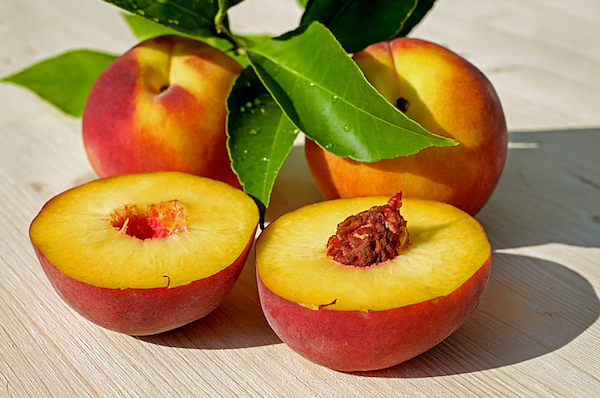
A peach salad not only looks pretty, it’s like a cold culinary shower on a hot day. (photo from pickpik.com)

Recently, I was food-shamed. Not for binge eating. Or for eating too much junk food. But for not eating enough vegetables. Guilty as charged. But seriously? In my own defence, I have a gut (or at least part of one) that doesn’t play nicely in the sandbox with all vegetables. Truth to tell, it can be somewhat of a bully.

Just to set the record straight, I wasn’t always veggie averse. A few short years ago, I could wolf down Caesar salads, corn on the cob and sautéed kale like nobody’s business. It’s mostly a distant memory now, though. But I can still share the love, even if I can’t eat all the food.

Being a bit of a COVID weeny, I’m not entirely comfortable going out to restaurants yet, so I continue to make do at home. Until recently, when the beautiful fresh veggies and fruits started showing up at the party, my fallback positions were fish, chicken and beef; the occasional pasta dish. It was getting a tad dull. So I’m thrilled that I now can eat lighter and fresher.

Here are a few of my favourite lazy summer salads. Nobody likes easy recipes quite like I do. My rule of thumb is this: if a recipe calls for a foodstuff or piece of equipment that a) I’ve never heard of, or b) I don’t know how to pronounce, there’s no way on earth I’m trying it. Hence, lazy-girl recipes are my specialty. The following are not only super-healthy, but they’ll hit the spot on days when you just don’t feel like cooking for real. And what better time to take advantage of all the fresh seasonal fruits and veggies available everywhere in Vancouver? This first salad not only looks pretty, it’s like a cold culinary shower on a hot day.

PEACHY SUMMER SALAD

peaches, diced
Roma tomatoes, diced
can of corn niblets, drained
red or sweet onion, finely diced
fresh mint or basil, chopped or cut chiffonade
blueberries

Throw together a vinaigrette from olive oil and balsamic vinegar and, voilà, you’ve got yourself a refreshing, easy salad that’s a surefire crowd-pleaser. If, however, you’re a card-carrying carnivore like me, you might want to follow it up with an eight-ounce ribeye chaser.

Another summer fave is Sunomono salad. It’s a cold Japanese salad made of rice vermicelli noodles swimming in a rice wine vinegar dressing, if you will. You can add almost about anything to jazz it up, but, being a purist, I only like to throw in some thinly sliced English cucumber and maybe a bit of shredded carrot. If you crave protein, imitation crab will jack it up a notch. There are a variety of recipes for the dressing, but this is my no-fail go-to.

SUNOMONO SALAD

3/4 tsp salt
3/4 cup rice wine vinegar
1/2 cup sugar
small squeeze of lemon juice
few drops of soy sauce
rice vermicelli noodles

Shake the first five ingredients together in a jar, then pour it over cooked and rinsed, cold rice vermicelli noodles. Don’t add too much dressing to each bowl, as it’s quite concentrated – just add enough to cover the noodles. Leftovers can stay in the fridge for a day or two. Sunomono is obviously too flimsy to be a main dish, but it makes a great starter or side dish and goes with everything, particularly fish. Think of it as a Japanese palate cleanser.

For a heartier salad that can double as a main dish (depending on your appetite), I’m a big fan of cold orzo salad. Since this salad is pasta-based, it’s much more filling than just a bowl full of veggies or fruit. And, with the bold-flavoured ingredients, it’s got a depth to it that belies its simplicity.

COLD ORZO SALAD

8 oz orzo pasta
1/2 cup pitted Kalamata olives, roughly chopped (or more, to taste)
4 oz baby spinach (split in two bunches)
6 oz feta cheese, roughly crumbled
1/4 cup pine nuts, lightly toasted on the stove or in the toaster oven (optional)
1/4 cup red onion, finely chopped (optional)
3 tbsp olive oil
1 tbsp balsamic vinegar (or less, to taste)
1 tbsp red wine vinegar (you can substitute lemon juice or regular vinegar)
salt and pepper to taste

  1. Cook the orzo eight to 10 minutes for al dente, or a bit longer if you like it softer. Drain and rinse with cold water.
  2. Puree half the spinach and one tablespoon of the olive oil in a blender. Put cooled orzo in a big bowl and stir in the pureed spinach/olive oil mixture until the orzo is well-coated with the spinach puree.
  3. Roughly chop the other half of the spinach. Lighty mix the chopped spinach, feta cheese, pine nuts, Kalamata olives and red onion in with the orzo.
  4. Make the dressing in a small jar by combining the remaining two tablespoons of olive oil with the balsamic vinegar and the red wine vinegar. Put the lid on the jar and shake it to mix well, or whisk it all together in a small bowl. Pour over orzo mixture and gently mix till it’s all incorporated.
  5. Chill the salad for at least an hour before serving to let the flavours meld.

To round out your meal, buy or make a simple rosemary focaccia. I make one from scratch (in a cast-iron pan) that’s to live for. Sure, it’s easier to buy one, but, if you really want to dazzle your dining companion(s), I suggest putting in the extra effort. Believe me, the effort/reward ratio is huge.

I found my recipe online at flavorthemoments.com/one-hour-rosemary-focaccia-bread and the only things I leave out are the garlic and parmesan, but it’s up to you. You could also add chopped Kalamata or green olives to it, but keep in mind it calls for coarse kosher salt sprinkled on top, so it’s already high in sodium. The focaccia turns outs camera-ready gorgeous and tastes heavenly straight out of the oven, dipped in EVOO (extra virgin olive oil). I mean, who doesn’t love fresh bread? With the hot weather right around the corner (that’s the optimist in me), now might not be the best time to bake bread, but that’s your call. If you ask me, it’s totally worth it.

So, give yourself a break, throw together a salad for dinner and call it a day. If your spouse, partner or you are still hungry after all that, do what I do – order in pizza.

Shelley Civkin, aka the Accidental Balabusta, is a happily retired librarian and communications officer. For 17 years, she wrote a weekly book review column for the Richmond Review. She’s currently a freelance writer and volunteer.

Kugel comforts during COVID

Yerushalmi kugel by Jamie Geller. (photo from jamiegeller.com)

If I’d known the world was going to be locked down because of the COVID-19 pandemic, I would have stocked up on toilet paper, disinfecting wipes and pasta much sooner. Of course, only one of those is edible.

Desperate measures call for desperate times and, when so many restaurants have closed, cooking has become mandatory. As has self-isolation. Sure, we could order takeout, but I’m still slightly paranoid about who cooks my food. After all, you’re only as healthy as the last person you were in contact with. I rest my case.

I’ve tried to be creative in the kitchen, but, when you’re used to eating sushi at least once a week and shopping for fresh food every day, it gets challenging during a lockdown. Now we eat more pasta. Way more pasta. My husband Harvey loves it. Me, not so much.

Harvey does a Costco run every so often to stock up, but I’m loathe to send him out into the dangerous spittle-filled world of COVID coughs right now. And the regular stores are often out of the basics, at least until recently. To be completely frank, I’m sick of cooking. So, what’s an accidental balabusta to do?

I’ll tell you what I did. I handed Harvey my mother’s tattered Jewish Council Cookbook the other day and pronounced: “Make something!” So, what does he choose from all those geshmak recipes? Tuna noodle casserole. You know the one – it’s composed of Campbell’s cream of mushroom soup, Kraft Dinner and a can or two of tuna. If you want to get really fancy shmancy, you can grate some aged cheddar cheese on top. It’s the quintessential comfort food. Minus the sushi. Or, in Harvey’s case, minus the tuna.

My first dip of the fork into the ooey-gooey goodness of the tuna noodle casserole elicited a squeal of surprise. It was actually delicious. Processed deliciousness, but nonetheless yummy in the extreme. The tummy wants what the tummy wants. After a few bites, I expressed my perplexity that I didn’t taste the tuna. Harvey said it had probably sunk to the bottom, so I did a deep dive to the base of the casserole dish, and … bupkis. Harvey had a go at it and, likewise, nada. He humbly walked over to the fridge, opened it, and sheepishly admitted that he’d forgotten to put in the tuna. So, we were eating KD with mushroom soup and a crusty topping of melted cheddar. It was still superb, in a plebian sort of way. Does this count as accidental balabatishness? I didn’t think so. Even if it did, I wasn’t the balabusta who made it.

I’m not proud of what we ate. But I’m sure other people have eaten worse. Much worse. Think fried Spam. Or headcheese (whatever that is). Nobody is going to raise their hand and cop to either of those atrocities, but, trust me, I know where the bodies are buried.

In the end, a casserole that I thought was going to feed us for two nights lasted three. Kind of like a tuna-based Chanukah miracle – the “excess” tuna gave its life for a couple of sandwiches, to boot. The real victory was that I didn’t have to cook for three whole nights.

Don’t think I can’t hear you yelling, “What’s the matter with you people? Haven’t you ever heard of salads?!” Well, yes, as a matter of fact, I have. And, as much as I love salads, it’s not a mutual admiration alliance. Harvey buys pre-bagged salads for himself as a side dish, but rarely do we eat a jacked-up salad for the main course. It could very well land me in the hospital, and I choose not to take that chance. Digestion issues.

By rights, I should probably have scurvy by now, but I have thankfully dodged that bullet. To get some colour in my food, I put steamed or roasted carrots in everything. Sometimes, I even eat broccoli. Is my diet restrictive? Sure. Am I relatively healthy, nonetheless? Yes – the operative word being relatively. My body happens to do well on protein. Lots and lots of protein. Animal protein. I’ll own it: I’m a card-carrying carnivore. Don’t judge me. In case you care, I used to switch things up with more varied restaurant food before COVID-19 came calling. But now that I’m relegated to my own culinary wits, things have gotten kind of serious. And not in a good way.

I am jonesing pretty bad for some agedashi tofu and salmon sashimi, but I don’t dare eat that now. I heard that, if you get takeout food, the first thing you should do is transfer it to your own dishes and reheat it in the microwave to kill off any viruses or bacteria. That’s fine for cooked food, but I believe that eating sashimi during a COVID-19 pandemic is like sticking a hand grenade in your mouth and hoping to have a pleasant day.

Desperate for some variety, I dug through my recipes and came across one for Jerusalem kugel. It still counts as pasta, but I view it as a more cultured, genteel pasta. Usually a side dish, I knew I could convince Harvey that it’s a main (especially if I served him enough of it). I figure I’ll follow it up with a roasted carrot/yam chaser. This particular kugel is satisfyingly savoury and sweet, and the recipe is by Jamie Geller.

SWEET AND PEPPERY JERUSALEM KUGEL

1 (12 ounce) package thin egg noodles
1 cup sugar
1/3 cup oil
4 eggs
1 tsp salt
1/4 tsp to 1 tsp ground pepper

  1. Preheat oven to 350˚F.
  2. Bring a pot of water to a boil. Cook noodles according to package instructions. Strain and set aside.
  3. Add the sugar and oil to a large pot on low heat. Stir until sugar is dissolved and a deep golden caramel colour, but not burnt. This can take 20 minutes or more.
  4. Turn off the heat and add the noodles into the pot of sugar. Immediately stir with a big spoon until the noodles are coated in the caramel. Don’t worry if the sugar hardens into blobs – it will melt in the oven.
  5. Allow the mixture to cool for about 10 minutes. Mix in the eggs, salt and pepper. (Make sure it’s cool so the eggs don’t cook.)
  6. Pour the mixture into a greased springform pan or baking dish. Bake for one hour.

May this COVID-19 pandemic be over with soon. In the meantime, as Dr. Bonnie Henry says: “Be kind. Be Calm. Stay safe.” As for the Accidental Balabusta, figuring out what to cook every night should be my worst problem. Ever.

Shelley Civkin, aka the Accidental Balabusta, is a happily retired librarian and communications officer. For 17 years, she wrote a weekly book review column for the Richmond Review. She’s currently a freelance writer and volunteer.

Why not take olive me?

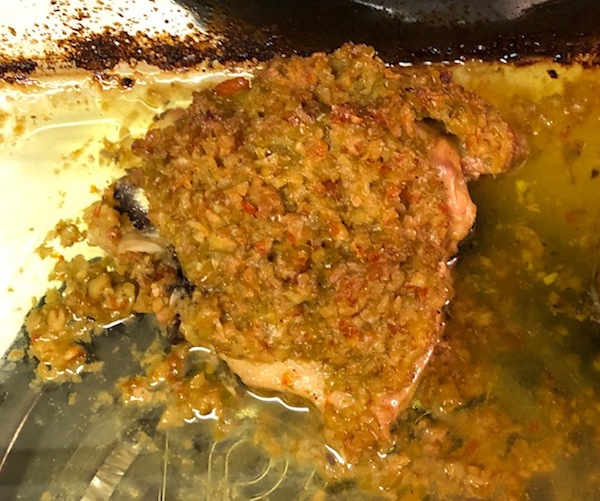
Tori Avey’s Mediterranean Olive Chicken is one of those guest-worthy dishes – impressive, yet easy to prepare and sure to please. (photo by Shelley Civkin)

It’s Thursday afternoon and I’m wondering what the maid is going to make for dinner. Or how I’m going to spend that $70 million Lotto Max I just won. Or when I’ll fly to Mars. See my quandary? I guess you could say I’m in a rut: fish, chicken, steak. Not being a big pasta fan, I seem to fall back on my old regulars every week. If I let him, my husband Harvey would eat pizza and pasta every night.

I remember the ’60s, when my mom had an unwritten weekly dinner schedule. Sundays were prime rib roast with Yorkshire pudding, roast potatoes and salad. The salad was only ever iceberg lettuce (hadn’t farmers discovered romaine, butter lettuce or kale yet??), mixed with cucumbers, tomatoes and green onions. Bottled dressing. The rest of the week’s dinners consisted of chicken livers with onions, salmon, meatloaf or hamburgers, or chicken. Each main was accompanied by the same weekly side dishes. And I mean the same. There was little, if any, variation from week to week. There’s something to say for consistency. With the exception of salad, every other vegetable mom served was frozen and came pre-chopped in a plastic bag. It was the ’60s after all. Occasionally, we’d go to the White Spot on Granville and 67th for a treat, and eat in the car, with the long tray spread across the front seat, attached to the window edges. Exciting times!

It’s funny that the ’60s and ’70s were a time of instant everything – Carnation Instant Breakfast, Pop-Tarts, Shake ’n Bake, Swanson TV Dinners, Nestle’s instant chocolate milk. Even though lots of women were stay-at-home moms and had time on their hands. Not to diminish the hard work they did raising their kids and keeping the house spotless. But let’s face it, lots of women today work outside the home and still do the majority of the childrearing and house chores. There were those privileged few who also had live-in housekeepers (yes, my family was one of them), and still my mother used lots of instant, pre-made foods. She was a good cook, for sure, but had to have a recipe in front of her. I’m like her in that regard. But I digress.

When we got married 10-and-a-half years ago, Harvey and I used to eat out at restaurants three to four times a week. So cooking was easy. Now, not so much. Sure, retirement provides me with more time to explore recipes. But my heart’s just not in it. Actually, that’s not true. I’m usually so busy volunteering that I simply don’t have the time (or inclination) to sit in front of a computer looking for culinary inspiration. Harvey thinks of cooking like a chemistry experiment, so he enjoys it. But as we get older (and sleep way less), we’ve kind of lost the fire in our bellies for cooking.

My father, alav hashalom, used to describe me as a human garbage disposal, because I would pretty much eat anything. He used to say that I’d “eat out of a puddle.” I was the “Give-it-to-Mikey-he’ll-eat-it” daughter. Admittedly, as long as someone else cooks it, I’ll eat it. That was then.

I am still a very easy-to-please eater – as long as the food isn’t too spicy, doesn’t contain too much roughage and doesn’t have nuts, corn, celery or raw vegetables in it. Well-seasoned food is nice, but, at heart, I’m a purist. With a bad gut. Bland food doesn’t bother me; in fact, I’ve been known to enjoy hospital food. After my recent three-month stomach illness, during which I ate only bland food, and very little, I’ve been a bit apprehensive about trying anything different. But, lately, as I’ve been feeling better, I figure it’s time to branch out. Caution to the wind!

As I strolled the culinary landscape that is the internet, I came across a particular chicken recipe by Tori Avey, whose recipes I’ve enjoyed before. Best thing about this recipe is that it’s easy. And, turns out, it’s stunningly delicious. Feast your taste buds. Find it online at toriavey.com/toris-kitchen/mediterranean-olive-chicken.

TORI AVEY’S MEDITERRANEAN OLIVE CHICKEN
(tweaked by me slightly)

3/4 cup chopped green olives (I used queen Manzanilla)
1/3 cup extra virgin olive oil
2 tbsp fresh lime juice
1 tbsp crushed garlic
2 tsp honey
1/2 tsp lime zest
salt and pepper
4-5 lbs chicken pieces, bone in, skin on (I use 6 chicken thighs, as we’re dark meat fans, but white meat would be fine, too)

The recipe also called for red pepper flakes and dried oregano, which I omitted, plus wine to make a sauce afterwards, which I also omitted.

  1. In a mixing bowl, whisk together the chopped olives, olive oil, lime juice, garlic, honey and lime zest. Season the marinade with salt and pepper to taste.
  2. Sprinkle the chicken pieces lightly with salt and pepper. Place chicken pieces in a nine-by-13-inch baking dish. Brush the pieces evenly with olive marinade, using all of the marinade to coat.
  3. Cover the baking dish with plastic wrap and place in the refrigerator for at least two hours (or up to overnight).
  4. Preheat oven to 375˚F. Remove the plastic wrap and cover the baking dish with foil. Pierce a few vents with a sharp knife around the outer edges.
  5. Place the covered dish in the oven. Let the chicken bake for 60 minutes, then remove the foil and bake for an additional 15 to 30 minutes, basting periodically, until well cooked and tender. At the end of cooking, you can broil it for a minute or two to brown the skin (I didn’t bother with this step).

After two bites, my husband pronounced this the best chicken I had ever made. Bar none. And we eat a lot of chicken. Since I usually bake chicken uncovered and it turns out dry, this was a surprising treat – extremely moist, über-flavourful and just as yummy the next day. I’ll probably double the recipe next time around, since it’s worth having enough left for a second dinner. This is one of those guest-worthy dishes – impressive, yet easy to prepare and sure to please. And it makes a nice Shabbat meal, too. I also realized the versatility of the marinade when I tried it on pasta. I’d place bets that it goes well with steak, too. One marinade, three uses. Now that’s a masterful marinade!

You’re welcome. Beteavon!

Shelley Civkin aka the Accidental Balabusta, is a happily retired librarian and communications officer. For 17 years, she wrote a weekly book review column for the Richmond Review. She’s currently a freelance writer and volunteer.

Balabusta does nothing

(photo from pexels.com)

Lest you think this Accidental Balabusta has been slacking off, let me set the record straight. I’ve been sick since the middle of November and haven’t had the koach to do anything, including writing or cooking. No need for the gory details; suffice it to say that it’s worn me down to a nub.

It’s been a struggle to find the silver lining in all this, and months of illness has taken its toll both physically and emotionally. There were days I couldn’t see the end in sight, and felt like my life had no purpose – a soul-destroying way to feel. There was no energy to do what I love: volunteering, attending Torah classes, meeting with friends.

In the absence of meaningful activities, my mind became a slave to anxiety and rumination, and the negativity spilled over into my various relationships. Let’s face it, no one likes a chronic complainer. Desperate to snap out of that funk, I didn’t have the mental or physical energy to attempt it.

Fast forward. I’m almost fully recovered. So, which came first – recovery or a sense of optimism?

Since regaining the bulk of my energy and well-being, I can now look at that period of suffering and negativity with a more balanced perspective. Which answers the aforementioned question – recovery came first. Which stands to reason, as it’s nearly impossible to feel positive in the midst of ongoing poor health. At least for regular folk.

A short video I watched while I was sick, by Goldie Plotkin, called Inner Strength – Courage and Faith for Life’s Challenges, was pretty inspirational, albeit vague. It emphasized the importance of “seeing the blessings in the challenges,” and learning how to use these challenges as “springboards for good.” Having overcome and embraced her own personal life challenges, Plotkin views adversity and struggle as “impetuses to grow and learn” from, and resiliency as an integral character trait. What puzzles me is this: How exactly do people “access” these blessings while they’re in the throes of illness? Or can we? Maybe it’s only after the fact that we can perceive the blessings.

The question remains: Is there a way to cope more effectively while we’re in the eye of the storm?

It got me thinking. What do Jews of great faith do when faced with illness and suffering? They think positively. Since they trust that G-d does everything for the good, they have faith that something positive will come from every experience. “Tracht gut vet zein gut” – “Think good and it will be good.” A life-affirming attitude, for sure. And one that probably takes a lifetime to cultivate. Unless you happen to be a Chassid. And still.

As my health improves, and the negativity lifts, I’m reminded of a joke from a book called There Must be a Pony, where a boy wakes up on Christmas morning and finds a pile of horse manure under the tree, instead of gifts. Possessing an extraordinarily optimistic outlook, the boy immediately starts shoveling the manure, exclaiming enthusiastically, “With all this manure, there must be a pony somewhere!”

If only faith and trust in G-d were that easy.

During the latter part of my recovery, when I actually had the energy to get dressed, I promised myself that I would do something every day to get out of my head: go for a walk, listen to a Jewish-themed podcast, read something inspiring. Anything to distract my mind from its endless loop of pessimistic storylines.

I started reading a book called Positivity Bias: Practical Wisdom for Positive Living. It gave me some practical tools to help stop my cycle of negativity. One such tool is the concept of “cognitive restructuring” or “reframing,” which was integral to me turning the corner. It’s a technique that helps people view situations from a different perspective and, when a person’s perspective changes, their thinking and behaviour often change as well. It helps one challenge the veracity of negative, often inaccurate, perspectives, and reframe their thinking. Based on cognitive behavioural therapy, the long and short of it is this – if you want to feel better, change your mind.

The essence of the book is simple yet profound. Since our thoughts and words influence how we feel and behave, each of us has the power to reshape our lives. Mindfulness and consciousness are huge parts of this process. If our thoughts are not helping us or moving us forward, then we need to change how we think. The catch is that it’s difficult to do and it’s an ongoing challenge.

An article I read recently – “Ten Hacks for Mental Control that Every Human Being Should Know” by Tzvi Freeman – was also helpful. It talks about negative thoughts and how to counteract them in a healthy way. (Read: from a Chassidic perspective.) Naturally, most of the references are to religious thought and practice. According to Freeman, the challenge is not just stopping ourselves from having negative thoughts, but finding wholesome thoughts and actions to replace the negative ones.

Relaxation techniques, like breathing meditation, and distractions such as paying attention to external stimuli, work well, too. Basically, getting outside your own head. While both approaches work, I personally think replacing unhealthy thoughts with healthy ones is the better alternative, since it not only redirects your mind, but also retrains it in a significant, consequential way.

If I’ve learned anything from this experience, it’s that cultivating positivity requires superhuman vigilance and self-control. It demands that we learn to regulate, train and discipline ourselves in how we behave, how we speak and, most importantly, how we allow ourselves to think. And it’s key to living a more intentional, meaningful, happy life.

Am I walking the walk? All I can say is I’m trying. Day by day. Moment by moment. Every one of us is a flawed human being, but each of us has the potential to make our life better, more purposeful. My advice is to use whatever works for you. Just remember that there’s something to learn from everybody.

If all that fails … try prayer. I’m a huge fan. Surrendering to something greater than oneself isn’t a sign of weakness; it’s a sign of strength and faith. And it’s just a thought, but maybe don’t ask G-d to heal you. Maybe, instead, ask G-d to give you the emotional and physical strength and courage to heal yourself. Just saying.

Shelley Civkin aka the Accidental Balabusta, is a happily retired librarian and communications officer. For 17 years, she wrote a weekly book review column for the Richmond Review. She’s currently a freelance writer and volunteer.

Pot roast for Rosh Hashanah

There’s no denying that food is an insanely large part of Jewish life. Whether we’re cooking it, eating it or writing about it, our lives inexorably orbit around it. It’s true that most religions celebrate their holidays, at least partially, through food. But we Jews have taken the concept to nosebleed-worthy stratospheric heights. If someone tells you their son is becoming bar mitzvah, our first question is not “Which shul?” but “What are you serving?” A bris? We don’t ask: “What time?” but rather, “What can I make?”

It’s not that modern-day Yiddishkeit revolves around food, but it kinda does. I’m fully aware that we’re supposed to focus on blessing and elevating the food we eat, since it is meaningless on its own. From a religious perspective, food is merely the vehicle to give us the strength to do mitzvahs and study Torah. I get it. But how can you ignore the deliciousness of a rock-star chicken soup or a melt-in-your-mouth brisket?

When you pair Rosh Hashanah and food, what do you get? Pure joy. And maybe a little indigestion, if there’s excess onion and garlic on the guest list. We all know that the High Holidays are a time to relax with family, eat lovingly prepared meals and go to shul. And, while shul is certainly important, for some, the highlight is the food.

From many years of observation, I’ve deduced that there are three main contenders at the Ashkenazi Rosh Hashanah table: matzah ball soup, brisket and gefilte fish. And maybe chicken. Or salmon, if you’re a true Vancouverite. Anything else is considered “alternative.” Seriously, when was the last time someone served tofu or sunomono at Rosh Hashanah dinner? Asked and answered.

Being firmly entrenched in the carnivore camp, I decided I’m going to make a pot roast for Rosh Hashanah this year. Being a pot roast virgin, until recently I knew next to nothing about this cut of meat or how to cook it. How did I get to be 63 years old without knowing these things? Rhetorical question. Anyway, I did what any self-respecting Accidental Balabusta would do – I Googled it. I found a recipe from the Food Network by Ree Drummond, called Perfect Pot Roast! I followed the recipe religiously (OK, minus the sheitel), except I made a mini-roast (one-and-three-quarter pounds) in case I screwed it up. And I used beef blade roast, which is the same as chuck roast, apparently. I cooked it at 275˚F for two-and-a-half hours. It turned out as scrumptious as something a bubbe would make. Only better. Modesty, wherefore art thou?

Over the years, I’ve heard gossip about pot roast: that it calls for a cheap, tough cut of meat (true); that it’s not really a Jewish cut of meat (see Snobbery 101); and that only goyim eat it (see Racism 101). I’m living proof that pot roast is a very Jewish thing. And, excuse me if I brag, but my newfound pot roast is beyond delicious. Or, to use the vernacular, a mechaye.

I feel compelled to mention something a little odd at this juncture. When I brought my first pot roast and took it out of the package, I noticed it had heavy twine wrapped around it. I wondered whether I’d purchased the B&D variety by mistake. Googling the twine part set my mind at ease. I mean, who wants to serve a kinky Rosh Hashanah pot roast?

Call me clairvoyant or, on second thought, don’t (that’s really not a Jewish thing), but I think you might be chomping at the bit for this recipe. Wait no longer. Allow me to introduce you to the Perfect Pot Roast by Ree Drummond. BTW, it calls for a Dutch oven, but any deep, covered roasting pan will do just fine. (Don’t feel bad, I had to Google Dutch oven, too.) Go ahead, cook it and tell me if this doesn’t taste Jewish.

PERFECT POT ROAST

Salt and ground black pepper
One 3-5 pound chuck roast (same as beef blade roast)
2-3 tbsp olive oil
2 whole onions, peeled and halved
6-8 whole carrots, peeled and cut into 2-inch pieces
1 cup red wine (doesn’t need to be anything fancy)
3 cups beef broth
2-3 sprigs fresh rosemary
2-3 sprigs fresh thyme
2-3 potatoes, peeled and cut into pieces

  1. Preheat oven to 275˚F.
  2. Generously salt and pepper the roast.
  3. Heat the olive oil in a large fry pan or Dutch oven over medium-high heat. Add the halved onions to the pot, browning them on both sides. Remove the onions to a plate.
  4. Throw the carrots into the same fry pan or Dutch oven and toss them around a bit until slightly browned. Set aside the carrots with the onions.
  5. If needed, add a bit more olive oil to the fry pan or Dutch oven. Place the meat in the fry pan or Dutch oven and sear it for about a minute on all sides, until it is nice and brown all over. Remove the roast to a plate.
  6. With the burner still on medium-high, use either red wine or beef broth (about one cup) to deglaze the fry pan or Dutch oven, scraping the bottom with a whisk. Put the roast back into the Dutch oven (or deep, covered roasting pan) and add enough beef broth to cover the meat halfway.
  7. Add in the onions and the carrots, along with the fresh herbs. Add potatoes, too (optional).
  8. Put the lid on, then roast it.
  9. The original recipe says to roast a three-pound roast for three hours or a four-to-five-pound roast for four hours. I personally don’t think this is nearly time enough. When I cooked two two-pound roasts in a single roaster at once, it took six-and-a-half hours to cook. The roast is ready when it’s fall-apart tender. I think the longer you cook it, the more tender it gets. It’s hard to screw this up, unless you undercook it.

Important note: don’t get too close to your Dutch oven when you lift the lid during cooking or you’ll get what I call the “pot roast facial.” I’m not sure your pores will appreciate all that meaty steam. But who am I to say? Just don’t blame me if you get third-degree facial burns. Bon appetit! Or, eat it and weep. From joy, that is.

May you all have a happy, healthy, prosperous and peaceful New Year!

Shelley Civkin, aka the Accidental Balabusta, is a happily retired librarian and communications officer. For 17 years, she wrote a weekly book review column for the Richmond Review, and currently writes a bi-weekly column about retirement for the Richmond News.