Brosectomies a new trend

It’s not the stag party many young men might think of, but coming together with buddies to get vasectomies is a new trend Vancouver’s Dr. Neil Pollock thinks is a good thing.

In a Global News segment recently, four high school pals from Maple Ridge had lunch then headed into Pollock’s office for four vasectomy procedures. The lighthearted approach to the minor surgery with big implications is part of a phenomenon in which men are taking responsibility for family planning, said Pollock.

photo - Dr. Neil Pollock
Dr. Neil Pollock (photo from Pollock Clinics)

“The brosectomy is a larger trend that’s been increasing in popularity over the last few years,” he said. “We did not coin the term. We noticed an increasing amount of people reaching out to book group appointments with their friends, and our team loved the idea. We wanted to support the group by making the appointment fun, comfortable and memorable.”

Any surgery is stress-inducing and men may be squeamish about this one in particular, even though it is quick, painless and easy.

“The brosectomy transforms a potentially anxious appointment into something fun,” said Pollock, who is a familiar face in the Jewish community. “It is understandable for a guy to feel anxious about getting a vasectomy. In addition to concerns about pain and recovery, many men are influenced by stigmas surrounding men’s sexual and reproductive health. Some worry that a vasectomy will strip them of their manhood, or affect their performance in the bedroom, neither of which are accurate, of course.”

A brosectomy turns it into an adventure.

“Friends can support each other leading up to the procedure, and during the recovery period afterwards,” he said. “It creates a positive, safe environment for men to discuss their sexual and reproductive health.”

In contrast with other forms of birth control, a vasectomy makes a lot of sense, Pollock argues.

“A vasectomy offers males the opportunity to demonstrate care and concern for their partner’s best interests by accepting the responsibility of birth control in the relationship,” he said. “We consider a vasectomy the ultimate form of birth control. It is safe, effective and, when performed by experienced physicians, can be done in under five minutes, with extremely high success rates.”

Vasectomy techniques have advanced significantly in recent years, said Pollock, and the minimally invasive technique his office uses features no needles, scalpels, cautery or metal clips. They are much simpler than a parallel birth control operation for women.

“When compared to a vasectomy, tubal ligations are much more invasive and pose a higher risk for serious complications,” Pollock said. “Birth control pills, on the other hand, are a temporary solution and affect hormonal balance, with many users experiencing nausea, headaches, cramps, weight gain and challenges with their menstrual cycle and libido. On top of physical and sexual complications, hormonal changes can also result in emotional instability or mood swings.”

In a brosectomy, the friends arrive together but the vasectomies take place separately.

“The procedures take place back to back, not in one room,” Pollock clarified. “We haven’t gotten that request yet!”

With each procedure taking only a few minutes, the group of four were in and out of Pollock’s clinic in less than an hour.

“We sent them for lunch beforehand, gave them their custom muscle shirts with their faces and ‘Brosectomy 2024’ splashed boldly over front and back, and then performed the procedures,” said Pollock. “Afterwards, the group headed home to begin their recovery. They celebrated with a barbecue steak dinner and a scotch.”

“I didn’t really want to do it alone,” said the ringleader of the foursome who, as Global News put it, took “a trip for the snip.”

Anxieties are natural, Pollock said, and talking with professionals is key to addressing them.

“If you’re worried about getting a vasectomy, or your sexual health in general, we encourage you to talk with people you trust,” he said. “Discussing and addressing your sexual health is important. Pollock Clinics is always here to help.” 
Food fosters connection

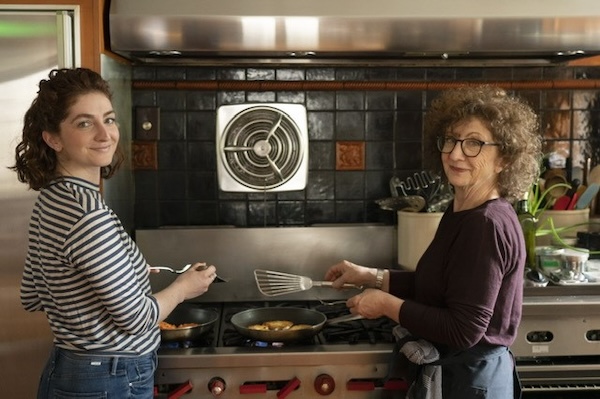
The mother-daughter duo of Bonnie Stern, right, and Anna Rupert brought this year’s L’dor V’dor lecture series to a flavourful conclusion last month. (photo from Bonnie Stern)

The mother-daughter cooking duo of Bonnie Stern and Anna Rupert brought the 2023-24 L’dor V’dor (From Generation to Generation) lecture series, hosted by Victoria’s Kolot Mayim Reform Temple, to a flavourful conclusion last month.

Emceed by former CBC television personality Anne Petrie, the hour-long presentation, Don’t Worry Just Cook: A Delicious Dialogue on Intergenerational Jewish Cuisine, shared their family’s culinary path, from Stern’s start as a chef to Rupert’s early childhood kitchen experiences as a 3-year-old making pies with her brother, through to the present.

“I always wanted my kids to feel comfortable in the kitchen and to want to be there, to help out or do whatever they wanted to do,” said Stern in a talk that explored the deeply tied relationship of Jewish food to culture and family.

“My mom would give us jobs in the kitchen when we were little,” said Rupert. “There was always a job for us if we wanted to participate, such as painting cookies, filling cookies or grating potatoes.”

In Stern’s view, cooking is a life skill – a person isn’t obligated to pursue a career in the culinary arts, but it is important for a person to know about food and to be able to cook. She added that her kids were fussy eaters, so the idea was, if they participated in the kitchen, they would eat what they made.

“Food without a story is just calories,” said Stern. And there were plenty of gastronomic tidbits to be told, often relating to the evolution of how variations on cooking are incorporated into family recipes.

For example, Stern’s mother had a technique for browning brisket at the end of the cooking process, rather than the beginning. And, at the current family dining table, as recognition of dietary intolerances became more widespread, there is a greater need to know how to prepare such items as gluten-free bread for a meal. Another way in which their family dinners have evolved is the move towards a contemporary buffet – guests are invited to move around and interact, creating even greater connections and more interaction than meals shared together in other ways.

More broadly, Stern explained how cuisine within a family alters when people move to another place. “It’s almost impossible to reproduce something the same way it was somewhere else. You don’t have the same equipment, the same ingredients or the same recipe. In the end, things change a little bit,” she said.

The topic of the diversity of Jewish cuisine arose. Both Stern and Rupert accentuated the myriad different dishes Jews have served up that go well beyond traditional Ashkenazi notions of matzah ball soup, blintzes and apple cake. Nowhere is that more true, they say, than in Israel, where cuisines from Jews around the world have converged in a land that has produced many talented and inventive chefs unafraid to take risks.

Some of the variations on traditional Jewish themes (mentioned in the talk and also found in their cookbook) were to do with Hanukkah dishes, specifically latkes served with guacamole and Middle Eastern sweet potato latkes, which may include hot sauce, cilantro and cumin.

Stern has studied and taught cooking around the world, written 12 cookbooks, hosted three nationally broadcast food shows and is a frequent television and radio guest around the country. She is also the founder of the eponymous Bonnie Stern School of Cooking in Toronto. Rupert, in her professional life, is a speech pathologist and researcher. 

Together, Stern and Rupert wrote Don’t Worry, Just Cook: Delicious Timeless Recipes for Comfort and Connection. With a foreword by Israeli-born chef Yotam Ottolenghi, the book goes beyond simply writing down recipes, to telling stories, giving lessons and sharing tips to improve readers’ skills and experiences in the kitchen. Rupert said she used to dream that the two would have a cooking show together. The publication of the book, in its own way, brought that desire to fruition.

Rupert credits the success of the book to her mother, whose vast amount of expertise as a cooking teacher allows her to anticipate questions a reader might have when following a recipe and offer productive advice and workarounds for potential hazards.

“Food has a unique way of connecting us to our roots and bringing generations together. We are excited to share our passion for Jewish cuisine and the joy it brings to families,” Stern said.

“Food and cooking are ways to find comfort, and definitely ways to connect with other people,” added Rupert. 

Sam Margolis has written for the Globe and Mail, the National Post, UPI and MSNBC.

Ways to tackle anxiety

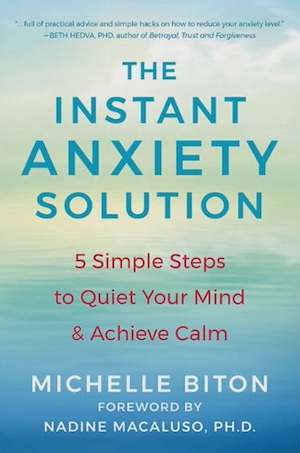
“Our thoughts are influenced by our core belief system. Our opinions are shaped from things we have seen and heard in the past and those opinions affect what we see. The problem is our thoughts are not always necessarily true,” writes Michelle Biton in her new book, The Instant Anxiety Solution (Hatherleigh Press).

“Our own thoughts and beliefs often cause us more anxiety than the actual emotion itself,” she writes. “And sometimes our beliefs are faulty or inaccurate. In order to get to the facts, it’s important to question your thoughts and not always believe everything you think.”

But this is jumping ahead to Step 5 of Biton’s five-step program ALARM, which starts with ways in which we can get our bodies “out of ‘the acute stress’ stage and into a calmer state so you can think properly” (activating the parasympathetic nervous system). It moves to labeling what you’re feeling, then acknowledging that emotions are temporary. Step 4 is about how to remember to avoid building narratives around your thoughts and emotions, and Step 5 is how to move forward and take action.

image - The Instant Anxiety Solution book coverOriginally from Vancouver, Biton is a Los Angeles-based coach, author and health educator. She has a master’s in holistic nutrition, a bachelor’s in psychology and a certificate in kinesiology, health and fitness studies. Her reasons for writing The Instant Anxiety Solution are personal.

“I had been trying to deal with anxiety as if it was logical, but anxiety is not logical. It’s primal and cannot be rationalized. My best friend helped me realize that, in order to manage mine and my daughter’s anxiety, we were going to have to look it in the eye and go through the discomfort of it,” writes Biton. “Going through the anxiety was the only way out of the vicious cycle.”

Biton’s own experiences with anxiety inform her approach. “You are re-learning ingrained patterns and behaviours that will take time to unlearn,” she acknowledges, “so be easy on yourself and give yourself time to go through the process.”

The Instant Anxiety Solution comprises a foreword by marriage and family therapist Nadine Macaluso; an introduction in which Biton lays out some of her reasons for writing the book; an overview of what anxiety is and its effects; a chapter for each of the ALARM steps; a brief conclusion; many exercises readers can do to learn how to better manage anxiety; and 20-plus blank pages for the purposes of journaling.

There are many causes of anxiety, including biological makeup, learned behaviour, lack of sleep, trauma, not eating properly, financial difficulties.

“When we get triggered by an event, our amygdala gets activated, causing the impulsive fight or flight response, and the prefrontal cortex, the logical thinking part of the brain, shuts off,” writes Biton. Our bodies focus on one thing: survival. The sympathetic nervous system is activated, “causing your heart rate, breathing and blood pressure to rise dramatically…. You’ll likely even feel shaky and nauseous.

“Many people make the mistake of trying to problem solve when anxiety hits, but it is absolutely impossible to do,” she writes. We can’t think until we have calmed down, and Biton offers many ways to shock the body out of its anxious state, such as splashing cold water on our face or putting a cold pack on the back of our neck; intense exercise, like a sprint to the end of the block or some push ups; and humming or singing.

There are ways a person can semi-instantly calm themselves, but the crux of tackling anxiety is self-awareness and, for that, there is no quick fix. Biton offers advice on how to identify and deal with feelings, but a main takeaway is to train ourselves to not act in those first moments. Apparently, an emotion lasts seven minutes max, then runs out of steam. It’s “the additional energy that is added in the form of our ‘extra’ thoughts and emotions that we ‘attach’ to the original emotion that keeps the feeling alive and the suffering occurring,” writes Biton.

“Do not act on impulse,” she warns, “you will only regret it afterwards.” But don’t numb yourself either. If you feel like crying, cry. Notice and acknowledge your emotions without judgment. When you’re calm, you can figure out what is really going on, consider both sides of the situation – what happened or was said and your reaction. 

We all have pain, she notes: “It is how we ‘react’ to the pain that determines our ‘suffering.’” Suffering, she says, is a sign that you’re not accepting the here and now. Some clues that you might be fighting against reality are that you’re feeling bitter or resentful, or you’re regularly unhappy or frustrated.

“A major reason that many of us suffer from anxiety today is because we have ‘felt unheard’ or ‘dismissed’ in our lives,” she writes. “We were told that we ‘weren’t good enough’ or that we ‘shouldn’t feel a certain way.’ This negative environment taught us not to trust ourselves, and not to trust our emotions. As a result, we have a lot of self-doubt and anxiety.

“On top of that, many of us project fears from the past into the future. Very rarely do we go into a situation without the ‘baggage’ and ‘opinions’ that we have carried from past experiences.”

Biton believes it possible to “become unstuck from the past.” The advice and exercises in The Instant Anxiety Solution may not result in instant results, but they do offer tangible steps to a solution. 

For more information, visit michellebiton.com.

טרודו עלול להפסיד את הבחירות הבאות

קנדה נחשבת אחת המדינות הטובות בעולם, מכל בחינה. היא מדורגת בצמרת מדד הפיתוח האנושי של האו”ם, יש בה מערכת בריאות מעולה ובחינם, תוחלת חיים גבוהה במיוחד, מדיניות רווחה נדיבה, פערים כלכליים קטנים יחסית למערב, כלכלה עשירה ומתקדמת, היא לא סובלת מעימותים ביטחוניים או איומי טרור, ורוב אזרחיה, רוב הזמן, יכולים ליהנות מחיים טובים ושלווים

אם זאת סקר שנערך לאחרונה בקרב הקנדים מצביע על חוסר שביעות בולט של הקנדים מארצם. 67% מהנשאלים הסכימו עם האמירה כי “הכל מרגיש מקולקל במדינה כרגע”. הסיבה המרכזית היא השיטה הכלכלית: הזינוק ביוקר המחיה ובשיעור האינפלציה הם הגורמים שמשפיעים ביותר עליהם ועל משפחתם. הרבה קנדים סבורים שהממשלה לא יכולה לשפר את המצב, כשכל משיב שני אמר כי הוא זועם על הדרך בה המדינה מנוהלת. אלה לא התוצאות שלהן קיווה ראש ממשלת קנדה, ג’סטין טרודו, כשנבחר מחדש בספטמבר 2021 לארבע שנים נוספות

כשנבחר לראשונה ב־2015, בגיל 44 בלבד, כפרזנטור פוטוגני של דור מנהיגים ליברלי חדש, לצד דמויות כמו עמנואל מקרון בצרפת, ג’סיקה ארדרן בניו זילנד וסאנה מרין בפינלנד, הבטיח טרודו להקטין את הפערים באמצעות רפורמות כלכליות שיפחיתו את יוקר המחיה, יקטינו את פער השכר המגדרי, ויקלו על הנטל של מעמד הביניים. “הדעיכה של מעמד הביניים הקנדי לא צריכה להיות מוסברת למי שחיים אותה מדי יום”, אמר אז, ובצדק, כשתקף את שלטון השמרנים ארוך השנים

אולם מאז כניסתו ללשכת ראש הממשלה המשיכו הפערים לגדול, יוקר המחיה זינק, ומעמד הביניים המשיך להישחק. אלה הן מגמות שאיפיינו את רוב המדינות במערב בעשור האחרון, אבל את הקנדים זה פחות מעניין: הם קיבלו ראש ממשלה חדש, מלהיב ומבטיח, והם חיים במדינה עשירה שדומה יותר למודל הסקנדינבי היציב מאשר למודל האמריקאי הכאוטי

טרודו וממשלתו אמנם הצליחו להביא הישגים כמו תוכנית לאומית לתמיכה בילדים, שחילצה מעוני כמיליון ילדים קנדים מאז 2015, לפי נתוני הממשלה, אולם כשל מלהעניק להוריהם שקט כלכלי

49% מהעובדים סבורים כי מצבם הכלכלי נעשה “הרבה יותר גרוע” בשנים האחרונות, לעומת 28% שחשבו כך ב־2019, לפי מחקר מתמשך שעורך אתר הניתוחים “השיחה” בשיתוף אוניברסיטת טורונטו וחברת המחקר אנגוס ריד. זה מתחיל להזכיר יותר את המודל של השכנה האמריקאית מדרום, מעוז הפערים הכלכליים, מאשר את המודל הקנדי, שנשען על יסודות סוציאל־דמוקרטיים

במהלך 2022 טיפס אי השוויון בקנדה לשיא כל הזמנים ופער ההכנסה הפנויה של משקי הבית עלה ל־47%, לפי נתוני לשכת הסטטיסטיקה המרכזית במדינה. חישוב הפער נעשה בהשוואה בין 40% העליונים לעומת 40% התחתונים בעשירוני ההכנסות. הפער הממוצע של 47% הוא הגבוה ביותר שנרשם מאז החלו המדידות. המגמה המשיכה להחריף ובתחילת 2023 נרשם קצב הגידול המהיר ביותר בפערי ההכנסות, הנובע בעיקר משילוב של אינפלציה גבוהה, שהגיעה ל־3.5% בנתוני ינואר, וזינוק בערך נכסי הנדל”ן, שמשפיע במיוחד על מעמד הביניים ומטה

מחירי הדיור בקנדה גובים בעשור האחרון מחיר יקר במיוחד ממשקי בית, בדגש על משפחות צעירות שמנסות לרכוש את ביתן הראשון: המחירים טיפסו ביותר מ־50% מאז נכנס טרודו לתפקיד ב־2015. זה הרבה יותר מאשר במדינות כמו ארצות הברית ובריטניה, שגם בהן זינקו המחירים

השחיקה בהכנסה הפנויה של הקנדים והמשך הגידול בפערים יוצרים חוסר אמון בשיטה. שיעור הקנדים שסבורים שהמדינה שלהם משתנה מכלכלה של מעמד ביניים לכלכה של אליטה קטנה בראש ושאר האנשים בתחתית זינק תוך ארבע שנים מ־29% ל־41% כיום, גם זה מזכיר יותר את המודל האמריקאי המושמץ