Brosectomies a new trend

It’s not the stag party many young men might think of, but coming together with buddies to get vasectomies is a new trend Vancouver’s Dr. Neil Pollock thinks is a good thing.

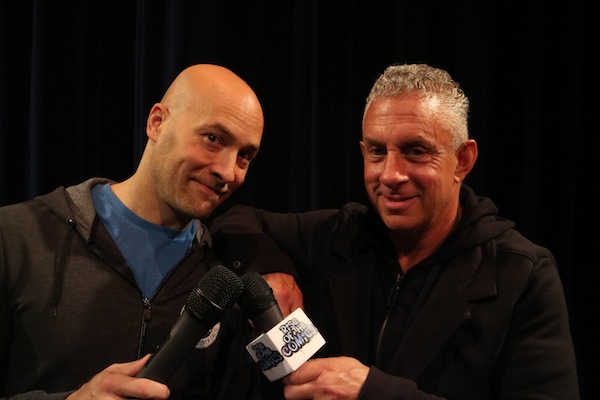
In a Global News segment recently, four high school pals from Maple Ridge had lunch then headed into Pollock’s office for four vasectomy procedures. The lighthearted approach to the minor surgery with big implications is part of a phenomenon in which men are taking responsibility for family planning, said Pollock.

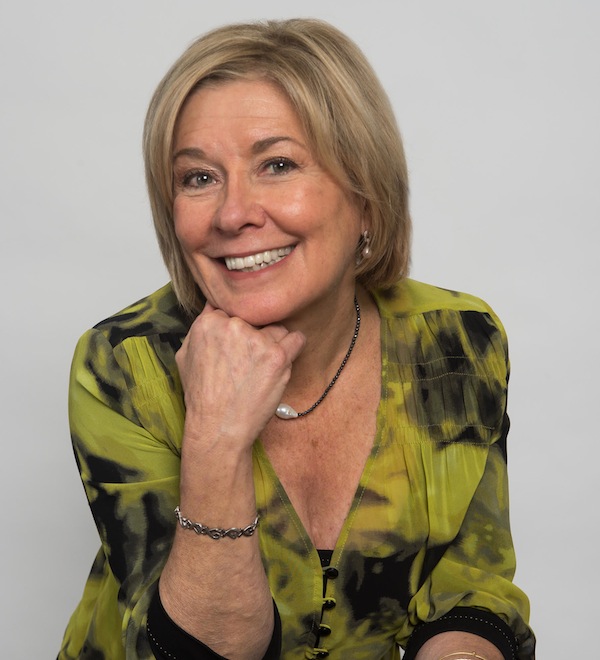
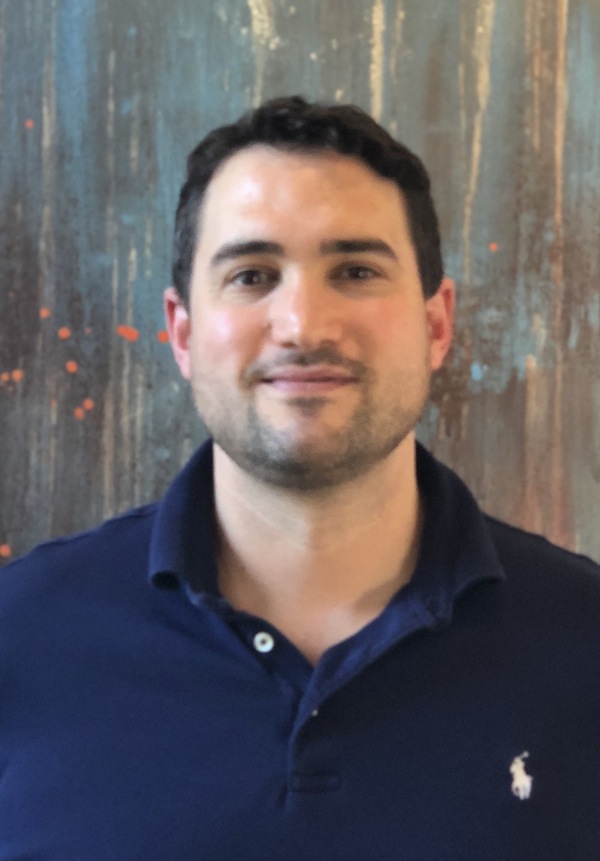
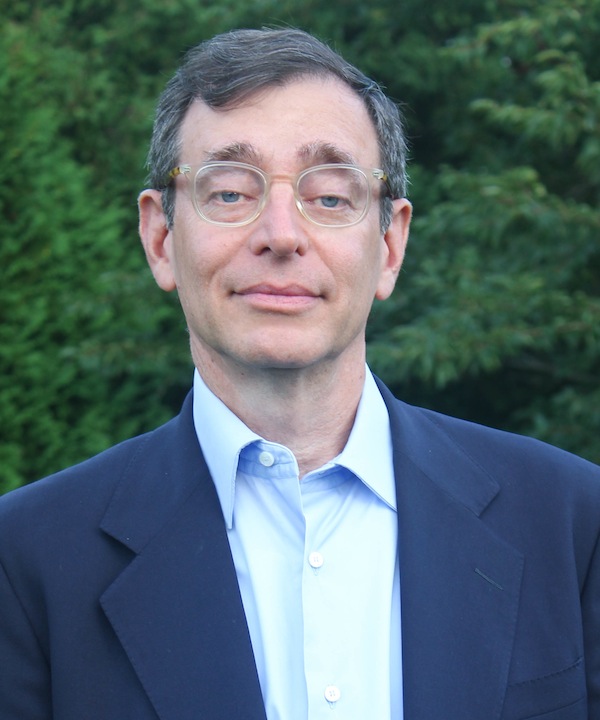
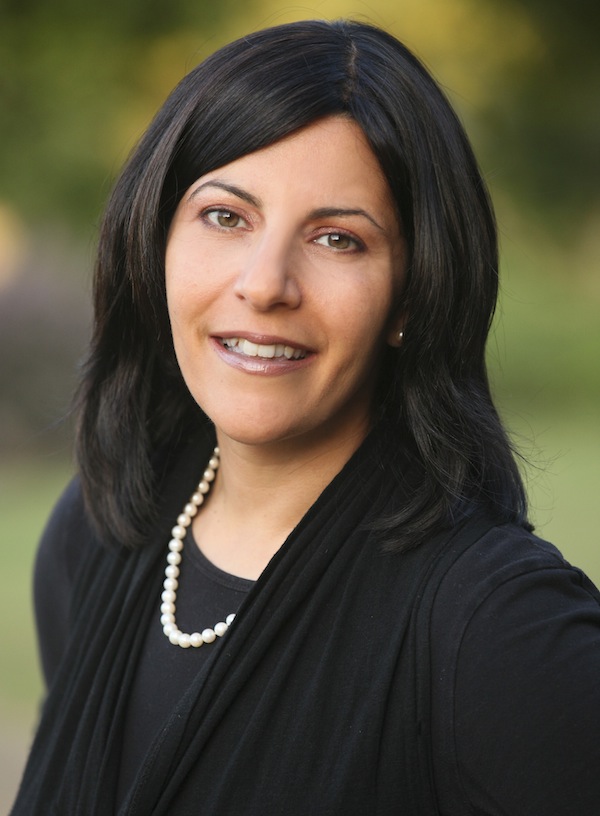
photo - Dr. Neil Pollock
Dr. Neil Pollock (photo from Pollock Clinics)

“The brosectomy is a larger trend that’s been increasing in popularity over the last few years,” he said. “We did not coin the term. We noticed an increasing amount of people reaching out to book group appointments with their friends, and our team loved the idea. We wanted to support the group by making the appointment fun, comfortable and memorable.”

Any surgery is stress-inducing and men may be squeamish about this one in particular, even though it is quick, painless and easy.

“The brosectomy transforms a potentially anxious appointment into something fun,” said Pollock, who is a familiar face in the Jewish community. “It is understandable for a guy to feel anxious about getting a vasectomy. In addition to concerns about pain and recovery, many men are influenced by stigmas surrounding men’s sexual and reproductive health. Some worry that a vasectomy will strip them of their manhood, or affect their performance in the bedroom, neither of which are accurate, of course.”

A brosectomy turns it into an adventure.

“Friends can support each other leading up to the procedure, and during the recovery period afterwards,” he said. “It creates a positive, safe environment for men to discuss their sexual and reproductive health.”

In contrast with other forms of birth control, a vasectomy makes a lot of sense, Pollock argues.

“A vasectomy offers males the opportunity to demonstrate care and concern for their partner’s best interests by accepting the responsibility of birth control in the relationship,” he said. “We consider a vasectomy the ultimate form of birth control. It is safe, effective and, when performed by experienced physicians, can be done in under five minutes, with extremely high success rates.”

Vasectomy techniques have advanced significantly in recent years, said Pollock, and the minimally invasive technique his office uses features no needles, scalpels, cautery or metal clips. They are much simpler than a parallel birth control operation for women.

“When compared to a vasectomy, tubal ligations are much more invasive and pose a higher risk for serious complications,” Pollock said. “Birth control pills, on the other hand, are a temporary solution and affect hormonal balance, with many users experiencing nausea, headaches, cramps, weight gain and challenges with their menstrual cycle and libido. On top of physical and sexual complications, hormonal changes can also result in emotional instability or mood swings.”

In a brosectomy, the friends arrive together but the vasectomies take place separately.

“The procedures take place back to back, not in one room,” Pollock clarified. “We haven’t gotten that request yet!”

With each procedure taking only a few minutes, the group of four were in and out of Pollock’s clinic in less than an hour.

“We sent them for lunch beforehand, gave them their custom muscle shirts with their faces and ‘Brosectomy 2024’ splashed boldly over front and back, and then performed the procedures,” said Pollock. “Afterwards, the group headed home to begin their recovery. They celebrated with a barbecue steak dinner and a scotch.”

“I didn’t really want to do it alone,” said the ringleader of the foursome who, as Global News put it, took “a trip for the snip.”

Anxieties are natural, Pollock said, and talking with professionals is key to addressing them.

“If you’re worried about getting a vasectomy, or your sexual health in general, we encourage you to talk with people you trust,” he said. “Discussing and addressing your sexual health is important. Pollock Clinics is always here to help.” 

Food fosters connection

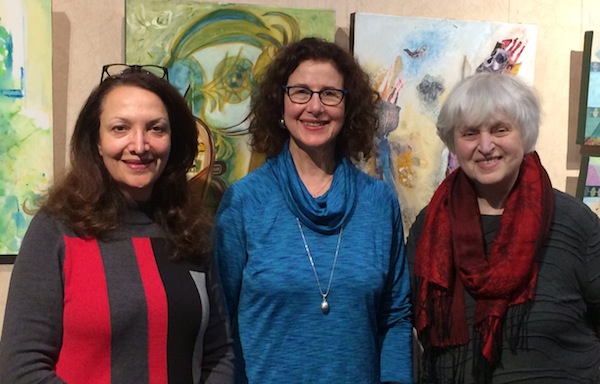
The mother-daughter duo of Bonnie Stern, right, and Anna Rupert brought this year’s L’dor V’dor lecture series to a flavourful conclusion last month. (photo from Bonnie Stern)

The mother-daughter cooking duo of Bonnie Stern and Anna Rupert brought the 2023-24 L’dor V’dor (From Generation to Generation) lecture series, hosted by Victoria’s Kolot Mayim Reform Temple, to a flavourful conclusion last month.

Emceed by former CBC television personality Anne Petrie, the hour-long presentation, Don’t Worry Just Cook: A Delicious Dialogue on Intergenerational Jewish Cuisine, shared their family’s culinary path, from Stern’s start as a chef to Rupert’s early childhood kitchen experiences as a 3-year-old making pies with her brother, through to the present.

“I always wanted my kids to feel comfortable in the kitchen and to want to be there, to help out or do whatever they wanted to do,” said Stern in a talk that explored the deeply tied relationship of Jewish food to culture and family.

“My mom would give us jobs in the kitchen when we were little,” said Rupert. “There was always a job for us if we wanted to participate, such as painting cookies, filling cookies or grating potatoes.”

In Stern’s view, cooking is a life skill – a person isn’t obligated to pursue a career in the culinary arts, but it is important for a person to know about food and to be able to cook. She added that her kids were fussy eaters, so the idea was, if they participated in the kitchen, they would eat what they made.

“Food without a story is just calories,” said Stern. And there were plenty of gastronomic tidbits to be told, often relating to the evolution of how variations on cooking are incorporated into family recipes.

For example, Stern’s mother had a technique for browning brisket at the end of the cooking process, rather than the beginning. And, at the current family dining table, as recognition of dietary intolerances became more widespread, there is a greater need to know how to prepare such items as gluten-free bread for a meal. Another way in which their family dinners have evolved is the move towards a contemporary buffet – guests are invited to move around and interact, creating even greater connections and more interaction than meals shared together in other ways.

More broadly, Stern explained how cuisine within a family alters when people move to another place. “It’s almost impossible to reproduce something the same way it was somewhere else. You don’t have the same equipment, the same ingredients or the same recipe. In the end, things change a little bit,” she said.

The topic of the diversity of Jewish cuisine arose. Both Stern and Rupert accentuated the myriad different dishes Jews have served up that go well beyond traditional Ashkenazi notions of matzah ball soup, blintzes and apple cake. Nowhere is that more true, they say, than in Israel, where cuisines from Jews around the world have converged in a land that has produced many talented and inventive chefs unafraid to take risks.

Some of the variations on traditional Jewish themes (mentioned in the talk and also found in their cookbook) were to do with Hanukkah dishes, specifically latkes served with guacamole and Middle Eastern sweet potato latkes, which may include hot sauce, cilantro and cumin.

Stern has studied and taught cooking around the world, written 12 cookbooks, hosted three nationally broadcast food shows and is a frequent television and radio guest around the country. She is also the founder of the eponymous Bonnie Stern School of Cooking in Toronto. Rupert, in her professional life, is a speech pathologist and researcher. 

Together, Stern and Rupert wrote Don’t Worry, Just Cook: Delicious Timeless Recipes for Comfort and Connection. With a foreword by Israeli-born chef Yotam Ottolenghi, the book goes beyond simply writing down recipes, to telling stories, giving lessons and sharing tips to improve readers’ skills and experiences in the kitchen. Rupert said she used to dream that the two would have a cooking show together. The publication of the book, in its own way, brought that desire to fruition.

Rupert credits the success of the book to her mother, whose vast amount of expertise as a cooking teacher allows her to anticipate questions a reader might have when following a recipe and offer productive advice and workarounds for potential hazards.

“Food has a unique way of connecting us to our roots and bringing generations together. We are excited to share our passion for Jewish cuisine and the joy it brings to families,” Stern said.

“Food and cooking are ways to find comfort, and definitely ways to connect with other people,” added Rupert. 

Sam Margolis has written for the Globe and Mail, the National Post, UPI and MSNBC.

Ways to tackle anxiety

“Our thoughts are influenced by our core belief system. Our opinions are shaped from things we have seen and heard in the past and those opinions affect what we see. The problem is our thoughts are not always necessarily true,” writes Michelle Biton in her new book, The Instant Anxiety Solution (Hatherleigh Press).

“Our own thoughts and beliefs often cause us more anxiety than the actual emotion itself,” she writes. “And sometimes our beliefs are faulty or inaccurate. In order to get to the facts, it’s important to question your thoughts and not always believe everything you think.”

But this is jumping ahead to Step 5 of Biton’s five-step program ALARM, which starts with ways in which we can get our bodies “out of ‘the acute stress’ stage and into a calmer state so you can think properly” (activating the parasympathetic nervous system). It moves to labeling what you’re feeling, then acknowledging that emotions are temporary. Step 4 is about how to remember to avoid building narratives around your thoughts and emotions, and Step 5 is how to move forward and take action.

image - The Instant Anxiety Solution book coverOriginally from Vancouver, Biton is a Los Angeles-based coach, author and health educator. She has a master’s in holistic nutrition, a bachelor’s in psychology and a certificate in kinesiology, health and fitness studies. Her reasons for writing The Instant Anxiety Solution are personal.

“I had been trying to deal with anxiety as if it was logical, but anxiety is not logical. It’s primal and cannot be rationalized. My best friend helped me realize that, in order to manage mine and my daughter’s anxiety, we were going to have to look it in the eye and go through the discomfort of it,” writes Biton. “Going through the anxiety was the only way out of the vicious cycle.”

Biton’s own experiences with anxiety inform her approach. “You are re-learning ingrained patterns and behaviours that will take time to unlearn,” she acknowledges, “so be easy on yourself and give yourself time to go through the process.”

The Instant Anxiety Solution comprises a foreword by marriage and family therapist Nadine Macaluso; an introduction in which Biton lays out some of her reasons for writing the book; an overview of what anxiety is and its effects; a chapter for each of the ALARM steps; a brief conclusion; many exercises readers can do to learn how to better manage anxiety; and 20-plus blank pages for the purposes of journaling.

There are many causes of anxiety, including biological makeup, learned behaviour, lack of sleep, trauma, not eating properly, financial difficulties.

“When we get triggered by an event, our amygdala gets activated, causing the impulsive fight or flight response, and the prefrontal cortex, the logical thinking part of the brain, shuts off,” writes Biton. Our bodies focus on one thing: survival. The sympathetic nervous system is activated, “causing your heart rate, breathing and blood pressure to rise dramatically…. You’ll likely even feel shaky and nauseous.

“Many people make the mistake of trying to problem solve when anxiety hits, but it is absolutely impossible to do,” she writes. We can’t think until we have calmed down, and Biton offers many ways to shock the body out of its anxious state, such as splashing cold water on our face or putting a cold pack on the back of our neck; intense exercise, like a sprint to the end of the block or some push ups; and humming or singing.

There are ways a person can semi-instantly calm themselves, but the crux of tackling anxiety is self-awareness and, for that, there is no quick fix. Biton offers advice on how to identify and deal with feelings, but a main takeaway is to train ourselves to not act in those first moments. Apparently, an emotion lasts seven minutes max, then runs out of steam. It’s “the additional energy that is added in the form of our ‘extra’ thoughts and emotions that we ‘attach’ to the original emotion that keeps the feeling alive and the suffering occurring,” writes Biton.

“Do not act on impulse,” she warns, “you will only regret it afterwards.” But don’t numb yourself either. If you feel like crying, cry. Notice and acknowledge your emotions without judgment. When you’re calm, you can figure out what is really going on, consider both sides of the situation – what happened or was said and your reaction. 

We all have pain, she notes: “It is how we ‘react’ to the pain that determines our ‘suffering.’” Suffering, she says, is a sign that you’re not accepting the here and now. Some clues that you might be fighting against reality are that you’re feeling bitter or resentful, or you’re regularly unhappy or frustrated.

“A major reason that many of us suffer from anxiety today is because we have ‘felt unheard’ or ‘dismissed’ in our lives,” she writes. “We were told that we ‘weren’t good enough’ or that we ‘shouldn’t feel a certain way.’ This negative environment taught us not to trust ourselves, and not to trust our emotions. As a result, we have a lot of self-doubt and anxiety.

“On top of that, many of us project fears from the past into the future. Very rarely do we go into a situation without the ‘baggage’ and ‘opinions’ that we have carried from past experiences.”

Biton believes it possible to “become unstuck from the past.” The advice and exercises in The Instant Anxiety Solution may not result in instant results, but they do offer tangible steps to a solution. 

For more information, visit michellebiton.com.

טרודו עלול להפסיד את הבחירות הבאות

קנדה נחשבת אחת המדינות הטובות בעולם, מכל בחינה. היא מדורגת בצמרת מדד הפיתוח האנושי של האו”ם, יש בה מערכת בריאות מעולה ובחינם, תוחלת חיים גבוהה במיוחד, מדיניות רווחה נדיבה, פערים כלכליים קטנים יחסית למערב, כלכלה עשירה ומתקדמת, היא לא סובלת מעימותים ביטחוניים או איומי טרור, ורוב אזרחיה, רוב הזמן, יכולים ליהנות מחיים טובים ושלווים

אם זאת סקר שנערך לאחרונה בקרב הקנדים מצביע על חוסר שביעות בולט של הקנדים מארצם. 67% מהנשאלים הסכימו עם האמירה כי “הכל מרגיש מקולקל במדינה כרגע”. הסיבה המרכזית היא השיטה הכלכלית: הזינוק ביוקר המחיה ובשיעור האינפלציה הם הגורמים שמשפיעים ביותר עליהם ועל משפחתם. הרבה קנדים סבורים שהממשלה לא יכולה לשפר את המצב, כשכל משיב שני אמר כי הוא זועם על הדרך בה המדינה מנוהלת. אלה לא התוצאות שלהן קיווה ראש ממשלת קנדה, ג’סטין טרודו, כשנבחר מחדש בספטמבר 2021 לארבע שנים נוספות

כשנבחר לראשונה ב־2015, בגיל 44 בלבד, כפרזנטור פוטוגני של דור מנהיגים ליברלי חדש, לצד דמויות כמו עמנואל מקרון בצרפת, ג’סיקה ארדרן בניו זילנד וסאנה מרין בפינלנד, הבטיח טרודו להקטין את הפערים באמצעות רפורמות כלכליות שיפחיתו את יוקר המחיה, יקטינו את פער השכר המגדרי, ויקלו על הנטל של מעמד הביניים. “הדעיכה של מעמד הביניים הקנדי לא צריכה להיות מוסברת למי שחיים אותה מדי יום”, אמר אז, ובצדק, כשתקף את שלטון השמרנים ארוך השנים

אולם מאז כניסתו ללשכת ראש הממשלה המשיכו הפערים לגדול, יוקר המחיה זינק, ומעמד הביניים המשיך להישחק. אלה הן מגמות שאיפיינו את רוב המדינות במערב בעשור האחרון, אבל את הקנדים זה פחות מעניין: הם קיבלו ראש ממשלה חדש, מלהיב ומבטיח, והם חיים במדינה עשירה שדומה יותר למודל הסקנדינבי היציב מאשר למודל האמריקאי הכאוטי

טרודו וממשלתו אמנם הצליחו להביא הישגים כמו תוכנית לאומית לתמיכה בילדים, שחילצה מעוני כמיליון ילדים קנדים מאז 2015, לפי נתוני הממשלה, אולם כשל מלהעניק להוריהם שקט כלכלי

49% מהעובדים סבורים כי מצבם הכלכלי נעשה “הרבה יותר גרוע” בשנים האחרונות, לעומת 28% שחשבו כך ב־2019, לפי מחקר מתמשך שעורך אתר הניתוחים “השיחה” בשיתוף אוניברסיטת טורונטו וחברת המחקר אנגוס ריד. זה מתחיל להזכיר יותר את המודל של השכנה האמריקאית מדרום, מעוז הפערים הכלכליים, מאשר את המודל הקנדי, שנשען על יסודות סוציאל־דמוקרטיים

במהלך 2022 טיפס אי השוויון בקנדה לשיא כל הזמנים ופער ההכנסה הפנויה של משקי הבית עלה ל־47%, לפי נתוני לשכת הסטטיסטיקה המרכזית במדינה. חישוב הפער נעשה בהשוואה בין 40% העליונים לעומת 40% התחתונים בעשירוני ההכנסות. הפער הממוצע של 47% הוא הגבוה ביותר שנרשם מאז החלו המדידות. המגמה המשיכה להחריף ובתחילת 2023 נרשם קצב הגידול המהיר ביותר בפערי ההכנסות, הנובע בעיקר משילוב של אינפלציה גבוהה, שהגיעה ל־3.5% בנתוני ינואר, וזינוק בערך נכסי הנדל”ן, שמשפיע במיוחד על מעמד הביניים ומטה

מחירי הדיור בקנדה גובים בעשור האחרון מחיר יקר במיוחד ממשקי בית, בדגש על משפחות צעירות שמנסות לרכוש את ביתן הראשון: המחירים טיפסו ביותר מ־50% מאז נכנס טרודו לתפקיד ב־2015. זה הרבה יותר מאשר במדינות כמו ארצות הברית ובריטניה, שגם בהן זינקו המחירים

השחיקה בהכנסה הפנויה של הקנדים והמשך הגידול בפערים יוצרים חוסר אמון בשיטה. שיעור הקנדים שסבורים שהמדינה שלהם משתנה מכלכלה של מעמד ביניים לכלכה של אליטה קטנה בראש ושאר האנשים בתחתית זינק תוך ארבע שנים מ־29% ל־41% כיום, גם זה מזכיר יותר את המודל האמריקאי המושמץ

Heroic survival at kibbutz

A photo Dekel Agami took Oct. 7, 2023, of Kibbutz Nir Oz in flames. (phot by Dekel Agami)

On Oct. 7, Kibbutz Magen, from which residents can see the Gazan city of Khan Yunis, was infiltrated by dozens of terrorists from Gaza. While two of the approximately 400 kibbutzniks were murdered and two seriously injured, a more horrific outcome was avoided, thanks to the heroic acts of a small squad of kibbutz civilian defenders, who held off the terrorists during a seven-hour gun battle.

A member of that response team was in Vancouver last week, sharing his story.

Kibbutz Magen is a kilometre away from Kibbutz Nir Oz, a village with a similar population, but which suffered exponentially more tragic outcomes that day – 46 Nir Oz residents were murdered and 71 taken hostage.

One reason for the less catastrophic death toll in Magen is that the terrorist infiltrators blew apart the perimeter fence a good distance from the kibbutz’s residential area. But the heroism and tireless response of Magen’s civilian emergency squad played a big role.

photo - Dekel Agami, left, and his partner Nufar Gal-Yam, share their Oct. 7 experiences with Vancouver audiences April 14. Itai Bavli, right, a University of British Columbia academic, grew up with Agami on Kibbutz Magen, near the Gaza border
Dekel Agami, left, and his partner Nufar Gal-Yam, share their Oct. 7 experiences with Vancouver audiences April 14. Itai Bavli, right, a University of British Columbia academic, grew up with Agami on Kibbutz Magen, near the Gaza border. (photo by Daphna Kedem)

Dekel Agami, who grew up on the kibbutz, and his partner, Nufar Gal-Yam, who grew up in Sde Boker, the kibbutz most noted as the home of David Ben-Gurion, had moved in together on Kibbutz Magen on Oct. 4.

Since both had grown up in southern Israel, close to Gaza, the red alerts on Oct. 7 did not disturb them unduly. Around 7 a.m., Agami, an Israel Defence Forces veteran who served in the special forces, headed out with his weapon to meet other members of the security squad, a group of civilians and off-duty soldiers ranging in age from 20 to 70. He quickly realized this was not a routine day.

As he walked to meet his colleagues, Agami saw figures near the kibbutz border. The first one he encountered was wearing an Israel Defence Forces uniform – as numerous terrorists were that day – and so he did not shoot.

He came across the head of his security team, Baruch Cohen, who had been shot in the leg. As Agami was delivering first aid, an anti-tank missile hit the vehicle they were next to. Agami does not know how they survived.

In the event of an emergency, civilian and off-duty military personnel on kibbutzim are expected to manage on their own for 20 to 30 minutes until the arrival of the IDF. On Oct. 7, the dozen emergency squad members in Kibbutz Magen battled 30 to 40 terrorists on their own from 7 in the morning until 2 in the afternoon.

The terrorists breached the fence at a location relatively remote from the residential area of the kibbutz, giving the defenders a small tactical advantage. Fighting soon moved to the terrorists’ targets, the kibbutz’s homes, and, after providing first aid to Cohen, Agami fought the terrorists from one of the houses. The kibbutzniks successfully flushed the infiltrators back to the fence, where some of them fled – maybe back to Gaza, possibly off to murder easier prey.

During the fighting, Agami took a photo of nearby Nir Oz, where multiple plumes of smoke were rising in an ominous foreshadowing of their potential fate. The photo went viral in Israel.

“When I took this picture, I thought we were next,” Agami said to an audience at Temple Sholom on the evening of April 14. He and Gal-Yam also spoke at the weekly rally earlier that day, outside the Vancouver Art Gallery.

When the IDF finally made it to Kibbutz Magen, about 2 p.m., they killed the remaining terrorists. Then the larger trauma began to dawn on Agami and his fellow kibbutzniks.

Agami’s two daughters from a previous relationship were with their mother at a moshav a few kilometres away. During the battle, he didn’t worry about them – partly because, he said, he “couldn’t go there” but more because it never crossed his mind that the battle he was engaged in was part of a much larger crisis. When he finally did get in touch, he found out the three were safe.

The Magen fighters were too occupied keeping the terrorists at bay – Agami alone expended 15 magazines, about 450 bullets – to check their phones to see what was going on elsewhere. They did, though, have cellular connectivity, which was not the case in many kibbutzim. The terrorists were strategic, first targeting army bases and bringing down communications systems.

As the smoke cleared midafternoon on Oct. 7, several stunning realities came to light.

Three wounded residents – Cohen, Nadav Rot and Avi Fleisher – had been transported by the kibbutz doctor to a nearby community, from which they were helicoptered to hospital. Fleisher did not survive. Cohen would eventually have his leg amputated. No one – including those who made the journey – understand how they made it to safety. The terrorists had taken control of all the roads in the region, killing every Israeli they encountered. Even the military had not breached the area by the time the medical transport got through.

The exhausted kibbutz defenders soon discovered that what they had experienced was a comparatively small part of the worst terror attack in Israel’s history. In just a hint of the depths of preparation that went into the attacks, the fleeing terrorists left behind not only weapons, flashlights and food for an extended siege, but even supplies of blood for infusions.

Agami and Gal-Yam were brought to Vancouver by Itai Bavli, a postdoctoral fellow and lecturer in public health at the University of British Columbia. He and Dekel grew up together in Magen.

The friends estimate that 60 alumni of their regional high school died on Oct. 7. Including those killed in the subsequent war, they estimate 100 of their circle of friends are dead, including Bavli’s stepbrother, Tamir Adar, who lived in Nir Oz.

Agami downplays his heroism, but Bavli is emphatic.

“He saved my family,” Bavli said.

Gal-Yam, who is expecting a baby in July, just completed a five-month call-up as a major in the IDF. She and Agami are now in temporary accommodations on her home kibbutz of Sde Boker. Agami spent five months relocated in Eilat.

“It’s like some area after a hurricane,” Gal-Yam said of the chaos at Kibbutz Magen, which was founded in 1949 and is one of the oldest communities adjacent to the Gaza Strip.

She has since returned to her day job, but everything has changed, she said.

“It seems unimportant to do again whatever it was I was doing before Oct. 7,” she said, noting that creating a normal routine is impossible. “Nothing is normal now. I’m not normal. I’m a completely different person. We are living completely different lives than before. Nothing is the same. Nothing at all.”

The Israeli visitors demurred from making predictions about the political or military ramifications of events.

“Some people are going to have to give answers after all this will be over,” Gal-Yam said.

The length of time the hostages have been in captivity – more than six months – is something that was unimaginable on that first, terrible day, she said. “Not a person in Israel thought it would take more than six months to bring them home,” she said. “This is a reality none of us expected.”

An audience member asked how they view residents of Gaza now.

Bavli reflected on how, before Hamas took over the Gaza Strip, workers from Gaza came to their kibbutz, even staying overnight.

“People from Gaza worked on our kibbutz and were treated as family,” he said. “We wanted to have them as neighbours, to find political solutions, to find a way to live together.

“We don’t have anything against people from Gaza,” he said. “What broke our hearts was, at Kibbutz Nir Oz, the first wave [of infiltrators on Oct. 7] was Hamas, but the second wave was just people who came to steal. But they also killed people. That’s what broke our hearts, confused us.”

For the future, Bavli sees the willingness of Gazans to live in peace as key.

“Hopefully,” he said, “there are enough good people there to find a way to live together.”

Freedom and friendship

Achiya Klein and Joy at Trout Lake Park in Vancouver April 4. Klein and Joy were brought together by the Israel Guide Dog Centre for the Blind. (photo by Cynthia Ramsay)

“The Israel Guide Dog Centre is not just a centre,” said Achiya Klein. “It’s like a family.”

Klein and his assistance dog, Joy, came to Vancouver from Toronto earlier this month with Atarah Derrick, executive director of Canadian Friends of the Israel Guide Dog Centre for the Blind. The Independent met with them at Trout Lake Park April 4.

It was an educational experience to see Klein and Joy interact, like a unit. Even when Joy was off leash, clearly enjoying the freedom of running around on her own, meeting other dogs, she would respond to Klein’s occasional check-in whistles or calls. Being a Hebrew-speaking dog, one wonders what she had to say to her Canadian compatriots. Only once, enticed by the lake, did Joy hesitate to return to Klein, but she did – and before taking the plunge she so obviously wanted to take. On our walk, Derrick explained that all the 

Israeli guide dogs have English names so that the animals will know it’s them being called – imagine, she said, if a client called out a name like Yossi in an Israeli market, for example.

Klein has had Joy since the end of last October, since his first guide dog, Night, passed away at the age of 8.

“Having a guide dog is my way to get my independence again,” said the Israel Defence Forces veteran, who was injured in 2013. “I can do whatever with a guide dog because I can walk alone, with no fear, and being comfortable.”

Klein has serious visual impairment. “I have some sight,” he said, “but it’s minimal.”

A team commander in Yahalom, a special unit of the IDF that deals with the handling of dangerous ammunition and weapons, Klein was injured in a Gazan tunnel. “I was on a mission to demolish the terror tunnel that crossed into Israel,” he explained, “and, when we were walking in the tunnel … there was a booby-trap, and I got injured from that when it exploded.”

Klein moved to Canada with his wife, who is Canadian, in 2023. Noach Braun, the founder of the Israel Guide Dog Centre, personally brought Joy to Klein, where he worked with the pair for 10 days. The training period was shorter than usual because Klein had already had a guide dog. Normally, after matching a client with a dog, the pair train together for a few weeks at the centre, which then provides more training in the client’s home environment.

“It’s not like they just give you a dog and say, ‘OK, good luck,’” said Klein. “It’s more than that, and I think that one of the best examples is, after Night passed away, even though I was in Canada and I was supposed to go to Israel to receive a new dog, because of Oct. 7, I couldn’t make it to Israel, so Noach … came here during the war. He came here with Joy and I think that’s a beautiful story, to show what it means to be a part of the family.”

According to Derrick, who has been leading the Canadian Friends of the Israel Guide Dog Centre for the Blind since 2021, the centre has placed 796 guide dogs, 39 post-traumatic stress disorder (PTSD) dogs and 442 emotional support dogs, for a total of 1,277 since its founding in 1991. In 2023, there were 176 puppies being raised by centre volunteers, she said.

“The IGDCB (as it is known in Israel) serves Israel’s blind community by providing them with mobility, independence, self-confidence and companionship through the faithful assistance of guide dogs specially trained in Hebrew to meet Israel’s rigorous and challenging environment,” Derrick explained in an email. “We also breed and train service dogs for IDF veterans who have service-related PTSD and provide emotional support dogs for children on the autism spectrum.”

Canadian Friends of the Israel Guide Dog Centre for the Blind was established almost 20 years ago and Canada accounts for 6.6% of donations, according to its 2022 annual report. It is one of Derrick’s goals to increase that amount.

“I have always been passionate about community service and working in the charity sector, raising funds for vulnerable communities,” she said. “I’m a real dog person and, when the opportunity opened at Canadian Friends of the Israel Guide Dog Centre, it was the perfect match for my skills, interests and passions – helping people, Israel and dogs!”

Last year, Derrick and Braun visited Vancouver to visit donors and meet others interested in the centre’s work. “Everyone asked us to come back soon, preferably with a client and their dog, so they could see our work in action,” said Derrick, which was why she came this spring with Klein – who has become, she said, since being injured, “a Paralympic rower, a dedicated skier, a father and an asset to the IDF” – and Joy.

“We visited Vancouver Island first, with a meeting in Ladysmith to meet new friends there,” said Derrick. “We then headed south to Victoria, specifically Chabad of Vancouver Island. Then we moved east to Vancouver, where we met with Schara Tzedeck, the Kollel, and held a parlour meeting at the home of new friends. It was such a lovely visit, and we got to meet terrific people with whom our work really resonated.”

Initially, former Jewish National Fund shaliach (emissary) to Vancouver Mickey Goldwein, his wife Lili and her dog, Zita, were to accompany Derrick on the BC visit. Unfortunately, they couldn’t make the journey from Israel.

Lili Goldwein was partnered with Zita in 2018, explained Derrick, “because Lili’s vision had significantly deteriorated. Mickey joined the Israel Guide Dog Centre for the Blind’s board in 2022.”

The need for the centre and its services has increased since Oct. 7.

“Due to this war, we altered the criteria for receiving an emotional support dog to provide an immediate response to those injured or suffering due to the war,” said Derrick. “Since then, we have provided our emotional support dogs to children and adults with special needs whom the war has immensely impacted. Some of these people fought on Oct. 7 and were discharged immediately because of the trauma they endured. Some are widows of fallen soldiers. Some have been afraid to leave the house for months. 

“We are aware of some soldiers who have lost their vision in this conflict, and we need to be ready for them when they need us. This is in addition to the current clients on the waitlist,” she said.

The war also has disrupted the centre’s training, which may impact the number of guide dogs it can provide this year. “But we are doing our best to meet the challenge,” said Derrick.

photo - Atarah Derrick, executive director of Canadian Friends of the Israel Guide Dog Centre for the Blind, with Cookie
Atarah Derrick, executive director of Canadian Friends of the Israel Guide Dog Centre for the Blind, with Cookie. (photo from Atarah Derrick)

And they are meeting the challenge while still feeling the effects of the pandemic.

“COVID had two major impacts on our training,” said Derrick. “The first was in the socialization of our puppies. In their first year, it’s crucial to expose them to as many environments as possible. The office or university, the mall and the train station are all places where our pups get to experience lots of people, noises and smells and become more comfortable navigating those environments. Because of the lockdowns, most were cut off from those experiences, and many were not ready to take on service work. So, our success rate through COVID dropped, and our clients had to wait longer periods for their dogs. This was the case worldwide. 

“The second was that we were not able to open our residences to clients in guide dog courses. When a person is partnered with a guide dog, they live in residence with us for two weeks while they train together with our professionals. This was impossible during COVID, so our trainers went to the clients and worked with them at home, one-on-one, to complete the course. We put a lot of mileage on our vans during those years.”

Now, it is hospital visits that account for some of the mileage being put on the centre’s vans, with puppies and guide-dogs-in-training traveling to offer comfort to injured soldiers and civilians across Israel. 

“As the war rages on, we’re committed to continuing this mission of love and compassion,” reads the centre’s latest blog. “Because no matter the circumstances, a little bit of puppy love can go a long way in healing hearts and bringing people together.”

Seeing Klein and Joy together at Trout Lake Park and getting a glimpse of what having a guide dog has meant to Klein, the importance of the IGDCB’s work seems clear.

“They provide you with one of the most basic tools that you use every day,” Klein said. “But it’s not just a tool, it’s also a friend.”

To learn more about the Israel Guide Dog Centre for the Blind, visit israelguidedog.ca. 

Don’t give up on the UN

A review released Monday about the United Nations Relief and Works Agency, the sprawling bureaucracy that for decades has played a central role in the lives of Palestinians, said Israel has not provided adequate evidence to demonstrate that UNRWA workers engaged in terrorism.

The review, headed by a former French foreign minister, dismissed Israel’s claims that UNRWA workers in Gaza were engaged in terrorist activities, including the Oct. 7 pogroms. It did, however, recommend several steps to ensure neutrality, transparency and third-party monitoring of UNRWA activities. 

Regardless of the specifics in this particular accusation, UNRWA is deeply problematic. Critics contend that its mission is to perpetuate Palestinian statelessness and discontent, rather than ameliorate these problems.

Many Jewish and pro-Israel voices have long pointed to UNRWA, as well as the annual procession of anti-Israel votes at the United Nations General Assembly, among other examples, as “proof” that the United Nations is hopelessly anti-Israel, if not antisemitic.

This may or may not be true. In any event, the answer is to fix the United Nations, not bury it.

Hyperbolic, disproportionate, often ludicrous attacks on Israel at the General Assembly and from countless UN bodies undeniably demonstrate a peculiar obsession with this one (Jewish) country to the detriment of other serious issues. However, this inappropriate and biased approach must not blind us to the irreplaceable value of the organization that was envisioned as a world parliament.

Coincidentally, a new poll of Canadians and Americans indicates massive dissatisfaction with the organization – and rightly so.

The Association for Canadian Studies and the Metropolis Institute engaged the pollster Leger to survey North Americans on their opinions toward the United Nations. The poll was conducted about four months after the Oct. 7 attacks, and indicates that just over one-third of Canadians and just under one-third of Americans trust the UN.

Jack Jedwab, president and chief executive officer of both of the survey’s sponsoring organizations, noted a particular incongruity in the results. While only around one-third of respondents “trust” the United Nations, much higher numbers of people hold a “net positive opinion” of the body. In both countries, a majority – 58% of Canadians and 54% of Americans – view the organization as more positive than negative.

This is encouraging, because it suggests that, while people have issues with the UN in practical terms, we are not ready to give up on the potential of the UN or the ideals upon which it was founded.

There are many reasons to criticize the United Nations, but the clearly biased anti-Israel resolutions and reports that grab headlines obscure a panoply of crucial, often lifesaving programs and services delivered by UN organizations like the World Health Organization, the World Food Program, UNICEF and UNESCO.

To put this in a context that perhaps makes sense on a more localized level, giving up on the UN would be like eliminating the sewer systems, traffic lights and schools in your hometown because you can’t stand the mayor. 

If we cannot muster idealism, let’s just be practical. Don’t take it from us, take it from Danny Danon, Israel’s former ambassador to the United Nations. Danon has a long history as a right-wing Israeli politician. In his 2022 book, In the Lion’s Den: Israel and the World, he reflects on his five years as ambassador, from 2015 to 2020.

He arrived, he admits, as a hawk and a hardliner, not expecting to fit into the world of diplomacy. Over his time there, he came to see the value of the UN, despite all the disappointments and wasted resources.

Even in the lion’s den at the head of the sprawling body, the General Assembly, Danon said it is possible for a seemingly unwelcome individual like Israel’s ambassador to “build bridges, forge friendships and create a space for understanding.”

The idea, expressed by some pro-Israel people, that Israel should simply walk away from the world body, would be to cut off our nose to spite our face. Why would we abandon the one small voice we have in that forum, surrendering it to the haranguing of Israel’s enemies without contest?

Likewise, if Canadians feel our government is not representing our values and ideals at the United Nations, we need to take that up with our elected representatives here and ensure that they do so. Throwing up our hands in surrender helps no one.

Is there a problem with UNRWA? Undeniably. Fix it. Is there a problem with the International Court of Justice? Many observers would say so. Fix it. Do numerous United Nations agencies obsess over Israel while millions around the world suffer in obscurity? Undoubtedly. Fix that too.

Is the United Nations perfect? It’s a ridiculous question. Nothing in human activity is perfect. But what is the role of Jews in the world, an obligation we reminded ourselves during our seders this week? Our obligation as Jews and as humans is to strive to make the world better – and, in that context, fixing the UN is central to that objective.

Is there a long way to go in this work? Yes. Are we free to abandon it? No. 

What matters on a birthday?

As I stepped out my front door for an afternoon walk, I met an older dad taking a walk with a 15-month-old baby girl in a carrier on his chest. She was wiggly. The dad leaned over so the baby could pet my (sizeable) Gordon Setter mix dog. She babbled and waved and touched. She was in on all the action.

While my kids are now 12, I was transported immediately back to the days of naps and screaming tantrum wake-ups. I remembered the power of nature walks and time in a baby wrap, which often calmed both. To this dad, I just looked like an older woman with a big dog, but, by the end of the walk, he had the picture and we’d even figured out that our spouses worked at the same university.

Before this, I’d been concentrating on work, writing an opinion piece about a Winnipeg swimming pool that faces closure and potential demolition. Its name, Happyland, felt poignant and sad. To some, demolishing an aging outdoor facility that serves our winter city for only a couple months a year seems obvious, in terms of its financial worth. Yet, for us, or anyone who has had a chance to play in the shallow end with splashing kids, eager to try out their swimming skills on a sunny day, it’s a hard loss.

These random moments make up the stories of our families, our daily lives, and maybe our bigger communities. They are small and insignificant as they happen, but, at the same time, contain so much. As the dad in his 40s talked to me about being with his partner for 21 years before having a kid, and about “this magnificently overwhelming” experience, I imagined how spectacularly their lives had changed with the birth of this child.

My daily Jewish text study is not always something relatable, but things will pop back into mind at later times. Sometimes, I study my Daf Yomi, my page of Babylonian Talmud a day, and I struggle. Each day, I get an email, an essay, from My Jewish Learning that helps me stay on track and focused on one issue on a page. For Bava Metzia 46, there’s a discussion around how we define acquiring something. Does it happen when we exchange money for the physical object? Does it happen when we “pull,” or physically take, the object? The text goes further into what amounts to an ancient currency exchange counter. 

Imagine traveling from Country A to another country, Country B, and you needed some cash. Your money from Country A is no longer good in B. Does it have value? If you exchange it, are you technically buying B’s currency with invalid currency from A? Is the money invalid because it’s no longer in use as your empire disintegrates, or because Country B doesn’t recognize it? Can these currencies, if invalid, still be used privately? (Like cryptocurrency, perhaps?) These are complicated ideas, but the rabbis saw that governments – kingdoms, provinces, countries, etc. – come and go. What is meaningful in one place might be worthless in another.

I layered this on top of Bava Metzia 39, a page that just ripped me up as I studied it. It was about who can be in charge and how to manage the assets and property of a captive when they might still be alive, and how to reassess these practical matters if word arrives that the captives have died. The page explored the details: if minor children were involved, and how to supervise a woman’s property when her mother or sister died in captivity. It was heartbreaking to read this text, codified more than 1,500 years ago, with hostages still in Gaza.

As the date of Israel’s 76th Independence Day approaches, I’m left juggling two concepts. There’s the physical reality of the state – its currency, its government and its infrastructure. Then there’s the enormous emotional, up-and-down response many Jews around the world are experiencing as we struggle as a big extended family through the current war and the antisemitism worldwide. The only thing I can liken the emotions to is that of parenthood. That gut-wrenching, desperate crying from your baby, or the shrieks of joy from your tween as he splashes towards you in a pool. The emotion is overpowering, even while you juggle the practical notions of how governments behave. My parallel universe in Winnipeg: how much municipal money it costs to repair city infrastructure and whether your money (in whatever currency) is enough to pay for ice cream after the swim. The emotional joy of an ice cream after a good splash … that’s something to dream of doing again.

About 35 years ago, I was a teenager living on a kibbutz, splashing in an outdoor swimming pool on a sunny day. When I got out, I might share a slightly melted chocolate bar with my roommate as we changed for dinner. The truth is I have no idea if that kibbutz pool still exists. I haven’t been there since I was 17, but just like Happyland in Winnipeg, it isn’t the concrete that matters, it is those powerful memories of play with my friends.

I’m not sure if it’s possible to sort out all the actual infrastructure costs and damage that Israel, Gaza, the West Bank and Southern Lebanon face. The regional rebuild after this catastrophe will be enormous. The lives of people in the region are irrevocably changed. Meanwhile, if we can avoid numbness and hold onto powerful emotions like the clasping finger of a baby, and the laughter and that cool pool water on a hot day, maybe there’s the potential to regain our equilibrium.

I wish Israel good health on this birthday … good emotional and mental health even if, physically, things are still a hot mess. If Israel were a person? I’d be leaning in for a tearful hug over the cake, saying “You know I love you, right?” 

Joanne Seiff has written regularly for the Winnipeg Free Press and various Jewish publications. She is the author of three books, including From the Outside In: Jewish Post Columns 2015-2016, a collection of essays available for digital download or as a paperback from Amazon. Check her out on Instagram @yrnspinner or at joanneseiff.blogspot.com.

A long day in multiple ways

The car graveyard at Moshav Tekuma. The vehicles – recovered from along Highway 232 and the site of the Nova music festival – are being kept for at least a year, for investigators to scour them for further evidence. (photo by Adina Horwich)

At the beginning of April, I had a very long day, which is rare for me. I rose at 5:45 a.m. to visit the Gaza Envelope with 30 others. At 7:35, the bus left Jerusalem. Our guide boarded at Latrun. We proceeded toward the Re’im Junction, also known as Masmia, then headed south to Sderot.

At Sderot, we went to the site of the destroyed police station, where many police and staffers were killed on Oct. 7. The town is slowly returning to normal function, as many evacuees have returned and schools have reopened. A new police station has been built.

Despite being the closest community to Gaza, under nearly constant fire from Hamas for nearly 20 years, Sderot has become an attractive place for young families, joining the stalwart old-timers. I was there several times a dozen years ago, when my son was a student at Sapir College, and have always enjoyed spending time there. New neighbourhoods, including high rises, have sprung up.

From a lookout on the outskirts of the city, atop Kobi’s Hill, we could see the entire length of the Gaza Strip. The lookout was consecrated in memory of four soldiers who died in Operation Protective Edge in 2014. It was impressive, if that is the word, to see Gaza  from so close. Mere kilometres.

We visited the up-and-coming city of Netivot, which is nearby. There, too, we saw much real estate, which has attracted a mostly, though not exclusively, religious sector, with Baba Sali’s gravesite and shrine a major calling card. He was a beloved rabbi and sage, particularly dear to Jews of Moroccan background. We went inside a well-tended sanctuary, to have a look and offer prayers. The place was hopping. As it was Monday, a Torah reading day, it was a suitable time to celebrate bar mitzvahs, and we caught a festive first haircutting of twin 3-year-old boys.

Afterwards, we headed to Moshav Tekuma. We did not expect to be allowed in, as there was heavy security and restricted access, but we were granted permission. Within the guarded gates, we saw what looked like a huge car junkyard – except that it is a graveyard. All the cars were recovered from along Highway 232 and the site of the Nova music festival at Re’im. They are being kept for at least a year, for investigators and forensic experts to scour them for further evidence. Many cars are smashed up, as if they had been in bad accidents, others are pockmarked, having been sprayed with bullets. Surrounding these is a huge pile of rusty scrap and charred rescue vehicles, as well as pickup trucks and motorcycles used by the terrorists to infiltrate the area.

photo - Memorial to those who were murdered at the Nova music festival by Hamas terrorists on Oct. 7.
Memorial to those who were murdered at the Nova music festival by Hamas terrorists on Oct. 7. (photo by Adina Horwich)

We drove further along the road, past Kibbutz Sa’ad and Alumim, along Route 232, and stopped just outside Kibbut Be’eri (the public is not allowed in). We looked inside one of the roadside shelters, next to a bus stop, which normally accommodates roughly eight people. On Oct. 7, some 40 people stuffed themselves inside. It was into such structures that many fled from the Re’im festival, seeking refuge, but the terrorists hurled grenades inside. At one migunit, Aner Shapira managed to throw the grenades back at the terrorists, though, in the end, he was killed, along with other young people. Inside are memorial candles, stickers with the pictures and names of victims, letters and comforting wishes are written on the walls.

photo - Site of the Nova music festival
Site of the Nova music festival. (photo by Adina Horwich)

We traveled some more, reaching the city of Ofakim. That is where a very brave woman, Rachel Edri, appeased the five terrorists who barged into her home by offering them refreshments, including her now-famous cookies. She and her husband, David, both in their 60s, were able to manage the terrorists, engaging them in conversation, plying them with more food and singing songs, over 19 hours. Whenever she could, Rachel would go to the bathroom and signal from the window to the police outside, who had surrounded the house, gauging attempts to enter. The Edris’s son is in the police force and was instrumental in finally seizing back their home. Unfortunately, during the siege, the house suffered great damage and is a total wreck; only a shell remains. And, sadly, David Edri passed away about a month ago. Rachel has gone to live with her sister-in-law.

As we were looking around, another hero appeared in the small parking lot opposite. Shuki Yosef lives across the street with his wife. He invited us to come into their building’s shelter, where he recounted how he and some of the neighbours hid for several hours, all the while hearing gunshots and shouting outside. He secured a metal bicycle frame to keep the shelter’s door closed, holding it with his own hands for hours. Later, after the ordeal had ended, he designed and fashioned a wooden plank to better fit the door hinges, in the event of future need.

The bravery of these residents is remarkable. It is worth noting that their homes are not the closest ones to the highway – which one might think would have been attacked first – but the houses and people who took the brunt of the terrorist attack are tucked well within the city. The sheer gall and number of terrorists that infiltrated, going from house to house on a murderous rampage in Sderot, in Ofakim, in the kibbutzim, on the roadsides, gunning down so many, are mind-boggling. These communities all lie within minutes of each other in a pretty small area.

It was an unusually hot day for April 1, over 30 degrees Celsius. And it was an intense excursion. Visiting made the reality a lot more tangible, but still impossible to fully comprehend. It was moving to witness and I learned much. We left the Otef (Envelope/Wrapping), as it is called, and I arrived home just before 7 p.m.

More than six months have passed since Oct. 7 and we remain in the thick of things. It is taxing and draining, even on those of us who, fortunately, are not too closely involved. Everyone is touched by the terror attacks and the war. 

Adina Horwich was born in Israel to Canadian parents. In 1960, the family returned to Canada, first living in Halifax, then in a Montreal suburb. In 1975, at age 17, Horwich made aliyah, and has lived mostly in the Jerusalem area. She won a Rockower Award for journalistic excellence in covering Zionism, aliyah and Israel for her article “Immigration challenges” (jewishindependent.ca/immigration-challenges-2).

Thought-provoking speakers

Dr. Gil Murciano of Mitvim, the Israeli Institute for Regional Foreign Policies, and Uri Weltmann of Standing Together, spoke April 17 at Temple Sholom. (photo by Pat Johnson)

For months, weekly rallies across Israel after Shabbat have demanded the return of the hostages from Gaza. These rallies have often coincided with separate protests, which have been going on much longer, against the government of Prime Minister Binyamin Netanyahu generally and its proposed judicial reforms specifically. These two streams of protesters have coalesced in recent weeks, according to an Israeli activist leader who spoke in Vancouver last week, because, he said, many Israelis are convinced that Netanyahu is not advancing freedom for the hostages, but hindering it, for his own political advantage.

Uri Weltmann, field organizer of Standing Together, made the claim April 17 during an event at Temple Sholom organized by New Israel Fund Canada. 

“What happened three weeks ago is that it stopped being two different protest movements,” said Weltmann. “They are basically changing their strategy. They are calling for early elections and for [Netanyahu’s] government to be removed and replaced with a different government. [Activists are] pointing their finger at him as the obstruction, as the obstacle toward advancing to a ceasefire agreement.”

Weltmann argues that Netanyahu is concerned not only for his political survival, but for his freedom.

“For Netanyahu, the protraction of this war, the continuation of this war, is in his political interest,” said Weltmann. “He knows that a temporary ceasefire might lead to a permanent ceasefire. A permanent ceasefire would mean an end to the war. An end to this war would bring an end to this coalition government because the extremists he huddled with have already said publicly that, if they will end the war before total victory, they will topple the government.”

The end of the current government and the ousting of Netanyahu, he said, would have more than just political ramifications for the prime minister, who opinion polls suggest would be soundly routed if an election were held now.

“New elections mean him losing the majority and him losing the majority is not only Netanyahu the politician being ousted from office. It’s also Netanyahu facing corruption charges, having his trial resume, [and he] might lose his personal liberty. For him, it’s intimately linked to the continuation of the war.”

The consensus among these activists is that Netanyahu is seeking to prolong the war and the captivity of the hostages to protect his political and personal interests, said Weltmann.

“It’s an incredibly important political development within Israel that a broad movement around the families and friends of the hostages have made this link,” he said.

Weltmann’s group, Standing Together (known in Hebrew and Arabic as Omdim Beyachad-Naqif Ma’an), was founded in 2015 and is one of the on-the-ground groups New Israel Fund supports.

Among the goals of the group is to build a grassroots movement for peace and progressive politics in Israel, including in rural and peripheral areas of the country. Making such a movement successful beyond the activist hub in Tel Aviv is the only way to advance Standing Together’s goals, Weltmann said. Even a more centrist or progressive government, if elected tomorrow, would not necessarily advance meaningful steps to peace and coexistence if there is not a broad popular movement in support of such a policy shift, he said.

Without a national movement for peace, he said, a new prime minister, however well-intentioned, would not feel the pressure to abandon the status quo and take steps for a changed future. 

“We must, as a strategic starting point in our process of progressive transformation of Israeli society, be present in the Negev, be present in the Galilee, be present in those parts of Israeli society that for too long have been the playing ground of the right-wing with left-wing actors completely non-present,” he said. “We must be there organizing local communities.”

Jewish citizens cannot do it by themselves, said Weltmann, and neither can Arab citizens. 

“We must have Jewish-Palestinian unity and cooperation within Israel for this change to be effective,” he said. An example of this strategy was a slogan adopted by a joint Jewish-Arab slate in Haifa during the recent municipal elections. The far-right Otzma Yehudit (Jewish Power) party of Itamar Ben-Gvir ran slates across the country trying to solidify the party’s roots at the civic level. The joint slate in Haifa played off Otzma Yehudit’s xenophobia with the slogan “Jewish Arab Power.”

“We are at a crossroads,” said Weltmann. “Every Israeli should choose which side am I on: the side that leads to a continuation of the status quo, a continuation of the state of affairs in which the Palestinians live in the occupied territories under military rule devoid of citizenship, devoid of rights, a situation that can lead to Oct. 7 one after another unless we put an end to it, or the reality of an Israeli-Palestinian peace that will guarantee both people safety, security and an imaginable, livable future?”

Weltmann spoke alongside Dr. Gil Murciano, an Iran expert and chief executive officer of the think-tank Mitvim, the Israeli Institute for Regional Foreign Policies, which one journalist has called “the diplomatic wing of the protest movement.”

Like Weltmann, Murciano longs for a “new majority” in Israel’s body politic. “A new majority that will allow us to advance toward a state where we live in peace, we live in dignity, we live in equality, without the occupation, without the injustices, throughout our society,” he said.

A fundamental shift in perspective is needed, argued Murciano.

“We used to speak about ‘wars of no choice’ in Israel,” he said. “We need to start thinking in terms of ‘peace of no choice.’”

On the one side, he said, the extreme right has a plan of annexation, with Bezalel Smotrich, Israel’s minister of finance and head of the far-right National Religious Party, calling for the government to “encourage” migration from Gaza to Egypt. On the other side, he said, since Oct. 7, people on the left have been motivated to seek an alternative to the status quo.

Dr. Maayan Kreitzman, a local food systems researcher and activist who moderated the event, challenged Murciano on this point. Rather than progressive voices calling for more coexistence, she said, she has heard the opposite. People that are “quite dovish” have had second thoughts about their worldview and transformed into a more hawkish, securitized attitude, she suggested.

Murciano acknowledged that all Israelis share one overriding priority. “For Israelis, it’s pretty clear,” he said. “The first, second and third priority of Israelis right now is security.”

That is a prerequisite to any advancement, he said.

Murciano proposes something he acknowledges to be “a little bit symbolic,” an international peace conference to kick off a new process between moderate Israelis and moderate Palestinians. This could be a first step to breaking an impasse that has existed in recent years, he said.

“Some people have described the last decade as the lost decade of Israeli diplomacy,” he said, a period where “conflict management” has been the priority; effectively, a maintenance of the status quo.

“I think that’s the right description, actually. It’s a strategy of not having a strategy,” said Murciano. “Coming to terms with the fact that there is no political way out and basically every couple of years we’re going to have a bit of violence.”

This approach sees Israelis forfeiting the initiative to Hezbollah and Hamas, he said, “Basically setting yourself in a situation where you only respond to a reality that is forced upon you.”

Oct. 7, he said, destroyed this conceptual framing.

Part of any future needs to include a multilateral project to “rebuild life-sustaining systems” in Gaza, he said, not a “peace-keeping force” but a “multinational force” that will be an on-the-ground part of a larger process toward peace and coexistence.

Ben Murane, executive director of New Israel Fund Canada, spoke of the emotional impacts of recent months.

“If you’re like me, what has been excruciating the past six months has been not just holding my pain, our Jewish pain, the pain of my Israeli coworkers, my family, my friends there, the pain of the Israeli people, but also, in my heart, holding the pain of the Palestinian people too,” he said.

Since the earliest days of the current war, Murane said, there have been countless glimmers of hope in the form of cross-cultural dialogue.

“In the first few months, we were astounded to see, across Israel, dozens of gatherings, conferences, events with hundreds of Jews and Palestinians standing together holding up those now-iconic purple signs saying ‘Jews and Arabs refuse to be enemies,’ ‘Jews and Arabs stand together’ or just simply ‘B’Yachad,’ together,” said Murane. “We were astounded to see Jewish citizens of Israel respond to the needs of the Palestinian citizens of Israel, Palestinian citizens of Israel making calls to families of the hostages, joint Jewish-Arab humanitarian aid missions to the south and to the north. As the war in Gaza accelerated, those Israeli voices also said, ‘We do have choices, even now. We have lots of choices with how we execute a just war justly.’”

Any long-term solution to the decades-long conflict must bring safety and dignity to both peoples, said Murane, “and anything else, anything short of fairness to both sides, will perpetuate this for another generation.”

New Israel Fund partners with and supports, according to its website, “organizations in Israel that fight for socioeconomic equality, religious freedom, civil and human rights, shared society and anti-racism, Palestinian citizens, and democracy itself.”

The April 17 event was hosted by Temple Sholom and co-sponsored by JSpaceCanada, which calls itself the advocacy voice of Liberal Zionism, Ameinu Canada, described as the voice of labour Zionism in Canada, and Canadian Friends of Peace Now, as well as the speakers’ organizations.

Rabbi Dan Moskovitz, senior rabbi at Temple Sholom, said he had received emails expressing concerns about hosting a perceived left-wing event. 

“I get the same emails when we host people to the right of centre,” he said. 

One of the purposes of a synagogue, he said, is to engage with ideas that “comfort the afflicted and afflict the comfortable.

“You may find your truth by agreeing with what you here tonight,” he said. “You may find your truth by disagreeing with what you hear tonight. The important part is to engage with it.”

Vancouver activist David Berson promoted the opportunity to listen to the Israeli guests as a chance to gain a perspective apart from the most common refrain he hears on social media and WhatsApp threads. 

“There’s another way you can look at what’s going on,” he told the Independent after the event. “Come out and hear a different perspective. I invited people to come tonight and listen to a different narrative.”

The 200 to 300 people at the event was about double what organizers had earlier expected, he said.