

ביקור חשוב

נציגי הפדרציה היהודית של ונקובר ביקרו בישראל, ברשות הפלסטינית ובירדן. (צילום: twitter.com/JewishVancouver)

משלחת של הפדרציה היהודית של אזור מטרו ונקובר בשיתוף פעולה עם המרכז לעניני ישראל והיהודים בקנדה, חזרה מביקור חשוב בישראל, ברשות הפלסטינית ובירדן. בראש המשלחת עמדה יו”ר מועצת המנהלים של הפדרציה היהודית, קרן ג’יימס. כן השתתפו בה המנכ”ל, עזרא שנקן, היו”ר לשעבר סטיבן גרבר והיו”ר של המרכז, דיוויד קייפ.

המשלחת מסרה בדיונים שניהלה עם נציגים שונים מישראל את תמיכתה בישראל ואת הרצון להגיע לשלום באזור. הפגישות התנהלו בין היתר עם בכירים במערכת הפולטית בישראל. ובהם: שר התשתיות הלאומיות, האנרגיה ומקורות מים, יובל שטייניץ (ממפלגת הליכוד), שרת המשפטים, איילת שקד (ממפלגת הבית היהודי), סגנית שר במשרד החוץ, ציפי חוטובלי (ממפלגת הליכוד) וסגן השר לעניינים דיפלומטיים במשרד ראש הממשלה, מיכאל אורן (ממפלגת כולנו). כן התקיימה פגישה עם נציג האופוזיציה יו”ר מפלגת יש עתיד, יאיר לפיד. בנוסף התקיימו פגישות עם שגרירת קנדה בישראל, דבורה ליונס והקוסטוס (שומר המקומות הקדושים) של הכס הקדוש בישראל הפורש, האב פיירבטיסטה פיצאבלה.

נציגי הפדרציה היהודית לקחו חלק בישיבת חבר הנאמנים של הסוכנות היהודית לארץ ישראל, שדנה במשמעות החוק של ממשלת ישראל בנושא הגיור (המאפשר לרבנות הראשית בישראל סמכות בלעדית בהליכי הגיור), וכן בהשעיית ההסכם לגבי סידורי התפילה בכותל המערבי (“מתווה הכותל”), על ידי ראש הממשלה, בנימין נתניהו, עקב לחצן של הפלגות החרדיות יהדות התורה וש”ס. כידוע יו”ר הסוכנות היהודית, נתן שרנסקי מתנגד להשעיית סידורי התפילה החדשים וחוק הגיור. יצויין עוד כי שני נושאים אלה מטבע הדברים מעסיקים רבות יהודים הגרים בישראל ומחוצה לה, שלא נמנים על הזרם האורתודוכסי (בהם רפורמים וקונסרבטיבים).

המשלחת התשתפה גם באירוע הרשמי בכנסת לזכרו של ראש הממשלה לשעבר, יצחק רבין ז”ל.

נציגי הפדרציה היהודית והמרכז לענייני ישראל והיהודים יצאו לרמאללה ושם נפגשו עם ראש הממשלה של הרשות הפלסטינית, פרופסור ראמי חמדאללה. הנציגים מסרו לחמדאללה את תמיכתם בהסכם השלום בין הצדדים, וכי על הרשות הפלסטינית לקבל את הצעתה של ממשלת ישראל לחדש את המשא ומתן בנושא השלום. הם ביקשו מראש ממשלת הרשות הפלסטינית לעשות יותר כדי להילחם בהסתה ובטרור. בפדרציה היהודית מציינים בהקשר זה כי החשוב היה להם להסביר ישירות לראש הממשלה הפלסטינית מהיא העמדה של היהודים בתפוצות בנושאי השלום וישראל.

כן נפגשו נציגי המשלחת בעמאן עם ראש הלשכה המלכותית של ירדן ולשעבר ראש ממשלת ירדן (בשתי קדנציות), ד”ר פיאז א-טראונה. המשלחת הציגה לפניו מסרים דומים לאלה שהועברו לראש הממשלה הפלסטינית, תוך הדגשה שעל המנהיגים הערבים להפעיל לחץ על הרשות הפלסתינית לעשות יותר כדי להילחם בהסתה ובטרור. וכן להניע את הרשות לקבל את עמדת ישראל ולחדש את המשא ומתן לשלום. בישיבה עם ד”ר א-טראונה נכח גם שגרירה של קנדה בירדן, פיטר מקדוגל.

בפדרציה היהודית מבקשים לציין כי מידע בדבר שתי הפגישות עם ראש הממשלה הפלסתיני, ועם ראש הלשכה המלכותית של ירדן, נמסר לממשלות קנדה וישראל, שאף הביעו תמיכה בהן.

קדמו לפגישות בישראל, ברשות הפלסטינית ובירדן, ביקור בלונדון שכלל פגישות של נציגי המשלחת המשותפת עם נציגים של ראשי הקהילה היהודית. הדיונים כללו בעיקר את נושאי הגברת הביטחון והמלחמה באנטישמיות. המשלחת השתתפה גם באירועי מאה שנה להצהרת בלפור עם שר החוץ הבריטי, בוריס ג’ונסון, שנערכו בלשכת יושב ראש בית הנבחרים הבריטי, ג’ון ברקו. המשלחת ביקרה עוד בבית קנדה בלונדון ונפגשה עם נציגו מטעם ממשלת קנדה.
Bevis Marks 315 years later

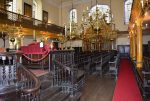
The interior of Bevis Marks Synagogue looking towards the ark and with the bima in the left foreground. The ark is made of oak, but painted to look like Italian marble, as are the supports to the ladies gallery. (photo by Edgar Asher)

Britain’s oldest synagogue, Bevis Marks, was built in 1701. Now situated in the heart of London’s Square Mile business district, the synagogue has been in continuous use since its foundation.

In 1655, Rabbi Menasseh ben Israel arrived in London from Holland with a petition to Oliver Cromwell asking that Jews be allowed to once again to settle and live in England and begin to trade – they had been banned from the country some 366 years earlier. In 1656, Cromwell agreed, despite opposition from London merchants.

Jews had been living in England since Roman and Anglo-Saxon times. In 1066, William the Conqueror encouraged Jewish craftsmen and merchants to move to England from northern France. However, in 1290, Jews were banished altogether from England.

Bevis Marks Synagogue was, from its very beginning, an Orthodox congregation set up to serve the Sephardi Jews in the area. The need to build the synagogue came about because of the increase in the Jewish population of the neighborhood and the lack of other synagogues in the area.

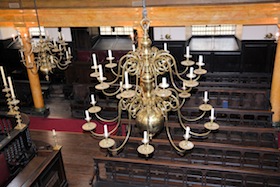
photo - The central candelabrum, one of seven that hang in Bevis Marks, was a gift from the community of Amsterdam at the time of its original construction
The central candelabrum, one of seven that hang in Bevis Marks, was a gift from the community of Amsterdam at the time of its original construction. (photo by Edgar Asher)

In early 1698, a committee was set up, consisting of the leading Sephardi leaders in the neighborhood to look into the possibility of building a new synagogue to cope with the influx of Jews moving into this part of London. In February 1699, a contract was signed for the building of a new, larger synagogue and, in September 1701, Bevis Marks Synagogue was dedicated. The interior décor, layout and furnishing were based on the design of the main Sephardi synagogue in Amsterdam, which had been completed in 1675. The central candelabrum, one of seven that hang in Bevis Marks, was a gift from the community of Amsterdam at the time of its original construction.

The prominent Renaissance-style ark was painted to look as though it is made of colored Italian marble; in fact, it is surprisingly made entirely of oak. The 12 pillars, representing the 12 tribes of Israel, which support the ladies gallery, are also made of oak and painted to look like Italian marble.

Bevis Marks became the centre of the English Spanish and Portuguese Jewish community and was also the home of the community’s chief rabbis.

Bevis Marks has always been intimately associated with London, so much so that on the eight occasions when a Jewish lord mayor has been elected, Bevis Marks has been the destination of the new lord mayor’s first official duty. It has made no difference if the mayor followed the Sephardi or Ashkenazi rite. Many notable Jews have had association with Bevis Marks, including Moses Montefiore, who was also a big benefactor of the synagogue; prime minister Benjamin Disraeli’s father Isaac; and Daniel Mendoza, who was an English boxing champion in the late 18th century.

Several seats in the synagogue, even today, are roped off with a red cord to be reserved for notable people who have been associated with Bevis Marks. One seat in particular was the reserved seat of Montefiore. Now, this seat is a seat of honor reserved for a distinguished visitor, such as a Jewish lord mayor. In 2001, Prince Charles occupied the seat during the synagogue’s 300th-year commemoration ceremony. In 2006, prime minister Tony Blair was guest of honor at the synagogue during the ceremony marking the 350th anniversary of the resettlement of Jews in England.

London, from a Jewish standpoint, has undergone many changes. Over the years, Bevis Marks, apart from being the flagship synagogue of the Sephardi community in Britain, has had a large catchment area around London’s Square Mile. Two things happened to affect the attendance at the synagogue, however. First, many Jews who had become more affluent moved to other parts of London and, second, the city itself and its financial district were redeveloped from being primarily residential to large office blocks.

Nonetheless, Bevis Marks still managed to hold regular but less well-attended services. At one point, the once proud centre of the Spanish and Portuguese Jews looked like it might become an historic landmark, rather than remain a vital house of prayer. After all, the community itself designated Lauderdale Road Synagogue in northwest London as the community’s administrative headquarters. In addition, the number of British Jews claiming affiliation with any Jewish community organizations fell precipitously over a span of 50 years. Many British synagogues were on the verge of closing down or amalgamating with other synagogues in the same district.

In 1955, there were an estimated 410,000 Jews in the United Kingdom; by the time of the national census in 2001, this figure was down to only 270,000. The question on the census form asked, What denomination do you consider yourself to belong to?

Bevis Marks still attracts many visitors from all over the world, both Jewish and non-Jewish. With a few exceptions, its interior is exactly how it looked some 315 years ago. When all is said and done, the building remains a place to offer up prayer, despite some trouble, in recent times, to gather a minyan of 10 men to hold a prayer service. However, the rebuilding of London’s Square Mile and its surrounding neighborhood has brought new blood to Bevis Marks, as the developments have included up-market expensive homes, particularly in the nearby dockland areas. Young Jewish businesspeople are once again making use of the synagogue and Bevis Marks is secure in its future both as a unique architectural building and an active synagogue.

A London lesson

Britain’s Labor Party is going through a crisis as successive low-level and, more recently, senior members of the party express antisemitic attitudes.

Ken Livingstone, the former mayor of London and a Laborite familiarly known as “Red Ken,” told television audiences last week that Hitler was a Zionist, repeating a common and despicable theory usually limited to musty corners of the internet, implying that the Holocaust was all a ploy to engender sympathy that would lead to the creation of the state of Israel. Livingstone apologized if people had taken offence to his words but did not apologize for what he said.

Around the same time as Livingstone – a stalwart of the party’s left for decades – was getting in hot water, so was Naz Shah, a party rising star. The MP accused Israel of behaving like Nazis and suggested that Israel be relocated to the United States, an explicit call for the ethnic cleansing of Jews from the last refuge of the Middle East where they have not yet been eliminated.

The conflict broke into the open, at least in the international media, in February, when one of the co-chairs of the Labor club at Oxford University resigned, declaring that a large proportion of club members have “some kind of problem with Jews.”

Jeremy Corbyn, the Labor Party leader whose own record of allegiances leans more toward Hamas and Hezbollah than it does toward democratic, Jewish Israel, has called an inquiry into antisemitism in his party. Yet, this did not stop one of Corbyn’s shadow cabinet members and closest allies from dismissing allegations that the Labor Party has a problem with Jews as a “smear.” And some have declared the condemnations of antisemitism in the party a “new McCarthyism.”

While all of this sounds like bad news – and it’s hard to argue that the presence of antisemitism in one of the Western world’s major political parties is anything but – there is a silver lining.

The fact is that ideas like these have been percolating on the left and elsewhere for years. They are expressed daily in certain forums on the internet and pop up in private conversation even among people who are respected and trusted on other topics.

In recent years, we have seen individual eruptions of outlandish accusations against Israel – indeed, “apartheid,” “genocide” and accusations of Nazism and the perpetration of a holocaust are accusations thrown routinely at the tiny outpost of democracy. That antisemitic outbursts in Britain’s Labor Party have reached a critical mass that could no longer be dismissed as the unrelated rantings of misguided individuals has led to a much-needed confrontation over the topic. Now, the party must confront and address the problems in its ranks.

From a Canadian perspective, this has particular interest, because our New Democratic Party, in some ways a child of the British parent party, is entering into a period of reflection and reinvention. Its last two leaders, the late Jack Layton and the recently defenestrated Thomas Mulcair, tried to eradicate from their party not-uncommon expressions of anti-Zionism that sometimes relied on anti-Jewish prejudice as an accelerant. The spectacular failure of the Mulcair-led NDP in the last election is leading some to say that a turn to the more extreme left is, if not an electorally advantageous move, at least an ideologically pure way forward. Such recidivism would almost certainly involve some rehabilitation of old anti-Israel fixations.

Yet, it is always better to shine light under these rocks than to allow these ideas to mutate. In Britain right now, we are seeing the predictable illogical extremes to which unchecked anti-Zionism can lead. It will be informative to watch the public discussion that transpires. Though differences are vast, the political cultures of Canada and Britain still have some strong parallels. Perhaps, if Britain confronts in this matter now, Canada will not need to later.