

Every area of Southwest British Columbia is exposed to some form of natural hazard, warns Nicky Hastings, a physical scientist with the Geological Survey of Canada at Natural Resources Canada, who spoke at Har El’s seniors lunch earlier this month. (photo by meggomyeggo / flickr)
Those who attended Nicky Hastings’ talk at Congregation Har El earlier this month came away with a renewed awareness of the many natural hazards we’re exposed to by living in British Columbia.
Hastings, a physical scientist with the Geological Survey of Canada at Natural Resources Canada, specializes in coastal science and disaster risk reduction. Her Sept. 3 talk at the synagogue’s regular seniors’ lunch was titled Living on the Edge: Geology, Natural Hazards and Risk in Southwest British Columbia.
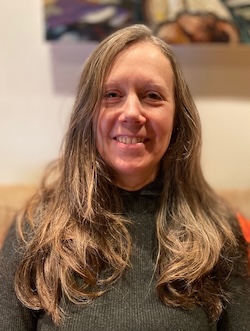
Hastings explained that we’re located on the cusp of the Pacific Rim of Fire, an area prone to earthquakes and volcanoes. But we’re also exposed to flooding in the deltas and floodplains, snow avalanches, wildfires and their smoke, storm surges, sea-level rise and the effects of climate change. This means that every area of the region is exposed to some form of natural hazard.
“We know these hazards are here, and things need to be done to address them – and some of that mitigation is happening,” said Hastings. Drive the Sea-to-Sky Highway and you’ll see rock bolts attached to stabilize the slopes and reduce the risk of rockslides, she said. Lions Bay has a spill channel and catchment basin to catch the debris flows caused by intense periods of rain.
Modeling by the Geological Survey of Canada is being done to predict what earthquake ruptures might look like, and who might be impacted.
“We looked at two tsunamis that already occurred, to see how sea level might change if similar events were to recur, and our modeling did not show those big, 20-metre waves we saw in the Indonesia tsunami,” she said. “It’s more the west coast of Vancouver Island that will likely be impacted.”
While those of us who live in Delta and Richmond might feel comforted by the 600-plus kilometres of dykes that protect the shorelines, that infrastructure can give a false sense of security, Hastings said. “Dykes are engineered structures that need to be maintained and updated. They can breach,” she said. The 2021 floods, for example, caused $2.7 billion of damage and claimed the lives of 6,000 animals.
Hastings encourages everyone to participate in the annual Great ShakeOut Earthquake Drills to prepare for earthquakes, which will be held on Oct. 16, at 10:16 a.m.
“Sign up online at shakeoutbc.ca and practise this drill so it becomes second nature,” she said. “In an earthquake, you have seconds to minutes to act to protect yourself, and you need an emergency readiness kit so you can take care of yourself for 72 hours.”

A new early warning system for earthquakes will send out alerts that can give businesses time to shut down elevators, and cities time to stop hospital operations, open fire station doors and stop trains, she said.
Other monitoring programs and mapping are being done on volcanoes like Mount Baker and Mount Garibaldi. While the last major eruption was in the 1800s, Hastings warned that volcanoes can cause big landslides and volcanic ash can damage aircraft, collapse roofs, cause lung damage and injure animals and plants.
“The seismic monitoring we’re doing creates more awareness – it gives us a chance to mitigate and know how to plan and prepare,” she said.
Hastings’ main takeaway was the need for Southwest BC residents to live with awareness. She lamented that, even with the warnings in place and the research her organization continues to do, communities are still building infrastructure in harm’s way, such as floodplains. Sustainable development in British Columbia, she said, requires striking a balance between growth and an ongoing awareness of the dynamic, hazard-prone landscape we call home.
Lauren Kramer, an award-winning writer and editor, lives in Richmond.