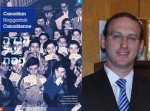
ממשלת ישראל החדשה שתקום בקרוב, שוב בהנהגת בנימין נתניהו. (צילום: Ashernet)
סוגיית הקמת המדינה הפלסטינית בשטחים לצדה של ישראל, יכולה לגרום למחלוקת בין ממשלת קנדה ברשות סטיבן הרפר, לבין ממשלת ישראל החדשה שתקום בקרוב, שוב בהנהגת בנימין נתניהו. זאת, לאור הצהרת נתניהו ערב הבחירות כי הוא מתנגד להקמתה של המדינה הפלסטינית, וכי ימשיך את הבנייה בשטחים. נתניהו פשוט ניסה למשוך עוד קולות ממפלגות הימין האחרות אל עבר הליכוד.
ממשלת קנדה מאז מונה הרפר לראשות הממשלה ב-2006, תומכת בישראל ועומדת מאחוריה כמעט לאורך כל הדרך. אך בד בבד היא מצדדת בצורה חד-משמעית בפתרון שתי המדינות והענקת זכויות האדמה לפלסטינים. אך יתכן ועתה כאמור צפויה לצוץ מחלוקת ממשית בין שתי הממשלות, לאור הכרזת נתניהו.
בכל מקרה הרפר יבקש הבהרות מנתניהו בנושא זה, לאור הראיון שהעניק לרשת הטלוויזיה האמריקנית אן.בי.סי, ביום חמישי שעבר, מייד לאחר הבחירות. בראיון שינה כביכול ראש ממשלת ישראל את דעתו, וטען כי אינו מתנגד להקמת שתי המדינות. אצל נתניהו כמו נתניהו קשה לדעת באמת עמדתו הברורה, אם יש כזו בכלל, והוא נוטה לשנותה בהתאם לשומע שעומד מולו. במקרה של הראיון עם אן.בי.סי מדובר בנשיא ארה”ב, ברק אובמה, וכידוע שני האישים חלוקים אחד על השני ונמצאים בסכסוך עמוק ומתמשך.
בראיון לרשת האמריקנית ניסה נתניהו להסביר את דבריו, שלהערת המראיינת עומדים בניגוד גמור למה שהכריז ערב הבחירות. הוא אמר: “רעיון שתי המדינות לא השתנה אלא המציאות. אבו מאזן סירב להכיר במדינה היהודית וחתם על הסכם עם החאמס שקורא להשמדתנו. כל שטח שיפונה היום במזרח התיכון נתפס מיד על ידי כוחות איסלמיסטיים. אני לא רוצה פתרון של מדינה אחת. אני רוצה הסכם בר-קיימא של שתי מדינות ובשביל זה הנסיבות צריכות להשתנות”.
מייד לאחר הזכייה בבחירות מיהרו הרפר ושר החוץ שלו רוב ניקולסון, ושלחו לנתניהו ברכות חמות. הרפר הוסיף כי הוא מצפה לעבוד ביחד עם הממשלה החדשה בישראל, וכי לישראל אין ידידה קרובה יותר מאשר קנדה.
מנכ”ל המרכז לענייני ישראל והיהודים בקנדה, שמעון פוגל, העיר על דברי נתניהו שיתנגד למדינה פלסטינית, כי מדובר בהצהרה שנבעה מרצונו להשמיע לבוחריו את מה שהם רוצים לשמוע, כדי שלא יאבד קולות. ואילו ראש התוכנית לביטחון לאומי במרכז לחדשנות במשילות בינלאומית (בווטרלו אונטריו), פן המפסון, אמר כי הצהרת נתניהו היא עלבון למאמצי השלום האחרונים במזרח התיכון של שר החוץ האמריקני, ג’ון קרי. לדברי המפסון אם נתניהו ישנה את דעותיו לאחר הקמת ממשלתו החדשה, ישראל צפויה למצוא את עצמה במסלול התנגשות עם קנדה. המפסון: “למרות שממשלת הרפר התקרבה לישראל יותר מכל הממשלות הקודמות בקנדה, היא עדיין תומכת בפתרון של שתי המדינות, ובאופן רשמי מתנגדת להמשך הבנייה של ההתנחלויות הישראליות. קנדה בחרה להביע את התנגדותה באופן פרטי לישראלים, אבל זה אולי צריך להשתנות, אם נתניהו לא יבהיר את הדברים הקשוחים האחרונים שלו”.
שגריר ישראל בקנדה, רפאל ברק, אומר שיש לקחת את כל ההצהרות בתקופת הבחירות בערבון מוגבל. ברק מציע להמתין להרכבת ממשלת נתניהו החדשה, ולשמוע מה יגיד ראש הממשלה ביום הצגתה בכנסת. זו תהיה מדיניות הממשלה ואז הדברים יהיו הרבה יותר ברורים, מאשר הצהרות קצרות שפורסמו בעיתונים.
לדעתו של ההיסטוריון הקנדי ג’ק גרנשטיין (שמתמחה בפוליטיקה וצבא), התמיכה של הרפר בישראל הייתה ונשארה בלתי מעורערת. להרפר חשובה התמיכה שהוא מקבל מהקהילה היהודית בקנדה, והוא לא מתכוון לאבד אותה.
Canucks alum Eddie Hatoum, originally from Lebanon, with several Arab Israeli athletes. (photo from Jewish Community Centre of Greater Vancouver)
Anyone who caught a glimpse of the 20 young hockey players during their week-long training camp in Vancouver March 4-10 probably didn’t think much of it. That is until they looked a little closer and saw the Canada Israel Hockey School (CIHS) logo all over their jerseys, jackets and bags.
In a joint venture of the Jewish Community Centre of Greater Vancouver and the Jewish Federation of Greater Vancouver, the 10-to-14-year-old boys and girls were hosted by local families, trained by special guest coaches, toured around the city and treated to an unforgettable night by the Vancouver Canucks.
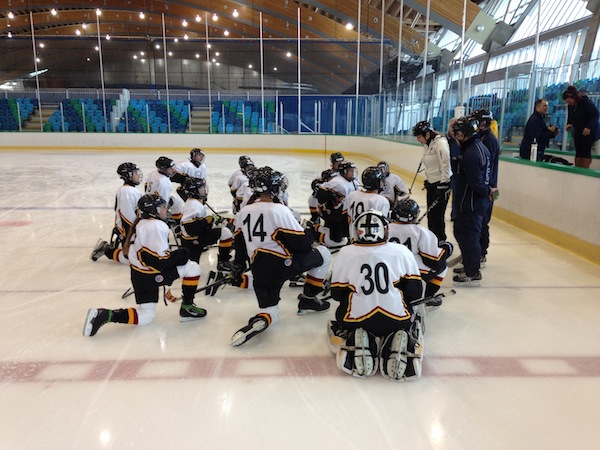
Canada Israel Hockey School students listen to skating coach Barb Adelbaum. (photo from JCCGV)
Aside from its being a hockey school in a country where that sport is as foreign as olive trees are to Vancouver, CIHS is also special for using hockey as a cultural bridge: half the participants touring Vancouver were Jewish and half Arab. Here are a few stories that stood out from the week-long adventure.
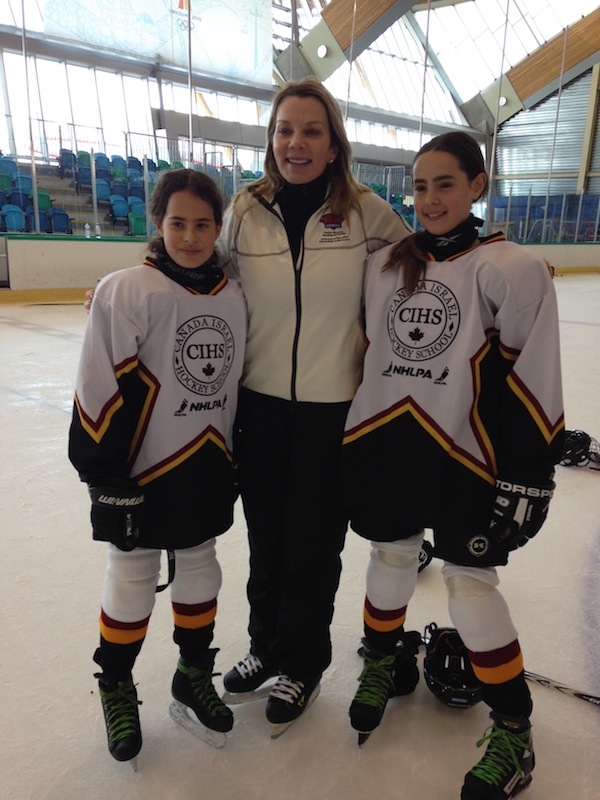
Skate like NHLers: After arriving late the night before, the kids wasted no time hitting the ice at the Richmond Olympic Oval. Their first practice was led by Barb Adelbaum, power skating consultant for the Vancouver Canucks and various NHL players around the league. After taking them through some skating drills, Adelbaum noted that many of them had dull skate blades. She connected the team with Cyclone Taylor Sports in Vancouver and arranged to have all 20 pairs of skates sharpened, as well as a much-needed new stick for one of the goalies.
KDHS meets CIHS: On day two, thanks to a Purim-themed professional development day at King David High School, several hockey-playing students from the high school joined the CIHS kids on the ice. Instead of playing against each other, each team was formed from members of both schools, which made for a spirited community game.
CIHS students with skating coach Barb Adelbaum. (photo from JCCGV)
Flying like a Raven: When the JCC found out that the CIHS squad included two girls, talks began with the Richmond Ravens Girls Hockey Association on bringing them all together. The Ravens happily obliged, donating one of their ice times to a scrimmage and practice with the Israelis. After fitting the two Israeli girls into Ravens jerseys, a boys versus girls game was played.
All they have is love: Sunday afternoon was spent touring the city. The group walked along the water from Granville Island to Kitsilano Beach. As they approached the beach, Virgin Radio was there, with a large balloon-like ball with “LOVE” written on it, offering folks the chance to be photographed with it. As the Israeli kids swarmed for their photo, the radio station reps were told of the special meaning behind the Jewish and Arab group, standing shoulder to shoulder, symbolizing the love of a game and being a team overcoming other boundaries.
CIHS meet JCC hockey: The Israeli athletes had the opportunity to see what Jewish community hockey was all about in Vancouver. They took in one of the final regular season games of the JCC’s Adult Ice Hockey League, providing a cheering section the local weekend warriors weren’t used to. After the game, the students had their chance to show the JCC league the skills they had brought from Israel, and to play a little hockey with them. Led by the generosity of Daniel and Ariel Wosk, several members of the JCC league donated money for new equipment for the CIHS players (more to come on that below). The Wosk brothers had visited CIHS in February 2014 as part of a hockey team tour and wanted to be involved when the Israelis came to Vancouver.
“The joy and passion that [Jewish] and Arab children were exhibiting together was a sign that with the right influences and opportunities there could be a better future there,” said Ariel. “When we heard that some of the kids were coming to Vancouver, we knew that we wanted to do something for them.”
“A highlight for me was not knowing who was who on the ice, yet their teamwork was excellent,” added Daniel of his time playing with the kids here. “It’s awesome to see their relationships grow in a positive direction … [that] will translate into their daily lives.”
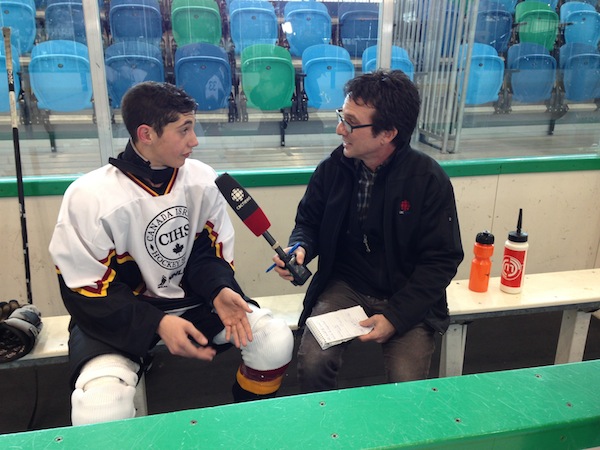
CIHS student being interviewed by CBCs Shane Foxman for Citizen Shane. (photo from JCCGV)
The final day: The last full day of the CIHS visit had more highlights than an evening news report.
The morning started on the ice, with two members of the Vancouver Canucks Alumni Association as guest coaches, along with local hockey pro and JCC member Harrison May and his brother Kevin.
One of the alum, Eddie Hatoum, was born in Beirut and still speaks Arabic at home. Upon arriving and learning of the mix of the CIHS athletes, he entered the locker room and asked, “Who speaks Arabic?” in his native tongue. Half the room raised their hands with huge smiles on their faces. “We’ve done a lot of work with young groups as the Canucks alumni, but this really warms my heart,” Hatoum said, also smiling. “When I tell my siblings in Ottawa that I got on the ice with these kids, they won’t believe it.”
Hatoum was joined at the practice by B.J. (Blair) McDonald, who once scored 46 goals playing with Wayne Gretzky in the early 1980s.
After the practice, the group headed to Sports Exchange in Vancouver for a shopping spree. With the money from the JCC hockey league players in hand, along with several donations and great deals from the store managers, the team packed six bags’ worth of brand-new gear. The kids also had a chance to pick up some items of their own that they can’t get in Israel.
While it seemed almost impossible for the day to get any better, the CIHS kids and several of their host family friends were treated to an evening with the Canucks that started with a meeting with team president Trevor Linden and chief operating officer Victor de Bonis. De Bonis led the group on a tour of the facility in advance of the Canucks versus Anaheim Ducks game, which they watched from a hospitality suite, where they were offered a buffet dinner and all the popcorn they could eat. Visits to the suite from Adelbaum, McDonald, de Bonis and Canucks mascot Fin topped it all off.
The trip continues: The group said goodbye to Vancouver and hello to a week in Calgary before heading back to Israel. Several JCC league players will meet the kids again next February at an annual recreational hockey tournament in Israel. The Vancouver squad, as usual, will get on the ice with the CIHS for a couple of practices and continue their friendship.
Kyle Bergeris Jewish Community Centre of Greater Vancouver sports coordinator, and a freelance writer living in Richmond. For more information on this visit or future hockey trips to Israel, contact Berger at 604-638-7286.
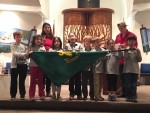
Sholom Cubs leaders Laura Tuan and Isaac Kool with their troops. (photo from Temple Sholom)
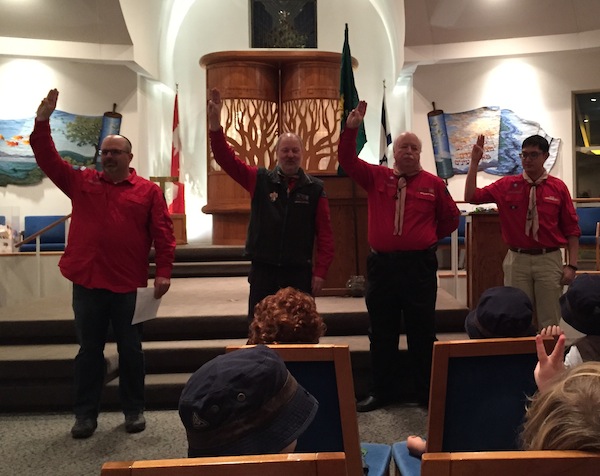
Sholom Scouts celebrated their first milestone when they conducted their first investiture ceremony earlier this month at Temple Sholom.
The ceremony is a central part of Scouts Canada, when new members become invested as scouts. New scouts make the Scout Promise to the Scouts leader and, in response, the Scouts troop leader pledges to help the scout do their best to uphold the promise, setting up a bond between them.
It’s the first time since the 1940s that a Jewish Scouts troop has existed in Western Canada. The rise of Sholom Scouts can be attributed to the vision of Temple Sholom Rabbi Dan Moskovitz.
“I moved here to Vancouver 18 months ago and was blown away by the nature beauty and resources of our surroundings,” he told the Independent. “I wanted to experience them with my children but didn’t want to head out camping or hiking on my own. I was a scout briefly as a child and thought it would be a good organization to explore the outdoors with my children.”
So, approximately a year ago, he went to the Scouts Canada house on Broadway and spoke with one of their representatives about how to start a troop. “I explained my desire and also that I was a rabbi and had access to a building to meet in and a network of other Jewish parents that might want the same experience for their children. He said they had been trying to start a Jewish Scouts group in Vancouver for more than 15 years but didn’t know where to begin, so it was bashert. They started helping right away with open house meetings for parents and kids and we got the word out through social media,” he said.
The boy troop now consists of eight beavers (5- to 7-year-olds) and eight cubs (8- to 10-year-olds) with members from across the Jewish religious spectrum. The children meet biweekly, even though, according to Moskovitz, they will be shifting to a traditional weekly program next year. The children have a bimonthly outdoor event, hiking, camping or another such activity. In May, Sholom Scouts will participate in an area-wide family campout with other Scouts groups from the Lower Mainland.
All Sholom Scouts activities are in line with kashrut observance, with a kosher kitchen on site, and are shomer Shabbat, including services as part of the campground experience.
Before the March 5 investiture ceremony, Moskovitz gave a tour of the synagogue to help another troop, Ryerson, obtain their religion and spirituality badge. There was a falafel dinner, at which the rabbi received an appreciation award from Scouts Canada, followed by Cub Car and Beaver Cubby Racing. The investiture concluded the evening.
In his remarks, Moskovitz explained the symbolism of having the first investiture ceremony in the sanctuary. “Though we have members of our Beavers and Cubs from many different synagogues and parts of the larger Jewish community, the synagogue sanctuary is the sacred place in all of Judaism where the Torah is kept and read, where the community gathers, where the eternal light is kept burning. It’s a place where children celebrate through bar and bat mitzvah their entry into adulthood and, tonight, where we celebrate their preparation for adulthood.”
The ceremony was important for other reasons, as well.
Raphy Tischler, Sholom Scouts Beaver leader, linked it to Jewish holidays such as Sukkot and the Zionist value of “Ahavat Haaretz.” “Living on the West Coast, it is only a natural connection to combine scouting and Judaism. I want the Jewish community to recognize the potential of outdoor programming as part of a well-rounded Jewish experience,” he said.
Left to right: Temple Sholom Rabbi Dan Mozkovitz, Ryerson Cubs leader Lawrence Harris, Pacific Spirit Area commissioner Michael Palmer and Pacific Coast Council commissioner Brandon Jonathan Ma. (photo from Temple Sholom)
And scouting is a great way to reinforce the values of tikkun olam, according to Isaac Kool, Sholom Scouts Cub leader. “We need to start with our own community, including with the natural world.”
Brandon Ma, Pacific Coast Council commissioner for Scouts Canada, pointed out the parent volunteer aspect. “It is one of the only programs that I know of that parents are involved in the programming with their children at the same time, living, working, growing, having fun….”
Sholom Scouts are currently in need of more volunteers. Becoming a volunteer is a multi-step process that includes a personal interview, provision of three personal references and a police record check. Afterward, there is an online training session and mentoring with a local scout leader, where you learn about programming for youth.
Moskovitz believes it is a great way to bring Jewish parents together with their children. “Ninety percent of your Jewish life is lived outside of the synagogue. Scouts helps raise you in the world as a Jew and in the surroundings. It uses the quote, ‘Don’t separate yourself from the community’ … be a part [of it] but be a Jew,” he said.
“I think it will be amazing for our kids and for the hundreds of non-Jewish scouters and families who will join us and perhaps be exposed to outwardly Jewish kids for the first time,” said Moskovitz. “Our people camped in the desert for 40 years, I think we should be able to handle a weekend.”
Gil Lavieis a freelance correspondent, with articles published in the Jerusalem Post, Shalom Toronto and Tazpit News Agency. He has a master’s of global affairs from the Munk School of Global Affairs at the University of Toronto.
Stan Shawn wants to become the first Sephardi member of Parliament from British Columbia.
The Vancouver realtor is seeking the Conservative party nomination in Vancouver-Centre, hoping to take on Liberal Hedy Fry, who has held the seat for 22 years. Shawn believes changes to the riding boundaries could help his party seize the seat, one of only two the Liberals won in the province during the last election. The riding comprises the downtown peninsula and northern Kitsilano.
“Maybe people have the sense that it’s not that winnable because Hedy Fry has been there since 1993 and people don’t really have a lot of faith in anybody opposing her, but I actually have confidence that I’ll do a pretty good job,” said Shawn.
Shawn is a director of the Real Estate Board of Greater Vancouver and president of the board’s Westside Vancouver division. He is a graduate of Western Washington University and taught in Richmond public schools for a time.
Shawn came to Vancouver at the age of two. He was born to Iraqi Jewish parents in Bangkok, Thailand. His father was founding president of Beth Hamidrash, Vancouver’s Sephardi synagogue, and his mother was the first sisterhood president. Shawn later became president of the synagogue himself. As a teenager, he attended Camp Miriam. He attended Vancouver Talmud Torah and public schools. He spent two stints living in Israel during the 1970s and ’80s.
He is getting involved in politics now, he said, because he “wanted to do something more significant for the general community.”
“I’m really turned on by the Conservative government of Stephen Harper,” he said. “I think it’s just the best possible government we could have. I like their policies on security, community security, fighting racism and antisemitism … support of Israel absolutely is one of my favorites.”
Shawn hopes people who live in the riding of Vancouver-Centre will join the Conservative party and support his bid for the nomination. The party has not yet set the date for the nomination vote but individuals must be members of the party for 21 days in order to vote. Information is at vote.stanshawn.com.
“The Jewish community has benefited greatly by Stephen Harper’s government and we owe it to them to support the Conservative government because there’s never been anything like them,” said Shawn. “If people know anything about history, there’s never been anything like the Conservative party government insofar as being steadfast in supporting the Jewish people and Israel.”
The Conservative party did not respond to email or telephone messages requesting the names of other candidates for the Vancouver-Centre nomination.
The 15th annual Chutzpah! Festival of the Jewish Performing Arts concluded on Sunday with the group Diwan Saz. Their main message: music has no borders. And, “Don’t believe the news,” i.e. Israel is more than a conflict zone.
Yet, our brains are hardwired to find the negative in life. As one neuropsychologist writes, “the brain is like Velcro for negative experiences but Teflon for positive ones.” It is no coincidence that the news the media mainly reports is bad. It not only titillates, but it sticks with us. However, there are good news stories, and they should not be dismissed as “fluff,” or as less significant than the “serious” news. On the contrary.
The arts are vital to our lives, as are sports and other cultural endeavors. They are not merely for entertainment or to escape from reality. Among other things, these pursuits encourage creativity and propel innovation, they nurture our souls and provide ways in which we can connect to each other. They can be catalysts for all types of change in the world, making people aware of issues they might not otherwise consider, bringing people together to speak out against injustice or in favor of peace, for example.
The multicultural Bedouin, Israeli Arab, Turkish, Jewish Israeli (Ashkenazi and Sephardi) group Diwan Saz, comprised of nine musicians, is a prime example of how people of different places, beliefs and backgrounds can live, play and travel together – by choice, and happily, enriched by one another’s friendship and musicianship.
Since its beginnings, Chutzpah! has shown how arts and culture can bring diverse people together. In recent years, Israeli performers have graced the cover of the Georgia Straight in its Chutzpah! coverage. What better ambassadors of Israeli and Jewish culture, and the cross-cultural possibilities of the Middle East?
This week’s JI cover stories provide another couple of examples.
Twenty kids from the Canada Israel Hockey School, a joint venture of the Jewish Community Centre of Greater Vancouver and the Jewish Federation of Greater Vancouver, visited last week – Jewish Israeli, Arab Israeli, girls and boys, the hockey players see each other as teammates, playing for the love of the game. Not only are positive bonds and memories being formed among the players, but also between them and their coaches in Israel and in Vancouver, the local hockey players they met, both from the Jewish league and from the Canucks. Interviewed by CBC’s Shane Foxman, these kids were representing not just themselves, but the sport of hockey and their country of Israel – and they are cause for pride.
Sholom Scouts are also not “just” scouts. Not to put too much pressure on them, but they are Jewish ambassadors to the larger Scouts community as well as the general community. Within the Jewish community, they represent a spectrum of Jewish beliefs, all coming together to become good stewards of the land and good citizens.
It is healthy to see the negative: it helps us to be safe, to become aware of what isn’t quite right, what needs adjustment and what areas of justice still need to be pursued. As Leonard Cohen sings, “there is a crack in everything, that’s how the light gets in.” But, focusing exclusively on the negative – the crack instead of the light – isn’t healthy, not for ourselves personally or for society at large. This does not imply blocking out the reality of the suffering that does exist, but instead recognizing that we ignore the beauty, loving kindness and bright spots of reality to our detriment.
Whether it’s by being more mindful, cultivating more loving kindness, reducing stress and anxiety, re-balancing our middot, being open to new and challenging experiences or learning more about something that interests or concerns us, we can find more good. It takes time and effort to “hardwire happiness” in our brains and in our lives, but it’s possible.
It helps when we consciously draw out the positive, such as the stories mentioned here, and engage in the positive cultural and social behaviors that make us more than mere human animals, and more fully and happily human.
Eliane Nevares (photo from Jewish Community Centre of Greater Vancouver)
The Jewish Community Centre of Greater Vancouver welcomes Eliane Nevares as the new youth outreach coordinator. Serving Jewish teens throughout the Lower Mainland, Nevares hopes to bring her diverse skill set to the forefront. Born and raised in Vancouver, Nevares has an undergraduate degree from the University of British Columbia in sociology and geography, and the goal to return to school in September 2015 for social work. Additionally, Nevares brings volunteer and work experience from various organizations, including the Vancouver Crisis Centre, Downtown Eastside Women’s Centre and Family Centred Practices Group, to help strengthen the work she will do at the JCCGV.
Nevares aims to connect with as many teens as possible through various programs, including more vulnerable teens. For example, Chill Chat develops partnerships between Jewish mentors and mentees, the Sunday Funday initiative helps combat hunger and advocates for change and leadership, and Banot Girls Club provides a space for preteen girls to meet and engage in meaningful activities. Other services include but are not limited to consultations and assessments, information and referrals, advocacy and support, and educational workshops and speakers.
With a goal to promote the social and emotional development of youth through individual support and community partnerships, Nevares said she is excited about her new position. She encourages those interested to connect with her at outreach@jccgv.bc.ca or 604-257-5111, ext. 308.
The cover of the new Haggadah, with one of its authors, Rabbi Adam Scheier. (photo from cjnews.com)
A new Haggadah in Hebrew, English and French has been created by Canadians for Canadians and celebrates the Jewish experience in this country.
The Canadian Haggadah Canadienne, compiled and edited by Rabbi Adam Scheier and Richard Marceau, has been published by Montreal’s Congregation Shaar Hashomayim. The authors of the Passover text describe it as the first of its kind, and one overdue for a Jewish community that is not only one of the largest in the world, but has a distinct identity.
All text is equally reproduced in the three languages, but what really makes this book stand out are dozens of historic photos of Canadian Jewish life from the early 20th century culled from the Canadian Jewish Congress Archives and other community archives, including those of the Canadian Jewish News.
The book also includes commentaries from 20 rabbis (and one maharat, the title for ordained female clergy in modern Orthodoxy) from across the country and the denominational spectrum.
The text is traditional, said Scheier, but it’s one he believes is familiar to almost everyone and may be used in full or abbreviated. The language is close to gender neutral.
One small addition is a prayer for Canada, alongside one for the state of Israel: “May the Merciful One bless Canada and its government, and grant fellowship and freedom to all of its inhabitants.”
Marceau and Scheier, who are friends and colleagues in community work, labored on the Haggadah for about five years, in their spare time away from busy professional and family lives. They both enjoy having diverse guests at their seder tables – anglophones and francophones – and felt the lack of a bilingual Passover text. Extemporaneous translation or using two versions proved to be awkward.
They may seem like an odd pair to produce such a proudly Canadian work. Scheier, Shaar Hashomayim’s spiritual leader, is a Rochester, N.Y., native, a fourth-generation American, who came to Canada 11 years ago.
Marceau is general counsel and senior government adviser to the Centre for Israel and Jewish Affairs, based in Ottawa. He is a convert to Judaism, a francophone from Quebec City who was a Bloc Québécois MP from 1997 to 2006. He recounted his journey to Judaism in the 2011 memoir Juif: Une histoire québécoise, which was later translated into English.
“When I came to Montreal, I was struck by the sense of pride Jews had in this country and their history in it,” said Scheier, who notes his wife Abby is Canadian and that they have “produced four Canadian citizens,” to whom he dedicates the Haggadah.
The completion of the project is bittersweet for Marceau. He dedicates the book to his late wife, Lori Beckerman, who passed away without seeing it published, and their two children.
Marceau attended his first seder in 1992 with Toronto native Beckerman’s family and friends. It was his introduction to Jewish ritual, which was totally strange to him, but it was made even more baffling because his English was not strong at the time.
“It was quite a culture shock,” he recalled.
They were married two years later, and Marceau converted in 2004. “Lori was very supportive of the [Haggadah] project. Although she was an anglophone from Toronto, she became fully bilingual, worked in French as a lawyer in Ottawa, and loved the duality of our home and the friends we invited around our table,” he said.
Both editors emphasized that the project would not have been possible without the help of many people, be it with research, proofreading, donations or advice.
“From the outset, we only encountered excitement about this project,” Scheier said. “People really responded to the idea.”
That input helped them find and select an eclectic mix of pictures, some familiar, but many rarely seen today. Some examples are the first religious service held by a Jewish farming colony in Lipton, Sask., in 1906; Philip Adelberg, the first justice of the peace in British Columbia’s Peace River district, taken in 1915; the Cornerbrook, Nfld., synagogue in the 1940s; the founding of Ecole Maïmonide in Montreal in the 1960s by the Sephardi community, the first French-language Jewish school in Montreal; and demonstrations for Soviet Jewry in the 1970s.
Marceau said he and Scheier felt it was important to highlight the relationship between Canada and Israel over the years. There are shots of visiting Israeli leaders from David Ben-Gurion to Shimon Peres in 2012, as well as then prime ministers Menachem Begin and Pierre Trudeau together in 1978. The relationship is represented in the other direction as well, such as an Inuit delegation’s visit to the Jewish state.
The Canadian Haggadah Canadienne, which weighs in at 168 pages, is tablet size in order to make it easy to use at the seder table. “It’s not supposed to be a coffee table book,” said Marceau.
It is being sold on amazon.ca and at synagogues and Jewish bookstores for $20. Any proceeds will go to charity – split 50-50 between Scheier’s and Marceau’s choices.
– For more national Jewish news, visit cjnews.com.
Every year, 15 out of every 100,000 Canadians is diagnosed with inflammatory bowel disease (IBD). More concerning are the statistics for Ashkenazi Jews, one of the more at-risk populations for the disease.
IBD is a group of inflammatory conditions that affect the gastrointestinal tract, or the gut, explained Dr. Charles Bernstein, a gastroenterologist working at Winnipeg’s Health Science Centre (HSC) and the University of Manitoba (U of M).
Dr. Charles Bernstein (photo from Charles Bernstein)
Speaking at the Victoria Inn in Winnipeg at a gala to raise funds for Crohn’s and colitis research, he said, “They’re associated with symptoms of abdominal pain, diarrhea, sometimes weight loss, rectal bleeding … and they’re quite common in young people. The peak age of incidents is in the 20s for Crohn’s, although it can actually present at any age.”
According to Bernstein, these diseases often mean a high burden, especially when they present in teens or young adults. “With ulcerative colitis, there is a rise in the 20s, but [the rate] plateaus. And the incidences are quite similar with every decade of life. And, since there isn’t a high mortality rate associated with the diseases, people carry these diseases throughout their life.”
Although the cause for the conditions remain mostly unknown, the doctor said research has moved forward considerably in the last decade and a half, at least in so far as understanding some of the contributing factors. Research has primarily focused on developing better “Band-Aid” solutions, such as ways to control the body’s response with anti-inflammatory and immunosuppressant drugs. “This, in a sense, allows us to put the genie back in the bottle,” said Bernstein. “In Crohn’s disease, we don’t know what’s causing the act of inflammation, so we don’t have a specific treatment. So, it’s different than taking penicillin for infectious [bacterial] pneumonia. We know we are taking the antibiotic to treat a specific thing and the pneumonia goes away.”
These diseases are more prevalent in Ashkenazi Jews, though they are by no means the only ethnic group affected. For several years, the focus has been on the genetic components to these diseases. Today, however, there is a more research into possible environmental factors, Bernstein said, and these deserve more attention.
“Indians from India are quite unlikely to get these diseases,” he said, by way of example. “Although these diseases are [now] emerging in India, the rates are substantially lower than in a country like Canada. But, when Indians move to Canada, like they do in B.C. in large numbers, they may not, as adults, get IBD while living in B.C., but their children seem to be at a comparable risk as white kids growing up in B.C. It’s an important area of investigation right now, trying to understand what these environmental factors are that drive these diseases to emerge.”
Diet is one area for research. “There’s a great interest in diet and what it is about the diet in the Western world, in particular in Canada, that may impact bugs present in our bowel and the response to them. Also, smokers are more likely to get Crohn’s than non-smokers, but we don’t understand what it is about smoking that impacts the development of the disease.”
The genetic “cure” has proved elusive as yet, even with a great deal of research in that area. “Because of all the work that’s gone into genetic work, we understand that probably most of the genes are associated with Crohn’s. But, we’ve not been able to find some gene switch to treat and, therefore, turn off the disease.”
According to Bernstein, the rate of IBD among Ashkenazi Jews is higher in Canada than Ashkenazi Jews in Israel, which, he posits may be due to the very different environment and, to some extent, different dietary patterns of Ashkenazi Jews living in Israel versus those living in Canada.
“Ashkenazi Jews have the machinery to … develop IBD when confronted with whatever the environmental triggers are, but my suspicion is that the environmental triggers are higher in North America than they are elsewhere.”
“With a rate of approximately 250 cases per 100,000 in the population at any one time, and while the rates in B.C. are slightly lower than elsewhere in Canada, the rates are as high in Canada as anywhere in the world. And the prevalence rates of these diseases amount to about 240,000 Canadians with Crohn’s disease or ulcerative colitis – probably 140,000 have Crohn’s disease and 100,000 have ulcerative colitis.”
The burden to sufferers of IBD is when they are experiencing symptoms that interfere with their work, sports or social life, their quality of life.
“We can get 95 percent of people’s symptoms controlled, so it doesn’t have to have a big impact on their life,” said Bernstein. “There are a small percentage of people with chronic, grumbling symptoms that we can’t control.”
These conditions contribute a significant cost to society, as well, when IBD sufferers are either missing work or are going to work but are not able to function to their full potential. There are also direct costs for managing these diseases via providing doctors, nursing services, medication, hospital coverage, etc.
“For some of the drugs, we use a category called ‘biologicals’ or the antibodies of TNF [tumor necrosis factors],” said Bernstein. “They can cost 30- to 35,000 dollars per year.
“Our centre in Winnipeg has been among the leaders in exploring not just the burden of the disease, but also the psychosocial factors that impact the disease – understanding how stress, anxiety and depression impact the disease and vice versa.”
Dr. Brian Bressler a gastroenterologist at St. Paul’s Hospital in Vancouver, echoes Bernstein’s concern about being too focused on the genetic component of the disease.
IBD issues become problematic when one’s immune system is inappropriately activated and causing damage and inflammation in the bowels, Bressler explained in an interview. “Many genes have been identified as putting people at an increased risk of having these problems and there are environmental influences in the world that, when exposed, can increase one’s risk of their immune system not working properly,” he said. “This doesn’t mean that if you have the gene defects you’re going to get it. It’s more likely than not that you won’t get IBD, which is why we don’t tell people routinely to get checked just because they have the genes.
“The highest risk is having a sibling who has Crohn’s or ulcerative colitis, but even if you have a sibling it’s still likely you’re not going to get it.”
When it comes to getting IBD under control, Bressler said that controlling inappropriate immune system response is key, as this leads to inflammation and to potentially serious bowel damage.
To date, there is no cure, but the focus is on ensuring that the disease is as controlled as possible. “In general, patients present with symptoms and not feeling well because of a multitude of problems,” said the doctor. “While some are able to control symptoms by changing their diet, there’s no diet that has been proven to be effective in managing IBD.”
It is important to try to make adjustments to diet and lifestyle, however. “Sometimes, patients don’t have any symptoms, but they are still having their immune system causing damage. This can lead to permanent problems in the bowel.”
Another option for some cases is surgery. There are four types of surgical procedures used to treat the symptoms of Crohn’s, for example, depending on the specific complication, the location in the GI tract and the severity of the symptoms. Surgical approaches include re-section, colectomy, proctocolectomy and strictureplasty. There is a light on the horizon for future IBD treatment, however. “Newer medical therapies are a little more sophisticated,” Bressler said. “They are a little more specific in targeting certain problems driving the inappropriate immune response. An older therapy, like prednisone [a steroid], is more [about] global control of the immune system. This is sometimes necessary and many times works, but does have a lot of side effects and long-term complications. There are newer therapies that can treat the inappropriate immune response, without leading to so many side effects.”
What do children require in order to thrive? Here are five vital things we must give to our children.
1. Self-worth
All children have the need to feel accepted. When we nurture our child’s feelings of self-worth, we create a sense of pride. There is an atmosphere of belonging so that the child does not feel the necessity to find acceptance elsewhere. We want our sons and daughters to know that we love them for who they are and that each child possesses a unique gift given by God. For each child, the gift is different. It can be brains, personality, sports, art, baking, music, friendship, even the ability to care for a baby. Our role as parents is to help the child discover the magic within instead of focusing on the perceived gifts that others possess.
Once we are able to do this, we can help each child feel stronger with who he is. Self-confident children can deal successfully with the ups and downs that life brings. Kids who possess self-worth will better navigate future relationships, feel resilient enough to try and risk failure, and become a source of strength to future generations.
I do not mean a child who is full of him or herself. Some children perceive themselves to be superior and knock others down. This type of self-esteem is superficial and creates an arrogant child in and out of the home. Instead, I am speaking about the unearthing of what lies beneath the soul. If we can then show our children that they can use their gift to make this world better, we transmit to each child a confident awareness that “I make a difference” and “I have value.” When a child feels inadequate, we hear lines like “I can’t,” “No one likes me” and “I’m not good enough, smart enough and popular or pretty enough.”
Parents who appreciate their children’s differences, interests and talents, encourage their children to grow confident and be happy with who they are.
2. Security
We live in a sometimes scary world. Our children are aware of current events, painful tragedies and images that boggle the mind. Words like kidnapping, missiles, terrorist attacks and killings are no longer scenes from Hollywood movies. A generation is growing up surrounded by loss. And it is not just grim world news that kids must confront. I have spoken to parents whose children are fearful of returning home from summer camp because each year there are couples who announce their pending divorce. Do you feel confident that you have given your child a sense of security?
We can help assure our children by creating an atmosphere of trust. Despite the difficult world out there, know, my child that you can always count on me.
Here are practical ways to make this happen: rid yourself of chaos and commit to routines and schedules that work. Try to de-clutter so that your home environment does not feel messy and overwhelming. Keep your word: when you say you will be there don’t disappoint, and honor your promises.
A lack of consistency in rules makes a child unsure of what to expect. Wishy-washy discipline does not allow a child to anticipate proper consequences, and strips away the security of knowing right from wrong.
Most of all, let us recognize the destructive power we possess when we scream at our children. All it takes is a few moments of outrage to cause a child to feel that he is living with a parent who is out of control. Anger, yelling, sarcastic put downs and belittling removes the inborn trust that a child had but is now lost. Why would I want to connect with you if I do not feel safe at your side? Once the bond between parent and child is destroyed, it becomes very difficult to rebuild. Even if you try afterwards to spend time together and offer soothing words, lose it often enough and the harsh image and tone simmer within your child’s heart. Your son or daughter is always second-guessing – will this be a safe conversation or will I feel too vulnerable? Creating a stable home instead will enable your child to grow knowing the definition of dependable, reliable and trustworthy.
3. Relationship skills
Our children need to learn how to deal with others. Too often parents make excuses for their child’s misbehavior or hurtful words. Instead, let us concentrate on helping our kids handle their encounters. A practical way for us to do this is to open our eyes to teaching moments where kids can learn about apologies, forgiveness, gratitude, sharing, not interrupting, allowing others to be in the limelight, listening skills, overcoming the desire to hit or scream, dealing successfully with tantrums and learning how to quell angry reactions.
At the same time, it is important to impart the deference required when encountering authority. Discuss the proper derech eretz – standard of respect – while speaking to rabbis, principals, teachers, parents, relatives and elders. Just as crucial is the knowledge of how to act in a synagogue, bar and bat mitzvah, airplane, restaurant, hotel and other people’s homes. I have seen children destroy hotel lobbies while parents watch and laugh that it is not their home. Lacking social skills produces children who either bully or withdraw into painful silence. Providing the proper relationship know-how gives children character traits like loyalty, respect, unselfishness and honesty.
4. Sensitivity
Teach your children to be considerate of other people’s feelings. When a sibling or classmate has been pained, it is OK and appropriate for a child to feel empathy. If possible, give your children opportunities to cultivate compassion. The unpopular kid in class who never gets invited – how do you think he is feeling? How can we try to make this better? There are many chesed (kindness) projects that our children can get involved in, instead of just focusing on themselves. This past year, a group of bat mitzvah-aged students whose mothers I teach collected hundreds of coats that we shipped off to Israel. We discussed how there are kids their age who are freezing during the winter months because they cannot afford a coat. It was an incredible day that opened up the eyes and hearts of these young girls to the suffering of other children. Compassion can be nurtured.
Children notice if their words bring a smile or a tear. They recognize from early on if they’ve brought pleasure or pain. We cannot afford to shy away from allowing them to confront their behavior and deal with poor decisions that they’ve made.
As parents, we must replace angry reactions with firm but loving discipline. We cannot expect to raise sensitive children if we, ourselves, are insensitive to our children’s needs.
5. Love
Of course, all this is not possible if we lack the ability to make our children feel loved. Be generous with your affection. Hug more, laugh more, say “I love you” more. Stop making your child feel as if he is never “good enough.” Allow your children to see that you appreciate and are affectionate with your spouse. Give words of gratitude and admiration.
When you have family time, don’t seem bored and uninterested. Turn off your devices and tune in to the ones who count on you most in this world. Watch that the pressures of school, homework, carpools, bedtime and daily life do not ruin the precious moments you have together. Our families are our greatest assets. Let us create homes filled with peace so that we can transmit our legacy to the next generation.
Slovie Jungreis-Wolffis a freelance writer, and a relationships and parenting instructor. Her book Raising A Child With Soul is published by St. Martin’s Press. This article was distributed by the Kaddish Connection Network and appeared on Aish HaTorah Resources.