Skip to content
  • Home
  • Subscribe / donate
  • Events calendar
  • News
    • Local
    • National
    • Israel
    • World
    • עניין בחדשות
      A roundup of news in Canada and further afield, in Hebrew.
  • Opinion
    • From the JI
    • Op-Ed
  • Arts & Culture
    • Performing Arts
    • Music
    • Books
    • Visual Arts
    • TV & Film
  • Life
    • Celebrating the Holidays
    • Travel
    • The Daily Snooze
      Cartoons by Jacob Samuel
    • Mystery Photo
      Help the JI and JMABC fill in the gaps in our archives.
  • Community Links
    • Organizations, Etc.
    • Other News Sources & Blogs
    • Business Directory
  • FAQ
  • JI Chai Celebration
  • JI@88! video

Recent Posts

  • Eby touts government record
  • Keep lighting candles
  • Facing a complex situation
  • Unique interview show a hit
  • See Annie at Gateway
  • Explorations of light
  • Help with the legal aspects
  • Stories create impact
  • Different faiths gather
  • Advocating for girls’ rights
  • An oral song tradition
  • Genealogy tools and tips
  • Jew-hatred is centuries old
  • Aiding medical research
  • Connecting Jews to Judaism
  • Beacon of light in heart of city
  • Drag & Dreidel: A Queer Jewish Hanukkah Celebration
  • An emotional reunion
  • Post-tumble, lights still shine
  • Visit to cradle of Ashkenaz
  • Unique, memorable travels
  • Family memoir a work of art
  • A little holiday romance
  • The Maccabees, old and new
  • My Hanukkah miracle
  • After the rededication … a Hanukkah cartoon
  • Improving the holiday table
  • Vive la différence!
  • Fresh, healthy comfort foods
  • From the archives … Hanukkah
  • תגובתי לכתבה על ישראלים שרצו להגר לקנדה ולא קיבלו אותם עם שטיח אדום
  • Lessons in Mamdani’s win
  • West Van Story at the York
  • Words hold much power
  • Plenty of hopefulness
  • Lessons from past for today

Archives

Follow @JewishIndie
image - The CJN - Visit Us Banner - 300x600 - 101625

Tag: life skills

The many joys of connection

The many joys of connection

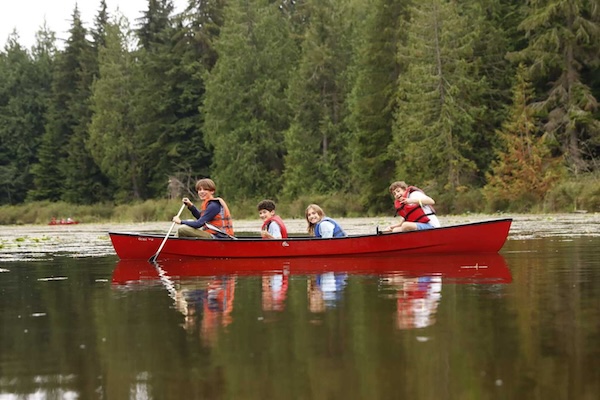
By fostering human connection, creativity and a love for the outdoors, Camp Hatikvah teaches children that true joy doesn’t come from likes or notifications – it comes from experiences shared with others. (photo from Camp Hatikvah)

In today’s fast-paced world, it can feel almost impossible to escape technology. Smartphones, tablets and social media have woven themselves into the fabric of daily life, often at the expense of face-to-face interaction and genuine connection. But, at Camp Hatikvah, campers are given the opportunity to disconnect from devices and reconnect with life’s simpler joys.

The camp has a no-technology policy for all its campers. This means that, for the entirety of their stay at camp, campers are completely unplugged so that they can engage with the world around them – through creativity, camaraderie and the kind of joy that is so often lost in the digital age.

For many of today’s youth, the idea of unplugging might seem daunting. Devices have become more than tools; they’re sources of entertainment, connection, and even identity. At Camp Hatikvah, however, the absence of screens doesn’t feel like a loss – campers quickly discover the delights of old-fashioned fun.

“It’s a precious gift to witness children simply at play,” said Liza Rozen-Delman, the camp’s executive director. “When they’re not tethered to screens, you see their imaginations come alive. They’re dancing, creating skits, and laughing in ways that feel so genuine. It’s the kind of joy you rarely see any more in the city.”

photo - Camp Hatikvah has a technology-free approach
Camp Hatikvah has a technology-free approach. (photo from Camp Hatikvah)

These moments of unstructured play do more than just fill the hours; they foster skills that are crucial for a child’s development. Imagination, problem-solving and cooperation flourish in an environment where kids are free to create their own fun. Campers learn to navigate group dynamics, work through challenges and take pride in shared accomplishments.

One of the most profound benefits of Camp Hatikvah’s technology-free policy is the way it nurtures genuine relationships. Without the distractions of social media, campers are fully present for one another. They form bonds over shared adventures, whether it’s paddling across the lake, tackling a team-building challenge, or simply sitting together under a star-filled sky.

The mental health challenges facing today’s youth are unprecedented. Studies have linked the overuse of technology to increased anxiety, depression and feelings of isolation. Camp Hatikvah offers a much-needed antidote: a space where kids can breathe, laugh and simply be themselves.

“Away from screens, there’s a noticeable shift in the kids,” said Eden Gutterman, associate director. “They start to relax. They’re more in tune with their surroundings and with each other. It’s like they’re rediscovering what it means to just be a kid.”

photo - Moments of unstructured play foster skills that are crucial for a child’s development
Moments of unstructured play foster skills that are crucial for a child’s development. (photo from Camp Hatikvah)

The benefits of Camp Hatikvah’s technology-free approach aren’t limited to the children who attend. Parents also appreciate the impact of the camp’s philosophy. For many, it’s a relief to know their children are spending time away from screens and social media, engaging in activities that promote health and happiness.

“At the end of the day, what we’re giving these kids isn’t just a summer at camp – it’s a gift that will stay with them for the rest of their lives,” said Rozen-Delman. “The friendships they make, the confidence they build and the memories they create – those are the things that matter. And none of it requires a screen.”

Life’s most meaningful moments often happen when we set aside our screens and fully immerse ourselves in the present. By fostering human connection, creativity and a love for the outdoors, Camp Hatikvah teaches children that true joy doesn’t come from likes or notifications – it comes from experiences shared with others. In an increasingly digital world, the lessons learned at the camp are not just refreshing – they’re transformative, equipping campers with the tools to lead more balanced, connected and fulfilling lives long after summer ends.

For more information, visit camphatikvah.com. 

– Courtesy Camp Hatikvah

Format ImagePosted on December 20, 2024December 19, 2024Author Camp HatikvahCategories LocalTags Camp Hatikvah, Eden Gutterman, education, health, Jewish summer camp, Judaism, life skills, Liza Rozen-Delman, technology
Six benefits of Jewish camp

Six benefits of Jewish camp

Jewish summer camps fuse the activities, friendships and communal life of traditional camps with Jewish values, role models and culture. (photo from Camp Kalsman)

Whether camping season has just ended or it’s the middle of winter, it’s never too early to begin thinking about Jewish summer camp for the young people in your life. Jewish summer camps fuse the activities, friendships and communal life of traditional camps with Jewish values, role models and culture. This uniquely immersive experience provides a confidence-building opportunity in which campers experience joy and discovery in a communal Jewish setting. 

The top six reasons parents, bubbes and zaydes everywhere are sending their kids to Jewish camp are:

1. Kid-centred Judaism

Kids are empowered to contribute to and lead their Jewish community at camp. From services, to music, to hands-on learning, the developmental and social-emotional needs of campers come first, and opportunities exist for campers to take the lead in these experiences. This is a uniquely powerful experience they won’t find anywhere else.

According to the 2023 article “Why Camp Works: Explanations Later” by Rabbi Daniel Greyber on ejewishphilanthropy.com, research shows that “camp attendance makes adults 30% more likely to donate to a Jewish charity, 37% more likely to light Shabbat candles, 45% more likely to attend synagogue monthly or more; and 55% more likely to be very emotionally attached to Israel. But why does camp work? One reason may be that explanations about Judaism take a backseat.” He writes that “Judaism cannot be transmitted through classes and scholarship alone, or even primarily. There is no substitute for doing.”

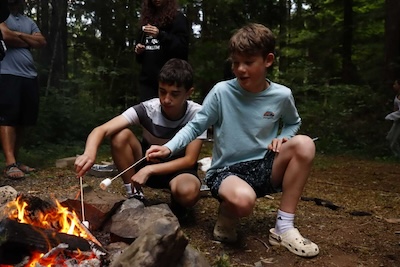
photo - Kids are empowered to contribute to and lead their Jewish community at camp
Kids are empowered to contribute to and lead their Jewish community at camp. (photo from Camp Kalsman)

2. Camp friendships last beyond the summer

After the laundry has been washed and the camp trunk put away, friendships endure. The intensity of the shared experience and communal living of camp expedites and deepens relationships. Camp is one easy entry point into a lifelong Jewish community. As kids grow, opportunities arise to increase their connections with Jewish peers through congregational and national youth groups, Israel travel, social justice programs, and much, much more. Many alumni of Jewish camp have found that the friends they make during the summer stick with them through college, young adulthood, and beyond.

3. An immersive Jewish community

Campers live in Jewish time; they are exposed to adult Jewish role models, Jewish peers and Jewish friends from different places, as well as the rhythm of Jewish rituals. These Jewish connections are extremely powerful. Campers experience joy in a Jewish community, develop confidence in their Jewish identity and forge long-lasting connections. Nowhere else do campers have the opportunity to experience Judaism infused into daily life and reinforced by a community of Jewish peers.

4. Camp ends, but Jewish community continues

Children who attend Jewish summer camp are more likely to identify as Jewish adults and actively engage with their communities. The experience of living in an immersive Jewish community has a deep and profound impact, which lasts into adulthood.

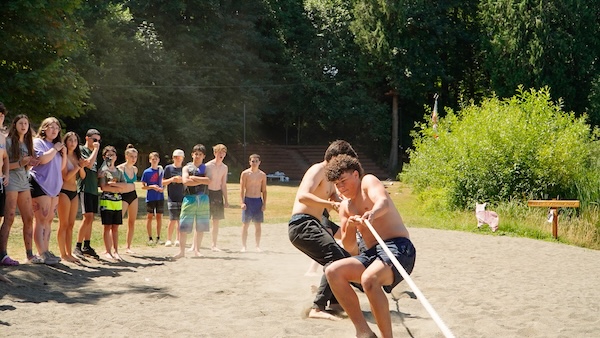
photo - After the laundry has been washed and the camp trunk put away, friendships endure
After the laundry has been washed and the camp trunk put away, friendships endure. (photo from Camp Kalsman)

5. Jewish camp addresses the whole camper

Children learn confidence, skill-building and socialization by living in a community. They learn how to operate in a diverse group of peers, face new situations and overcome challenges on a daily basis. At camp, adult role models and mentors create safe spaces for campers to grapple with complex ideas based in Jewish values, texts and traditions – topics that secular schools and camps might not be able to address. Camp can provide balance by creating space for spiritual, emotional and physical growth for campers.

6. Camp helps kids succeed

Camp is all about fun and real-world learning. Campers who return to camp as staff members can create opportunities to advance themselves professionally. Many staff from Jewish summer camps have found that their experiences have helped them jumpstart their careers, establish their college networks and meet new people. 

A longer version of this article appears on reformjudaism.org, the website of the Union for Reform Judaism. URJ Camp Kalsman, located in Arlington, Wash., serves 600-plus campers ages 7-17 from Western Canada and the Pacific Northwest every summer. For more information, visit campkalsman.org or email [email protected].

Format ImagePosted on December 20, 2024December 19, 2024Author Union for Reform JudaismCategories LocalTags education, Jewish summer camp, Judaism, life skills, URJ Camp Kalsman
Opportunity for exploration

Opportunity for exploration

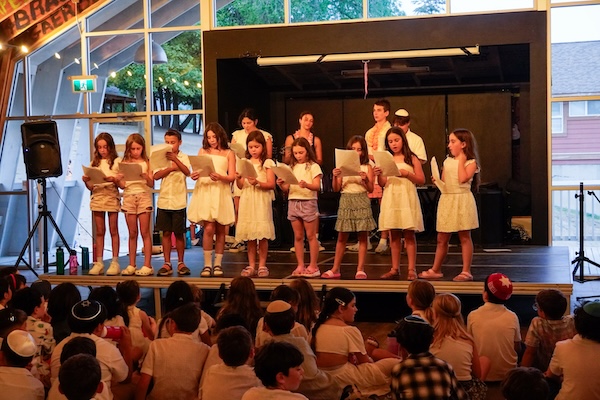
Jewish summer camps, like Camp Solomon Schechter near Olympia, Wash., aim to give participants a lifelong sense of belonging, leadership, joy and identity. (photo from campschechter.org)

The California-based Shimon Ben Joseph Foundation, commonly known as the Jim Joseph Foundation, has prioritized investment in what it calls “powerful Jewish learning experiences,” in its effort to enable “all Jews, their families, and their friends to lead connected, meaningful, purpose-filled lives and to make positive contributions to their communities and the world.” This commitment is advanced by signature grantees that provide such experiences to young people: BBYO, Foundation for Jewish Camp, Hillel, Birthright Israel, and Moishe House.  

Over the last few years, the foundation has partnered with Rosov Consulting to bring a consistent research lens to the experiences provided by these various organizations. The goal of this partnership has been: (1) to identify both the distinct and common contributions made by each organization to participants at different stages of their young lives, and (2) to identify the components of the experiences they provide that make them so powerful.

Rosov’s latest report, Powerful Jewish Learning Experiences, was released in September. Through a series of 10 virtual focus groups, researchers interviewed 48 people, most between the ages of 25 and 35, who had participated in some combination of Jewish camp, youth groups, campus life and post-grad community. 

Program alumni remember powerful Jewish learning experiences as having deep personal significance. They learned something new and important about themselves, locating themselves in relation to a larger entity – typically, the Jewish people. They sensed their lives being propelled forward, often in new directions. These experiences didn’t speak to all the alumni in the same ways or with the same force, but all five experiences, without exception, were described in these terms by many. In their own words, alumni recollected:

Youth group: “[feeling] so fulfilled … I had a purpose in some sort of way in that time that wasn’t school or wasn’t what I had to do.”

Camp: “a big sense of independence … getting to do things I personally never had a chance to do.”

College: “[being] taught a lot for my future in terms of, for me personally, building a Jewish life and a Jewish home.”

Israel: “[Gaining a] whole [new] perspective of what it was to be Jewish and to feel accepted. [It was] the first place I felt truly at home.”

Moishe House: “finding my own way in … having a place to be and be Jewish … that completely changed my life.” 

The settings in which these powerful Jewish learning experiences occur are not simply substitutes for one another. They take place at different moments in a young person’s life and are infused by the distinct social and educational priorities associated with that developmental moment. At overnight camp, for example, this involved experiencing a model of Jewish community that was either absent or just very different at home. The specialness of the camp community was emphasized by the physical distance of camp from home and the temporal boundedness of the camp experience during specific months of the year. 

The experiences provided by the grantees are all highly experiential, involving learning through doing. This outcome was strongly associated with spending time at overnight camp, in large part because the rhythm of camp runs from morning to night, and from Shabbat to Shabbat; it includes mealtimes, prayer times and other opportunities for learning through the performance of ritual.

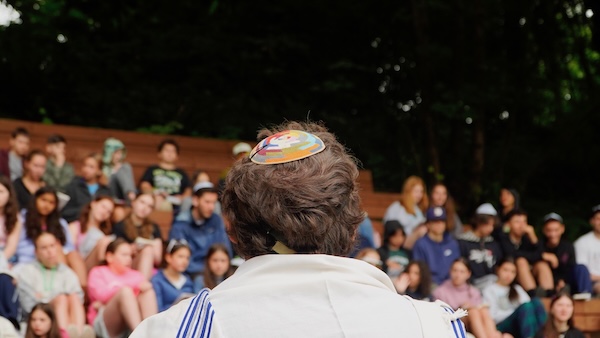
photo - man with a kappa in front of an audience of youth at camp
“I gained the value of joyous Judaism, social connections … having a community of people that you get to just be with, [is] just amazing.” (photo from campschechter.org)
Nearly two-thirds of study participants attended camp at some point. Camp is a place to stretch, to experiment and to explore new experiences, in Jewish and personal terms. This is the theme to which alumni consistently returned most often when talking about camp. They recollect experiencing joy and Jewish learning, and they celebrated the friendships formed, but it was the personal growth they experienced thanks to being given the space to explore that exceeded all other outcomes.

Participant perspectives included:

• “[I was] pushing boundaries in a very safe environment. That’s something that happened at my camp.”

• “I think for me a lot of [the takeaways from camp] were a big sense of independence.… [Camp] really got very different from school…. It gave us a time to just do all the fun things that you don’t always get to do that I personally never got a chance to do. It was a lot of new things that I saw that I’d never seen before or new experiences.”

Their reflections converged around the many lifelong benefits of the Jewish camp experience, such as:

Jewish learning: “I feel like there’s a lot of prayers that I know in my core because of camp and not necessarily because of Hebrew school and Sunday school.”

L’dor v’dor: “All of the camp songs that you’d sing on Shabbat … you take with you for the rest of your life. And I have a son who goes to Jewish preschool now and he is singing these songs, and we sing them together in the car.…”

Independence, joy and friendship: “I gained the value of joyous Judaism, social connections … having a community of people that you get to just be with, [is] just amazing.”

Connecting to Jewish identity: “Camp really helped me understand the importance of Jewish community and continuing involvement with the Jewish community after my bat mitzvah. If it weren’t for camp, I would not have done Hillel in college. I would not have joined Moishe House.”

Belonging, leadership, joy and identity – four of the core building blocks highlighted in the study – were central themes at Foundation for Jewish Camp’s 2024 Leaders Assembly, which brought together more than 800 Jewish camp leaders and advocates from around the world on Dec. 9-11 in Chicago. At the gathering, Rosov Consulting shared more findings from this study, which can be found at jewishcamp.org. 

– from Powerful Jewish Experiences,
compiled by Rosov Consulting (September 2024),
and Foundation for Jewish Camp

Format ImagePosted on December 20, 2024December 19, 2024Author Rosov ConsultingCategories LocalTags Camp Solomon Schechter, education, Jewish summer camp, life skills
Proudly powered by WordPress