Inspiring students’ research

Students and staff of the recent Arrow Project on a tour of Sheba. In the centre is Prof. Eldad Katorza. Student Yair Jalmar is at the far right. (photo from IMP)

Sheba Medical Centre, Israel’s national hospital, enjoys a reputation for medical innovation, but many are unaware that it is also at the forefront of societal integration among various minority groups in Israel. In the past several years, Sheba has integrated hundreds of new Ethiopian olim (immigrants) into the hospital workforce, going as far as providing them with free classes to help them navigate Israeli bureaucracy and improve their language skills.

Recently, Prof. Eldad Katorza, senior physician at Sheba and director of the Arrow Project, decided to give youth from the Ethiopian community a head start by incorporating them into his pilot program.

The Arrow Project (Chetz in Hebrew, the initials of chokrim tze’irim, meaning “young researchers”) is an apprenticeship program for medical students, designed to pave their way into the world of research. Established in 2006, the initiative matches selected students with experienced researchers who serve as their mentors. During once- or twice-weekly meetings, the student-mentor teams work through every stage of medical research, from formulating the initial question, to collecting and analyzing data, to presenting the results at medical conferences.

This year, for the first time, each research duo also included a third tier: high school students from the Ethiopian community.

Katorza believes in the importance of encouraging students to pursue research, noting that, in med school, they do not receive sufficient exposure to research thinking or methodology.

“I believe that research makes a doctor more knowledgeable, more curious, more creative,” he said. “A doctor who engages in research is a much better doctor.”

Employing this premise, Katorza is planning to open several slots for nursing school students in the coming year’s program. “Nursing is also a field that stands to benefit greatly from adding researching to its ranks; it will raise the bar of nursing in Israel,” he said.

In the early stages of planning the pilot program for the Ethiopian high school students, it became evident to Katorza just how crucial, timely – and challenging – his initiative was. “I asked my son, then in 11th grade, to look around his own school in Givatayim for students from the Ethiopian community who might be suitable for the program,” said Katorza. “As it turned out, there wasn’t a single Ethiopian student in his school, nor in any of the good schools in the area.”

The reason can be traced to the socioeconomic realities in Israel today. Ethiopian Israelis have long experienced prejudice and being treated as second-class citizens. By and large, members of the Ethiopian community tend to dwell together in poorer neighbourhoods, where community services, schools included, are more limited. These conditions put Ethiopian teens at a disadvantage from the outset and, due to economic necessity, the youth are pushed to join the workforce at an early age, further perpetuating a cycle of poverty.

“Almost four decades have passed since the first wave of Ethiopian Aliyah,” said Katorza, “yet, judging from their rate of participation in academia, their level of affluence and other markers of social mobility, it appears that the government has failed to take the necessary steps to help them bridge the gaps and facilitate their successful absorption into mainstream Israeli society.”

Anxious to change this negative trend, Katorza decided to include outstanding students from the Ethiopian community in the Arrow Project. However, it wasn’t simple to locate high school students from the Ethiopian sector who met the criteria for participation in the program: high marks in the sciences, high motivation and interest, and living near enough to the Sheba campus to be able to easily attend the weekly meetings. Ultimately, Katorza was aided by an organization called Fidel (“Alphabet” in Amharic), which promotes the education and social integration of Ethiopian-Israeli youth. The Fidel staff welcomed this opportunity to incorporate Ethiopian students in Sheba’s research-mentoring platform, and provided 10 candidates, from which the top five were chosen.

According to Katorza, the pilot program was a resounding success and will be repeated in the coming year. “We found that, once they are freed from the limitations of their environment, the students manifested amazing capabilities,” he said. “We endeavoured to help build their self-confidence, empower them and teach them that they can do anything they put their mind to.”

Throughout the year, in addition to their full participation in research, the Ethiopian high schoolers were also exposed to the clinical activity at the hospital. “At the beginning of the year, the students didn’t have any specific plans for the future,” Katorza said. “Now, they are now seriously considering a medical career.”

One of those is Yair Jalmar, 17, from Beer Yaakov, who participated in a research project with pediatric cardiologist Dr. Shai Tejman. “This project helped me develop my interest in medicine and learn more about the advanced technologies and devices, as well as the various departments in the medical field,” he said.

In the 14 years since the project’s inception, the pool of participants, which in the beginning included only students from Tel Aviv University Sackler School of Medicine, has expanded to foreign exchange students from New York and London, as well as medical students from Ariel University, Bar-Ilan and others. Thus far, former participants in the Arrow Project have gone on to publish their findings in respected medical journals, and several have joined the team at Sheba.

– Courtesy International Marketing and Promotion (IMP)

Showing appreciation

Israeli President Reuven Rivlin with firefighters near the Gaza border earlier this week. (photo from IGPO via Ashernet)

Israeli President Reuven Rivlin visited the Coordination and Liaison Administration (CLA) at the Erez border crossing point and sites where fires have been set in the area by incendiary-laden kites and balloons. The president thanked the firefighters for their determination and dedication.

“You have to deal with threats that deliberately and consistently harm Israeli citizens going about their daily lives,” the president told them. “Terrorism using incendiary devices is terrorism just like any other…. We have nothing against the people living in Gaza. On the contrary, we want them to be able to live in peace and quiet and raise their children. But they are being held hostage by Hamas, which also thinks it has us in its control. Hamas should know that this is not a game. The time will come when they must decide and, if they want war, they will get war.”

Speaking about the damage done by the fires, he said, “There is nothing more painful than seeing this good earth go up in flames. I want to offer my support to the farmers at this difficult and painful time, when they must deal with the threat of fires as well as with the economic crisis from corona. The way the residents, the farmers, the civilian security forces and you, the firefighters, stand firm is an inspiration for us all.”

להאריך את הסגירה של הגבולות

(Wikimedia Commons)

שלוש המדינות של צפון אמריקה שוב החליטו להאריך את סגירת הגבולות היבשתיים ביניהן. זאת, פרט לנסיעות חיוניות והעברת סחורות ממדינה למדינה. סגירת הגבולות בין ארצות הברית, קנדה ומקסיקו החלה כבר בחודש מרץ השנה. לאור התפרצות מגיפת הקורונה במדינות השונות ובמספרים גדולים, בעיקר בארה”ב ומקסיקו. ומקביל לאור התמיכה הגורפת בסגירת הגבולות מצד אזרחי קנדה, רבים מעריכים בצפון אמריקה שהשיגרה ופתיחת מעברי הגבול מחדש לא תחזור עד לראשית השנה הבאה, לכל המוקדם.

בראשית חודש אוגוסט החליטו הממשלות של ארה”ב, קנדה ומקסיקו להאריך בשלושים ימים נוספים את הסגירה המשותפת של הגבולות היבשתיים ביניהן. וזאת מתוך רצון לבלום את ההתפרצות המחודשת של נגיף הקורונה בשלוש מדינות אלה.

בשלב זה, מעברי הגבול בין ארה”ב ומקסיקו, ובמקביל בין ארה”ב וקנדה, יישארו סגורים עד העשרים ואחד בספטמבר, לכל הפחות. חשוב להבהיר כי הסגירה הממושכת לא משפיעה על הסחר הרב בין המדינות ושינוע של סחורות שונות (באמצעות משאיות). זאת, כמו גם על טיסות מסחריות שממשיכות להתקיים בין המדינות והעברת סחורות באמצעות מטוסים. רבים מבקרים את המדינות שלא מאפשרות להשתמש במעברי הגבול, אך מאפשרות לטוס ביניהן.

השר לביטחון המולדת בפועל של ארה”ב, צ’אד וולף, אישר את הדיווחים על המשך סגירת הגבולות בין המדינות. וולף אמר כי ארה”ב תמשיך לעבוד עם קנדה ומקסיקו כדי להאט את התפשטות מגיפת הקוביד. בהתאם לכך סוכם להאריך את המגבלה על תנועה שאינה חיונית, עד העשרים ואחד בספטמבר.

החל מהשמונה עשר במרץ השנה החליטו ארה”ב, קנדה ומקסיקו על סגירת מעברי הגבול. שלוש המדינות תיאמו זאת מראש והחליטו על המשך סגירת מעברי הגבולות ביניהן בחודש נוסף. זאת למעט נסיעות חיוניות ומעבר סחורות.

וולף ציין כי נשיא ארה”ב, דונלד טראמפ, אמר לפני מספר ימים כי הגבלת הנסיעות והגברת הפיקות על מעברי הגבולות בין המדינות, היא כלי נוסף במאבק בנגיף הקורונה.

שלוש הארכות נוספות בוצעו במאי ולאחר מכן ביוני ולאחרונה ביולי, עד העשרים ואחד בחודש זה. כך שההחלטה של שלוש המדינות של צפון אמריקה שהתקבלה לפני מספר ימים לא בדיוק הפתיעה רבים. סוכנות הידיעות רויטרס דיווחה כי בממשל טראמפ מבינים שיהיה צורך להאריך את סגירת הגבולות עד שסכנת הקורונה תחלוף, כאשר ההערכות מדברות על לפחות כמה חודשים נוספים שבהם הגבול יישאר סגור בין שלוש המדינות.

יש להזכיר כי לא מדובר במהלך חד צדדי. נראה שאזרחי מקסיקו וקנדה מגבים את החלטת הממשלות שלהם. לפי סקר שפורסם לאחרונה בקנדה מתברר כי שמונים וחמישה אחוז מהאזרחים תומכים בסגירת הגבול עם ארה”ב, עד סוף שנת אלפיים ועשרים.

על אף הקירבה הגיאוגרפית של שלוש המדינות, יש לזכור כי הן נמצאות במצבים שונים במאבקן כנגד נגיף הקורונה. בארה”ב שבה גרים כשלוש מאות ושלושים מיליון תושבים יש כבר למעלה מחמישה מיליון ומאתיים נשאים של המחלה, כאשר למעלה ממאה שישים ושבעה אלף איש מתו מהקורונה. בקנדה שבה מתגוררים כשלושים ושבעה מיליון איש יש כבר כמאה עשרים ואחד נשאים של המחלה, כאשר למעלה מתשעת אלפים מתו מהקורונה. ואילו במקסיקו שבה גרים כמאה ועשרים ושמונה מיליון איש יש כבר למעלה מכחצי מיליון נשאים של המחלה, כאשר למעלה מחמישים וחמישה אלף איש מתו מהקורונה. לפי הערכות קרוב לוודאי שלפחות במקסיקו מספר החולים והנפטרים מהמגיפה הקשה הרבה יותר גבוה.

משותפות אסטרטגית חדשה

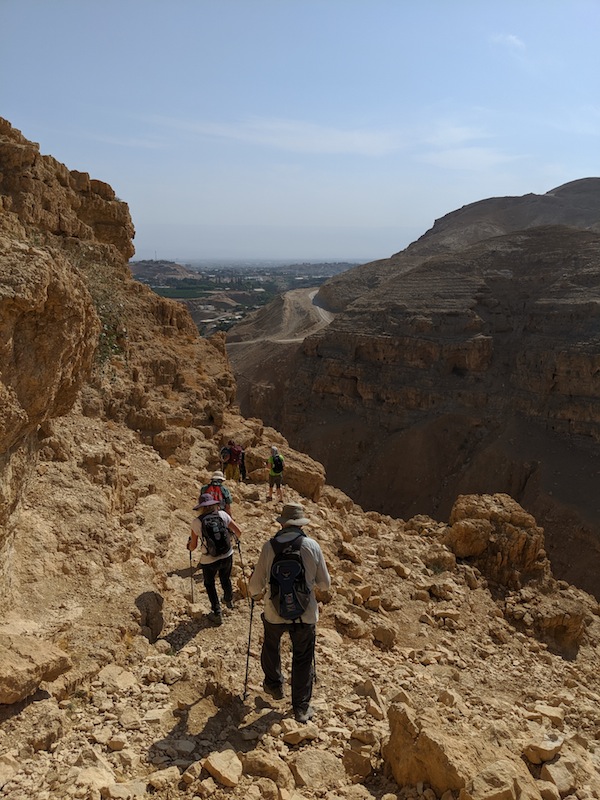
אחד הפרויקטים המשותפים ינוהל על ידי פרופ’ ארי מטמון, מהמכון למדעי כדור הארץ באוניברסיטה העברית ופרופ’ מיכאל חזן מהמחלקה אנתרופולוגיה באוניברסיטת טורונטו. המחקר יתבצע בחלקו בדרום אפריקה במטרה להבין כיצד שינויי אקלים השפיעו על התפתחותם של בני האדם הראשונים במדבר הקלהארי.

(en.earth.huji.ac.il/people/ari-matmon)

כיצד תנאים סביבתיים ושינוי אקלים השפיעו על ההתפתחות האנושית המוקדמת, והאם ניתן לרתום הנדסת חלבונים כדי לחסל את נגיף הקורונה? שאלות אלה ועוד רבות אחרות נבדקו לאחרונה על ידי חוקרים וחוקרות מאוניברסיטת טורונטו והאוניברסיטה העברית בירושלים. זאת, כחלק משותפות אסטרטגית חדשה שנועדה לאפשר לחברי סגל וסטודנטים משני המוסדות לשלב מאמצים ומשאבים לצורך ביצוע מחקרים בינלאומיים פורצי דרך וייחודיים בתחומם, ולהגדיל את החשיפה של אותם מחקרים וטכנולוגיות שיפותחו לשווקים חדשים.

אוניברסיטת טורונטו נחשבת לאחת האוניברסיטאות הטובות ביותר בעולם. כיום היא ממוקמת במקום העשרים וחמישה באחד המדדים הבודקים את האוניברסיטאות המובילות בעולם, במקום העשרים וארבעה בעולם במדד אחר של האוניברסיטאות המובילות בעולם, ובמקום השמונה עשר במדד שלישי של האוניברסיטאות המובילות בעולם. בקנדה כמובן האוניברסיטה נחשבת למוסד האקדמי הטוב ביותר ביותר. במסגרת שיתוף הפעולה החדש בין שני המוסדות: מדי שנה אוניברסיטת טורונטו והאוניברסיטה העברית בירושלים יבחרו פרויקטים מחקריים שיקבלו כל אחד מימון של כמאה וחמישים אלף דולר לשנה. זאת לתקופה של עד ארבע שנים. שיתוף הפעולה החל לאחרונה וכבר נרשמו פרויקטים רבים ופוריים בין הצדדים, שצפויים לקבל חיזוק בעקבות החתימה על ההסכם החדש.

פרופ’ אורון שגריר, סגן נשיא לבינלאומיות באוניברסיטה העברית, אמר כי השותפות מאחדת בין שתי האוניברסיטאות המובילות בישראל ובקנדה, וכי הקריאה להצעות מחקר הביאה עד כה למספר פניות מרתקות. בתקופה מאתגרת זו עבור האוניברסיטאות, שותפויות בינלאומיות מעין אלה ומהוות מסגרת חשובה לקידום ותמיכה בפרויקטים מחקריים שונים, הוא הוסיף.

אחד הפרויקטים המשותפים ינוהל על ידי פרופ’ ארי מטמון, מהמכון למדעי כדור הארץ באוניברסיטה העברית ופרופ’ מיכאל חזן מהמחלקה אנתרופולוגיה באוניברסיטת טורונטו. המחקר יתבצע בחלקו בדרום אפריקה במטרה להבין כיצד שינויי אקלים השפיעו על התפתחותם של בני האדם הראשונים במדבר הקלהארי. פרויקט משותף נוסף ינוהל על ידי פרופ’ סאצ’דב סידהו מאוניברסיטת טורונטו ופרופ’ יוליה שיפמן מהמכון למדעי החיים (ע”ש אלכסנדר סילברמן) בפקולטה למדעי החיים באוניברסיטה העברית. השניים יחקרו ביחד כיצד ניתן לרתום את תחום הנדסת החלבונים לפיתוח טיפולים למחלות כולל נגד נגיף הקורונה. בפרוייקט החדש שלהם: השניים יפתחו מערכי חלבונים לכל הגנים הקיימים בנגיף הקורונה. בסופו של דבר הם אמורים לסלול את הדרך לפיתוח טיפולים אפשריים כנגד המגפה הקשה הזאת.

פשעי שינאה בבית כנסת במונטריאול: פורעים השחיתו ספרי תורה

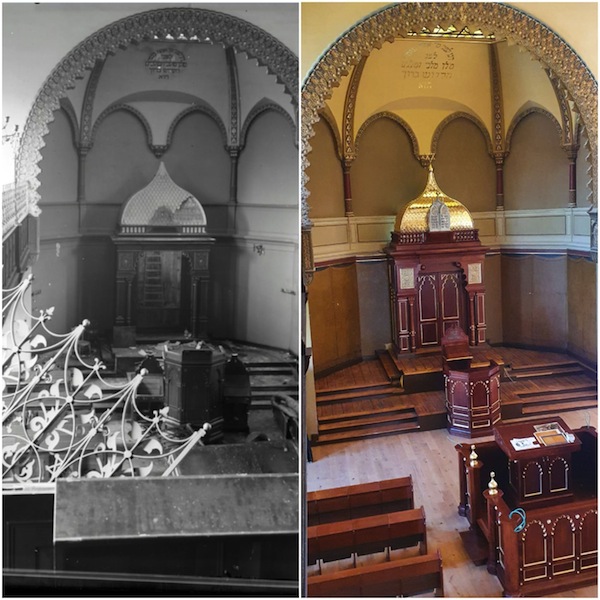
אלמונים גרמו נזק כבד לבית הכנסת קול יהודה השוכן בשכונת קוט סנט לוק שבמונטריאול. הגבאים של בית הכנסת שהיה סגור לאחרונה בגלל מגיפת הקורונה שפגעה קשה במונטריאול, מצאו שספרי וחפצי קודש הושלכו על הריצפה וכתובות נאצה נראו במקום. בין הנזקים שאחראים להם האלמונים ושמוגדרים פשעי שינאה: תשמישי קדושה (כולל תפילין), גווילי ספר תורה וחפצי קודש שונים הושלכו על הריצפה בצורה המבזה את בית הכנסת. זאת ועוד כתובות נאצה אנטישמיות בגנות הקהילה היהודית נראו בכל מקום.

בית הכנסת כאמור סגור בגלל המגיפה ולא נערכו בון תפילות לאחרונה. לכן לא ברור מתי התרחשו פשעי השינאה במקום, שעוררו את כעסם של חברי הקהילה היהודית במונטריאול שסוערים עקב המקרה החמור.

שכונת קוט סנט לוק בפרבריה של מונטריאול נחשבת לאזור בו גרים יהודים מזה שנים רבות. לאחרונה הצטרפה לשכונה קבוצה גדולה של חסידי בעלזא, שאף פתחה במקום בית מדרש ללימוד תורה ותפילה. לקהילת היהודים בשכונת קוט סנט לוק יש מספר רב של מוסדות קהילתיים עמוסים.

Paul hopes to make history

Annamie Paul is running to succeed Elizabeth May as leader of the Green Party of Canada. (photo from Annamie Paul)

Annamie Paul wants to be the first woman of colour and the first Jewish woman to lead a political party in Canada. But, in the process, the human rights lawyer and former diplomat who is running to succeed Elizabeth May as leader of the Green Party of Canada has been taken aback by the overt antisemitism thrown at her since it became widely known that she is Jewish.

“You almost can’t believe what you’re seeing,” said the Toronto native, who has worked extensively overseas. “There are very explicit comments questioning my loyalty to Canada because I am Jewish. There are those who have suggested that I am seeking to infiltrate the party on behalf of Zionist elements.”

Paul said what disappoints her most is the almost complete silence from others when antisemitic posts are made on social media, such as the Facebook group for Green party supporters.

“The comments were whispers at first, innuendo, and now they’ve become very explicit,” she said. “If people are allowed to make these comments unchecked, it really emboldens them and that’s definitely what I’ve noticed over the last week or two.”

Amid a litany of such comments – including items not directly targeting her but equating Israelis to Nazis on Green-oriented social media sites – only one single individual not on her campaign team has called out the offensive posts. At the urging of Paul’s campaign, moderators removed some of the most disturbing ones.

“It’s taken me aback,” she said. “It wasn’t something I was fully prepared for, to be honest.”

She differentiates between people who are deliberately provocative and those who are uninformed.

“I accept that there are a certain number of people who still need to be educated … and, while it’s perhaps not my responsibility to do that, I’m willing to do that because I think if I can create a little more understanding, then that’s important,” she said.

Paul spoke at a Zoom event organized by Congregation Beth Israel and moderated by Rabbi Jonathan Infeld on July 8. That conversation was primarily about Paul’s life, Jewish journey and career. In a subsequent interview with the Jewish Independent, she delved more deeply into policy and her experiences with antisemitism and racism.

Born in Toronto to a family from the Caribbean, she was among the first students in Toronto public schools’ French immersion program. Her mother, a teacher, and grandmother, a nurse and midwife, worked as domestics when they arrived in Canada. Her mother went on to get a master’s of education and taught in elementary schools for more than three decades; her grandmother became a nurse’s aide.

Paul credits her mother’s broad-mindedness and spiritual bent for the openness that led her to embrace Judaism in early adulthood. Paul was converted by the Hillel rabbi while completing a master’s of public affairs at Princeton University. She also has a law degree from the University of Ottawa. She chose Ottawa in part because its law faculty emphasizes law through an Indigenous lens. In addition to seeking at an early age to be an ally to Indigenous peoples – she started law school at 19 – she saw parallels between the Canadian situation and her own heritage as a member of the Black diaspora.

“We have been stripped of all of the things that Indigenous peoples are fighting for still in this country,” she said. “Through colonialism, we lost our identity, we lost our culture, our language, our religions. We really can’t tell you anything with any great degree of precision about our ancestors. When I saw other peoples fighting for those things, I understood intuitively how important it was.”

Paul has worked as a director for a conflict prevention nongovernmental organization in Brussels, as an advisor at the International Criminal Court in The Hague, and as a political officer in Canada’s mission to the European Union. She co-founded and co-directed an innovation hub for international NGOs working on global challenges and has served on the board and advised other international NGOs, including the Climate Infrastructure Partnership and Higher Education Alliance for Refugees. She is married to Mark Freeman, a prominent human rights lawyer and author. They have two sons, one in university in London, U.K., the other in high school in Toronto.

Returning to Canada after spending about 13 years abroad, Paul looked at Canadian politics with fresh eyes. While she had been courted to run provincially by the Ontario Liberal Party in the early 2000s, she opted to run federally for the Green party in 2019. She took about 7% of the vote in Toronto Centre, which was won by Finance Minister Bill Morneau. She is one of nine candidates running for Green leader.

She chose the Green party because, she said, “we don’t have time to fool around with the climate emergency.”

“I celebrate the compromise that is the spirit of Canadian politics,” Paul said. “This is the Canadian way. But there are some things that you simply have to do all the way or it really doesn’t work. One of those things is the climate emergency. If we don’t hit our targets, then we are setting ourselves up for disaster. The Liberals, the NDP, the Conservatives, they’re just not committed to that goal and so I wanted to make it clear that I was aligning myself with the party that was very, very committed to reaching those targets.”

COVID-19, for all the health and economic devastation it has wrought, also presents opportunities, said Paul. In Canada, federal and provincial governments came together and political parties set aside partisanship to an extent. Canadians who may have been skeptical that a massive challenge like climate change could be ameliorated see what concerted governmental action – and massive investments – can look like. “[Canadians] know that money can be found if it’s needed and they know that we can mobilize very quickly,” she said.

The billions of dollars being invested into the economic recovery should be directed toward projects that explicitly advance a green economy, she said, such as a cross-Canada energy grid that produces electricity from renewable sources to be shared throughout the country. This is just one of a range of opportunities that Paul sees emerging from this extraordinary economic challenge.

“For a country as wealthy and well-educated as Canada, if we want to be, we can really be first in line for all of this,” she said. “It’s exciting.”

The Green leader has limited constitutional authority in a party dedicated to grassroots policymaking, Paul said. If party members adopt a policy that challenges the leader’s core values, the leader may be required to walk away. Such a scenario emerged in 2016 after the party adopted a resolution to boycott Israel. Following a showdown, the resolution was rescinded and May carried the party into the subsequent election. As a result, Paul said, the party is on record supporting Israel’s right to exist and opposing the boycott, divestment and sanctions (BDS) movement.

Paul opposes the Netanyahu government’s Jordan Valley annexation plan because she believes it contravenes international law. But she also urged vigilance against those who might mask their antisemitism in anti-Zionism. And she stressed the unlikelihood of pleasing everyone on either side of the Israel and Palestine divide.

“I don’t feel that there’s anything these days that you can say in terms of that conflict where you’re not going to attract criticism that you were too soft or you were too hard,” she said. “It’s very difficult.”

But, while she doesn’t have the magic answer to resolve the longstanding conflict, her background in diplomacy and international law makes her confident in asserting that negotiated settlement is the route to any eventual solution.

“Dialogue always has to be the preferred option,” she said, adding that international law must be applied to all sides. “State actors, non-state actors, they are all subject to international law. Their obligation is to respect international law and to protect fundamental human rights. There are no exceptions to that.”

At a time when North Americans and others are facing our histories of racism and injustice, Paul finds herself at an opportune intersection.

“I’m very aware of what I represent as a candidate,” she said. “I’m a Black woman, I’m a Jewish woman.… I know people are very interested in my identities and I embrace that…. I would say, though, that [I hope] people will take the time to get to know me and not to create a one-dimensional image of me simply focused around those identities. I feel that I’m very prepared because of the work I’ve done, my academic studies, etc. I’m very well prepared to take on this role and all of the elements of this role.

“You’re not just an environmental advocate as the leader of the Green party, for instance, you also need to be able to talk about foreign policy, you need to be able to talk about economic theory, you need to be able to talk about rural revitalization and what are we going to do about long-term care and should we decriminalize illicit drugs. You need someone who is three-dimensional and I know that I’m three-dimensional and I hope people remember that.”

As a Jew of colour, Paul also has insights on antisemitism in the Black Lives Matters movements and racism in the Jewish community.

“The Black diaspora is not a monolith,” she said. “The Jewish community is not a monolith, either. Don’t ever take the actions of some members of the community as an indication of how the entire community feels.… I would just say don’t let that push you out of wanting to support the community in the way that you should. In terms of Black and Indigenous lives in this country, the statistics just take your breath away. Not just the criminal justice statistics but also health, education, life expectancy, they are really very troubling and those communities need as much help as they can get from people who really understand, who have suffered a great deal of persecution historically, as well, and have had to create opportunities and overcome barriers and still do.”

The leadership vote takes place Sept. 26 to Oct. 3. The deadline to join the Green party to vote in the election is Sept. 3.

Need for Courage increases

Corey Hirsch is among the honorees of this year’s Courage to Come Back Awards. (photo from Courage to Come Back)

“Believe me when I say that the stories we share are true journeys of bravery, resilience and strength in the face of adversity. They will leave you inspired and optimistic – a weekly dose of courage that I believe we need now, more than ever,” Lorne Segal, longtime chair of the Courage to Come Back Awards, told the Independent.

While the annual gala event had to be canceled because of COVID-19, every week this month, one of the five award recipients is being announced, and a video of their stories shared.

“We’re also sharing videos highlighting some of the incredible work of Coast Mental Health’s frontline workers during COVID-19,” said Segal. These can be viewed at couragetocomeback.ca.

“Every year,” said Segal, “the Courage to Come Back Awards raise critical funds that support over 40 of Coast Mental Health’s programs, which provide food security, mental health support for youth, peer support services and so much more. They are vital to the recovery of vulnerable people living with mental illness.

“In community mental health, the only way to meet this crisis is to increase capacity – that’s where Coast Mental Health comes in. Coast provides shelter, a roof overhead, a support system of caring individuals, and the dignity of a job and training through employment opportunities, all for individuals, young and old, dealing with mental health challenges.

“This life-saving work would simply not be possible without the generous support we receive during the Courage to Come Back Awards,” he stressed. “I invite people to watch, and share these incredible videos of courage. Then, if you can, I’m asking you to join me in supporting Coast Mental Health as they prepare for the second wave of this pandemic, a mental health crisis potentially as devastating as the first wave of COVID-19.”

At press time, three of the award recipients had been announced: Corey Hirsch in the mental health category, Amanda Staller in the addiction category and Rumana Monzur in the physical rehabilitation category; the youth and medical categories are still to come.

Hirsch was the first honoree announced. While not Jewish, he said, his surname is and, that “[t]here is very much the possibility that I have Jewish ancestry; it’s just never been investigated.”

A former NHL goaltender and goaltending coach, Hirsch is a commentator with Sportsnet, as well as being a public speaker and an advocate for mental health and wellness. Born and raised in Alberta, he was drafted by the New York Rangers in 1991 and was a member of the team when they won the 1994 Stanley Cup. Also in 1994, he won a silver medal with the Canadian men’s hockey team in the Olympics at Lillehammer. In 1995, he was traded to Vancouver, where he began losing his struggle with mental illness, but eventually reached out for help, and was diagnosed with obsessive-compulsive disorder.

Of the Courage to Come Back Award, he said, “It was very humbling to realize that I was in that category of people. And it was probably the first time it opened my eyes to realizing that what had happened – with coming out with my story in the Players Tribune [in 2017] – made a colossal impact on the world of mental health.

“There were people that came before me,” he acknowledged, pointing to Sheldon Kennedy, Theo Fleury and Clint Malarchuk. “Their stories helped me get my story out and made me feel safe,” he said.

Kennedy and Fleury were both abused by a coach when they were in junior hockey. Malarchuk, a fellow goalie and a friend, struggled with post-traumatic stress disorder after his jugular vein was accidentally severed by another player’s skate, as well as with obsessive-compulsive disorder, even attempting suicide.

Hirsch also mentioned sports journalist Michael Landsberg. “I met with Michael and Clint before my story came out because I was just terrified. Those two guys really helped me,” he said. (For coverage of talks by Landsberg in Vancouver, see jewishindependent.ca/lets-talk-mental-health and jewishindependent.ca/illness-not-weakness.)

“OCD, typically, doesn’t start from childhood trauma,” explained Hirsch, adding, “Most people I know can tell you the time, place, where they were at when their brains just kind of broke. There could be childhood trauma with people, but, for me, [there wasn’t any]. I was on my way to the NHL, I had athletic talent as a kid, lots of friends, no real signs of mental health [issues]. I had anxiety issues, [but] a lot of kids do.”

Hirsch grew up in Calgary, with parents he described as loving, and an older brother. Sports were encouraged. “Hockey was something that, you know, it’s a religion in Canada,” said Hirsch who, at age 16, moved to Kamloops to play the sport. “I had a really good junior career, won a national championship. From there, I went on to the Olympics. Things were looking like I was going to make millions playing in the NHL. I was on the road.”

Hirsch describes in detail the type of OCD with which he struggles in his article on the Players Tribune media platform.

“I think that what people thought OCD was, was the hand-washers, someone that’s organized and all that. There was a misconception, through stigma and other things, about OCD and people thought it was that,” he told the Independent. “So, how bad is that? You wash your hands too much. They didn’t take it very seriously … because that’s how OCD was portrayed.”

Hirsch is concerned about overall mental health, not only OCD. “I want to change the stigma to all of it,” he said.

As to why the stigma remains, he said, “Well, people don’t like to look inside, afraid of what they might find out. But, what you find out is that there’s a better life out there and you learn things…. Fear keeps people from getting help, stigma keeps people from getting help. It’s a great built-in excuse to say that you’re a man and men don’t get help; it’s a great built-in excuse if you don’t want to look internally. I get a lot of that.

“I got help, I live a great life. I’m not perfect – I’ll never say I am – but I still play hockey. I can still drink beer, I can still fix cars, I can still do all those things that are considered manly – I haven’t lost any of that. And the people around me are better for it. It’s tough to look inside and a lot of people don’t want to, but I know now it’s the best thing I’ve ever done.”

One of the reasons Hirsch decided to open up about his experiences is that, back when he was at his worst, in the mid-1990s, there was no readily available information on what he was experiencing.

“I scoured bookstores,” he said. “I did everything I could to try and find some hope, or even self-diagnose or [determine] that I wasn’t going to be like this the rest of my life. I felt so alone. I found nothing…. Part of it was because I didn’t even know what to look for, and I always said to myself, if I got better, that, one day, I would tell my story.

“I didn’t tell anybody anything, other than people close to me, for 20 years. I kept it in my chest. [But then] I met another NHL player who was active, in my retirement, and I met him, and he was in rehab for drugs. We got to talking, and I know now that mental health and addiction go hand in hand, so I spilled my story to him. And he looked at me and he said, that’s exactly what I’m going through.”

That was when Hirsch realized his story could help others who are suffering. “I need to let them know that they’re not alone,” he said.

Vancouver-based Hirsch is waiting out the pandemic in Toronto with his girlfriend. He is writing a memoir about his life with OCD, he plays golf, and spends time playing his guitar. “I’m terrible,” he said. “But I love it,” he said. “It’s been incredibly freeing. Music is so powerful and great for mental health. Any kind of art, it’s a great way to express, therapeutically, yourself.”

He is continuing his work in mental health and would like to see it become part of the curriculum in schools.

“If I could have known what I had when it happened to me and I could have gotten help the next day, I would have never ended up making an attempt on my life,” he said. “I don’t know what my NHL career would have looked like, but I would have never suffered and gone through what I went through for all those years, because early diagnosis is crucial with mental health.

“It’s not hard to teach our kids in high school, middle school, about anxiety, depression, OCD, bipolar, those things. They need that information. Why are we withholding it from them?”

Hirsch pointed to a U.S. Centre for Disease Control study finding that the suicide rate among people aged 10 to 24 increased 56% from 2007 to 2017 (see cdc.gov/nchs/ data/databriefs/db352-h.pdf).

“It’s like anything – teach our kids in school and then give them the tools and then hopefully we can put a dent in it,” he said, citing a need for a countrywide curriculum in health class. “That’s where we’re going to end the stigma … and suicide needs to stop being a taboo topic, it really does. It’s real and it’s happening and pretending it isn’t happening doesn’t make it go away.”

Recording LGBTQ+ history

Embarking on a new archival project: left to right, Ye’ela Eilon-Heiber, Lily Hoenig, Mickey Morgan, Madison Slobin, Carmel Tanaka, Holly Steele, Avi Grundner and Alysa Routtenberg. (photo from JQT and JMABC)

The Jewish Museum and Archives of British Columbia (JMABC) and JQT Vancouver are seeking to document the history of local LGBTQ+ Jews through a joint initiative called On the Record: The BC Jewish Queer and Trans Oral History Project.

While the JMABC has an extensive – closing in on 1,000 – and diverse collection of oral histories, the experiences and stories of LGBTQ+ Jewish community members are not prominently featured. This is something the museum would like to change.

“We do a lot of oral histories and we typically target people in their 70s and 80s, for a number of reasons,” explained JMABC archivist Alysa Routtenberg of the process. “Generally, it’s a good age because people begin to feel reflective. They may have grandchildren with whom they would like to share their stories, they have wound their professional lives down and they are not yet suffering from memory or health issues.”

In addition, she said, given that a whole life history requires a significant story to tell, the interviews tend to feature older people.

And this might be one of the reasons why many of the oral histories of LGBTQ+ Jews have not yet been shared, according to Carmel Tanaka, JQT project coordinator.

“I have a friend who takes oral histories of LGBTQ seniors through UBC,” Tanaka told the Independent. “She says it’s hard to get people to stop talking about their lives once they get started. That is not the Jewish experience. We have a close-knit community and many older members fear being out in the Jewish community. They may be out in other aspects of their lives but not in the Jewish context, so many of them have remained silent.”

JQT (pronounced J-cutie) is a relatively new Jewish queer and trans group. Established in 2018, it aims to promote diversity and inclusion by “queering Jewish space and Jewifying queer space,” said Tanaka. The group approached the JMABC about the oral history project last year and interviewer training for the project was completed in January.

“We had six JQT members who trained as interviewers. They were ready to go and then COVID hit,” said Tanaka. “We had hoped to get 30 interviews done in three months. It’s been hard to get interviews done because the technology is difficult for some of our interviewees.”

Routtenberg agreed that people tend to prefer an in-person interview than one over the phone or via Zoom. “The interviews take between one and two hours,” she explained. “It’s a long time to be on the phone or in front of a computer.”

That said, a number of interviews have been completed, so the first phase of the project is underway, with the goal of 30 interviews conducted and transcribed. “Our objective is to reach a cross-section of LGBTQ Jews from across the province,” said Tanaka.

Both Routtenberg and Tanaka stressed that anonymity is provided for those who would prefer to keep their identities private.

The next phase of the project is to translate the interviews into a public program.

“What the interviews tell us will inform us as to the most appropriate form the material will take,” said Routtenberg. “Among our options are an online exhibition, a podcast, a physical exhibition…. There are so many possibilities. Hopefully, there will be many phases over many years.”

Routtenberg explained that the JMABC is always looking to build relationships with individuals and organizations both within and outside of the Jewish community. She said she was thrilled when Tanaka approached her to do this project together, and Jewish Family Services Vancouver is also helping, supporting the interview experience as needed.

Having the oral history of LGBTQ+ Jews as part of the JMABC records is helping accomplish the mission of JQT. “LGBTQ people have always been in our community,” said Tanaka. “This is an opportunity to make them feel included.”

For more information on how to participate in this project, or to nominate someone to be interviewed, contact Routtenberg at info@jewishmuseum.ca or 604-257-5199.

Michelle Dodek is a freelance writer living in Vancouver.

New rabbi joins Victoria shul

Rabbi Matt Ponak is the new education director and assistant rabbi at Congregation Emanu-El. (photo from AJNews)

Going as far back as his days with Northwest Canada Region of B’nai Brith Youth Organization, Matt Ponak has had a passion for the spiritual aspects of Judaism, and now he is bringing that passion to Victoria.

Having impressed the congregation as an interim rabbi during Rabbi Harry Brechner’s sabbatical, Congregation Emanu-El announced in mid-May that Ponak would be joining them on a full-time basis as education director and assistant rabbi. Officially, his position began last month, following his graduation – with a master’s degree in Jewish studies – and his June 7 ordination from Hebrew College in Newton, Mass.

Ponak grew up in Calgary, where he attended Jewish day school at Calgary Jewish Academy, and was a member of Beth Tzedec and Temple B’nai Tikvah congregations. Through high school, he was an active member of B’nai Brith Youth Organization and attended Camp BB Riback as a staff member. His ties to Vancouver Island are also strong.

“I grew up in Calgary and spent many summers on the Island growing up,” he said. “My mother is from Port Alberni and I have many relatives in the area.”

Although his spiritual education led him to American schools and life, Ponak said he is looking forward to planting roots back in Canada, and making Victoria his new home. “I’m so excited about this because I get to return to Canada and to live in an incredible city with a community of warm, embracing, open-minded and dedicated people,” he said.

Before rabbinical school, Ponak earned a master’s in contemplative religions at Naropa University, a Buddhist-inspired institution in Boulder, Colo. He earned an undergraduate multidisciplinary degree with a minor in religious studies from the University of Calgary, and also has a certificate in spiritual entrepreneurship through the Glean Network, in association with Columbia University.

During rabbinical school, Ponak interned with the Asiyah Jewish Community in Somerville, Mass.; the Common Street Spiritual Centre in Natick, Mass.; Temple Emanuel in Andover, Mass.; and the One River Foundation with author Rabbi Rami Shapiro. He also served as a curator of the Spiritual Paths Institute, working on an interspiritual website for people of all backgrounds who want to explore their inner lives more deeply. He is one of the founders of Or Chadash, the men’s group at Hebrew College.

Ponak’s capstone project, “Torah for the New Age,” focused on translating and commenting on Jewish mystical texts relevant to contemporary spiritual seekers of all backgrounds. With supervision from Hebrew College rector Rabbi Arthur Green, Ponak translated and commented on 42 mystical texts and used digital design layouts to make them look like Talmud pages. “It was an absolute pleasure working with Rabbi Green,” said Ponak. “He is one of the leading voices for Jewish mystical theology, commentary and translations in our era.”

Ponak is a talented banjo player. He specializes in leading niggunim, wordless melodies from the Jewish mystical tradition. During his first year of rabbinical school, he released a banjo niggun album entitled Bridges of Song. He is also a practitioner of qigong and focusing, using movement and body-centred contemplation to guide people through inner constrictions and into the emerging stages of their journey.

“I am a teacher, musician and lover of life,” said Ponak. “I help spiritual seekers follow the call of their soul. I am passionate about bringing forth ancient Jewish wisdom to meet the needs of today.”

Founded in 1921, Hebrew College is committed to Jewish scholarship in a pluralistic, trans-denominational academic environment, while Congregation Emanu-El is an egalitarian Conservative Jewish synagogue. At 157 years old, Emanu-El is Canada’s oldest synagogue in continuous use, and has been designated a national historic site.

Daniel Moser is editor of AJNews, where a longer version of this article was originally published. For more Alberta Jewish news, visit albertajewishnews.com.

Community Recovery Task Force appointed

COVID-19 continues to impact our community. Jewish Federation of Greater Vancouver estimates that local needs may increase by 50% over the next year. Therefore, it has established the Community Recovery Task Force, chaired by Risa Levine.

The purpose of the task force is to examine the myriad operational and financial issues facing our community as a result of COVID-19, and to assist Jewish Federation in responding to these challenges and changes, both presently and in the long-term. Through consultation with Federation’s partner agencies, the task force will be assessing the consequences of the pandemic on vulnerable community members, as well as on the ability of community organizations to deliver their core programs and services. Task force members will be looking to new, innovative approaches to enhance community organizations’ capacity, and recommending solutions that will support a strong, resilient and financially stable recovery as well as future sustainability.

The task force members have all held leadership roles with a variety of community organizations, and collectively represent the diversity of our community in terms of geography and life stage. In addition to Levine, they are Andrew Altow, Jill Diamond, Michelle Gerber, Hodie Kahn, Candace Kwinter, Shawn Lewis, David Porte, Justin L. Segal and Isaac Thau.

The task force is an integral part of Federation’s response to COVID-19, as is its three-phase approach to recovery. In phase one, it released targeted emergency funds in the first few weeks of the pandemic to address immediate and urgent community needs. As a second phase, it is currently working closely with major donors to maintain their support through the next two annual campaigns and to consider making contributions above and beyond their campaign gifts to support community recovery. In the third phase, every community member will have an opportunity to make a difference in our community’s recovery through participating in the annual campaign, which officially launches in September.

To learn more about the task force, to read the latest annual report or to donate, visit jewishvancouver.com.

– excerpted from the weekly email message of Jewish Federation of Greater Vancouver chief executive officer Ezra Shanken

JI’s 3-plus Rockowers

The 39th annual Simon Rockower Awards for Excellence in Jewish Journalism were presented virtually on July 2. Given by the American Jewish Press Association – whose membership consists of newspapers, magazines, websites, other electronic Jewish media organizations, individual journalists and affiliated organizations throughout the United States and Canada – the Jewish Independent garnered three prizes and an honourable mention for its work in 2019.

The JI competes in the 14,999-circulation-and-under division and swept that division in the Personal Essay category, winning first and second place. “Reflecting on my Jewish hero” by Becca Wertman about her grandfather (April 12, 2019) won first prize, while “Folk choir celebrates 40th” by Victor Neuman about the Vancouver Jewish Folk Choir’s 40th anniversary (May 10) placed second.

Neuman’s eight-part series on his life in Israel around the time of the 1973 Yom Kippur (Sept. 20 through Nov. 15) won first place in the 14,999-circulation-and-under division. And, in that division, Shelley Civkin’s Accidental Balabusta series received an honourable mention in the Excellence in Writing About Food and Wine category.

In the larger paper division, Canadian Jewish News, which closed its doors this year, won three first-place awards for its work in 2019. “A funeral for a survivor no one knew” by Zale Newman (Feb. 14) won the Award for Excellence in Personal Essay; “Navigating organ donation in Judaism” by Lila Sarick (June 6) won the Chaim Sheba Medical Centre Award for Excellence in Writing about Health Care; and “Rise of the vegan Jew” by Michael Fraiman (Oct. 3) won the Award for Excellence in Writing about Food and Wine.

To find out about all the other winners, visit ajpa.org/2020-competition.