Not only grades matter

In the Wisconsin town of Baraboo, high school students in their final year before graduation take formal pictures on the steps of the town’s courthouse. Census figures say that the town of 12,000 in the country’s heartland is 94% white.

Among the pictures available for purchase on the website of a local photographer was one with only the boys and in which many – most, it appears – were performing a Nazi salute. (The photo disappeared from the site on Monday but is widely available online.) One of the students near the front did not make the Nazi salute – instead he made a hand signal made popular by far-right white supremacists. He’s the real rebel, we suppose.

Actions like these can often be sparked by the dumb idea of one or two kids, with others following along. It would be distressing and disgusting at the best of times but, now, when there is a clear, genuine resurgence of white supremacy, antisemitism, xenophobia and other forms of intolerance in the United States and worldwide, this takes on a deeper resonance. Is this an example of a bunch of high schoolers thinking (perversely) that this would be funny or kooky or somehow amusing? Or is there, among the crowd, a few or a lot who know what the salute really means, identify with the ideology behind it and, because of the mainstreaming of “alt-right” ideas in the country, felt emboldened to make this statement?

Certainly, there are worse hate crimes and other catastrophes in the United States – including racially motivated and gun violence – that deserve attention. Yet, this incident sticks out for a number of reasons.

The picture is jarring. Kids – young adults almost – well-dressed in their graduation suits, nearing a turning point in their lives, standing in front of the embodiment of justice and rule of law in their society, raising their arms aloft en masse in a motion determined to provoke.

But this is not the most alarming thing about the photo and how it came to be. Deep into the New York Times story about the incident, a recent alumna of the high school said she was disappointed but not shocked, knowing that a group of boys in the school were noted for bullying and offensive remarks. “I’m not surprised by them doing this,” she said.

Then she added: “But I’m surprised that there’s so many of them doing this. Photographers were there; the parents were there; community members were there.”

There’s more to the story. The photo was apparently taken months ago and it took this long for anyone to raise alarms.

Still more: a young man in the back of the photo whose arms remain by his side said, on Facebook, that the salute was the idea of the photographer. Should this make us feel better? If true, the photographer should suffer professional and social consequences. But were there parents and other community members who witnessed this live and stood by silently?

In a world not lacking in tragedies or social ills, this is not the worst of the week’s news. Yet it resonates because these young people are part of the next generation we are depending on to fix society’s ills and improve the world. Have their parents, grandparents and educators done their jobs in preparing them for the world and their responsibilities in it?

In a letter to parents, the superintendent of the school district said her team was “extremely troubled” by the image.

“Clearly, we have a lot of work to do to ensure that our schools remain positive and safe environments for all students, staff and community,” she wrote. “If the gesture is what it appears to be, the district will pursue any and all available and appropriate actions, including legal, to address the issue.”

Fair enough. But, first and foremost, perhaps they should look at their curriculum and also consider what messages are being sent consciously or unconsciously by teachers, administrators and other role models before they initiate legal or any other actions against the students.

While school administrators and teachers have much on their plates – shrinking budgets and broadening demands, as well as trying to prevent their charges from being murdered in yet another gun rampage – this should be a warning for educators everywhere to remember that success is not only measured in grades and that a proper education includes more than academics.

Politicon’s Jewish voices

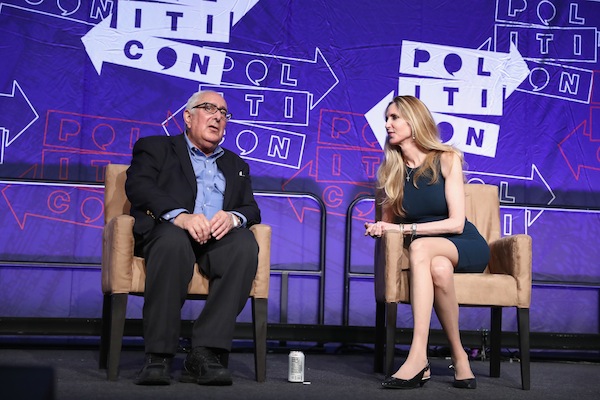
Ben Stein and Ann Coulter at Politicon in Los Angeles on Oct. 20. (photo by Rich Polk-Getty Images for Politicon)

From pundits to Hollywood types, there were many Jewish names on the speaker roster at this year’s Politicon, the fourth annual two-day convention in Los Angeles that ropes in high-wattage names from the left, right and centre. This year’s gathering took place Oct. 20-21.

In the panel called The Deep State, discussion revolved around the allegations of U.S. President Donald Trump’s collusion with Russia. Speakers included Dr. Vince Houghton (curator at the International Spy Museum), Dan Bongino (former U.S. secret service for George W. Bush and Barack Obama), Dr. Jason Johnson (professor at Morgan State University in Baltimore), former Trump aide David Urban and former George W. Bush speechwriter David Frum, a member of the Jewish community.

While Frum outlined some of the evidence on meetings and correspondences between Trump aides and various Russians, he also conceded that “there are things in collusion that are utterly reprehensible, which are not illegal.”

He said, “To what extent there was cooperation back and forth, remains unclear,” but he is convinced that the facts are quite damning.

photo - David Frum at Politicon in Los Angeles on Oct. 21
David Frum at Politicon in Los Angeles on Oct. 21. (photo by Phillip Faraone-Getty Images for Politicon)

As a counterpoint, Johnson said: “I don’t think the president has such discipline or organization to pull off this kind of thing. Hillary [Clinton] lost because she ran a bad campaign, not because of a meeting with the Russians.”

Two right-wing pundits – Ann Coulter and Ben Stein – took the stage in a session called Ask Ann Anything.

Stein, the Jewish actor whose politics date back to serving as a Richard Nixon aide, said that, if he could change any numbers about America, it would be to increase the number of better-educated individuals, as well as the number of fathers marrying the women they’ve had children with.

Coulter, often appearing on media to represent the far-right, is the bestselling author of Slander: Liberal Lies About the American Right, Treason: Liberal Treachery from the Cold War to the War on Terrorism and Godless: The Church of Liberalism, among others. Her key complaint was that Trump had yet to build the wall between the United States and Mexico, as he had promised, and she holds the left responsible for the immigration crisis.

Three generations ago, she said, “immigrants would come and 30 or 40% of them wouldn’t make it, and [would] go back home. Now, they all go on welfare. The Democrats pushed the bill that promised to [enshrine this],” she said.

The biggest surprise, she said, was that “despite all the race-baiting, Trump, as I thought he would, got more of the black and Hispanic votes than either [Mitt] Romney or [George W.] Bush … considering all of the racial incitement of the campaign.”

Three different questioners harshly criticized Coulter for avoiding debate with liberals, but Coulter dismissed them outright – “they couldn’t find a New York Times bestselling author to debate me?”

Yarmulke-wearing Ben Shapiro – who was in Vancouver for talks on Oct. 30 and 31 – covered the topics of free speech, constitutional rights and racism in America in his keynote address at Politicon.

“If my speech is violence,” said Shapiro, “and the government can shut down violence, then the government can shut down speech. This is ugly stuff.”

On the #MeToo movement and abortion, he paraphrased his opponents: “Men, sit down, shut up, you don’t know anything.” But, he said, “We can’t have a conversation if you’re simply going to assume I can’t understand you because of dint of birth … identity politics throws up a roadblock in the way of it. It prevents you from having these conversations.”

He said, “If you’re going to make a pro-choice argument, then make a pro-choice argument. An argument cannot be based on a woman knows better what constitutes life than a man.”

A questioner asked why, on YouTube, Shapiro appears to fume at ideological challengers.

“There are many more examples of me talking to the left in a respectful manner than there are tapes of me ‘destroying’ anybody,” noted Shapiro. “Those are the ones we like to watch because they’re more fun, but it’s not happening on a day-to-day basis.”

In a session called The Russian Menace, Jewish actor, director and author Henry Winkler interviewed author, terrorism expert and naval expert in cryptology Malcolm Nance. This year, Nance published The Plot to Destroy Democracy: How Putin and His Spies Are Undermining America and Dismantling the West.

After Obama was elected, said Nance, Trump and a representative of Russian intelligence exchanged private Twitter messages, with the latter expressing interest in helping the U.S. change governments. “Trump responded with a picture of double thumbs up,” noted Nance.

Winkler retorted, “Not mine!” – a reference to his Happy Days character the Fonz’s signature symbol.

According to Nance, a week after this Twitter exchange, Trump registered the trademark “Make America Great Again.” Subsequently, Trump met with Russian oligarchs in Moscow for two hours, something that should raise suspicions, Nance insisted.

At one time, he said, Russians wanted the “money and luxury” that the West had, but now they employ “an old KGB strategy” of propaganda to tear down the United States.

“You don’t go at the people by invading it,” but rather, through “fake news stories,” said Nance. “You co-opt their mind; you create a new reality for them. In the old days, they used to call that brainwashing. Today, they call it Facebook.”

Evan Sayet, who has written two speeches for Trump and is the author of Kindergarden of Eden: How the Modern Liberal Thinks, told the Jewish Independent that the panel he was on, 13 Reasons Why Not to be a Liberal, could be summed up thusly:

“Everybody in America – every ethnic group in America – blacks, Asians, Hispanics, they should all be conservative. They’re family-centric, church-goers, entrepreneurs. The left has done such a great job via the entertainment industry, schools and media, of villainizing the right. Those who vote for Democrats, don’t vote Democrats. They vote against Republicans. They are so in fear of what’s been portrayed as the right.”

Other Jews to appear as speakers or panelists at Politicon included Joel Pollak (Breitbart), Jennifer Rubin (Washington Post), author Eric Golub, NBC’s Ari Melber, comedian Ben Gleib, Bill Kristol (journalist and former chief-of-staff to vice-president Dan Quayle), TV host David Pakman, TV’s Drew Pinsky, commentator Sally Kohn, mayor of Knox County in Tennessee and former wrestler Glenn Jacobs, comedian Sam Seder, actor Richard Schiff, comedian Elayne Boosler, NBC’s Jacob Saboroff, writer Jamie Kilstein, actor Josh Malina, NBC’s Gadi Schwartz and entrepreneur Fred Guttenberg.

Dave Gordon is a Toronto-based freelance writer whose work has appeared in more than 100 publications around the world.

הסכם סחר חדש

סוף למשבר העמוק ביחסי ארצות הברית וקנדה בעידן טראמפ: שתי המדינות הגיעו סוף סוף להסכם סחר חדש. בפועל קנדה תצטרף להסכם הסחר שהושג כבר בין ארה”ב למקסיקו בסוף חדש אוגוסט. הסכם הסחר המשולש בין המדינות של צפון אמריקה שיחליף את הסכם נפט”א (נחתם באלף תשע מאות תשעים וארבע), יקרא יו.אס.אם.סי.איי (ארה”ב, מקסיקו וקנדה). הוא אמור להיחתם בין הצדדים בסוף נובמבר בטקס חגיגי, לאחר שיקבל את אישורי בתי המחוקקים של שלוש המדינת.

קנדה יש לזכור היא שותפת הסחר השניה בגודלה של ארה”ב לאחר סין. ועל כן להסכם החדש יש משמעות כלכלית גדולה מאוד לשתי המדינות השכנות, וכמובן גם למקסיקו. ההסכם החדש דן בתחומים רבים. ובהם: יבוא מכוניות, יבוא מוצרי חקלאות, יבוא חלב, יבוא תרופות, סוגיות של קניין רוחני, סוגיות של סחר דיגיטלי והמנגנון לפתרון סכסוכים בין המדינות. תוקפו של ההסכם שש עשרה שנים, ושלוש השותפות יבדקו אם יש מקום להכנסת שינויים בו רק בתום שש השנים הראשונות.

מיד עם היכנסו לבית הלבן לפני קרוב לשנתיים הודיע הנשיא האמריקני, דונלד טראמפ, כי הסכם נפט”א הוא הסכם גרוע מאוד לארה”ב ויש להחליפו. טראמפ החל במסע איומים קשים נגד קנדה ומקסיקו. זאת כדי לאלצן לחתום על הסכם סחר חדש. טראמפ הפנה את זעמו בעיקר לכיוון קנדה ומסע ההשמצות וההשפלות כנגדה הגיע לשיאו, עת הנשיא האמריקני סירב ללחוץ את ידו של רה”מ קנדה, ג’סטין טרודו, באו”ם בסוף חודש ספטמבר. טראמפ הגדיל לעשות והצהיר כי “אנחנו לא ממש אוהבים את הנציגים שלהם”. הנשיא האמריקאי התכוון בוודאי לשרת החוץ הקנדית, כריסטיה פרילנד, שעשתה רבות להשגת ההסכם המדובר. לטראמפ יתכן והפריע שפרילנד הוכיחה שהיא עומדת על שלה ופועלת בנחרצות לטובת האינטרסים הקנדיים – ועוד מדובר באישה! בשל התנהגותו הבוטה של טראמפ מערכת היחסים בין שתי המדינות שנחשבו לקרובות בעולם, הידרדרה לרמה שלא זכורה מעולם.

נציגי ארה”ב, קנדה ומקסיקו פתחו במגעים מואצים וארוכים להגיע להסכם החדש. לאחר שלושה עשר חודשים תמימים של משא ומתן הושג ההסכם הראשון בין ארה”ב ומקסיקו, בסוף החודש באוגוסט. ואילו ביום ראשון לפני כעשרה ימים (ה-1 באוקטובר), הושג ההסכם השני בין ארה”ב וקנדה. כל הצדדים נאלצו לוותר על חלק מהדרישות והתנאים המוקדמים להשגת הסכם סחר חדש של מדינות צפון אמריקה. נושא טעון אחד נשאר מחוץ להסכם ועל קנדה וארה”ב מוטל להמשיך ולדון בסוגיה, עד להשגת פתרון מוסכם. מדובר במכסי המגן שהאמריקנים מטילים על ייצוא של פלדה ואלומיניום מקנדה. מכל מקום מחלוקת זו לא תמנע את החתימה המשולשת על ההסכם החדש.

האופוזיצה בקנדה מיהרה לתקוף את ממשלת טרודו על כביכול הוויתורים הגדולים שעשתה לאמריקנים, כדי להגיע להסכם. לעומת זאת בנק אוף אמריקה מציין כי קנדה עשתה וויתורים סמליים בלבד. לפי אנליסטים של הבנק חלק מסעיפי ההסכם הם סמליים בעיקרם. ההסכם כולל הפחתה קטנה בפרוטקציוניזם לרפתנים מקנדה. עתה ליצרני החלב האמריקאים תהיה גישה ל-3.59 אחוזים משוק החלב הקנדי לעומת 3.25 אחוזים שהיו נהוגים עד כה. השינוי הנ”ל יגדיל את ייצוא החלב האמריקני לקנדה בכ-70 מיליון דולר בלבד.

עם השגת ההסכם אמר טראמפ על טרודו: “הבעייה היחידה של ג’סטין היא שהוא אוהב את העם שלו, הוא נלחם קשה למען עמו. תמיד היו לנו יחסים טובים והם קצת הידרדרו בחודשיים האחרונים”.

China’s increasing Israeli ties

Israel’s IVC Research Centre concludes that, with each passing year, some 16% more companies have at least one Chinese investor. (photo by Dave Gordon)

With headlines proclaiming the largest trade war in history, the United States and China began dueling tariffs July 6, and the ongoing row threatens hundreds of billions of dollars of product distribution. But, while China has locked horns with our neighbours to the south, it is partnering more and more with Israel.

According to Thomson Reuters data, Chinese investment in Israeli corporations tripled in the past few years to $16 billion, with about $600 million directed specifically to startups. Israel’s IVC Research Centre concludes that, with each passing year, some 16% more companies have at least one Chinese investor. The Jerusalem Post has stated that it will be no time before China surpasses the United States as Israel’s main foreign investor.

The Chinese “are leveraging Israeli tech to fuel their economy. Israel is held in high esteem as a hub of innovation,” said Hagai Tal, chief executive officer at Tel Aviv-based Taptica, an Israeli mobile advertisement company. “Many Israeli companies also see important opportunities in the East, and the meeting point of these two approaches is what produces such successful business partnerships.”

Israeli Shimi Azar, who runs mobile advertising Spotad’s Asia-Pacific operations, said he has seen “China becoming an innovation power in only a few years.”

China has 232 of the world’s 2,000 largest companies, up from 43 in 2003, according to Forbes magazine. Of the top 20 technology giants, China has nine, including Alibaba, Tencent, Ant Financial, Baidu and Didi. (The United States has 11.) C-Trip International is larger than Expedia, and China produces more online sales than anywhere else, says Market Watch.

“Big cities like Shanghai or Shenzhen already feel quite Western in almost every respect so, culturally, we are becoming closer every year,” said Azar. “The younger generation is eager to learn English and travel the world, so I’m convinced that any significant cultural differences to speak of will soon be a thing of the past.”

Ronen Mense is vice-president of Asia for AppFlyer, a mobile marketing analytics and attribution platform, which went to market with an Asia-first model. “In today’s digital and mobile-first world,” he said, “the Chinese mobile market is like no other. The numbers are staggering: about 800 million mobile users, nearly 500 million users making payments with their phones, nearly $2 billion quarterly revenue in the Chinese iOS App Store – more than any other country in the world.”

Lee Branstetter, professor of economics and public policy at Carnegie Mellon University’s Heinz College, said Israel is “doing truly world-class research” in microchips, security and machinery. Adding to the reasons why China and Israel are collaborating more is the political clampdown sweeping through the United States; notably, concerns over security, trade, foreign debt and foreign corporate control.

The bilateral cooperation was echoed at the political level when Chinese President Xi Jinping and Israeli Prime Minister Binyamin Netanyahu signed a memorandum in 2015, agreeing to partner in the technology sector.

For the past four years, the China-Israel Innovation Summit has taken place with the support of their respective countries’ governments. In the past two years, two Israeli companies entered the Chinese stock exchange for the first time: Alma Lasers (bought out by XIO Group in 2013) and Sisram Medical, in part owned by China’s Fosun Pharmaceutical. Major acquisitions are now legion.

In 2016, a Chinese consortium, led by Giant Network Group, paid $4.4 billion to acquire Playtika, an Israeli video game company. A year prior, China’s XIO Group ponied up $510 million for medical device firm Lumenis.

Last year, Kuang-Chi Group – whose stated aim is to “invest in and collaborate with innovative technology projects worldwide” – announced it was looking to base its headquarters in Tel Aviv. Its chairman, Dr. Ruopeng Liu, told Forbes that it all had to do with Israel’s “global reputation for innovation,” coupled with China’s strength in the global market.

Forbes also has reported that Ogawa, a healthcare leader in China, is earmarking $10 million for wellness technology investments in Israel.

Peggy Mizrahi, a Chinese citizen who now lives in Israel, sees two nations who have a similar view of the world. Mizrahi is vice-president of Indigo Global, an Israeli boutique investment advisory firm, with activities and operations in Africa, Asia and the Middle East. She said the “Chinese are [known for] long-term planning, conservative and hierarchical, unlike the commonly recognized Israeli mindset as fast, innovative, impatient, flexible and [with a] lack of respect for authority. However, paradoxically, both countries share something deeper than that: the refugee mindset – a people suffered for decades in wars, exiles, and Holocaust, massacres; struggled for independence and peace; respect of culture, history and the power of knowledge; and, most importantly, both Israelis and Chinese believe that economic progress and technological advancement will ultimately bring peace and prosperity to the world.”

David Maman, chief executive officer and co-founder of Binah.ai, recently sold one of his companies, HexaTier, to Chinese conglomerate Huawei. According to Maman, it’s not unusual for scores of delegations each month to visit Israel from the biggest corporations in China – including Fosun, Huawei, Alibaba, Tencent and Baidu – to explore investments and other ventures with Israeli startups.

Just as sure as tech can be used for the good, one expert had concerns about increasing collaboration.

Branstetter, who served as the senior economist for international trade and investment for the U.S. President’s Council of Economic Advisers, added there must be care ensuring technology isn’t misused.

“If an American pilot were ever shot down by a Chinese missile powered by Israeli technology, it would be a real problem for the Israeli government.”

Dave Gordon is a Toronto-based freelance writer whose work has appeared in more than 100 publications around the world.

Rabbis call on Trudeau

Five local rabbis – Rabbi Lindsey bat Joseph, Rabbi Shmuel Birnham, Rabbi Laura Duhan Kaplan, Rabbi David Mivasair and Rabbi Dan Moskovitz – are among the 33 signatories to a public statement issued July 11 calling upon the Trudeau government to suspend Canada’s Safe Third Country Agreement with the United States. The 33 rabbis from across the country represent a diversity of Canadian Jewry.

The statement calls for the agreement to be suspended “until such time that Canadians can be confident that the United States is in fact a country to which refugee claimants can be returned safely.

“Our own Jewish people’s history instructs us of the necessity to find safe refuge in times of turmoil and lethal threat.

“Our people’s spiritual legacy teaches us that we must not stand idly by the blood of our sisters and brothers, regardless of where they are from.

“The Trump administration’s decision to separate children from their families seeking refuge along the U.S.-Mexican border and its neglect of a plan to reunite them seems to us to amply demonstrate that the U.S. is not a safe country to which refugees should be returned.”

The statement notes that the “agreement requires the Canadian government to review continually the human rights record of the U.S. There were calls to end the agreement in January 2017, when the Trump administration implemented its travel and immigration ban. At this time, it is clear beyond any reasonable doubt that Canada must review and re-evaluate the U.S. qualification as a safe third country.

“Nearly 2,000 children entering the U.S. for the purposes of claiming asylum between April and May have been separated from their families and are being held at detention centres. No one knows the effects of this trauma on these youth, but the human rights abuses are grotesque. According to ACLU, HRW, Amnesty International and media reports, minors are being held in metal cages, given foil blankets and, in many cases, without any visual stimuli in the format of books or toys. In some cases, parents are told their children will be taken for a bath but are not returned. Teenagers in cages are required to care for the younger children, including diaper changes. At one detention centre, staff are not allowed to console, lift or even touch the children, no matter how much agony or fear the child may express. Some children being held are still breastfeeding.”

The Canadian rabbis, “cognizant of our people’s own history as desperate refugees and our tradition of seeking justice … urge the Trudeau government to acknowledge that the United States is not a safe third country and to suspend the Safe Third Country Agreement until the U.S. meets its requirements.”

Grouchy Historian’s lessons

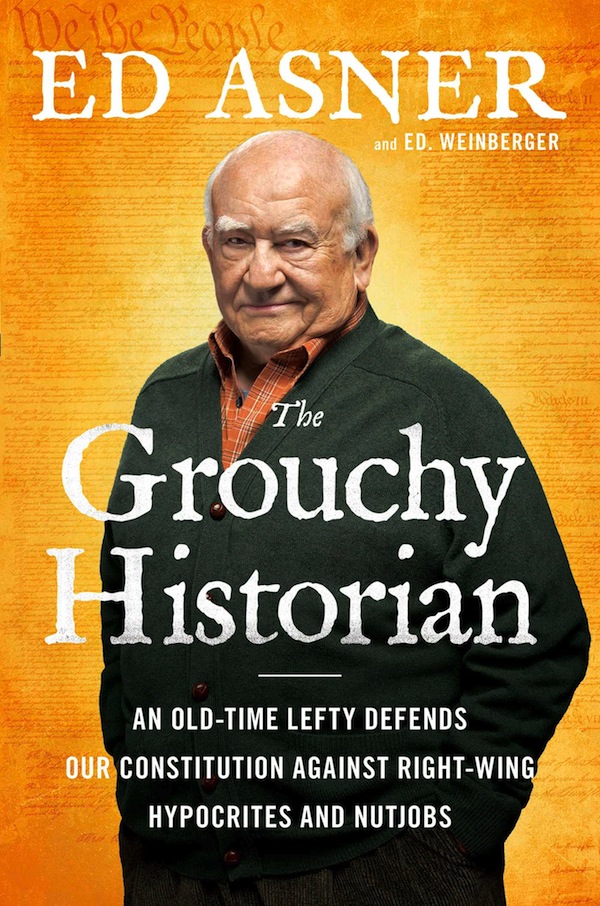
The gruff yet endearing Jewish character actor Ed Asner is instantly recognizable to many people for his portrayal of the equally gruff yet amiable Lou Grant in the classic 1970s television sitcom The Mary Tyler Moore Show and its spinoff drama Lou Grant. Fewer people realize that the Emmy Award-winning actor is also a well-known political activist, whose views became more prominent in the 1980s during his two terms as president of the Screen Actors Guild. Asner, now 88 and far from retirement – he just performed here in April in a one-man stage play – has written The Grouchy Historian: An Old-Time Lefty Defends Our Constitution Against Right-Wing Hypocrites and Nutjobs (Simon & Schuster, 2017) with Ed Weinberger, longtime screenwriter for The Mary Tyler Moore Show.

In this compelling read, Asner attempts – in his own words – to “reclaim the [U.S.] Constitution” from far-right conservative pundits. Making no secret of his ideological perspective, Asner argues, “The constitution is the cornerstone of the Republican party’s agenda, along with small government, less regulation and making sure the rich pay less taxes than the rest of us.” Yet, he maintains, the constitution was written to form a robust central government – giving sweeping powers to Congress (not the states) – secured by an equally strong executive branch. He further asserts, “Nothing in the constitution suggests, let alone enforces, the concepts of limited government, limited taxes and limited regulations.” Far from hating taxation, the framers of the constitution, writes Asner, desperately needed taxes because “[t]hey had a war to pay off.”

Asner notes that John Adams had wanted the presidential role to have even more powers by not requiring the “advice and consent” of the Senate to make federal and cabinet appointments, “a clear signal that Adams, like [Alexander] Hamilton, believed in a strong central government headed by an executive with vigorous powers.”

About the constitution’s founders and framers, Asner says they were “petty, flawed, inconsistent and all too human,” but, he concedes, they were highly educated “eloquent orators and brilliant writers,” who, “[u]nlike the current right-wing doomsayers and fearmongers, they were all, truly, apostles of optimism.”

Asner spends several chapters discussing God and the constitution – notably God’s absence from the preamble, as well as the Presidential Oath of Office – and speculates why the framers took their approach. He points out George Washington was a Grand Master Mason on whose Bible he took his oath of office, noting, “Masonic Bibles do not acknowledge the divinity of Jesus Christ.” As for Benjamin Franklin, Asner says, “you can quote endlessly about Franklin’s faith in Christian ethics, but none about his faith in Jesus the Christ.” Regarding Adams, Asner mentions that, as a member of the New England branch of the Unitarian Church, Adams and fellow “Unitarians did not believe in the divinity of Jesus Christ, the infallibility of the Bible, the Holy Trinity or Original Sin.” In other words, Asner takes a swipe at the Christian right who claim Christian origins for the American constitution. Asner points out that the entire career of James Madison Jr., as “a politician, lawmaker, intellectual – was devoted to the separation of church and state.” Yet Asner defends First Amendment rights for freedom of religion.

Not only does Asner explore in great detail the actual writing of the constitution and the financial backgrounds of all 55 delegates to the Constitutional Convention, but he does so in the gruff and thorough style of newsman Lou Grant. About these delegates – whom he claims conservative legal theory holds were “infallible patriots” who behaved “solely to establish national unity, economic development and the civil liberties of all citizens” – Asner concludes, “One thing is for certain: they are not the saints living in the imagination of the right wing, acting out God’s will.”

Asner notes that more than 40 delegates held government bonds, more than 15 were slave owners, and several were land and debt speculators. Most participated in more than one category, like Washington, who was not only “a slave owner [but] a money lender, a land speculator and the largest holder of government IOUs in the country.” Asner points out that small farmers, shopkeepers, labourers, Revolutionary War veterans and slaves, among others, were not at the convention. Hence, he paints a picture of a small group of “capitalist elites” with personal interests – two notable exceptions being Madison and Hamilton – who framed the constitution. In reaching his conclusions, Asner draws on the ideas of American historian Charles A. Beard’s admittedly controversial early 20th-century economic views of the document.

Asner shows his creativity in a humorous way, like in his “Open Letter to Senator Ted Cruz, Written in the Style of 1787,” where he states, “I am prompted to write this upon discovery of a foreword you penned to The U.S. Constitution for Dummies.” He proceeds to carefully address, in language of the day, five of Cruz’s assertions, after which he closes with “Whilst This Flame Exists Within Me, I Remain Your Most Staunch Adversary.”

Not many could pull this off as well as Asner. Same goes for his scathing review of the controversial personal and constitutional views of Dr. Ben Carson, neurosurgeon and secretary of housing and urban development. And Asner goes further in his criticism of such contemporary conservative social critics as Ann Coulter.

Asner critiques the origins of the Bill of Rights using language of the era in the inventive form of a series of letters from Madison to heighten the drama of the time. After all, as Asner correctly notes, “It is the Bill of Rights – guaranteeing our freedoms of speech, conscience, religion, and the press – that is the centrepiece of America’s exceptionalism.” However, he also argues its practical limitations over the centuries through a careful description of a series of legal cases.

Asner even shares his own set of constitutional amendments, both humorous and real, including his desire for a guaranteed minimum income, which he is careful to note was not just a liberal idea but was also advocated by conservative economist Milton Friedman and nearly implemented by Richard Nixon in the 1960s. Yet, for a self-declared “old-time lefty,” Asner surprises the reader with his qualified defence of the Second Amendment. He devotes an entire chapter to it.

Asner says he is “not against guns and the good people who own them.” He even admits to owning a Glock 15 – obtained for reasons of self-defence after receiving a death threat in 1979 – and a Beretta Px4, because he “liked its look and the heft of it” in his hand. However, he convincingly argues that American “gun culture” has led to too many deaths. He concedes, “It’s a bloody trail that leads right back to the Second Amendment,” specifically, “the right wing’s interpretation of it: an unfettered licence for every American to own, carry, collect, trade and eventually shoot a gun.” He maintains that this item in the Bill of Rights was not the clearest constitutional amendment ever written because, when it states the need for “a well-regulated militia,” that does not automatically imply a concurrent “personal right” for the individual citizen “to keep and bear arms.”

Asner takes this view from a close examination of the wording used by the framers of the constitution. “The only two subjects in the Second Amendment,” notes Asner, “are collective nouns: ‘state militia’ and ‘people.’” Asner asks, “where, then, can anyone find an individual right to own a weapon except as part of a ‘well-regulated militia’”? He maintains that, historically, Madison’s intent was to limit the Second Amendment “only to state militias” and that the United States was, in fact, “founded on gun control,” with a balance between gun ownership and the desire for public safety. He goes on to outline a very persuasive argument to support his case while emphasizing that “today, despite the evidence, the gun lobby has the chutzpah to claim that the Second Amendment belongs to them and them alone.” According to Asner, the issue boils down to whether the Second Amendment represents a fundamental or absolute right that cannot be limited nor regulated – Asner maintains the former view.

Ultimately, Asner feels it’s time to return to the kind of America its founders envisioned, including a “government that rules by reason, tempered with compassion and advanced by science,” that guarantees free speech and respects liberties for all while protecting its most vulnerable citizens.

Whether left, right or centrist, readers will learn much from Asner, who comprehensively studied the topic and arrived at a serious analysis along with amusing takes. Since his voice is heard throughout the book, it’s easy to imagine this tome being transformed into a one-man stage play some day. But no one could do it as well as Asner. As for why an award-winning actor like him would write about the U.S. Constitution, Asner states without equivocation, “Well, why not me? After all, I have played some of the smartest people ever seen on television.” Newsman Lou Grant would be the first to agree.

Arthur Wolak, PhD, is a freelance writer based in Vancouver and a member of the board of governors of Gratz College. He is author of The Development of Managerial Culture and Religion and Contemporary Management, available in hardcover and ebook formats from all online retailers.

יש לעצור את טראמפ

עכשיו זה כבר ברור לרבים: נשיא ארה”ב, דונלד טראמפ, גורם נזק ממשי לכלכלת העולם. טראמפ שמתהלך ומתנהג כבריון שכונתי מאיים על כולם, מביא לפרוד רציני בין ארה”ב לאירופה וקנדה ושאר הידידות המסורתיות שלה, דבר שרק מעלה חיוכים אצל הרוסים והסינים. טראמפ שהוא בסך הכל סוחר ממולח וכוחני עד להחריד עם מונטין רע מאוד (כאשר מי שעשה עימו עסקים בעבר לא יעיז בכלל להתקרב אליו עוד), חושב שזו הדרך לנהל יחסים דיפלומטים עם המדינות החשובות בעולם. אך הוא לא מבין בתחום זה כמו בתחומים רבים אחרים (מלבד בלעשות כסף), הוא לא מכיר את ההיסטוריה ולא מכבד את מי שיש לו דעה אחרת, ובדרך כלל מדובר בליבראלים ובאנשים משכילים ממנו, שמחפשים לשתף פעולה אחד עם השני – בניגוד הגמור אליו.

בכל פעם שאחד ממנהיגי המדינות החשובות בעולם נאלץ להיפגש עם טראמפ, רואים בברור שהוא לא רווה נחת והיה מעדיף להיות רחוק מהנשיא האמריקני עד כמה שאפשר. בין היתר מדובר בראש ממשלת קנדה, ג’סטין טרודו, שהבין מהר מאוד שגם הוא לא חסין וטראמפ יתקיף גם אותו. לא נראה שטראמפ יודע לנהוג אחרת. עד עידן טראמפ ארה”ב וקנדה נחשבו לידידות קרובות ביותר ובעלות ברית בלתי ניתנת לערעור. השכנות ביניהן הפכה אותן לא פעם כמעט למדינה אחת. אך טראמפ הרס את הקשר המיוחד הזה של שתי המדינות, כמו שהוא הורס כל דבר אחר בו הוא נוגע.

לפי עיתון הפייננשל טיימס הבריטי מלחמת הסחר בה פתח טראמפ בתרחיש הגרוע שלה, יכולה להתנפח אף לטריליון דולר. היקף המכסים שארה”ב הטילה ובתגובה קנדה, מקסיקו, האיחוד האירופי וסין הטילו מכסים מצדן, יכול להשתוות בהיקף כולל לכרבע המסחר של ארה”ב עם העולם, או לחילופין ישתווה לשישה אחוזים מהיקף המסחר העולמי בסחורות (במונחים של אשתקד).

להלן שלוש הסיבות העיקריות לכך שמלחמת הסחר יכולה להגיע להיקף של כטריליון דולר:

1. ארה”ב הטילה מכסים על סחורות סיניות בהם דודי שמש ומחרטות לרובטים תעשייתים ורכבים חשמלים. בתגובה סין הטילה מכסים על סחורות אמריקניות בהם פולי סויה, מאכלי ים ונפט גולמי. טראמפ הרגזן הודיע כי יטיל מכסים על מוצרים סינים נוספים וסין מצידה איימה שוב בתגובה הולמת. לכן ניתן להעריך כי בתוך מספר חודשים רוב או כל הסחר בין ארה”ב לסין שמגיע לכ-640 מיליארד דולר – ימוסה. סין תגיב מצידה בצעדים לכיסוי הפער.

2. טראמפ מאיים בהטלת מכסים בגובה של כ-20 אחוז על כלי רכב וחלקים לכלי הרכב, בטענה המגוחחת שזה פוגע בביטחון הלאומי של ארה”ב. אשתקד ארה”ב ייבאה כלי רכב בשווי כ-192 מיליארד דולר וחלקים לכלי הרכב בשווי כ-143 מיליארד דולר. האיחוד האירופאי, יפאן וקנדה מאיימות בהטלת מיסים משלהן באותו היקף. כך שימוסו סחורות עולמיות בשווי כ-650 מיליארד דולר.

3. טראמפ ממשיך לאיים על שתי השכנות של ארה”ב קנדה מצפון ומקסיקו מדרום, כי יבטל את הסכם הסחר החופשי של צפון אמריקה נפט”א. דרישותיו בהן הסכם חדש כל חמש שנים נדחו על ידי קנדה ומקסיקו. ארה”ב הטילה בשלב זה מיסים על פלדה ואלומיניום מקנדה ומקסיקו, ועתה היא מאיימת במיסים על כלי הרכב וחלקים לכלי הרכב המיוצרים אצלן. אשתקד ארה”ב ייבאה כלי רכב וחלקים לכלי הרכב מקנדה ומקסיקו בשווי של כ-158 מיליארד דולר (במסגרת הסכם נפט”א).

Redefining antisemitism

An Illinois congressional district leans so heavily Democratic that no serious figures contested the Republican nomination for this fall’s midterm elections. As a result, an avowed Nazi has become the official Republican standard bearer in the suburban Chicago area.

The issue is not that he stands a hope of winning. He doesn’t. The critical test is the degree of unanimity with which the mainstream body politic of the United States comes together to condemn the candidate and reject the normalization of his positions. So far, results are tepid.

Some GOP figures are advising voters not to cast a ballot in the race, which seems like bad advice in a democracy. Others are saying, simply, “Don’t vote for the Nazi,” without suggesting voters support the Democrat. When asked if he was urging Republicans to support the Democrat in the district, Illinois Governor Bruce Rauner simply said, “No.”

We have been seeing far too many examples of Americans putting party over country and humanity recently. President Donald Trump has been able to get away with his worst excesses only through the support of a Republican Congress.

Nevertheless, for whatever limits partisanship puts on bulwarks to bad things, most Americans agree Nazism is bad and should be condemned.

A more ambivalent reaction is taking place in the United Kingdom. The British Labour party has been embroiled for some time in a very serious internal conflict around antisemitism. Senior party figures, including MPs, have uttered (or expressed on social media) things that any “woke” person would recognize as founded on antisemitic premises. In some cases – including in a “closed” Facebook discussion group of which party leader Jeremy Corbyn was a part – the most medieval and unequivocal stereotypes, accusations, conspiracies and Jew-hatred have gone unchallenged.

Members of the party have been kicked out after being subjected to internal party investigations for antisemitic rhetoric. But some have been allowed back in and others have been let off without any censure, even after expressing what the most casual observers would recognize as unacceptable attitudes toward a minority group.

A reckoning has been coming. So, in an effort to set some ground rules, a party committee adopted a definition of antisemitism last week that will serve as the measuring stick in upcoming investigations around whether party figures have or have not engaged in antisemitic rhetoric or behaviour.

The party based their new rules on the standards created by the International Holocaust Remembrance Alliance (IHRA) – criteria that have attained a degree of consensus as perhaps the most conclusive definition we can hope to develop for something as amorphous as antisemitism. The guidelines have been adopted by governments and quasi-governmental agencies worldwide, including Britain’s, but the Labour party thought the guidelines could use some improvements – and so they made their own tidy edits.

The Labour party’s red pen took out references that assign antisemitic intent to the equation of Zionism with Nazism. They deleted the parts where the IHRA says that antisemitism includes accusing Jewish people of being more loyal to Israel than their home country. Under the new Labour party rules, it’s OK to say that Israel’s very existence is racist. Holding Israel to a higher standard than any other countries is also fine with the party.

In short, the Labour party retrofitted the definition of antisemitism to comport with the attitudes and actions of their members, instead of forcing their members to adhere to international standards that reject antisemitism.

The new rules also put the onus on the victims to prove intent, which is almost unprovable. In effect, a Labour member can say whatever they wish – “ZioNazi” is a favourite, it seems – as long as they declare that their intent was not antisemitic. For whatever else this represents, it is a betrayal of a core tenet of the global progressive movement: that those who experience discrimination are the ones who get to define it.

As disturbing as the antisemitism crisis in U.K. Labour is – especially as Theresa May’s Conservative cabinet is imploding and a new election could come any day – it is an important moment for addressing left-wing antisemitism throughout the West.

It is one of the first formal, structured discussions we have seen in Western countries around the issue of defining, identifying and censuring antisemitism within mainstream political discourse. It is not a good thing that it is necessary, but it is good that the necessary discussion is taking place.

Of course, this could go (at least) two ways. Labour could experience a backlash over their efforts to redefine antisemitism to their political benefit, realize that they are far outside acceptable discourse and undertake a genuine correction. Alternatively, they could stick with their highly problematic definition of antisemitism, leave their substantial problem of institutional anti-Jewish bias in place and still win the next U.K election. In which case, they will have moved the goalposts of acceptable discourse in dangerous new directions, with implications that go far beyond Britain.

Neighbourly relations

The lineups at local border crossings to the United States over the Canada Day long weekend suggest rhetoric about Canadians avoiding visits to our neighbour have been largely overblown. We may be repulsed by the Trump administration’s treatment of would-be refugees, especially children, but cheap gas, cheese and milk – as well as the plethora of delights at Trader Joe’s – mean many of us just can’t stay away.

Ironically, it is partly because our dairy products are so expensive – because of our supply management system – that the U.S. president is raging at Canada in the first place and why we amped up our tariffs July 1 in a trade war Trump launched.

At the same time, most of us know that our immediate neighbours are much like ourselves. The places we are most likely to drive to – Bellingham, Seattle and smaller centres dotting the American Pacific coast – are inhabited by some of the most liberal voters in that country. These are not places where Trump bumper stickers or MAGA caps are widely prevalent.

Likewise, if we jump on a plane, the destinations we choose tend to be similar in attitudes: the beaches, amusement parks or golf resorts of Southern California, the wine country of Northern California, oases in Arizona that are likely to have as many Albertans as native-born Arizonans. Punishing businesses in these locations because their president has xenophobic views doesn’t seem particularly sensible.

On the other hand, we might have more reticence about stepping out of these familiar spots. We might rethink road-tripping across the country; that generations-tested means of memorable family bonding, backseat battles and boredom. Almost anyone who has traveled through rural America returns with stories of salt-of-the-earth kindness and folksy friendliness. Yet, knowing that some counties in the most picturesque parts of the United States voted for Trump – and still support him by huge margins – one might be forgiven for looking askance at the family in the next booth at the roadside diner. What is behind the smiles and extroverted affability that can turn so mean in the ballot box and when responding to public opinion polls about immigrants and minorities?

Leaving aside whether we would feel personally comfortable in some locations, there is the larger issue of whether Canadians should boycott American products. On social media this week, you can find suggested product choices that make it easier to buy Canadian instead. It’s a matter of individual choice whether this is a productive use of energy, but, if it makes people feel better and helps the Canadian economy in a time of challenge, it seems like a fine enough gesture.

It is notable, though, to compare the nascent cross-border boycott to the BDS movement against Israel. Admittedly, the U.S.-Canada clash is mere weeks old, while the Israeli-Arab conflict has been in high gear for seven decades, giving sides more time to organize. But, while a significant number of Canadians seem to think that a boycott of Israeli products, ideas and people is a legitimate tactic, it is doubtful that a similarly organized movement will coalesce around the idea of boycotting Americans.

Some BDS supporters have maintained that their boycott targets Israeli “policies,” although the founder of the movement, Omar Barghouti, has no qualms about his position that Israel should cease to exist as a Jewish state. In any event, how bad would American “policies” need to become before BDS advocates devoted their substantial energies to boycotting U.S. products? Certainly we are unlikely to see a Canadian consensus that suggests a total economic, cultural, academic and social boycott of America, as the BDS movement promotes with Israel. It would be impossible, of course, given the interconnectedness of our countries, but the question remains: Why do some take the hard line with Israel but not with other countries?

Indeed, consider the approach held by most people, even those who are likely to support BDS: with North Korea, Iran and anyone else with whom we have not insubstantial differences, the consensus approach is engage, mediate, negotiate. It’s the approach we are pursuing with the United States on one hand, while retaliating with tariffs on the other. Yet, when it comes to Israel, in economic matters, academic interactions, sporting competitions and every level of human interface, a sizeable group demands that we make Israel an international pariah, isolate it in every way, exclude it from the global community. What can that possibly be about?

קנדה מעוניית לרכוש מל”טים

איתן, מטוס ללא טייס על בסיס הרון טיפי, חיל האוויר הישראל, יום העצמאות 2017. (צילום: MathKnight and Zachi Evenor)

התעשייה האווירית (תע”א) של ישראל משתתפת במכרז חדש של הצבא הקנדי שיפורסם במהלך החודשים הקרובים, לאספקת מטוסים ללא טייס (מל”טים) שהיקפו נאמד בלמעלה ממיליארד דולר. בתע”א החליטו לחבור לצורך ההשתתפות במרכז עם חברה הקנדית אל.3 מאס (שמושבה בקוויבק) לאספקת טכנולוגיות, תקשורת, אינטגרציה של מערכות והשבחת מטוסים. החברה הקנדית היא זו שתוביל את הההצעה המשותפת למכרז.

המכרז של הצבא הקנדי נועד לאפשר רכישת מל”טים גדולים כולל המערכות הנלוות, במהלך ארבע השנים הקרובות. המל”טים הגדולים מתאימים לקנדה בשל שטחה הגדול ומזג האוויר הקר השורר בה במרבית עונות השנה. הצבא הקנדי מעוניין ברכישת כלי טיס מסוג זה בעיקר לטיפול בהברחות מעבר לקנדה (בדרך כלל מדובר בסמים ובכלי נשק), וכן להגן על נתיב אזור השיט הצפוני (המחבר בין האוקיינוס האטלנטי לאוקיינוס הפאסיפי). המל”טים יוכלו לשמש את הצבא הקנדי גם במשימות אזוריות ורחוקות בהשתתפות צבאות נוספים.

מול ההצעה של קבוצת תע”א ואל.3 מאס צפוייה להתמודד הצעה אמריקנית של ג’נרל אטומיקס, הנחשבת למתחרה קשה של התעשייה האווירית הישראלית. עם זאת, יתכן ולאור התקררות ביחסים בין קנדה לארה”ב, בשל התנהלותו של הנשיא דונלד טראמפ, לא מן הנמנה שהצבא הקנדי יעדיף הצעה משותפת קנדית-ישראלית על זו האמריקנית.

יצויין כי הצבא הקנדי שכר בעבר מל”טים קטנים (במשקל 1.2 טון) מתע”א. מל”טים אלה פעלו בשטחי אפגניסטן ולאחר מכן הוחזרו לתע”א.

קמפיין להחרמת מוצרים מארהב לאור התבטאויותיו של טראמפ נגד קנדה

אזרחים קנדים התחילו להתעורר סוף סוף ולהשיב מלחמה כנגד ההתבטאויות החמורות של נשיא ארצות הברית, דונלד טראמפ, כנגד בקנדה, שהתגברו מאוד בשבועות האחרונים.

הקנדים החליטו לראשונה לנהל קמפיין להחרמת מוצרים מארה”ב הנמכרים בחנויות השונות בהן ברשתות השיווק, בחנויות למכירת אלכוהול. כן מדובר על החרמת רשתות אמריקניות הפועלות בקנדה כמו מקדונלד’ס, וולמרט וסטארבקס. במקביל יציאה לחופשות בארה”ב תוחלף בחופשות מקומיות בקנדה, או במקומות אחרים בעולם. הקמפיין זוכה לגיבוי נרחב ברשתות החברתיות. אזרח מקומי בשם סקוט צ’מברלין, רכש מוצרים בסופרמרקט כאשר אף אחד מהם לא מיוצר בארה”ב. הוא העלה לרשת תמונה של סל המוצרים וכינה את את מה שקנה “סל ללא טראמפ”.

ראש ממשלת קנדה, ג’סטין טרודו, הגיב במהלך הדיונים בפרלמנט על הקמפיין החדש נגד ארה”ב. טרודו אמר בין היתר: “בימים האחרונים יש אווירה פטריוטית בקנדה”. כל שנותר הוא לקוות שקנדים רבים יצטרפו אל הקמפיין החשוב ויחרימו מוצרים אמריקנים בעידן טראמפ.

הבנק הקנדי סקוטיה בנק פרסם תחזית כלכלית קודרת לאור מלחמת הסחר – עליה הכריז טראמפ. לפי התחזית טראמפ במעשיו יגרום להשפעה שלילית על הכלכלות של ארה”ב, קנדה ומקסיקו. בינתיים נרשמות ירידות בבורסות של צפון אמריקה שאינן אוהבות בלשון של המעטה את מה שטרמפ עושה, ומה שהוא עושה זה בעצם לערער את הציבות הכלכלית בכל העולם.

בממשלה הקנדית לא מבינים כיצד יוטלו המכסים החדשים של טראמפ על יצור מכוניות בקנדה. הרי בהליך יצור והרכבת המכוניות הן עוברות בין ארה”ב לקנדה, בן שש לשבע פעמים. גורם בממשלה הקנדית שאל האם המכס יוטל על המכוניות בפעם הראשונה, השנייה, השלישית, הרביעית, החמישית או השישית?

טראמפ מתברר מתחיל לגרום נזק גם לחברות טכנולוגיות אמריקניות, לאור החלטתו לאכוף מכסים חדשים בין היתר על סין. המניה של אינטל למשל נפגעה קשות מהתנהלותו של טראמפ, כיוון שהכנסותיה בסין הסתכמו אשתקד בלא פחות מ-14.8 מיליארד דולר.