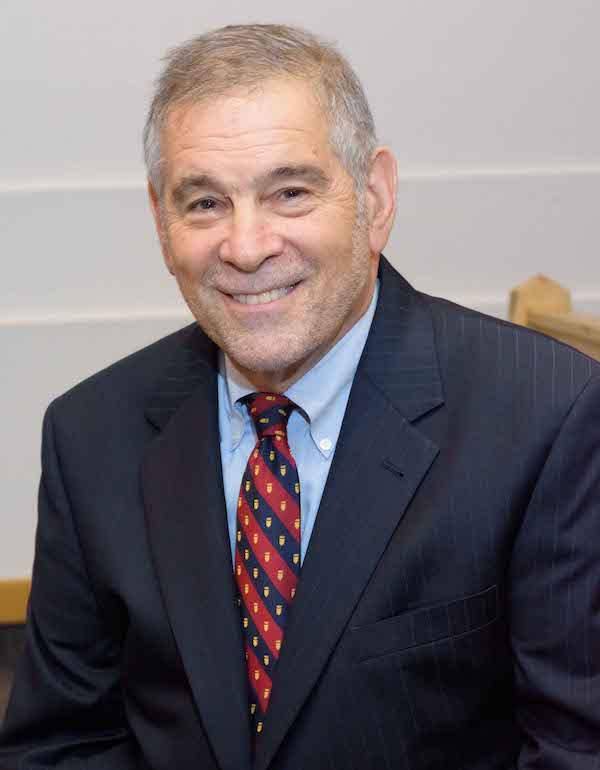
Vancouver Public Library’s 2023 writer in residence is Vancouver author Aren X. Tulchinsky, the writer formerly known as Karen X. Tulchinsky.
Tulchinsky is a novelist, screenwriter, video editor and writing mentor, and an out and proud member of the LGBTQ2S+ community. He is the recipient of awards such as the One Book One Vancouver Prize and Vancity Book Prize for his written works, which include The Five Books of Moses Lapinsky,In Her Nature,Love Ruins Everything and Love and Other Ruins.
He has also written for and edited on numerous television series, including The Nature of Things for CBC. His short film, Ms. Thing, has screened internationally in more than 50 film festivals and won the Audience Choice Award at the Queer Fruits Film Festival in Australia.
“My passion has always been to tell stories, especially stories set in communities that have been historically underrepresented in Canadian literature,” said Tulchinsky. “I am Jewish from a working-class background. I came out as a lesbian as a teenager, and now identify as a transgender man. As a member of several marginalized communities, I have always written from the heart and I welcome the opportunity to mentor emerging writers on their own journeys – especially those from underrepresented communities, such as BIPOC and LGBTQ2S+ writers.”
This fall, Tulchinsky will work directly with aspiring writers through a series of writing workshops, individual consults and special events at the library. He’ll also be working on a new novel, Second Son, which follows a transgender man who is grieving the premature death of his father, coming to terms with the loss of his only brother 10 years earlier, and learning to love himself in the process.
Aug. 29-30, 17 families – each serving as Chabad shluchim (emissaries) – came together for an event known as a Kinus Hakhel. (photo from Chabad Lubavitch BC)
In a display of unity and camaraderie, 17 families – each serving the Jewish population across British Columbia as Chabad shluchim (emissaries) – came together Aug. 29 and 30 (12 and 13 of Elul) for an event known as a Kinus Hakhel. It was a celebration of shared purpose and a recommitment to serving the community.
Representatives from Chabad in Victoria, Nanaimo, Richmond, Surrey, Coquitlam, the University of British Columbia, Downtown Vancouver, Kitsilano and Kelowna joined the central Chabad Lubavitch BC in this heartwarming event. The theme of “sheves achim gam yachad” (“dwelling together in unity”) permeated the atmosphere with feelings of support for one another. It served as a reminder of the strength that arises from collaboration and left a mark on all those present.
Chabad today is the largest Jewish organization in British Columbia, with a presence in 10 cities across the province, 11 synagogues, 17 permanent rabbis and rebbetzins, three mikvahs, eight supplementary Hebrew schools, four Camp Gan Israel summer camps, dozens of weekly Torah classes, private counseling and social services.
Rabbi Yitzchok Wineberg, the head shaliach of British Columbia, reflected on the past 50 years of Chabad’s presence here. He congratulated all the shluchim for their dedication and hard work, acknowledging the efforts they have invested in reaching out to every Jew, no matter their affiliation or background, and establishing communities all over the province.
Rabbi Avraham Feigelstock, av beis din (the rabbi presiding over the religious court), director of BCK and one of the senior shluchim in British Columbia, took the opportunity to encourage the establishment of a vaad hapo’el, a permanent action committee, to take the inspiration from the Kinus and use it as a positive force for expansion.
The Kinus also featured an all-night farbrengen (spiritual gathering) led by Rabbi Sholom B. Levitin, regional director of Chabad-Lubavitch in the Pacific Northwest, lasting from 9 p.m. until 6 a.m., where participants engaged in discussions and spiritual connection.
In the spirit of this Hakhel year (an assembly that takes place every seven years), with the call of uniting men, women and children, a children’s program ran throughout the entire two days with more than 60 young shluchim participating. A special thanks goes to Tamara Feigelstock, who ensured that the youngest members of the shluchim had an enriching experience.
The Kinus wrapped up with a banquet. Featured speakers were Rabbi Yechiel Baitelman (Chabad Richmond) and Rabbi Shmuly Hecht (Chabad of the Okanagan Valley), plus a special Zoom address by Rabbi Moshe Kotlarsky, vice-chair of Merkos L’Inyonei Chinuch, the educational arm of Chabad Lubavitch worldwide.
An unexpected, moving moment came at the banquet when Arnold Silber, Chabad’s first friend and supporter in British Columbia, took the stage. With emotion, he shared his deep connection to Chabad and to the Jewish community. He announced, “Don’t worry about paying for this gathering; I will cover the entire bill.” His generosity underscored the sense of unity and support that defined the event.
Silber also reflected on the past 50 years and expressed pride on his association with Chabad. He spoke metaphorically about how he had planted a tree a half-century ago and now sees a thriving forest. The growth and impact of Chabad in British Columbia fills him with joy and nachas (pride), he said. He pledged to continue and expand his support and partnership with Chabad’s “army of light and kindness” in the province. And he shared his vision of building an even stronger, more vibrant Jewish community in the future.
The Kinus Hakhel took place thanks to the dedicated efforts of Rabbi Dovid and Chaya Rosenfeld, co-directors of the central Chabad in BC, and the various planning committees. For the men’s program, that was Rabbi Meir Kaplan (Chabad of Vancouver Island), Rabbi Benzi Shemtov (Chabad of Nanaimo) and Rabbi Mottel Gurevitz (Chabad of Coquitlam). For the women’s events, Blumie Shemtov (Chabad of Nanaimo) and Rivki Yeshayahu (Kitsilano) coordinated the program, and the youth program was planned by Esti Loeub (Chabad of UBC) and Rivky Varnai (Richmond). Special thanks to Henia Wineberg (Lubavitch BC) and Chanie Baitelman (Chabad Richmond) for the beautiful setup.
As the shluchim of British Columbia left the gathering, they carried with them not only a renewed sense of unity but also a strengthened commitment to their shared mission. This gathering in Vancouver wasn’t just an event; it was a celebration of community, purpose and the enduring spirit of Chabad.
More than 200 kids went to Camp Gan Israel this summer. (photo from Camp Gan Israel)
More than 200 children attended Camp Gan Israel this summer. They had a varied schedule, with baking, crafts, skateboarding, swimming, sports and field trips to such places as Stable Harvest Farm, Wild Play Adventure Park, Playland, Science World and Sasamat Lake. A special highlight was the camp’s theme song and dance, which was picked up by almost 400 Camp Gan Israel’s around the globe.
“Camp shows children that Judaism is fun, joyful and alive,” said camp director Chaya Rosenfeld. “The staff set an amazing example of being proud and enthusiastic about their Judaism and there is no substitute for a camp experience.”
Seventeen staff members were flown in from California, New Jersey, Florida, Ohio, New York, Montreal and Toronto.
Rabbi Dovid Rosenfeld of Lubavitch BC added, “The cost-of-living crisis is really hitting families hard. Almost 90% of the campers received a discount to attend camp, with a percentage receiving a full scholarship. No one is turned away for financial reasons and we are really grateful to our supporters for giving the children the opportunity to experience the summer of a lifetime.”
קנדה מחזרת אחר עובדים שעובדים מרחוק במגזר הטכנולוגי ומציעה תכנית נוודים המאפשרת למבקרים לשהות במדינה עד שישה חודשים. זאת ללא צורך באישור עבודה, ובכך פותחת את הדלת למה שיכול להפוך למדיניות
קבועה. זהו מידע חשוב למי שמעוניינים לעשות רילוקיישן לקנדה. היוזמה החדשה מגיעה בתקופה בה קנדה מתמודדת עם מחסור בכוח אדם טכנולוגי. אסטרטגיית הכישרונות הטכנולוגיים החדשים של המדינה שואפת ליצור מאגר של עובדים שישארו בקנדה גם בטווח הרחוק. קיימת עדיפות למועמדים בתחומי המדע, טכנולוגיה, הנדסה, מתמטיקה, כולל מדעני נתונים, מפתחי תוכנה ומתכנתים, מתמטיקאים, סטטיסטיקאים, מהנדסי חשמל ואלקטרוניקה
בסופו של דבר, התהליך מיועד ומותאם בצורה הטובה ביותר לצרכיהם של עובדי הייטק מיומנים, שמטבע העבודה שלהם, הם יכולים לעבוד מרחוק. כך מסבירה דוברת מחלקת ההגירה, פליטים ואזרחות של קנדה, ג’ולי לאפורטון. התוכנית בשילוב עם אמצעים נוספים שנקבעו כדי למשוך כישרונות טכנולוגיים, תבטיח שקנדה תישאר תחרותית במרוץ העולמי, היא מוסיפה
שר ההגירה הקנדי, שון פרייזר, אומר כי תוכנית הנוודים הדיגיטלית תאפשר לעובדים עם מעסיק זר לחיות בקנדה לתקופה של עד שישה חודשים. ואז העובדים יכלו לחיות כאן ולהניע את הכלכלה המקומית בתוך הקהילות השונות. אם עובדים אלה יקבלו הצעות עבודה בזמן שהם בקנדה, נוכל לאפשר להם להישאר כאן באופן קבוע
ההכרזה הזו בהחלט קיצצה הרבה מההגבלות הקיימות בהגירה קנדית רגילה, כך אומרת מנהלת בכירה לשירותים בינלאומיים בחברה האמריקנית בי.אם.או פרטנרס, ניקול סיסליקי. לפי מחקר שבוצע אשתקד על ידי בי.אם.או פרטרנס, בתקופת מגיפת הקוביד מיליוני עובדים עובדים האמריקאים אימצו את הרעיון של נוודות דיגיטלית. ומאז שנת אלפיים ותשעה עשרה מספרם גדל פי שלושה
לדברי סיסליקי בזמן שמספר ענקיות בולטות בתחום הטכנולוגיה בארצות הברית כמו אפל, גוגל, מטא ואמזון מחזירות עובדים למשרד למשך מספר ימים בשבוע, חברות אמריקניות רבות עדיין מאמצות עבודה מוחלטת מרחוק. חברות בכל הגדלים ובכל הענפים מנסות למצוא דרך לאיזון, היא אומרת. כיצד אנו מספקים את הצורך של העובדים לעבוד מרחוק לפחות חלק מהזמן, אבל גם נהנים משיתוף הפעולה שמתרחש כאשר אנשים מתכנסים באופן טבעי במשרד
לפני שמחליטים אם לבלות שישה חודשים, שנה או יותר במדינה זרה, נווד דיגיטלי צריך לשקול מספר גורמים, אומרת סיסליקי. החל מהאם למעסיק הנוכחי יש מדיניות נוודים דיגיטלית רשמית. חלק מהחברות משרטטות קווים כללים לגבי כמה זמן הן יאפשרו לעובדים לעבוד מרחוק, היא אומרת. חלקן מאמצות שלושים יום יום, שישים יום, המאה ועשרים יום וחלקן מאפשרות עד שישה חודשים, היא מוסיפה
שנית, מכיוון שאזרחים אמריקאים נדרשים לשלם מס הכנסה בארה”ב גם כאשר הם חיים מחוץ למדינת הולדתם, נוודים דיגיטליים צריכים להבין את חוקי המס בין ארה”ב למדינת היעד שלהם
במהלך ששת החודשים הראשונים בהם חיים בקנדה, אמריקנים שעובדים עבור חברות אמריקאיות יהיו כפופים למסים בארה”ב בלבד, הודות למה שמכונה חוק מאה שמונים ושלושה הימים הימים הקנדי, המאפשר לזרים העובדים עבור מעסיקים זרים לשהות שישה חודשים מתוך שנה נתונה במדינה, ללא תשלום מסים קנדיים. לאחר מאה שמונים ושלושה הימים הראשונים הללו, אם העובדים הזרים יתקבלו לעבודה על ידי מעסיקים קנדיים, הם יהיו כפופים למסים קנדיים בנוסף למסים בארה”ב
השטן נמצא בפרטים הקטנים, אומרת סיסליקי. אדם שהכין את עצמו ושכר את יועץ ההגירה והמיסים הנכון יקבל את ההחלטות הנכונות בנוגע לאן לעבור ולכמה זמן
This photo was taken from about a block away from the Okanagan JCC just after the evacuation. (photo by Anne Zazuliak)
On Aug. 17, the McDougall Creek Fire, which began 10 kilometres northwest of West Kelowna, descended upon the community and brought an evacuation order to those on the west side of Okanagan Lake. By that evening, winds pushed flames across the lake to Kelowna, sparking more fires and bringing about further evacuation orders.
Aug. 18 and 19 saw the conflagrations at their most dangerous, according to members of the Okanagan Jewish community who spoke to the Independent before it went to press. On Aug. 18, Kelowna International Airport suspended all flights coming in and out of the city. Later in the day, the province issued a state of emergency for the area.
By Aug. 21, the situation was under more control, with the airport opening for a few hours and an evacuation order around the University of British Columbia campus in Kelowna downgraded to an evacuation alert. Garbage pickup and other services also resumed.
The OJC is situated in an area that was ordered to evacuate. Community members told the Independent that the constant police presence around the centre made them feel comfortable that the building was safe and secure. (photo by Steven Finkleman)
Okanagan Jewish Community (OJC) board members said several families within safer zones were able to house evacuees. Before the evacuation orders, the OJC had messaged members requesting accommodations, support and contact information so that, when the orders came, it had a list in place to make sure everyone evacuated would be assisted.
Meanwhile, Rabbi Shmuly Hecht of Okanagan Chabad House spent a few frantic days, along with members of his family, checking in on people, collecting food and supplies, baking hundreds of loaves of bread and ensuring that people in the community would have shelter. During the worst of the wildfires, Hecht’s office was turned into temporary accommodation for an elderly West Kelowna couple.
“As soon as it started, we were thinking we have to help,” said Hecht. “Anyone in a position to help should be honoured and privileged to do so. In our upbringing, this is why we are alive, this is why we are here – to serve, especially in times of need.
“I feel that everybody – even if you yourself are running and in a time of need – can begin the process of healing when your first thoughts are, how can I help someone else who may have even less than me? There is always someone who has less, and we can be of support to them. It reminds us of what life is all about.”
Hecht told the Independent he had met with one member of the community who had lost their home.
Okanagan Chabad House helped in many ways, including collecting food and supplies. (photo from Okanagan Chabad)
On Aug. 25, Steven Finkleman, OJC board past president, said, “Things are certainly much better now. I believe that the fires on the Kelowna side of the lake are being brought under control, and I believe that, as of last night, the evacuation orders and alerts on this side of the lake have been canceled.”
At the time, however, evacuation orders were still in place in parts of West Kelowna, though the dangers were receding.
“The active fire might seem to be a bit more distant from civilization and parts of it might be left to simply burn out, as long as people and property are not in danger,” said Finkleman, who thanked emergency services in the region, which, he emphasized, prioritized life, structures and forests, in that order.
“Certainly, the stress levels and anxiety of everyone were challenged at the peak of the event. Several persons do live in ‘interface’ areas, where the homes are scattered amongst the trees and forest. These persons in Kelowna are always at increased risk. The colour of the orange sky and the fact that Kelowna was the most polluted city in the world (for a time) added to everyone’s stress levels. Most persons needed to stay home, only venturing out for food and supplies, and having masks on to filter the air,” Finkleman said.
Many organizations and individuals stepped forward to offer help, he added. At times, there were so many food donations that organizations struggled to keep perishable items fresh.
Finkleman praised the level of support that came from the Vancouver and elsewhere. “We seem to be getting closer and closer to the Vancouver Jewish community, and I think it is important that Vancouver be aware of what we have gone through here. Support by email, phone calls, etc., has been tremendous, from the Vancouver Jewish organizations and from the clergy that we know well across Canada and who are participating in our Shabbaton weekends. We even have received an invite from a stranger in West Vancouver stating that she is able to put people up if they have evacuated from Kelowna to the Lower Mainland. Incredible support, really.”
The OJC, which houses Beth Shalom Synagogue, is situated in an area that was ordered to evacuate. During the height of the fires, nobody was allowed to enter the building, where two Torah scrolls are kept, due to an RCMP barricade. Community members told the Independent that the constant police presence around the centre made them feel comfortable that the building was safe and secure.
Members of the OJC executive recognized the need to bring people in the community back together, as fire dangers eased. On Aug. 27, they organized a beach barbecue that was well-attended. Over the Labour Day long weekend, Rabbi Russell Jayne from the Beth Tzedec in Calgary will lead services at Beth Shalom.
Members of the OJC gathered for a picnic after a two-week period of semi-isolation due to the fire situation. (photo by Steven Finkleman)
“We believe it’s vital for our community to be together after a crisis like this, so we are going ahead with all our planned events and High Holidays,” said David Spevakow of the OJC board.
“Our local talent, Evan Orloff, will be leading our High Holiday services. Everything is a go,” he said.
“These High Holy Days will definitely be emotional, with the scorched earth, smoky skies and long recovery all creating quite a tangible backdrop to the season of reflection and self-examination,” said Abbey Westbury, a member of the OJC board. “We have tried to keep our messaging buoyant, but we are ready for the tears. What a few unimaginable years we’ve had. Ready for a new start, indeed.”
Life will get back to normal at Okanagan Chabad House, as well, Hecht stressed, despite having fallen behind with regular obligations during the fires.
Citizen West performs at the Jewish Federation of Greater Vancouver annual campaign launch Sept. 10, 7 p.m., at Congregation Schara Tzedeck. (photo from Citizen West)
The word “fun” came up more than once in the Jewish Independent’s interview with the three tenors who comprise Citizen West. The group will help launch this year’s Jewish Federation of Greater Vancouver annual campaign on Sept. 10, and the audience should expect a wide range of music, an abundance of positivity and a high-energy – and fun – performance.
Marc Devigne, Cody Karey and Omer Shaish are all accomplished musicians in their own right. Internationally renowned individually, together they have entertained audiences in more than 150 countries. With their multilingual repertoire, their message is that “we are all global citizens and, through music, we can connect with individuals of all cultures and backgrounds.”
“Music unites and connects us through harmony and a common rhythm and is spiritual in its nature,” Karey told the Independent. “I feel my most spiritually connected when experiencing a profound shared moment, and singing or performing from a stage, especially with such amazing company, really does that for me.”
Karey, who is based in Vancouver, explained how he, Toronto-based Devigne and Miami-based Shaish, came together.
“Citizen West is the product of all of us colliding at slightly different times over the last several years,” he said. “We all set out as solo artists and ended up having parallel careers. Initially, we were competitive rivals, but, as we all became connected and got to know each other, it was clear to us that we could really do something special if we combined our efforts and worked together. The three of us have been officially performing as Citizen West since 2020, but our individual connections and the idea of Citizen West go back years earlier. Our pianist, Trevor [Hoffmann], was instrumental (pun intended) in the earliest days of Citizen West as we developed our repertoire and arrangements, so this reunion performance alongside him will be a little extra special.” (Hoffmann is from Maple Ridge.)
While living in different places and following their own professional paths, Shaish said the trio see each other relatively often.
“We perform a lot as headliners on cruise ships,” he said, “so we get to sing together and travel the world together. It’s a lot of fun! The ships have brought us to some really interesting places, such as Alaska, Easter Island and even Antarctica. Those were great experiences to share with these two. We also perform on land, of course, and we come up with new repertoire all the time. We have four produced sets and, on top of that, we try to cater to our clients’ vision and needs.”
Regarding that, campaign director Gayle Morris shared with the Independent Federation’s vision of the Sept. 10 event. “This year, we wanted to try something fresh, drawing upon the incredible success and positivity of last year’s ‘Amazing Happens’ campaign,” she said. “We want our community to leave the evening inspired and excited by a creative approach to campaign opening. Citizen West are an incredible trio of tenors and a
pianist, whose extensive repertoire of music means there’s something for everyone to enjoy!”
When asked for a hint about the repertoire they will perform at the launch, Shaish said, “I don’t want to give away too many spoilers, but I can say that there’s going to be a wide variety of genres, from classical music and Broadway to pop music, rock and even a splash of Hebrew!”
For Shaish, who is from Tel Aviv originally and grew up in Israel, this show will be special.
“Living in the U.S., I often find myself shifting between my roots (Jewish/Israeli music) and my other passion toward pop music and musical theatre,” he said. “I’m truly excited about this performance, because this is the first time that these two worlds collide.”
“There’s always so much more to learn, live and experience, and I feel that it’s with this outlook that Citizen West can explore and take stylistic chances with many genres,” added Devigne, who grew up in a small French community in Manitoba. Karey grew up in Fort St. James, B.C.
“There is a fraternal sense of camaraderie and connection when we work together,” said Karey. “Our slightly different quirks and styles complement each other well and create a compelling blend. The experience of being on the road is very different when you have good people to share that with. It’s also quite fun!”
Devigne echoed this sentiment. “There’s a sense of brotherhood that comes with being in a group,” he said. “It opens up more creative opportunities as an artist and brings more colour, layers and texture to songs. It’s a nice feeling to be on stage and know you have people you can rely on to support and elevate a performance. We feed on each other’s energy on stage and it makes for a great time. We draw inspiration from each other and I truly believe it lifts us all to be better artists and performers when we perform together.”
“I think it goes with the theme of this event,” said Shaish, referring to the Federation campaign launch. “We all discovered the ‘power of community’ or the ‘power of together.’ There’s something very special and powerful in sharing the stage. When the three of us blend with harmonies and our unique chemistry, it feels like true magic.”
The campaign’s opening event – “Celebrate the Power of Community” – takes place Sept. 10, 7 p.m., at Schara Tzedeck Synagogue. It also features Eric Fingerhut, president and chief executive officer of the Jewish Federations of North America, as keynote speaker; Barak Loozon, strategic advisor to the office of Israeli President Isaac Herzog, speaking about Herzog’s dialogue initiatives; and campaign chair Shay Keil, a senior wealth advisor at ScotiaMcLeod and supporter of many Jewish community organizations and initiatives, sharing his story about how Federation campaign donors helped inspire his Jewish journey. For tickets ($18), visit jewishvancouver.com.
With the economy in crisis in Gondar, aid groups are moving quickly to bolster food supplies to cover 1,500 Jewish households. (photo from SSEJ)
The ethnic violence that engulfed Ethiopia’s Tigray region in recent years is now gaining a foothold in the Amhara region to the south, home to Ethiopia’s largest Jewish community.
Although the Ethiopian government and the Tigray People’s Liberation Front militia signed a peace deal in November 2022, ethnic and political tensions continue to run deep, not only in Tigray, but in the Amhara region’s principal city, Gondar, where some 6,000 descendants and relatives of Israel’s Beta Israel community continue to wait for aliyah. More than 600,000 people died during the two-year Tigray civil war. As many as half of those casualties, investigators say, were civilians whose deaths could have been prevented if adequate food stocks and humanitarian aid had been available. That fact has helped coalesce efforts by aid groups to bolster food supplies for Gondar’s Jewish community. But, as those aid organizations are finding, building the resources needed during an ongoing political conflict is difficult.
Last month, after Amhara’s local militia Fano took control of parts of the region, fighting broke out in Gondar that resulted in several days of gun battles, some within proximity of the Jewish community and synagogue. Government forces eventually retook the city, but not without casualties. At least one member of the Jewish community was killed.
As part of the government’s ongoing effort to subdue rebel forces, it declared a six-month state of emergency Aug. 4, including nightly curfews in Gondar. Businesses were forced to shutter during the fighting, and most have still not been able to reopen.
Avi Bram, co-founder for the British nonprofit, Meketa UK, which provides microloans for small businesses and other programs designed to increase economic self-sufficiency in the Jewish community, said the fighting made it unsafe for community members (and others) to leave their houses during the first two weeks, even to find food and water. Most residents in the Jewish quarter don’t have modern amenities in their homes like electricity, running water and refrigerators, he noted.
Bram said the biggest challenge right now is to guarantee residents have food. “Most houses have completely run out,” said Bram, “and it’s still very expensive to buy [supplies] at the moment in Gondar.”
Although some businesses like banks and grocery stores are now open, fighting in the outer areas of Amhara has disrupted supply chains from the capital. It’s also caused food prices to skyrocket. “So, we’re fundraising now,” Bram said.
Both Meketa UK and its North American partner, Meketa USA, which handles fundraising and educational programs in the United States and Canada, are reaching out to their donors and the general public for help. The plan is to build up basic food supplies so families don’t starve during the state of emergency. Bram said he expects the city’s economic recovery will take many months.
Two weeks ago, aid workers purchased the first large shipment of grain, oil and chickpea paste for the community. Volunteers began distributing the stocks to as many of the 1,500 homes as possible. Bram said they plan to repeat the process as more funds become available.
Like Meketa, the U.S.-based Struggle to Save Ethiopian Jewry (SSEJ) is racing to fortify its food stocks and medical supplies for the Gondar community. SSEJ is the largest humanitarian aid organization supporting Jewish descendants in Ethiopia, serving 5,000 meals a day to residents and providing a variety of medical and social services for those in need. Yet, SSEJ president Jeremy Feit admitted they are struggling right now to keep up with the increasing demand for food and support brought on by the conflict. “We continue to do what we can although we don’t have nearly enough funding,” he said.
SSEJ provides feeding programs for undernourished children, and pregnant and nursing mothers; supplemental education programs for school-age children; and a new pediatric clinic. It partners with Israeli nonprofit Operation Ethiopia, which runs an eye clinic staffed by Israeli specialists.
Feit said SSEJ hopes to work around supply chain problems by ordering food stocks from the United States and from other parts of Ethiopia. But that takes money and time. “We are also trying to get medical supplies in to service the larger Gondar area, Jewish and non-Jewish alike,” he said.
High Holy Day meals and foods are another significant demand, assisted each year by the North American Conference for Ethiopian Jewry.
With the military now visible in Gondar, Meketa co-founder Hila Bram said the sounds of gunfire are more distant. “There are a lot of government soldiers around – everyone is afraid, but the soldiers around makes it feel there is control.” But not all of the Jewish community lives within city limits. “Many of the poorest families live in Belajek, which is an area outside the main city road, because it is cheaper there,” she said, adding that those residents still sleep with the presence of gunfire nearby.
Aid workers know that, even if the fighting ended tomorrow, it will likely be many months before economic stability is restored and everyone can return to work. While residents wait hopefully for an airlift to Israel, aid agencies are already planning the next emergency food shipments to tide them through winter.
For more information about Meketa UK/USA (meketausa.org), Struggle to Save Ethiopian Jewry (ssej.org), Operation Ethiopia (operationethiopia.com) and North American Conference on Ethiopian Jewry (nacoej.org) and how you can assist, visit their websites.
Jan Leeis an award-winning editorial writer whose articles and op-eds have been published in B’nai B’rith Magazine, Voices of Conservative and Masorti Judaism and Baltimore Jewish Times, as well as a number of business, environmental and travel publications. Her blog can be found at multiculturaljew.polestarpassages.com.
Grace Hann, Jewish Seniors Alliance senior peer support services trainer and supervisor, and co-trainer Miguel Méndez. (photos from JSA)
For a senior experiencing loss, isolation, health challenges, a change in housing or other stressors, knowing that someone cares can make a world of difference. Jewish Seniors Alliance’s Peer Support Services trains people aged 55+ to be that someone – seniors helping seniors.
JSA offers at least two peer support training sessions a year, and the next one begins Sept. 20. The training, conducted over Zoom, is free. It comprises 11 sessions, or 44 hours. Participants will learn active listening and other communication skills, how to set boundaries, about aging and the health issues that can accompany it, about available community resources, and more. Upon successfully completing the course, volunteers (who are required to pass a criminal records check) will receive a certificate from Senior Peer Counseling of B.C. and be matched with a senior in the community.
The Jewish Independent spoke with Grace Hann, JSA senior peer support services trainer and supervisor, and co-trainer Miguel Méndez about the program.
JI: When did the peer support program start, and how has its effectiveness been measured?
JSA: The peer support program started in 2011, inspired by [JSA president emeritus] Serge Haber’s vision to support vulnerable seniors in the community. We gauge the program’s effectiveness through detailed statistical analysis. This includes client satisfaction surveys administered after six months, then again after one year, and annually thereafter.
JI: What qualities do your most successful volunteers possess?
JSA: Key qualities for a thriving volunteer-client relationship are empathy, patience and compassion. It’s also crucial for volunteers to be receptive to new ideas during training, which enhances their understanding of the challenges many seniors face.
JI: What is the biggest challenge you face while training volunteers?
JSA: Most volunteers join our training eager to learn and contribute. The training refines their listening skills, helps them establish healthy boundaries, and fosters an understanding of underlying issues many seniors confront, such as grief, loss, and the challenges of connecting with new communities.
JI: What surprises you most about your day-to-day work?
JSA: We’re continually surprised by the deficiencies in our medical and social support system. Many case managers from various health units emphasize their shortage of time and personnel to provide adequate emotional support for seniors. Heart-wrenching sentiments from vulnerable seniors, like “I no longer matter in society” or “My friends have all died,” often resonate with us.
JI: What are the most significant changes you have noticed in the needs of seniors over the last five years?
JSA: There’s a growing mental health support gap for seniors. Many are grappling with conditions like anxiety and depression. At JSA, we receive increased requests from professionals seeking support for such individuals.
However, our volunteers are not mental health experts. While we acknowledge the need, we must be cognizant of our role and limits as volunteers. Additionally, many seniors are anxious due to rising housing and grocery costs, severely affecting those with limited incomes.
JI: How has your training program adapted post-COVID?
JSA: During the pandemic, we transitioned our training to a digital platform, Zoom, allowing many seniors to engage without leaving their homes. We’ve maintained this digital approach, which now attracts participants from a broader geographical range.
JI: Is there a piece of advice or aspect of training that you consider most impactful to your volunteers?
JSA: Role-playing is an exceptionally effective tool. It elicits profound feelings and introspection, heightening volunteers’ empathy and allowing them to better understand others’ experiences. Since our training is experiential, volunteers gain by sharing their own wisdom and experiences.
JI: Anything else you’d like to add?
JSA: Conducting initial client intakes can be deeply emotional. For instance, a recent case involved a 91-year-old woman, previously independent, whose life altered drastically after a spine fracture from a fall. With no family and deceased friends, she faced a significant emotional void. While we can’t mend her physical injuries, we can offer invaluable emotional support, offering hope and the comfort of knowing someone cares. This not only benefits her but also gives our volunteers a sense of purpose and the gratifying feeling that comes from assisting others.
Alisa Dressleris a fourth-year student at Queen’s University in Kingston, Ont. She is an avid reader and writer, and the online director of the arts and culture publication MUSE Magazine. Bressler is a member of the Vancouver Jewish community, and the inaugural Baila Lazarus Jewish Journalism Intern.
Avishai Infeld speaking during a mock question period at CJPAC’s Generation: Student Leaders Program. (photo from CJPAC)
When it comes to making a mark in Canadian politics, waiting for elections is a thing of the past. The Canadian Jewish Political Affairs Committee (CJPAC) is a bridge to meaningful political engagement, and the year 5784 is a perfect opportunity to jump in.
For Vancouverite Avishai Infeld, CJPAC kindled his political curiosity. “CJPAC ignited the spark of political interest that I long had,” he said.
Drawing from his participation in several CJPAC programs, Infeld added, “It showed me just how accessible yet valuable political engagement can be.”
CJPAC is a national, independent, multi-partisan organization with offices in British Columbia, Ontario and Quebec. It is committed to involving Jewish and pro-Israel Canadians in the democratic process.
“When you think ‘CJPAC,’ think volunteering and campaigning,” said Kara Mintzberg, CJPAC’s director for the B.C. region. “During elections, we’re like a political concierge. We help connect community members to candidates and campaigns of their choice.”
Yet, CJPAC’s role extends beyond elections, building relationships between politicians and the community year-round. The nonprofit also molds Canada’s future political leaders through innovative, hands-on programs.
Sarah Warsh, a product of CJPAC’s national Generation: Student Leaders Program, speaks highly of its transformative impact. “Growing up in Nanaimo, B.C., connecting with CJPAC was an invaluable experience,” she said.
Tailored for Jewish students in grades 10 through 12, the program features regular virtual and in-person sessions, cultivating political knowledge and skills. “Generation was the turnkey that immersed me into politics, multi-partisanship and the Jewish community,” said Warsh, who went on to participate in CJPAC’s flagship Fellowship Program for post-secondary students, where, each year, CJPAC equips 50 of Canada’s top, pro-Israel, politically engaged students with the tools to win campaigns.
Sarah Warsh (top left) in the House of Commons while participating in CJPAC’s Fellowship Program. (photo from CJPAC)
Since 2006, more than 500 of Canada’s brightest have graduated from the Fellowship Program, with more than one-third assuming roles in political offices across the country, including Warsh. She credited CJPAC for jumpstarting her career in a national political party, a federal political leader’s office and a premier’s office. “The decision to get involved with CJPAC was one of the best I’ve made,” she said.
Both programs send participants to Ottawa for multiple days to meet with politicians, strategists and staffers.
“Thanks to everything I gained from CJPAC,” said Infeld, “I have volunteered on campaigns in Canada, served on an MP’s youth council, and now work as the Hillel Montreal advocacy coordinator.”
For those acquainted with politically inclined students in high school or post-secondary education, applications for CJPAC’s Fellowship Program close Sept. 12, while the Generation program applications are due by Oct. 6.
But, even if you’re not a student or don’t know one, there’s still a chance to engage – attend CJPAC’s inaugural B.C. ACTION Party. Save the date for May 16, 2024, and get ready to celebrate political engagement with Jewish and political communities.
To learn more, visit cjpac.ca. For specific inquires, reach out to Mintzberg by email (kmintzberg@cjpac.ca) or phone (604-343-4126).
B.C. Regional Hebrew Schools currently serves more than 120 children – in Langley, Port Coquitlam, Vancouver and Whistler/Squamish. (photo from B.C. Regional Hebrew Schools)
It’s late Monday evening when Rabbi Dovid Rosenfeld loads a half dozen plastic containers of canvases, crayons, crafts and children’s Hebrew workbooks into his minivan. As directors of British Columbia Regional Hebrew Schools, he and his wife Chaya make the two-hour-long commute between Vancouver and Whistler every week so that Hebrew school parents don’t have to. “We’re the only ones crazy enough to do this,” he laughed.
When Erin Silverstein moved to Whistler from Ontario a few years ago with three children under 10, the village boasted one of North America’s largest ski resorts, glacier-capped peaks and exceptional mountain biking trails – but no Jewish community.
“Our biggest concern was that there weren’t other Jewish families and our children wouldn’t receive a Jewish education,” Silverstein said.
With Vancouver’s skyrocketing cost of living, many families have moved far beyond the city limits to small towns and suburbs. While running a summer camp and Hebrew school for Chabad Lubavitch of British Columbia in Vancouver, Rabbi Rosenfeld met families who’d left the city but returned for camp each year.
“They’d ask me, What can we do for a bat mitzvah? How can we keep our children Jewishly engaged?” he said. “Jewish families kept moving to the outlying areas but lacked access to basic Jewish resources.”
Then, in 2018, the Rosenfelds met a former Hebrew school teacher from Langley, some 50 kilometres southeast of Vancouver, and offered to fill the vacancy she left at a weekly Hebrew program for 18 local children. When the rabbi walked into the Langley program sporting a beard and a fedora, three families walked out. Six months later, they were all back.
“I think those families who stayed saw their children having positive Jewish experiences, making Jewish friends, and connecting to their traditions; they must have passed on the message,” Rabbi Rosenfeld said.
Dovid and Chaya Rosenfeld and an ever-expanding team of teachers and volunteers pack up the B.C. Regional Hebrew Schools program week after week and bring it to rented classrooms in remote communities.
“At every location, there are dozens of moving parts to keep in mind,” Chaya Rosenfeld said. “It’s immensely gratifying when the program comes together.”
Rabbi Dovid and Chaya Rosenfeld and an ever-expanding team of teachers and volunteers pack up the B.C. Regional Hebrew Schools program week after week and bring it to rented classrooms in remote communities.(photo from B.C. Regional Hebrew Schools)
Today, their traveling classroom serves 25 children in Langley, 50 children in Port Coquitlam, 25 children in central Vancouver and 22 children in Whistler and neighbouring Squamish – more than 120 children in all. Chaya Rosenfeld has often found that Jewish families who had lived alongside one another for years met for the first time when their children joined Hebrew school.
“There had never been any centre for the Jewish community in these towns, so we saw whole communities come together for the first time,” she said. Within three years of opening their program in Port Coquitlam, the parents and grandparents they’d met there asked for a permanent home for their community.
In November 2022, Rabbi Mottel and Nechama Gurevitz opened Chabad of Coquitlam to serve the growing community. “It started with Hebrew school, but it’s become a real community,” Rabbi Gurevitz said. Already, the couple hosts Shabbat meals for 40 local Jews and a weekly Torah class alongside the Hebrew school.
Since the opening of the Whistler location, a group of parents has asked Rabbi Rosenfeld for a weekly Torah class of their own, and many are eager to volunteer, creating a centre of Jewish community life in the once-Jewishly-isolated town.
The parent body is as diverse as Canadian Jewry at all four locations. Yet, they share a common desire to share elements of their Jewish identity with the next generation.
“We were so excited when the Hebrew school opened here,” said Julie Persofsky, whose three children attended the Whistler location this past year. “All of a sudden, our kids are getting a Jewish education alongside peers their age; it’s been wonderful.”
Like other parents here, Persofsky is delighted to see her children look forward to Hebrew school, learn Hebrew and deepen their Jewish knowledge. “It’s incredible to see them come home with crafts they’ve made, and they’re able to share their own ideas when we practise our Jewish traditions,” she said. “At the seder table this year, they all used seder plates they made in school – that was meaningful for them.”
Dan Anolik, who moved to Squamish with his wife and young daughter shortly before the 2022-2023 school year, is grateful that his child has Jewish friends.
“Moving here was tough for my daughter,” he said. “She didn’t know other Jewish kids here; she felt like the only Jew in town. When she first stepped into the Hebrew school classroom, she saw the morah teaching and doing crafts, it looked familiar, and it was like a load came off her. She jumped right in, and all three of us shed a little tear of joy.”
Moments like these make supporting B.C. Regional Hebrew Schools a source of pride for Vancouver-based philanthropist Steven Silber, a trustee of the Arnold and Anita Silber Family Foundation. “When you see the children’s faces when they’re in their classrooms, you realize it’s a blessing everyone should get to experience,” said Silber.
To find out more about B.C. Regional Hebrew Schools or to become a supporter, contact Rabbi Dovid and Chaya Rosenfeld at info@lubavitchbc.com or 604-266-1313.