A friendly, fun contest

Dr. Neil Pollock hands out some of the awards, as Larry Barzelai and student participants look on. (photo by Cynthia Ramsay)

Based on the numbers alone, the 27th Annual Public Speaking Contest on March 19 at the Jewish Community Centre of Greater Vancouver was a success. Participants: 120. Prizes: 30. Volunteer judges and moderators: 30.

Founded by Larry Barzelai in memory of his father, the event was co-sponsored by Jewish Federation of Greater Vancouver and State of Israel Bonds, with additional support from the J and the Isaac Waldman Jewish Public Library. As one of the volunteer judges, I witnessed a well-organized event that thrived on controlled chaos – almost all of those 120 student participants were accompanied by family and/or friends, and in the crowd were potential future speakers and their parents sussing out what participating next year might be like.

“My father, Morris Black, alav ha’shalom, would be very pleased to see the legacy he created,” Barzelai told the Independent.

Indeed, he would. Speakers were from grades 4 through 7, and they had their choice of topic from a list of 10, one of which was to choose their own. The most popular choices in the Grade 4 class I co-judged were to create a day to mark an event from Jewish history that is not currently being celebrated or commemorated; to describe an app that would enhance Jewish studies at your school; to explain why recycling is a Jewish concept; and to explain what you think is/are the best innovation(s) to have come out of Israel in recent years.

The enthusiasm of the competitions taking place in rooms around the J was corralled in the Wosk Auditorium afterward, and Alex Konvyes entertained the excited students and their guests while the results were being tallied. As each winner was announced, huge cheers went up. As some winners read their speeches, the auditorium came to a hush.

“Several parents in attendance this year had previously been public speaking contestants in their youth, so the legacy continues,” Barzelai noted.

While pleased that “the contest continues to be healthy” and that it is strongly supported by the principals and teachers of the three day schools – Vancouver Talmud Torah, Vancouver Hebrew Academy and Richmond Jewish Day School – Barzelai expressed concern about “the inability to attract students from Jewish supplementary schools and students that are not affiliated with Jewish schools. In former years, the contest had a wider cross section of students,” he said.

Barzelai credited Lissa Weinberger, JFGV manager of Jewish education and identity initiatives, for doing “all the work, with only occasional input from me. Her organizational skills are great. A few prospective judges dropped out close to the event, and she was able to recruit new ones at Shabbat services. Beware, synagogue attendees!”

2015 winners

In order of first, second and third, this year’s Public Speaking Contest winners in each contest were:

Hebrew: Omer Murad (Grade 4, VTT), Ofek Avitan (Grade 5, VHA), Yael David (Grade 4, VTT).

Grade 4: Rachel Marliss (RJDS), Mendel Bitton (VHA), Jesse Millman (VTT).

Grade 4: Zac Peter (VTT), Ellis Jackson (RJDS), Chase Dodek (VTT).

Grade 4: Aaron Guralnick (VTT), Cassie Porte (VTT), Devorah Leah Yeshayahu (VHA).

Grade 5: Ava Abramowich (VTT), Benjamin Gutman (VTT), Elana Robibo (VTT).

Grade 5: Sarale Bitton (VHA), Adin Tischler (VTT), Rubi Katz (VTT).

Grade 5: Alex Ritch (VTT), Shoshana Pollock (VTT), Tristan Georges (VTT).

Grade 6: Menachem Yeshayahu (VHA), Riva Berger (VHA), Mordechai Wolfson (VHA).

Grade 7: Eva Dobrovolska (VTT), Neev Mizrachi (VHA), Teah Bakonyi (VTT).

Grade 7: Avrel Festinger (VTT), Romy Ashkenazy (VHA), Elliot Pollock (VTT).

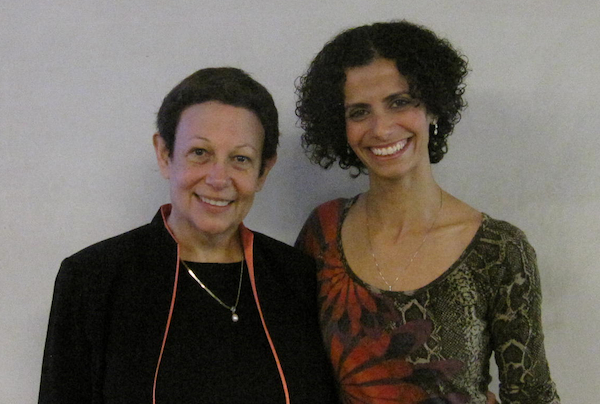
Conversation with Dr. Ruth

It was election week in Israel when I had the chance to speak with Ruth Westheimer. Though the noted sex therapist and celebrity Manhattanite served in the Haganah pre-state militia and is planning a trip to Israel in May, she didn’t want to talk politics. “It’s OK,” I told her on the phone, “just know that, as a political scientist, I don’t typically write about sex.”

She giggled in her contagious way, through her thick German accent – which, she told me, she’s lucky to have, since radio listeners always knew when Dr. Ruth was speaking.

Westheimer doesn’t like to talk politics, but in many parts of the world – and even in corners of North America – her topic of choice is a highly politicized issue. While completing her PhD in education and before training as a sex therapist, she worked at Planned Parenthood, an organization positioned on the front lines in the reproductive-choice wars in America.

Indeed, she had just returned from addressing a Planned Parenthood convention in Las Vegas when we spoke a few weeks ago. She said she was adamant that kids need to talk more about menstruation – especially since the onset of puberty is coming earlier for some – and nocturnal emissions. (Side note for the parents out there: My own personal introduction to the topics of periods and wet dreams was through Judy Blume’s excellent books.)

Talking is, of course, key to Westheimer’s trade – and she sees talking about sex as essential to overall sexual literacy. We’ve made great strides, she told me. In the United States and Israel, for example, there are now fewer women who are left unsatisfied due to not being able or willing to communicate their sexual needs to their partner. And, for men, premature ejaculation is also on the decline. Did she want to share advice for readers on that particular problem? It’s in her books, she told me. For those who are interested, I poked around (no pun intended) and found this entry on Dr. Ruth’s online encyclopedia of sex. Hint: It has to do with getting intimate with one’s “moment of inevitability.”

She had some strong words for the founder of psychoanalysis, Sigmund Freud, a favorite punching bag for postmodern intellectuals. “Freud said that any woman who doesn’t have an orgasm during intercourse is an immature woman,” said Westheimer. “He did not know that the clitoris needs to be stimulated in order to have an orgasm.” Instead, she added, “Freud should have taken a class with me.”

As she prepared to give a talk at the Israel Bar Association convention in Eilat, she said she was keeping in mind a talmudic adage: “A lesson taught with humor is a lesson retained.” She was pleased that after the seriousness of discussing legal matters, the conference delegates will be able to have some fun. But she “probably will not tell them to have good sex that night,” because “I don’t think they are there with their partners. I am old-fashioned and a square, and I’ve remained that way.”

Her squareness extends to trends like casual sex, which, she argues is not in people’s best interest, pointing to the increased risk of contracting HIV and other sexually transmitted diseases: “It’s dangerous.”

Yet, there is one area in which critics might call her politically incorrect: the hot-button issue of seeking overt consent before engaging in sexual activity.

“I do not believe that when partners are naked they can say at any time ‘I changed my mind,’” Westheimer planned to tell the lawyers at the convention. “In the Talmud, they say, when that part of the male anatomy is aroused, the brain flies out of the head.” In other words, she added: “It’s nonsense to suddenly, at the height of sexual arousal, say ‘I changed my mind.’ It will lead to many more problems. The idea of consent is nonsense – except consent before they are naked in bed.”

I didn’t press her on this point, except to ensure I’d heard correctly. But I did pause to mull over the current wave of youthful activism on this topic in my own province of Ontario, where a couple of teen spokespeople have been pushing the premier – with an apparently positive response so far – to add issues of consent to the new sex-ed curriculum.

Approaching 87, Dr. Ruth wants the world to know that she “feels great.” She has three new books coming out and she continues to teach courses at Columbia University, following a stint at Princeton.

What is her proudest accomplishment?

I ask. Her four grandchildren, she tells me. “Hitler lost, and I won.”

Mira Sucharov is an associate professor of political science at Carleton University. She blogs at Haaretz and the Jewish Daily Forward. A version of this article was originally published on haartez.com.

אורח הכבוד בערב הגאלה של קק”ל הוא שר החוץ לשעבר בירד

 שר החוץ הקנדי לשעבר ג’ון בירד, עת ביקר את ראש הממשלה בנימין נתניהו, בירושלים ב-20 בינואר השנה. בירד הוא אורח כבוד ‘בנגב דינר’ של קק”ל בוונקובר ב-7 ביוני. (צילום: Kobi Gideon-GPO via Ashernet)

מחלוקת בין ידידים: הרפר שוב תומך בהקמת מדינה פלסטינית בניגוד לנתניהו

ראש ממשלת קנדה, סטיבן הרפר, שנחשב לידיד הקרוב ביותר של ראש ממשלת ישראל, בנימין נתניהו, מקרב מנהיגי העולם, חלוק עימו בסוגיה מאוד משמעותית. בשיחה שהתקיימה בין השניים ביום ראשון שעבר, חזר והדגיש הרפר בפני נתניהו, כי הוא תומך בפתרון שתי המדינות והקמת מדינה פלסטינית לצידה של ישראל. הדברים נאמרו לאור הכרזת נתניהו ערב הבחירות בישראל, כי הוא מתנגד להקמת מדינה הפלסטינית וכי ימשיך את הבנייה בשטחים.

הרפר שוחח עם נתניהו לראשונה בטלפון לאחר ניצחונו בבחירות שהתקיימו לפני שבועיים, בזמן שהוא נערך להקמת הממשלה החדשה. מייד עם פרסום תוצאות הבחירות, שלח ראש ממשלת קנדה ברכות חמות לראש ממשלת ישראל היוצא והנכנס, והוסיף שהוא מצפה לעבוד ביחד עם הממשלה החדשה בישראל, וכי לישראל אין ידידה קרובה יותר מאשר קנדה. בשיחת הטלפון שוב בירך הרפר את נתניהו, וכן הבטיח כי קנדה תמשיך לעמוד במחוייבותה לדאוג לביטחונה של ישראל. וציין כאמור שהוא תומך בפתרון שתי המדינות.

אפשר לסכם את הפרק הזה ביחסי קנדה וישראל באמירה, כי הרפר מאז נבחר לרשות ממשלת קנדה (2006), ממשיך לעמוד לצידה של ישראל ומדיניותה בכל עניין. למעט שתי סוגיות עקרוניות משמעותיות: תמיכה בהקמת המדינה  הפלסטינית והתנגדות להמשך בניית ההתנחלויות בשטחים.

הערכה לידיד: אורח הכבוד בערב הגאלה של קק”ל הוא שר החוץ לשעבר בירד

סניף ונקובר של אגודת ידידי קרן קיימת לישראל (קק”ל) בקנדה בראשות אילן פילו, יקיים ערב גאלה מיוחד, בהשתתפות אורח הכבוד שר החוץ של קנדה לשעבר, ג’ון בירד. האירוע מתקיים לכבודו של בירד שנחשב לידיד קרוב מאוד של ישראל, וכמו ראש הממשלה סטיבן הרפר, עמד לצידה לכל אורך הדרך. בירד ביקר בישראל מספר פעמים וזכה לאירוח לבבי. האירוע במסגרת ‘נגב דינר 2015’ יערך ב-7 ביוני (יום ראשון) במלון ארבע עונות בדאון טאון ונקובר, ומחיר כרטיס 270 דולר.

קק”ל ונקובר תגייס תרומות לטובת הקמת פרוייקט בישראל שיקרא על שמו של בירד, ובשלב זה אין פרטים נוספים. כדי לקבל הכרה בפרויקט ע”י בירד יש לתרום לפחות 6,000 דולר.

קק”ל בקנדה יסדה את ‘נגב דינר’ עם הקמת מדינת ישראל ב-1948. האירוע מתקיים בכל רחבי קנדה מדי שנה להבליט את העשייה החשובה של קק”ל, לגייס כספים לטובת פרוייקטים בישראל, ולהעניק אות כבוד למי שעוזר ותומך בישראל.

בירד (45) פרש בראשית פברואר מתפקידו כשר החוץ בממשלת הרפר. בימים אלה הוא הצטרף לקואורפוריישן ‘בריק גולד’ (חברת כריית הזהב הגדולה בעולם), בתפקיד יועץ בינלאומי. הוא עבד בשירות הציבורי במשך כעשרים שנים, ושימש שר החוץ מאז 2011. קודם לכן החזיק בתפקידים בכירים שונים (בהם שר התחבורה ושר האנרגיה) בממשלות הרפר. ברד הוזכר לא פעם כמועמד להחליף את הרפר ביחד עם השר ההגנה, ג’ייסון קני, שגם הוא תומך גדול בישראל.

קק”ל שחוגגת השנה 114 שנים להיווסדה מקיימת שורה של אירועים בישראל. במסגרת זו אגודות ידידי קק”ל בעולם מארגנות מסע לישראל בן שמונה ימים, בחודש מאי (12-20). המשתתפים ישהו במלון מצודת דוד בירושלים. המסע יכלול מפגשים עם מספר אישים ובהם: נשיא המדינה, ראובן ריבלין וראש עיריית ירושלים, ניר ברקת. הסיורים יכללו בין היתר: ביקור בבסיס חיל האוויר, השתתפות באירועי יום ירושלים (ב-17 במאי), ביקור בתחנת הטלוויזיה של ערוץ החדשות באנגלית ’24 ניוז’, סיור ביקב, ביקור בשוק של יפו העתיקה, ביקור בבאר שבע ובנגב.

Message to Vancouver

Masha Shumatskaya’s visit here was part of an American Jewish Joint Distribution Committee tour of North American cities. (photo from Jewish Federation of Greater Vancouver)

All Masha Shumatskaya wants is for the fighting to stop so she can go home. The 24-year-old Jewish Ukrainian English teacher was living and working happily in the city of Donetsk until April 2014, when pro-Russian separatists arrived two hours north of her hometown and declared their intention to form a people’s republic.

Until that moment, her life had been quite ordinary. Shumatskaya, a slender beauty with gentle eyes, was one of some 15,000 Jews in Donetsk, a city that boasts a Jewish community centre, a Chabad-run synagogue, a kosher café and various Jewish youth and cultural groups. “I never once experienced antisemitism growing up there,” she said. “I was never afraid to say I was a Jew.”

By May 2014, the pro-Russian separatists had moved into Donetsk and were threatening the safety of civilians. They bombed the Donetsk airport and the violence forced the closure of many schools and business offices in the city. Shumatskaya and her friends began making plans to move to other cities in Ukraine, such as Kiev, Odessa and Kharkov. She chose Kharkov, five hours’ drive from Donetsk, leaving her parents behind.

But Shumatskaya is one of the lucky ones. There are some 7,000 Jews still living in the war zone in Ukraine, many of them elderly. They’re dependent on the Joint Distribution Committee’s aid for food, medical support, rental subsidies and basic necessities.

Shumatskaya was in Vancouver recently as a guest of JDC, where she met with Jewish Federation of Greater Vancouver representatives and media to tell her story. With her was Michael Novick, executive director of the American Jewish JDC in Bellevue, Wash. “The situation in Ukraine has become a high priority for the JDC,” he said. “It’s not just the Jews, mostly elderly, still living in the conflict zone, but also the 2,500 Jews who’ve fled and need assistance, and another 60,000 Jews we’ve been helping all along with basic humanitarian supplies.” The JDC estimates the cost of its monthly relief for these Jews to be more than $387,000 US.

The political unrest has had widespread effect. The Ukrainian economy has plummeted, the purchasing power of the Ukrainian currency, the hryvnia, has dropped more than 50 percent and inflation is between 25 and 30 percent. “A year ago, the average pension of an elderly person we were assisting was equivalent to $150 US. Today, that same pension is only worth $50 US,” Novick said. “People have lost their jobs, their businesses, and Jews who could previously take care of their own families are now coming to the JDC’s Hesed welfare centres.”

The JDC has 32 Hesed welfare centres in Ukraine, and 160 of them across the former Soviet Union. Among those Jews requiring their services in Ukraine, Novick said they represent “the poorest Jews on earth, living in really dire conditions. For them, the lifeline provided by Hesed in terms of supplemental, basic humanitarian assistance, is vital.”

He added that the emergency funds being supplied by JDC are not part of its budget. “But the situation in Ukraine is so dire that we’re not waiting – we’re simply spending money and hoping that individuals, federations and foundations that meet Masha and hear about this story will come to our assistance.”

Shumatskaya’s 10-day visit to North America included stops in Seattle, Vancouver, Los Angeles, Philadelphia and New York. Last year, JFGV made a $25,000 grant to JDC for its various programs.

As she looked to the future, Shumatskaya was uncertain what it would hold for her. “I feel attached to Ukraine and I feel some responsibility to help with what’s going on there,” she said. “If I had to leave Kharkov I don’t know where I’d go. But I know that I don’t want to become a war refugee again. Once in my life was quite enough.”

Her message to Vancouver’s Jewish community is twofold: a reminder that Jews are responsible for each other, and one of gratitude for the support she and her fellow Ukrainian Jews have all ready received.

“Without that support we literally would not have survived,” she said. “I wish we could finish this need for assistance fast, but it’s out of our hands. We’re praying every day that we can live in a peaceful country without the assistance provided by the JDC.”

Lauren Kramer, an award-winning writer and editor, lives in Richmond, B.C. To read her work online, visit laurenkramer.net.

Sephardi group in Ottawa

Rabbi Ilan Acoca, left, shakes hands with Prime Minister Stephen Harper on Parliament Hill. (courtesy of Prime Minister’s Office)

Last month, a Jewish delegation paid a visit to Parliament Hill with two main items on the agenda – educating the Canadian government about Sephardi Jewry in Canada and discussing Iran’s aim to obtain nuclear weapons.

The delegation included Sephardi community leaders, activists, philanthropists and spiritual leaders from across Canada. They met with the prime minister, various ambassadors and other dignitaries. The delegation was led by Yehuda Azoulay and Vancouver’s Rabbi Ilan Acoca of Congregation Beth Hamidrash, the only Sephardi synagogue west of Toronto.

A scholar, educator, author, activist and entrepreneur, Azoulay established the Sephardic Legacy Series: Institute for Preserving Sephardic Heritage. He envisioned the series as helping ensure future Sephardi publications, articles, lecture series, documentary films and research on Sephardi topics, and other works geared toward the benefit of Sephardi communities worldwide. It was the lack of general knowledge concerning Sephardi history, culture, Jewish law and other facets of Sephardi Judaism that prompted him to establish the organization. To date, Azoulay has authored five books and published more than 30 articles on various topics. In November 2013, he initiated a tribute luncheon to honor the contributions of Sephardi Jewry in America for members of the U.S. Congress.

The recent Parliament Hill delegation had as its primary goal to “create more awareness about Sephardic Jews in Canada by educating them about our history and our contributions to Canadian society,” Acoca told the Independent. “There are currently 55,000 Sephardic Jews in Canada and the number is growing. This is something that we related to the government.”

Acoca was born in Israel to parents of Moroccan descent. “I grew up in a typical, traditional Sephardic home,” he said. “Sephardic Judaism was an integral part of my upbringing.”

When Acoca was 13 years old, his family moved to Montreal, where he attended a Jewish high school. Growing up in Montreal’s Sephardi community, Acoca said, “helped me deepen my appreciation for my rich Sephardic ancestry.” Acoca eventually become a rabbi, fulfilling his grandfather’s wish that one of his descendants follow in his footsteps to the rabbinate, he said. In November 1999, Acoca and his wife Dina took on the roles of rabbi and rabbanit at Beth Hamidrash.

“Getting this responsibility made me more aware and passionate about my ancestry,” said Acoca. “My job enabled me to learn more about various Sephardic traditions and communities.”

Over the years, Acoca has added other aspects to his rabbinical role, teaching online, writing a monthly column in the Canadian Jewish News, heading the Rabbinical Council Sephardic Affinity Group, being an official Sephardi representative in Western Canada, and being the region’s Sephardi halachic authority.

Canadian human rights lawyer David Matas joined the group in Ottawa. Acoca described the importance of having Matas present in front of the House of Commons SubCommittee on International Human Rights about Iran’s intent to develop nuclear capability. During the presentation, Matas and Azoulay also conveyed some of the hardships that Iranian Jews “have faced and continue to endure.” (The full hearing is available at cpac.ca/en/programs/in-committee-house-of-commons/episodes/37646919.)

Matas gave six recommendations to the committee, which he shared with the Jewish Independent:

1. Expand the exceptions to sovereign immunity to catch Iranian human rights violations in a larger net. It should be possible for victims of the Iranian regime to sue in Canadian courts for the harm that the regime has done to them.

2. Ask for the extradition of Hassan el-Hajj Hassan, a Canadian citizen implicated in a Bulgarian bombing, from Lebanon to Canada. Under the Criminal Code, Canada has jurisdiction to prosecute him because he is a Canadian citizen, explained Matas. Canada does not have an extradition treaty with Lebanon, but the Extradition Act allows for extradition, even without a treaty, on a case-by-case basis by agreement with the state where the accused is found.

3. Support the suggestion that any arms agreement between Iran and foreign states include a human rights component parallel to that of the Helsinki Accord. “A regime hell bent on the destruction of Israel and the Jews should be kept as far away from weapons of mass destruction as possible,” said Matas. “A nuclear weapons agreement with Iran, if one can be reached, should not just prevent nuclear weapons capability. It should have a place for human rights.”

4. The European Union in July 2013 added the military wing of Hezbollah to its list of terrorist entities. Canada should urge the EU to list Hezbollah in its entirety, not just the military wing, as a terrorist entity.

5. As the lead sponsor to the United Nations General Assembly, Canada should strengthen the language of the resolution, even if it that means fewer votes. “While we would not suggest language so strong that the resolution would be lost, Canada today has some room for manoeuvre,” said Matas.

6. Encourage the Government of Canada to take into account all refugee populations as part of any just and comprehensive resolution to the Israeli-Palestinian and Arab-Israeli conflicts. “That, of course, includes 55,000 Jewish refugees from Iran, driven out of Iran by the regime of the mullahs,” said Matas.

It is also important to confront the myth that Israel is a Western, imperial, colonial enterprise – a myth that holds particular sway with the mullahs of Iran, Matas said. The reality is that Israel is in large measure composed of Jews from the Middle East, including Iran. “Unless the Palestinians themselves accept the reality of dual victimization, a meaningful peace becomes impossible,” he said.

The delegation met with MPs Tim Uppal, Denis Lebel, Jason Kenney, Peter Kent, John Carmichael, Mark Adler, Joyce Bateman and Irwin Cotler. Other members of the delegation, including Acoca, met privately with Prime Minister Stephen Harper.

“The government officials were extremely supportive and promised they will assist,” said Acoca. “We were ecstatic, definitely.”

Acoca is eager to create more awareness of Sephardi Jewry, the community’s needs and cultural differences, and to promote understanding. He is also looking forward to following up on the event and meetings, and hopes this delegation will become an annual occurrence. “I would like the Sephardic way and philosophy to be preserved and am working hard, together with my colleagues, to ensure a thriving future,” said Acoca.

For a short video clip from the group’s Parliament Hill visit, see this link (at 0:26): youtube.com/watch?v=AiZ9_4O936Q.

Rebeca Kuropatwa is a Winnipeg freelance writer.

An historic agreement

Left to right: Glen Hodges, manager, Mountain View Cemetery; Damian Koo, City of Vancouver legal services; Francie Connell, director, City of Vancouver legal services; Dr. Penny Ballem, city manager; Shirley Barnett, chair, MVJCRP committee; and Herb Silber, Schara Tzedeck Cemetery board. (photo from Mountain View Jewish Cemetery Restoration Project)

“Sometimes it takes awhile,” said Shirley Barnett, chair of the Mountain View Jewish Cemetery Restoration Project. But generally not 124 years! In 1891, Vancouver mayor David Oppenheimer, member of a prominent pioneer Jewish family, was approached by the growing Vancouver Jewish community to reserve a section within the city-owned Mountain View Cemetery to be consecrated and used exclusively for Jewish burials. At the time, when a Jewish person died, they were sent to Victoria, where the community had already established a cemetery.

Oppenheimer knew the small Jewish community of Vancouver well. The Gintzburgers, Weavers, Fleishmans, Golds and Goldblooms traveled in the same circles as the Oppenheimers. They had all emigrated from Western Europe, some via the United States, around the same time and all had prospered. Perhaps, as Barnett speculates, “they had even helped to get Mayor Oppenheimer elected.”

photo - David Oppenheimer, circa 1891
David Oppenheimer, circa 1891. (photo from Jewish Museum and Archives of British Columbia, L.00179)

Oppenheimer was born in Germany in 1834, one of 10 children. He emigrated to New Orleans in 1848 with his sister and four of his brothers. Becoming a bookkeeper, and later a trader in the California gold rush, the Oppenheimers relocated to Sacramento, where David invested in real estate, and married his first wife Sara in 1857. After the gold rush, the Oppenheimer brothers moved to Victoria, establishing stores throughout British Columbia, catering to prospectors and settlers. Also building a real estate portfolio, they expanded their interests in Vancouver.

Although Malcolm MacLean was the first mayor of Vancouver, it was Oppenheimer who is remembered as the “Father of Vancouver.” In his four terms as mayor, from 1888-1891, he implemented many basic civic services: fire department, streetcars, water supply, utilities, schools and parks. He was also a philanthropist, a founding member of the YMCA, Vancouver Board of Trade, Vancouver Club and many charities.

Establishing a Jewish cemetery at Mountain View in 1892 was one of his many accomplishments. Without minutes of meetings or other documentation, however, the only evidence of this was a number of articles published over the years, and the records of burials.

In 2015, 124 years later, the City of Vancouver recognized the historical establishment of the Jewish section at Mountain View and, based on this, an oversight agreement with Schara Tzedeck Cemetery board was signed. The agreement confirms that the cemetery board has the right to oversee all interment and funeral services within that Jewish section.

Although Oppenheimer himself was buried in New York, many of his colleagues were laid to rest at Mountain View. Over the past two years, a restoration of this old cemetery been undertaken. Now complete, the rededication will take place on Sunday, May 3, at 1:15 p.m.

Cooking to fill others’ tables

Mere days before heading to Israel for a couple of weeks, Sara Ciacci, 90, called the Jewish Independent to make sure that I had received her new cookbook, Sara’s Kitchen: 90 Years of Devotion, 90 Recipes from the Heart (Gateway Rasmussen, 2015), and that I had all the information I needed about the Jewish Food Bank. For Ciacci, food and tzedaka are inextricably connected with life and community.

“Sara Ciacci is the beating heart of Temple Sholom’s kitchen,” reads the cookbook’s introduction. “From her kiddush lunches to the Sisterhood catering committee, second seders, women’s seders and the annual Yom Kippur break-the-fast, Sara has made a mission of nourishing her congregation since its earliest days. She is queen of all hamantashen, blintzes and latkes, and, every year, she and friend Leonor Etkin produce challot by the dozen for Temple Sholom’s High Holiday celebrations. Sara also makes the Vancouver Jewish Food Bank her priority, and all the hungry in our community will be the beneficiaries of all the money raised from the sale of Sara’s Kitchen.”

The Jewish Food Bank supports close to 400 Jewish individuals each year, according to its 2013-2014 report. Ciacci shared with the Jewish Independent an email she wrote to the Jewish Family Service Agency, which co-funds the food bank with Jewish Women International-B.C. and community donors. In it, she traces her memories of the service agency back 80 years, to the Depression era, when, like many families in the Jewish community, she writes, “my mother, two sisters and I needed help. I also remember Theresa Blumberg, the social worker who came to our home and found a reason to look in the food pantry, to talk with me and ask about school. She also found time to visit me during the 18 months that I was in the children’s preventorium for tuberculosis. It was Miss Blumberg who made sure that I had proper shoes and school supplies. My only possession from childhood is an 11th birthday book inscribed, ‘To my dear Sara, from Theresa Blumberg.’…

“My adult association with the Jewish Food Bank started in 1984 when our president, Jean Cohen, was helping a Jewish senior and found canned cat food in her cupboard. She did not have a cat. Jean brought the idea of a food bank for seniors and immigrants to our board. We then approached the Jewish Family Service Agency (JFSA) and an unofficial partnership was born. B’nai B’rith Women (now JWI-BC) would be responsible for collecting food and JFSA counselors chose the recipients. Hampers were provided based on a list that identified recipients only by a numbered card that specified their specific needs.”

Organized for a number of years by “two wonderful women who are no longer with us,” Renee Lifchus for BBW (now JWI-BC) and Isabel Lever from JFSA, “We packed the first hampers … in Safeway paper bags on the workbench in Carol Fader’s basement…. Hampers contained non-perishable food items that our members donated or collected from friends and family.”

In this tradition of community, several recipes in Sara’s Kitchen are Ciacci’s “by way of being begged, borrowed, copied, changed or invented.” The sources of these recipes are acknowledged, which adds to the community feel of this cookbook.

There are three chapters, starting with most everyone’s favorite meal: dessert. The second chapter comprises Passover recipes, the third, “and everything else.” There is an index for quick finds, a page on which to note your favorite recipes and their page number for easy reference, as well as a couple of pages to write in a few of your own recipes. Each section is headed by a full-color page of some of the treats waiting to be made.

The desserts section starts with a few tips, such as the need to chill cookie dough for at least an hour. Ginger snaps, blueberry drop cookies, and apple and honey cake bread pudding with butterscotch sauce are among the 36 pages of desserts to try after Passover.

In addition to the Passover conversion table – offering substitutes for flour and Graham cracker crumbs, for example – there is a spice guide, and pieces of advice offered throughout, such as how to ripen avocados more quickly and how to make radish roses. Appropriately, on page 90, is “Sara Ciacci’s Recipe for a Rich Full Life,” featuring nine wise ingredients.

Since I’m reviewing this cookbook in the Jewish Independent’s Passover edition, the recipes I tested are all kosher for the holiday: spinach vegetable kugel, red cabbage and almond crisps. Everything turned out according to plan, except the almond crisps, which were golden brown in about half the suggested time. I will remember this next time I make them because they are so good and easy to make, there will be a next time.

SPINACH VEGETABLE KUGEL

3 large carrots
10 oz package frozen spinach, thawed
1 medium onion
2 stalks celery
1 cup chicken [or vegetable] bouillon
3 eggs
3/4 cup matza meal
salt and pepper to taste

Preheat over to 350˚F. Grease an eight-inch square pan.

Cut up and grate carrots. Set aside. Chop spinach, onion and celery. Place in a two-quart saucepan. Add grated carrots and bouillon. Cook over medium heat for 15 to 20 minutes until vegetables are soft.

Place the eggs and matza meal in a mixing bowl. Stir in cooked vegetables. Season with salt and pepper. Spread the mixture evenly in the baking pan. Bake, uncovered, for 45 minutes. Cut into squares before serving.

RED CABBAGE

1 medium onion
1 average-size red cabbage
4 medium apples
1/4 cup canola oil or butter
1/2 cup water
3 tbsp (or more) red wine vinegar
3 tbsp sugar
1 tsp salt
3 or 4 whole cloves
1 tsp caraway seeds (optional)

Slice onion and sauté in oil/butter until translucent. Shred cabbage. Peel, core and slice up apples. Place cabbage in a pot and top with the sliced apples. Add water and remaining ingredients. Place on medium-low heat and simmer one hour (or longer), stirring occasionally until cabbage is tender.

Adjust vinegar/sugar to taste. Some lemon juice can be substituted for the vinegar.

ALMOND CRISPS
Perfect for Passover, these cookies also make a great gluten-free option at any dessert buffet.

3 cups sliced almonds with skins, lightly toasted
1/2 cup sugar
2 egg whites. at room temperature
1/2 tsp vanilla (optional)

Preheat oven to 350˚F. Line cookie sheet with parchment paper.

In a large bowl, mix (do not beat) egg whites with sugar. Add vanilla. Stir in almonds.

Using a tablespoon, make mounds of mixture on cookie sheet and flatten into thin rounds with your fingers dipped in cold water or with the back of a spoon. Bake for 20 minutes or until golden brown.

Turn off the oven and leave cookies in the oven with door open for 10 more minutes.

Makes 20 to 22 cookies.

For copies of Sara’s Kitchen, contact Darcy Billinkoff at billi@telus.net.

More than fitness at the JCC

The fitness centre at the Rosen JCC in Orlando, Fla. (photo by Cyndy Phillips)

For Daphna Krupp, her workouts at the Jewish Community Centre (JCC or J) of Greater Baltimore have become somewhat of a ritual. She not only attends fitness classes but also engages with the instructors and plugs the J’s social programs on her personal Facebook page.

“It’s the gym and the environment,” said Krupp. “It’s a great social network.”

Krupp, who lives in Pikesville, Md., is one of an estimated one million American Jewish members of more than 300 Js around the country. Each J – in line with the bylaws of their umbrella organization, the JCC Association of North America (JCCA) – has a fitness centre that serves as one of its core businesses. Often, the fitness centre can be perceived as a for-profit enterprise of the J, with thousands of dollars invested annually in facility maintenance and gym advertising. But Steve Becker, vice-president of health and wellness at JCCA, says that is a myth. “JCCs are not fitness centres, we are engagement centres,” he said. “All fitness-related programs are structured to be relationship-building activities.”

The institution of the J was founded in 1854 as the Young Men’s Hebrew Association (YMHA), to provide help for Jewish immigrants. A Young Women’s Hebrew Association was established as an annex to the YMHA in New York in 1888. The first independent YWHA was set up in 1902. In 1917, these organizations were combined into a Jewish Welfare Board, and later renamed Jewish community centres. “After World War One, the Jewish Welfare Board morphed into an organization to meet the cultural, intellectual, physical and spiritual needs of the Jewish community,” said JCCA communications manager Marla Cohen, noting that physical needs were always part of the equation.

The much-debated 2013 Pew Research Centre study of the American Jewish community found that 62 percent of Jews say being Jewish is mainly a matter of ancestry and culture, rather than religion. The study showed a decline in non-Orthodox individuals involved with the organized Jewish community. As such, communal leaders – from award-winning author and lecturer Dr. Erica Brown to Jewish Agency for Israel president and chief executive officer of international development Misha Galperin – have been calling for increased “low-barrier, high-content” programming to meet Jews where they are. This, says Cohen, is a niche the J can fill. “For some people, aside from High Holiday attendance, working out at the J is probably the only flavor of Judaism they have. The J could be a very big part of these people’s Jewish identity,” Krupp said.

In the last two decades, many Js have opened their doors on Shabbat, in consultation with rabbis and community leaders. “These individuals are not choosing between the JCC and synagogue. They are choosing between everything else – the mall, soccer, snowboarding, you name it – and the J,” said Cohen. “The JCC just gives Jews another option. And many JCCs have stepped in offering meaningful programs for Jews seeking something other than a traditional service.”

Read more at jns.org.

Maayan Jaffe is an Overland Park-based freelance writer. Reach her at jaffemaayan@gmail.com or follow her on Twitter, @MaayanJaffe.


סוגיית הקמת המדינה הפלסטינית יכולה לגרום למחלקות בין קנדה לישראל

ממשלת ישראל החדשה שתקום בקרוב, שוב בהנהגת בנימין נתניהו. (צילום: Ashernet)

סוגיית הקמת המדינה הפלסטינית בשטחים לצדה של ישראל, יכולה לגרום למחלוקת בין ממשלת קנדה ברשות סטיבן הרפר, לבין ממשלת ישראל החדשה שתקום בקרוב, שוב בהנהגת בנימין נתניהו. זאת, לאור הצהרת נתניהו ערב הבחירות כי הוא מתנגד להקמתה של המדינה הפלסטינית, וכי ימשיך את הבנייה בשטחים. נתניהו פשוט ניסה למשוך עוד קולות ממפלגות הימין האחרות אל עבר הליכוד.

ממשלת קנדה מאז מונה הרפר לראשות הממשלה ב-2006, תומכת בישראל ועומדת מאחוריה כמעט לאורך כל הדרך. אך בד בבד היא מצדדת בצורה חד-משמעית בפתרון שתי המדינות והענקת זכויות האדמה לפלסטינים. אך יתכן ועתה כאמור צפויה לצוץ מחלוקת ממשית בין שתי הממשלות, לאור הכרזת נתניהו.

בכל מקרה הרפר יבקש הבהרות מנתניהו בנושא זה, לאור הראיון שהעניק לרשת הטלוויזיה האמריקנית אן.בי.סי, ביום חמישי שעבר, מייד לאחר הבחירות. בראיון שינה כביכול ראש ממשלת ישראל את דעתו, וטען כי אינו מתנגד להקמת שתי המדינות. אצל נתניהו כמו נתניהו קשה לדעת באמת עמדתו הברורה, אם יש כזו בכלל, והוא נוטה לשנותה בהתאם לשומע שעומד מולו. במקרה של הראיון עם אן.בי.סי מדובר בנשיא ארה”ב, ברק אובמה, וכידוע שני האישים חלוקים אחד על השני ונמצאים בסכסוך עמוק ומתמשך.

בראיון לרשת האמריקנית ניסה נתניהו להסביר את דבריו, שלהערת המראיינת עומדים בניגוד גמור למה שהכריז ערב הבחירות. הוא אמר: “רעיון שתי המדינות לא השתנה אלא המציאות. אבו מאזן סירב להכיר במדינה היהודית וחתם על הסכם עם החאמס שקורא להשמדתנו. כל שטח שיפונה היום במזרח התיכון נתפס מיד על ידי כוחות איסלמיסטיים. אני לא רוצה פתרון של מדינה אחת. אני רוצה הסכם בר-קיימא של שתי מדינות ובשביל זה הנסיבות צריכות להשתנות”.

מייד לאחר הזכייה בבחירות מיהרו הרפר ושר החוץ שלו רוב ניקולסון, ושלחו לנתניהו ברכות חמות. הרפר הוסיף כי הוא מצפה לעבוד ביחד עם הממשלה החדשה בישראל, וכי לישראל אין ידידה קרובה יותר מאשר קנדה.

מנכ”ל המרכז לענייני ישראל והיהודים בקנדה, שמעון פוגל, העיר על דברי נתניהו שיתנגד למדינה פלסטינית, כי מדובר בהצהרה שנבעה מרצונו להשמיע לבוחריו את מה שהם רוצים לשמוע, כדי שלא יאבד קולות. ואילו ראש התוכנית לביטחון לאומי במרכז לחדשנות במשילות בינלאומית (בווטרלו אונטריו), פן המפסון, אמר כי הצהרת נתניהו היא עלבון למאמצי השלום האחרונים במזרח התיכון של שר החוץ האמריקני, ג’ון קרי. לדברי המפסון אם נתניהו ישנה את דעותיו לאחר הקמת ממשלתו החדשה, ישראל צפויה למצוא את עצמה במסלול התנגשות עם קנדה. המפסון: “למרות שממשלת הרפר התקרבה לישראל יותר מכל הממשלות הקודמות בקנדה, היא עדיין תומכת בפתרון של שתי המדינות, ובאופן רשמי מתנגדת להמשך הבנייה של ההתנחלויות הישראליות. קנדה בחרה להביע את התנגדותה באופן פרטי לישראלים, אבל זה אולי צריך להשתנות, אם נתניהו לא יבהיר את הדברים הקשוחים האחרונים שלו”.

שגריר ישראל בקנדה, רפאל ברק, אומר שיש לקחת את כל ההצהרות בתקופת הבחירות בערבון מוגבל. ברק מציע להמתין להרכבת ממשלת נתניהו החדשה, ולשמוע מה יגיד ראש הממשלה ביום הצגתה בכנסת. זו תהיה מדיניות הממשלה ואז הדברים יהיו הרבה יותר ברורים, מאשר הצהרות קצרות שפורסמו בעיתונים.

לדעתו של ההיסטוריון הקנדי ג’ק גרנשטיין (שמתמחה בפוליטיקה וצבא), התמיכה של הרפר בישראל הייתה ונשארה בלתי מעורערת. להרפר חשובה התמיכה שהוא מקבל מהקהילה היהודית בקנדה, והוא לא מתכוון לאבד אותה.

Israelis skate into Vancouver

Canucks alum Eddie Hatoum, originally from Lebanon, with several Arab Israeli athletes. (photo from Jewish Community Centre of Greater Vancouver)

Anyone who caught a glimpse of the 20 young hockey players during their week-long training camp in Vancouver March 4-10 probably didn’t think much of it. That is until they looked a little closer and saw the Canada Israel Hockey School (CIHS) logo all over their jerseys, jackets and bags.

In a joint venture of the Jewish Community Centre of Greater Vancouver and the Jewish Federation of Greater Vancouver, the 10-to-14-year-old boys and girls were hosted by local families, trained by special guest coaches, toured around the city and treated to an unforgettable night by the Vancouver Canucks.

photo - Canada Israel Hockey School students listen to skating coach Barb Adelbaum.
Canada Israel Hockey School students listen to skating coach Barb Adelbaum. (photo from JCCGV)

Aside from its being a hockey school in a country where that sport is as foreign as olive trees are to Vancouver, CIHS is also special for using hockey as a cultural bridge: half the participants touring Vancouver were Jewish and half Arab. Here are a few stories that stood out from the week-long adventure.

Skate like NHLers: After arriving late the night before, the kids wasted no time hitting the ice at the Richmond Olympic Oval. Their first practice was led by Barb Adelbaum, power skating consultant for the Vancouver Canucks and various NHL players around the league. After taking them through some skating drills, Adelbaum noted that many of them had dull skate blades. She connected the team with Cyclone Taylor Sports in Vancouver and arranged to have all 20 pairs of skates sharpened, as well as a much-needed new stick for one of the goalies.

KDHS meets CIHS: On day two, thanks to a Purim-themed professional development day at King David High School, several hockey-playing students from the high school joined the CIHS kids on the ice. Instead of playing against each other, each team was formed from members of both schools, which made for a spirited community game.

photo - CIHS students with skating coach Barb Adelbaum
CIHS students with skating coach Barb Adelbaum. (photo from JCCGV)

Flying like a Raven: When the JCC found out that the CIHS squad included two girls, talks began with the Richmond Ravens Girls Hockey Association on bringing them all together. The Ravens happily obliged, donating one of their ice times to a scrimmage and practice with the Israelis. After fitting the two Israeli girls into Ravens jerseys, a boys versus girls game was played.

All they have is love: Sunday afternoon was spent touring the city. The group walked along the water from Granville Island to Kitsilano Beach. As they approached the beach, Virgin Radio was there, with a large balloon-like ball with “LOVE” written on it, offering folks the chance to be photographed with it. As the Israeli kids swarmed for their photo, the radio station reps were told of the special meaning behind the Jewish and Arab group, standing shoulder to shoulder, symbolizing the love of a game and being a team overcoming other boundaries.

CIHS meet JCC hockey: The Israeli athletes had the opportunity to see what Jewish community hockey was all about in Vancouver. They took in one of the final regular season games of the JCC’s Adult Ice Hockey League, providing a cheering section the local weekend warriors weren’t used to. After the game, the students had their chance to show the JCC league the skills they had brought from Israel, and to play a little hockey with them. Led by the generosity of Daniel and Ariel Wosk, several members of the JCC league donated money for new equipment for the CIHS players (more to come on that below). The Wosk brothers had visited CIHS in February 2014 as part of a hockey team tour and wanted to be involved when the Israelis came to Vancouver.

“The joy and passion that [Jewish] and Arab children were exhibiting together was a sign that with the right influences and opportunities there could be a better future there,” said Ariel. “When we heard that some of the kids were coming to Vancouver, we knew that we wanted to do something for them.”

“A highlight for me was not knowing who was who on the ice, yet their teamwork was excellent,” added Daniel of his time playing with the kids here. “It’s awesome to see their relationships grow in a positive direction … [that] will translate into their daily lives.”

photo - CIHS student being interviewed by CBCs Shane Foxman for Citizen Shane
CIHS student being interviewed by CBCs Shane Foxman for Citizen Shane. (photo from JCCGV)

The final day: The last full day of the CIHS visit had more highlights than an evening news report.

The morning started on the ice, with two members of the Vancouver Canucks Alumni Association as guest coaches, along with local hockey pro and JCC member Harrison May and his brother Kevin.

One of the alum, Eddie Hatoum, was born in Beirut and still speaks Arabic at home. Upon arriving and learning of the mix of the CIHS athletes, he entered the locker room and asked, “Who speaks Arabic?” in his native tongue. Half the room raised their hands with huge smiles on their faces. “We’ve done a lot of work with young groups as the Canucks alumni, but this really warms my heart,” Hatoum said, also smiling. “When I tell my siblings in Ottawa that I got on the ice with these kids, they won’t believe it.”

Hatoum was joined at the practice by B.J. (Blair) McDonald, who once scored 46 goals playing with Wayne Gretzky in the early 1980s.

After the practice, the group headed to Sports Exchange in Vancouver for a shopping spree. With the money from the JCC hockey league players in hand, along with several donations and great deals from the store managers, the team packed six bags’ worth of brand-new gear. The kids also had a chance to pick up some items of their own that they can’t get in Israel.

While it seemed almost impossible for the day to get any better, the CIHS kids and several of their host family friends were treated to an evening with the Canucks that started with a meeting with team president Trevor Linden and chief operating officer Victor de Bonis. De Bonis led the group on a tour of the facility in advance of the Canucks versus Anaheim Ducks game, which they watched from a hospitality suite, where they were offered a buffet dinner and all the popcorn they could eat. Visits to the suite from Adelbaum, McDonald, de Bonis and Canucks mascot Fin topped it all off.

The trip continues: The group said goodbye to Vancouver and hello to a week in Calgary before heading back to Israel. Several JCC league players will meet the kids again next February at an annual recreational hockey tournament in Israel. The Vancouver squad, as usual, will get on the ice with the CIHS for a couple of practices and continue their friendship.

Kyle Berger is Jewish Community Centre of Greater Vancouver sports coordinator, and a freelance writer living in Richmond. For more information on this visit or future hockey trips to Israel, contact Berger at 604-638-7286.