
The danger in certainty

Like many of you, I approach the New Year and Yom Kippur with a heavy heart. Ashamnu. We have sinned. Much is not well, not as it should or can be. Our communities are filled with anger, fear, hatred, pain, and acrimony.

Our tradition placed a heavy burden on us. Atonement is only attainable when accompanied by a commitment to change one’s behaviour. The burden is doubly heavy, for we are not merely responsible for our individual failings, but for our societal ones. Ashamnu. We have sinned. Yom Kippur is not merely a day of prayer in search of Divine forgiveness, but a day of taking responsibility for the world that we have created.

There are so many places to start this process and, for those who don’t know where, the Jewish prayer book provides guidance. Ashamnu. Bagadnu. Gazalnu. Dibarnu dofi. We have sinned. We have betrayed. We have taken that which is not ours. We have spoken evil.

This year, I will begin with the sin of certainty. The certainty that I have the truth and others do not. The certainty that I am right and others wrong. The certainty that I am good and others bad. The certainty that I love my country and others do not.

“Our God and God of our ancestors, we are neither so insolent nor so obstinate as to claim in your presence that we are righteous, without sin; for we, like our ancestors who came before us, have sinned.” (Yom Kippur Machzor)

Inherent to every social structure is the reality of difference. Members, adherents, citizens, who join or are joined together by blood, race, gender, ideology, religion, culture or nationality, inevitably find themselves disagreeing over issues both minor and major. Differences are a permanent and inevitable reality of life. By themselves, they do not undermine social cohesion. What threatens unity is how we respond to the reality.

The three conceptual tools for reflecting on difference are pluralism, tolerance and deviance. When those who are different are classified as deviant, the possibility of a shared society with them comes to an end. It is here that the sin of certainty spreads its destructive poison. The hubris of certainty allows one to shun and shame those who do not share in the truth as you know it, and to move them to the margins of society, if not outside it. Armed with certainty, acts of blatant aggression are clothed with the garments of self-preservation and sanctioned as acts of group loyalty.

A certainty of a different form is played out in the category of pluralism. We are pluralistic toward those differences that we assume to be of equal value to our own positions – “These and these are the words of the living God.” With pluralism, we accommodate difference that we believe is equally authentic and that we can associate as being on par with our truth, our knowledge and our beliefs. These and these are the words of the living God, but not those and those. And the one who decides is us.

Why tolerate that which I believe to be wrong?

The danger that lies with the sin of certainty is that it attempts to create social life around the categories of pluralism and deviance alone. Difference to which I ascribe value is accommodated and welcomed as my friend. Difference that I do not, is rejected and ostracized as my enemy. I and my certainty are the ultimate arbiters of who is in and who is out, who is valued and who is not, who is to be cared for and who is not, who is to be respected and who vilified.

It is tolerance, the often-derided category, that is most absent in much of contemporary social discourse. One does not tolerate that which one values, but rather that which one thinks is wrong. Tolerance can only take root in those places where we are able to relinquish our claim to certainty. Why tolerate that which I believe to be wrong? Because I know it is possible that my belief may also be wrong. Because I believe that truth, knowledge and enlightenment will only grow when I expose my certainty to the critique of others; when I am open to learn from others’ truths, knowledge and experience.

Why tolerate that which I believe to be wrong? Because I and those like me do not have a monopoly over the “true” identity of our society. It is theirs just as much as it is ours. We are destined to live with those who believe and do that which we hold to be intolerable. In some cases, judgment of deviance is both called for and necessary and, without boundaries, our societies will dissolve and lose any purpose, meaning and identity.

Which difference do we tolerate, and which do we not, is the question. The sin of certainty both blinds us to this question and renders us incapable of such discernment. The price? The price is the dysfunctional harmful social discourse and behaviour dominating our lives today.

“Our God and God of our ancestors, we are neither so insolent nor so obstinate as to claim in Your presence we are certain.”

Rabbi Dr. Donniel Hartman is president of the Shalom Hartman Institute and author of the 2016 book Putting God Second: How to Save Religion from Itself. Articles by Hartman and other institute scholars can be found at shalomhartman.org.
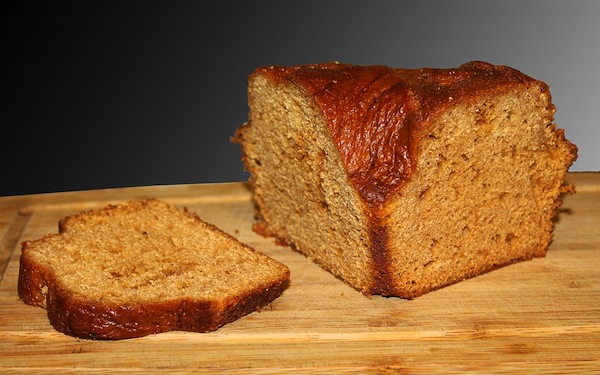
 

A history of sweetness

(photo from pixabay.com)

Although beekeeping as an occupation is not mentioned in the Bible, bees are mentioned four times, honeycombs are referred to eight times and honey is referred to 26 times. Archeologists actually have discovered proof that there was beekeeping and honey 3,000 years ago in a site in northern Israel.

Among Ashkenazim, sweet desserts for Rosh Hashanah are customary, particularly lekach, or honey cake, and teiglach, a hard, doughy, honey and nut cookie. Some say the origin of the sweets comes from a passage in the book of Hosea mentioning “love cakes of raisins.” There is also a passage in II Samuel, which talks about the multitude of Israel, “to everyone a cake of bread and a cake made in a pan and a sweet cake.”

It was Ezra, the fifth-century BCE religious leader who was commissioned by the Persian king to direct Jewish affairs in Judea, and Nehemiah, a political leader and cup bearer of the king in the fifth century BCE, who told the returning exiles to eat and drink sweet things.

Honey cakes traditionally include honey, spices, coffee and brown sugar as major ingredients, but some contain cognac, brandy, orange or lemon peel and nuts. In Curaçao, for example, cinnamon, ginger, nutmeg, raisins, nuts or currants, lemon or orange peel is added. In Zimbabwe, Jews include allspice, cinnamon, cloves, raisins, chopped nuts, brandy and chopped candied fruit in their honey cake.

In That Hungarian’s in My Kitchen, Linda Radke includes a Hungarian recipe from her family, which includes the basic ingredients and orange juice. A cookbook of Russian recipes includes a Ukrainian honey cake, medivik, with the basic ingredients as well as cardamom, orange peel, raisins, walnuts and apricots.

In The Jewish Book of Food, Claudia Roden writes that honey cake was a favourite in Germany as far back as the Middle Ages, and that lebkuchen, honey gingerbread, was also mentioned as early as the 12th century.

According to John Cooper in Eat and Be Satisfied: A Social History of Jewish Food, references to honey cake were made in the 12th century by a French sage, Simcha of Vitry, author of the Machzor Vitry, and by German rabbi Eleazar Judah ben Kalonymos. Cooper writes that, on the new moon in the month of Nissan, boys at Jewish school were given honig lekach, honey cake: “Originally, the names of angels were inscribed on the honey cake and amulets were attached to them, but later this practice was discarded.” According to Cooper, the words lebkuchen and lekach probably came to be related to the German word for lick, lecke.

By the 16th century, lekach was known as a Rosh Hashanah sweet. It also became popular for other lifecycle celebrations, such as betrothals and weddings. Malvina W. Liebman writes in Jewish Cooking from Boston to Baghdad that Crypto-Jews in 16th-century Latin America ate honey cake at weddings, in memory of the honeycomb that an angel gave to Asenath when she married Joseph.

In The Complete International Jewish Cookbook, Evelyn Rose (z”l), a maven of Jewish cooking from England, wrote that the first cakes made with artificial raising agents were honey cake, and honey was the chosen sweetener because sugar was not widely available until the end of the 19th century. As an aside, she also recommends keeping a honey cake in a closed container for a week before serving it, so it will “mature.”

Among the Chassidim, it was customary for the rebbe to distribute lekach to his followers, and others would request a piece of honey cake from one another on Erev Yom Kippur. This transaction symbolized a substitute for any charity the person might choose to receive.

Gil Marks (z”l), in The World of Jewish Desserts, says fluuden, a layered yeast cake, was traditional for Rosh Hashanah among Franco-German Jews. Made with a cheese filling, it could be eaten after a meat meal, since they only waited one hour between meat and dairy. Strudel, from the German word for whirlpool, was also common for Rosh Hashanah among European Jews.

The most traditional cookie for Rosh Hashanah is teiglach, the dough pieces dropped into a hot honey syrup and simmered until brown then left to cool. It has been suggested that this Eastern European sweet was probably invented by some housewife who had dough left over and dropped the pieces into a boiling honey syrup.

Many Jews of Sephardi background make tishpishti for Rosh Hashanah. This cake with walnuts, almonds, hazelnuts or pecans, has a hot syrup poured over it. The syrup can be made with sugar, water and liqueur, according to Rabbi Robert Sternberg in The Sephardic Kitchen. Sternberg also points to rodanchas as a popular Sephardi Rosh Hashanah sweet. These spiral-shaped pastries of phyllo dough contain a pumpkin or squash filling because these vegetables and their shape symbolize the cycle of life and the ascent of the soul into heaven.

Here are some honey cakes to try this year.

TISHPISHTI
Jews who lived in Turkey after being expelled from Spain in 1492 adopted this dish, whose name means “quick and done.” Some say it was always served on Rosh Hashanah, but it was also popular for Passover because it has no flour.

2 cups ground almonds, hazelnuts, pistachios or walnuts
1 cup cake meal
1 tsp ground cinnamon
1/2 tsp ground cloves or allspice
6 separated eggs
1 cup sugar
2 tbsp orange juice
1/2 cup vegetable oil
1 tbsp grated lemon or orange peel
* * *
3/4 cup honey
1/2 cup sugar
2/3 cup water
1/4 cup lemon juice

  1. Preheat oven to 350°F. Grease a rectangular baking pan.
  2. In a mixing bowl, combine nuts, cake meal, cinnamon and cloves or allspice.
  3. In another bowl, beat egg yolks with sugar. Add to nut mixture along with orange juice, oil and lemon or orange peel.
  4. Beat egg whites in another bowl until stiff. Fold into batter. Pour into cake pan and bake 45 minutes.
  5. Place honey, sugar, water and lemon juice in a saucepan. Stir until sugar dissolves. Increase heat, bring to a boil and cook for one minute. Let cool.
  6. Cut cake into squares or diamonds. Drizzle syrup over cake. Serve warm or at room temperature.

MOM’S HONEY LOAF CAKE
I don’t recall my mom baking this, but it was in my collection of recipes as being hers.

3 1/2 cups flour
1/4 tsp salt
1 1/2 tsp baking powder
1 tsp baking soda
1/2 tsp ground cinnamon
1/8 tsp ground cloves
1/2 tsp ground ginger
1/4 tsp ground nutmeg
4 eggs
3/4 cup sugar
1/4 cup vegetable oil
* * *
2 cups honey
1/2 cup strong coffee
1/2 cup raisins
1/2 cup chopped nuts

  1. Preheat oven to 325°F. Grease two loaf pans or a rectangular baking pan.
  2. Combine in a bowl flour, salt, baking powder, baking soda, cinnamon, cloves, ginger and nutmeg.
  3. Beat eggs and sugar in another bowl until fluffy. Add oil, honey and coffee.
  4. Stir in flour mixture. Add raisins and nuts. Pour into pans. Bake for 1.5 hours.

Sybil Kaplan is a journalist, lecturer, book reviewer and food writer in Jerusalem. She created and leads the weekly English-language Shuk Walks in Machane Yehuda, she has compiled and edited nine kosher cookbooks, and is the author of Witness to History: Ten Years as a Woman Journalist in Israel.

Foods that babas made

I’m here to boldly encourage you to try something entirely different at your Rosh Hashanah table this year. No, not a pony. A new food. Serve it, to non-vegetarians. And, if anybody asks what they’re eating, confidently tell them it’s a family secret. Don’t forget to mention that, if you tell them, you’ll have to kill them. That generally stops people in their nosy tracks. Let me be perfectly transparent: the food I’m about to suggest is on the meat spectrum. Alright, meat adjacent.

Isn’t it enough that everyone’s oohing and ahhing over the unparalleled tenderness of the dish? The specifics are strictly on a need-to-know basis. And no one needs to know. Except your butcher. OK, enough. It’s beef tongue. You heard correctly. I’m aware it’s not politically correct – after all, some farmer is clearly stifling free speech. Even if it only belongs to a cow. (And, technically, they can’t speak anyway. So moot point.)

Just so we’re clear, beef tongue is definitely not vegan. Or vegetarian-friendly. Not by a New York mile. I’m simply providing you with an alternative to screaming chicken, Coca-Cola brisket and mayo-slathered, onion soup-mix salmon.

I know that beef tongue screams old school (and Council cookbook). But so do I. And, if we’re going to be honest about it, people are still enthusiastically scarfing down ketchup-glazed meatloaf and baked salami filled with French’s mustard. They’re just not yelling it from the rooftops. So, loosen up and try thinking of beef tongue as a distant relative. Second cousin twice removed. Only maybe a little farther. But, still, meat mishpachah.

Before you pooh-pooh it, give it a shot. At least Google it and see what other Jews have to say about it. Most delis sell it pickled. But, believe me, pickled tongue has nothing on the sweet and sour version. Personally, I prefer to just boil it, cool it and eat it in a sandwich. With yellow mustard. On white bread. I can see the lynch mob in the distance.

The cooking part is where it gets tricky. If you’re a man, chances are you can’t relate to what I’m about to describe. You ladies, on the other hand, will understand perfectly. The cooking per se is easy (see recipe below). The next part is where it gets awkward. Once it’s cooked, you need to peel off the rubbery outside skin: think of taking off a pair of too-thick, too-tight pantyhose. That are wet. And it’s a hot, humid day. Not a particularly appealing visual, but it’s fairly accurate hyperbole.

Trust me when I tell you that your family/guests will be drooling all over themselves, demanding the recipe – if they can get past the sordid cooking details. Without further ado, here goes. And don’t be fooled by the simplicity of the recipe. You’re welcome.

SWEET AND SOUR BEEF TONGUE

1 beef tongue
2 onions, peeled and quartered
3 cloves garlic, peeled and halved
2 bay leaves
***
15 oz can of tomato sauce
15 oz water
3/4 cup brown sugar
juice of 1 lemon
1/2 cup sultana or dark raisins
dash of Worcestershire sauce (optional)
salt and pepper

Put the tongue and the rest of the ingredients into a deep pot with enough water to cover it well. Bring to a boil and simmer partly covered for about three-and-a-half hours, until tender when pierced with a fork. As it’s cooking, skim off the shmootz that forms on top. When tender, remove from the water. While it’s still warm, remove the skin (see detailed, gross description above), bones and stem. Slice and serve as is, or slice and serve with the sweet and sour sauce.

At the end of the day, a well-cooked beef tongue is all you need and nothing you don’t. But, I get that some of you are disgusted at the thought of eating tongue. So, for you finicky folks, I offer up another old school recipe – short ribs. This one is decades old and was handed down from my father’s cousin, Bertha Bloom. Nobody said it was diet food, so, if you’re not fussy about calories, go for it. Short ribs are notorious for being fatty, but therein lies most of their charm. Alright, all of their charm. You’ll diet tomorrow. And, hopefully, not die of clogged arteries tonight. But, have your cardiologist on speed dial, just in case.

BERT BLOOM’S BARBEQUE SHORT RIBS

Season two pounds of short ribs with salt, pepper and garlic salt then broil them until brown and half cooked. Transfer them to a covered Dutch oven (or similar deep roasting pan). For the sauce:

1 cup chili sauce
1/4 cup ketchup
4 tsp dry mustard
1/2 cup brown sugar
1 clove garlic, crushed
1 tbsp soy sauce
small tin of crushed pineapple

Mix the ingredients together – including the juice from the pineapple tin, but not the pineapple – put in a pot and bring to a boil. Pour the sauce over the ribs and cook covered at 300°F to 325°F for one-and-a-half to two hours, basting occasionally. Add the crushed pineapple 20 minutes before it’s finished cooking and leave uncovered. Prepare to be awed by the yumminess factor.

For your guests who prefer healthy food, you may want to direct them elsewhere for Rosh Hashanah dinner. Or, if you’re a really nice and accommodating host, make them a marinated tofu mock-roast. Or a Tofurkey. But, for those of you indulging in the short ribs, now might be a good time to loosen your belt or unzip your skirt, and prepare to stuff your belly. It’s Rosh Hashanah. Celebrate with some new arterial stents! Tell Dr. Saul I sent you.

Shelley Civkin, aka the Accidental Balabusta, is a happily retired librarian and communications officer. For 17 years, she wrote a weekly book review column for the Richmond Review. She’s currently a freelance writer and volunteer.

מלון טראמפ נסגר לצמיתות

המלון טראמפ אינטרנשיונל טאור ברחוב גורגיה בדאון טאון ונקובר
(Roni Rachmani)

החברה שמחזיקה בבעלות של המלון טראמפ אינטרנשיונל טאור ברחוב ג’ורג’יה בדאון טאון ונקובר הכריזה על פשיטת רגל. לאור כך מלון טראמפ נסגר לצמיתות. המלון נסגר זמנית במהלך חודש מרץ בגלל מגיפת הקורונה ועתה כאמור הוא נסגר לתמיד. לפני כארבע שנים בנסיבות דומות נסגר מלון טראמפ אינטרנשיונל טאור בדאון טאון טורונטו. מעתה לטראמפ אין יותר נוכחות בקנדה ותושבים רבים בוודאי נושמים לרווחה. השם טראמפ לא זוכה להערכה רבה במדינה השכנה של ארצות הברית.

מלון טראמפ אינטרנשיונל טאור בוונקובר כלל מאה ארבעים ושבעה חדרים, במגדל המתנשא לגובה שישים ושלוש קומות, ונחשב למלון יוקרתי אך קטן. הוא השתרע על פני חמש עשרה הקומות הנמוכות בבניין. המגדל נחשב לשני בגובהו בוונקובר והקמתו עלתה כשלוש מאות ושישים מיליון דולר. המלון כלל ספא מפואר ומספר מסעדות יוקרתיות בהן הסינית “מוט שלושים ושתיים” שנפתחה מחדש (לאור משבר הקורונה), וגם היא עתה נסגרה לצמיתות. הדירות הפרטיות במגדל טראמפ (מאתיים ושבעה עשרה במספר) ממוקמות בקומות הגבוהות של הבניין. הן נמכרו לפני מספר שנים במחירים גבוהים ביותר. בשלב זה עדיין לא ברור כיצד סגירת מלון טראמפ תשפיע על אלה שגרים בדירות הפרטיות.

בעלת הבניין של מלון טראמפ בוונקובר היא חברת תא לניהול בתי המלון. החברה אחראית על פעילות האירוח בקבוצת הולברון הגישה את הבקשה לפשיטת רגל בשבוע שעבר. החברה שמיקומה במלזיה מחזיקה בבעלות על בתי מלון יוקרתיים ברחבי העולם. בוועד עובדי המלון בוונקובר קיבלו בתדהמה את סגירתו, דבר שיביא לפיטורי עשרות עובדים.

מלון טראפ בוונקובר נפתח לפני כשלוש וחצי שנים שנים (בפברואר אלפיים ושבע עשרה) כאשר הבעלים קבוצת הולברון (בשליטת מיליארדר ממלזיה) חתמה על הסכם עם קבוצת טראמפ לניהולו. פתיחת המלון לוותה בהפגנות של תושבים מקומיים נגד טראמפ. בזמן בניית הפרוייקט ראש עיריית ונקובר לשעבר, גרגור רוברטסון, ביקש מחברת הולברון להסיר את השם טראמפ מהבניין, לאור פניית אזרחים רבים. תקופה קצרה לאחר פתיחת המלון מנהלי הולברון הביעו חשש מההסכם עם טראמפ, שכידוע מעורר התנגדות במקומות רבים ברחבי העולם.

חברת תא מסרה לבית המשפט שחובות מלון טראמפ בוונקובר נאמדים בכחמישה מיליון דולר, ולעומת זאת נכסי המלון מוערכים בכמיליון דולר בלבד. אסיפת נושי המלון הראשונה אמורה להתקיים בשישה עשר בספטמבר.

יצויין כי בראשית החודש במשרד הבריאות של מחוז בריטיש קולומביה נתקבל מידע על פריצת מגיפת הקורונה בלאונג’ של מלון טראמפ.

דונלד טראפ ביקר בוונקובר בשנת אלפיים ושלוש עשרה, עוד בטרם נתמנה לנשיא, והכריז על הקמת המלון על שמו בדאון טאון. הביקור זכה להד נרחב בתקשורת המקומית ונכחו בו גם שניים מבני משפחתו: בנו דונלד טראמפ ג’וניור ובתו איוונקה טראמפ.

לפי הערכות בענף המלונאות רשת פור סיזנס הוטלס שוקלת לרכוש את מלון טראמפ, לאחר שעזבה בראשית השנה את המלון בניהולה הצמוד למרכז הקניות פאסיפיק סנטר, שאף הוא בדאון טאון ונקובר.

מלון טראמפ בטורונטו היה בבעלות חברת טאלון אינטרנשיונל בשליטת המיליארדר היהודי-רוסי, אלכס שניידר (לשעבר מבעלי קבוצת הכדורגל של מכבי תל אביב). הוא נסגר בשל חובות שהוערכו ביותר משלוש מאות מיליון דולר.

חברת טאלון וחברת טראמפ הגישו תביעות הדדיות אין ספור אחת כנגד השנייה בגין המלון בטורונטו. במקביל חלק מבעלי הדירות בפרוייקט הגישו אף הם תביעות נגד שתי החברות. מרבית הדירות במלון נשארו ריקות וחברת הניהול של טראמפ לא עמדה בהתחבויותיה להשכרתן.