May on foreign, domestic issues

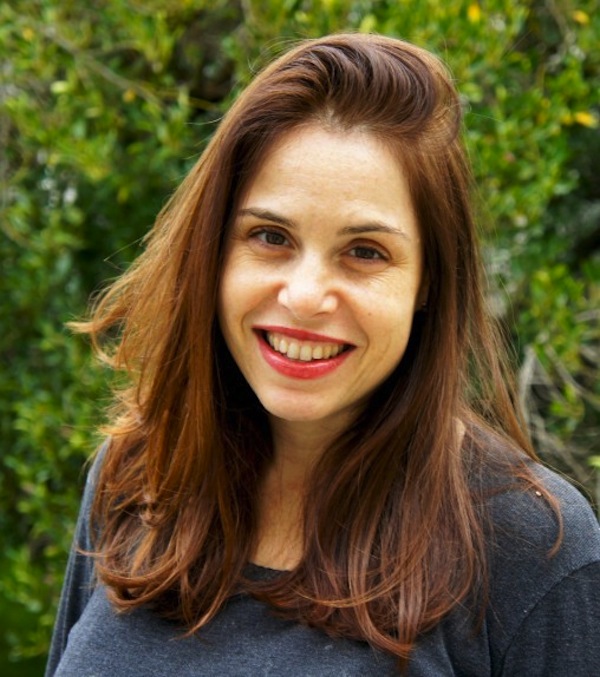
Green party leader Elizabeth May. (photo from Elizabeth May’s office)

“Let’s face it, Israel is a miracle in the world – in innovation, and science and technology, solar energy!” Green Party of Canada leader Elizabeth May told the Independent in an interview last week.

While the Green party passed a motion last year against the expansion of settlements in Israel, which they claim are illegal and pose an obstacle to a peace agreement between Israel and the Palestinians, May noted that there is a Green Party of Israel, and shared some of its accomplishments. She said her party supports Israel and the collaboration of Canada with Israel, particularly on science, technology and climate change.

She added, “I think that it really needs to be stressed that world peace depends on Canada playing a role where we command respect from a lot of different communities and support for the state of Israel has never marginalized Canada in the world, never. But, aligning ourselves with only one of the political threads of the Israeli body politic, basically being a pro-Likud country, reduces our influence in the world, for sure. And our influence in the world is needed for many things, including striving for peace in the Middle East – real, durable, sustainable peace, so we don’t have Israeli children or Palestinian children fearing for their lives.

“The Green party has always condemned Hamas, we condemn Hezbollah, we also want the response [to their actions] to be proportional, so it’s a very difficult issue and I don’t think it helps in our democracy when we can’t discuss it. I’ll clearly say that we draw a very strong line [between] any campaigns that criticize Israel, I think that’s legitimate, [and] any campaign that criticizes Israel but has at its base an even hidden agenda of antisemitism. I think we can spot that pretty quickly, and we’ve always condemned those.”

While prime ministers Stephen Harper and Binyamin Netanyahu opposed the Iran nuclear deal, May said, “We think it’s a good thing. We think that you can’t risk having Iran have nuclear weapons. You can’t take a chance on missing the opportunity for diplomacy to give you inspections – they are real. They’re not even going to implement the lifting of sanctions till Iran shows good faith and allows for inspections…. I think it’s important to say trust but verify.

“We also recognize that, if we’re going to solve the crisis in Syria, we have got to start making more alliances in the region and Iran could play a significant role. I think, obviously, that was on [U.S. President] Barack Obama’s mind in pursuing an agreement with Iran … we do not have enough natural enemies of ISIS [the Islamic State of Iraq and Syria] and extremism. Leaving Libya as a failed state was a mistake in the region, so we’re very concerned with the big picture, and maybe you have to take some water in your wine sometimes.”

If there were a Green government, May said she would consider deploying Canada’s military in action on foreign soil with a United Nations sanction, “which makes it legal under international law. We’re global, we have Greens in 80 countries around the world. We believe that you act within international law, with a UN approval. That’s one of the tragedies with the Libyan engagement, of course, was that we used the responsibility to protect with a UN sanction then, midway through, changed the mission to regime change, and we really contaminated the usefulness of responsibility to protect for future missions.

“… I could see Canada participating now in a mission that involved troops on the ground if it was to fortify the border between Syria and Turkey to stop the flow of black marketability. ISIS is funding itself in the millions through black-market operations, both its sale of black-market oil and its sale … of antiquities from the archeological and culturally significant sites they are looting. We should be using all of the tools at our disposal to stem the flow of money to ISIS….”

“But, for instance, I could see Canada participating now in a mission that involved troops on the ground if it was to fortify the border between Syria and Turkey to stop the flow of black marketability. ISIS is funding itself in the millions through black-market operations, both its sale of black-market oil and its sale … of antiquities from the archeological and culturally significant sites they are looting.

“We should be using all of the tools at our disposal to stem the flow of money to ISIS, but the recent figures – I saw today in the press that the number of recruits to ISIS has grown and, I have to say, of course! That’s why they wanted the West to come at them. If the West comes at them, that’s their best recruiting tool…. What they’ve done in terms of recruiting youth through social media tools, what they’ve done through brutal, sadistic and public murders, it’s unprecedented historically. Their brutality is not unprecedented historically but their techniques, like social media, are, so you have to ask yourself, why are they putting beheadings and tortures on YouTube? They want to recruit from the West and they want to excite Western nations to retaliate.

“And,” she added, “I think we have to ask ourselves, what’s Saudi Arabia doing? There’s certainly a lot of concern that Saudi Arabia is actually supporting ISIS. We need to have a significant effort involving all regional governments to end the war in Syria. If we have the focus on ending the war in Syria, shutting down ISIS becomes one of the many objectives.”

On security domestically, including Bill C-51, May said, “I supported that community and Jewish schools and facilities should have additional funding for security and that it should be government funded. C-51 is in another category altogether because C-51 actually makes us less safe against terrorists in every way.”

In 2012, with Bill C-38, she said, “Stephen Harper’s administration eliminated the inspector general for CSIS [Canadian Security Intelligence Service]. In 2015, they bring out C-51, which says CSIS can now – [with] what was in C-44 in December – is CSIS can … operate overseas and domestically, can collect intelligence and can act … [with] access to something that doesn’t exist in any other democracy anywhere around the world, which is access to a private, secret hearing to get a warrant for constitutional breach.”

With C-51, she said, there is no oversight. “It’s not a question of inadequate oversight,” she stressed. “Zero oversight of the RCMP, zero oversight of CSIS, zero oversight of the Canadian Border Services Agency, zero oversight of CSEC [Communications Security Establishment Canada]…. You take this together and – what a former MI-5 agent testifying to the Senate said was that – Canada has created a tragedy waiting to happen. If C-51 had been drafted as the legislative tool to implement the recommendations from the Air India inquiry, it wouldn’t look anything like it now looks. It would be about your intelligence agencies having pinnacle control, somebody know[ing] what everybody else is doing. Israel would never put in place a zoo like this. This is a three-ring circus with no ringmaster, and it’s dangerous.”

“We opened up our doors to ‘boat people’ from Vietnam. You could have made the same case – you could have said, there could be communist sympathizers who are sneaking into Canada. Now, the reality of the situation in Syria is that people are fleeing Syria because you can’t live there. The extent of the violence, there are very few areas of the country that are untouched by it.”

With respect to the refugee crisis, and balancing the acceptance of more immigrants with security, given that these refugees are coming from countries that inculcate antisemitism and anti-West views, May said, “We do apply security screens when people come to Canada. We always have. We opened up our doors to ‘boat people’ from Vietnam. You could have made the same case – you could have said, there could be communist sympathizers who are sneaking into Canada. Now, the reality of the situation in Syria is that people are fleeing Syria because you can’t live there. The extent of the violence, there are very few areas of the country that are untouched by it.

“I’ve helped some Syrian families reunite and I’ve known the extreme fear and terror that young men live under if they do not want to be captured by any one of the rival forces and forced into servitude,” she continued. “The military in Syria – whether it’s Bashar al-Assad’s forces … [or those that] oppose Bashar al-Assad – they’re all looking for people for their army. These young men that are fleeing, these young families that are fleeing, older people, are trying to get away from a war zone, and they are legitimate refugees. That said, we have a security screening process. They get interviewed before they come to Canada. We can create a situation where we know [through] ongoing surveillance and interviews for anyone. And, within the community itself, there’s a strong degree of networking that would not want someone coming here who posed a threat to them. We really can put in place effective security.

“Stephen Harper announced in January that we would accept 10,000 Syrian refugees and, having worked to try to bring refugee families to Canada, I absolutely say this is a system that was designed not to work. On one hand, he promised 10,000 refugees would be able to come to Canada; with the other hand, he made it impossible to accept them, which is devastating and tragic. I understand the fear, I’m not discounting it. I’ve been so impressed with the number of Jewish communities and religious leaders within the Jewish community who’ve called for us to accept more refugees. I think it matters. We call on accepting more but, obviously, not without security checks.”

May and the Green party have had to be innovative to get their ideas across during this campaign. When May was not invited to the Globe and Mail’s leaders debate on Sept. 17, for example, she countered with Twitter. Figures from North Strategic were cited in the media: “May was mentioned in 1,799 tweets in a 24-hour period leading up to the Calgary debate. That was about 300 more than NDP leader Tom Mulcair but fewer than Conservative leader Stephen Harper and Liberal leader Justin Trudeau.” May apparently gained 5,000 Twitter followers after the debate.

“… this may be the least fair election yet because the public expects to see all the leaders in a national televised leadership debate before the election is over, and … we are unlikely to have a single additional English language debate, and none that are broadcast nationally.”

“In terms of the fairness of the elections,” she told the Independent, “this may be the least fair election yet because the public expects to see all the leaders in a national televised leadership debate before the election is over, and it hasn’t been really explained in the media that, as things now stand, we are unlikely to have a single additional English language debate, and none that are broadcast nationally.”

In responding to a question about her party’s approach to the economy, May eschewed labels.

“Our solutions, and our view is, too, that we are not left or right,” she said. “If there’s a solution to a problem that comes from what we might say is a free-market, right-wing toolkit of solutions, like a pricing mechanism, we’ll use that, if it works. But, if you need a regulation, we’ll use regulation.

“So, our fee-and-dividend approach is less free market than Tom Mulcair’s cap-and-trade – he says the market will determine the price for carbon, I heard him say that the other night…. We’re pragmatic more than anything else. But, Greens around the world, where Greens have been in government, the kinds of programs we put in place really work…. We’re the only party left that opposes free-trade deals if they include investor-state agreements.”

As an example, she gave the Green party’s opposition to the Canada-China investment treaty. “It amazes me that it didn’t ever really get understood by the media, we never had a vote in Parliament on it, and we are trapped in the Canada-China investment treaty till the year 2045 without any real discussion of it and what it means to have the People’s Republic of China have the right to sue us for decisions we make they don’t like. I’m hopeful that, after this next election, with a minority Parliament, we can bring forward some legislation to require transparency, so that when China complains, there’s an obligation on governments to make that public, to make it known.”

The Independent has interviewed Liberal leader Justin Trudeau, Minister of National Defence and Minister for Multiculturalism Jason Kenney and has an invitation out to NDP leader Thomas Mulcair. The federal election is on Oct. 19.

רובטר פיסק בוונקובר חלק שני

בחודש שעבר הגיע לוונקובר העיתונאי האנגלי שלהאינדיפנדנט“, רוברט פיסק, שנחשב למומחה בנושאי המזרח התיכון. הוא נתן הרצאה בפני אולם מלא פה לפה בכנסייה המאוחדת בדאון טאון. (צילום: Roni Rachmani)

חוסר הצדק והיעדר חינוך יצרו את המלחמות והפליטים הרבים

אם לתושבים במזרח התיכון היו מוענקים צדק, חופש וחינוך לא היו מלחמות, לא היו כובשים זרים ולא היה את דאעש. ממשלות המערב השקיעו כספים ומשאבים אדירים לאור הפחד מאל קאעידה או מדאעש, כדי שפעולות הטרור לא יגיעו אל המערב. אם הן היו משקיעות את המשאבים בחינוך והייתה מתקיימת חברה יציבה ועובדת, התושבים המקומיים היו יודעים שהמדינות שייכות להם, ולא לדיקטטורים, קבוצות דתיות או שלטון זר, אז לא היו תופעות כמו של שמונה מאות אלף פליטים ולא דאעש.

מי זה ארגון דאעש וכיצד הוא פועל?

הבעייה עם דאעש היא שאיננו מכירים בעצם את הארגון ולא יכולים לסקר מה קורה באזוריו, כי אם נגיע לשם חבריו יוציאו אותנו להורג. בשנה האחרונה אני מנסה ללמוד את דאעש, הקשבתי שפתם וכיצד הם מתבטאים, ולצערי נאלצתי לצפות בכל הקלטות הנוראיות שלהם. מדובר בדבר חדש במזרח התיכון שלא היה קיים עד כה. בפרוש לא מדובר בדת אלה בפולחן דתי. מדובר באנשים אכזריים, קרים, חסרי רגישות, רגשות ותשוקות, למעט דרישתם להקמת המדינה האיסלאמית. הם מפחידים וזו כוונתם המוצהרת, ופועלים כמו טילים או מכונות במלחמה. ביקרתי עם כוחות הצבא הסורי בכנסייה לאחר שאנשי דאעש היו במקום, ונדהמתי לראות כיצד הם גרמו להרס. הם חתכו תמונות שמן עתיקות באופן מחושב במכונה לחיתוך, ולא בצורה אמוציונלית עם כעס ושנאה תוך שימוש בסכינים. כאמור מדובר בתופעה חדשה במזרח התיכון ואין לי מושג מי עומד מאחורי הנשק הזה שנקרא דאעש, אם כי אי אפשר לשלול את הקשר האפשרי בין דאעש לערב הסעודית.

מה על קנדה לעשות כיום במשבר הנוכחי במזרח התיכון?

קנדה בשום פנים ואופן ללא צריכה להתערב במלחמה עם דאעש וזה לא מתפקידה. הקנדים צריכים לעשות חשיבה מחדש ולעזור לאו”ם בשליחת משקיפים לאזור ולפקח על מה שקורה בשטח. וכן לעזור לאלה שסובלים וכידוע יש רבים מאוד שסובלים.

כיצד מתנהלת המלחמה של המערב בדאעש?

אני לא שחושב כלל שהמלחמה מול דאעש מתנהלת כמו שאנו חושבים. לא נראה לי שמדינות המערב ממש נלחמות מול דאעש, אלה שהן מקיימות בסך הכל תרגילים צבאיים. אם ארה”ב, רוסיה ואיראן היו רוצות לפעול ביחד, הן היו פותרות את הבעייה בסוריה ביום אחד. אך עובדה שזה לא קורה. להערכתי ארה”ב פוזלת יותר ויותר לכיוון של איראן השיעית, ופחות ופחות לכיוון ערב הסעודית הסונית. וכנראה שבשיחות הגרעין הארוכות עם איראן, בחצי מהזמן האמריקנים דנו עימם במשבר בסוריה, ועל הפיכתה של איראן לשוטר של המזרח התיכון. אני מעריך עוד שתתרחש הפיכה גם בערב הסעודית אך היא לא תבוא מכיוון האוכלוסייה, אלא מתוך בית המלוכה על ידי חלק מהנסיכים שיבצעו אותה.

מה קורה עם הסכסוך הישראלי-פלסטיני?

לגבי הסכסוך הממושך בין ישראל לפלסטינים, יש לזכור שגם לשני צדדים אלה הובטחו הבטחות שווא שיקבלו מדינות גדולות. אני יכול לקבוע בצער כי מדינה פלסטינית לא תקום, כיוון שממשלות ישראל השונות בנו ובונות בשטחים הכבושים בצורה כזו, שלא יהיה רצף טריטוריאלי לפלסטינים וזו עובדה מוגמרת. כל עוד תתקיים תמיכה אמריקנית בישראל שום דבר לא ישתנה ואני צופה שזה יביא לאסון באזור.

רוברט פיסק בוונקובר חלק א

בשבוע שעבר הגיע לוונקובר העיתונאי האנגלי של “האינדיפנדנט”, רוברט פיסק, שנחשב למומחה בנושאי המזרח התיכון. הוא נתן הרצאה בפני אולם מלא פה לפה בכנסייה המאוחדת בדאון טאון. (צילום: Roni Rachmani) 

בשבוע שעבר הגיע לוונקובר העיתונאי האנגלי של “האינדיפנדנט”, רוברט פיסק, שנחשב למומחה בנושאי המזרח התיכון. כבר שנים רבות שהוא מסקר את המתרחש באזור המסוכן הזה, תוך שהוא צובר עשרות שעות של ראיונות עם ראשי מדינות, ארגוני טרור ואנשי מפתח אחרים. פיסק מקיים סדרה של הרצאות ברחבי קנדה. בוונקובר הוא נתן הרצאה בפני אולם מלא פה לפה בכנסייה המאוחדת בדאון טאון. פיסק לא מסתיר את דעותיו וניתן מייד להבין שהוא שייך למחנה השמאל. לדבריו במדינות כמו אנגליה וקנדה לציבור הרחב יש דעות שונות ממשלותיהם, ודעות אלה לא באות לידי ביטוי. פיסק ממליץ לשומעיו שלא לבחור שוב בראש הממשלה הנוכחי סטיבן הרפר. “יש ביקורת גדולה על ממשלת קנדה בנושא הטיפול בפליטים, שמגיעים בהמוניהם מהמזרח התיכון. צריך להיות מנהיג כמו הקנצלרית של גרמניה אנגלה מרקל ולא כמו הרפר”. להלן עיקריו דבריו.

הסכם סייקס-פיקו הוא זה שיצר את הבעיות הנוכחיות הקשות במזרח התיכון

המזרח התיכון לפני כמאה שנים (1916) על ידי הצרפתים והבריטים, במסגרת הסכם סייקס-פיקו, היא שיצרה את העיוות נוראי ואת תוצאותיו שאנו רואים היום. בסיום מלחמת העולם הראשונה ביקשו שתי המדינות לחלק את האימפריה העות’מאנית ובעצם להשתלט על אדמותיה. זאת בטענה כביכול עד שיוקמו שלטונות עצמאיים. מעניין שהערבים לא שותפו כלל והצרפתים והבריטים קבעו לבדם את גבולות סוריה, עיראק, ירדן, לבנון ופלסטין. הוקמו מדינות שלתושבים בהן אין שום דבר משותף, גם לא מהבחינה הדתית. ובעצם צרפת ובריטניה ביקשו לשלוט במדינות אלה, באדמותיהן וכמובן גם במשאבים שלהן. לתושבים לא הוענקו צדק וחופש ונגרם להם עוול נוראי. לאחר מכן שתי המדינות עזבו את האזור והשאירו דיקטטורים ומלכים, ואף תמכו בהם ונתנו להם כסף ונשק. כיצד המוסלמים שמאמינים באלוהים דוכאו והושפלו על ידי מנהיגים שלא מאמינים באלוהים? כיצד מדינות המערב הדמוקרטיות תמכו כל השנים באותם דיקטטורים? מבחינת התושבים דמוקרטיה היא לא כמו במערב אלה פשוט דיקטטורה. אני לא זוכר בהפגנות נגד השליטים במזרח התיכון בארבע השנים האחרונות, אפילו מפגין אחד שרצה דמוקרטיה.

המצב בסוריה והפליטים הרבים

המצב בסוריה הוא גרוע ביותר מאי פעם במזרח התיכון. להערכתי יש כבר כשלוש מאות אלף הרוגים. מפקדי הצבא הסורי מסרו לי כי רק מצידם נהרגו כחמישים אלף חיילים. לבנון קלטה 1.5 מיליון פליטים ומדובר במדינה קטנה בת חמישה מיליון איש בלבד. אז האירופאים יכולים לדבר עד כמה קשה לקלוט פליטים? המצב במחנות הפליטים בלבנון קשה ביותר. סיירתי שם וראיתי ילדים שצריכים ללכת לבתי ספר עובדים בשדות בתנאי עבדות של ממש. כשמונה מאות אלף פליטים מציפים כיום את אירופה, ולהערכתי מרביתם לא מתכוונים לחזור למזרח התיכון כי אין להם לאן לחזור. הם לא מאמינים עוד במבנה המדינות הנוכחי, שנקבע בעצם בהסכם סייקס-פיקו. המצב הקשה והסבל הנוראי האנושי הזה קורה באזור בעיקר כיוון שלא תכננו שום דבר מראש. וינסטון צ’רצ’יל למשל הקים ועדה מיוחדת לתכנון מה יקרה בגרמניה הנאצית ארבע שנים לאחר נפילתה. צריך היום לשבת ולתכנן מה יקרה במזרח התיכון בעוד שישים שנה.

מי הטובים ומי הרעים במזרח התיכון?

היום אי אפשר לדעת במזרח התיכון מי הם הטובים ומי הם רעים. בעצם אף פעם לא ידענו. שום גורם צבאי לא יעמוד בקריטריונים של הארגונים לזכויות האזרח. בין אם מדובר בסוריה, ערב הסעודית, דאעש, ישראל או ארה”ב.

Tikva helps increase supply

Artist rendering of Storeys in Richmond, one of two projects with which Tikva Housing Society is involved. (illustration by Duane Siegrist of Duane Siegrist-Integra Architecture Inc.)

Of the 26,000 Jews living in Greater Vancouver, 16% live below the poverty line (more than 4,200). While several organizations within the community work to support the various needs of those community members, Tikva Housing Society has been doing what it can to make sure they have a roof over their heads, as well. And, at an event on Sept. 30, the society will announce the development of two new projects within Greater Vancouver that will significantly increase the number of affordable homes available for those in need.

The first project, called Storeys, is part of a 14-storey highrise that is being built in central Richmond by a group of nonprofit housing societies. Tikva Housing will own four two-bedroom and six three-bedroom units on the top two floors, averaging 1,100 square feet each. Those units will house families earning $25,000-$55,000 per year, who will pay 30% of their income toward rent. Construction is set to begin on the building.

illustration -
The new units being built for low-income Jewish families includes townhouses in Vancouver. (illustration by Dane Jansen of dys architecture)

The second project – Community Housing Land Trust – will be a Vancouver-based building in which Tikva Housing will own 32 two-, three- and four-bedroom townhomes, also averaging 1,100 square feet. Residents in those units will have gross family incomes between $25,000 and $95,000 per year and will also pay 30% of their total income toward rent.

Both projects are expected to be complete in 2017.

“Vancouver is the least affordable city in Canada, with the highest rental rates,” Michael Grudman, a Tikva Housing executive board member, told the Independent. “These two projects will be the first affordable family units that will be available to the Jewish community.”

Until now, Tikva Housing has operated an 11-unit building in Marpole, the Danny Guincher House, which offers housing for individuals. They also provide rental subsidies for as many individuals or families as possible who need support for rental expenses in other facilities. However, they have never been able to keep up with the needs of the community.

Grudman said Tikva Housing is currently providing rental subsidies for seven singles, one couple and 10 families, for a total of 46 people.

“There are many more applicants waiting for support,” he said. “We can always use additional funding.”

The two new projects are being supported by the Diamond Foundation, the Ben and Esther Dayson Family Foundation, the Lohn Foundation, the Zalkow Foundation and various other donors, as well as government agencies.

Tikva Housing has also been supported by the Jewish Federation of Greater Vancouver, first as a housing society set to determine the housing needs of the community 20 years ago, then as an active participant in supporting those needs since 2006.

The Sept. 30 announcement event will take place at 6:30 p.m. at Schara Tzedek Synagogue. An RSVP to s.cogan@tikvahousing.org is suggested. For more information on Tikva Housing Society, go to tikvahousing.org.

Kyle Berger is Jewish Community Centre of Greater Vancouver sports coordinator, and a freelance writer living in Richmond.

Sharing views on Israel

More than 100 people were at the Museum of Vancouver on Sept. 9 for a New Israel Fund of Canada-hosted panel discussion, The Backstory: Behind What You Know About Israel. Moderated by Temple Sholom’s Rabbi Dan Moskovitz, the evening featured Ronit Heyd, executive director of Shatil, an Israeli nonprofit supported by NIF, and Canadian journalist and editor Jonathan Kay of The Walrus.

The night before their Vancouver talk, Kay and Heyd spoke to a large crowd in Toronto, where they were joined by Haaretz editor-in-chief and journalist Aluf Benn. In Vancouver, the two were introduced by NIFC board president Joan Garson and executive director Orit Sarfaty. They covered a range of issues, including the rise of women in the Knesset, how North Americans talk about Israel, the problem of racism in Israeli society, the lasting impacts of 2011’s social justice protests and the influence of feminism and the Women of the Wall.

photo - Ronit Heyd
Ronit Heyd (photo from New Israel Fund of Canada)

Starting with a bit of good news, Moskovitz asked Heyd to talk about the fact that, at 31 members, the current Israeli Knesset has more women MKs than any prior government. “It’s not just in the Knesset,” said Heyd, “more women than ever ran in the last municipal elections.” Women are also trying to participate more equally in local religious councils, a task not for the faint-hearted, she said, due to the “very strong political power in the Knesset [and the Israeli establishment] that is still being held by the ultra-Orthodox parties. The ultra-Orthodox do not have – I want to add, yet – do not have women in the parties.”

The impact of the rise of women in politics extends beyond the makeup of parliament, Heyd said. “It is important to note that when a woman enters a very masculine environment, it changes” in several ways, including shifting the agenda. It is changed by raising, for example, the notion of transparency, “of the need to have a more just distribution of resources, of having a more open governance … and we see that especially with the religious councils.”

Though the pace of change is slow, she said, “This is not happening just out of the blue; they needed training. One of the things that Shatil does is work with a group of women who want to be elected to the religious councils – they want to have their voice heard. They need support, they need to know how to build alliances, how to read a budget.”

Kay added that, while there are certain parallels, the situation in Canada is very different, and bringing women into Israeli politics is a “much more urgent project.” Unlike in Israel, he said, “in Canada, there is no significant mainstream constituency that believes that women cannot occupy the public sphere. It’s a fringe, not mainstream, view. In Israel, you have these people who ideologically don’t believe that women should have a role in public life.”

However, though women in Israel are participating at unprecedented levels in government, their voices are still not equally heard in the male-dominated policy landscape. Of the main issues in the Knesset, Heyd said, “The first one is security. The second one is security. The third one is also security. And women are not brought into that conversation.” The impact of women will be more fully realized, she said, once they have influence in policies around pay equality, security and the economy.

Moskovitz asked each panelist to comment on the polarization of the conversation about Israel and how the divisiveness impacts the Canadian and Israeli Jewish communities.

photo - Jonathan Kay
Jonathan Kay (photo from New Israel Fund of Canada)

Part of what creates the tense atmosphere is that “Zionism itself in its most potent form has become a form of religion,” Kay said. “What do religions provide? They provide a theory of evil, they provide a theory of good, they provide a tribal identity, they provide a liturgy … many of the fundamental elements of a religion are provided by the most militant aspects of Zionism as they are projected in the Diaspora.

“By the way,” he continued, “I consider myself a Zionist. I’ve written columns in support of Israel, I’ve raised the flag in time of war. However, I know when I see people’s opinions on geopolitics become so strong that they take on the character of religious beliefs. And you see this with the Iran nuclear deal. It is not only, ‘I don’t like Clause 7, but I do like Clause 8.’ The dialogue is, ‘It’s 1938, are you with Churchill or are you with Chamberlain?’ … the imagery of Hitler, the imagery of black, white, good, evil. And, again, I know there’s this well-intentioned idea among many liberal Jews, ‘Well, if only we had the right press release, or the right argument and we could frame things in the right way.’… To a certain extent, that’s not happening because the people on the other side of the debate have chosen another faith.”

The speakers agreed that the polarization of the debate in the Diaspora impacts Israeli society; it matters. “There is a direct line that goes from the conversation that is being held here in North America and what’s happening in Israel,” said Heyd.

Can Jews in North America find a way to talk about Israel, asked Moskovitz?

“Email is the destruction of dialogue,” Kay said. “Stop sending each other articles! Take 30 seconds and actually put your own thoughts in your own words. You don’t have to send it to 50 people…. Don’t call me an imperialist if you think I’m right wing. Don’t call me a useful idiot if you think I’m left wing…. Don’t fall back on those tropes…. In the ’90s, you actually had to find someone to argue with! Now, you can actually do it from your desk, and I think that has raised the temperature because it has created tribalism. It’s one thing to lose an argument with one person, it’s another thing to lose an argument with 50 people on a reply-all email chain. It sounds silly, but the medium is the message.”

Another issue that has made news is the problem of racism. While there are few parallels between the Black Lives Matter movement in the United States and the protests of Ethiopian Israelis earlier this year, both countries still need to find a way to better integrate and respect racial diversity. The issue is especially acute when it comes to integrating Arab-Israelis into Israeli society.

Kay said he believes that Canada has done an excellent job of assimilating various groups, with some exceptions, but it helps that many immigrants come to Canada from urban centres, and are well educated. “Regardless of their skin color, they’re capitalists…. That’s the main thing,” he said.

On the question of what changes Israel has undergone since the 2011 summer economic protests, Heyd said there is still no economic relief for average Israelis, who are increasingly burdened by the cost of living, but Israelis have received more coverage for childcare, and the centralization of the market is back on the political agenda.

Overall, whether it’s the ways in which Israel is meeting its challenges or struggling to balance security with social justice, what is apparent, Heyd said, is that there is “a mini flourishing of civil society … people in the periphery are becoming involved, not just Tel Aviv, the big cities,” and that is cause of cautious optimism.

NIFC hosts Anat Hoffman, executive director of the Israel Religious Action Centre, on Nov. 17 at Temple Sholom.

Basya Laye is a former editor of the Jewish Independent.

New lending programs

At 100 years old, the Hebrew Free Loan Association of Vancouver (HFLA) is a fairly spry organization, keeping current with the community’s changing needs. So, as the new year begins, it is introducing three new lending programs for trial in an effort to encourage more applicants to look to HFLA for the loan that may help them through financial hardships, finance dental work, launch their new business or fix their roof.

Emergency loan limits have doubled to a maximum of $1,500. These loans are for immediate and urgent needs and typically are processed within 48 hours of application. One qualified guarantor is needed to secure this loan.

Single-guarantor personal loans with a $5,000 maximum are being introduced, and applicants will require only one qualified guarantor.

Business, education and special purpose loans are being changed to make it easier to borrow up to $10,000. HFLA will now ask for only two qualified guarantors instead of three. Borrowers in this category use these loans for modern needs like in vitro fertilization, adoption or computer equipment for business startups.

In 1915, when Jews in the community first began making small loans, it was to buy a horse or a pushcart to open a used furniture shop or to buy supplies for a small store. These loans of $5-$25 were a lifeline for early immigrants to Vancouver to establish themselves and, in turn, to build our community. Today, we look back and see how much those first loans did to encourage financial independence and engender security for people who were unable to find money any other way. We can see in the less distant past, loans to a wave of immigrants from the former Soviet Union in the 1980s, who bought musical instruments and other vital equipment to make a living here.

There are many amazing stories of ways in which people have received assistance to get out of a bad situation or a jump-start into a new life with a loan from HFLA, and the association wants to ensure those stories continue to accumulate by reaching more people. This strategy began with HFLA’s centennial celebration in May.

The new loan programs are designed to make it easier to apply for interest-free loans quickly, with anonymity and dignity. HFLA meets every two weeks to discuss loan applications so the waiting time for a loan is brief.

For full information about all of HFLA’s loan programs, visit hfla.ca or send someone you feel will benefit from an interest-free loan to check it out (the revamped website includes simplified forms). To speak to the HFLA’s part-time administrator, Michelle Longo, call 604-428-2832.

FEDtalks launches annual campaign

Left to right are Jewish Federation of Greater Vancouver CEO Ezra Shanken, campaign chair Dr. Neil Pollock, women’s philanthropy chair Lisa Pullan, board chair Stephen Gaerber and major donors co-chairs Alex Cristall and Andrew Merkur. (photo from JFGV)

On Sept. 17, Jewish Federation of Greater Vancouver kicked off this year’s annual campaign with a new event: FEDtalks. Featuring brief TED-style talks from four speakers – the Hon. Irwin Cotler, Eli Winkelman, Dafna Lifshitz and Rabbi David Wolpe – more than 700 community members attended the event at the Queen Elizabeth Theatre.

photo - Audience members take their seats at FEDtalks on Sept. 17
Audience members take their seats at FEDtalks on Sept. 17. (photo from JFGV)

“Each speaker delivered a message that was Federation related, from the refugee and migrant crisis, to caring for those facing hunger, to leveling the playing field in Israel’s periphery, to inspiring people to connect more fully with their Jewish identity and values,” said Jewish Federation chief executive officer Ezra S. Shanken. “Their messages were our messages, and they reflected the soul of who we are as a Federation.”

Cotler addressed issues important to the Vancouver Jewish community – and, indeed, to the world – with particular emphasis on Syria and the refugee and migrant crisis. As a well-respected parliamentarian and human rights lawyer, he brought depth and breadth of knowledge on the crisis.

Winkelman shared her story of turning the simple act of baking challah into acts of social justice by founding Challah for Hunger, which now has 90 chapters on college campuses in three countries. Her work was recognized by President Bill Clinton, who highlighted Challah for Hunger in his book Giving: How Each of Us Can Change the World.

Lifshitz, CEO of Appleseeds Academy, addressed her organization’s work bridging the digital divide in Israel’s periphery and, in particular, the Net@ program that is supported by Jewish Federation. Through Net@, at-risk youth in our partnership region of the Upper Galilee receive specialized computer training that catapults them into highly-skilled, well-paying jobs, thus helping break the cycle of poverty.

Wolpe, who was named the most influential rabbi in America by Newsweek magazine, also addressed the refugee and migrant crisis, but from a Jewish perspective. He closed the evening with an inspirational message that united the community through the shared values of chesed, tzedaka and tikkun olam.

The Vancouver Jewish community’s central fundraising initiative, the annual campaign supports critical social services, Jewish education, seniors programs and young adults programs, and fosters ties with our partnership region in Israel. To donate or volunteer, visit jewishvancouver.com/what-to-give/annual-campaign.

Ready for the election

SUCCESS chief executive officer Queenie Choo, left, with federal election candidates, left to right, Jody Wilson-Raybould, Erinn Broshko, Wes Regan and Mira Oreck. (photo by Jocelyne Hallé)

More than 100 people filled Choi Hall on Sunday to hear local candidates in the Oct. 19 federal election talk on immigration, economics, security, employment and health care. Co-sponsored by the Centre for Israel and Jewish Affairs and SUCCESS Canada, as well as various media outlets, including the Jewish Independent, the panelists, in order of initial three-minute presentations, were Vancouver-Granville candidates Erinn Broshko (Conservative), Mira Oreck (NDP) and Jody Wilson-Raybould (Liberal) and Vancouver East candidate Wes Regan (Green). The candidates each had two minutes to respond to questions submitted in advance by the public and, at the end of the Q&A, they each gave summary statements.

Charlie Smith, editor of the Georgia Straight, served as moderator, while Doug Purdie, chair of the board of SUCCESS, welcomed the audience and Jason Murray, chair of CIJA, closed the proceedings.

ראיון עם טימה כורדי חלק ב

טימה כורדי (צילום: Facebook)

בראיון הטלוויזיה מול ביתך בראשית החודש האשמת את עצמך בטביעה של האחיינים שלך וגיסתך כיוון שאת נתת להם כסף שישלמו למבריחים, שהעבירו אותם מטורקיה ליוון דרך הים. “זה נכון. אני נתתי לאחי עבדאללה חמשת אלפים דולר עבור המבריחים. לא יכולתי לתת לו חסות שיעבור לקנדה, כיוון שהתחלתי עם האח הבכור מוחמד, ואין לי את היכולת הכספית לעזור ליותר מאח אחד כל פעם. עבדאללה צריך השתלת שיניים דחופה כיוון שאין לו שיניים בפה, וזה עולה כסף רב, אך החלטנו שקודם כל הוא יעבור עם המשפחה למערב אירופה. ואחר כך נמשיך. לצערי לא יהיה המשך”. כורדי נחנקת מדמעות ובוכה על מר גורלם של שלושת בני המשפחה שניספו. “הוא סיפר לי איך החזיק את שני הקטנים בידיו בניסיון להציל אותם, מאיימת הים. מי האמין שזה יהיה סופו של המסע. כמה עבדאללה מסכן עכשיו. הוא רוצה להישאר ליד קברם של ילדיו ואשתו. אני לא יודעת כמה זמן יקח לו להתאושש, אם יתאושש בכלל. ואם אביא את כל המשפחה לכאן וגם אביא אותו, כיצד הוא ירגיש כשהוא לבד, וכל האחים מלווים בילדיהם. גם אני שבורה לגמרי ולא מסוגלת לתפקד. אני לא יכולה לאחזור לעבודה כרגע. אני גם אני לא יודעת כמה זמן זה יקח לי לחזור לעצמי. קרה לנו אסון גדול שאני לא מאחלת לאף משפחה, לאף הורים”.

טימה אני שואל בקושי רב, כיצד הרגשת כששמעת שהילדים ואימם ניספו בים? “התחלתי לצרוח כמו משוגעת ולא ידעתי מה קורה עימי. איבדתי את השליטה על עצמי. השכנים שמעו אותי ורצו בבהלה לראות מה קרה לי. ונדמה לי שאף הזעיקו את המשטרה. ביום רביעי בערב הלכתי לישון והיה לי חלום מאוז מוזר. חלמתי על אימי שיושבת מול המחשב ומקבלת הודעות מוזרות ומתחילה לצעוק, שכולם דואגים וכולם בוכים. כולם במשפחה ובין החברים ידעו שעבדאללה היה הילד החביב ביותר עליה. היא כמובן אהבה את כולנו מאוד, אך הוא היה הילד המיוחד שלה, ותראה מה קרה לו. כהתעוררתי בחמישי בבוקר ראיתי המון המון הודעות בטלפון, והבנתי שמשהו לא בסדר. עבדאללה יצא עם משפחה למסע בן חצי שעה ואף אחד לא שומע ממנו יומיים? התקשרתי מיד לאחותי בדמשק וקו הטלפון היה גרוע מאוד. אך הבנתי שמהו רע מאוד קרה לעבדאללה, והתחלתי לצרוח בטרוף. בעלי והבן שלי (בן ה-22) שגר למטה, התעוררו מייד ובאו אלי בבהלה. לא הייתי מסוגלת להתקשר שוב לאחותי וידי לא נענו לי. ביקשתי מבני שיחייג אליה. היא בכתה ושאלתי מה קרה. תגידי לי מה קרה עם עבדאללה צעקתי. לבסוף היא אמרה לי את האמת המרה מכל, שהוא איבד את אשתו ובניו בים. איזה אסון גדול קרה לנו. אני יודעת שבהתחלה הוא האשים את כל העולם במה שקרה לו. אחר כך הוא נרגע ונסגר תוך עצמו. אני מנסה לדבר איתו וזה נורא קשה. כשהוא הגיע לבית החולים לשם הובאו גופות אשתו והילדים, הוא ישב בחוץ והחזיק את בגדי הילדים ולא הפסיק להריח אותם. זה הזכרון האחרון שיש לו מגאליפ ואיילאן. איזה מסכן”. (היא שוב בוכה).

טימה: האם את בטוחה שהתמונה הקשה של גופתו של איילאן שנמצאה על החוף תשנה משהו, תעיר מישהו, הרי מאות ילדים נהרגו כבר בסוריה ולאף אחד כנראה זה לא איכפת? “כן. אני מאמינה שזה מסר מאלוהים. הוא לקח את שני הילדים ואימם לגן עדן. הם בטוחים עכשיו שם ויש להם חיים טובים יותר. והמסר הוא שיש לעצור את האלימות ולהפסיק את המלחמה הנוראית הזו. אני מקווה ובטוחה בעצם שכל העולם יתעורר ויתעשת, ויפסיק את המלחמה. זו השליחות של איילאן לעולם וזה המסר שהוא הביא עימו בטרם נלקח על ידי אלוהים”.

כשדברתי עם בעלך יום קודם לכן, הוא הסביר לי שהיה חשוב שתסבירי לעולם באנגלית, מה המשמעות של התמונה הקשה של אלייאן שוכב שם על החול. כורדי: “כן היה לי חשוב ביום הקשה הזה בחיי לנצל את ההזדמנות שניתנה בידי, ולהסביר לעולם כולו איזה סבל נוראי קורה שם בסוריה, וצריך למנוע את ההרג ושהורים נוספים יאבדו את ילדיהם. אנו בטוחה שכולם יתתעוררו עכשיו ויסיימו סוף למלחמה הקשה הזו. מותו של אלייאן הוא מחיר כבד מאוד למשפחה, אך אולי הוא יביא למשהו טוב. אולי יצא מזה משהו חיובי”.

לסיום אני שואל את כורדי האם יש לה מה להגיד על הצעתו של יו”ר האופוזיצה יצחק (בוזי) הרצוג, לאור משבר הפליטים באירופה, שגם על ישראל לסייע במאמץ לקלוט פליטים מסוריה. “אני גרה כאן עם בעלי האיטלקי והחשיבה שלי היא כיום מערבית. זה ידוע שישראל וסוריה נמצאים ביחסי עויינות ולא ברור לי אם אפשרי בכלל, לקלוט פליטים סורים בישראל. אך אם זה אפשרי בכך ניתן לעזור לפליטים, אין סיבה שזה לא יקרה. אגב אני שמעתי כבר לא פעם שישראל מטפלת בפצועים מסוריה”.

Kenney discusses priorities

Jason Kenney, Canada’s minister of national defence and minister for multiculturalism. (photo from forces.gc.ca)

Jason Kenney, Canada’s minister of national defence and minister for multiculturalism, says this country should prioritize Christian refugees and other minorities who constitute the most imperiled of the millions fleeing Syria and Iraq.

“Some people are in an understandable wave of emotion … telling me that we should just send C-17 aircraft over there to refugee camps and load them up and bring them to Canada,” Kenney told the Independent. But the refugees and internally displaced persons (IDPs) that Kenney sees as most vulnerable are not even in the United Nations refugee camps, he said.

“I know these issues extremely well and I can tell you that there are certain vulnerable Syrian and Iraqi minorities who cannot and do not even go to the UN camps,” said Kenney. “Why? Because they are the persecuted minorities. Ismaili Muslims, Druze, Chaldeans, Assyrians, Syrians, Armenians – e.g. the Christians – do not go to the refugee camps in Lebanon, Jordan and Turkey because they’re afraid of their minority [status], the implications of that. These are the people who are living in urban slums in Amman, Jordan, in Beirut, Lebanon, and some in Ankara, Turkey, who we have said we will focus our refugee resettlement programs on.”

These minorities are less likely, Kenney said, to harbor individuals who could pose a threat to Canada.

“These are the victims of the doctrine of armed jihad,” he said. “I can tell you that these people, when they come to Canada, they want to keep us safe from what drove them out of their homes. This is why I think we need to be intelligent about refugee resettlement.”

Kenney emphasized that he wishes peace and protection to all of the refugees and IDPs regardless of their faith or political views. But, he added, “I’ve been to the camps, alright? When I go into people’s tents and I see there’s very few young men, I’ve asked in Turkey and Lebanon and in Jordan: where is your father, where is your husband, where’s your son? I see the pictures in the tents.”

The response he has received often, he said, is that the men are off fighting with the al-Nusra Front or other Islamist militias.

“This is a vicious stew of violence and we must ensure that that cult of violence doesn’t inadvertently come to Canada,” said the minister, who is running for reelection in Calgary. “So that’s why we need to be careful and prudent about security screening and, I think, ensure that to the greatest extent possible the refugees who we welcome to Canada are those who are amongst the most vulnerable.… I don’t apologize for saying we should focus on the most vulnerable and on Canada’s security at the same time.”

Kenney, who has been the Conservative government’s point person for ethnic communities, spoke with the paper as the image of Alan Kurdi, the Syrian-Kurdish refugee child whose body washed ashore on the Turkish coast, was animating the world to act on the refugee crisis.

“The image of that boy represents thousands of others who die in human smuggling operations and the tens of thousands who have – excuse me, the hundreds of thousands – who have died in the Syrian civil war and as victims of the so-called Islamic State in Iraq and Syria,” said Kenney. “It galvanizes collective attention on the total humanitarian catastrophe in Iraq and Syria.”

Canada is the largest per capita resettler of refugees worldwide, Kenney said, welcoming one in every 10 resettled refugees in the world. (CBC and Global News have both analyzed this claim and note that it refers to refugees resettled from an asylum country like Lebanon or Jordan to a country that has agreed to take them as refugees. Because most refugees flee to an adjacent country – or, as seen in recent months, trek to European countries – the news outlets assert that Canada is not first, but 41st, in the world. Canada accepts one in 10 resettled refugees, but most refugees remain unsettled, they claim, making Canada’s acceptance rate of total refugees about one percent, not 10%, of the world’s refugees.)

In any event, the enormity of the problem, Kenney said, means “resettlement is not a solution.”

This is where Kenney differentiates the Conservative government’s position from those of the opposition parties. The United Nations High Commissioner for Refugees cites 15 million Iraqi and Syrian refugees and IDPs, he said.

“It’s a cruel myth if we think we can solve a humanitarian crisis with 15 million IDPs and refugees and here’s the key thing – new refugees are being created every single day,” he said. The world needs to address the root cause of the massive refugee problem, he said, which is the genocidal terror of ISIS (also called ISIL or the Islamic State).

“We have a moral obligation to play a role in degrading and ultimately defeating ISIL in its campaign of terror,” he said. “And, we also need to provide humanitarian support to the IDPs and refugees, which we are doing…. We’ve contributed between the two countries over $810 million in emergency humanitarian assistance. We will do more.”

The defence minister took a shot at New Democratic party leader Thomas Mulcair and Liberal leader Justin Trudeau, both of whom oppose Canadian ground troops in the fight against ISIS.

“What we’re doing is important,” Kenney said. “The military contributions that we are making through our airstrikes and the training of the Kurdish Peshmerga in northern Iraq are making a meaningful difference but, in the grand scheme of things, are relatively modest contributions. So, for the Liberals and NDP to suggest that we should completely withdraw even from the air campaign or, in the case of the NDP, from training, is, I think, morally irresponsible and reprehensible. If the world is moved by the images of the Kurdi family on the Turkish beach, we must recall that these were people who fled the violence of ISIL and there will be more Kurdi families unless and until the world stops this genocidal terrorist organization. That’s why we believe there is a moral obligation and a security imperative for us to participate in the international coalition degrading and, hopefully, ultimately defeating ISIL.”

On the issue of domestic security, Kenney also lashed back at critics of Bill C-51.

“If you look at the additional security powers included in Bill C-51, they are modest compared to most of our liberal democratic peer countries,” he said. “Most of the new powers included in Bill C-51 are actually invested in the courts, the judiciary, not in the police or intelligence agencies and certainly not in the hands of politicians. And many of those additional powers themselves are very modest.”

Kenney said RCMP were keeping an eye on Martin Couture-Rouleau, the “lone wolf” terrorist who killed Warrant Officer Patrice Vincent in Quebec last year.

“The RCMP went to the prosecutors and said we want to apply for a preventative detention order or peace bond to restrict this guy’s movements because we think he’s going to do something crazy and violent,” said Kenney. “The prosecutor said, sorry, but we just do not have the legislative, the statutory, tools to do this. We would have to prove to a court that he will commit a terrorist offence and there’s no way to do that.”

Under the new law, said Kenney, police can go to the prosecutor, who in turn can go to the court, and the court determines whether an order for preventive detention can be issued.

“And, by the way, the maximum order for that can be seven days,” he said. “In Britain, it’s 28 days. It’s why I say the powers here are relatively modest.”

Another example of what Bill C-51 does, he said, is to allow the Canadian Security Intelligence Service to interrupt a possible terrorist event.

“What does this mean practically? If CSIS is observing that a 15-year-old kid’s spending hours every day on terrorist websites, instead of just waiting for him to blow up metaphorically, they can go to his parents now and say, ‘Are you aware that your son appears to be in the process of radicalization?’” Kenney said. “Is this a violation of civil liberties? No. As the prime minister says, the most important civil liberty is the right to live safely and securely.”

Kenney described the idea that C-51 could be used to infiltrate or disrupt civil society protests against things such as oil pipelines as “rubbish.”

“I think the criticisms of Bill C-51 have been massively overblown,” he said. “If they advocate going and blowing up pipelines, yes, possibly. But protesting the construction of pipelines? Absolutely rubbish. No police officer would be interested in that, no prosecutor would bring a charge on that, no court would accept it. It is ridiculous.”

The Conservative government has often been alone on the international stage in defending Israel’s right to defend itself, a position that has been criticized on several fronts, including accusations that the Tories have turned Israel into a partisan political issue. The Independent asked if the government’s vocal position is driven by theology, politics or ideology.

“What drives that is principle,” Kenney said. “Israel is not a normal state. Israel is a moral cause. Israel is the refuge of the survivors of the Shoah and, therefore, the world has a moral obligation to ensure the protection of that refuge, that one and only Jewish homeland in the world.”

He dismissed political expediency as a factor, noting that fewer than one percent of Canadians are Jewish – and that not all of them are committed Zionists – and Canada has little of the Christian Zionist movement that exists in the United States.

“So, it’s not political,” he said, adding that it is also not based on “some kooky Christian reconstructionist millennial theology.”

“I have never heard a Conservative political actor in Canada make reference to Christian Zionist theology in articulating our support for Israel,” he said. “That’s a phantom for some paranoid minds on the left. The truth is this … we see Israel as an emblem, a symbol, a surrogate for Western civilization in the Middle East, by which we mean that Israel is predicated on the belief in human dignity, which is manifest in a liberal democratic political system, protection for human rights, religious freedom and pluralism.”

He said Israel’s enemies are motivated by what they view as “an unacceptable presence of those Western civilizational values in the Middle East, but secondly because the enemies of Israel are motivated by a deep and irredeemable antisemitism.”

“Most of Israel’s enemies do not seek a conventional peace – negotiations toward a two-state solution or a conventional political solution to the conflict there. They seek one thing, which is the elimination of the so-called ‘Zionist entity’ and the driving of the Jews into the sea. A second Holocaust.”

In addition to foreign affairs, Kenney said he wanted to remind Jewish Canadians of programs the government has undertaken domestically.

“We’ve taken a zero-tolerance attitude to antisemitism here domestically and that’s not just rhetorical,” he said. “We’ve paid a price for it. I’ve defunded organizations that were receiving grants – perversely – to provide integration services to newcomers, like the Canadian Arab Federation and Palestine House, whose leadership were openly antisemitic. I’ve been sued for it, our government’s been sued for these decisions, but we did the right thing.”

The government, he said, has also funded security infrastructure projects to upgrade security at synagogues, Hebrew schools and Jewish community centres.

On the issue of whether Canada is in a recession, Kenney said there was a sectoral contraction in oil that’s affected Alberta.

“No doubt about it, Alberta is in a recession due to the crash in oil prices,” he said. “But the rest of the country and the other industry sectors are growing. Employment remains strong. This is hardly a recession by any broadly understood definition and, according to the June StatsCan report, we’re back into a growth phase of two percent annualized growth. The dumbest thing we could do would be to act as though there is a serious, deep recession by going out and borrowing tens of billions of dollars as the other parties [would] do, which constitute deferred taxes. We think fiscal discipline, low taxes [and] expanded trade markets continue to be the right recipe for growth.”

The Independent has interviewed Liberal leader Justin Trudeau and has invitations out to NDP leader Thomas Mulcair and Green party leader Elizabeth May. The federal election is on Oct. 19.